
Only with use of nuclear weapons, thus leading to fallout across south-west Russia.
So, a plan with a few teensy problems.
yin TTH 🪽 retweeted

22h
when you got 5 health problems u jus ignoring

130
18,692
108,501
805,031
Nurse Normzs ANTI-TRUMP ANTI-FASCISM retweeted

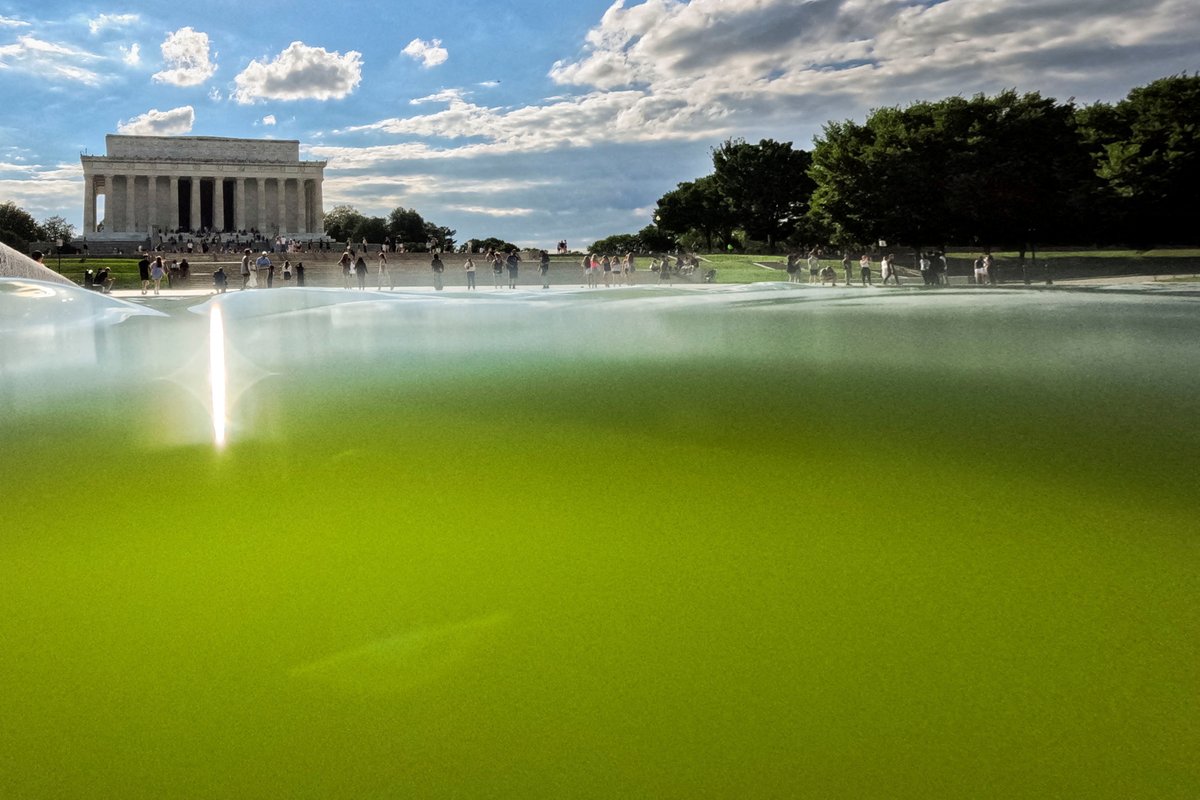
Algae problems in the “newly renovated” Lincoln Memorial Reflecting Pool are worsening rapidly.
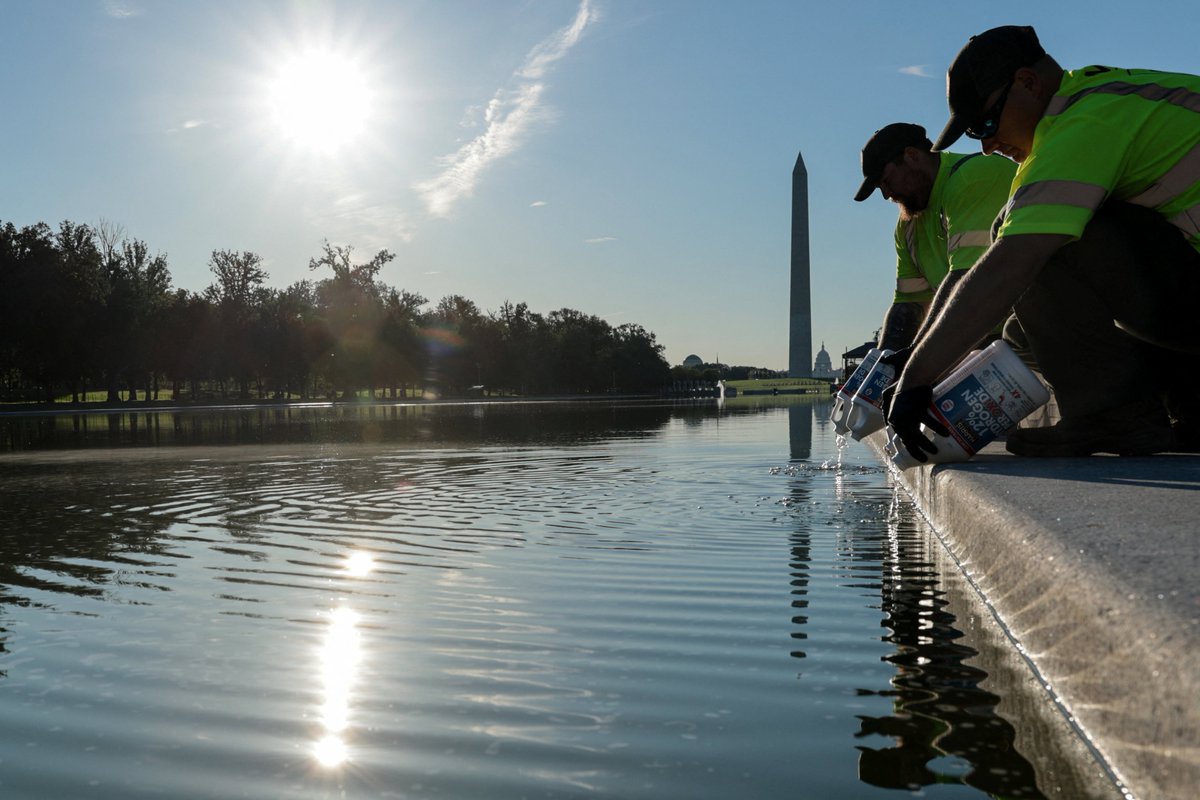
Today, images of Interior Department workers in waders frantically dumping huge bottles of hydrogen peroxide into the monument’s now sickly green waters began circulating.
“The [peroxide] treatment is the latest attempt by the Interior Department to control an algae bloom that has turned the pool bright green, despite President Donald Trump’s costly renovation to make it ‘American flag blue’ in time for the nation’s 250th anniversary,” WIRED explained.
Trump initially claimed his efforts to “rehab” the Reflecting Pool would cost a modest $1.8 million. Unsurprisingly, a no-bid contract handed to a crony spiked the cost to nearly $15 million.
“The work was done under a no-bid contract by a company that has never worked for the federal government,” WIRED added, citing a New York Times report.
“’I have a guy who’s unbelievable at doing swimming pools. He called me up. He said: Sir, we can do something on it,’” Trump said in April, per The Guardian. Right before the site re-opened, Trump loyalist and Interior Department spokesperson Katie Martin praised his plans.
“President Donald J Trump is an expert builder who has fixed the Reflecting Pool for good,” Martin said, per The Guardian. Trump also bragged about the project’s supposed longevity in a recent TruthSocial post.
“This was not a paint job This was highly sophisticated material, industrial strength, that could last for 100 years, applied by very talented people,” he boasted.
Unlike Trump’s golf courses, the Lincoln Memorial Reflecting Pool belongs to the American people, not him. No-bid contracts resulting in clearly subpar work are red flags screaming "public corruption" — and the state of the monument is a visual reminder of it.
We can’t let these people continue destroying our institutions, public monuments, and 250 years of American democracy. Remember this in November, and vote like our country depends on it.
It does.
[Images: REUTERS/Ken Cedeno, REUTERS/Jessica Koscielniak, REUTERS/Jonathan Ernst]

66
265
636
15,368

10/ PREVENT PROBLEMS BEFORE THEY EXIST
Most people wait until they're sick.
The Japanese think differently.
Regular checkups.
Early intervention.
Small corrections.
Prevention is always cheaper than repair.
In health.
In finances.
In life.
The smartest people fix tiny problems before they become massive ones.
1
Makaveli Musisi retweeted

We will honour the intervention of Hon.Aine Kaguta with the Turks...they shouldn't be problems between our countries.
106
160
1,053
37,015

"No Logan you can't do like that because we all actually look up to you!" "And don't yell cause you could kick my ass"
Millenniul problems
(elie) UPLAE Passer Cutie retweeted

29m
series so peak already that it got me salivating and breathing problems
TEETEEPOR NEW JOURNEY
#ตี๋ตี๋ป๋อไลน์อัพ2026
#DMDLINEUP2026




3
49
96
481

In practice, users will also try to circumvent the app mechanics (e.g. provide IG handles to match outside app). However, these are solvable problems (e.g. scan profiles with AI).
Moving on to the rough fertility calculation for Sweden (1 SEK ≈ 0.1 USD):
16/25
1


PM Modi's message at VivaTech 2026 captures India's focus: scaling innovation that is inclusive, people-centric, and globally competitive. From UPI and digital public infrastructure to AI, semiconductors, and startups, India is building tech that solves real problems at massive scale while empowering citizens.This isn't just rhetoric — it's visible in the data: India's digital economy is booming, the startup ecosystem is one of the world's largest, and initiatives like ONDC, Aadhaar, and CoWIN have shown how technology can reach the last mile.Proud to see India confidently positioning itself as a key innovation partner on the global stage. What part of the speech resonated with you the most?

And then some leftist faggot tells me how they could solve all these problems they intentionally created if we only give them more tax money to embezzle. It’s so comically evil and corrupt I don’t understand why anyone would want this. Do you just want people to suffer?

Probably. Lot of indigenous communities have big problems with brutally raping each other too.

23s
My mum was a fine fickle of health she got the covid and then started getting health problems which she's now terminal with all because people wanted to rush a vaccine without proper testing

26s
Hướng nội nên không biết mai nên post gì 🥹
Ai có thread caption, quote hoặc trend của In Love Forever thì cho mình xin với nha 🤍
Introvert problems 😭
เป็นคนอินโทรเวิร์ต เลยไม่รู้ว่าพรุ่งนี้จะโพสต์อะไรดี 🥹🤍
#วาดฝันวันวิวาห์
#หลิงออม

Common Sense Lady retweeted

Maria is worth 600 million so she can donate her wealth and we'll be well on the way to solving all the world's problems.

I’ve been thinking about this, actually every American should be thinking about this. @amyklobuchar
18
186
2,115
29,914

that's so sweet, I hope all the problems between fans will quickly fade away once you start filming HTSMC 🤏🏻
#จุงดัง #JoongDunk
#จุงอาเชน #JoongArchen
#dunknatachai

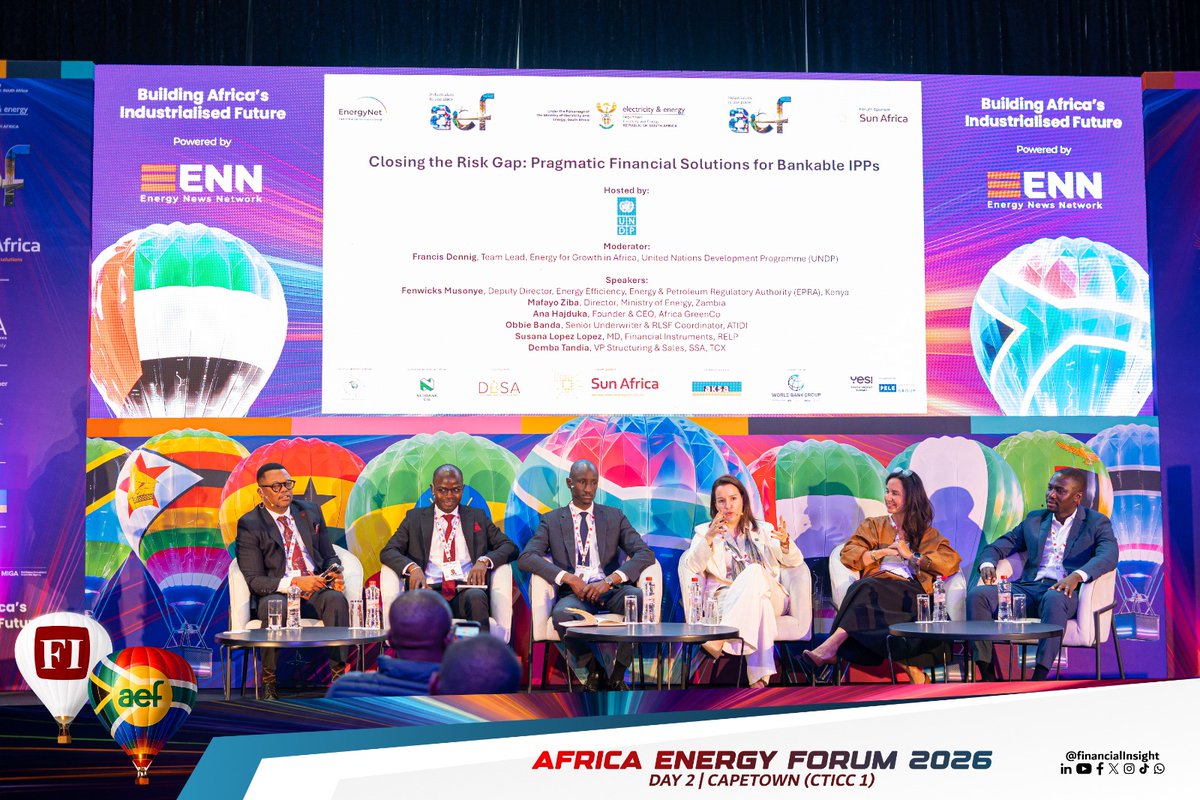
𝐅𝐮𝐥𝐥𝐲 𝐂𝐡𝐚𝐫𝐠𝐞𝐝: 𝐓𝐡𝐞 𝐑𝐨𝐨𝐦 𝐖𝐡𝐞𝐫𝐞 𝐀𝐟𝐫𝐢𝐜𝐚’𝐬 𝐄𝐧𝐞𝐫𝐠𝐲 𝐅𝐮𝐭𝐮𝐫𝐞 𝐆𝐞𝐭𝐬 𝐖𝐢𝐫𝐞𝐝, 𝐒𝐞𝐚𝐥𝐞𝐝, 𝐚𝐧𝐝 𝐂𝐞𝐥𝐞𝐛𝐫𝐚𝐭𝐞𝐝
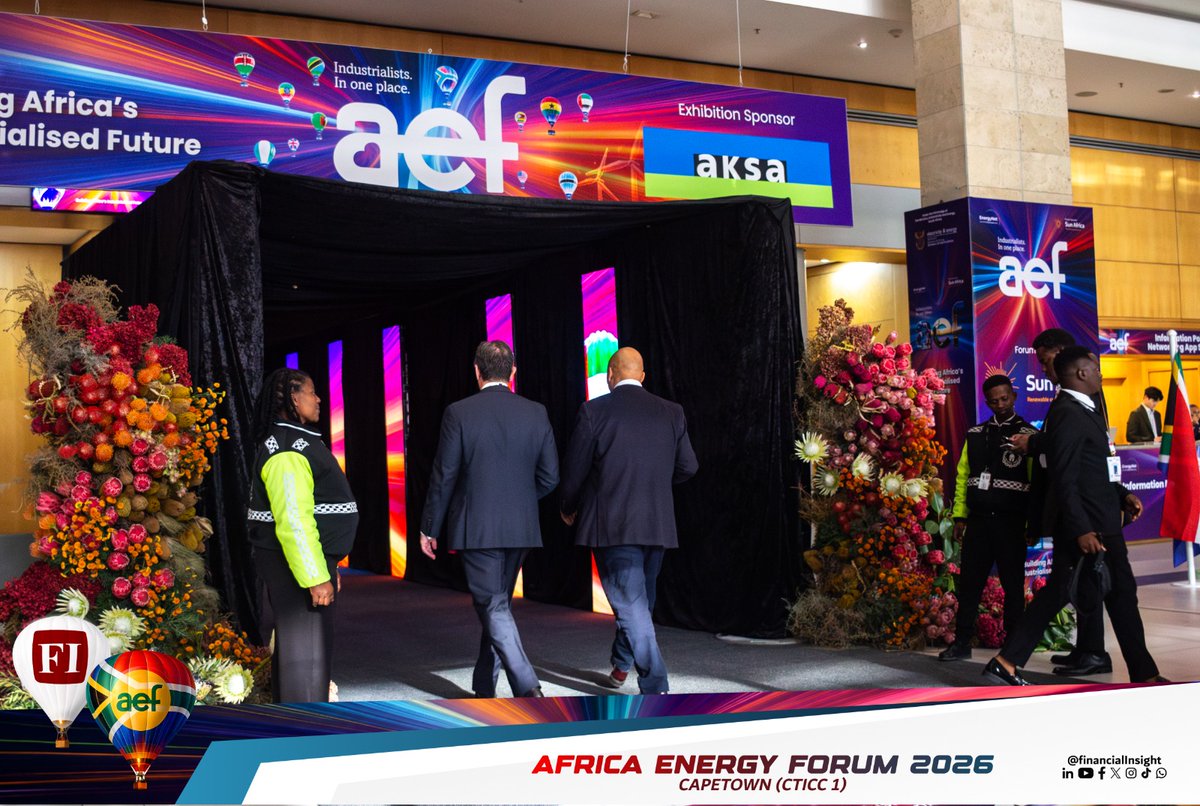
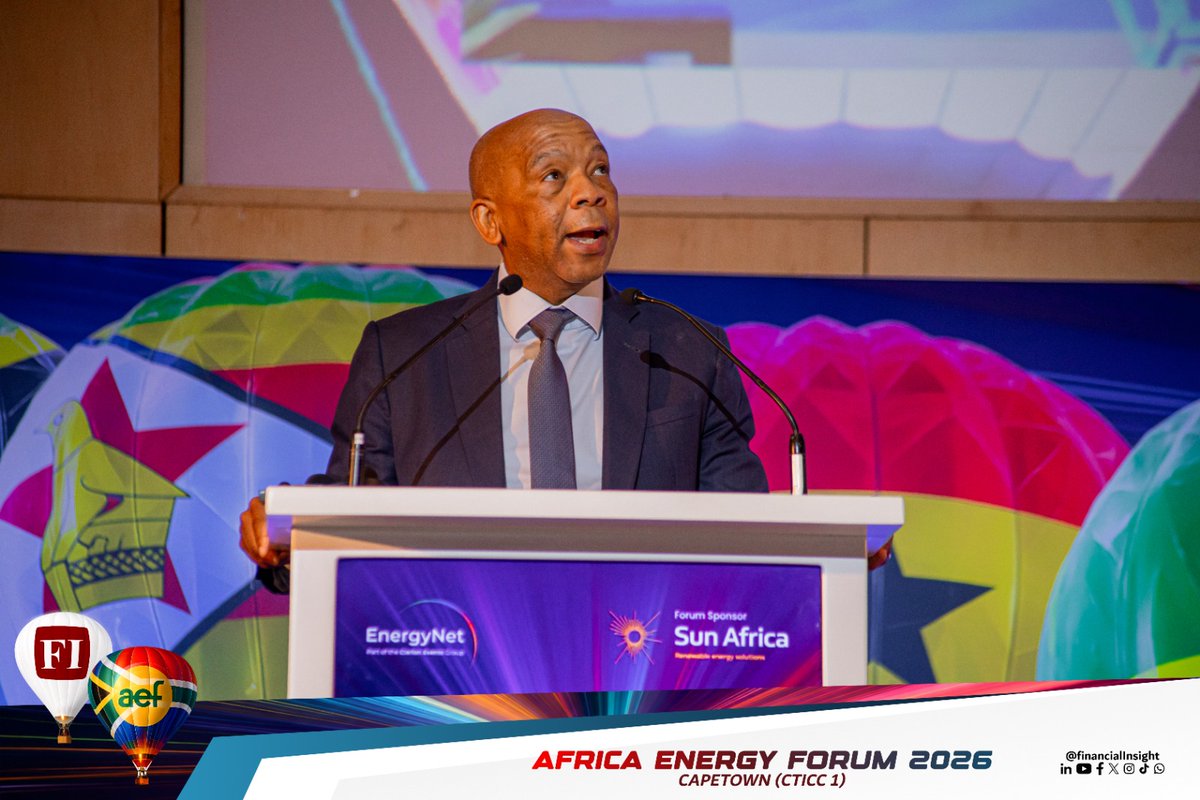
𝑇ℎ𝑒 𝐴𝑓𝑟𝑖𝑐𝑎 𝐸𝑛𝑒𝑟𝑔𝑦 𝐹𝑜𝑟𝑢𝑚 2026 𝑎𝑟𝑟𝑖𝑣𝑒𝑑 𝑛𝑜𝑡 𝑤𝑖𝑡ℎ 𝑎 𝑤ℎ𝑖𝑠𝑝𝑒𝑟 𝑏𝑢𝑡 𝑤𝑖𝑡ℎ 𝑎 𝑟𝑜𝑎𝑟 — 𝑓𝑜𝑢𝑟 𝑑𝑎𝑦𝑠 𝑜𝑓 ℎ𝑖𝑔ℎ-𝑣𝑜𝑙𝑡𝑎𝑔𝑒 𝑑𝑒𝑎𝑙-𝑚𝑎𝑘𝑖𝑛𝑔, 𝑐𝑜𝑛𝑡𝑖𝑛𝑒𝑛𝑡-𝑟𝑒𝑠ℎ𝑎𝑝𝑖𝑛𝑔 𝑐𝑜𝑛𝑣𝑒𝑟𝑠𝑎𝑡𝑖𝑜𝑛𝑠, 𝑎𝑛𝑑 𝑒𝑛𝑜𝑢𝑔ℎ 𝑠𝑖𝑔𝑛𝑒𝑑 𝑐𝑜𝑛𝑡𝑟𝑎𝑐𝑡𝑠 𝑡𝑜 𝑙𝑖𝑔ℎ𝑡 𝑢𝑝 𝑎 𝑠𝑚𝑎𝑙𝑙 𝑐𝑜𝑢𝑛𝑡𝑟𝑦. 𝐹𝑖𝑛𝑎𝑛𝑐𝑖𝑎𝑙 𝐼𝑛𝑠𝑖𝑔ℎ𝑡 𝐴𝑓𝑟𝑖𝑐𝑎 𝑤𝑎𝑠 𝑜𝑛 𝑡ℎ𝑒 𝑔𝑟𝑜𝑢𝑛𝑑 𝑎𝑡 𝑡ℎ𝑒 𝐶𝑇𝐼𝐶𝐶, 𝑎𝑛𝑑 𝑤ℎ𝑎𝑡 𝑤𝑒 𝑤𝑖𝑡𝑛𝑒𝑠𝑠𝑒𝑑 𝑤𝑎𝑠 𝑛𝑜𝑡ℎ𝑖𝑛𝑔 𝑠ℎ𝑜𝑟𝑡 𝑜𝑓 ℎ𝑖𝑠𝑡𝑜𝑟𝑖𝑐.
By Amanda Michelle Mvinjelwa
Financial Insight Africa · Africa Energy Forum 2026, Cape Town · June 2026
There is a sentence that has been floating through the corridors, boardrooms, and buffet queues of the Cape Town International Convention Centre this week. You hear it whispered over coffee. You hear it declared from stages. You hear it punctuating handshakes between people in very expensive suits and people in beautifully tailored African print. The sentence is this: there is no shortage of funds. Which begs the obvious, slightly audacious follow-up question: then why, exactly, does a quarter of the African continent still go to bed in the dark?
Africa Energy Forum 2026 does not flinch at that question. In fact, it leans into it with a grin — because that tension, that magnificent, infuriating gap between available capital and delivered kilowatts, is precisely why this event exists. And this year, something remarkable happened: the gap started closing. Publicly. On stages. With applause.
@EnergyNet_Ltd: 𝐓𝐡𝐞 𝐎𝐫𝐜𝐡𝐞𝐬𝐭𝐫𝐚 𝐂𝐨𝐧𝐝𝐮𝐜𝐭𝐨𝐫 𝐍𝐨𝐛𝐨𝐝𝐲 𝐓𝐚𝐥𝐤𝐬 𝐀𝐛𝐨𝐮𝐭 𝐄𝐧𝐨𝐮𝐠𝐡
Let us begin where the credit belongs. None of this happens without EnergyNet. If the Africa Energy Forum is the greatest show on the continent’s energy calendar, then EnergyNet is the quiet genius behind the curtain — scheduling the panels, curating the rooms, wrangling the ministers, convincing the C-suites, and somehow making four days of intense policy debate feel like the most productive party you’ve ever been invited to.
It takes a particular kind of institutional courage to build an event that convenes global finance houses, heads of state advisors, multilateral development banks, and private energy developers in one room and tell them: right, let’s actually solve something. EnergyNet has been doing exactly that for decades, and this year’s edition stands as arguably their finest work. The programming was surgical. The room naming alone — a masterclass in African geographic pride — told you everything about the event’s intent before a single panel had even opened.
“𝑇ℎ𝑒 𝑟𝑒𝑙𝑎𝑡𝑖𝑜𝑛𝑠ℎ𝑖𝑝𝑠 𝑡ℎ𝑎𝑡 𝑎𝑟𝑒 𝑐𝑟𝑒𝑎𝑡𝑒𝑑 𝑎𝑛𝑑 𝑚𝑎𝑖𝑛𝑡𝑎𝑖𝑛𝑒𝑑 𝑑𝑢𝑟𝑖𝑛𝑔 𝑡ℎ𝑒 𝐴𝐸𝐹 ℎ𝑎𝑣𝑒 𝑎 𝑝𝑟𝑜𝑓𝑜𝑢𝑛𝑑 𝑒𝑓𝑓𝑒𝑐𝑡 𝑜𝑛 𝑡ℎ𝑒 𝑏𝑢𝑠𝑖𝑛𝑒𝑠𝑠 𝑜𝑓 𝑡ℎ𝑒 𝑑𝑎𝑦. 𝑌𝑜𝑢 𝑑𝑜 𝑛𝑜𝑡 𝑐𝑜𝑚𝑒 ℎ𝑒𝑟𝑒 𝑗𝑢𝑠𝑡 𝑡𝑜 𝑙𝑖𝑠𝑡𝑒𝑛. 𝑌𝑜𝑢 𝑐𝑜𝑚𝑒 ℎ𝑒𝑟𝑒 𝑡𝑜 𝑚𝑜𝑣𝑒.”— 𝑫𝒆𝒍𝒆𝒈𝒂𝒕𝒆, 𝑨𝒇𝒓𝒊𝒄𝒂 𝑬𝒏𝒆𝒓𝒈𝒚 𝑭𝒐𝒓𝒖𝒎 2026
𝐀 𝐆𝐞𝐨𝐠𝐫𝐚𝐩𝐡𝐲 𝐋𝐞𝐬𝐬𝐨𝐧 𝐃𝐢𝐬𝐠𝐮𝐢𝐬𝐞𝐝 𝐚𝐬 𝐚 𝐂𝐨𝐧𝐟𝐞𝐫𝐞𝐧𝐜𝐞 𝐏𝐫𝐨𝐠𝐫𝐚𝐦𝐦𝐞
Here is a small test. Walk into the CTICC during AEF week and look at the room names. If you do not immediately understand what kind of conference you are at, you might need to recalibrate your compass.
The naming conventions are not accidental. They are a manifesto. Every room is a river, a watershed, an African waterway carrying something vital. Power. Resources. Capital. Ideas. The rooms are named like a love letter from the continent to itself.
𝐴𝑓𝑟𝑖𝑐𝑎 𝑓𝑜𝑟 𝐴𝑓𝑟𝑖𝑐𝑎 — 𝑡ℎ𝑒 𝑓𝑙𝑎𝑔𝑠ℎ𝑖𝑝 𝑎𝑔𝑒𝑛𝑑𝑎 𝑟𝑜𝑜𝑚, 𝑠𝑖𝑔𝑛𝑎𝑙𝑙𝑖𝑛𝑔 𝑡ℎ𝑎𝑡 𝑡ℎ𝑖𝑠 𝑒𝑣𝑒𝑛𝑡’𝑠 𝑝𝑟𝑖𝑚𝑎𝑟𝑦 𝑎𝑢𝑑𝑖𝑒𝑛𝑐𝑒 𝑖𝑠 𝑡ℎ𝑒 𝑐𝑜𝑛𝑡𝑖𝑛𝑒𝑛𝑡 𝑖𝑡𝑠𝑒𝑙𝑓.
𝑅𝑜𝑜𝑚 𝐿𝑖𝑚𝑝𝑜𝑝𝑜 -𝑇𝑟𝑎𝑛𝑠𝑚𝑖𝑠𝑠𝑖𝑜𝑛 𝑎𝑛𝑑 𝐵𝑎𝑠𝑒𝑙𝑜𝑎𝑑 — 𝑡ℎ𝑒 𝑖𝑛𝑓𝑟𝑎𝑠𝑡𝑟𝑢𝑐𝑡𝑢𝑟𝑒 𝑏𝑎𝑐𝑘𝑏𝑜𝑛𝑒, 𝑢𝑛𝑔𝑙𝑎𝑚𝑜𝑟𝑜𝑢𝑠 𝑎𝑛𝑑 𝑎𝑏𝑠𝑜𝑙𝑢𝑡𝑒𝑙𝑦 𝑒𝑠𝑠𝑒𝑛𝑡𝑖𝑎𝑙.
𝑅𝑜𝑜𝑚 𝑍𝑎𝑚𝑏𝑒𝑧𝑖 -𝐷𝑒𝑐𝑒𝑛𝑡𝑟𝑎𝑙𝑖𝑠𝑒𝑑 𝐸𝑛𝑒𝑟𝑔𝑦 𝑎𝑛𝑑 𝐴𝑐𝑐𝑒𝑠𝑠 — 𝑡ℎ𝑒 𝑙𝑎𝑠𝑡-𝑚𝑖𝑙𝑒 𝑐𝑜𝑛𝑣𝑒𝑟𝑠𝑎𝑡𝑖𝑜𝑛, 𝑤ℎ𝑒𝑟𝑒 𝑡ℎ𝑒𝑜𝑟𝑦 𝑚𝑒𝑒𝑡𝑠 𝑡ℎ𝑒 ℎ𝑜𝑢𝑠𝑒ℎ𝑜𝑙𝑑 𝑎𝑛𝑑 𝑡ℎ𝑒 ℎ𝑒𝑎𝑙𝑡ℎ 𝑐𝑙𝑖𝑛𝑖𝑐.
𝑅𝑜𝑜𝑚 𝐶𝑜𝑛𝑔𝑜 -𝐶𝑟𝑖𝑡𝑖𝑐𝑎𝑙 𝑀𝑖𝑛𝑒𝑟𝑎𝑙𝑠 𝑎𝑠 𝑎 𝐶𝑎𝑡𝑎𝑙𝑦𝑠𝑡 𝑓𝑜𝑟 𝐼𝑛𝑑𝑢𝑠𝑡𝑟𝑖𝑎𝑙𝑖𝑧𝑎𝑡𝑖𝑜𝑛 — 𝑡ℎ𝑒 𝑟𝑒𝑠𝑜𝑢𝑟𝑐𝑒 𝑠𝑜𝑣𝑒𝑟𝑒𝑖𝑔𝑛𝑡𝑦 𝑟𝑜𝑜𝑚, 𝑤ℎ𝑒𝑟𝑒 𝐴𝑓𝑟𝑖𝑐𝑎’𝑠 𝑔𝑒𝑜𝑙𝑜𝑔𝑖𝑐𝑎𝑙 𝑒𝑛𝑑𝑜𝑤𝑚𝑒𝑛𝑡 𝑚𝑒𝑒𝑡𝑠 𝑖𝑡𝑠 𝑖𝑛𝑑𝑢𝑠𝑡𝑟𝑖𝑎𝑙 𝑎𝑚𝑏𝑖𝑡𝑖𝑜𝑛.
𝑅𝑜𝑜𝑚 𝑁𝑖𝑙𝑒 -𝐻𝑜𝑠𝑡𝑒𝑑 𝐵𝑜𝑎𝑟𝑑𝑟𝑜𝑜𝑚 — 𝑐𝑢𝑟𝑎𝑡𝑒𝑑 𝑟𝑒𝑙𝑎𝑡𝑖𝑜𝑛𝑠ℎ𝑖𝑝𝑠, 𝑤ℎ𝑒𝑟𝑒 𝑡ℎ𝑒 𝑐𝑜𝑛𝑣𝑒𝑟𝑠𝑎𝑡𝑖𝑜𝑛𝑠 ℎ𝑎𝑝𝑝𝑒𝑛 𝑡ℎ𝑎𝑡 𝑑𝑜 𝑛𝑜𝑡 𝑛𝑒𝑒𝑑 𝑎𝑛 𝑎𝑢𝑑𝑖𝑒𝑛𝑐𝑒.
𝑅𝑜𝑜𝑚 𝑂𝑘𝑎𝑣𝑎𝑛𝑔𝑜 - 𝐵𝑦 𝐼𝑛𝑣𝑖𝑡𝑎𝑡𝑖𝑜𝑛 𝑂𝑛𝑙𝑦 — 𝑏𝑒𝑐𝑎𝑢𝑠𝑒 𝑠𝑜𝑚𝑒 𝑑𝑒𝑎𝑙𝑠 𝑏𝑒𝑔𝑖𝑛 𝑖𝑛 𝑟𝑜𝑜𝑚𝑠 𝑡ℎ𝑎𝑡 ℎ𝑎𝑣𝑒 𝑛𝑜𝑡 𝑦𝑒𝑡 𝑏𝑒𝑒𝑛 𝑖𝑛𝑡𝑟𝑜𝑑𝑢𝑐𝑒𝑑 𝑡𝑜 𝑡ℎ𝑒 𝑤𝑜𝑟𝑙𝑑.
That is not a conference programme. That is a map. And for four days, the most powerful people in African energy were navigating it together.
𝐓𝐡𝐞 𝐊𝐢𝐧𝐠𝐦𝐚𝐤𝐞𝐫𝐬 𝐇𝐚𝐯𝐞 𝐄𝐧𝐭𝐞𝐫𝐞𝐝 𝐭𝐡𝐞 𝐁𝐮𝐢𝐥𝐝𝐢𝐧𝐠
When you look at the list of organisations on the AEF floor this year, you begin to understand why delegates arrive with fully charged phones, freshly pressed business cards, and the quiet, focused energy of someone who has absolutely no intention of leaving without a result.
The Development Bank of Southern Africa (DBSA) — representing the institutional spine of continental development finance — was present and very much in conversation. Clifford Chance, one of the world’s pre-eminent global law firms, brought the kind of legal and transactional gravitas that tells you this is not a conference about ideas. This is a conference about execution.
AKSA Energy and Sun Africa brought regional generation firepower to the floor. GE Vernova — born from the storied legacy of General Electric but now strutting confidently as an independent energy technology company — arrived at AEF 2026 announcing itself to a new chapter of its story. Meanwhile, TotalEnergies and ENGIE maintained their formidable presences as the kind of players who do not need to arrive loudly because everyone already knows their names.
Nedbank, ABSA, and Standard Bank — the financial backbone of Southern and broader African commerce — were in the room, which is significant. When the banks show up at an energy conference, they are not spectating. They are evaluating. They are unlocking. Gemcorp, the emerging markets specialist, added another dimension of sophisticated capital. And SUNGrow, the global solar and storage giant, brought the hardware conversation into sharp relief: the technology exists, the finance is mobilising, the question is purely one of will and coordination.
Then there was Red Rocket — and delegates, you know exactly who we are talking about. The South African independent power producer turned up at AEF 2026 with the energy of an organisation that has spent years doing the work quietly and has decided that now is precisely the right time to be less quiet about it. There is something genuinely thrilling about watching a homegrown African energy player stand shoulder to shoulder with the global giants and hold the room.
𝐌𝐢𝐬𝐬𝐢𝐨𝐧 𝟑𝟎𝟎 𝐚𝐧𝐝 𝐭𝐡𝐞 𝐖𝐨𝐫𝐥𝐝 𝐁𝐚𝐧𝐤’𝐬 𝐒𝐭𝐚𝐭𝐞𝐦𝐞𝐧𝐭 𝐨𝐟 𝐈𝐧𝐭𝐞𝐧𝐭
No story about AEF 2026 would be complete without acknowledging the elephant — or rather, the solar panel — in the room. The World Bank Group did not just attend this year’s forum. They arrived as a Global Partner, and they did so with momentum already established. The Mission 300 Accelerator — an ambitious programme targeting energy access for 300 million people across sub-Saharan Africa and committing to measurable progress — had already been put in the continental consciousness when the World Bank Group’s leadership unveiled its progress at the 2026 Mining Indaba earlier this year. AEF was the next chapter of that announcement.
What Mission 300 represents, at its core, is a shift from aspiration to accountability. The funding conversation in Africa has long been characterised by grand pledges and glacial delivery. Mission 300 insists on something more uncomfortable: timelines, targets, and public progress reports. Having this initiative as a structuring presence at AEF 2026 elevated the entire event’s sense of purpose.
𝐓𝐡𝐞 𝐌𝐞𝐝𝐮𝐥𝐥𝐚 𝐎𝐛𝐥𝐨𝐧𝐠𝐚𝐭𝐚 𝐓𝐞𝐬𝐭: 𝐈𝐟 𝐘𝐨𝐮 𝐀𝐫𝐞 𝐍𝐨𝐭 𝐇𝐞𝐫𝐞, 𝐖𝐡𝐚𝐭 𝐖𝐚𝐬 𝐘𝐨𝐮𝐫 𝐁𝐫𝐚𝐢𝐧 𝐃𝐨𝐢𝐧𝐠?
This is not our provocation. This was the gentle, amused, entirely justified question that delegates were asking each other about absent peers. The Africa Energy Forum has long operated on the logic that the decisions that shape your sector’s next five years are made in the rooms you were too busy to attend.
The relationships forged at AEF do not evaporate at the closing reception. They become joint ventures. They become project agreements. They become the kind of letters of intent that, two years later, somebody will cite in a boardroom as “where it all started.” Multiple delegates confirmed as much to Financial Insight Africa’s team on the ground. The real conference is not always the one on the stage. It is the one happening in the corridor, over the lunch table, in the margins of the printed programme where someone has scribbled a phone number that will change their business year.
And yet, for AEF 2026, the on-stage was equally extraordinary. Deals were signed. Contracts were declared. Milestones were celebrated with the kind of transparent, public joy that the African energy sector has earned the right to display. Financial Insight Africa was present for those moments, and they were, to put it plainly, electric — no pun intended, except entirely intended.
𝐓𝐡𝐞 𝐆𝐨𝐨𝐝 𝐍𝐞𝐰𝐬 𝐀𝐠𝐞𝐧𝐝𝐚, 𝐑𝐮𝐧𝐧𝐢𝐧𝐠 𝐚𝐭 𝐅𝐮𝐥𝐥 𝐂𝐚𝐩𝐚𝐜𝐢𝐭𝐲
In a media landscape that can sometimes treat Africa as a catalogue of problems awaiting a Northern rescue, the Africa Energy Forum 2026 is a deliberate, exhilarating counter-narrative. The deals happening here are being struck between African institutions and global partners who have come to the continent not as saviours but as partners who want a seat at a winning table. That distinction matters enormously.
No one is leaving empty-handed. That is not a platitude. It is a description of what we observed: companies arriving with mandates and leaving with agreements. Projects that had been in negotiation for months finding their closing condition in a corridor conversation. Announcements on the main stage met not with polite applause but with the kind of reaction that suggests the audience already knows exactly what this means for the pipeline they have been building.
Africa Energy Forum 2026 is proof — empirical, documented, celebratory proof — that when you build a room correctly, fill it with the right people, and create the conditions for genuine exchange, the continent does not just solve its energy problem. It does so with style, with speed, and with a momentum that makes the next twelve months look genuinely thrilling.
Financial Insight Africa will be tracking every thread. We are not leaving Cape Town merely with a notebook. We are leaving with a front-row seat to the next chapter of the most important infrastructure story on the continent.
1

Roberto Kock retweeted

PROBLEMS WE HAVE in SOUTH AFRICA.
Cyril Ramaphosa
Julius Malema
Mmusi Maimane
BAFANA BAFANA
Khusela Diko
Minister Chikunga
Gwede Mantashe
Jacob Zuma
Thabo Mbeki
Mbuyiseni Ndlozi
Artists
Nigerians
Pakistanis
Bangladeshis
Ethiopians
Somalis
Malawians
Zimbabweans
Fikile Mbalula
Gayton McKenzie
Somizi
Mozambicans
Khumbudzo Ntshavheni
Nkosazana Dlamini Zuma
Naledi Pandor
Naledi Chirwa or Nyenyezi Chirwa
WHO ELSE??????
186
175
497
12,918

34s
Very few people care when they are spending other people's money. But this is next level. Corruption at its finest and it speaks to the deep, deep problems in Washington that permeate everything most politicians do there.