

May 8
【花王】「アタックZERO 」新CMが5月11日(月)より全国でオンエア開始(花王株式会社 プレスリリース)|共同通信PRWire kyodonewsprwire.jp/release/2…
6
18
2,578

May 4
至高の哲学書『超実存系』に関しては、共同通信PrWireにも記事があるので、ご高覧の程⭐️
【単行本/電子書籍】
💎AMAZONも利用可💎
※近藤義人著
kyodonewsprwire.jp/release/2…
4
2
36
May 3
至高の哲学書『超実存系』に関しては、共同通信PrWireにも記事があるので、ご高覧の程⭐️
【単行本/電子書籍】
💎AMAZONも利用可💎
※近藤義人著
kyodonewsprwire.jp/release/2…
4
2
41
Apr 28
至高の哲学書『超実存系』に関しては、共同通信PrWireにも記事があるので、ご高覧の程⭐️
【単行本/電子書籍】
💎AMAZONも利用可💎
※近藤義人著
kyodonewsprwire.jp/release/2…
5
2
89

Apr 22
「オールフリー〈エールテイスト〉」 新TV-CM「香りがおいしさだったんだ」篇4月25日(土)オンエア開始 | PRWire iwate-np.co.jp/pr/prwire/231…
1
5
178
Apr 19
至高の哲学書『超実存系』に関しては、共同通信PrWireにも記事があるので、ご高覧の程⭐️
【単行本/電子書籍】
💎AMAZONも利用可💎
※近藤義人著
kyodonewsprwire.jp/release/2…
1
1
31
Apr 14
「サントリー生ビール」新TV-CM 「沁みるあゆみさん(勇気)」篇 4月20日(月)から全国で順次オンエア
河合優実さん出演!ナレーションは神木隆之介さんが担当 長尺WEB動画も公開!(サントリー株式会社 プレスリリース)|共同通信PRWire kyodonewsprwire.jp/release/2…
2
415

Apr 4
Everyone should just be able to say whatever they want. This is X not PRwire 🤦
1
6
716



Mar 30
札幌市導入「T-PECこどもの症状 受診の目安ナビ」、 インフルエンザ流行期に利用増でニーズ顕在化 : KYODO NEWS PRWIRE
kyodonewsprwire.jp/release/2…
✅ティーペック株式会社
「こどもの症状 受診の目安ナビ」について、札幌市における利用データを分析
(2025年8月~2026年1月札幌市利用のデータ)
Jan 28

札幌市
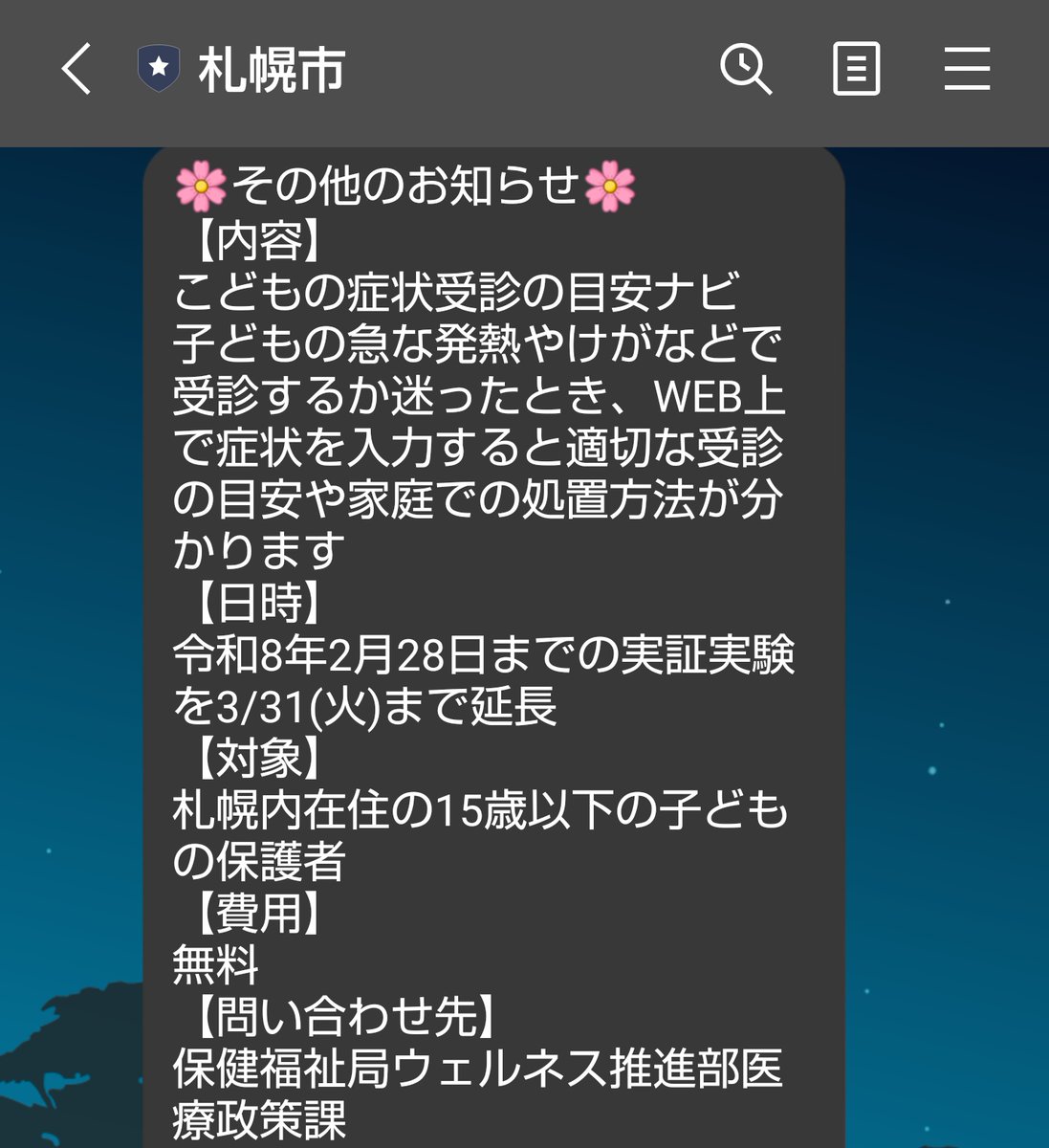
【こどもの症状 受診の目安ナビ】
追加情報 1/28
令和8年2月28日までの実証実験を3/31(火)まで延長
(札幌市公式LINEよりアナウンス)
1
2
3
521
Mar 6
至高の哲学書『超実存系』に関しては、共同通信PrWireにも記事があるので、ご高覧の程⭐️
【単行本/電子書籍】
💎AMAZONも利用可💎
※近藤義人著
kyodonewsprwire.jp/release/2…
1
2
17

Feb 25
BIPROGY 「エージェント共創サービス」で「生成AIエージェント」活用を加速 | PRWire - 岩手日報 >>> iwate-np.co.jp/pr/prwire/197…
#AI #人工知能 #生成AI #機械学習 #深層学習 #ディープラーニング
2
743

Feb 21
WRONG. You're just sensationalizing and not telling the truth. Here is the truth. Tell your readers it.
Here’s a clear explanation of why the U.S. Supreme Court ruled today against the President’s tariff actions — and why it isn’t simply about whether the President can use tariffs at all, but what legal authority he used to do so:
@SCOTUSblog @Reuters @AP @ABCWorldNews @CBSEveningNews @NBCNews @cnnbrk @MSNOWNews @prwire @WSJmarkets @CBSPhiladelphia @FoxNews @NBCPhiladelphia @fox5dc @6abc
🔹 1. The Legal Question Before the Court
The case today wasn’t about whether the President ever can impose tariffs — it was about whether the specific law the President relied on actually gave him that power.
President Donald Trump had imposed broad tariffs citing the International Emergency Economic Powers Act (IEEPA), a 1977 statute that lets a President deal with unusual and extraordinary foreign threats by limiting imports or exports once a national emergency is declared. (Wikipedia)
🔹 2. What the Supreme Court Held
In Learning Resources v. Trump, the Supreme Court (6-3) ruled that:
✅ IEEPA does not authorize the President to impose sweeping tariffs of the kind at issue. IEEPA authorizes export/import regulation during emergencies, but the Court found its language does not clearly authorize broad tariff powers. It doesn’t explicitly grant the President the authority to impose duties or taxes on imports, and no President prior to this had interpreted it that way. (Wikipedia)
Chief Justice Roberts wrote that the President’s use of IEEPA to impose tariffs failed under the “major questions doctrine” — a legal principle that says when an issue is of vast economic or political significance, Congress must clearly authorize it, not leave it to vague language in a statute. (Wikipedia)
Also, the Constitution assigns taxing power — including tariffs — to Congress, not to the executive branch. (NBC4 Washington)
So the ruling was twofold:
IEEPA’s text doesn’t clearly grant tariff-imposing power.
Allowing such broad authority without clear congressional language would violate constitutional separation of powers. (Wikipedia)
🔹 3. What This Isn’t Saying
⛔ It didn’t say the President can never impose tariffs. ⛔ It didn’t overturn all tariff powers in general.
What the Court rejected was the specific statutory authority (IEEPA) the President used in this case. Other statutes — like Section 232 (national security tariffs) or Section 301 (unfair trade practices) — still give the President tariff authority under narrower, well-defined congressional delegations. (Cato Institute)
🔹 4. Why This Matters Constitutionally
The ruling reaffirms core constitutional principles:
📌 Taxing and tariff powers belong to Congress. The Constitution vests that authority in the legislative branch. (NBC4 Washington)
📌 When an executive action has broad economic impact, Congress must speak clearly. That’s what the major questions doctrine enforces. (Wikipedia)
So the Court’s decision doesn’t just invalidate one policy — it reinforces that the President can’t rewrite tariff policy based on general emergency powers alone.
🔹 5. What Happens Next
Tariffs imposed under IEEPA are invalidated.
Businesses that paid those duties may seek refunds.
The administration could still pursue tariff policy using other statutory authorities, but with tighter limits. (AP News)
Summary in Plain Terms
✔ Tariffs are a form of tax, and the U.S. Constitution gives that power to Congress.
✔ For the President to impose tariffs, Congress must clearly authorize it.
✔ In this case, the Supreme Court said the law the President cited (IEEPA) did not clearly authorize broad tariffs, so the tariffs were unlawful.
✔ This isn’t a blanket ban on all presidential tariffs, just on using that particular law as the basis for them.
14


Feb 12
Adyen、Uberとのグローバル・パートナーシップを拡大し、新たな市場でUber Kioskを展開 | PRWire | 岩手日報ONLINE iwate-np.co.jp/pr/prwire/190…
3
632

Feb 9
2 月22日(日)は「忍者の日・猫の日」 ここ滋賀で「忍者・猫の日フェス」を開催! - PRWire
"誕生20周年を迎える「ひこにゃん」が今年も忍者衣装で
「わるにゃんこ将軍」と共に登場!!20周年記念グッズもここ滋賀で販売!"
kyodonewsprwire.jp/release/2…
8
440


いよいよ「TOKYO DIGICONX」明後日1/8から開催。入場無料(公式サイトより来場登録受付中)です。ぜひ会場に!
PRTimes
prtimes.jp/main/html/rd/p/00…
共同PRWire
kyodonewsprwire.jp/release/2…
#tokyodigiconx
#近田春夫
#菊地成孔
#Zeebra
#takutakahashi
#djwatarai
#nazchris
#watusi
1
5
904

今年の住みたい田舎ベストランキングでも、豊後高田市は全部門1位を獲得したのだ👑
今年の記事には、住環境として文化財や景観に関する内容も掲載されているので、ぜひ読んでいただきたいのだ✨
☆まとめ記事をアップしているのだ(共同通信PRWIRE・豊後高田市)
kyodonewsprwire.jp/release/2…
2
10
338