
𝗧𝗵𝗲 𝘁𝘄𝗼 𝗹𝗲𝗻𝘀𝗲𝘀 𝗼𝗳 𝗫𝗜𝗥𝗥: 𝗿𝗲𝗮𝗱𝗶𝗻𝗴 𝗽𝗲𝗿𝗳𝗼𝗿𝗺𝗮𝗻𝗰𝗲 𝗮𝗰𝗿𝗼𝘀𝘀 𝗱𝗶𝗳𝗳𝗲𝗿𝗲𝗻𝘁 𝘁𝗶𝗺𝗲 𝗵𝗼𝗿𝗶𝘇𝗼𝗻𝘀
In the last few posts, we explored why XIRR exists and how it translates the time value of money into a single measure of capital efficiency.
But as portfolios grow more complex, so does the question of how to read performance. Large setups experience multiple timelines at once: the long arc beginning with the first rupee deployed, and the shorter windows tracked for annual, quarterly, or event-driven reviews.
The same investment history can yield two valid XIRR readings - one since inception, and another for a specific period. Both come from the same logic. What changes is 𝘵𝘩𝘦 𝘸𝘪𝘯𝘥𝘰𝘸 𝘵𝘩𝘳𝘰𝘶𝘨𝘩 𝘸𝘩𝘪𝘤𝘩 𝘵𝘩𝘦 𝘤𝘢𝘱𝘪𝘵𝘢𝘭’𝘴 𝘫𝘰𝘶𝘳𝘯𝘦𝘺 𝘪𝘴 𝘷𝘪𝘦𝘸𝘦𝘥.
Understanding this difference is central to interpreting capital behaviour.
𝟭. 𝗦𝗶𝗻𝗰𝗲-𝗶𝗻𝗰𝗲𝗽𝘁𝗶𝗼𝗻 𝗫𝗜𝗥𝗥: 𝘁𝗵𝗲 𝗳𝘂𝗹𝗹 𝗻𝗮𝗿𝗿𝗮𝘁𝗶𝘃𝗲 𝗼𝗳 𝗰𝗮𝗽𝗶𝘁𝗮𝗹
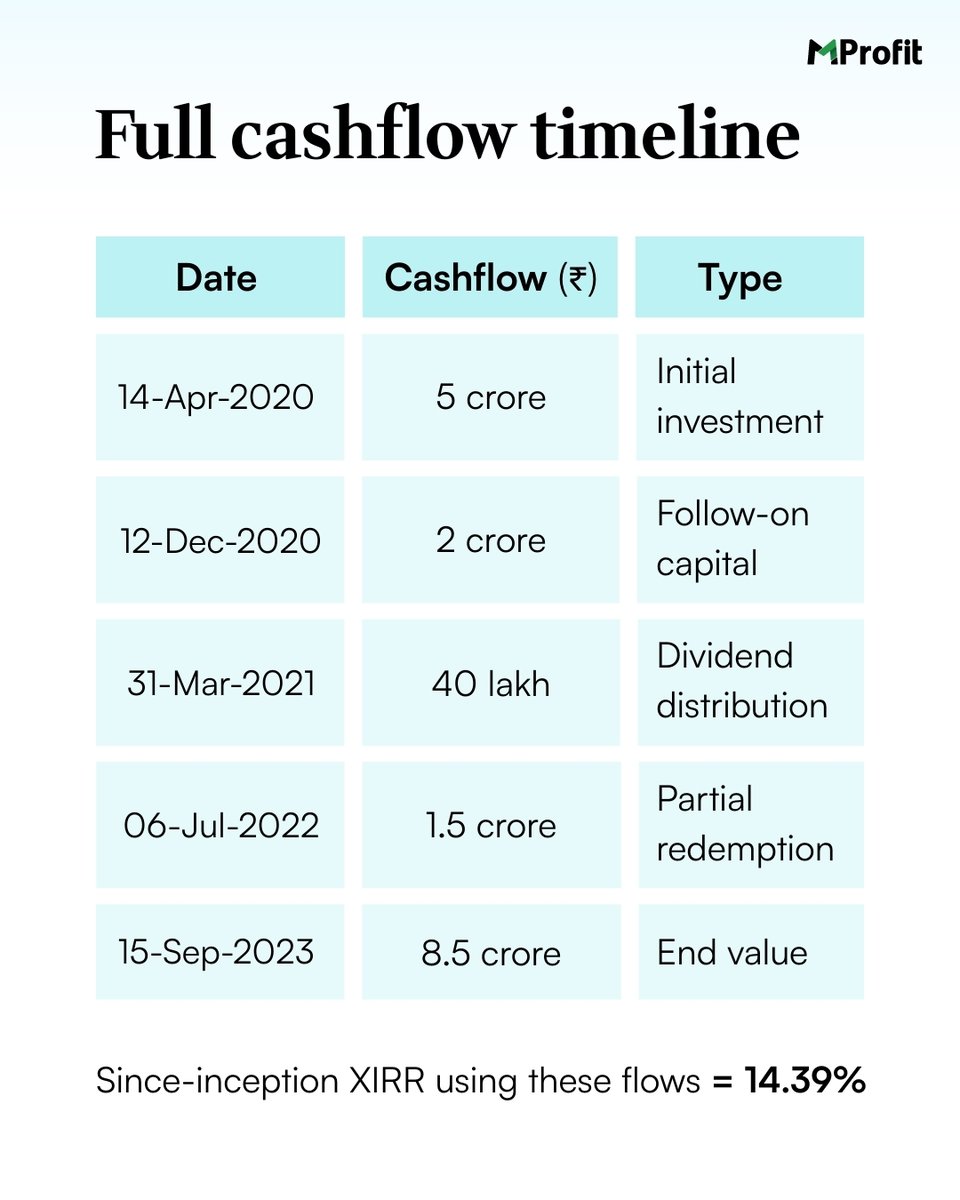
The since-inception view absorbs everything from day one:
- initial deployment
- all follow-on capital
- interim income or distributions
- partial exits
- the most recent valuation
This creates a single annualised number that reflects the entire lifecycle of the portfolio till today. Earlier cashflows carry more weight because they remained invested longer, while later additions influence the rate less.
This lens is useful for evaluating long-horizon capital behaviour - how efficiently the strategy has compounded overall, regardless of the short-term fluctuations along the way.
𝟮. 𝗣𝗲𝗿𝗶𝗼𝗱-𝘄𝗶𝘀𝗲 𝗫𝗜𝗥𝗥: 𝗶𝘀𝗼𝗹𝗮𝘁𝗶𝗻𝗴 𝗼𝗻𝗲 𝗰𝗵𝗮𝗽𝘁𝗲𝗿 𝗼𝗳 𝗽𝗲𝗿𝗳𝗼𝗿𝗺𝗮𝗻𝗰𝗲
Some questions, however, are about a shorter slice of time:
“How did the portfolio behave this year?”
“What was the outcome during this market phase?”
Here, XIRR works with a different construction:
- the opening portfolio value becomes the starting cashflow
- only in-period transactions - additions, withdrawals, income - are included
- the closing value anchors the end
This produces a return for just that window, independent of everything that happened before it.
𝟯. 𝗛𝗼𝘄 𝘁𝗵𝗲 𝘁𝘄𝗼 𝘃𝗶𝗲𝘄𝘀 𝗰𝗼𝗺𝗽𝗹𝗲𝗺𝗲𝗻𝘁 𝗲𝗮𝗰𝗵 𝗼𝘁𝗵𝗲𝗿
Since-inception XIRR tells you how the total pool of capital has compounded over its full life.
Period-wise XIRR explains how one chapter contributed to the broader journey.
Read together, they help investment teams distinguish:
- long-term capital efficiency vs short-term behaviour
- the impact of early deployment vs recent activity
- structural performance vs period-specific dynamics
Both numbers are correct - they answer different questions using the same underlying logic.
The example in the carousel shows a single set of cashflows and how the XIRR changes when the horizon changes, illustrating how each view is constructed in practice. 👇🏼
#FamilyOffice #WealthManagement #PortfolioAnalytics #XIRR #PerformanceReporting
1
1
4
2,551

18 Jul 2025
📊 PSAK 118 is here! PSAK 118 replaces PSAK 201, bringing Indonesia in line with IFRS 18. From 2027, entities must revise how they present and explain financial performance.
🔗 Explore the implications: pwc.com/id/en/publications/a…
#PwCIndonesia #AccountingAlert #PSAK118 #IFRS18 #PerformanceReporting

2
1
782

Tired of hours spent on performance reports? ⏰
Creating detailed campaign insights can be exhausting. Let's discuss how you handle it and share tips! 👇
#Marketing #PerformanceReporting #DigitalMarketing #Efficiency #ModalX #MultimodalAI

2
3
35

16 Oct 2023
Level up your HR reporting process today! Get in touch with us at ipc@ipcconsultants.com to see how we can assist you in developing and interpreting a comprehensive dashboard for your HR team.
#hrdashboard #performancereporting #hranalytics

2
355
29 Sep 2023
Ace performance reporting like a pro! 🚀 This step-by-step guide empowers business leaders to deliver impactful insights. From data analysis to compelling visualizations, enhance decision-making with top-notch reporting. #PerformanceReporting #DataAnalysis
ow.ly/mglY50OTSzT
1
2
495

21 Jun 2023
Ace performance reporting like a pro! 🚀 This step-by-step guide empowers business leaders to deliver impactful insights. From data analysis to compelling visualizations, enhance decision-making with top-notch reporting. #PerformanceReporting #DataAnalysis
ow.ly/4eRw50OTSzU
2
2
782

See below panels for the 2023 #PublicPerformance symposium on Friday March 24th! #performancemanagement #data #dataanalytics #governmentdata #performancereporting #ASPA2023


2
6
1,063

8 Mar 2023
As a Bantham customer, you'll receive a monthly Bantham Environomics report.
This highlights savings achieved across a number of key indicators. How may this help your business?
.
.
.
.
#sustainabilityreport #performancereporting #environomics #banthamcustomer #timesaved
1
2
60

1 Mar 2023

2
10
65
2,663

1 Mar 2023
Engaging the good people of Okaikwei South, is always fulfilling.🙏🏾🙌🏾💙
#obaanonkabomnenkosuo
#DevelopmentInFreedom
#performancereporting




4
59
27 Feb 2023
Engaging the good people of Okaikwei South, is always fulfilling.🙏🏾🙌🏾💙
#obaanonkabomnenkosuo
#DevelopmentInFreedom
#performancereporting




6
13
164
5,838

Learn about Capitect’s holistic performance reporting, flexible client billing, and personalized portfolio rebalancing system tailored for today's #financialadvisors and their clients.
#performancereporting #financialadvising #financialplanner

ALT man typing on computer
1
3

9 Apr 2021
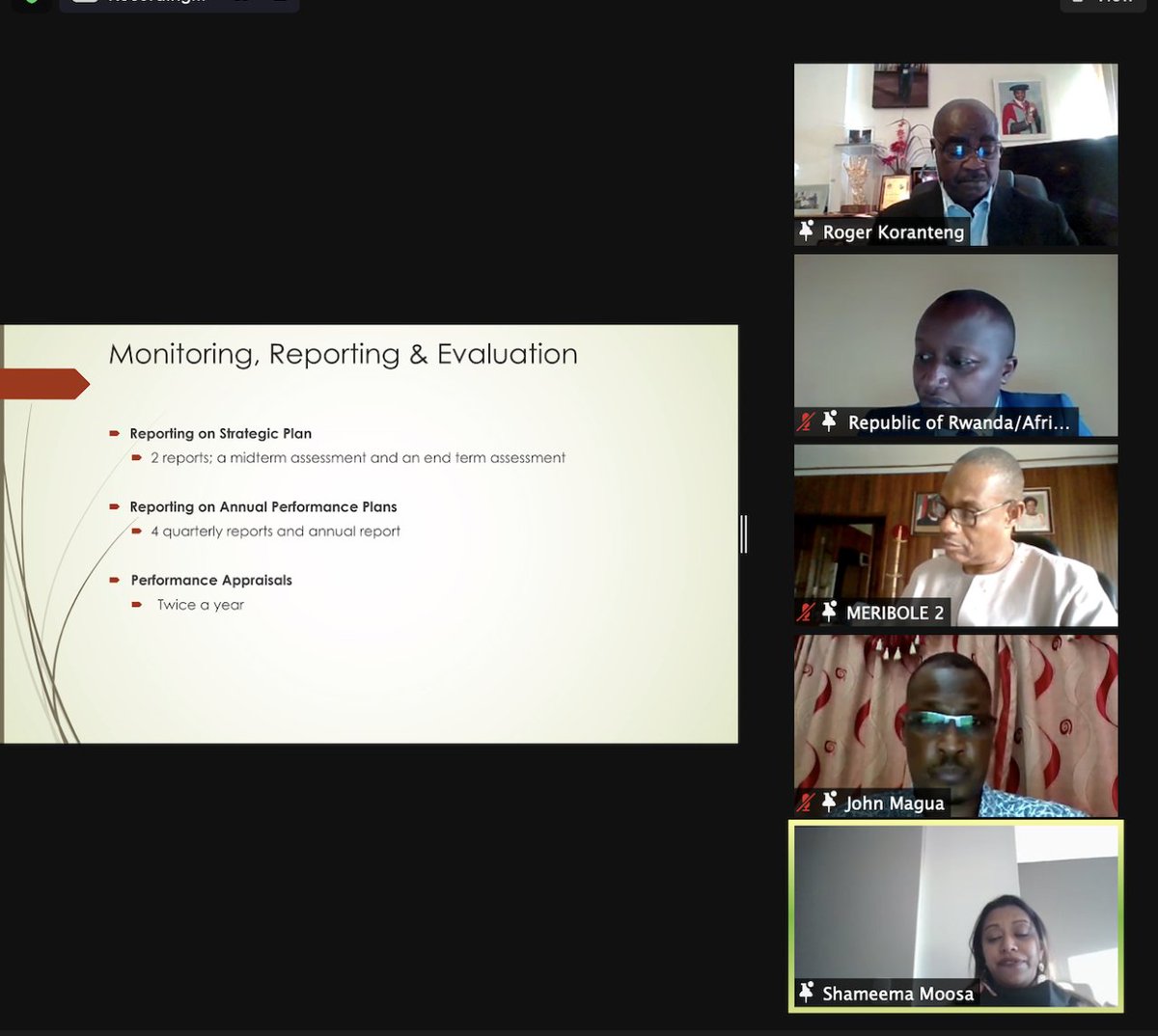
Africa Panel on #MonitoringEvaluation #ASPA2021 with perspectives from Ghana, Kenya, Namibia, Nigeria, Rwanda, South Africa #NCPP2021 @ASPA_SICA #performancereporting #strategicplanning
1
7
13 Feb 2021
Checkout previous conference programs
#performancemeasurement #innovation #performancereporting #benchmarking #data #bigdata #leadership #publicmanagement #strategicplanning #NCPP2021 @Gov_Performance @Elaine_Yi_Lu @MarcHolzer1634 @PrajaComSec @DrMFudge
publicperformance.org/confer…
2
2
1 Feb 2021
Time to bring back performance reporting! @andyfeldman and Kathy Stack provide recommendations for #performancereporting requirements with more meaningful and impactful data for government and citizens #GPRA #performance @aspa_sppm @ASPANational @Gov_Performance
25 Jan 2021

How can the Biden team make federal performance reporting efforts (GPRA) much more useful and impactful? Today in @GovExec, Kathy Stack and I discuss why reform would be valuable and offer four recommendations to OMB. govexec.com/management/2021/… @neeratanden @napawash
1
2

As #climatechange becomes a crucial factor in the decision making of governments, #sustainability and #performancereporting have grown in relevance and importance for public finance professionals. We'll explore this in our free webinar tomorrow morning: ow.ly/DYku50BwvTq

ALT away, bridge, wood
1
1

26 Feb 2020
RT @jermynvoon: Great article —> The madness of #metrics: #PerformanceReporting to the #board via @ICDCanada icd.ca/Resource-Centr… #corpgov #boards #boardsofdirector #Governance #BOD
1
2

21 Dec 2019
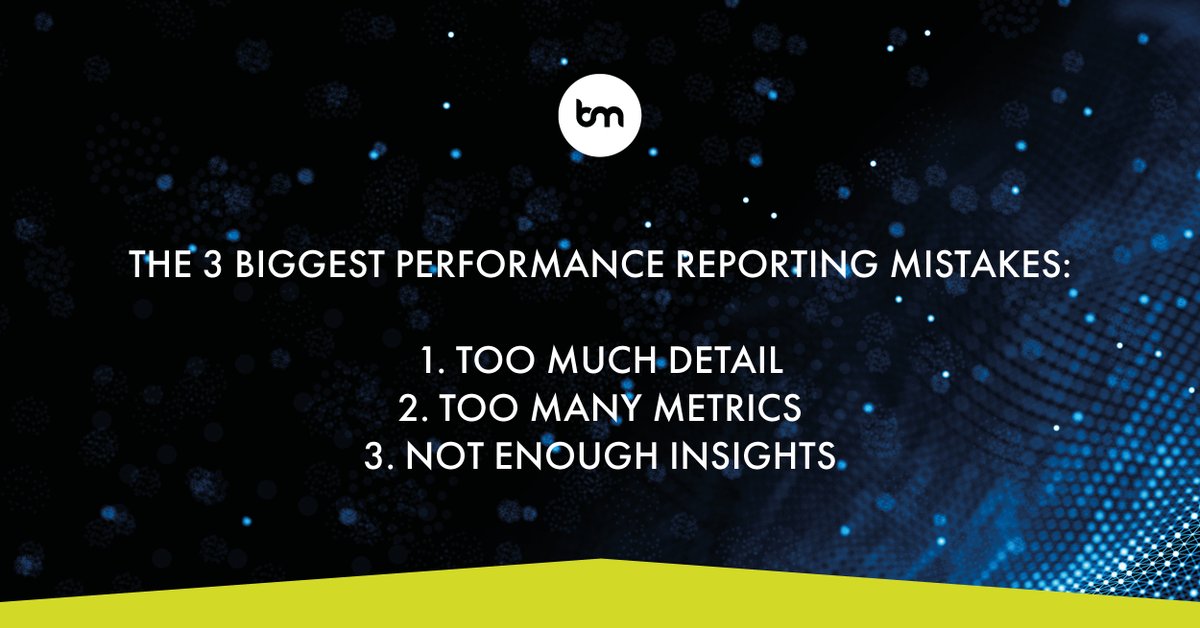
Nowadays, there are so many different ways to report on #performance. In my experience, regardless of the method used for #PerformanceReporting, I see the same three mistakes crop up.
What mistakes do you notice companies making when it comes to #reporting on performance?
1
4
8

10 Dec 2019
Outsourcing #PerformanceReporting to the Experts - 🎵 "It means no worries for the rest of your days"🎵 Read how First Rate has helped firms like yours relieve the burden of maintaining costly & outdated performance systems: go.firstrate.com/first-rate-…
#WealthManagement #Fintech
2
12 Nov 2019
It only takes one small error for disparate #performance systems to cause catastrophic issues! Don't let your business fall down like dominos! Learn how firms like yours have streamlined their #PerformanceReporting process by outsourcing to the experts! go.firstrate.com/first-rate-…
2