

15 Mar 2025
Germany’s Awakening: If Britain and France Cut Bait, What Comes Next?
"The broader reasons behind Britain and France’s realignment are explored in my earlier article. Link provided below."
For decades, Germany has operated within the European framework as a cautious hegemon—powerful but restrained, influential but deferential to the structures of the EU, NATO, and the postwar transatlantic order. But if Britain and France saw the writing on the wall, accepted their diminished European roles, and realigned with the Anglosphere, the equation would change entirely. Germany would be left holding the bag—not just for Europe’s economy but for its political cohesion.
The Strengths and Weaknesses of a Germany Unleashed
Freed from the balancing weight of Britain and France, Germany’s natural strengths would become undeniable. It is the undisputed economic powerhouse of Europe, the industrial and financial backbone that has long kept the EU afloat. If it were no longer shackled to the dysfunctions of French grandstanding or British ambivalence, it could finally act with clarity.
But Germany’s strengths are also its weaknesses. Unlike Britain or France, Germany has no nuclear deterrent. Its military has been deliberately underdeveloped for decades. Its leadership is highly technocratic but struggles with decisive strategic thinking. In a world shifting toward realpolitik, where the U.S., China, and even a resurgent Russia operate on hard power, Germany risks being rich but defenseless.
A European Leadership in Contradiction
Without Britain and France, Germany would have to assume full leadership of the EU. But that leadership would be in direct contradiction to the role Brussels has played until now. Brussels—particularly in its Luxembourg and Belgian bureaucratic incarnations—has acted as a kind of shadow government, enforcing ideological discipline, regulatory overreach, and economic redistribution in ways that often overrode national interests.
Brussels functioned best when Britain and France were still nominally invested in the system, providing a geopolitical counterbalance. With them gone, it would be Germany’s problem alone. And Germany has never been comfortable as an imperial administrator. Its instinct is economic dominance, not political puppeteering.
Scandinavia, the East, and the New European Order
One of the most overlooked realities of a Britain- and France-free Europe is that the Scandinavian bloc, the Visegrád Group (Poland, Hungary, Czechia, and Slovakia), and the Baltic states might align more comfortably with a German-led Europe than with a bureaucratic Brussels-led one. Germany, despite its flaws, at least understands the needs of European industry and security. A Poland with an eye on rebuilding its own military strength, a Hungary that distrusts Brussels' ideological overreach, and a Sweden that has just joined NATO might all prefer a Germany unburdened by French and British interference.
The Big Picture: A Post-Ukraine, Post-EU Reality
With the war in Ukraine over, Europe’s geopolitical priorities would shift. The continent would be more focused on economic stability, military modernization, and trade realignment. Germany, with or without Brussels, would be at the center of this transformation.
The key question is whether Germany would embrace a leadership role that requires hard power or remain locked in its postwar pacifist mentality. If the latter, Europe could become a fragmented, rudderless collection of states with no real strategic direction. If the former, Germany could become the unchallenged European power—not because it sought to be, but because circumstances forced it into the role.
(Original article: x.com/Eyes4theWorld/status/1…)
#Geopolitics #Germany #EU #EuropeanUnion #ForeignPolicy #Realignment #Europe #NATO #PostUkraine #GermanyLeadership
13 Mar 2025

Europe’s Great Delusion: Britain and France Are Stuck in the Past
"The memories of our dreams of Charles de Gaulle and Winston Churchill cannot guide us forever." – Benjamin Girette/Getty
Britain and France continue to cling to outdated visions of their global influence, struggling to reconcile their historical identities with present realities. They act as if they remain independent global powers, yet their influence is increasingly shaped by forces beyond their control.
Globalization has rendered old alliances fragile. Britain, post-Brexit, hesitates between leadership and retreat, while France clings to its vision of European leadership, unaware that few outside Paris share it. The transatlantic relationship now dominates Europe’s future. The U.S. is no longer a distant arbiter but a gravitational force pulling its allies into alignment.
The False Comfort of European Nostalgia
The greatest delusion is believing the European project still functions as before. Britain, after leaving the EU, wavers on fully embracing its departure. France imagines itself both the heart of Europe and a sovereign power—neither of which is true.
The question is: Where do Britain and France truly belong? Not with a declining Brussels or Berlin, but with Washington, Ottawa, Canberra, and Wellington.
A Realignment with the Anglosphere
Strategic influence today is dictated by economic and security imperatives. The idea of a self-sufficient European bloc is a relic. Britain and France share deeper cultural, economic, and military ties with the U.S. and its closest partners than with their European neighbors.
Britain cannot remain half-in, half-out of Europe. Its interests align more naturally with the Anglosphere. France, though slower to admit it, faces the same reality. Its colonial-era ties are liabilities, not assets. Pretending Africa or a fragmented Europe can replace a deep Anglo-American alliance is self-destructive.
This is not nostalgia for a Western bloc—it is about survival. Britain and France must recognize that they are no longer global directors but players who must choose their side.
The Time to Act Is Now
Waiting for perfect treaties or consensus is a losing game. The shift is already happening. Britain and France must abandon illusions of European independence and acknowledge that their future lies with the U.S. and its closest allies.
Britain may find this transition easier. France will resist, its elite trapped in old fantasies. But history does not wait. The real delusion is not their independence—it is believing they can remain so without choosing a side.
#Geopolitics #Britain #France #EU #Brexit #Anglosphere #NATO #ForeignPolicy #US #UK #FranceDiplomacy #Realignment
1
1
64



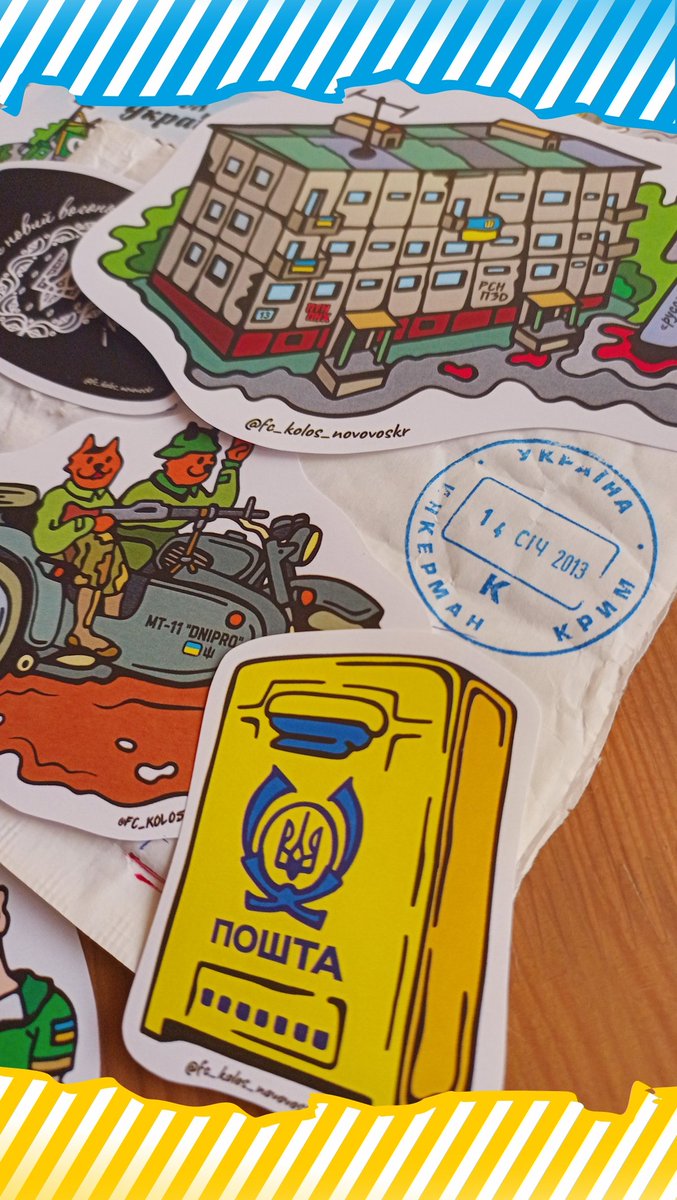
21 Feb 2024
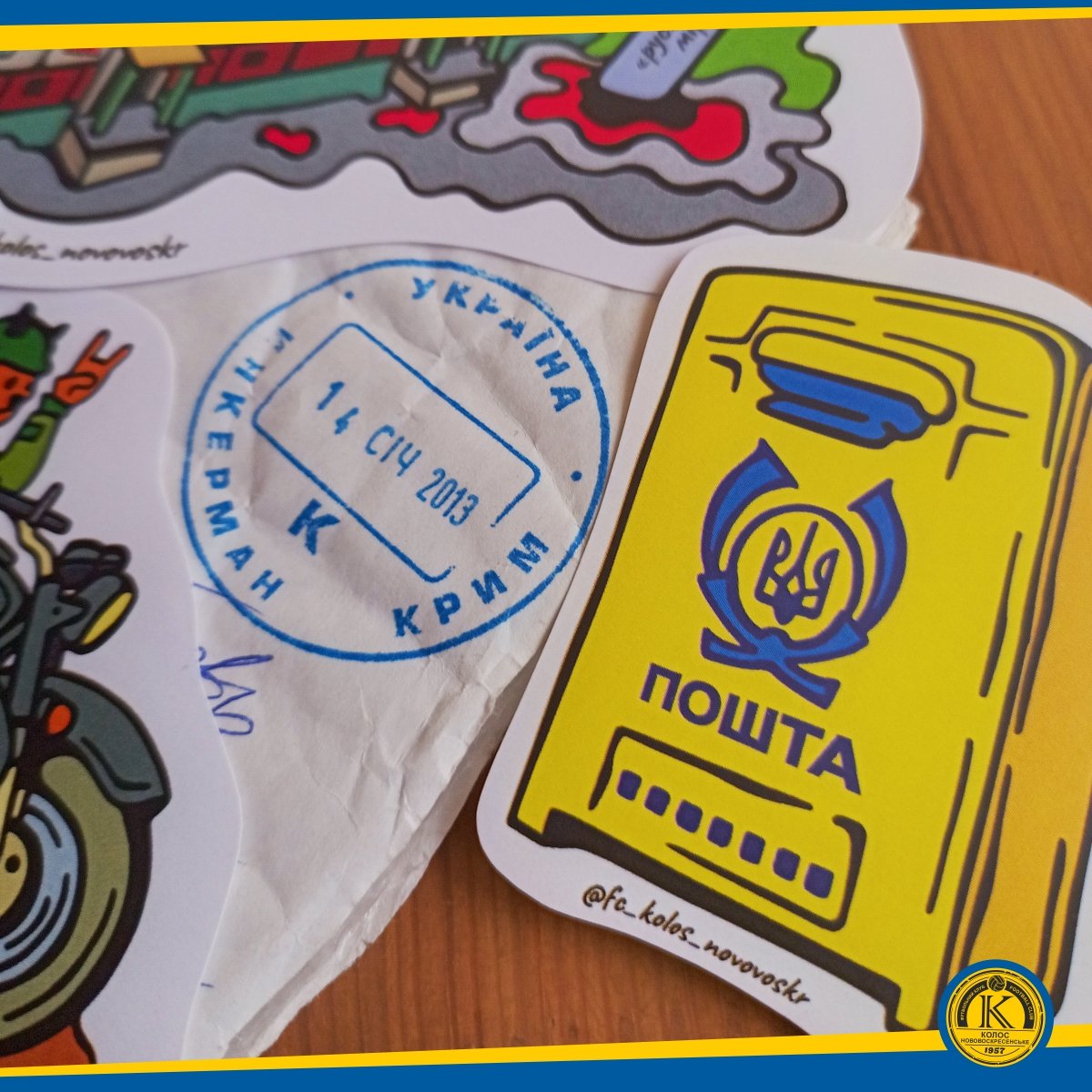
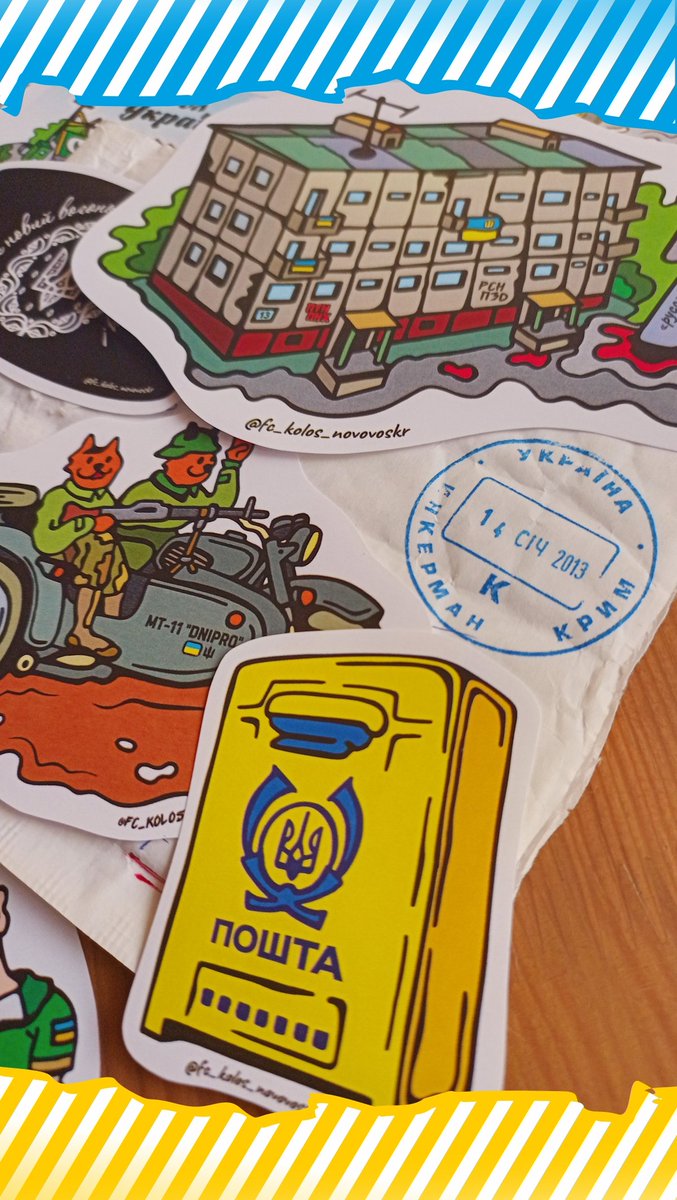
🐥💌📬 #Укрпошта #PostBox #Post #Stickers #PostUkraine #UkrainePost #MTDnipro #Dnipro11 #Cats #Khrushchivka
2
60
25 Jan 2024
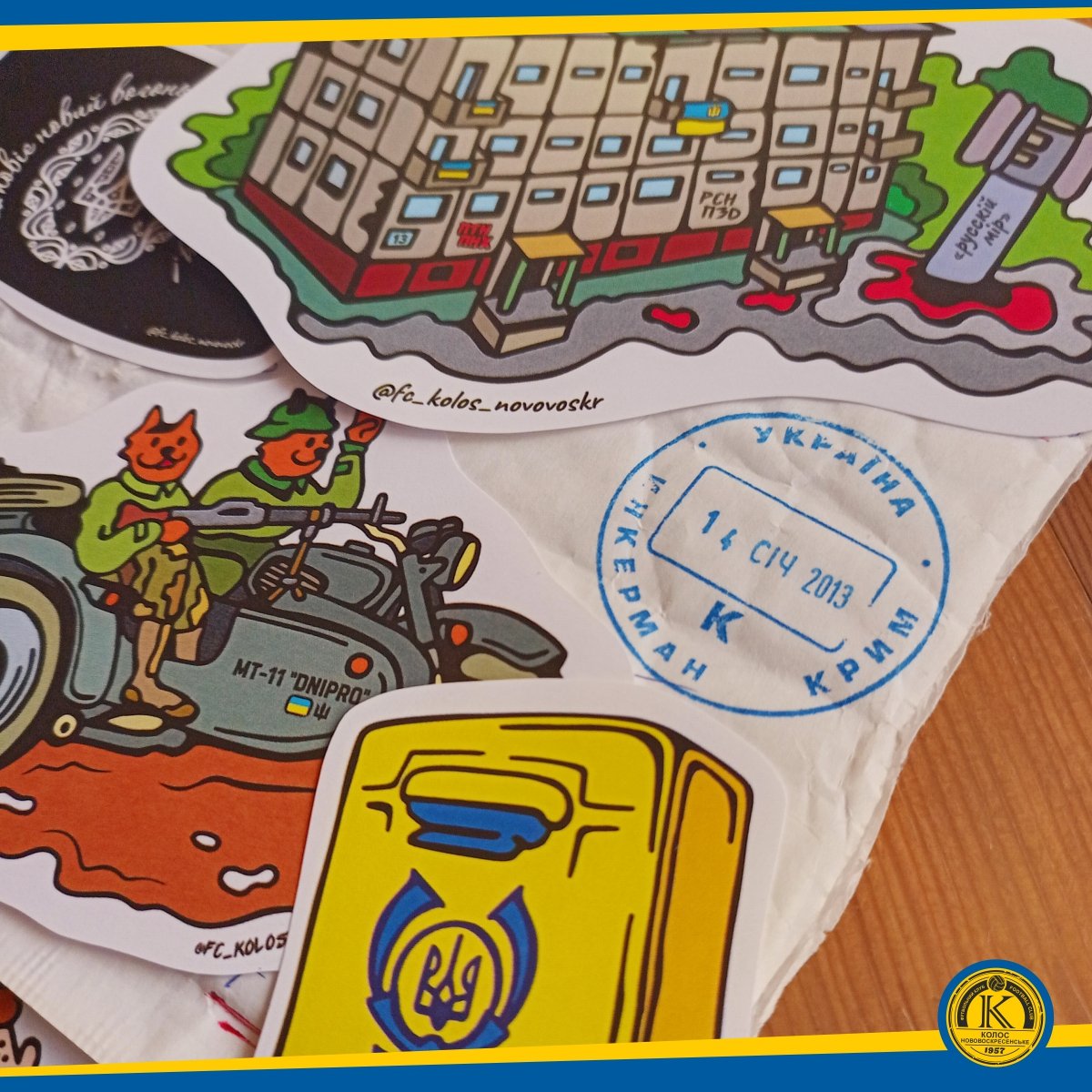
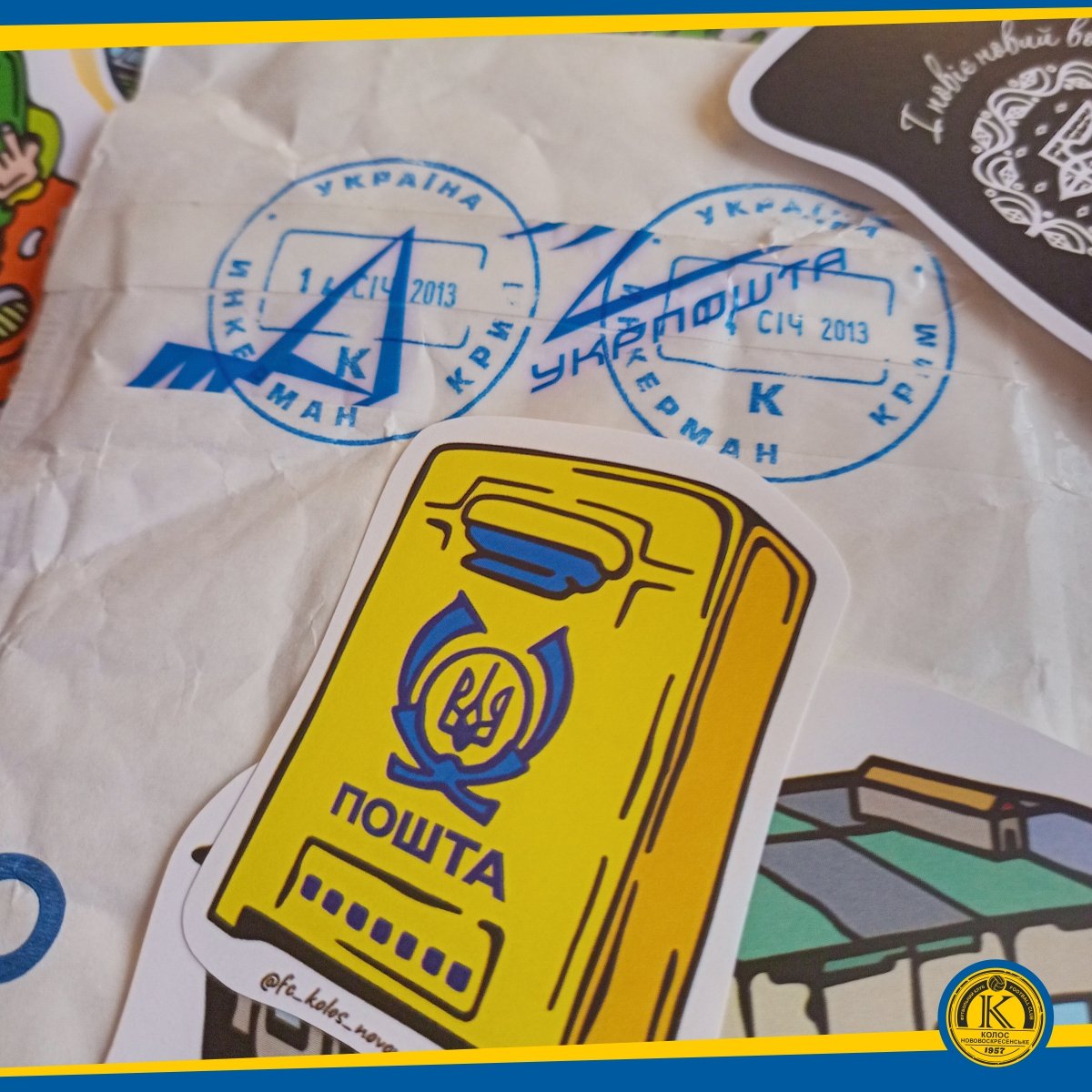
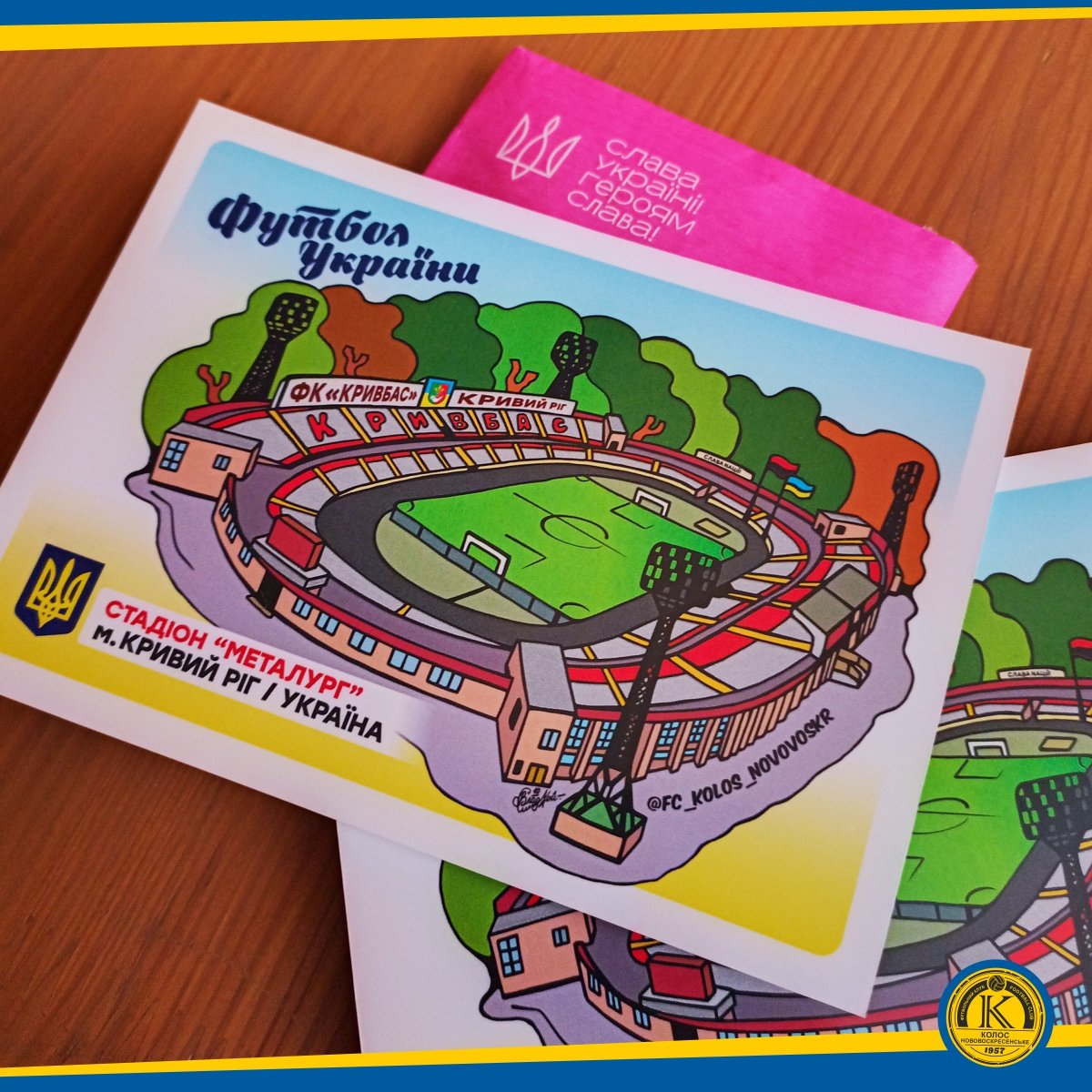
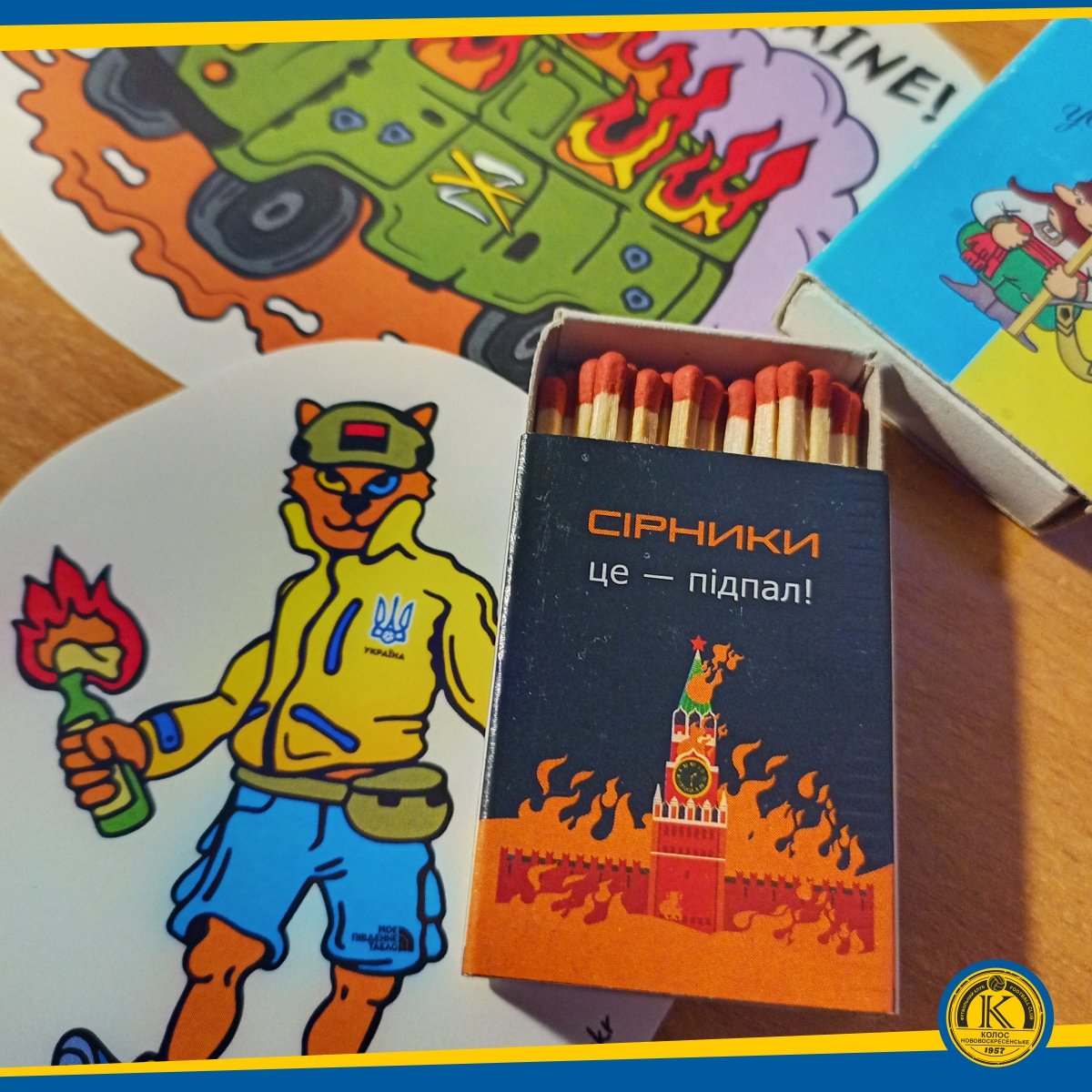
💌🏟️ Thank you so much for your powerful and wonderful feedback! #Stickers #Postcards #Листівки #Cats #ПодарунковіЛистівки #Наліпки #Groundspotting #Shelter #Pug #UkrainePost #PostUkraine #StickersUkr #USAStickers #USAPostcards #UkrainePostcards #Stadiums #OldStadiums #Ukrainian
1
3
72
10 Jan 2024
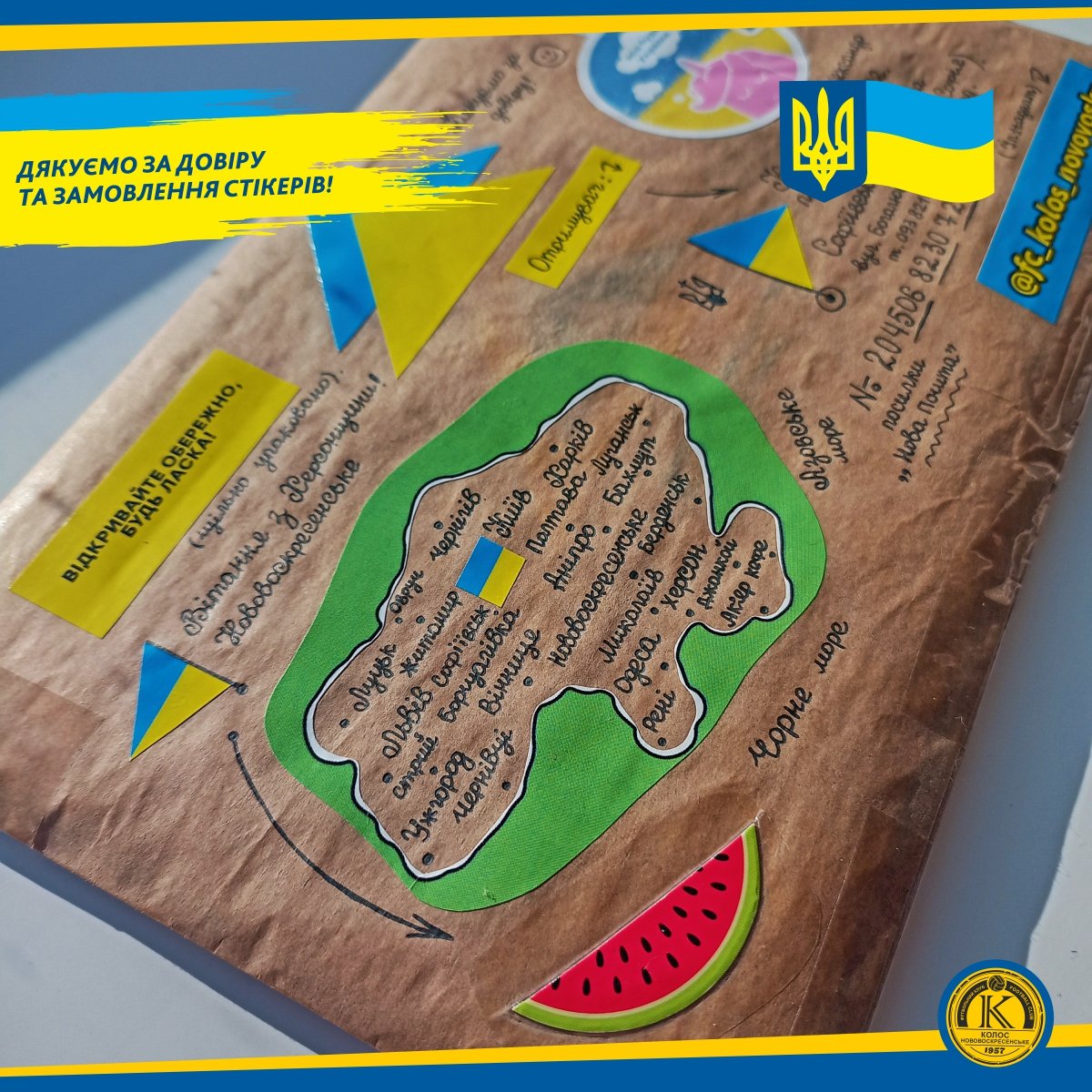
Friends, thank you for ordering and evaluating the works... 🎨 We try to fill each envelope with individuality (handwork) and warmth for you. 🔥🚂💌 #Stickers #Letter #PostUkraine #Вагон #Sticker #Наліпки #Наклейки #УкраїнаНаліпки #СтікериУкраїна #УкраїнськіСтікери #Укрзалізниця

2
70
7 Sep 2023
🇺🇦🤝🇪🇸 Друзі, подяка за ваші фідбеки 🔥✅ #Stickers #Letter #PostUkraine #UkrainePost #EuropaPost #Postcards #StadiumsPostcards #Spain #Sticker #UkraineStickers #Стікерпаки #Листівки #Стадіони #Іспанія #Наклейки #УкраїнаНаліпки #СтікериУкраїна #УкраїнськіСтікери #СтікериПоштою
7
180
20 Aug 2023
Друзі, дякуємо за ваші замовлення та оцінку робіт. Намагаємось, для вас, кожен лист наповнити індивідуальністю 💌 #Stickers #Letter #PostUkraine #UkrainePost #EuropaPost #Postcards #StadiumsPostcards #Pins #Sticker #UkraineStickers #Стікерпаки #Листівки #Стадіони #Наліпки #Лист
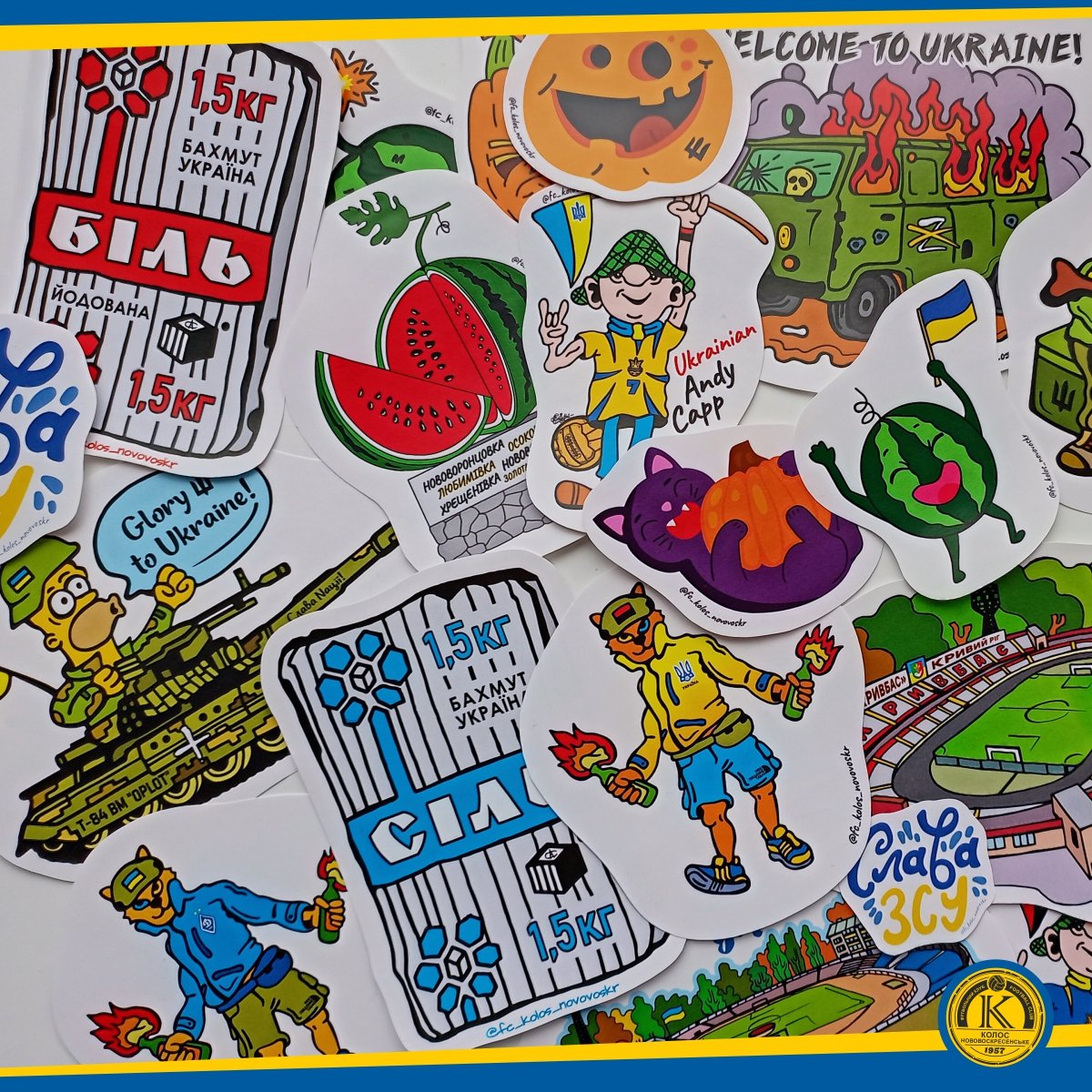
5
84
24 Jul 2023
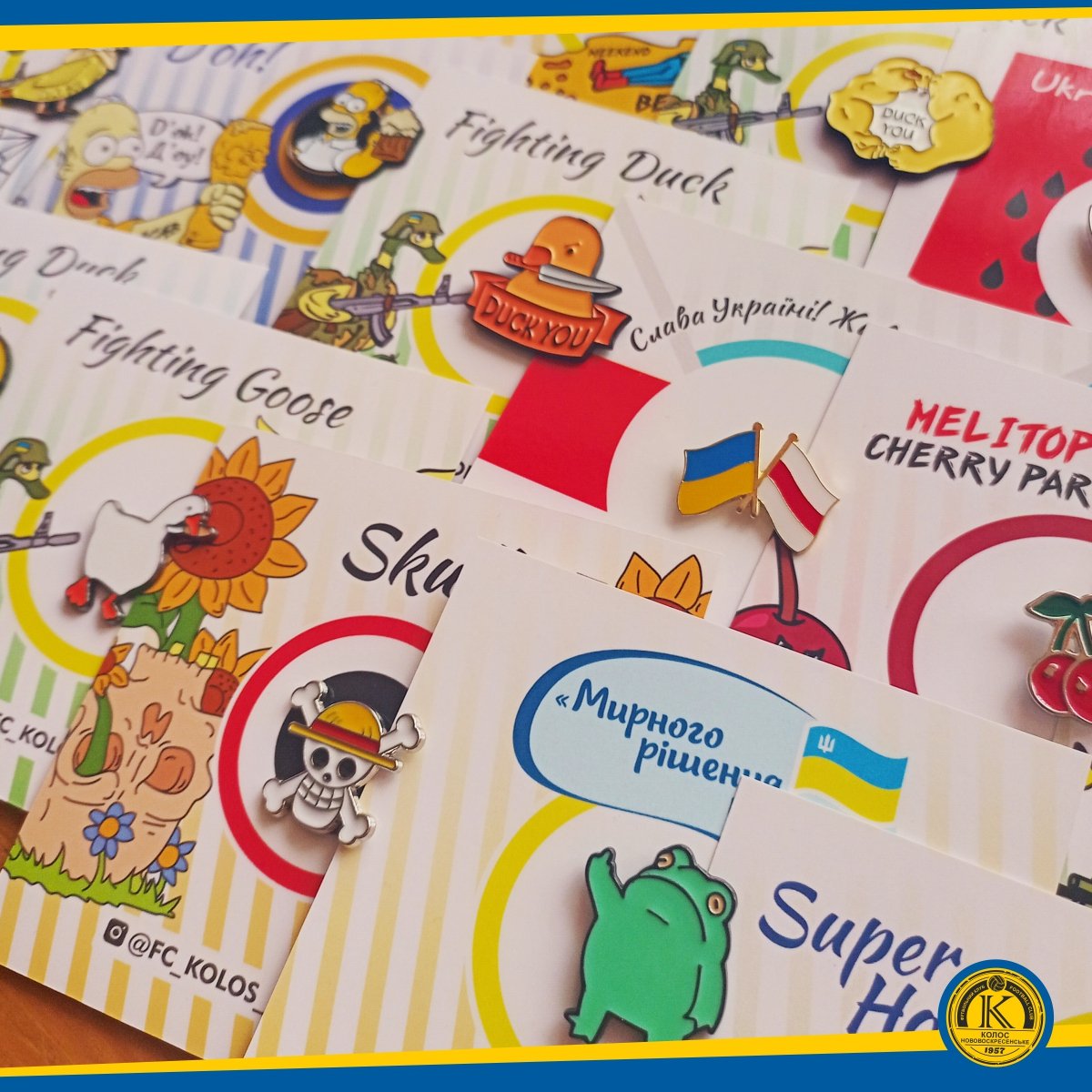
💌✈️🇺🇦🌍 🇸🇪🇬🇧🏴🇺🇲🇪🇸🇺🇾🇩🇪🇧🇷🇨🇦🇮🇱... #EuropaPostcards #UkraineStickers #UkrainePostcsrds #СтікериУругвай #EstadiosCards #StadiumsCards #StadiumsStickers #UkrainianStickers #Sticker #SpainStickers #PostUkraine #Наліпки #ПодарунковіЛистівки #Dnipro #Kyiv #OldStadium #AntigoEstádio
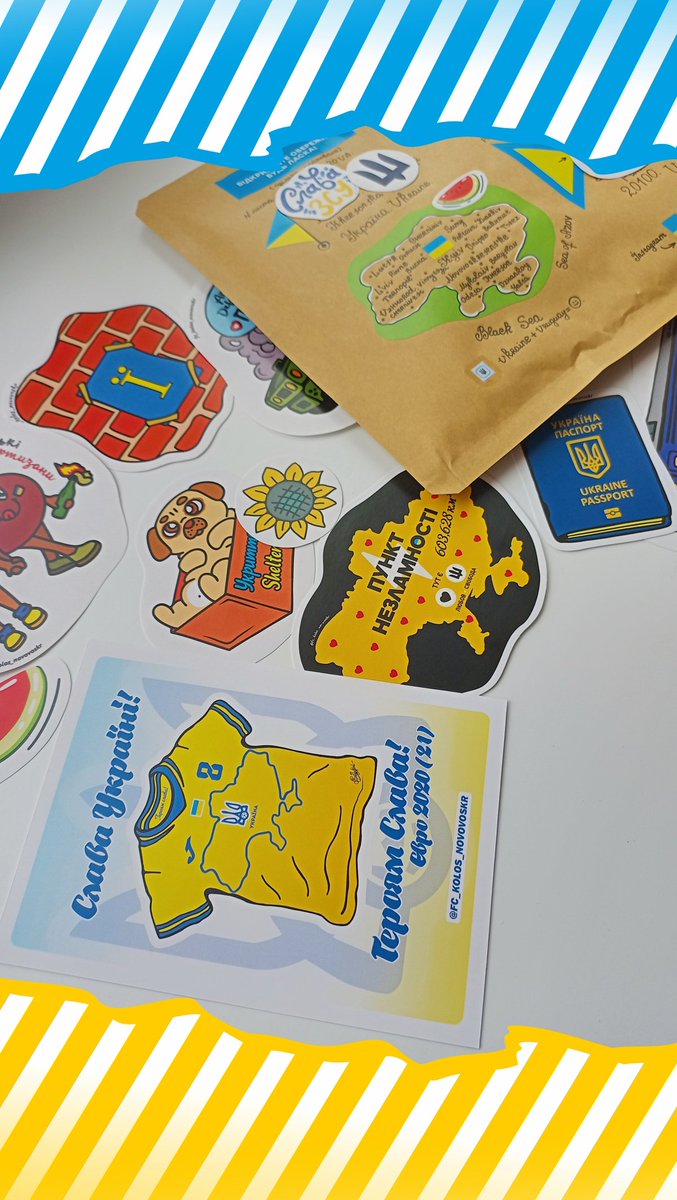
1
8
111
26 May 2023
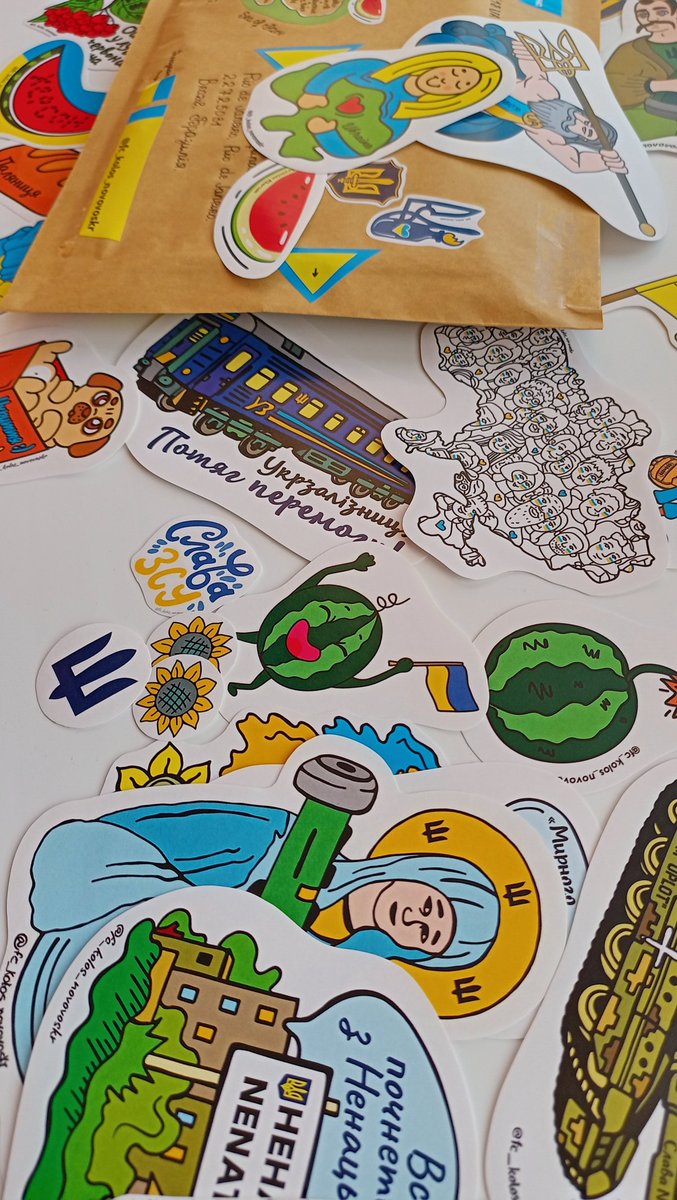
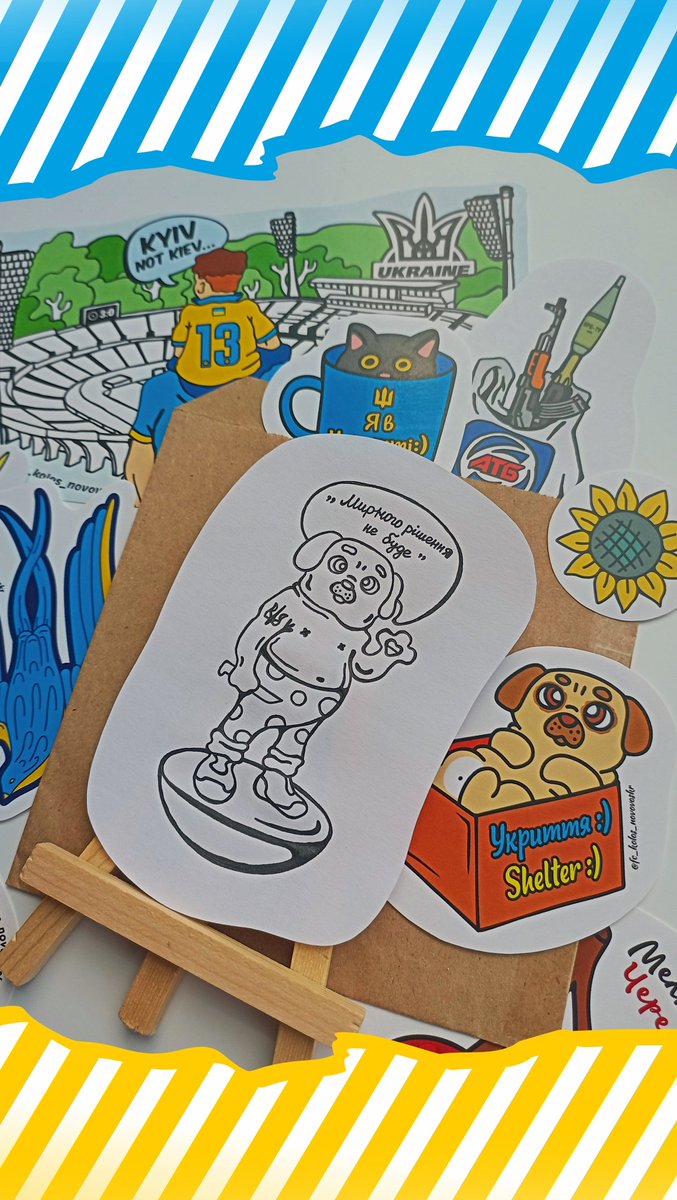
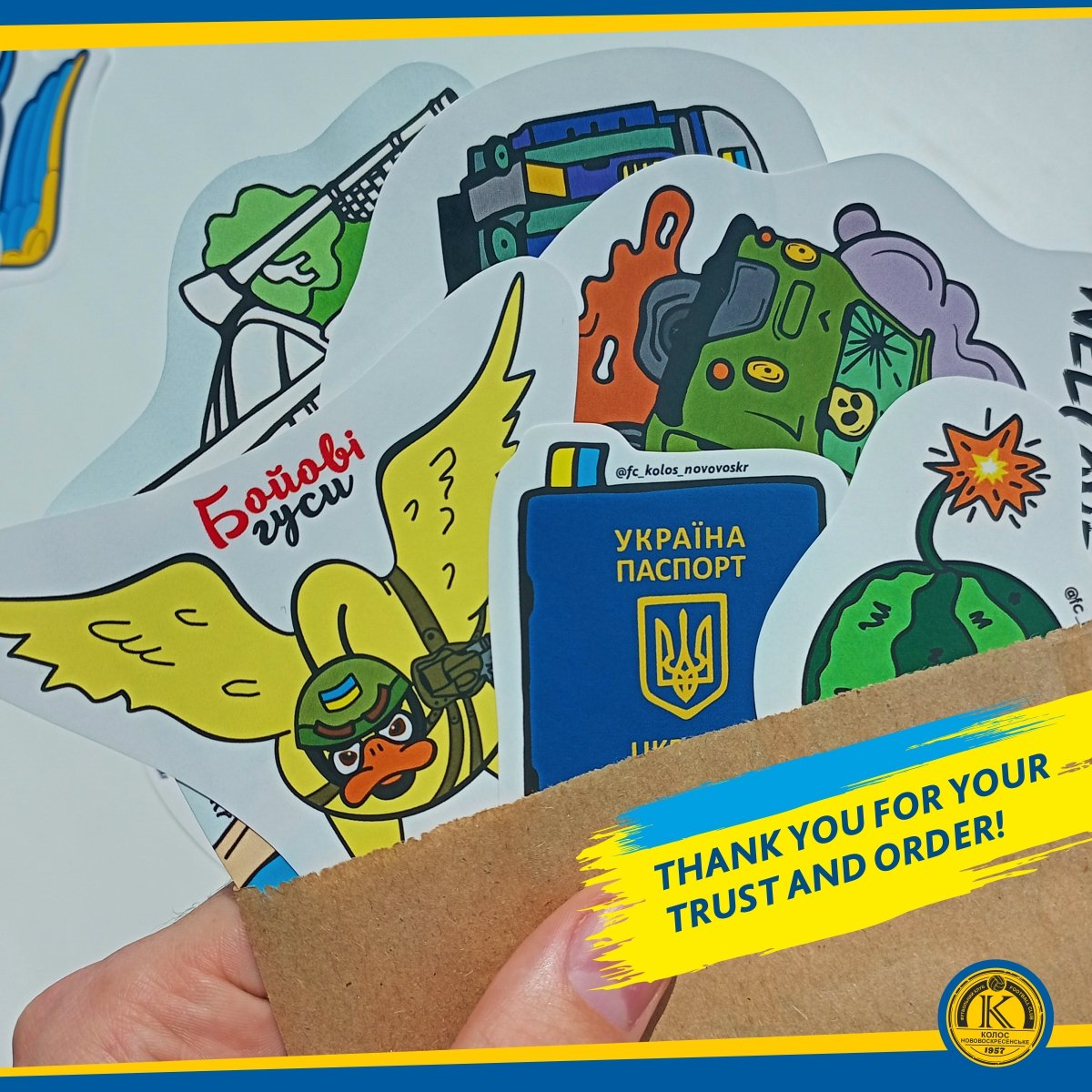
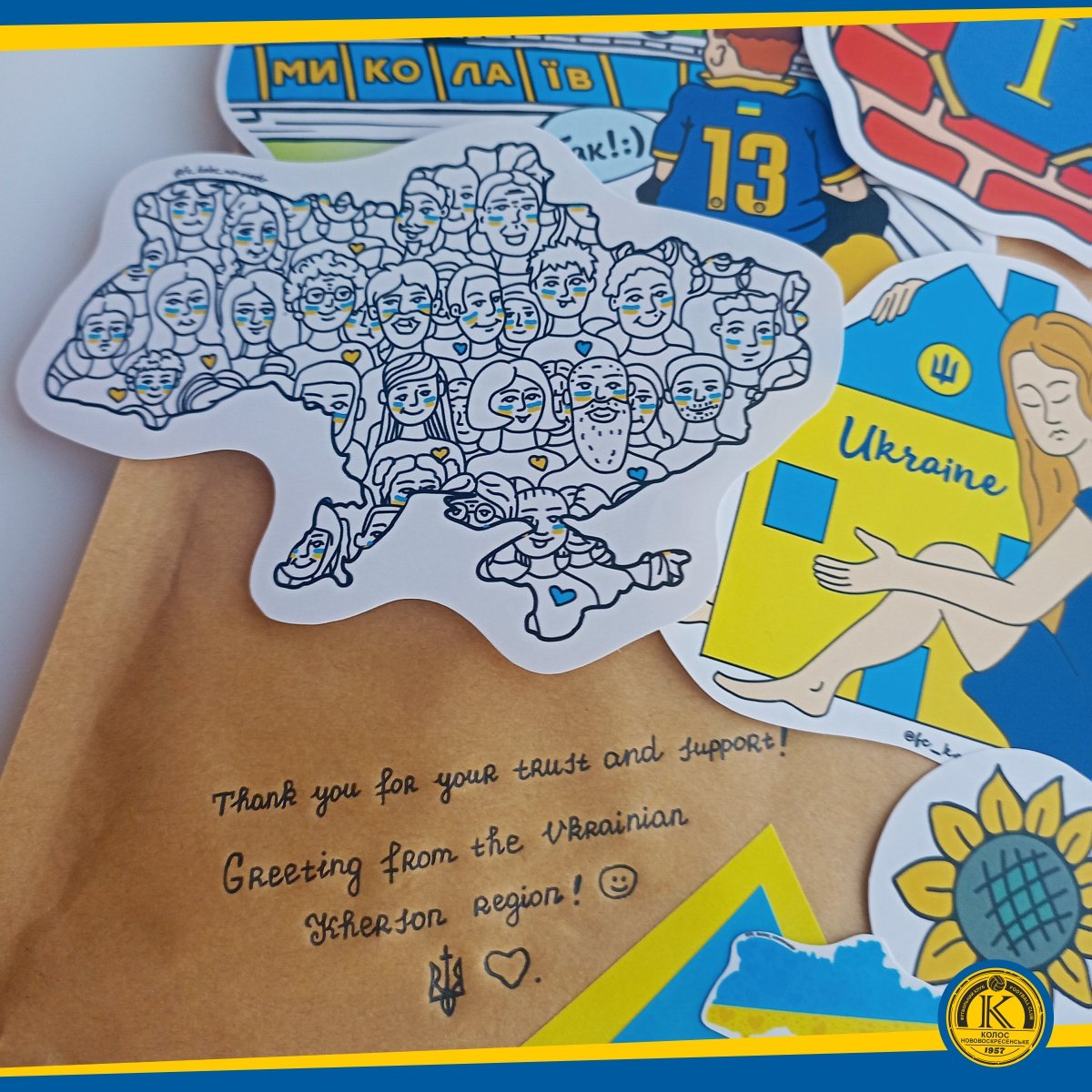
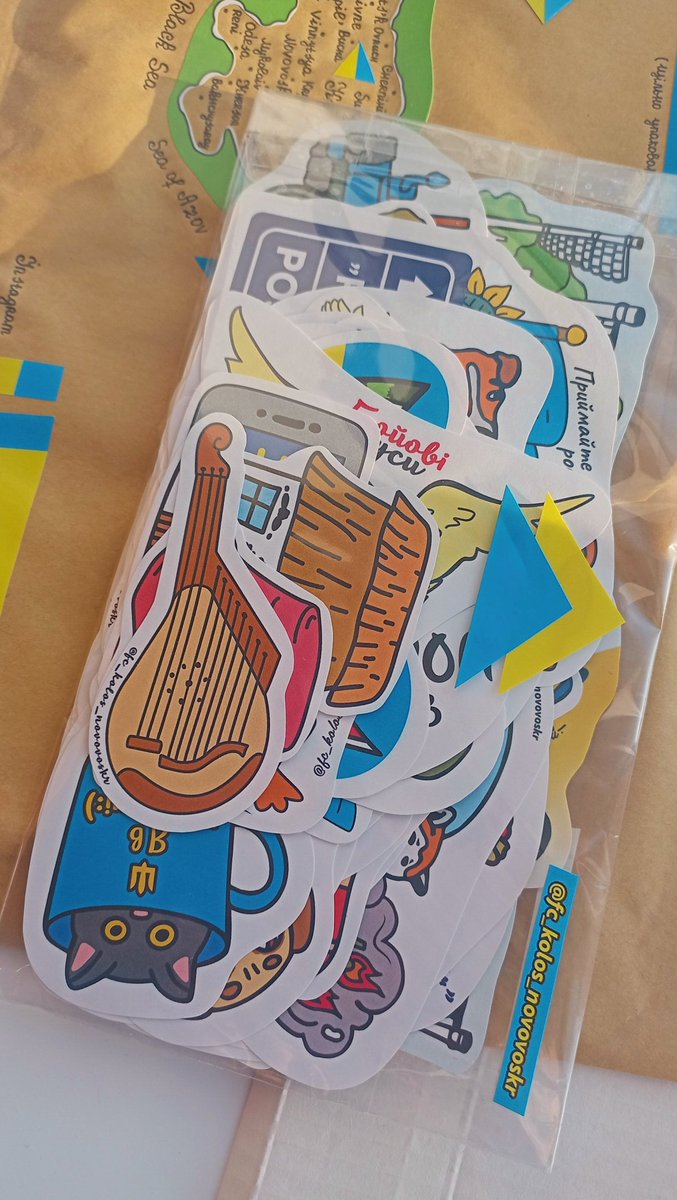
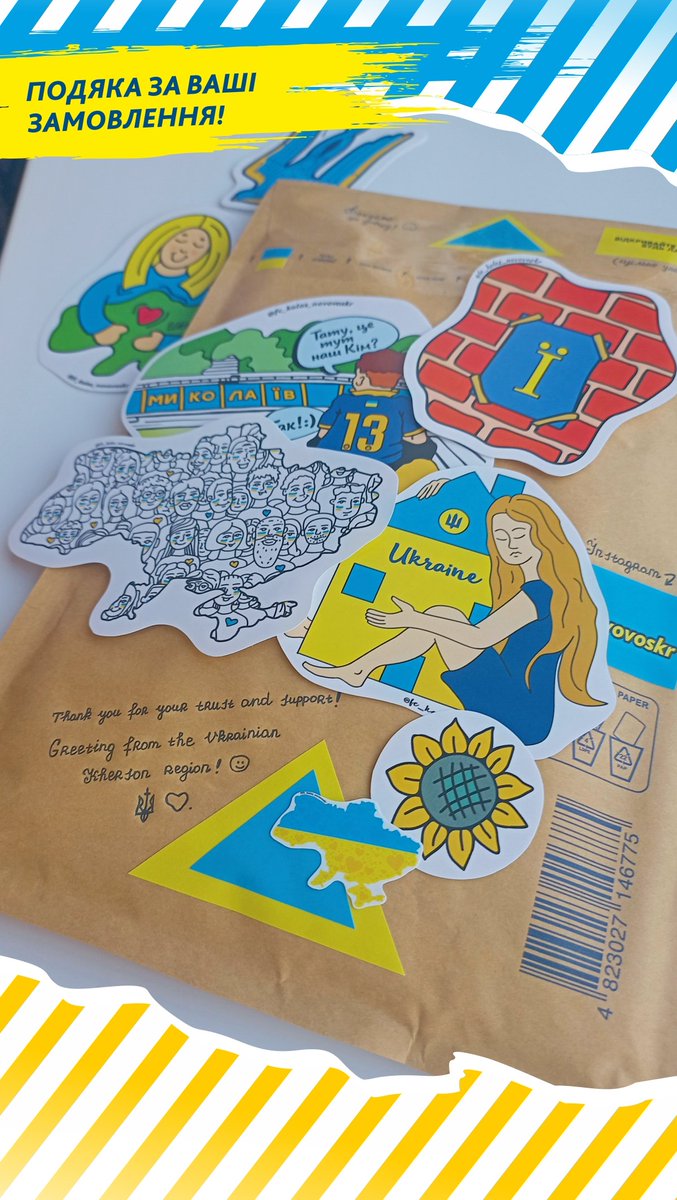
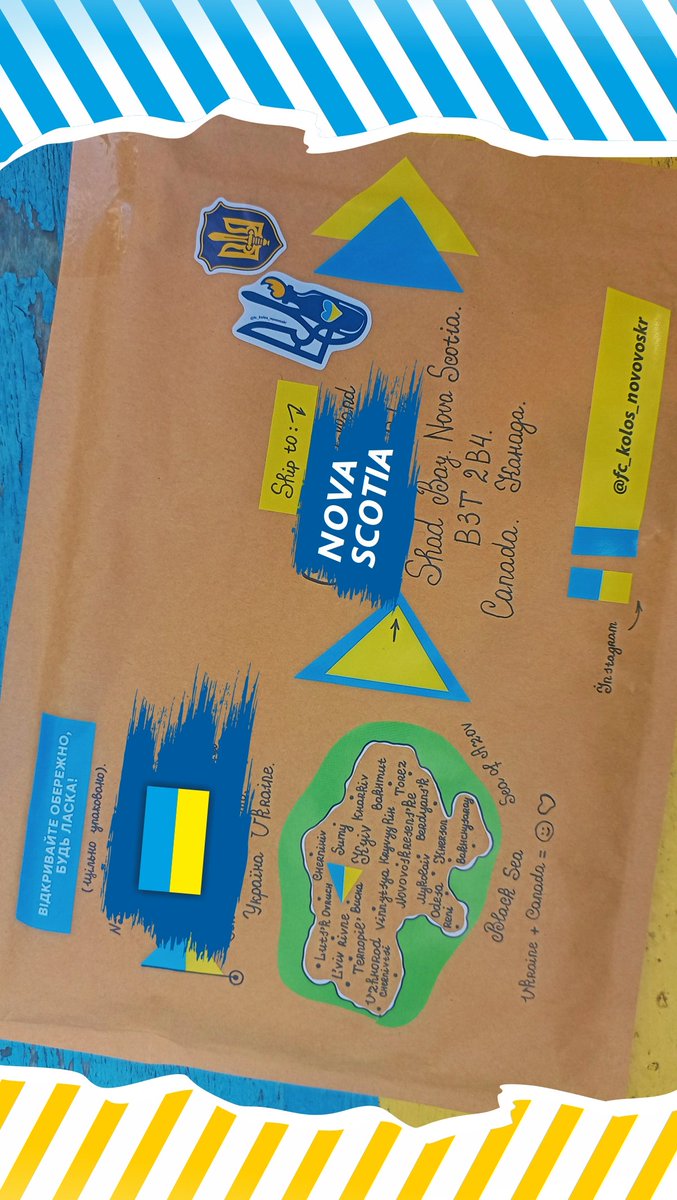
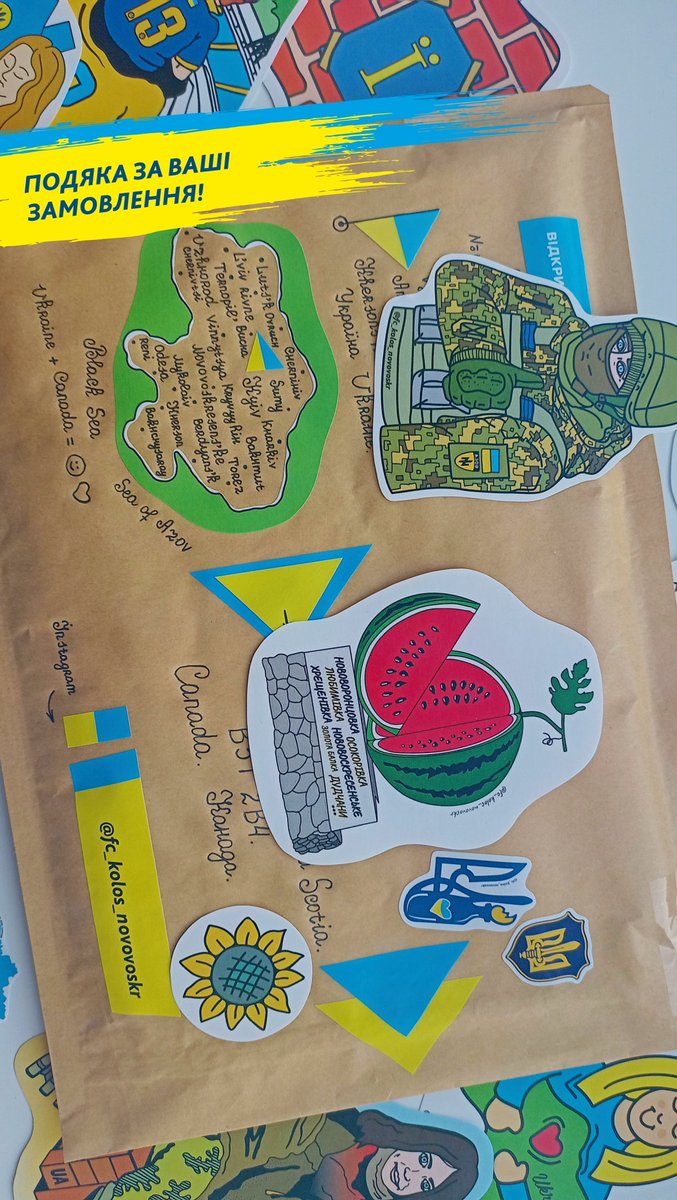
Дякуємо нашим друзям з-за кордону 🌍 за підтримку та замовлення! Цього разу лист до Шад-Бей, Нова Шотландія... Канада з нами 🇨🇦🫂🇺🇦 #Наклейки #UkrainePost #PostUkraine #Post #Letters #Letter #GloryToUkraine #Ukr #Ukraine #Україна #Дякуємо #ШадБей #Чебукто #НоваШотландія #Halifax
3
188
24 Apr 2023
🔥💌 Чудових стікерів багато не буває... ☺️🤤 #УкраїнськіСтікери #UkraineSpring #Spring #Stickers #StickerUkraine #UkraineStickers #Стікери #Наліпки #Стікер #Україна #НаліпкиПоштою #EuropaStickers #PostUkraine #WorldPost #CroatiaStickers #FinlandStickers #SwedenStickers #Конверт
1
5
162
7 Mar 2023
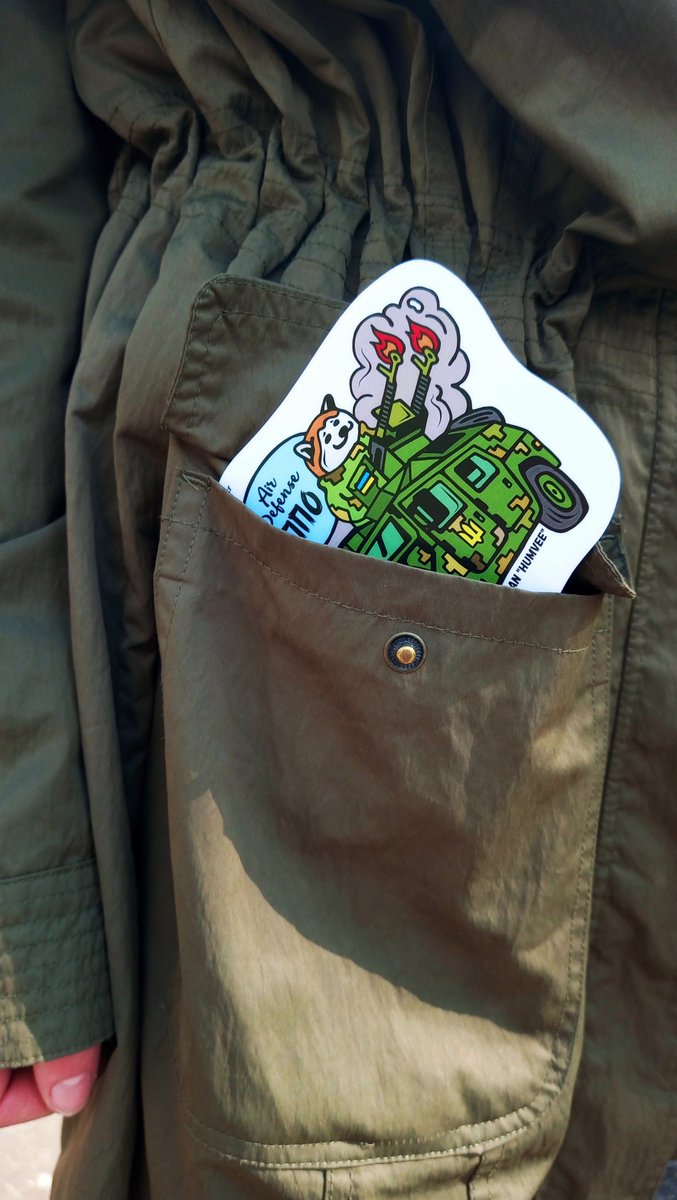
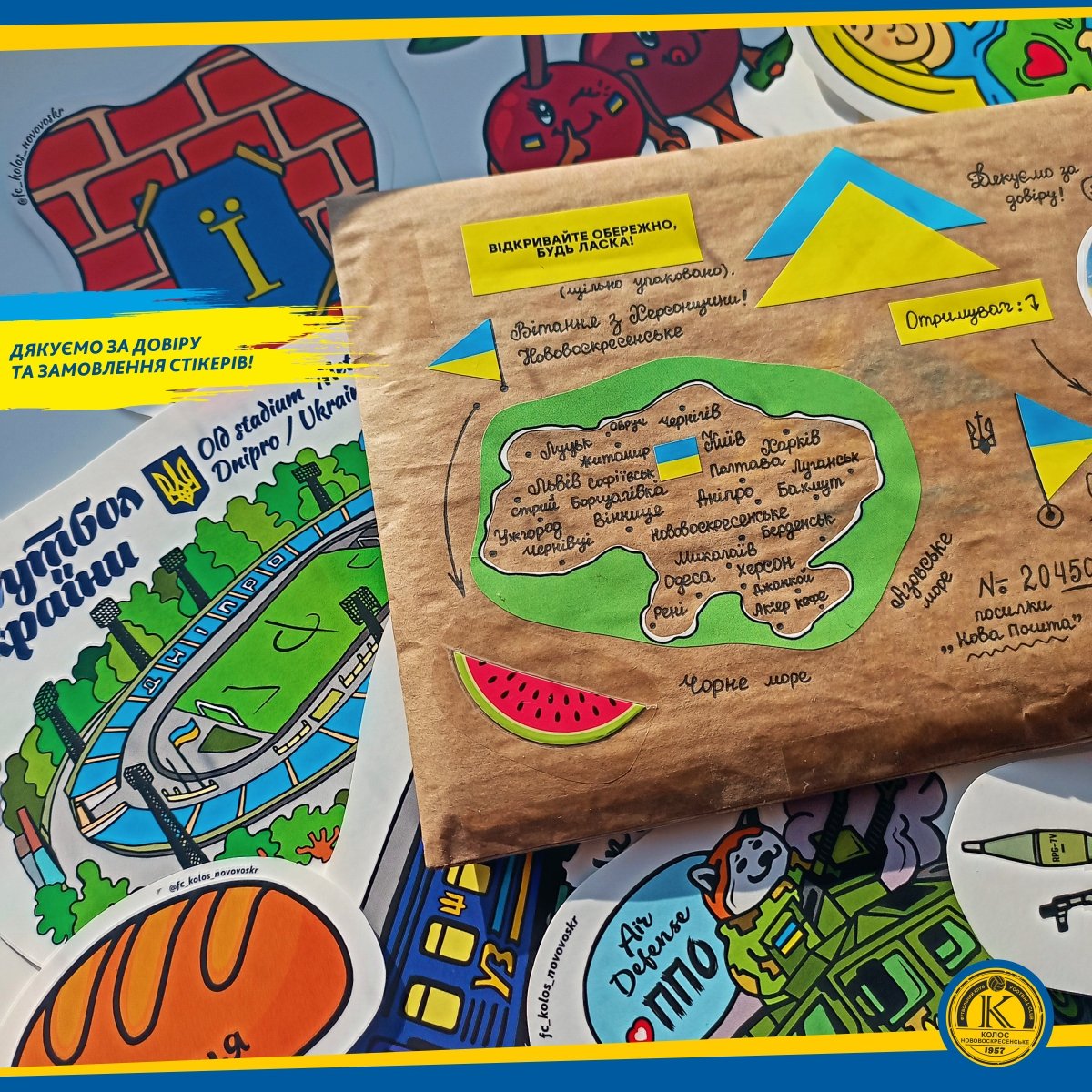
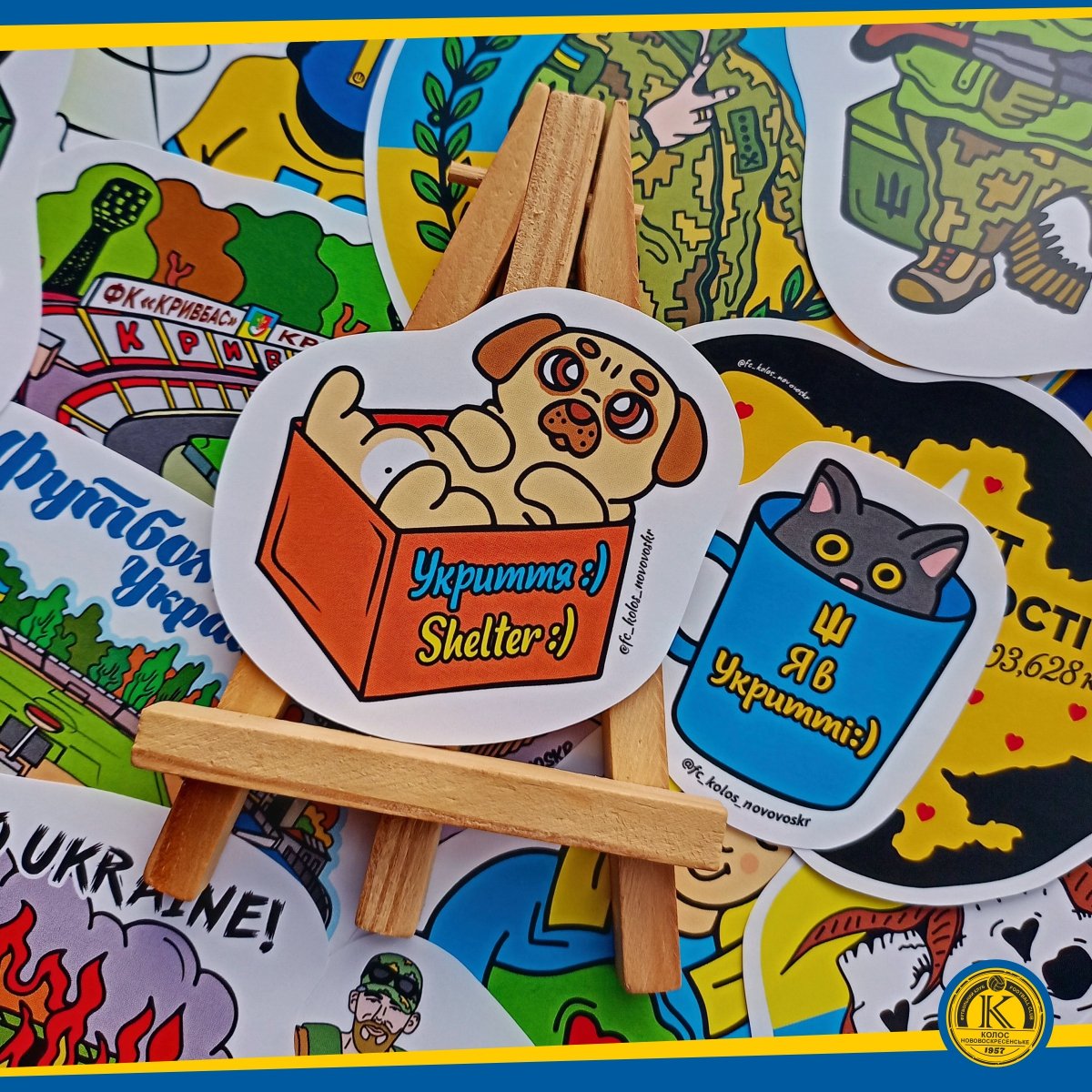
"... Do not ignore the signal "Air Alarm"! ...» ☁️🚀🛡️
Pug does not leave without attention 🐶📦💛💙 "... Не нехтуйте сигналом "Повітряна тривога"! …" 🚀☁️🛡️ Мопс, не ігнорує #Stickers #Sticker #Ukraine #StickersUkraine #Ukrainians #Pugs #Pug #AitAlarm #PostUkraine #Shelter
5
161