🌊 Offshore PPP struggles with wonky ref stations? New NWP ZTD algorithm slashes convergence time by 56-59% vs traditional methods! 🚀 Up to 32% faster than iono-free PPP, with 3.75cm avg positioning accuracy. 771 views & counting!
#PrecisePointPositioning #OffshoreTech #NWP #GNSS #ZTD
Link[doi.org/10.1080/10095020.202…]
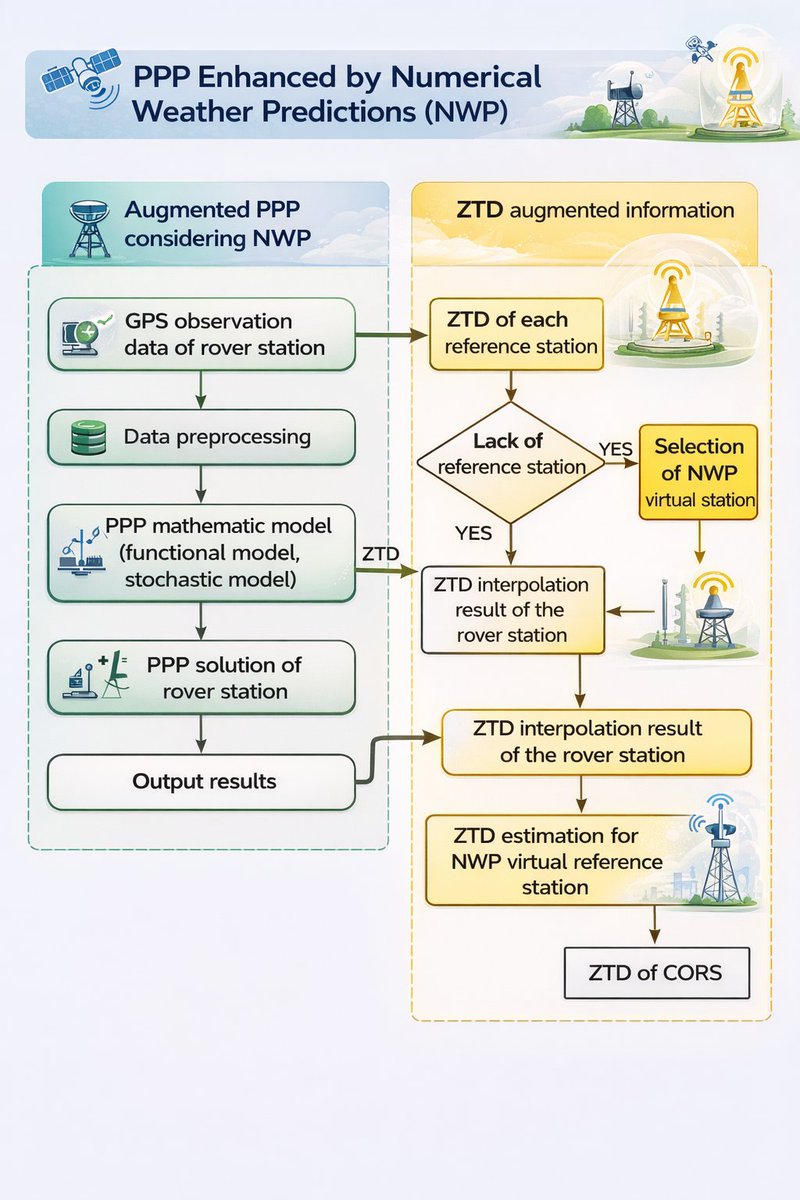
ALT Figure 1. Flow chart of regional augmented PPP algorithm considering NWP.
3
6
260
🌍 EU-wide positioning just got a massive upgrade! 🚀 New ionospheric model slashes convergence time by 37.7% (horizontal) & 34.2% (vertical) vs legacy—with 59.6% lower error! 🔍 Adaptive uncertainty grids cut time even more (42.1%/28.8%)! 1114 views & counting—game-changer for wide-area PPP! #PrecisePointPositioning #GNSS #IonosphereHacks #GeospatialTech Link[doi.org/10.1080/10095020.202…]
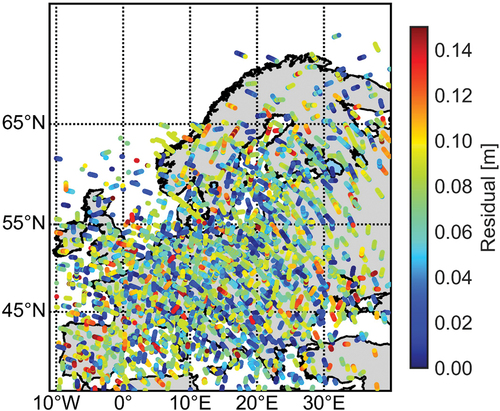
ALT Figure 11. Satellite-wise differences of slant ionospheric delay between modeled values and PPP-AR-derived values for all selected reference stations at 14:00–14:15 on DOY 113, 2023.
1
4
213

13 Dec 2025
Struggling with high - precision time frequency in Precise Point Positioning (PPP) data processing? 😫 The huge uncertainty of the receiver clock makes it a tough nut to crack. But here's a game - changer! 🎉 A new Adaptive Clock Constraint (ACC) model has been proposed. Compared with BIPM PPP, it improves time difference STD by over 10% and frequency stability by 15%. It's suitable for different atomic clock stations too! #GNSS #PrecisePointPositioning #TimeTransfer #ReceiverClockModel #AdaptiveModel Link[doi.org/10.1080/10095020.202…]

ALT Figure 3. Flowchart of ACC model data processing.
3
180

10 Feb 2025
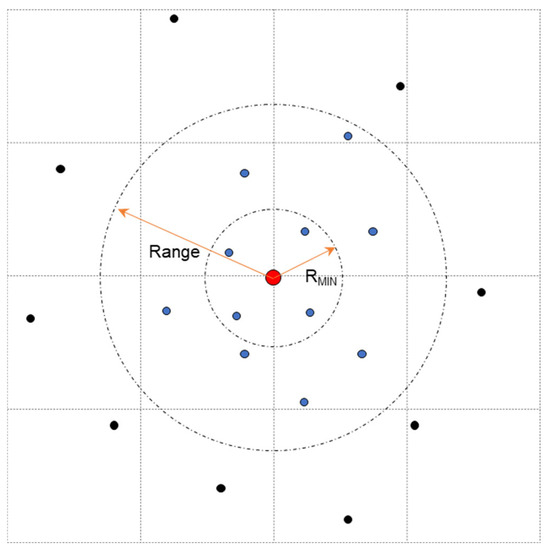
A Two-Step Regional Ionospheric Modeling Approach for PPP-RTK
mdpi.com/1424-8220/24/7/2307
#GNSS #ionosphericdelay #precisepointpositioning
#realtimekinematic
1
2
120

12 Apr 2024
#notablepaper
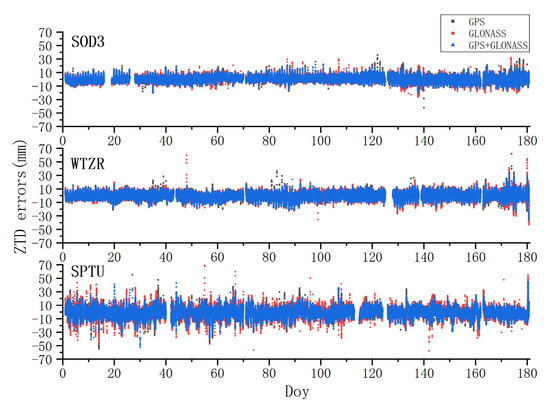
📍Analyses of GLONASS and #GPS GLONASS #PrecisePositioning Performance in Different Latitude Regions
by Yanli Zheng, Fu Zheng, Cheng Yang, Guigen Nie and Shuhui Li
mdpi.com/2072-4292/14/18/464…
#PrecisePointPositioning
3
385

10 Apr 2023
@ublox & #PositionPartners expanded coverage of #PointPerfect #GNSS #Augmentation Service to #Australia
#PrecisePointPositioning
#RealTimeKinematic
thegpstime.com/pointperfect-…
2
25
27 Apr 2021
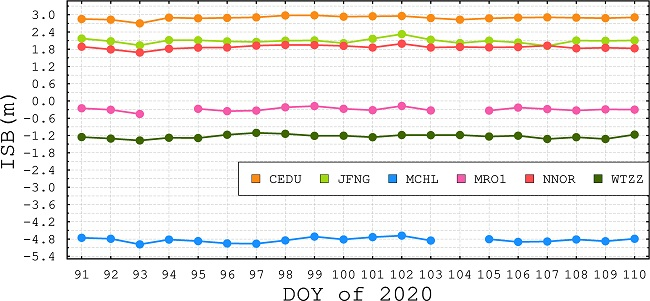
Evaluation of Inter-System Bias between #BDS-2 and BDS-3 #Satellites and Its Impact on Precise #PointPositioning
by Wen Zhao, Hua Chen et al
👉mdpi.com/2072-4292/12/14/218…
#remotesensing #BeiDouNavigationSatelliteSystem #GNSS #PrecisePointPositioning (#PPP)
1

5 Dec 2020
A free webinar on December 16 investigates, explains and demonstrates the newest high-accuracy #GNSS correction service options, both public and private, available for the high-requirements user. bit.ly/3lM520T #InsideGNSSwebinar #PNT #RTK #PPP #PrecisePointPositioning
2

22 Oct 2020
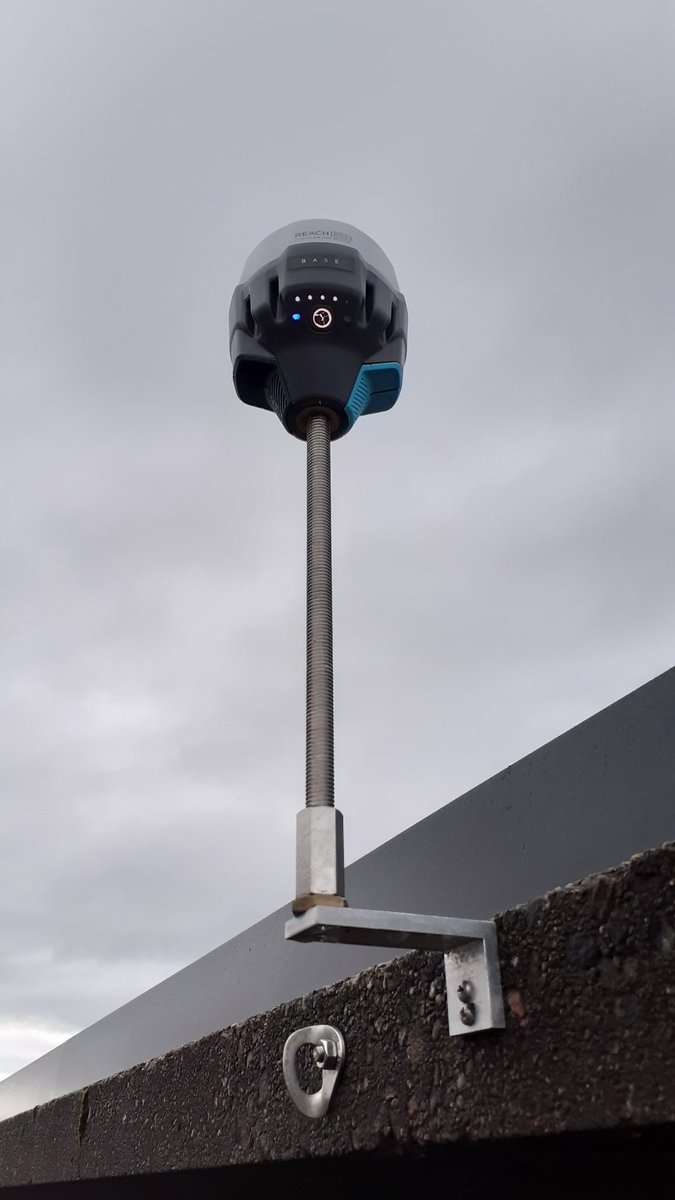
ALT Emlid RS2 GNSS
4
10 Sep 2020
#RSHiglyCitedPapers
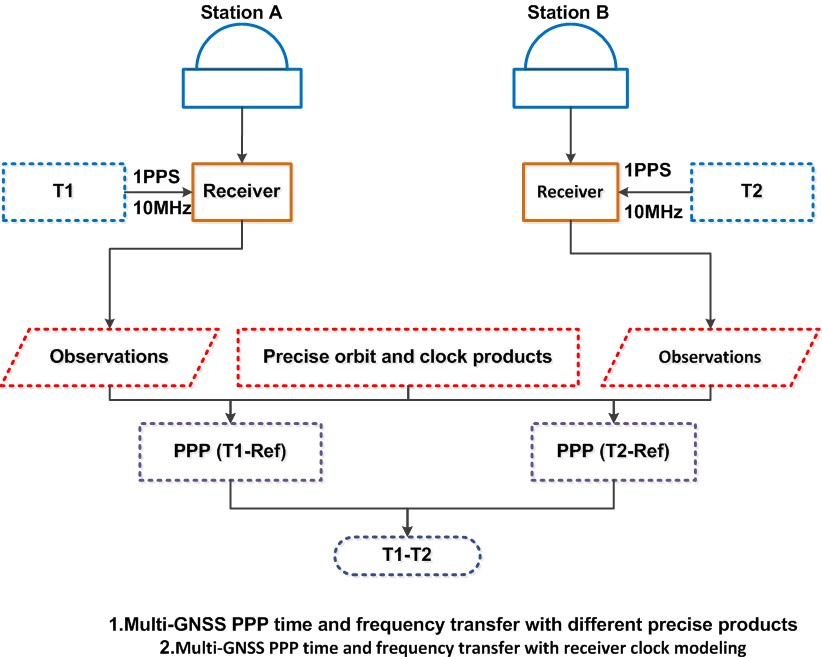
Performance of Multi-#GNSS #PrecisePointPositioning Time and Frequency Transfer with Clock Modeling
by Yulong Ge, Peipei Dai, et al.
👉mdpi.com/2072-4292/11/3/347/…
#remotesensing
#PPP
#satellite
6
24 Feb 2020
1
7
17 Feb 2020
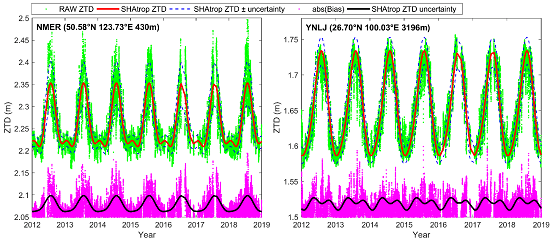
#SHAtropE—A Regional Gridded ZTD Model for China and the Surrounding Areas
by Junping Chen 1,2,3, Jungang Wang, et al.
👉mdpi.com/2072-4292/12/1/165/…
#GNSS
#troposphericmodeling
#precisepointpositioning
#remotesensing
2
9 Oct 2019
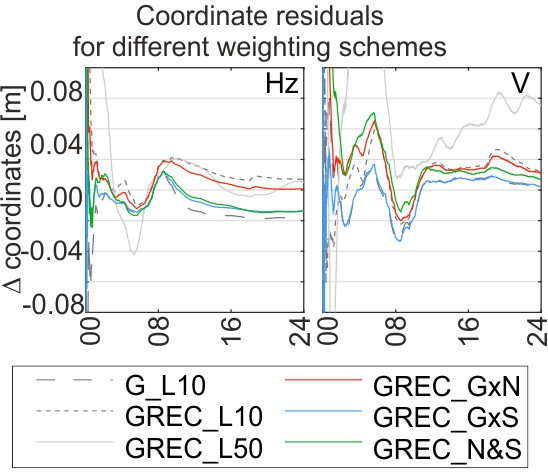
Weighting of Multi-#GNSS Observations in Real-Time #PrecisePointPositioning
by Kamil Kazmierski, Tomasz Hadas and Krzysztof Sośnica
👉mdpi.com/2072-4292/10/1/84/h…
#PPP
#remotesensing
2