
Your reproductive health matters. Whether you need pregnancy testing, counselling, or family planning, we’re here to provide confidential and professional care every step of the way.
#PregnancyTesting #FamilyPlanning #WomensHealth #ReproductiveHealth #MarangHopeHeals
1
1
14
🐄 Got a robotic milking system? Try our Robot Milking Shuttle Hire Service for hassle-free testing. 📞 03330 043 043 #RobotMilking #ShuttleHire #DairyFarming #MilkRecording #DairyTechnology #JohnesTesting #PregnancyTesting #SCCMonitoring #Lely #DeLaval #Fullwood #DairyIndustry

1
1
56

Dr Tamara Stampalija introduces a recent study featured in the April #UOGJournal. This study establishes the scientific utility and validity of a novel single-cell-sequencing-based non-invasive prenatal testing method utilising circulating extravillous trophoblasts for the prenatal screening of fetal genome-wide microimbalances measuring ≥ 300 kb to < 8 Mb, and demonstrates its potential use in first-trimester screening. Read the #openaccess prospective multicentre study by Grati et al. online now: bit.ly/4tbWm7s
#LoveUltrasound #noninvasiveprenataltesting #singlecellsequencing #fetalgenomics #pregnancytesting #prenatalscreening #genomics #geneticresearch
4
667

26 May 2025
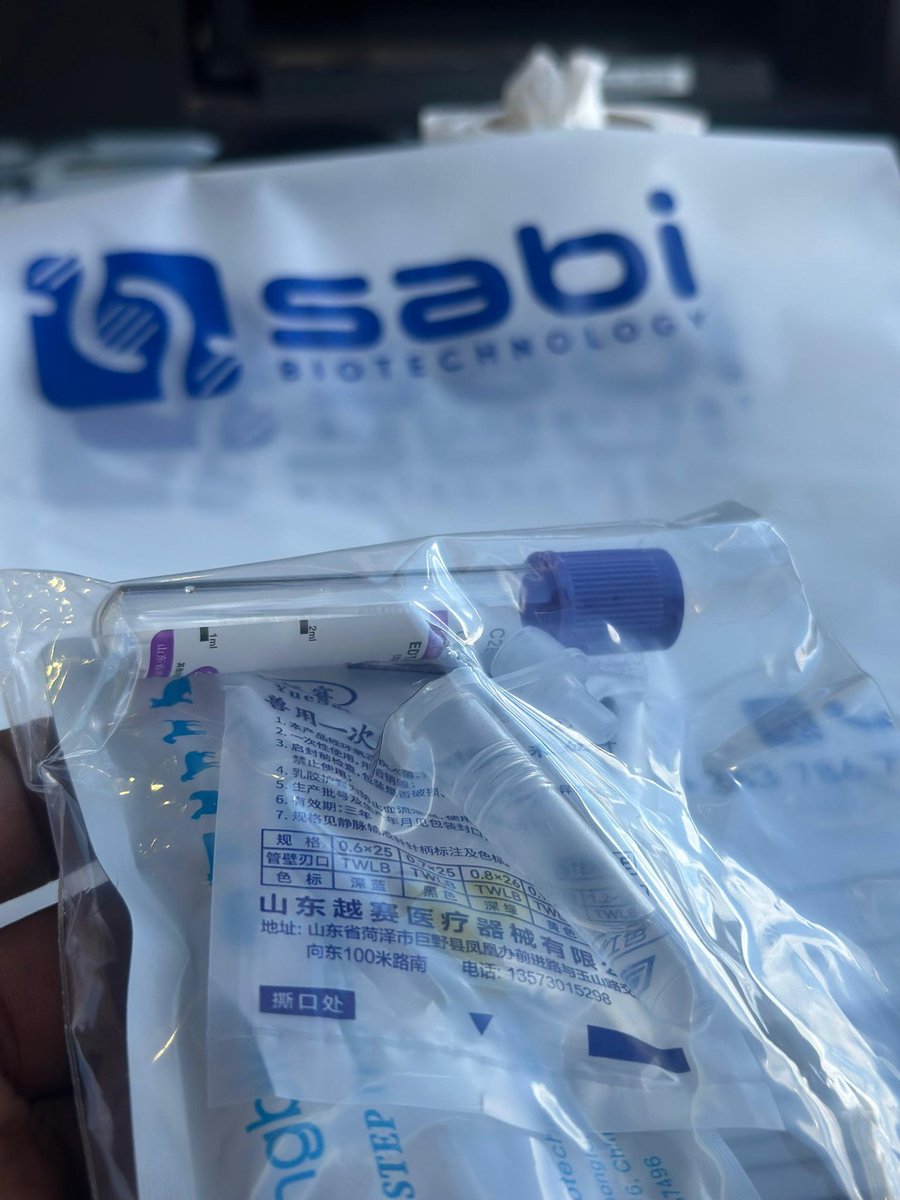
Boost your livestock productivity! Sabi Biotechnology's Livestock Pregnancy Test Kits are now available! Easy to use, accurate results in 15 minutes! Simply take a blood sample and get instant results. Order now: 263786776054 #Livestock #PregnancyTesting #FarmEfficiency

1
362

30 Apr 2025
📣Spring Special Offer 20% OFF📣 From 01.05.2025 - 30.05.2025, get 20% OFF Milk Pregnancy Testing with NMR. No order limits. Open to all! Call: 03330 043 043 ☎️ Quick, easy, effective! #MilkTesting #NMRTesting #PregnancyTesting #DairyFarming
2
3
185

18 Feb 2025
બનાસકાંઠા:ખાનગી હોસ્પિટલમાં ગર્ભ પરીક્ષણ થતું હોવાનો આરોપ, આરોગ્ય અધિકારીએ સોનોગ્રાફી મશીન કર્યું સીલ । TV9Gujarati
#banaskantha #pregnancytesting #hospital #healthofficer #sealssonographymachine #gujarat #tv9gujarati
1
332

This was too good not to tweet natural chemical free #PregnancyTesting
17 Feb 2025

Did you know?
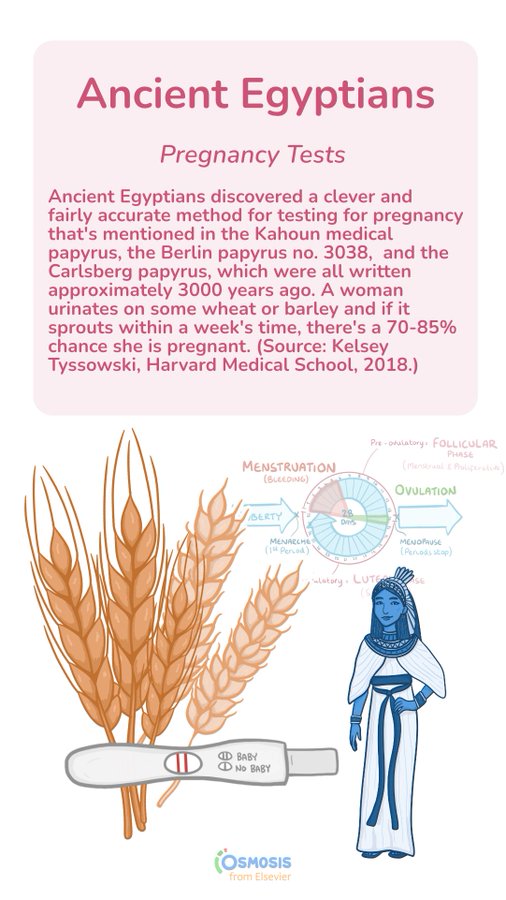
Ancient Egyptians tested for pregnancy by having potential moms urinate on bags containing wheat and barley; if they sprouted shortly after it was a sign of pregnancy. A 1963 study reproduced the results as 70% accurate.
This method, documented on papyrus scrolls dating back to 1350 BCE, involved a simple yet seemingly ingenious procedure: potential mothers were instructed to urinate on bags containing wheat and barley. The theory behind this method was straightforward yet fascinating. If the grains sprouted shortly after being exposed to the urine, it was a sign that the woman was pregnant.
The mechanism behind this ancient pregnancy test is rooted in the hormonal changes that occur during pregnancy. Specifically, it is believed that the elevated levels of estrogen in the urine of pregnant women may have stimulated the germination of the grains. This theory has been supported by scholarly research and has even been tested in modern times.
In a study conducted in 1963, researchers at the University of California replicated the ancient Egyptian pregnancy test. They found that the method was surprisingly accurate, with a success rate of approximately 70%. This result not only validated the ancient practice but also highlighted the sophistication of Egyptian medical knowledge.
2
29

12 Feb 2025
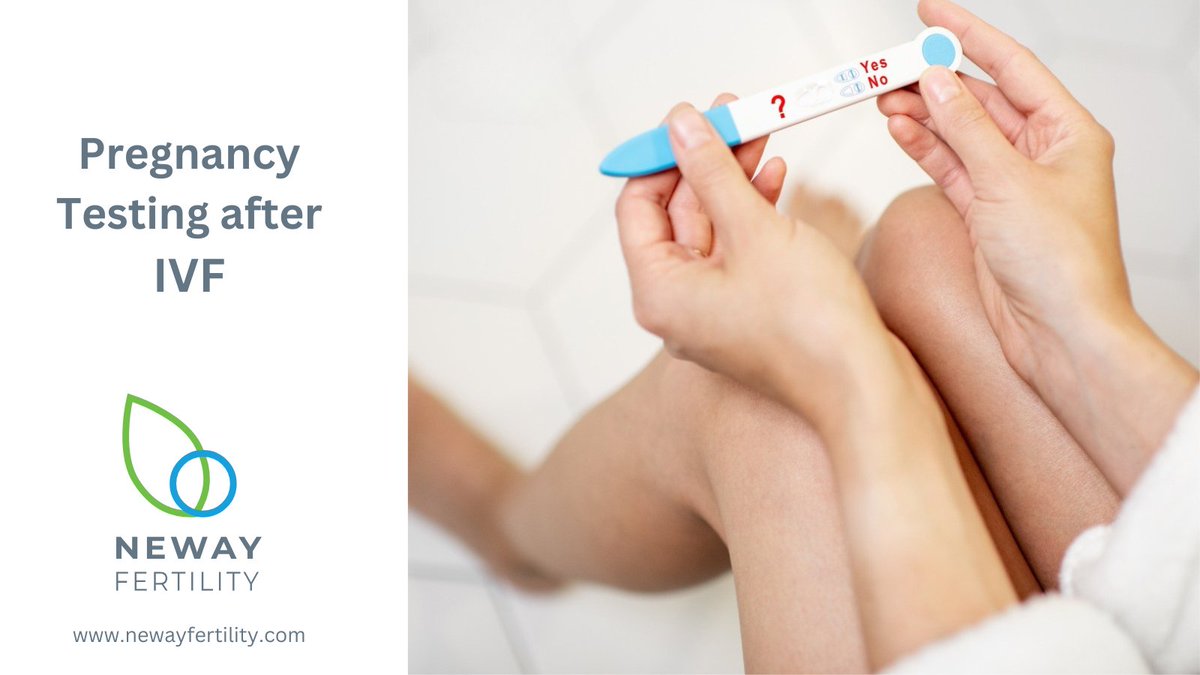
Waiting is hard, we get it.
But for the most accurate testing, we recommend waiting 7 to 9 days after your embryo transfer, which we will schedule to be completed at our clinic.
#pregnancytesting
4
53

7 Jun 2024
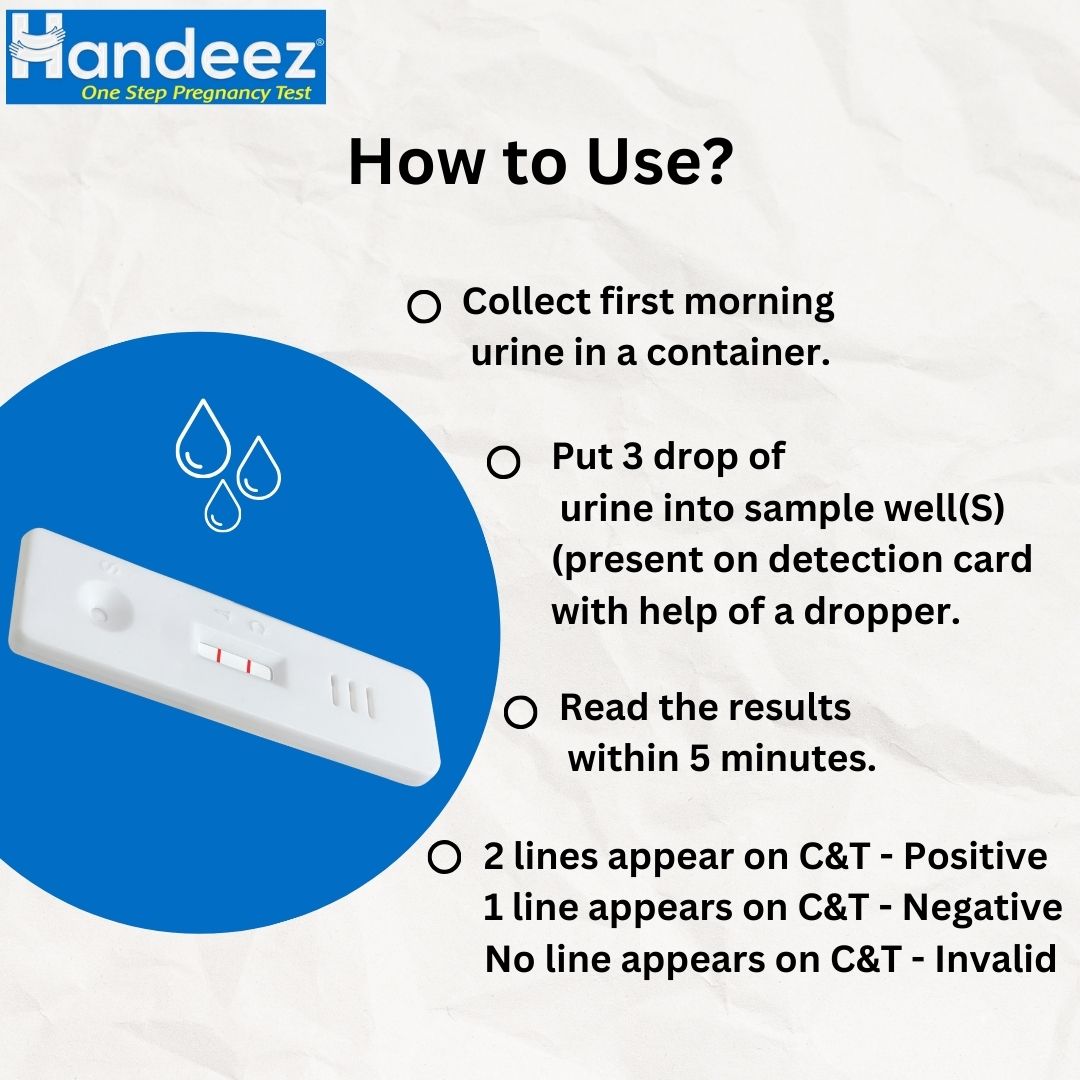
#Handeez: It's handy, it's easy! Open the box, collect a urine sample, dip the test strip, and wait a few minutes for clear results. Peace of mind in simple steps!
#Handeez #PregnancyTesting #DreamsComeTrue #PregnancyCheckingKit #NewBeginnings #PregnancyTest #PregnancyCheck
2
10

29 Aug 2023
గర్భం వచ్చిందో లేదో తెలుసుకునేందుకు ప్రాచీన కాలంలో మహిళ మూత్రాన్ని గోదుమలు, బార్లీ గింజల మీద వేసేవారు. బార్లీ గింజలు త్వరగా మొలకెత్తితే బాబు అని, గోదుమలు ముందు మొలకెత్తితే పాప అని నమ్మేవారు.
#PregnancyTesting #WomenHealth #MedicalHistory
bbc.com/telugu/articles/cnkg…
8
26
3,140

22 Aug 2023
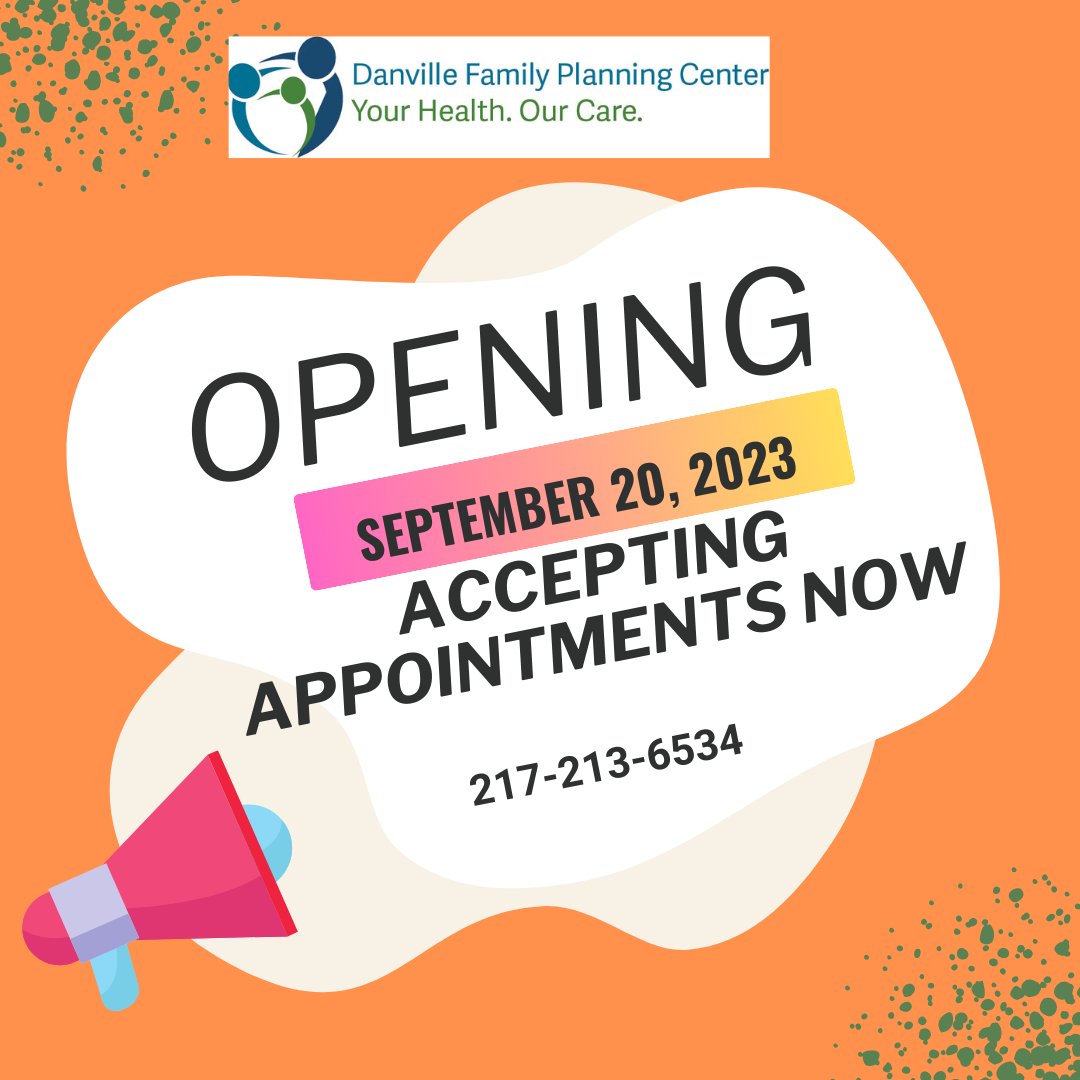
New Title X Family Planning Clinic is opening in Danville, IL. Services for Indiana residents will be available. #LowCost services provided on a sliding fee scale. #Contraception #STITesting #PregnancyTesting
1
1
119

24 Feb 2023
#ankuramlabs #pregnancytesting #PAPP-A #betahcg #healthypregnancy #maternalhealth #lankabhu #varanasi #DualMarker
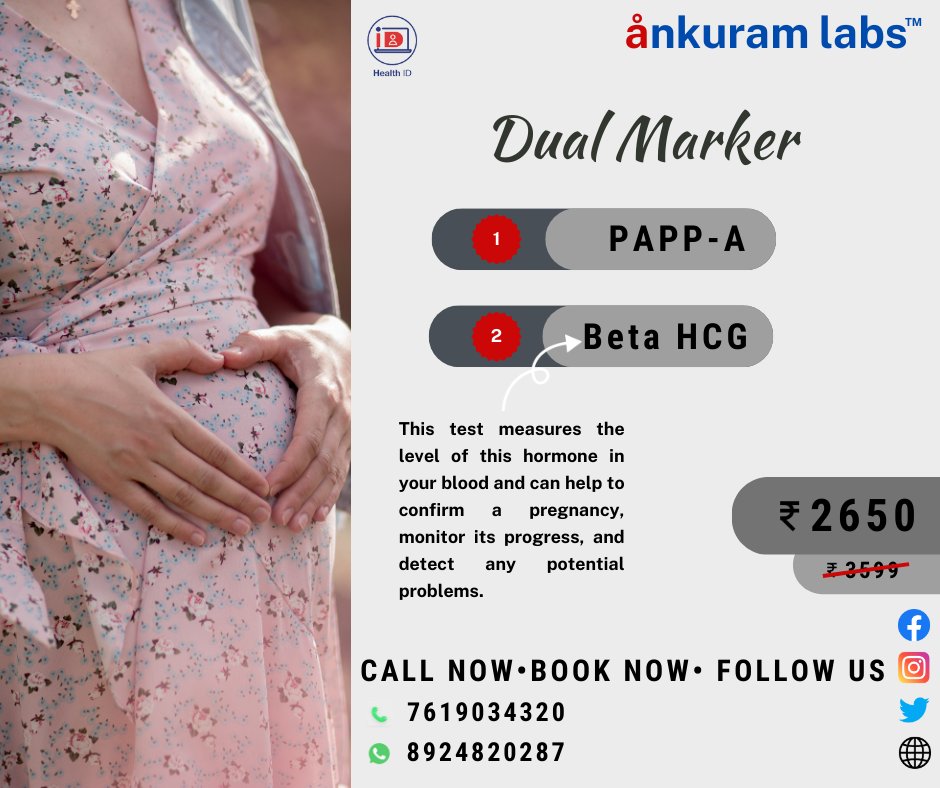
ALT At Ankuram Labs, we offer advanced testing to help monitor your pregnancy and ensure the health of you and your baby. We are committed to providing accurate and reliable testing to support you throughout your pregnancy journey.
2
2
68

22 Nov 2022
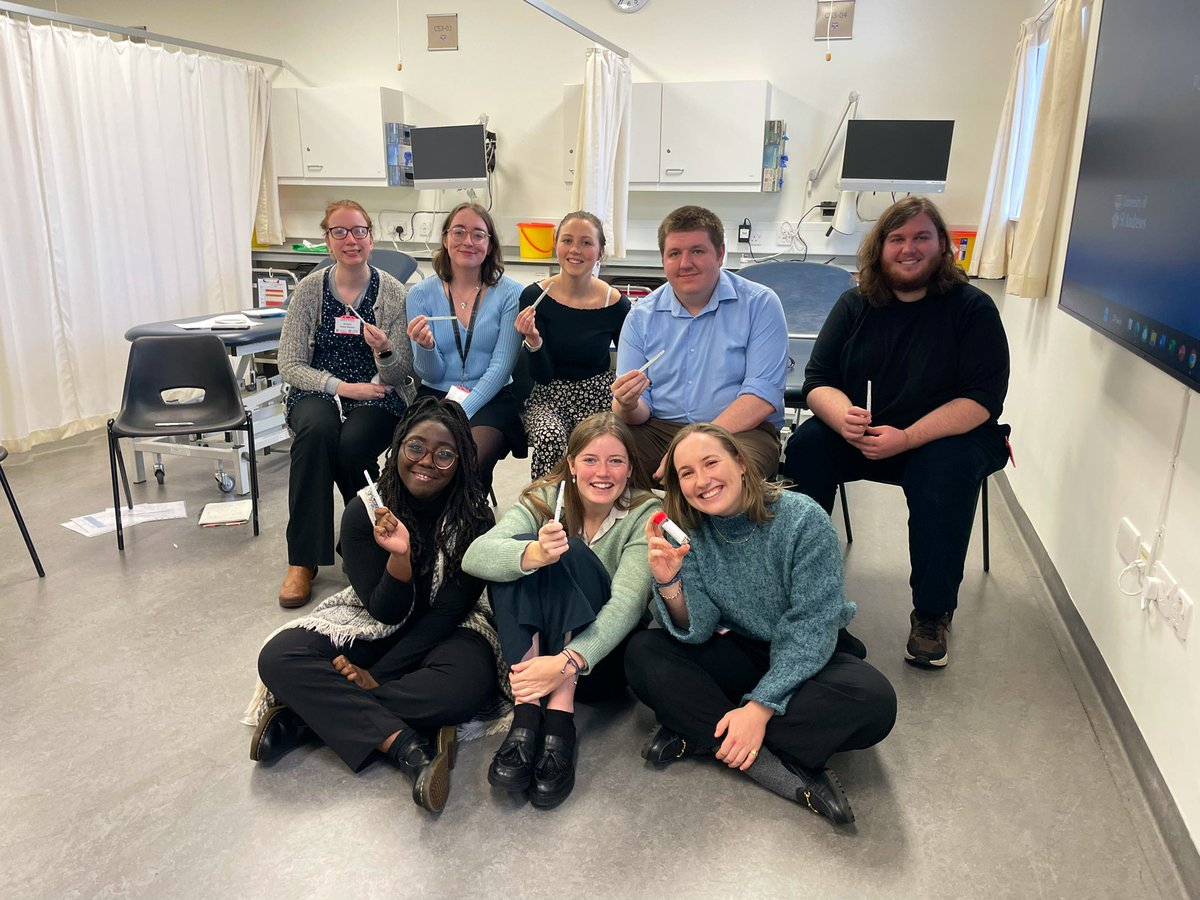
Introduction to #pregnancy, taking a basic #obstetric history & asking sensitively about #genderbasedviolence today. Simulated patients & urine for #pregnancytesting calculating gestational stage & due date using the #obstetricwheel made for a busy session @standmedicine #ScotGEM
4

16 Nov 2022
Its been such a good day to THANK BIRTH CONTROL for all that it does! We hope you've taken a moment like our friend Poli, to do the same! #ThxBirthControl
#birthcontrol #sexualhealth #familyplanning #STItesting #pregnancytesting #iud #ThePill
5

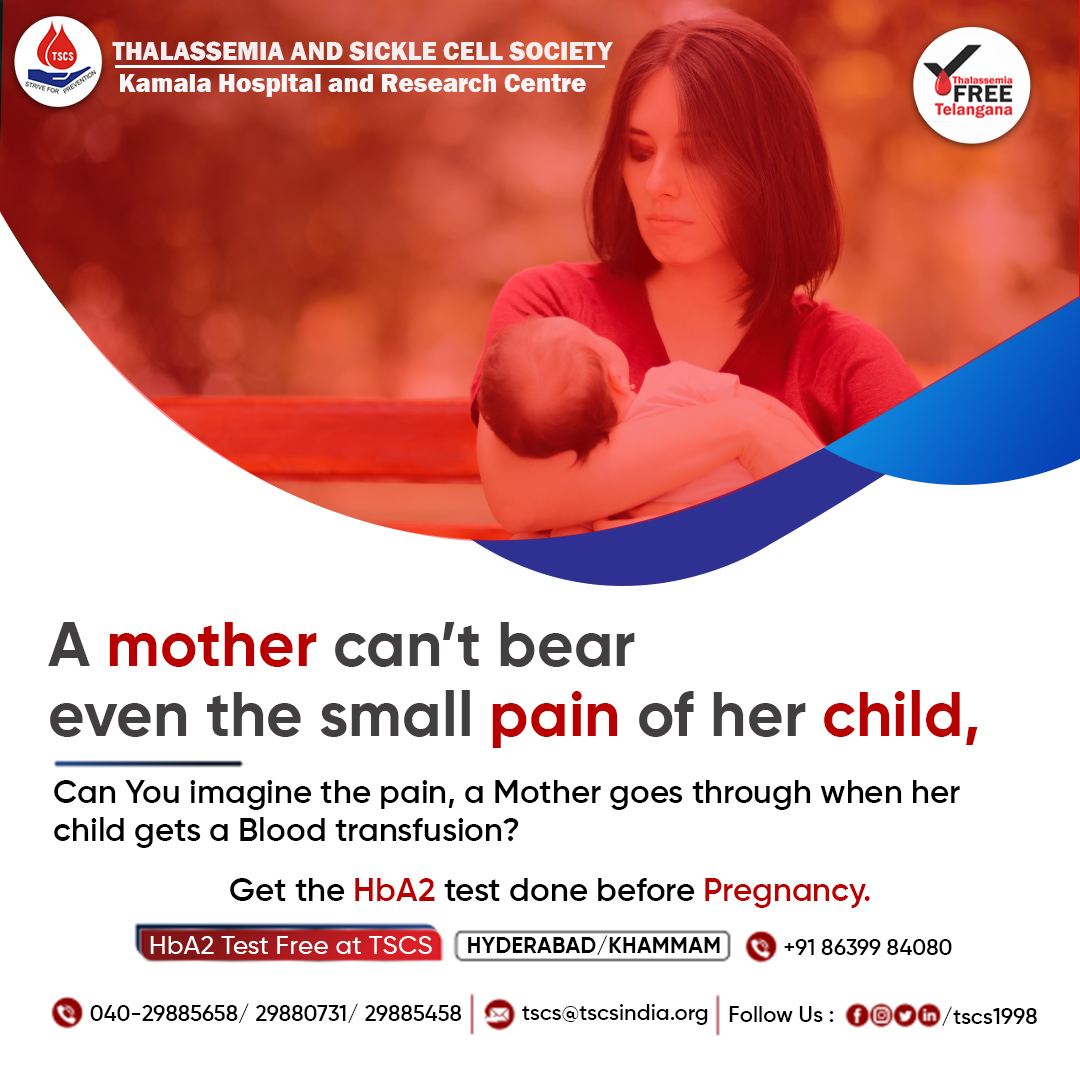
A mother can’t bear even the small pain of her child, Can you imagine the pain a mother goes through when her child gets a blood transfusion every month, Get the HbA2 test done before pregnancy to eradicate thalassemia
#pregnancytesting #pregnancy # #Thalassemia
1
2
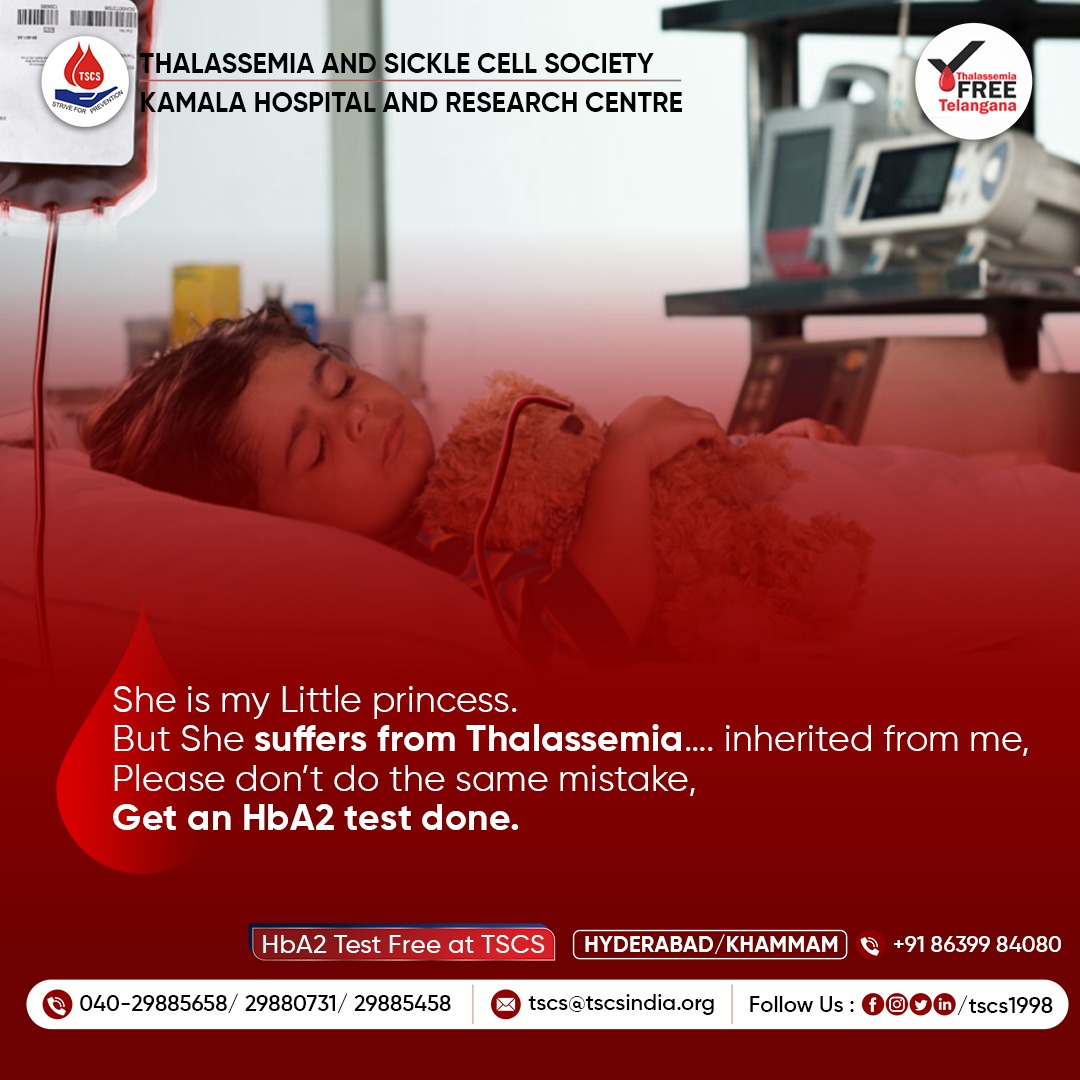
She is My Little Princess. But she suffers from Thalassemia… Inherited from me, please don’t do the same mistake, Get an HbA2 test done before pregnancy.
#thalassemiaminor #thalassemiaawareness #Thalassemia #thalassemiafreeindia #pregnancy #pregnant #pregnancytesting
3

17 Feb 2022
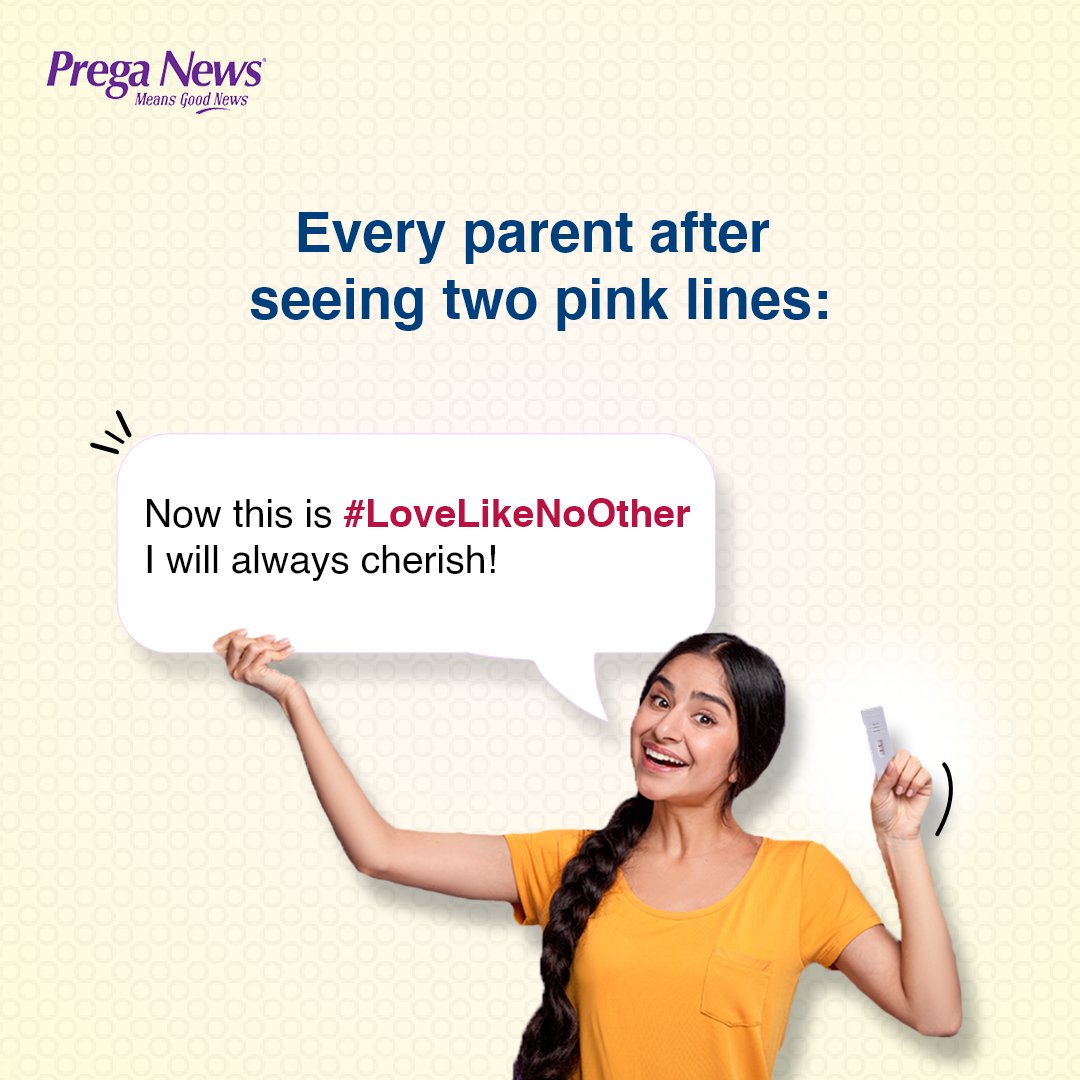
With two pink lines make a whole new world of love with Prega News.
#PregaNews #GoodNews #ALoveLikeNoOther #Pregnancy #PregnancyTesting
2
23
367

31 Jan 2022
Want to talk to someone in confidence about how you're feeling or about your sexual health?
#support #sexualhealth #condoms #STItesting #chlamydia #information #advice, #sti #testing #pregnancytesting #supportingyoungpeople #counselling

1
2
2

18 Jan 2022
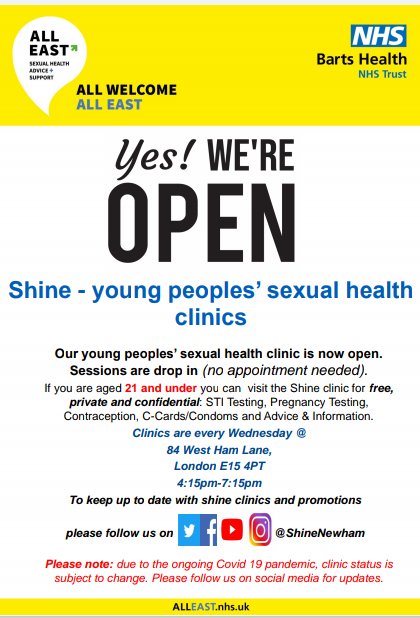
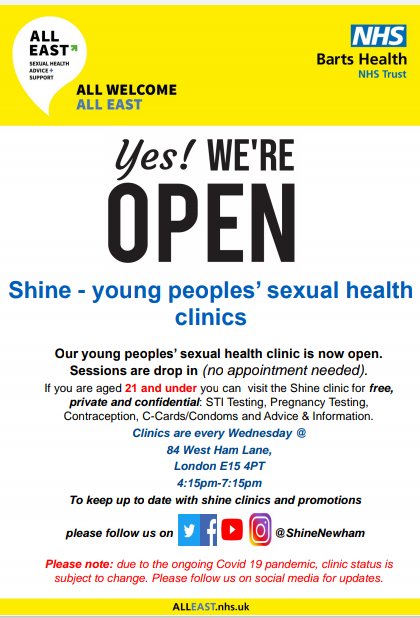
The young people's Shine clinic is open for drop in's #NoAppointmentNeeded this clinic is for people aged 21 and under and #free #confidential #advice #information #contraception #condoms #PregnancyTesting #STItesting @NHSBartsHealth @ShineNewham @NewhamLondon
1
2

18 Jan 2022
The young people's Shine clinic is open for drop in's #NoAppointmentNeeded this clinic is for people aged 21 and under and #free #confidential #advice #information #contraception #condoms #PregnancyTesting #STItesting @NHSBartsHealth @AllEastNHS @NewhamLondon
3
2