
May 19
Medicine is becoming cellular.
Single-cell sequencing has moved from “cool lab tool” to clinical infrastructure. In 2025, Nature Reviews Cancer argued scRNA-seq is now mature enough to answer routine oncology questions [1]. The Human Cell Atlas has passed 100,000 citations and released 40 Nature papers toward a first draft map of the body [2]. One Cell study mapped 51 immune subtypes in anti-PD-1 lung cancer patients [3]. That matters because averages hide the cells that drive relapse 🧬
The race is economic too: hospitals, biotechs and regions that can combine sequencing, AI and clinical data will set the pace for precision medicine ⚕️
The challenge now is not discovery. It is translation: reimbursement, standards, privacy and workforce capacity.
🤔 Where do you think single-cell medicine will create the most value first: cancer care, rare disease, or drug development?
[1] [nature.com/articles/s41571-0…](nature.com/articles/s41571-0…)
[2] [humancellatlas.org/publicati…](humancellatlas.org/publicati…)
[3] [cell.com/cell/fulltext/S0092…](cell.com/cell/fulltext/S0092…)
#SingleCellSequencing #PrecisionMedicine #Oncology #Biotech #Genomics
3
5
416

Dr Tamara Stampalija introduces a recent study featured in the April #UOGJournal. This study establishes the scientific utility and validity of a novel single-cell-sequencing-based non-invasive prenatal testing method utilising circulating extravillous trophoblasts for the prenatal screening of fetal genome-wide microimbalances measuring ≥ 300 kb to < 8 Mb, and demonstrates its potential use in first-trimester screening. Read the #openaccess prospective multicentre study by Grati et al. online now: bit.ly/4tbWm7s
#LoveUltrasound #noninvasiveprenataltesting #singlecellsequencing #fetalgenomics #pregnancytesting #prenatalscreening #genomics #geneticresearch
4
667

The latest work from Shemyakin-Ovchinnikov Institute of Bioorganic Chemistry by first author Dr. Tatyana V. Korneenko and their team is now featured in FBL!
👉 Explore the full study: imrpress.com/journal/FBL/30/…
Article Highlights
💡Are we missing a key factor in tumor progression beyond cancer cells themselves?
This review explores how the tumor microenvironment—particularly stromal heterogeneity revealed by single-cell sequencing—reshapes therapeutic strategies.
✒️ Author: Tatyana V. Korneenko, Nikolay B. Pestov, Mikhail I. Shakhparonov, Nickolai A. Barlev (Corresponding author)
🏪 Affiliation: Shemyakin-Ovchinnikov Institute of Bioorganic Chemistry; Chumakov Federal Scientific Center for Research and Development of Immune-and-Biological Products; Vavilov Institute of General Genetics; Nazarbayev University
📖 Don’t miss this citable reference for your future research!
Citation format: Tatyana V. Korneenko, Nikolay B. Pestov, Mikhail I. Shakhparonov, Nickolai A. Barlev. Microenvironment of Solid Tumors. Front. Biosci. (Landmark Ed) 2025, 30(9), 36940.
Welcome to submit your work via our submission link👉: imr.propub.com/
FBL is dedicated to the publication of original articles, reviews, methods and commentaries in all areas of cellular and molecular biology.
📖 Click here for author guidelines: imrpress.com/journal/FBL/pag…
#Oncology #TumorMicroenvironment #SingleCellSequencing #CancerResearch #Medicine #FBLPaper
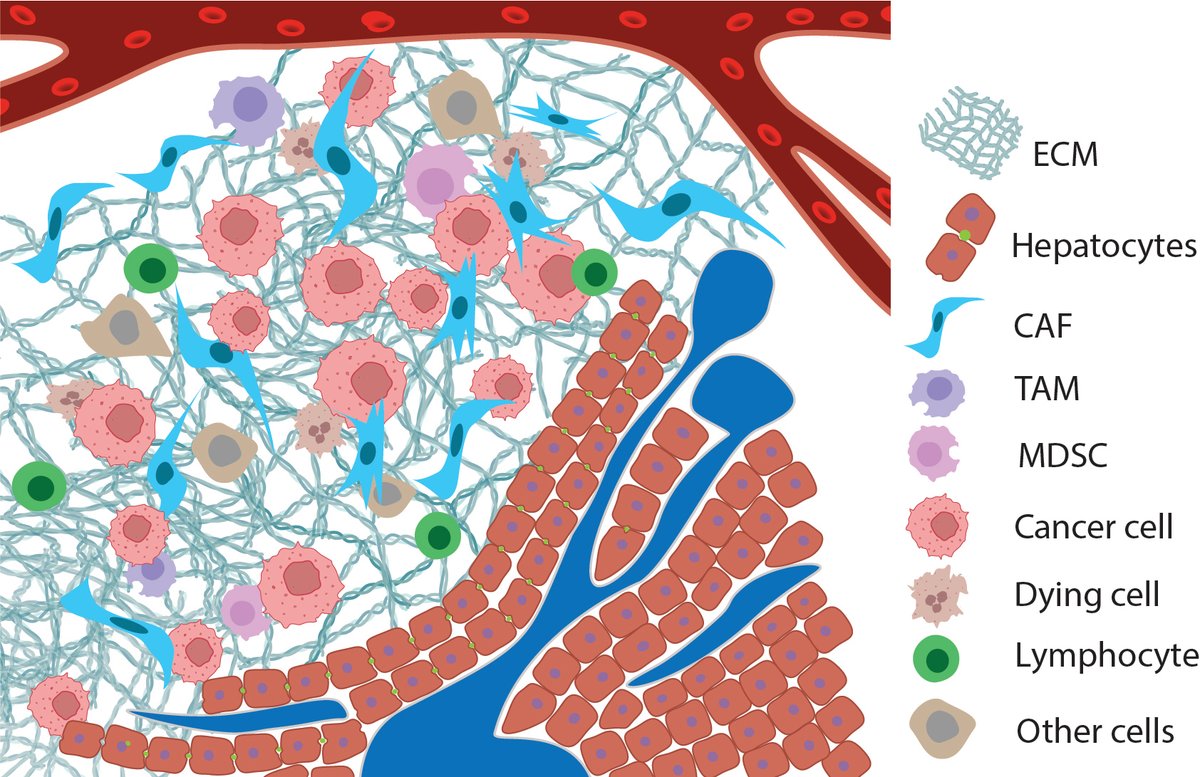
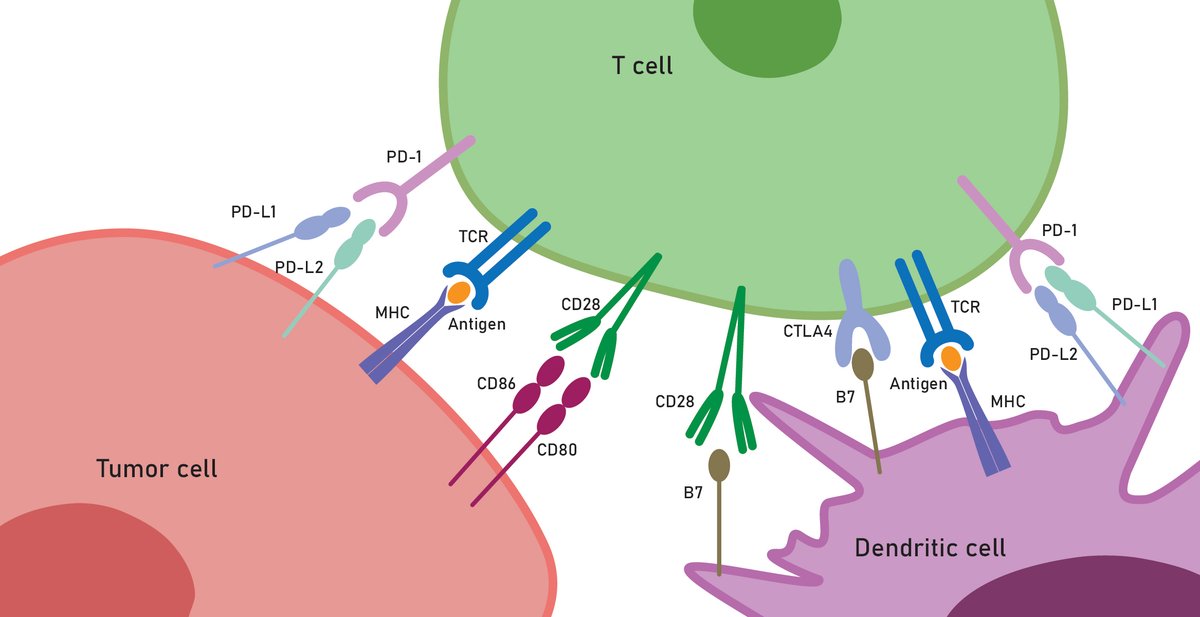
1
6
3,555
Apr 13
The biggest shift in medicine may happen one cell at a time.
In 2025, Arc/Tahoe opened a 300M-cell atlas tied to 60,000 drug-cell interactions [1]. Nature also reported a 1.15M-cell myeloma immune atlas linking cell states to survival [2]. And Cell showed single-cell RNA/TCR profiling across 234 anti-PD-1-treated tumors can stratify response and recurrence risk [3]. 🧬
That matters because diagnosis, trial design, and drug selection are moving from “average patient” medicine to cellular-resolution medicine faster, but with real cost, data, and access gaps 🌍.
Leaders now need clinical-grade pipelines, not more pilot studies.
🤔 Who captures the value first here health systems, biopharma, or AI-native platforms and who gets left behind?
[1] [arcinstitute.org/news/arc-ve…](arcinstitute.org/news/arc-ve…)
[2] [nature.com/articles/s43018-0…](nature.com/articles/s43018-0…)
[3] [cell.com/cell/fulltext/S0092…](cell.com/cell/fulltext/S0092…)
#SingleCellSequencing #PrecisionMedicine #Biotech #Oncology #HealthTech
3
4
310

Big news from AGBT! Join GEN Live on March 2 for expert insights on the latest breakthroughs in genomics and tech. Free webinar, register now: hubs.li/Q044whQZ0 @illumina #Genomics #SpatialGenomics #SingleCellSequencing
1
3
407

Jan 20
📣Call for Reading:
#Review
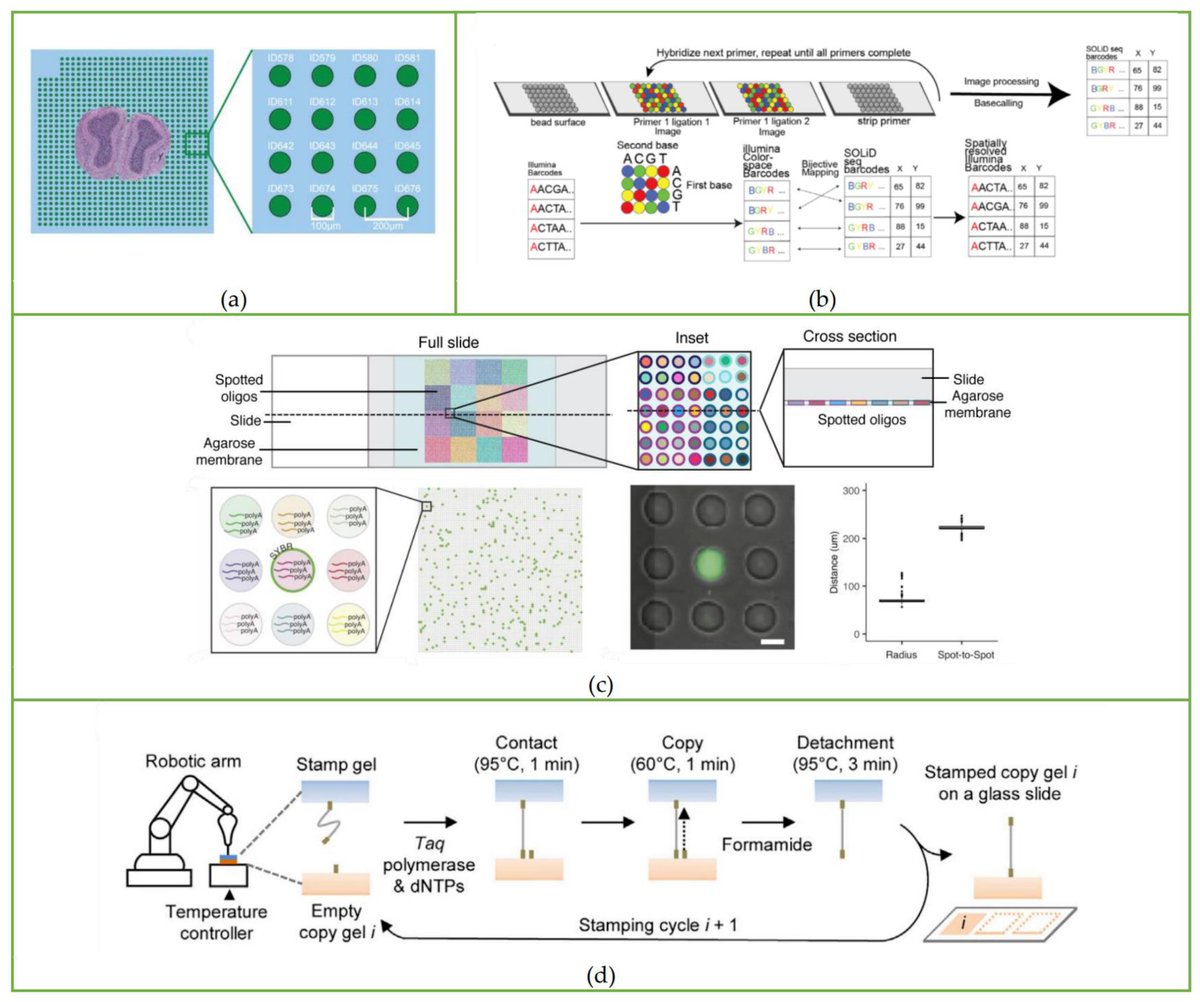
Spatial Omics Sequencing Based on Microfluidic Array Chips
by Jianyu Shi, et al.
mdpi.com/2079-6374/13/7/712
#SpatialOmics #SingleCellSequencing #microfluidic
#biosensors #mdpi #openaccess
2
80

Jan 8
A quick cut from our webinar with Dr. Ludovica Rizzo 💻 stop inferring fate from separate cell populations. Live seq follows the same cell across time points, building a longitudinal, causally linked dataset that drives decisions in R&D and bioprocessing. In other words, you get a linked longitudinal readout with causal information from a single experiment, turning insights directly into action for your model.
Watch the webinar recording 🎥 Check out the slides 👉
bit.ly/49tCsOz
#Causality #TimeResolved #SingleCell #SameCell #Cytosurge #Lexogen @lexogen #LiveSeq #SingleCell #SingleCellSequencing #SingleCellOmics #Omics #SingleCellBiology #Transcriptomics #FunctionalGenomics #Omics #NextGenSequencing #NGS #scRNAseq
1
2
80

2 Dec 2025
Ever wonder what's lost when you blend cells together? 🥗🔬 Single-cell sequencing uncovers the hidden diversity missed by bulk methods - transforming cancer research, immunology, and beyond. Dive in: news-medical.net/whitepaper/… #SingleCellSequencing #CellBiology #Genomics
1
2
119

30 Oct 2025
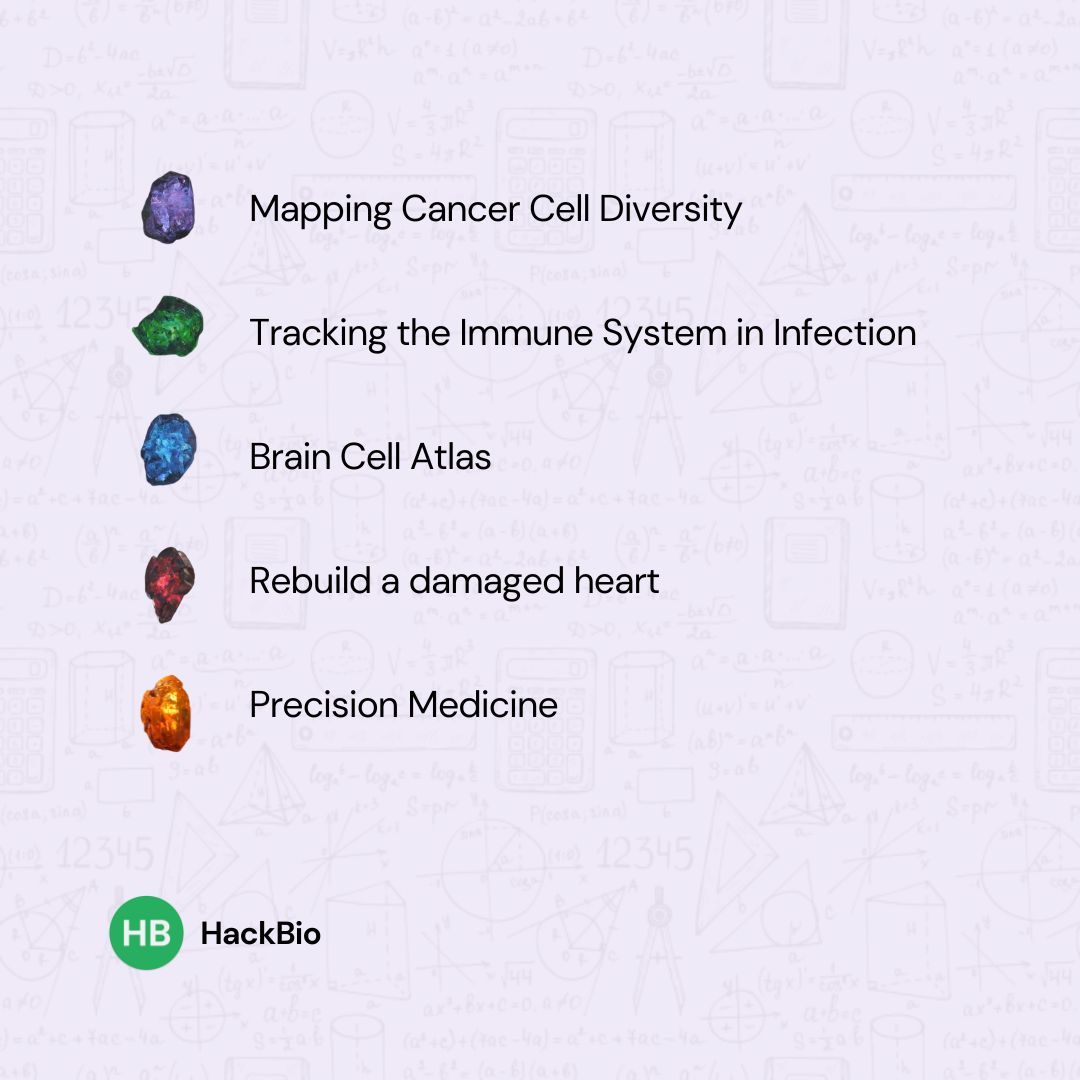
Here’s what our interns are diving into with the single-cell sequencing internship program
They'll be building real projects, making a real impact.
Every task is designed to help them grow, collaborate, and build confidence for what’s next.
#Hackbio #Singlecellsequencing
1
3
492

30 Aug 2025
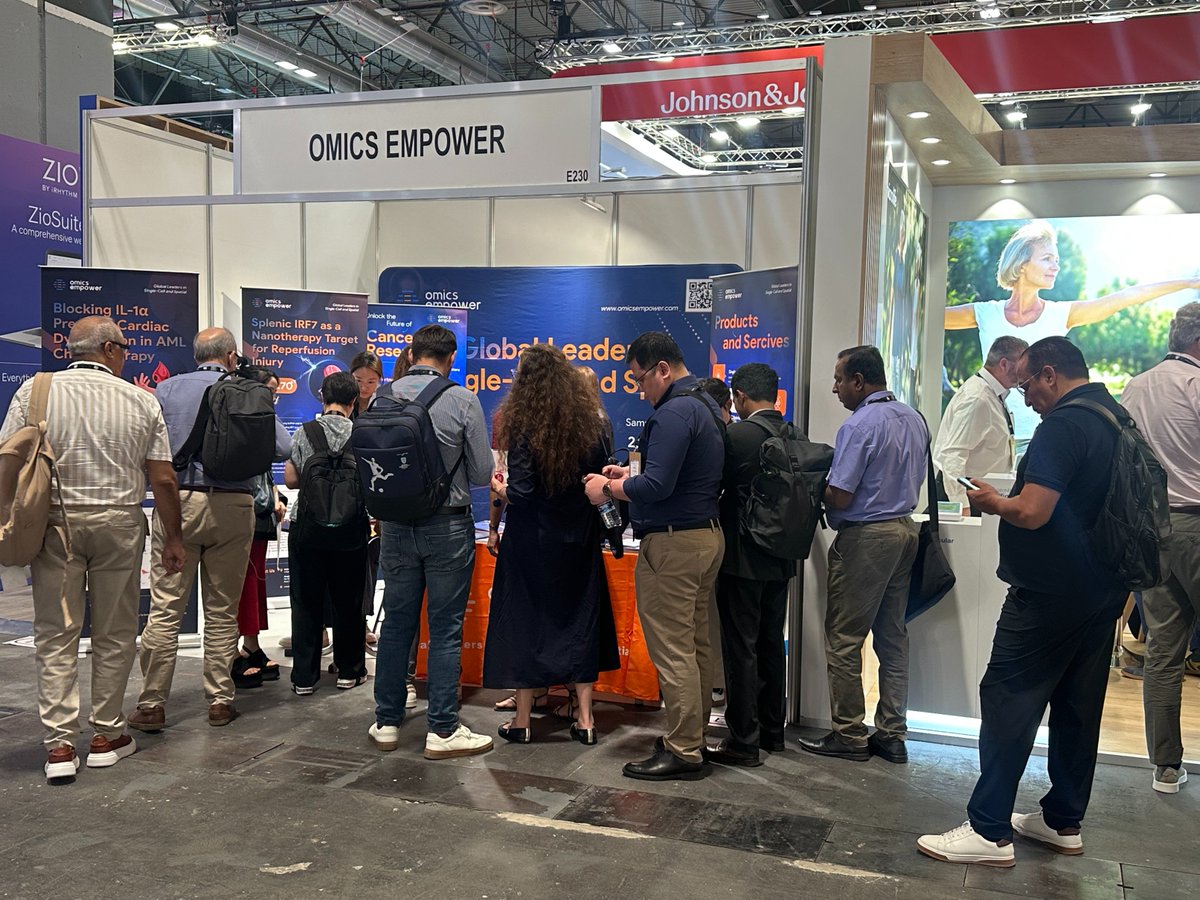
Day 2 at #ESC2025 in Madrid! 🇪🇸
Lots of great discussions on #SingleCellSequencing & #SpatialTranscriptomics!
📍 Booth E230 | Aug 29–Sep 1
🎁 Join our Lucky Draw Game!
#ESC2025 #Cardiology #OmicsEmpower
3
124

23 Jun 2025
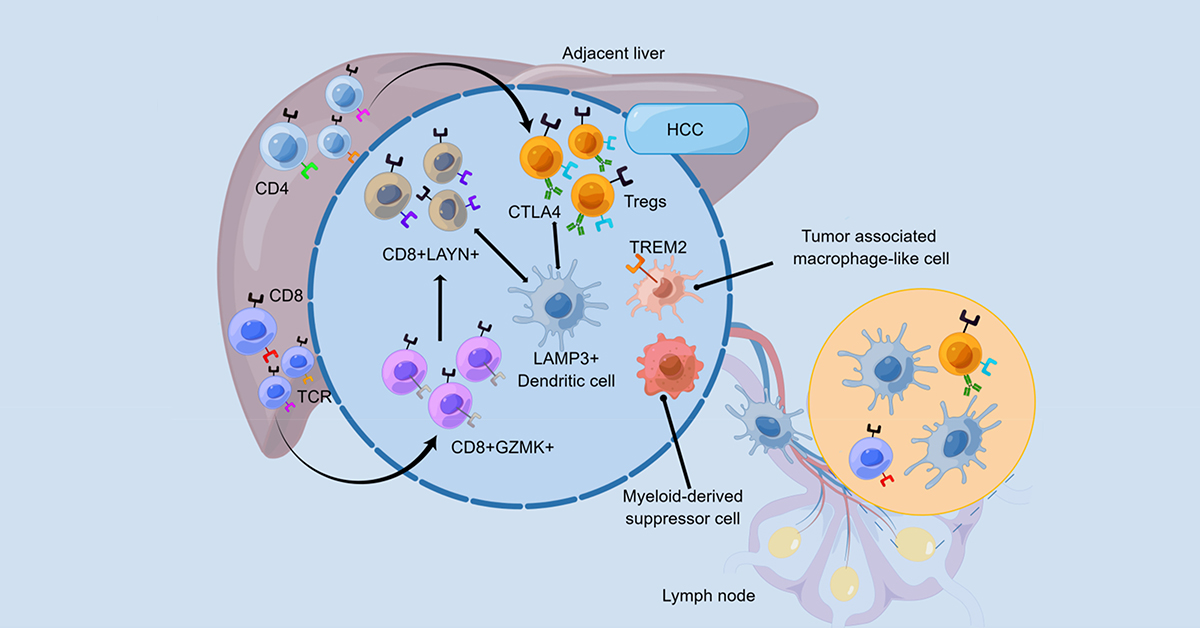
Most read article on SCS technology!
A comprehensive review on #SingleCellSequencing technology, highlighting its latest developments in tumor research and progress in exploring the #TumorMicroenvironment.
#OpenAccess: sciencedirect.com/science/ar…
2
53

21 Jun 2025
Yes, in principle there are no restrictions on the types of comparative analyses we can perform between single-cell imaging (#singlecellimaging) and single-cell sequencing (#singlecellsequencing) platforms. We have the flexibility to do a wide range of comparisons…from straightforward metrics like cost per gene detected, to more nuanced ones such as cost per gene not detected (i.e., missed targets with potential biological significance), or cost per gene detected but ultimately irrelevant to the study question.
We went into that rabbit hole and in the end, it’s a matter of what metrics helps you decide what way to go.
While sequencing is often marketed as “unbiased”, in practice, that’s a bit of a misnomer…the readout reflects biases in capture efficiency, amplification, and transcript abundance. Imaging, by contrast, is targeted by design, but that targeting enables higher confidence and spatial fidelity per transcript at much lower noise levels. So, comparisons must go beyond simple detection rates…we need to consider biological relevance, false discovery rates, and cost-efficiency across practical use cases.
2
4
637
10 Jun 2025
Getting ready for #ISSCR2025? @ISSCR 🚀
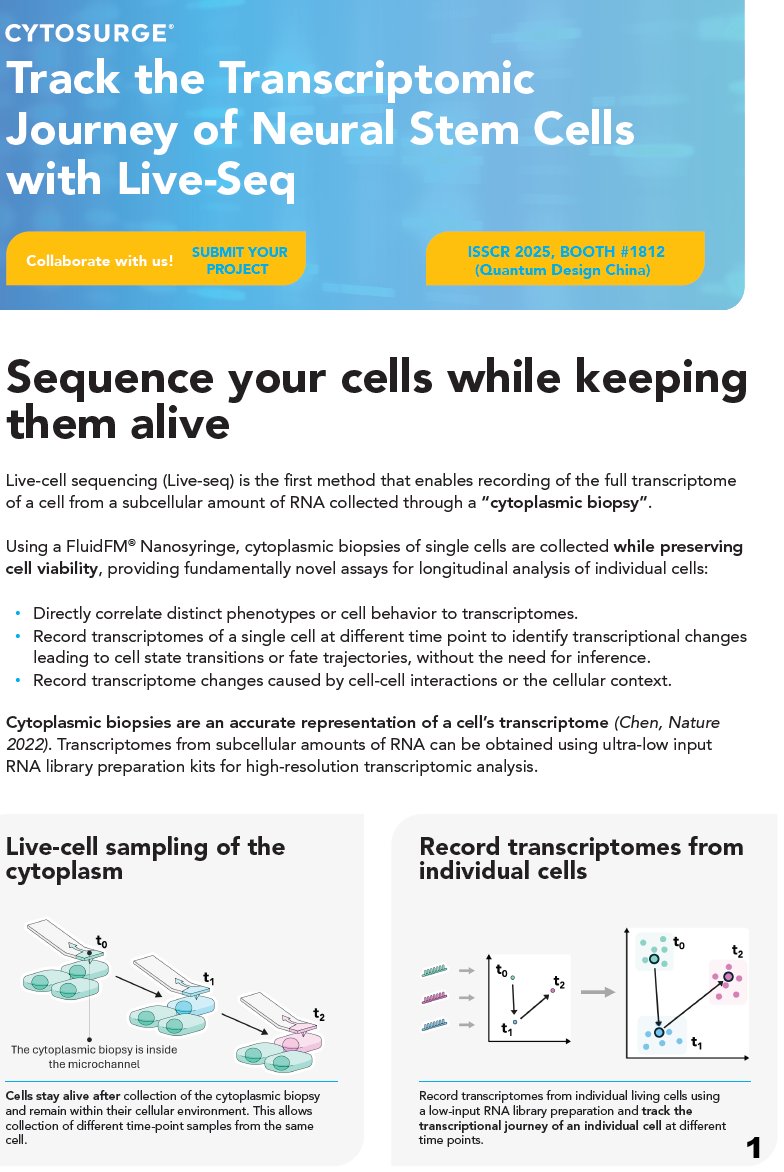
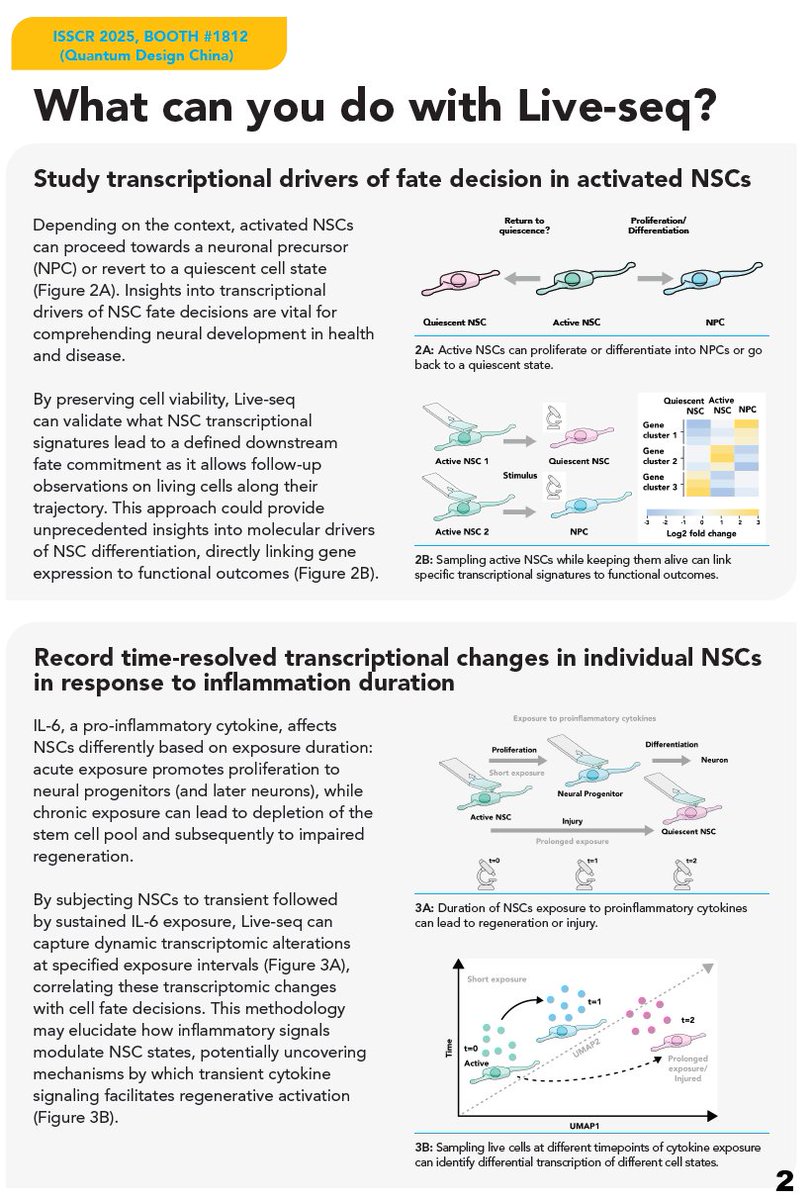
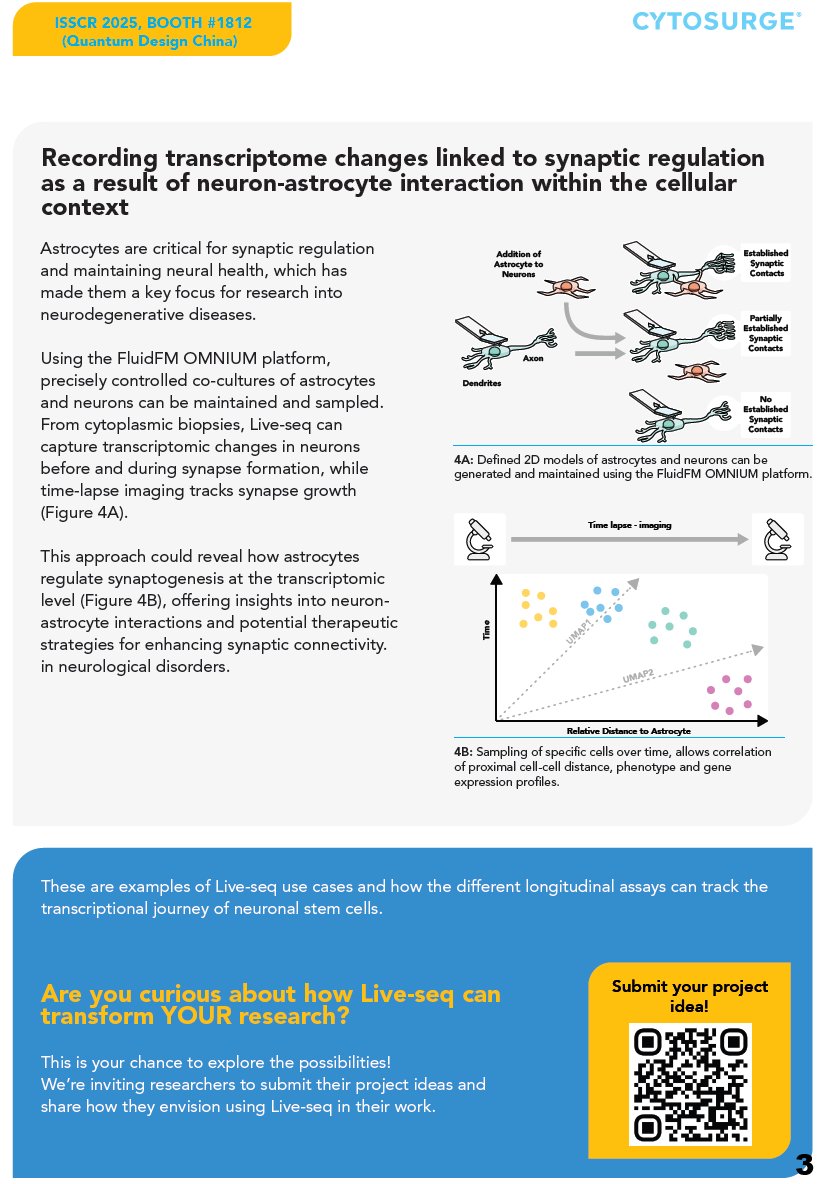
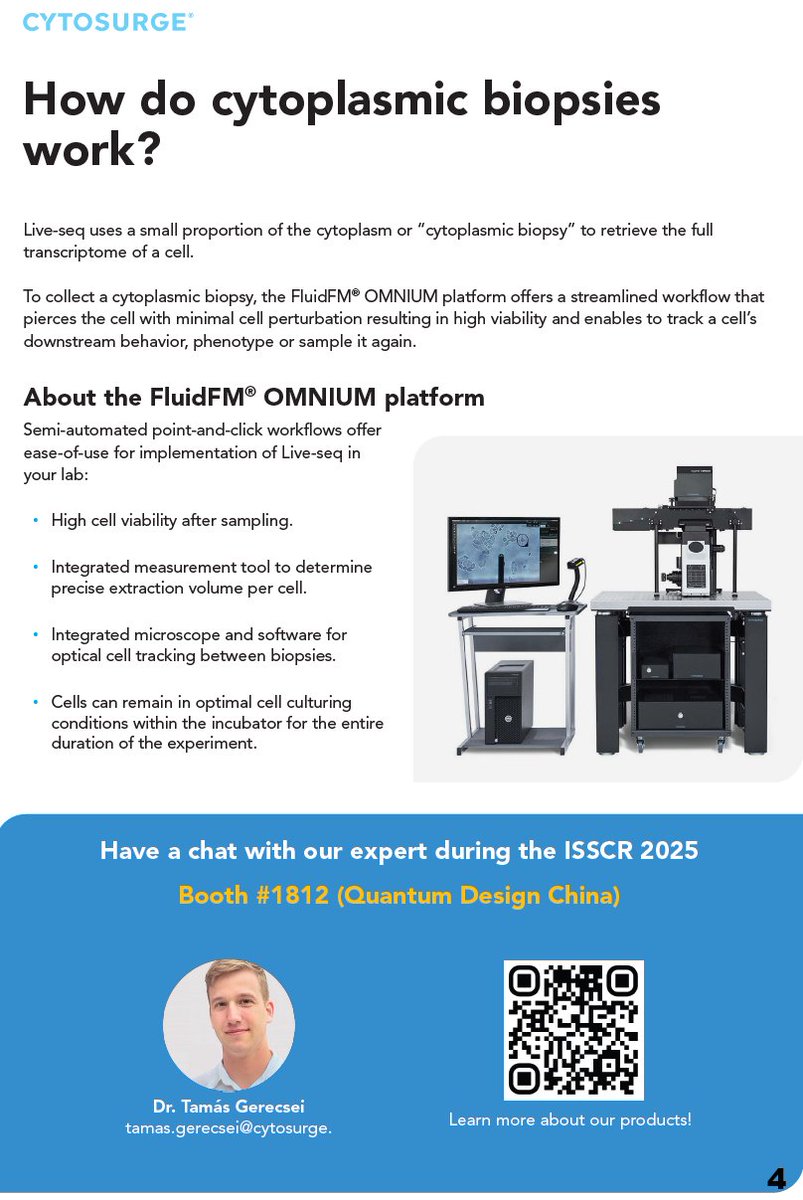
Check out our flyer to see how you can sequence living cells with Live-seq powered by #FluidFM®!
📍 Meet Dr. Tamás Gerecsei at Booth #1812 (Quantum Design China)
🧠 Track NSC fate, inflammation response & neuron–astrocyte crosstalk.
📩 Got a project? Scan the flyer QR or contact Tamás!
#LiveSeq #StemCells #SingleCell #Transcriptomics #ISSCR #SingleCell #SingleCellSequencing #SingleCellOmics #Omics #SingleCellBiology #Transcriptomics #FunctionalGenomics #NextGenSequencing #NGS #scRNAseq #NeuralStemCells #Neutology
1
3
458

29 May 2025
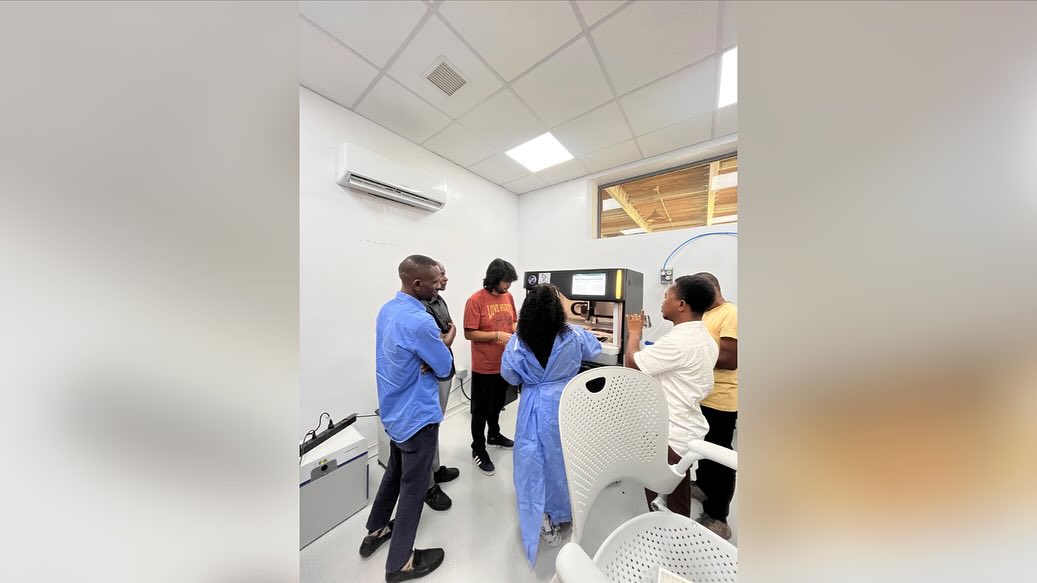
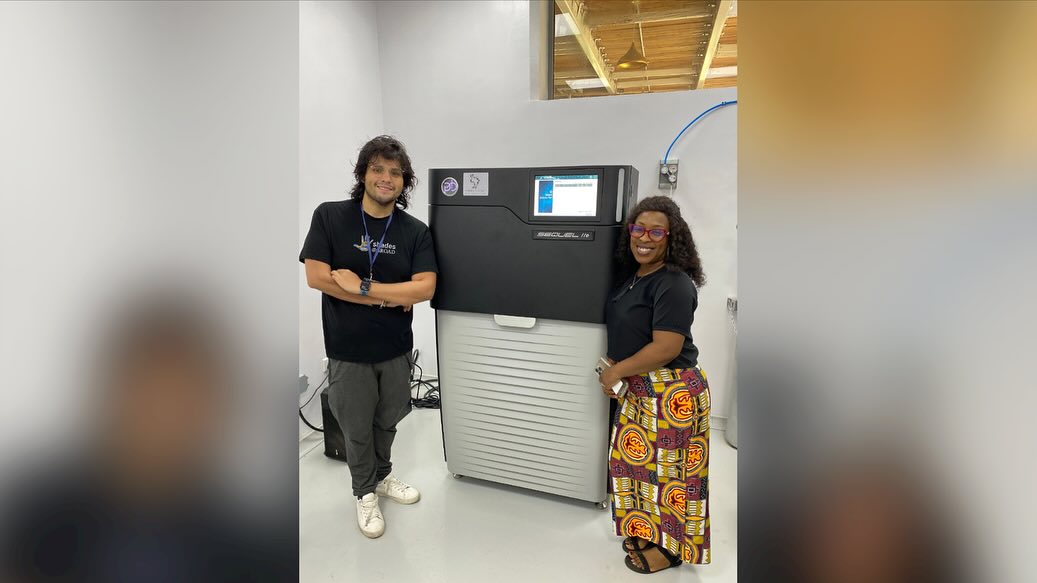
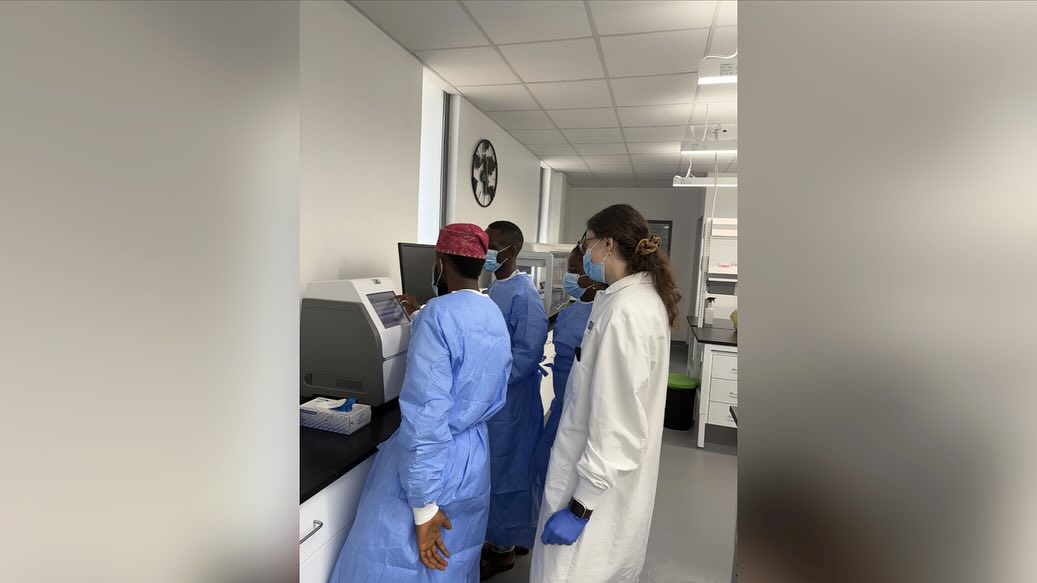
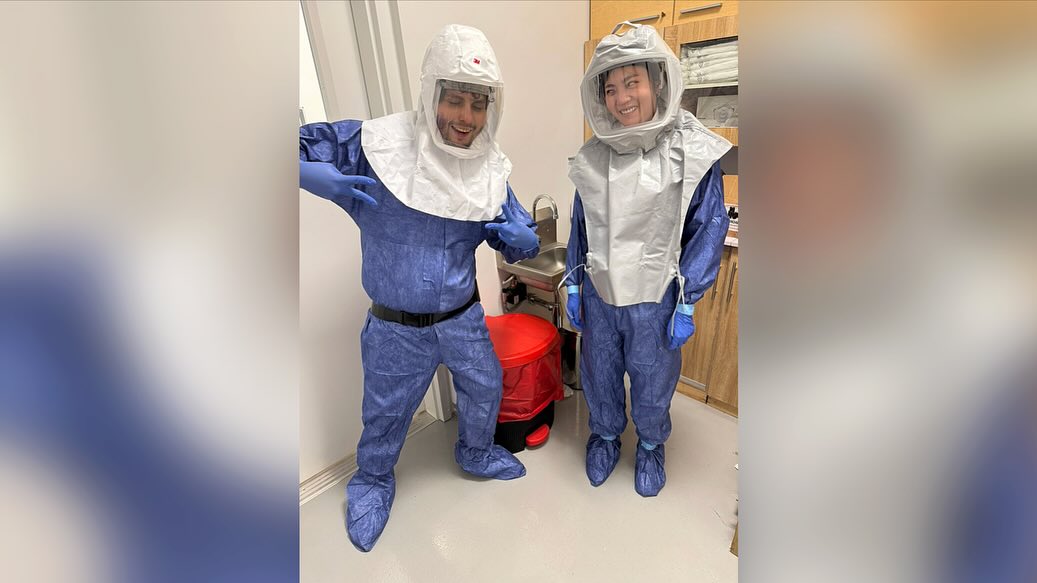
What can single cells reveal about Lassa fever?
IGH is using single-cell transcriptomics in Nigeria to uncover how this deadly virus works, cell by cell.
Learn more: ighresearch.org/en/2025/05/2…
#IGH #singlecellsequencing #lassafever #publichealth #Science #Nigeria #Vaccine
2
11
374

30 Apr 2025
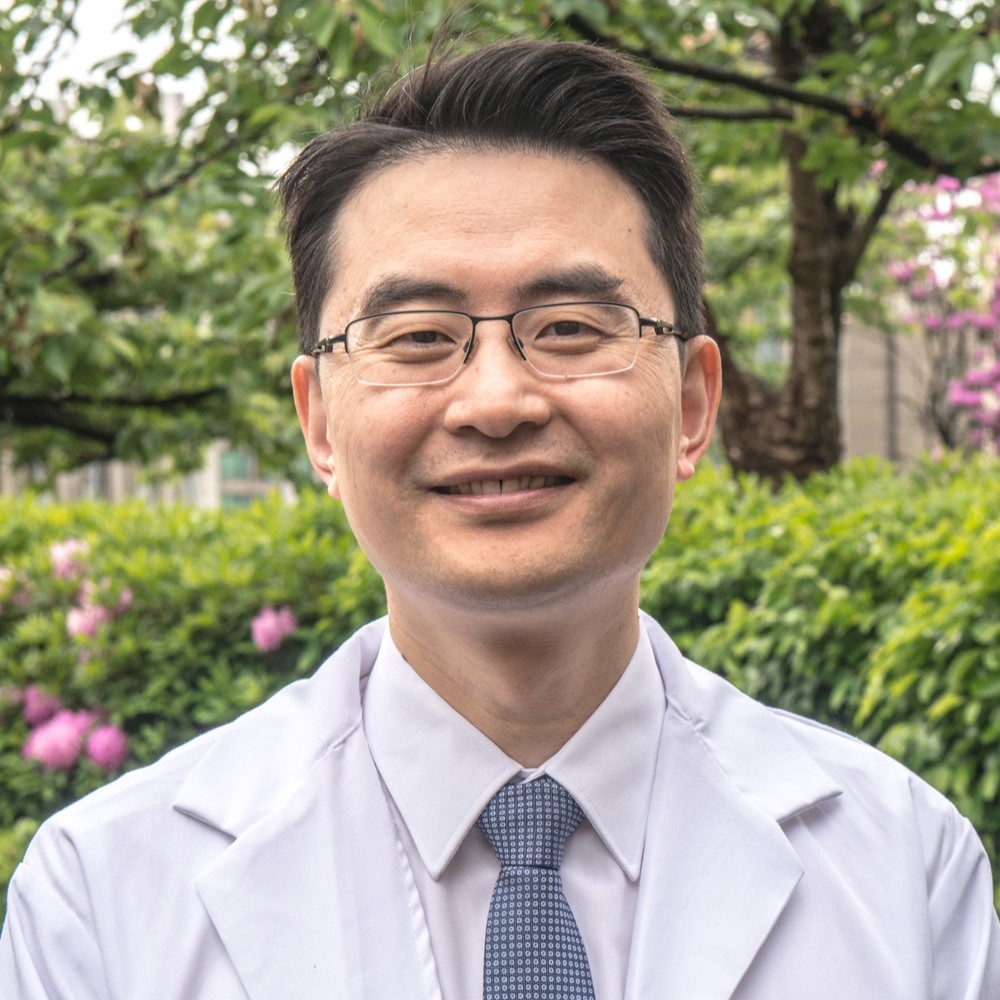
New research from @HLIStPauls has identified inflammation in the lungs’ smallest airways as the cause of pulmonary #LongCOVID. 🫁
Dr. Don Sin's (@donsin4) team used xenon MRI and #SingleCellSequencing to uncover more about the underlying mechanism: bit.ly/4jZV1f7
4
6
424
30 Apr 2025
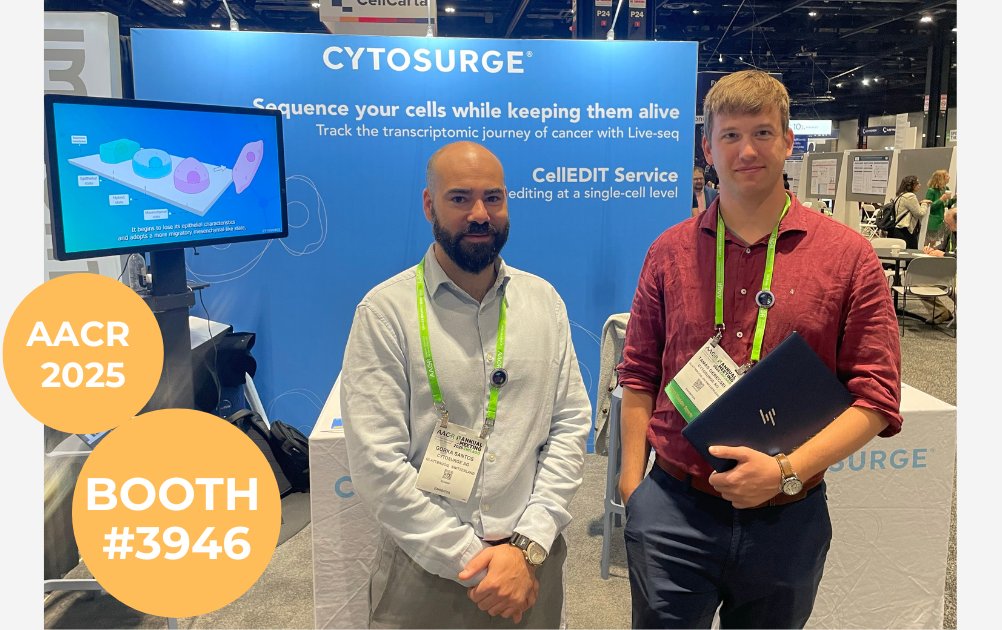
Today marks the final day of #AACR25 @AACR — your last chance to visit us at booth #3946 and connect with our experts:
🔬 Dr. Tamás Gerecsei – Instruments Sales Manager, here to discuss how #FluidFM® and #Liveseq open new dimensions in single-cell transcriptomics and functional genomics.
🧬 Dr. Gorka Santos – CellEDIT Sales Manager, ready to show you how our #CellEDIT service enables precise gene editing for even the most challenging cancer cell lines.
#AACR #AACR2025 #oncology #cancerresearch #NGS #scRNAseq #LiveSeq #epigenetics #genomics #cellbiology #FluidFM #CellEngineering #GeneEditing #Research #CRISPR #Innovation #SingleCell #SingleCellSequencing #SingleCellOmics #Omics #SingleCellBiology #Transcriptomics #FunctionalGenomics #Omics #NextGenSequencing #NGS #scRNAseq #Runners4Research
2
2
326
29 Apr 2025
Tumor heterogeneity is dynamic—can you track it in real time? 🧬
At #AACR25, we’re showing how Live-seq captures time-resolved transcriptomes from living cancer cells. No pseudotime. No assumptions.
✅ Track EMT, drug response & resistance
✅ Link gene expression to behavior & morphology
✅ Study tumor evolution—one cell at a time
📽️ SEE VIDEO 👇
📍 BOOTH #3946 @AACR
Ready to transform your research with Live-seq? Submit your idea: cytosurge.com/submit-your-li…
#CancerResearch #Oncology #CancerBiology #TumorMicroenvironment #PrecisionOncology #TranslationalResearch #CancerScience #TargetedTherapies #CancerHeterogeneity #TumorHeterogeneity #EMT #EpithelialMesenchymalTransition #MetastasisResearch #CancerEvolution #SingleCellHeterogeneity
#LiveSeq #SingleCell #SingleCellSequencing #SingleCellOmics #Omics #SingleCellBiology #Transcriptomics #FunctionalGenomics #Omics #NextGenSequencing #NGS #scRNAseq
2
3
363
17 Apr 2025
Cytosurge is hitting the road! 🌎 🛣️
From Chicago to Hong Kong, we're bringing #FluidFM® and #LiveSseq to the world’s top scientific stages.
📍#AACR25 | Apr 25–30 | Booth #3946 | Chicago: Live-seq for tumor heterogeneity & #CellEDIT for precise CRISPR editing @AACR
📍 USA Sales Tour | Apr–May: Book 1:1s, demos & seminars with Drs. Gerecsei & Santos (See all the stops cytosurge.com/event/fluidfm-…)
📍 #SPMConnect | Jun 9–11 | Austin: Dr. Tobias Beyer speaks on FluidFM in single-cell transcriptomics (Jun 10, 1:30 PM)
📍 #ISSCR 2025 | Jun 11–14 | Booth #1812 | Hong Kong: Live-seq for neural stem cell profiling @ISSCR
📨 Reach out and schedule a meeting!
#FluidFM #LiveSeq #SingleCell #CRISPR #CancerResearch #StemCells #AACR25 #ISSCR2025 #SPMConnect #Biotech #Cytosurge #CellEDIT #Nanotechnology #PrecisionManipulation #SingleCellManipulation #SingleCell #SingleCellSequencing #SingleCellOmics #Omics #SingleCellBiology #Transcriptomics #FunctionalGenomics #Omics #NextGenSequencing #NGS #scRNAseq

3
82

10 Feb 2025
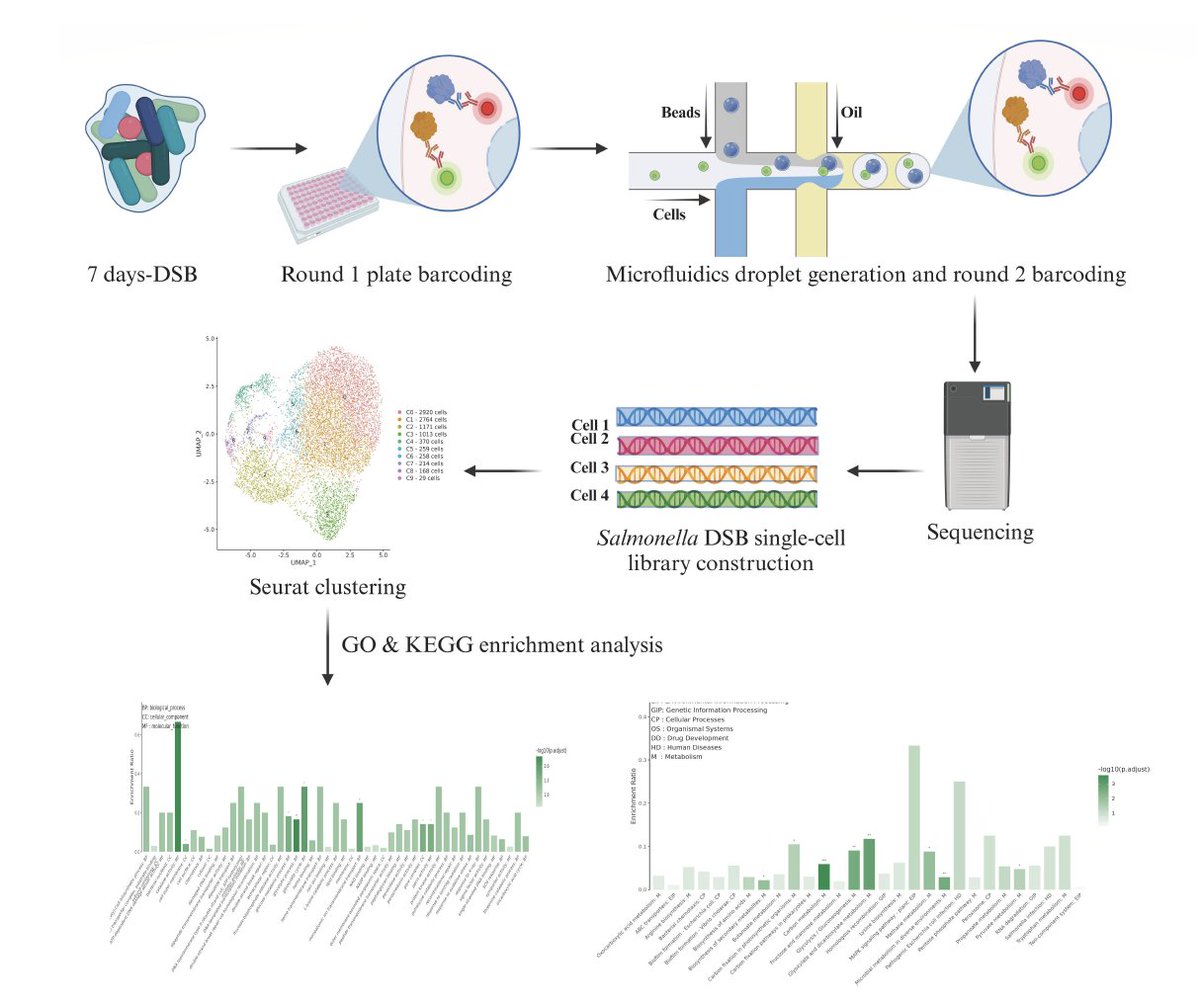
🔬New Publication Alert: Unlocking the Single-Cell Landscape of Salmonella Dry Surface Biofilms!
🎉Exciting insights into 🦠bacterial heterogeneity & biofilm resistance to sanitization, using high-resolution single-cell RNA sequencing with the VITA platform from the team at @NUSingapore .
This study is key to advancing food safety & microbial control strategies.
📖Full study: m20genomics.com/wp-content/u…
#SingleCellSequencing #Salmonella #BiofilmResearch #FoodSafety #M20Genomics #VITA #MicrobialHeterogeneity #ResearchBreakthrough
2
87

6 Jan 2025
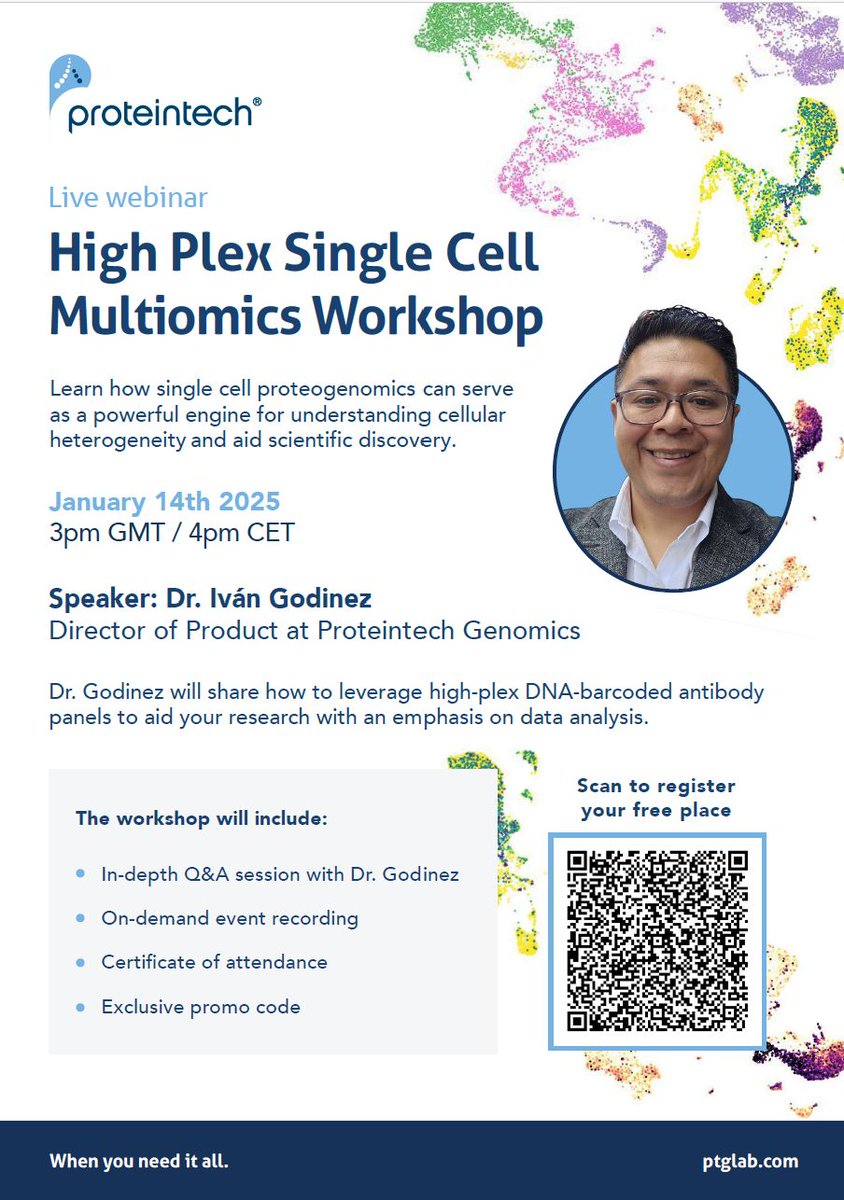
If you want to learn/perform Single Cell Multiomics, this one's for you!
Register for free: ptglab.zoom.us/webinar/regis…
#singlecell
#10xgenomics
#Bioinformatics
#chromium
#singlecellsequencing
#ProteintechGenomics
1
3
172