
May 28
THE GLOBAL SURVALLENCE ECONOMY: You Phone Is A Tracking Device And Facebook And Other Social Media Outlets Know About You Than Your Mother
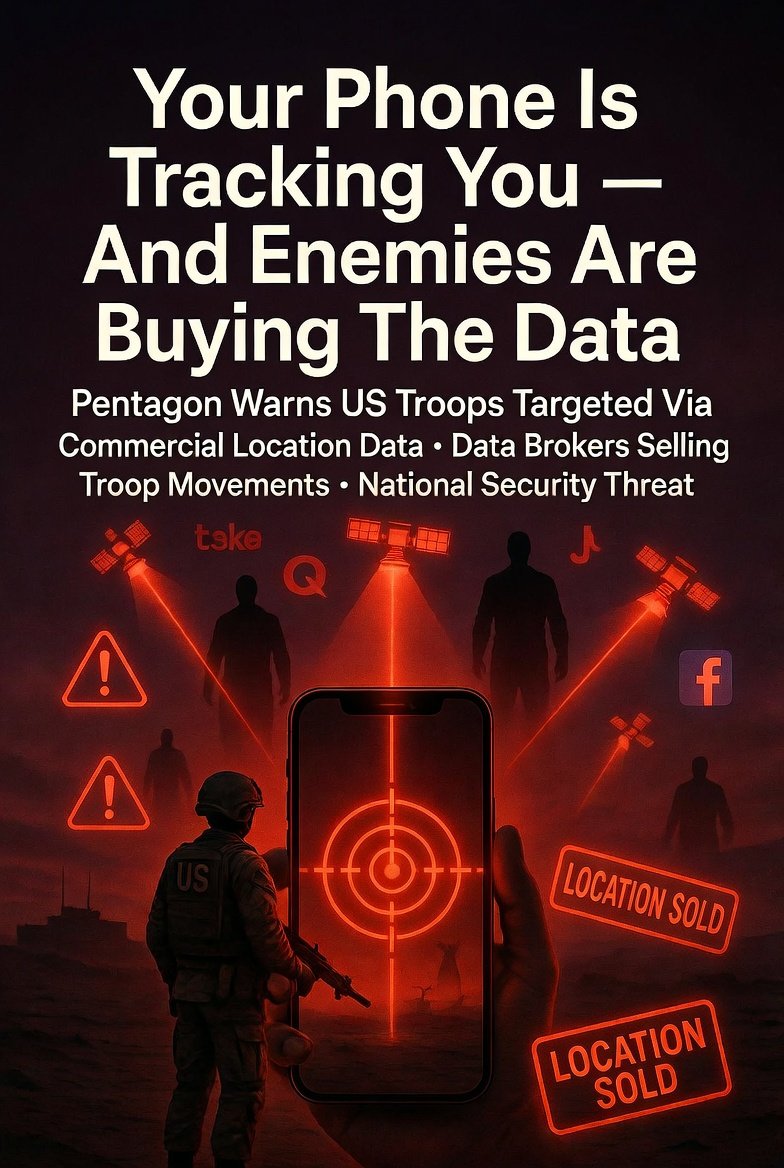
PENTAGON: Pentagon Says US Military Personnel Are Reportedly Being Targeted Using Location Data..,. #SMH...As Putin Says How Do You Think I Lost Scores Of Generals In The Ukraine?...
AMERICAN DATA BROKERS SELLING USA TROOP LOCATIONS: U.S. forces deployed to war zones have been targeted using commercially available location data, according to reports fielded by military officials, an illustration of how the global surveillance economy is shaping the battlefield.
WASHINGTON (REUTERS) - In a letter shared with Reuters by U.S. Senator Ron Wyden, an Oregon Democrat, U.S. Central Command said it had “received multiple threat reports concerning adversary exploitation of commercial location data to target or surveil U.S. personnel in theater."
The message, sent on April 14, offered no further specifics, but Centcom's area of responsibility includes the Gulf, where U.S. forces are facing off against the Iranian military over the Strait of Hormuz.
The disclosure was the first official confirmation that U.S. forces had been targeted in an active war zone, Wyden and a bipartisan group of legislators said in a letter sent on Thursday to the Pentagon.
"Commercial location data can be used to identify where U.S. troops congregate and their pattern of life, which can be exploited by adversaries to target attacks such as missiles, drones, and roadside bombs, as well as for counterintelligence purposes," the letter warned.
Wyden said in a statement that it was time to "start treating the adtech industry as a national security threat."
The Pentagon did not return messages seeking comment.
The lawmakers said in their letter that their efforts to obtain more information from military officials about the reported targeting had been unsuccessful.
Location data is widely used in digital advertising, which is a key source of revenue for many tech companies.
Such data is typically collected from smartphones or other devices by apps or service providers before being sold to data brokers who collate and resell the data, sometimes via complex networks of intermediaries.
msn.com/en-us/news/us/ar-AA2…
FILED UNDER:
#SurveillanceEconomy, #LocationData, #USMilitary, #TroopTracking, #DataBrokers, #AdTechThreat, #NationalSecurity, #PentagonWarning, #CommercialTracking, #PhoneSpying, #RonWyden, #Centcom, #IranThreat, #StraitOfHormuz, #MilitarySurveillance, #DataPrivacy, #AdversaryExploitation, #GlobalSurveillance, #TroopLocations, #SmartphoneTracking, #BigTechSurveillance, #PrivacyVsSecurity, #USForcesTargeted, #LocationTracking, #WarZoneData, #DigitalSurveillance, #DataBrokerScandal, #MilitaryPrivacy, #AdTechRegulation, #SurveillanceCapitalism, #USDefense, #IranConflict, #TroopSafety, #PhoneAsTracker, #FacebookTracking, #SocialMediaSurveillance, #NationalSecurityThreat, #DataExploitation, #MilitaryIntelligence, #CentcomReport, #PrivacyFail, #TrackingDevices, #DefenseDataBreach, #SurveillanceBattlefield, #TechAccountability, #MilitaryTargeting, #LocationDataAbuse, #SurveillanceState
1
3
115

May 7
📲Avrupa Birliği uzun süredir Dijital Hizmetler Yasası (DSA) kapsamında platformlara daha sıkı kullanıcı güvenliği ve içerik sorumluluğu yüklemeye çalışıyor.
Özellikle çocuk güvenliği, yaş doğrulama ve zararlı içerik denetimi Avrupa’daki ana gündemlerden biri hâline gelmiş durumda.
ABD’de ise süreç federal düzeyden çok eyalet bazlı ilerliyor. 2023–2025 arasında birçok eyalette yaş doğrulama yasaları çıkarıldı.
Özellikle Louisiana, Utah, Texas, Arkansas ve New York gibi eyaletlerde sosyal medya ve yetişkin içerik platformları için kimlik doğrulama sistemleri gündeme geldi.
Avustralya ise dünyanın en sert modellerinden birini uygulamaya başladı. 2025 sonunda yürürlüğe giren düzenlemeyle 16 yaş altı bireylerin sosyal medya kullanımı ciddi şekilde sınırlandırıldı.
Platformlara yüksek cezalar getirildi ve yaş doğrulama teknolojileri zorunlu tutuldu.
Bu süreçte teknoloji şirketleriyle devletler arasında yoğun görüşmeler yapıldığı
da biliniyor.
Çünkü sosyal medya şirketleri açısından mesele yalnızca güvenlik değil,aynı zamanda,
🔻kullanıcı mahremiyeti,
🔻veri saklama sorumluluğu,
🔻reklam ekonomisi,
anonim ifade özgürlüğü,
🔻küresel hukuk uyumu
gibi çok katmanlı bir yapıyı içeriyor.
Özellikle X, Meta, TikTok, Google/YouTube gibi büyük platformlar, farklı ülkelerin farklı dijital kimlik yasalarına uyum sağlamak zorunda kalıyor.
Bir tarafta devletlerin güvenlik talepleri,
diğer tarafta şirketlerin kullanıcı kaybetme korkusu,
öte tarafta ise bireysel özgürlük ve mahremiyet tartışmaları bulunuyor.
Bu nedenle sosyal medya artık yalnızca bir teknoloji konusu değil, aynı zamanda hukuk, siyaset, psikoloji, güvenlik, ekonomi ve dijital egemenlik meselesi hâline gelmiş durumda.
Devletler artık şunu tartışıyor …❗️
📌Dijital dünyada tamamen anonim bir toplum sürdürülebilir mi?
Şirketler ise şu soruyu soruyor…❓❗️
📌Kullanıcı doğrulaması yapılırken küresel kullanıcı kitlesi nasıl korunacak?”
Ve kullanıcılar giderek daha yüksek sesle şu kaygıyı dile getiriyor..!
🗣️Güvenlik adına kurulan sistemler zamanla dijital gözetim mekanizmasına dönüşebilir mi ..❓
Bu soruların cevabı henüz kesin değil.
Neden ?
Ancak görünen o ki sosyal medya dünyası, önümüzdeki yıllarda bugünkünden çok daha farklı bir yapıya dönüşecek.
Ve artık yalnızca içerik değil,hesabın arkasındaki kişinin gerçekliği ‘de sistemin merkezine yerleşecek.
Teşekkürler…! 👋
#DijitalKimlik
#MahremiyetÖzgürlüktür
#SosyalMedyadaYeniDönem
#VerifyOrWatch
#PrivacyVsSecurity
#GerçekHesapGerçekSorumluluk
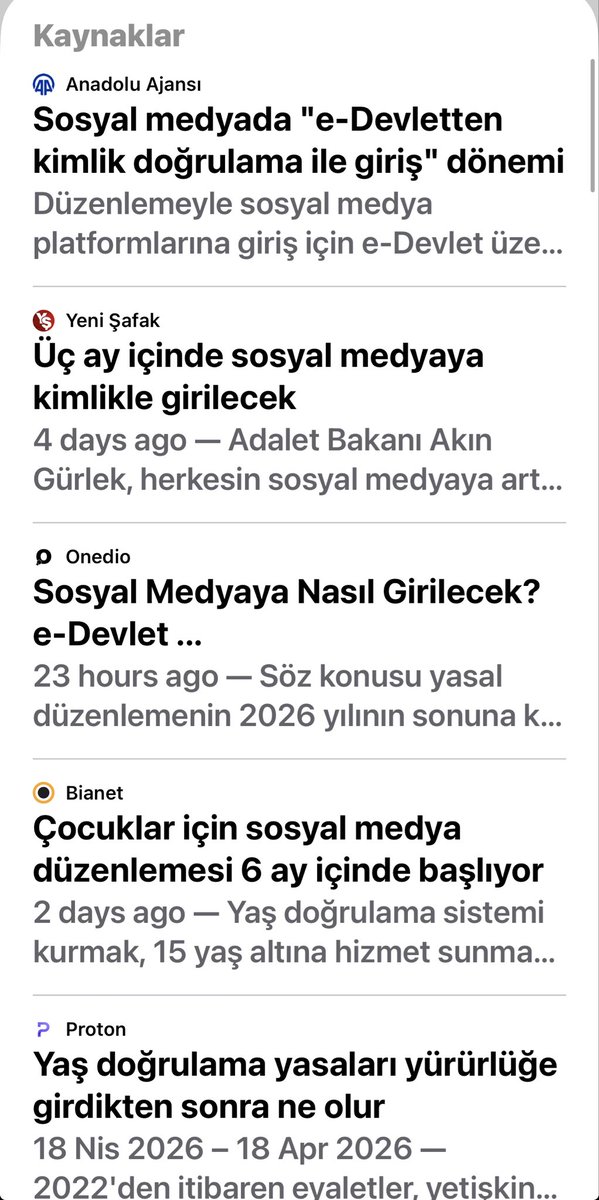
Kaynaklar …⤵️
2
3
16
253

2 Dec 2025
Sanchar Saathi: Hero Against Cyber Fraud or Villain Against Privacy? | TV9Gujarati
#SancharSaathiDebate #CyberHeroOrVillain #PrivacyVsSafety #IndianPolitics #SancharSaathi #SpyAppOrSafety #PrivacyVsSecurity #ParliamentDebate #TV9Gujarati
1
211

2 Dec 2025
Mandatory Govt App on Mobiles: Security Tool or Spyware in Disguise? powercorridors.in/mandatory-… #SancharSaathi #PrivacyVsSecurity #DigitalRights #GovtAppMandate #CyberSecurity #BigBrotherAlert
1
2
2
152

12 Nov 2025
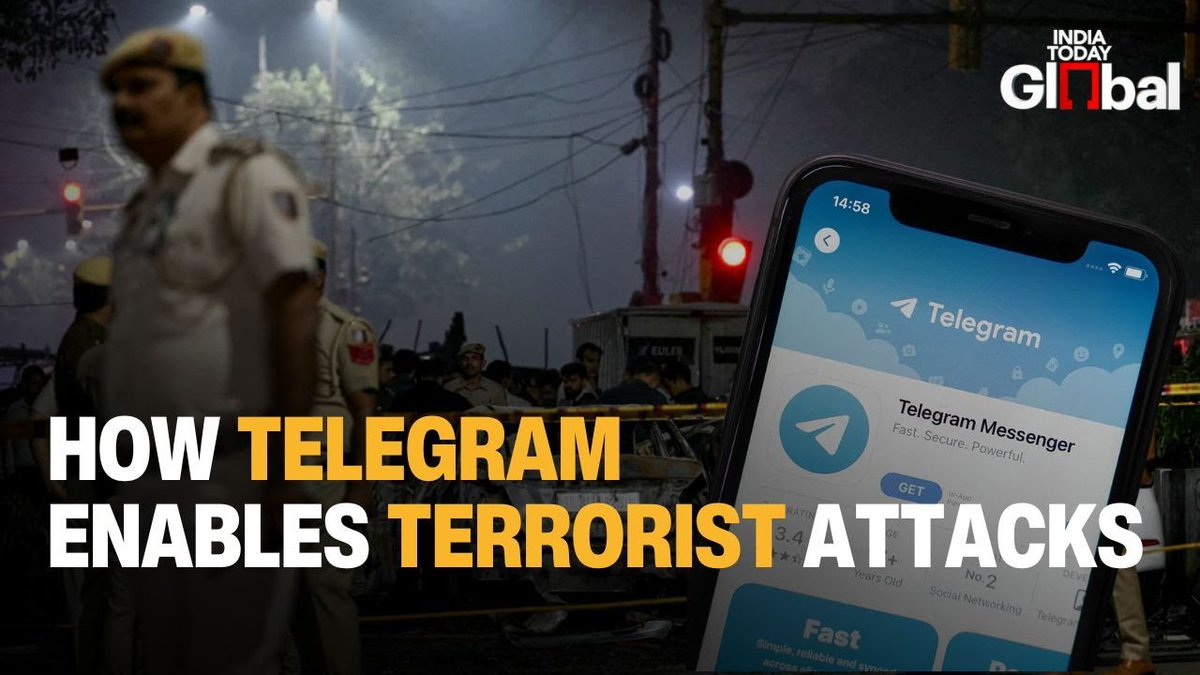
Delhi Blast Exposes Telegram's Terror Network: How Encrypted App Shields Extremists Worldwide 🧵
A suicide car bombing near Delhi’s Red Fort was reportedly coordinated via Telegram by Dr Umar Mohammad, linked to radical doctors’ groups and Pakistan-based Jaish-e-Mohammed.
Watch more: youtu.be/9Hy6b-b52EQ?si=-UmZ…
#RedFort #DelhiBlast #LalQila #Telegram #Terrorism #CyberSecurity #India #PrivacyVsSecurity #DigitalSafety #IndiaTodayGlobal
1
3
5
1,897

20 Aug 2025
You're focused on your phone being hacked, while Google is already capturing your data outside of the phone. #privacyvssecurity
2
12
34
1,135

16 Aug 2025
Big Question:
Are mixers a tool for freedom or a hacker’s playground? The Odin.fun attackers used them to vanish with $7M. But privacy advocates say they’re a right. What’s your take? Drop it below! #Crypto #PrivacyVsSecurity
2
3
55

24 Jul 2025
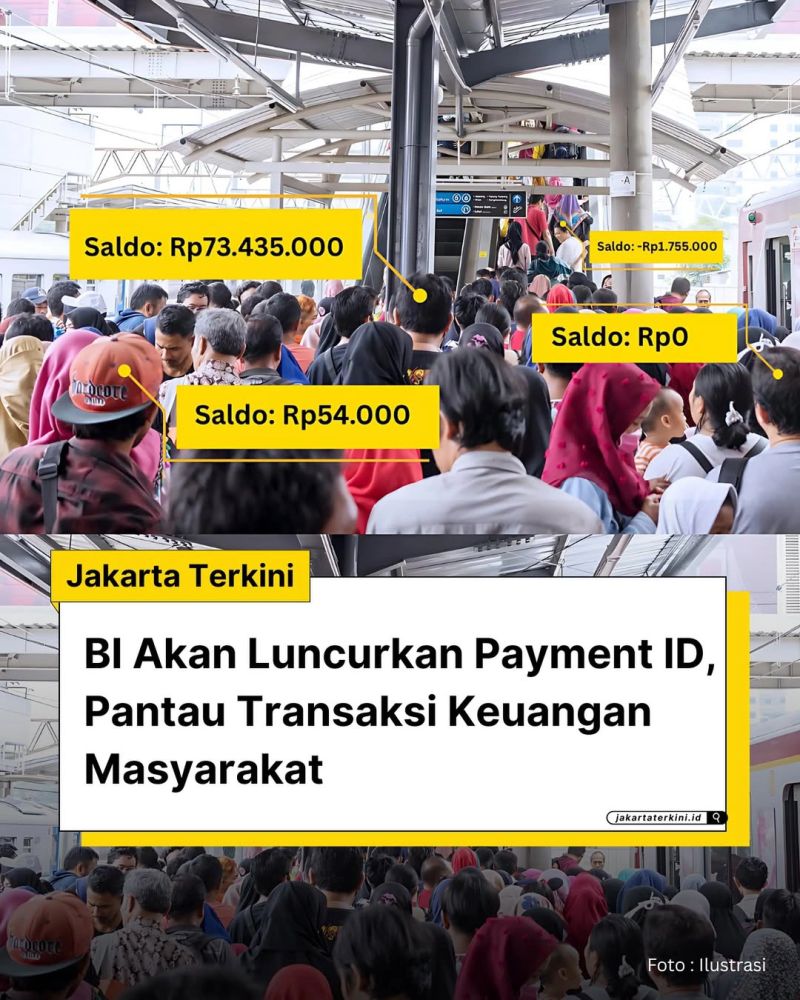
🇮🇩 Peluncuran Payment ID: Era Baru Transaksi Digital!
Per 17 Agustus 2025, Bank Indonesia luncurkan Payment ID, kode unik berbasis NIK yang rekam semua aktivitas keuangan: gaji, belanja, investasi, pinjaman, hingga aktivitas ilegal. 😅
📌 Manfaat:
✅ Data transaksi akurat
✅ Deteksi fraud cepat
✅ Penilaian kredit presisi
📌 Tapi...
❓ Langkah maju atau ancaman privasi?
❓ Siapkah data dompet digital dan rekening disatukan?
🧠 Dirancang sejak Blueprint Sistem Pembayaran Indonesia 2030, kini direalisasikan.
👇 Pendapatmu, Payment ID:
A. Solusi cerdas keamanan finansial
B. Terlalu pantau privasi
C. Tergantung pengaturan
Ayo diskusi sebelum semua #Terpantau! 🧐
#PaymentID #BI2025 #FintechIndonesia #DataTransaksi #HUTRI2025 #DiskusiDigital #EkonomiDigital #PrivacyVsSecurity
16
7
34
6,749
18 Jun 2025
UNVEILING THE FBI CLASSIFIED ACTIVITIES: The Hidden World of America’s Elite Law Enforcement
The Federal Bureau of Investigation (FBI) stands as America’s most formidable law enforcement agency, a silent guardian operating in the shadows to protect the nation from threats both domestic and international.
With a storied history and a reputation for secrecy, the FBI’s elite team of special agents employs classified tactics to combat spies, terrorists, hackers, mobsters, and murderers.
From covert surveillance to high-stakes undercover operations, the FBI’s methods remain shrouded in mystery, safeguarded within encrypted files and confidential archives at its Washington, D.C. headquarters.
But what lies behind the veil of America’s premier police force?
A Global Force with a Patriotic Mission.....
The FBI’s mission is clear: to defend the United States against threats that local and state authorities cannot handle alone.
With an annual budget in the billions, the Bureau employs over 13,500 special agents and 22,000 analysts, scientists, and specialists.
Operating in over 400 U.S. locations and dozens of international offices known as “legal attaches” or “legats,” the FBI has evolved into what some call the world’s first global police force.
From responding to kidnappings of Americans abroad to leading forensic efforts in high-profile operations the FBI’s reach is unparalleled.
Anytime a terrorism crime or a kidnapping happens to an American anywhere in the world, the FBI responds.
The Bureau’s ability to collect and process evidence, often in hostile environments, ensures it is first on the ground when crises erupt.
Classified Tactics and Covert Operations.....
While the FBI’s mission is public, its methods are anything but.
The Tactical Operations Division (TacOps) represents the Bureau’s secretive elite, conducting surveillance and human intelligence operations with surgical precision.
These agents, often dubbed “ghosts,” blend into plain sight, tracking targets without detection.
Their toolkit includes staging phony traffic accidents, intercepting phone calls disguised as repair technicians, and even hosting decoy parties on yachts to distract targets while planting bugs.
One striking example is the takedown of John Gotti, the notorious “Teflon Don” of the Gambino crime family.
In the 1980s, TacOps agents planted listening devices in Gotti’s New York social club, capturing incriminating conversations about murders and criminal enterprises.
These secret recordings led to Gotti’s 1992 conviction on 13 murder charges, sending him to prison for life.
Such operations highlight the FBI’s ability to infiltrate even the most impenetrable criminal networks.
The Ghosts of Surveillance.....
The FBI’s Special Surveillance Group (SSG), known as “ghosts,” operates with such secrecy that even fellow agents may not know their identities.
These investigative specialists master the art of blending in, following spies and terrorists covertly.
They want to be grey, boring, the wallflower no one notices.
Success hinges on knowing the target, the environment, and adapting to unforeseen challenges—all while remaining invisible.
The 2010 “Ghost Stories” operation showcased the SSG’s prowess.
After a seven-year investigation, the FBI arrested ten Russian spies, including Anna Chapman, in a counterintelligence sting.
Using hidden cameras, microphones in backpacks, and deep-cover agents, the Bureau unraveled a sophisticated espionage ring.
The arrests facilitated a high-stakes prisoner swap, underscoring the FBI’s strategic use of covert operations to protect national security.
Betrayal from Within: The Robert Hanssen Case.....
Not all threats come from outside.
The FBI’s darkest hour came with the betrayal of Robert Hanssen, a career agent who spied for the Soviet Union and Russia for 22 years.
Hanssen’s espionage, which began in 1979, compromised double agents, military strategies, and even a secret U.S. crisis bunker.
The United States has probably never had a more dangerous homegrown Russian spy.
The FBI trapped Hanssen through a cunning ruse. In 2001, agents created a fictitious “Information Assurance” division, placing Hanssen in charge with unrestricted access to sensitive data.
An internal FBI investigative agent, posed as Hanssen’s subordinate, covertly copied his Palm Pilot, revealing plans for an espionage drop.
On February 18, 2001, Hanssen was caught red-handed, charged with 13 counts of espionage, and sentenced to life in prison. The case shook the FBI to its core, exposing the peril of internal betrayal.
Reinventing Itself Post-9/11.....
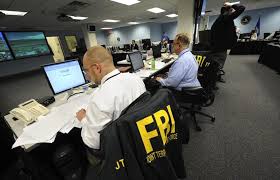
The September 11, 2001, attacks forced the FBI to transform. Preventing terrorism became its top priority, leading to the creation of the Joint Terrorism Task Force (JTTF).
This revolutionary unit unites local, state, and federal officials in “fusion centers”—covert offices where intelligence is shared seamlessly.
Most of the American public doesn’t even know these centers exist.
The JTTF’s impact is undeniable.
In 2005, a routine robbery investigation in Torrance, California, uncovered a terrorist cell planning attacks on Los Angeles synagogues, the Israeli Consulate, and LAX’s El Al counter.
By analyzing digital evidence, the JTTF disrupted the plot, proving its ability to preempt catastrophic attacks.
Since 9/11, the FBI’s record of preventing civilian deaths from terror attacks on U.S. soil is a testament to its reinvention.
The Cyber Frontier: A New Battleground.....
In the 21st century, the FBI faces a new breed of criminal: the cyber attacker.
With the potential to cripple power grids, water systems, or GPS signals, cyber threats loom large.
The Bureau’s cyber branch, its fastest-growing division, operates 16 state-of-the-art Computer Crime Labs nationwide, analyzing digital evidence from phones, computers, and cameras.
Digital evidence is becoming as critical as DNA.....
The 2010 arrest of Army Private Bradley Manning, who leaked classified documents to WikiLeaks, highlighted the stakes.
A single click can unleash chaos, making the FBI’s mission to stay ahead of hackers and cyber terrorists more urgent than ever.
By leveraging social media, proprietary software, and real-time monitoring, the Bureau tracks digital breadcrumbs to thwart attacks before they materialize.
The FBI Academy: Forging Elite Agents.....
The FBI’s strength lies in its people, selected through a grueling process that rivals admission to Harvard. Recruits undergo extensive interviews, security checks, drug tests, and polygraphs to ensure trustworthiness.
At the FBI Academy in Quantico, Virginia, a 20-week program tests their resolve with rigorous academics, firearms training, and physical fitness.
In “Hogan’s Alley,” a mock town, trainees face simulated crimes, from bank robberies to hostage crises, preparing them for real-world pressures.
Graduates take an Oath of Office, pledging to defend the Constitution and uphold secrecy.
Balancing Liberty and Security.....
The FBI’s covert methods raise questions about the balance between safety and personal liberties.
In the age of AI with vast surveillance capabilities, including monitoring social networks and digital devices, the Bureau wields unprecedented power.
The amount of information our government has on us is enormous.
While the FBI insists secrecy is essential to national security, critics question where the line should be drawn.
A Legacy of Secrets.....
From its origins under J. Edgar Hoover to its modern global reach, the FBI has grown into a high-tech juggernaut. Its ability to keep tactics secret—from planting bugs to disrupting terror plots—ensures its effectiveness.
Yet, the allure of a “Book of Secrets” persists, symbolizing the enigma of an agency that operates in the shadows to keep America safe.
As threats evolve, so does the FBI, blending cutting-edge technology with human ingenuity.
Its mission remains steadfast: to protect the nation, uphold the law, and guard its secrets—at all costs.
#FBI #FederalBureauOfInvestigation #LawEnforcement #NationalSecurity #CovertOperations #TacOps #SpecialAgents #Ghosts #Surveillance #Undercover #JohnGotti #RobertHanssen #AnnaChapman #GhostStories #JTTF #FusionCenters #CyberCrime #DigitalEvidence #FBIAcademy #HogansAlley #Counterterrorism #Espionage #AI #TerrorismPrevention #BookOfSecrets #Secrets #Intelligence #CrimeFighting #GlobalPolice #Forensics #OsamaBinLaden #PrivacyVsSecurity #CyberSecurity #EliteAgents #xAI
1
2
169
12 Jun 2025
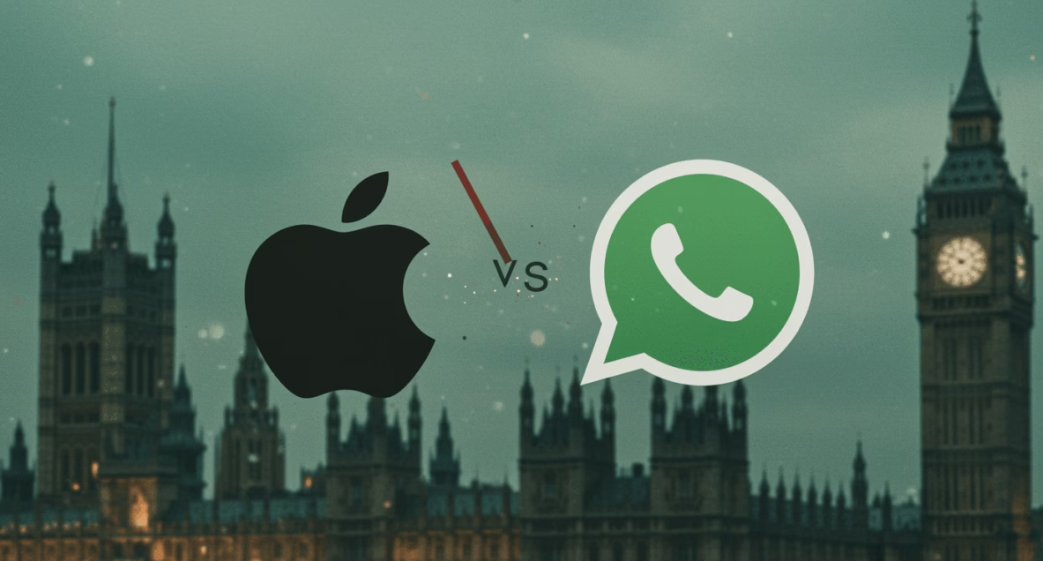
WHATSAPP JOINS APPLE IN HIGH-STAKES UK DATA PRIVACY BATTLE AGAINST HOME OFFICE
TECHNOLGY NEWSWIRE: A Unified Front for Privacy
On June 11, 2025, WhatsApp announced its support for Apple in a landmark legal fight against the UK Home Office over user data privacy, as reported by the BBC and other outlets.
The dispute centers on a secret Home Office order, issued under the Investigatory Powers Act (IPA) of 2016, demanding that Apple provide backdoor access to its Advanced Data Protection (ADP) system, which uses end-to-end encryption (E2EE) to secure iCloud data.
WhatsApp’s CEO, Will Cathcart, warned that this case could set a “dangerous precedent” by emboldening other nations to weaken encryption, threatening the privacy of millions globally.
#WhatsAppApple #UKPrivacyFight #DataPrivacy
The Home Office’s Controversial Demand.....
The Home Office’s Technical Capability Notice (TCN), issued in January 2025 and leaked to The Washington Post in February, requires Apple to enable access to encrypted iCloud data worldwide, including photos, notes, and backups.
This unprecedented order, described by critics as a “global cyberattack” via political means, prompted Apple to pull ADP from the UK in February and file a legal challenge with the Investigatory Powers Tribunal (IPT).
WhatsApp, which relies on E2EE for its messaging service, has applied to intervene in the case, submitting evidence to protect users’ right to private communication.
#HomeOfficeTCN #EndToEndEncryption #AppleADP
Encryption at the Heart of the Clash.....
Apple’s ADP, launched in 2022, ensures that only the account holder can access iCloud data, leaving even Apple without a key.
WhatsApp employs similar E2EE to secure messages, a technology also used by Signal and Meta’s Messenger.
The Home Office argues that E2EE hinders investigations into serious crimes like terrorism and child sexual abuse material (CSAM), necessitating access for national security.
However, Apple and WhatsApp contend that creating a backdoor would compromise security for all users, exposing them to hackers, criminals, and hostile states.
#E2EE #PrivacyVsSecurity #CybersecurityRisks
A Dangerous Precedent.....
Will Cathcart emphasized that a UK victory could inspire authoritarian regimes to demand similar backdoors, undermining global privacy.
He told the BBC, “Liberal democracies should want the best security for their citizens,” not secret orders that weaken encryption.
Privacy International and Liberty, also challenging the Home Office, welcomed WhatsApp’s intervention, with Open Rights Group’s Jim Killock noting its role in highlighting the “breadth of concern” about the threat to privacy.
Cybersecurity experts, including Phil Zimmerman and Bruce Schneier, warned in an open letter that such backdoors would jeopardize millions.
#DangerousPrecedent #GlobalPrivacy #PrivacyInternational
U.S. Backlash and Bipartisan Outrage.....
The UK’s order has drawn sharp criticism from U.S. officials, transcending party lines.
Tulsi Gabbard, U.S. Director of National Intelligence, called it an “egregious violation” of Americans’ privacy, while Senator Ron Wyden and Representative Andy Biggs condemned it as a “foreign cyberattack.”
President Donald Trump likened the order to tactics used by China, stating, “The UK can’t do this.”
Posts on X reflect similar sentiment, with users praising Meta and WhatsApp for defending encryption against government overreach.
The U.S. may revisit its CLOUD Act agreement with the UK, which allows data sharing without American oversight, if the order stands.
#USBacklash #TulsiGabbard #CLOUDact
The Home Office’s Defense.....
The Home Office maintains that its “first priority” is public safety, arguing that TCNs are necessary to combat serious crimes while respecting privacy.
A spokesperson told Computer Weekly that “privacy and security are not at odds,” asserting that access is sought only on an “exceptional basis” with legal warrants.
However, the government’s refusal to confirm or deny the TCN’s existence, citing national security, has been criticized as “unsustainable” by academics and even UK intelligence experts.
A UK court’s April 2025 ruling rejected the Home Office’s bid to keep Apple’s case secret, calling private hearings “truly extraordinary.”
#HomeOfficeDefense #NationalSecurity #TransparentCourts
Broader Implications and Resistance.....
The case highlights a global tug-of-war between privacy and security. The UK’s 2016 IPA, dubbed the “Snoopers’ Charter,” grants sweeping surveillance powers, prompting Apple to warn Parliament in 2024 of its “unprecedented overreach.”
WhatsApp, which threatened to exit the UK in 2023 over the Online Safety Bill’s encryption clauses, reports more CSAM to authorities than Apple, Google, and others combined, undermining claims that E2EE solely aids criminals.
If the UK prevails, other “Five Eyes” nations and autocratic regimes may follow, potentially forcing tech giants to weaken encryption worldwide or exit markets.
#SnoopersCharter #GlobalSurveillance #TechResistance
A Pivotal Moment for Privacy Rights.....
As WhatsApp and Apple challenge the Home Office, the outcome will shape the future of digital privacy. Amnesty International and Human Rights Watch have decried the order as a “disproportionate” attack on human rights, arguing that encryption protects activists and journalists from state overreach.
With the IPT set to rule on WhatsApp’s intervention, the case could redefine how liberal democracies balance security and civil liberties. For now, UK iCloud users face reduced protections, while the global tech community watches a battle that could set a precedent for years to come.
Note: Follow @ElonMusk's X News Discussion Platform for real-time updates on this critical privacy showdown.
#WhatsAppSupport #AppleVsUK #DataPrivacyBattle #EncryptionDebate #HomeOfficeOrder #WillCathcart #AdvancedDataProtection #PrivacyRights #CybersecurityThreat #UKsurveillance #InvestigatoryPowersAct #GlobalBackdoors #USPrivacyConcerns #TulsiCriticism #RonWyden #OpenRightsGroup #CSAMdebate #TechBacklash #LiberalDemocracy #HumanRightsWatch #AmnestyInternational #SnoopersCharterFight #OnlineSafetyBill #iCloudSecurity #DigitalRights
1
4
190

5 Jun 2025
.@Flock_Safety Surveillance Debate: Striking a Balance Between Privacy and Protection
.@Alex interviews @glangley about the ethics and trade-offs of modern surveillance tech with Flock Safety. CEO Garrett Langley defends the company’s community-first, regulation-embracing approach as they deploy thousands of crime-solving cameras across the U.S.
Key Points:
• Flock’s AI-driven surveillance tools help solve thousands of crimes, but not without sparking real privacy concerns.
• The company lets elected officials control data retention, transparency, and enforcement boundaries based on local values.
• Critics worry about HOA overreach and unchecked data collection, but Flock insists regulation is the answer, not eradication.
#Surveillance #AI #SmartCities #TechEthics #FlockSafety #PrivacyVsSecurity #ThisWeekInStartups
4
3
1,567

15 Apr 2025
What does a privacy fence have to do with your online life? More than you think. Read how privacy and security overlap (and where they don't). #PrivacyVsSecurity #CyberSecurity #OnlineSafety oakwoodexperience.com/the-hi…
2
16

2 Mar 2025
Apple vs. FBI Encryption Dispute
On March 2, 2016, Apple publicly opposed a court order requiring the company to assist the FBI in unlocking an iPhone used by a terrorist in the San Bernardino attack. The case sparked a major debate over privacy, security, and the role of technology companies in law enforcement. 📱
Apple argued that creating a backdoor to bypass iPhone encryption would set a dangerous precedent, compromising the security of all iPhone users. The FBI, on the other hand, contended that access to the device was crucial for national security. 🛡️
The Apple vs. FBI dispute highlighted the tension between privacy rights and security needs in the digital age. It remains a pivotal moment in the ongoing conversation about technology, privacy, and the law. 🌟
#Apple #FBI #Encryption #PrivacyVsSecurity
Sources: The New York Times, Apple
2
124

19 Feb 2025
🚨 Facial recognition cameras are rolling out across Cardiff this weekend! South Wales Police say it’s for public safety—critics call it mass surveillance. What do you think? 🤔👀 #PrivacyVsSecurity #AIWatch youtu.be/e2RT79khjvI?si=oT56…
1
2
113

30 Jan 2025
Government surveillance is at an all-time high. Are we sacrificing our privacy for safety, or is it the other way around? #PrivacyVsSecurity #SurveillanceState
2
70

2 Jan 2025
🔍 The Role of Technology in Criminal Investigations: Boon or Bane?
AI, surveillance, and forensic advancements are reshaping law enforcement, but at what cost to privacy and ethics? juracelegal.com/the-role-of-…
.
.
.
.
#CrimeTech #AIandEthics #AI #PrivacyVsSecurity #JurAceLegalLLP
1
3
37

18 Dec 2024
Encrypted Apps Like Zangi Pose New Challenges for Law Enforcement
#CyberSecurity #EncryptedApps #privacyvssecurity
2
2,345

3 Dec 2024
🚨 EP99: DJT. Trump the OpecSec President… and the National Security Agency Vacancy 🚨
open.substack.com/pub/geopol…
There’s an odd silence surrounding Trump’s pick for the National Security Agency Director. 🤔 Why isn’t anyone talking about it? Let’s dive into the critical importance of Operations Security (OpSec), the NSA's global influence, and why this vacancy could shape national security in profound ways.
Who might Trump choose? Richard Grenell? Chris Stewart? Fred Fleitz? Lt. Colonel Tony Shaffer? Someone unexpected? 🔍 Is this strategic silence or a shift in intelligence dynamics?
🔗 Click to read the deep dive:
open.substack.com/pub/geopol…
Let’s uncover what’s happening behind the scenes.
#NationalSecurity #NSA #NationalSecurityAgency #OpSec #Trump2024 #SignalsIntelligence #NationalDefense #FiveEyes #CyberSecurity #IntelligenceCommunity #PrivacyVsSecurity #TrumpTransition #TrumpTeam #DeepState #PaulNakasone #MikeWaltz #MarcoRubio #TulsiGabbard #CIA #DIA #CyberOps #GlobalSecurity #IntelLeadership #Politics #Trump #RichardGrenell #ChrisStewart #FredFleitz #LtColonelTonyShaffer
1
1
24

A Chinese official receives life imprisonment for selling state secrets in exchange for $138K in crypto, a stark reminder of crypto's double-edged sword for privacy and crime. How do we balance freedom and regulation in crypto trading?
#CryptoEspionage #PrivacyVsSecurity #RegulationDebate
In a twist worthy of a thriller, $230M was allegedly swindled by a South Korean YouTuber in a crypto fraud scheme. The appetite for quick gains often blinds investors. How do we safeguard our investments in the Web3 world?
#CryptoFraud #Web3Safety #InvestmentRisks
Authorities seize 286 mining rigs in Thailand amidst power theft allegations. As energy costs spiral, the crackdown on illicit mining continues. Is this a moral dilemma or a necessary move?
#CryptoMining #EnergyTheft #RegulationChallenges
2
54

9 Nov 2024
Surveillance vs. Privacy — Balancing Security and Freedom in Cybersecurity
Read more: link.medium.com/E16ALizZnOb
#CyberSecurity #DataPrivacy #DigitalFreedom #SurveillanceEthics #PrivacyRights #OnlineSecurity #CyberSurveillance #DigitalRights #DataProtection #PrivacyVsSecurity
5
35