Hire a professional Hacker
#targetedindividuals #gangstalkingawareness #tiradiation #v2k #fbi #covertoperations #mindcontrol #health #safety #privacy #surveillance #electronicwarfare #neighbors #stalker #traumatoknowledge #laserattack #voiceattack #persecutorydelusion #psychiatriacritic #consciousness #spirituality #advocacy #personalrights #illegalharassment #support #community #justice #healing #tigangstalking #noise #hearingvoices #brainhealth #mentalhealthrecovery #traumaresponse #victim #survivor #protectyourself #awarenessmatters #bekind #endthesilence

1
10

Jun 12
Hire a professional Hacker #targetedindividuals #gangstalkingawareness #tiradiation #v2k #fbi #covertoperations #mindcontrol #health #safety #privacy #surveillance #electronicwarfare #neighbors #stalker #traumatoknowledge #laserattack #voiceattack #persecutorydelusion #psychiatriacritic #consciousness #spirituality #advocacy #personalrights #illegalharassment #support #community #justice #healing #tigangstalking

1
1
35

THE CIVILIAN FAC WHO HELPED RUN VIETNAM’S HIDDEN WAR
Most people remember the fighter pilots, helicopter crews, and Special Forces teams of Vietnam.
Few remember the civilian who connected them all.
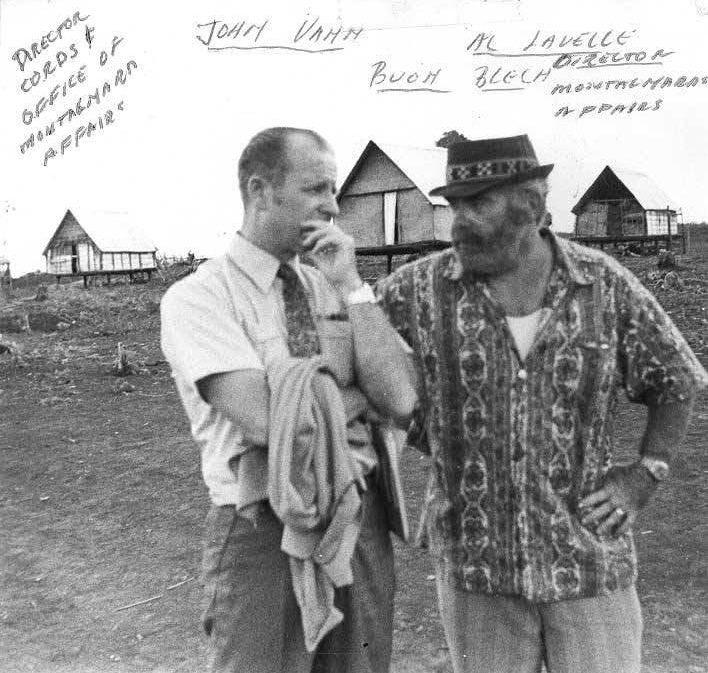
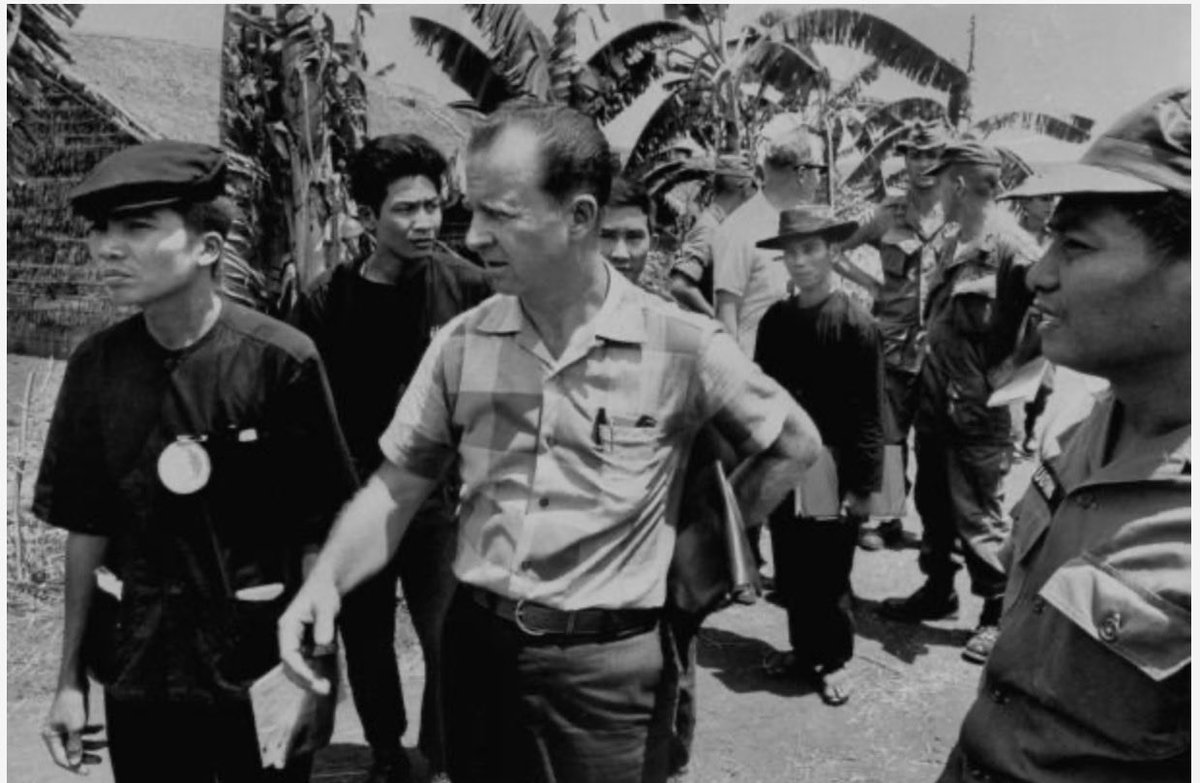
By 1972, John Paul Vann was no longer an Army officer. Officially, he worked for CORDS, Civil Operations and Revolutionary Development Support, the massive pacification and intelligence organization that fused military operations, CIA programs, local intelligence networks, and South Vietnamese government efforts into a single machine.
Unofficially? He became one of the most influential men in the war.
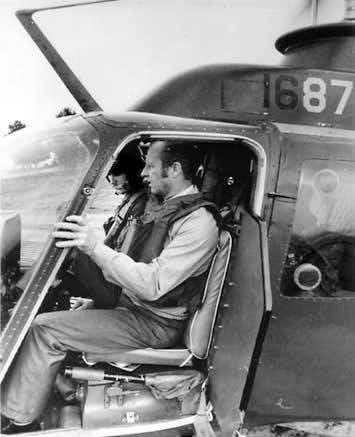
From the cockpit and back seats of Hueys flying across the Central Highlands, Vann moved between intelligence briefings, forward operating bases, FAC aircraft, and combat commanders. He spent countless hours coordinating the flow of information from village informants, reconnaissance patrols, aerial observers, and intelligence officers to the men dropping bombs and directing gunships.
The hidden war depended on information.
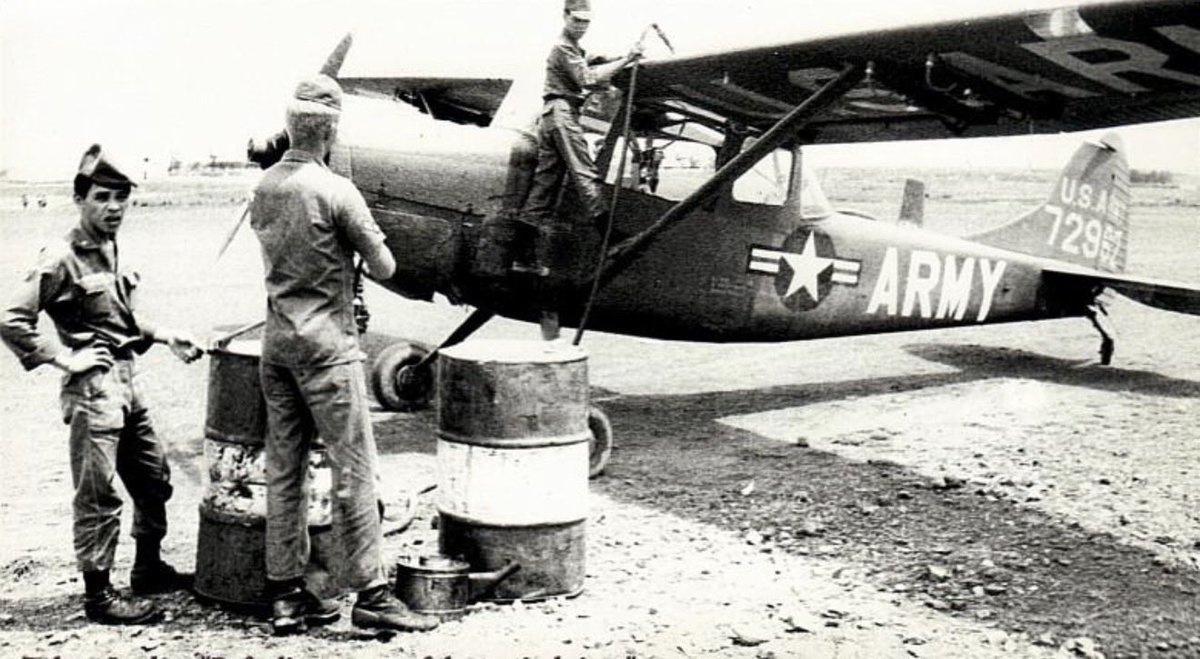
FACs in O-1 Bird Dogs and OV-10 Broncos searched for enemy movements. Intelligence teams collected reports from remote villages. Reconnaissance patrols watched infiltration routes. Helicopters carried advisors and intelligence officers into places inaccessible by road.
CORDS connected all of it.
And few understood that system better than Vann.
During the 1972 Easter Offensive, as North Vietnamese forces pushed toward Kontum, Vann became a constant presence over the battlefield. Flying from one command post to another, he coordinated intelligence, advised commanders, directed air support requests, and helped turn information into action.
This was not the conventional war seen on television.
This was the gray zone where intelligence, aviation, and counterinsurgency merged.
A world of FAC aircraft circling overhead, Hueys carrying advisors between remote outposts, classified intelligence reports arriving from the field, and air strikes launched against targets identified through a complex network of sources.
On June 9, 1972, shortly after helping save Kontum, Vann was killed when his UH-1H Huey crashed in poor weather.
He died the same way he had fought the war, moving through the skies of Vietnam, connecting intelligence to aviation and aviation to combat power.
Long before “network-centric warfare” became a military buzzword, John Paul Vann was already doing it from the back of a Huey.
The aircraft were visible.
The intelligence network behind them was not.
#JohnPaulVann #CORDS #VietnamWar #FAC #ForwardAirController #Huey #UH1 #OV10Bronco #BirdDog #CIAHistory #PhoenixProgram #MilitaryIntelligence #AviationHistory #CovertOperations #SpecialOperations #VietnamAviation #EasterOffensive #Kontum #ColdWarHistory #AircraftHistoryJunky
2
9
76
2,797

As Mao said, “tan tan, da da” or “talk, talk, fight, fight.”
@POTUS @realDonaldTrump does indeed have a *third-way*: a strengthened, verifiable stalemate with aggressive containment and clear red-lines to buy time for internal Iranian pressures and #CovertOperations to work…

My new interview @Bannons_WarRoom. Trump has 3 choices in Iran: Surrender, Stalemate & Escalation. He won't surrender, we're in stalemate but it's unstable and we're heading for escalation. Escalation won't work. It's Vietnam redux. Trump has no way out.
rumble.com/v7azouk-rickards-…
111
Hire a professional Hacker #targetedindividuals #gangstalkingawareness #tiradiation #v2k #fbi #covertoperations #mindcontrol #health #safety #privacy #surveillance #electronicwarfare #neighbors #stalker #traumatoknowledge #laserattack #voiceattack #persecutorydelusion #psychiatriacritic #consciousness #spirituality #advocacy #personalrights #illegalharassment #support #community #justice #healing #tigangstalking

51
Hire a professional Hacker #targetedindividuals #gangstalkingawareness #tiradiation #v2k #fbi #covertoperations #mindcontrol #health #safety #privacy #surveillance #electronicwarfare #neighbors #stalker #traumatoknowledge #laserattack #voiceattack #persecutorydelusion #psychiatriacritic #consciousness #spirituality #advocacy #personalrights #illegalharassment #support #community #justice #healing #tigangstalking #noise #hearingvoices #brainhealth #mentalhealthrecovery #traumaresponse #victim #survivor #protectyourself #awarenessmatters #bekind #endthesilence

1
1
46

Hire a professional Hacker #targetedindividuals #gangstalkingawareness #tiradiation #v2k #fbi #covertoperations #mindcontrol #health #safety #privacy #surveillance #electronicwarfare #neighbors #stalker #traumatoknowledge #laserattack #voiceattack #persecutorydelusion #psychiatriacritic #consciousness #spirituality #advocacy #personalrights #illegalharassment #support #community #justice #healing #tigangstalking
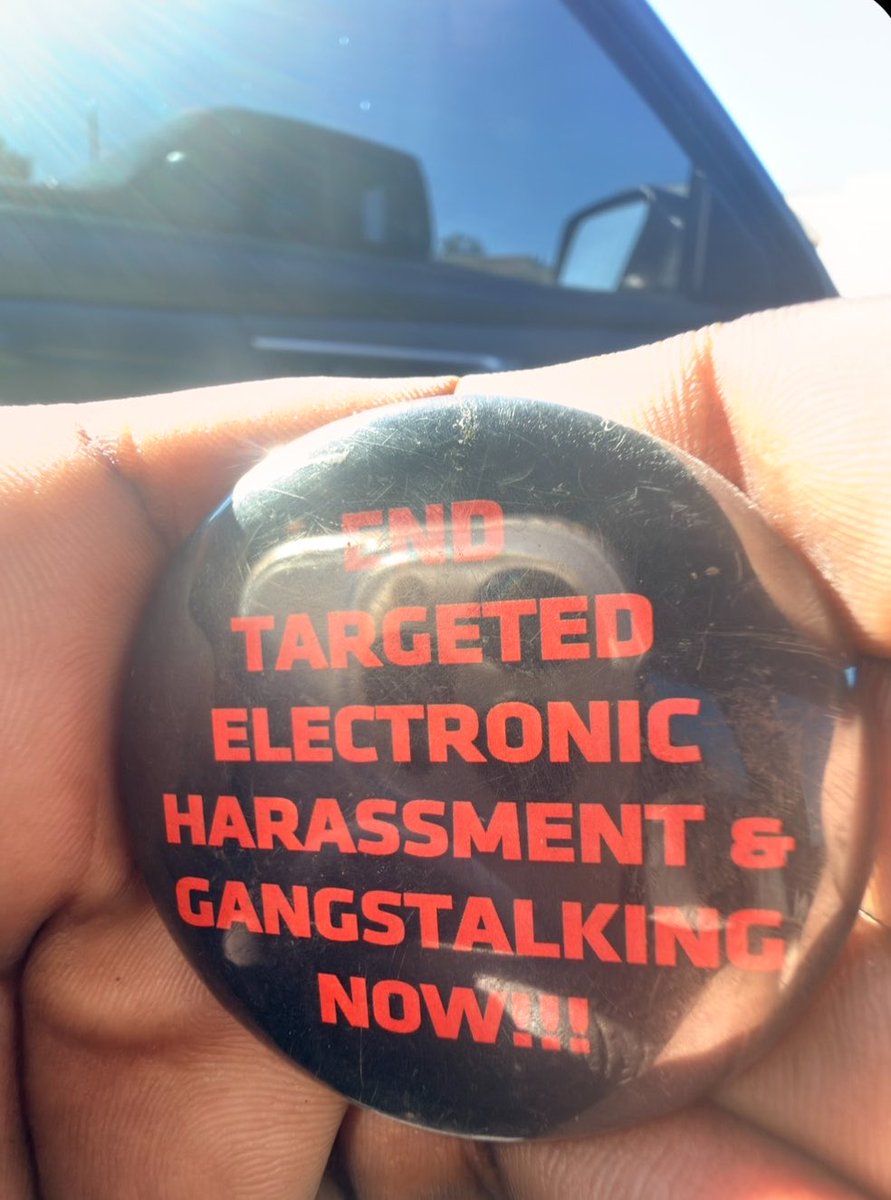
51
Hire a professional Hacker
#targetedindividuals #gangstalkingawareness #tiradiation #v2k #fbi #covertoperations #mindcontrol #health #safety #privacy #surveillance #electronicwarfare #neighbors #stalker #traumatoknowledge #laserattack #voiceattack #persecutorydelusion #psychiatriacritic #consciousness #spirituality #advocacy #personalrights #illegalharassment #support #community #justice #healing #tigangstalking

2
12
12
398

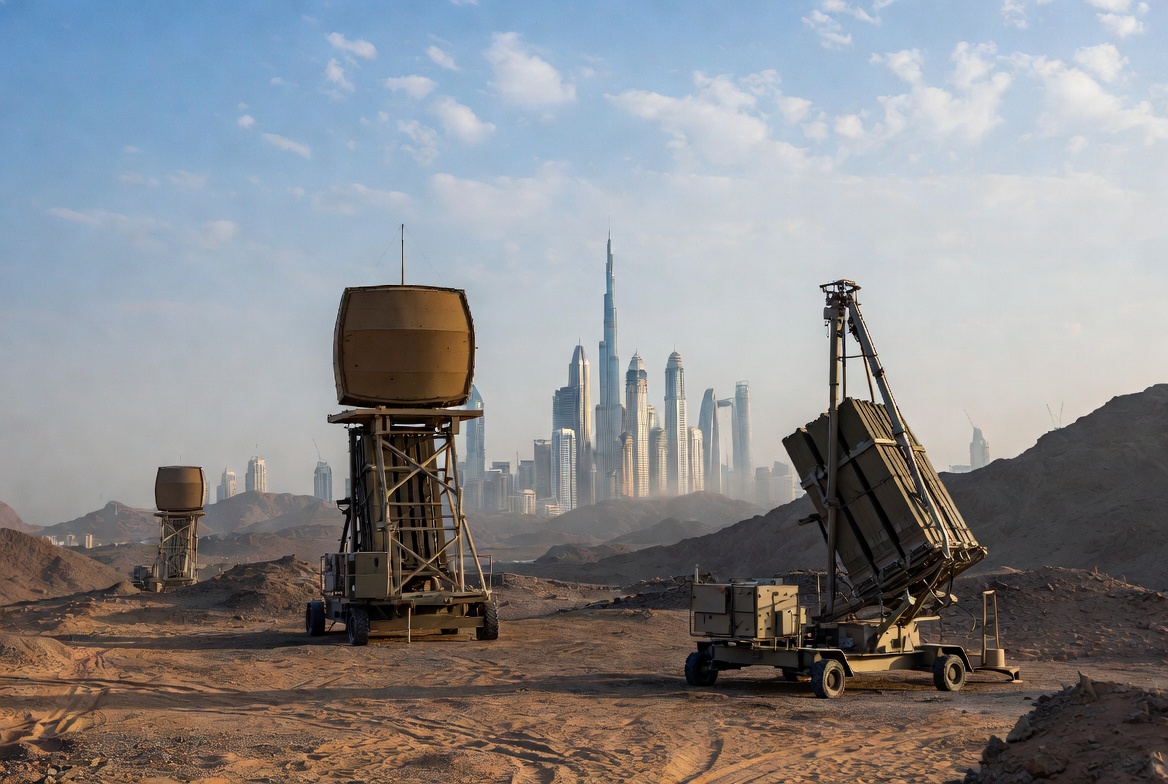
The UAE's Secret War: How Abu Dhabi's Hidden airstrikes Against Iran Shook the Gulf (And What Happens Now)
zaviews.blogspot.com/2026/05…
#UAESecrets #GulfConflict #IranUAE #MiddleEastNews #MBZvsMBS #WSJReport #OilWars #GulfTensions #RegionalPolitics #CovertOperations #Dubai #Israel #UAEIsrael


1
2
10
15,344

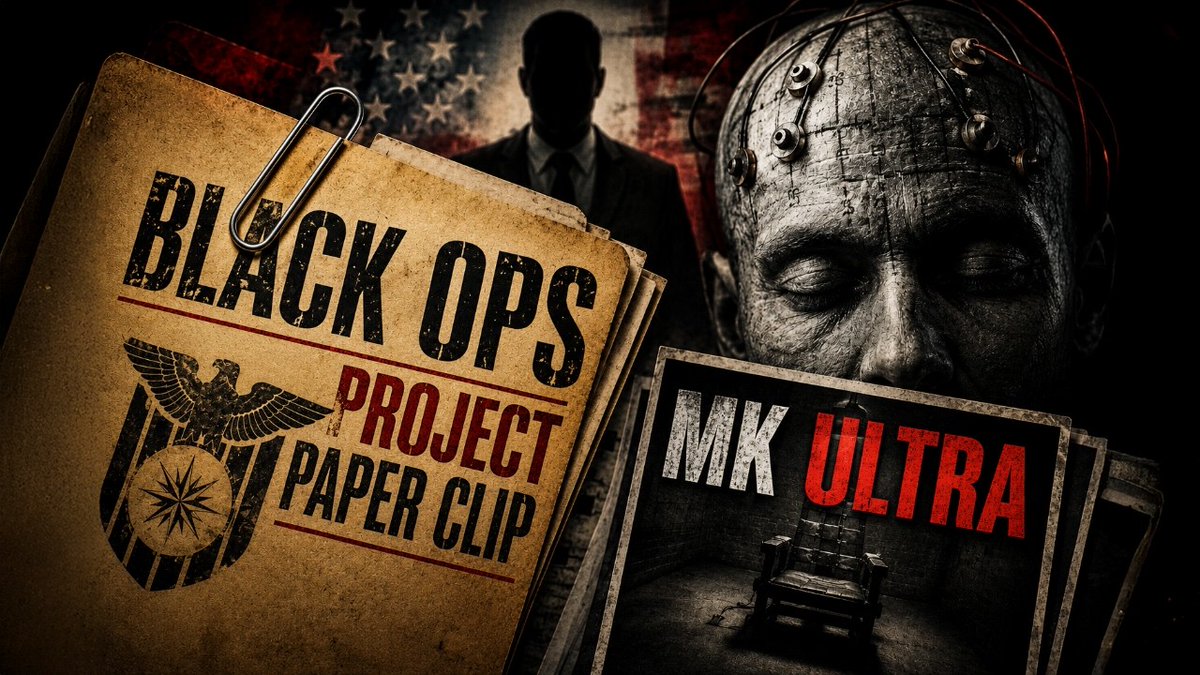
The Files Stayed Buried dlvr.it/TSkZgx #CovertOperations #IntelligenceCommunity #PsychologicalExperiments
2
7
175
May 20
Hire a professional Hacker #targetedindividuals #gangstalkingawareness #tiradiation #v2k #fbi #covertoperations #mindcontrol #health #safety #privacy #surveillance #electronicwarfare #neighbors #stalker #traumatoknowledge #laserattack #voiceattack #persecutorydelusion #psychiatriacritic #consciousness #spirituality #advocacy #personalrights #illegalharassment #support #community #justice #healing #tigangstalking

3
60

May 5
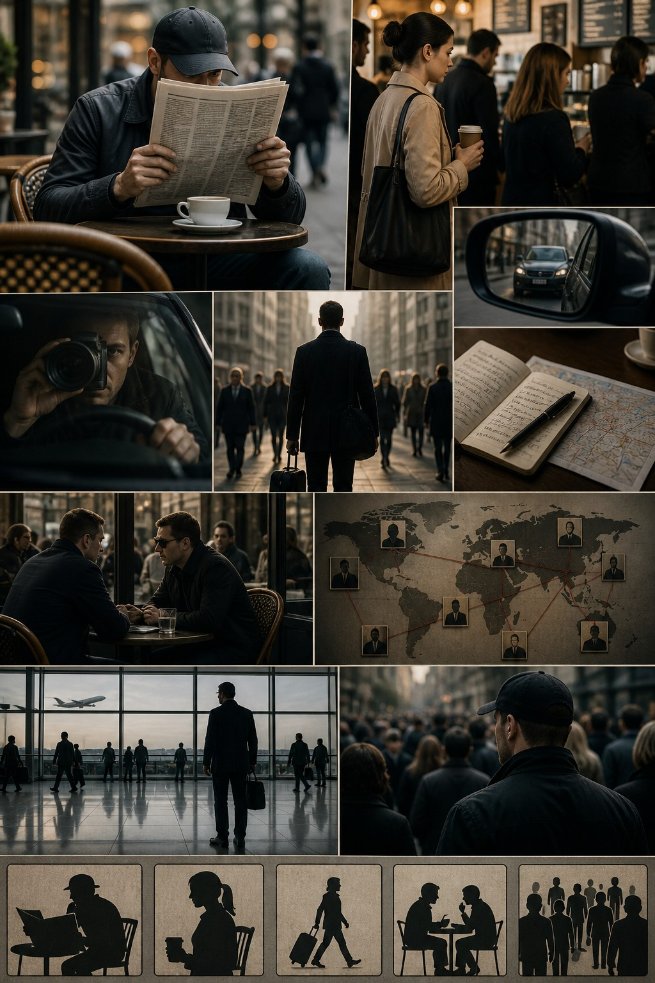
Real spy work isn’t fast cars and rooftop chases.
It’s surveillance. Tradecraft. Patience. Cover stories. Quiet meetings in crowded cafés where one wrong move can expose everything.
The real CIA spy game is hidden in plain sight.
Read the article: 👇
osintdaily.blogspot.com/2026…
#CIA #SpyThriller #Espionage #Intelligence #CovertOperations #ThrillerBooks #SpyFiction
3
21
70
2,458

Don't Get Caught in the Light, or Left in the Dark... Tradecraft, Tactics, and Dirty Tricks is Available Now! a.co/d/0d7FmJw1
#Tradecraft #CovertOperations #Espionage #Intelligence #book
2
7
35
6,055

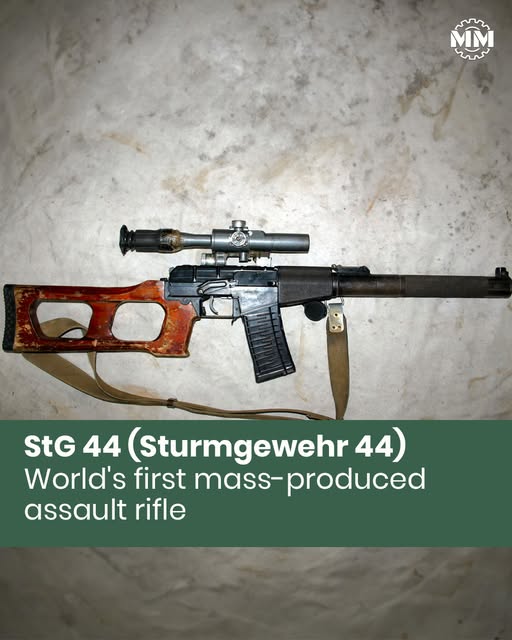
The VSS Vintorez is favored for covert missions, offering silent precision in urban and forested environments.
#VSSVintorez #CovertOperations #SilentPrecision #SuppressedRifle
4
10
1,119

Apr 17
The Secret US Tier One Unit Delta Force Operators Don’t Talk About:
Most people think Delta Force is the pinnacle of US special operations. They’re wrong.
Inside the US military, there exists a Tier One unit so classified, so secretive, that even Delta Force operators don’t openly discuss it. The unit goes by a codename. Orange TFO/ISA. And its operators specialize in something Delta doesn’t: espionage, intelligence gathering, and covert operations that blur the line between military and intelligence work.
A former US Tier One operator reveals what he was told before deploying: “If you want to be James Bond, that’s the place to go.”
While Delta Force is primarily composed of Green Berets trained in direct action raids and hostage rescue, this other unit operates in the shadows. They’re the ones conducting clandestine missions, intelligence collection, and black ops that never make the news.
This operator breaks down the difference between Delta and the classified unit he trained with and why most people will never know it exists.
Task Force Orange is more Green Beret’s bc they lean towards the intel side. GB’s already come in knowing a second or a third language. This is very helpful for the job description at TFO/ISA.
Rangers are slightly more 1 dimensional than the GB’s. 🧐
#DeltaForce #SpecialOperations #TierOne
#ClassifiedUnits #USMilitary #GreenBerets #Espionage #CovertOperations #JamesBond #SecretUnits
#MilitarySecrets #SpecialForces #VeteranStories #BlackOps
22
112
726
120,854

Apr 16
Full Ep: youtu.be/KKWxJcP29UQ
Padhaku Nitin के लेटेस्ट एपिसोड में सुनिए-देखिए-समझिए Surgical Strike से भी बड़ा ऑपरेशन, लेकिन सरकार ने आपसे क्यों छुपाया?
@SandeepUnnithan @thenitinnotes
.
.
.
.
#CovertOperations #OperationX #IndianArmy #IndianNavy #SpecialForcesIndia #RAW #ISI #CIA #KGB #Mossad #SpyStories #Espionage #SecretMissions #MilitarySecrets #IndiaDefense #Geopolitics #WorldAffairs #DefenseAnalysis #HiddenHistory #WarStories #IndiaPakistan #IntelligenceAgencies #SpyWorld #PodcastIndia #HindiPodcast #DefensePodcast #HistoryUncovered #DarkSecrets #NationalSecurity #StrategicAffairs
1
2
310

Apr 15
ANALYSIS
Pakistan’s paradox: Peace abroad, repression at home
Writer: Nilantha ILangamuwa
Click- dailypioneer.com/news/pakist…
#Pakistan #NationalSecurity #HumanRights #Geopolitics #Balochistan #Afghanistan #IranPakistan #StateViolence #CivilianLives #PeaceAndConflict #MilitaryPolitics #SouthAsia #GlobalPolitics #StrategicInterests #WarAndPeace #ConflictZones #HumanRightsAbuse #Diplomacy #CovertOperations #PoliticalRepression #ImranKhan #SaddamHussein #NawazSharif #BenazirBhutto #HenryKissinger
2
86

Apr 14
ଚୀନର ରହସ୍ୟମୟ ଗୁପ୍ତଚର ସଂସ୍ଥା ‘MSS’, କେମିତି ହୁଏ ଜାସୁସ୍ଙ୍କ ନିଯୁକ୍ତି ? prameya.com/china-ministry-o…
#MSS #ChinaIntelligence #Espionage #NationalSecurity #SpyNetwork #CyberWarfare #IntelligenceAgency #GlobalSecurity #Recruitment #SecretService #Geopolitics #ChinaNews #IntelligenceCommunity #CovertOperations #MSSRecruitment #prameyadigital #prameyaodia
47

IDF claims it killed Iran’s intelligence minister Esmaeil Khatib in a Tehran strike, accusing him of leading global covert operations and suppressing protests, including during the Mahsa Amini unrest.
#IDF #Iran #TehranStrike #MiddleEastTensions #Geopolitics #BreakingNews #IntelligenceWar #CovertOperations #MahsaAmini #GlobalSecurity #aigenerated
PS : This is an AI generated video for illustration purposes
1
2
123