
5 Dec 2025
2 HDRI lighting render styles in the Radeon ProRender,
#gameart #art #d #digitalart #game #gamedev #gaming #videogames #gamedesign #games #conceptart #fanart #gamedevelopment #indiegame #dart #unity #blender #characterart #3dcg #3dart #Realm_Mercenary #RxM

2
314

21 Sep 2025
Render Engine Comparison using one of Folly's renders
Corona vs Physical vs ProRender



4
10
93
1,242

8 Sep 2025
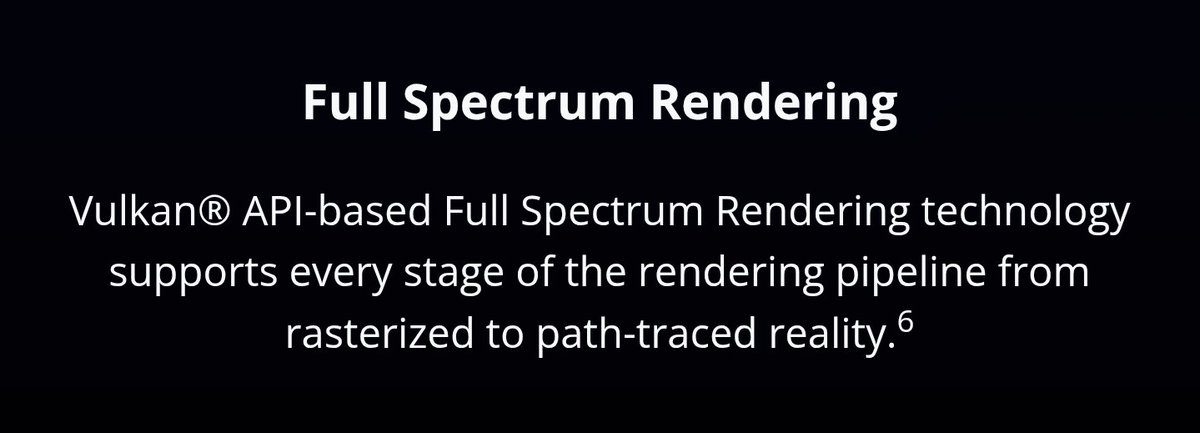
That's why I was recommending ProRender, it has the ability to use rasterized workflows like Marmoset and EEVEE instead of being a full-on path tracer.
1
36

6 Sep 2025
The clock, made with cinema 4d r20 and ProRender
#cinema4d #3drender #render3d #3d #3dartist #3drendering #3dmodeling #c4d #digitalart #cg #cgiart #rendering #3dmodel #rendering3d #modeling #graphicdesign #clock
2
154
2 Sep 2025
Bubble man, 3d picture made with #zbrush, render with cinéma 4d r20 and ProRender
My 3D pictures Web Site: 3d.ampprod.fr
#cinema4d #3drender #render3d #3d #3dartist #3drendering #3dmodeling #c4d #digitalart #cg #cgiart #rendering #3dmodel #rendering3d #modeling

5
136
30 Aug 2025
Bubble Monkey, 3d picture made with cinéma 4d r20 and ProRender
My 3D pictures Web Site: 3d.ampprod.fr
#cinema4d #3drender #render3d #3d #3dartist #3drendering #3dmodeling #c4d #digitalart #cg #cgiart #rendering #3dmodel #rendering3d #modeling #graphicdesign #monkey

2
188
31 Jul 2025
🇬🇧 Vintage clock modeled in 3D with Cinema 4D R20 and ProRender. A digital rendering of time's passage — between decay and timelessness.
🌐 3d.ampprod.fr
#cinema4d #3drender #render3d #3d #3dartist #3drendering #3dmodeling #c4d #digitalart #cg #cgiart #rendering



2
3
96
26 Jul 2025
Red Phone, final version, made with cinema 4d r20 and ProRender
Prints of my 3D pictures for sale: FineArt: gerald-ligonnet.pixels.com/c…
RedBubble : redbubble.com/fr/people/kelt…
#cinema4d #3drender #render3d #3d #3dartist #3drendering #3dmodeling #c4d #digitalart #cg #cgiart #rendering



1
5
158
25 Jul 2025
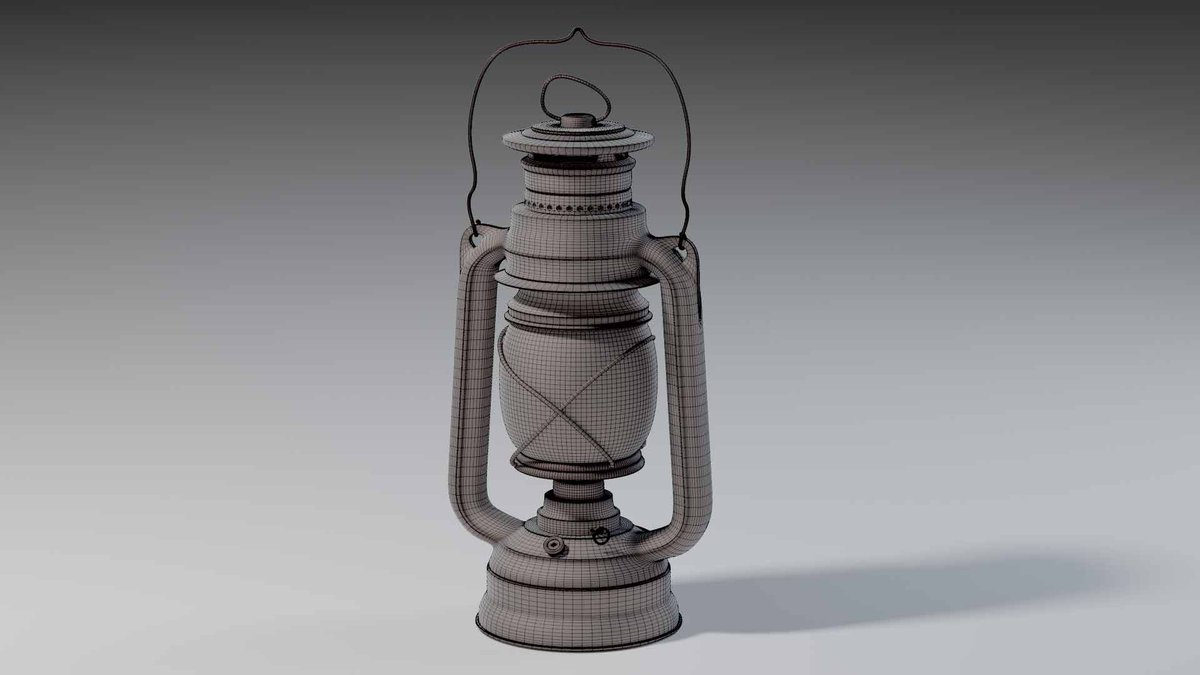
WIP, Oil lamp, made with cinema 4d r20
#wip #3d #3drender #3drendering #prorender #modeling #digitalart #3dart #c4d
2
131
23 Jul 2025
Red Phone, made with cinema 4d r20 and ProRender
Prints of my 3D pictures for sale: FineArt: gerald-ligonnet.pixels.com/c…
RedBubble : redbubble.com/fr/people/kelt…
#cinema4d #3drender #render3d #3d #3dartist #3drendering #3dmodeling #c4d #digitalart #cg #cgiart #rendering #3dmodel



1
4
212
12 Jul 2025
South America, 3d picture made with cinéma 4d r20 and ProRender
Prints of my 3D pictures for sale: FineArt: gerald-ligonnet.pixels.com/c…
RedBubble : redbubble.com/fr/people/kelt…
#cinema4d #3drender #render3d #3d #3dartist #3drendering #3dmodeling #c4d #digitalart #cg #cgiart #rendering

3
2
142

15 Jun 2025
16
357


6 May 2025
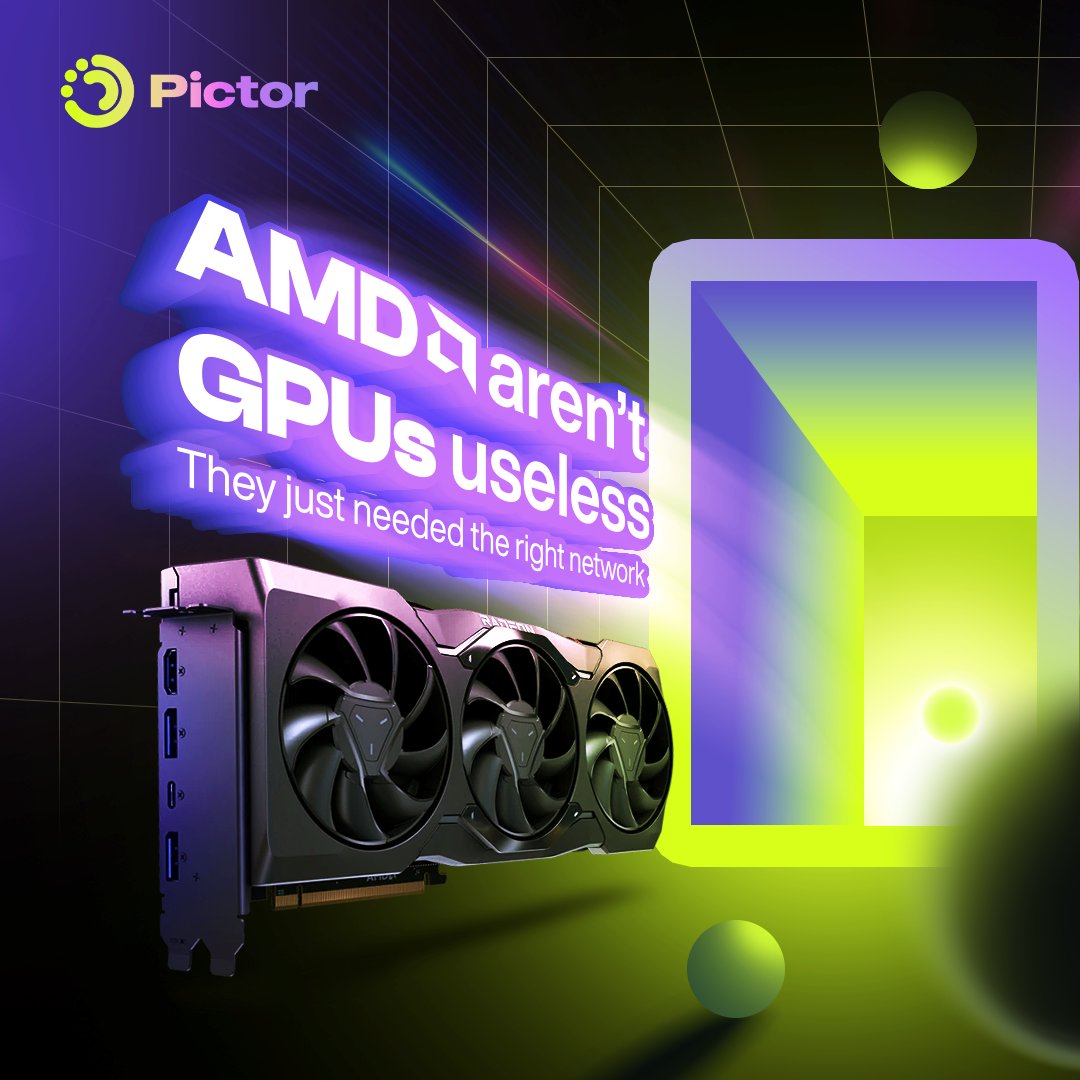
🟥 𝗔𝗠𝗗 𝗚𝗣𝗨𝘀 𝗔𝗿𝗲𝗻’𝘁 𝗨𝘀𝗲𝗹𝗲𝘀𝘀. 𝗧𝗵𝗲𝘆 𝗝𝘂𝘀𝘁 𝗡𝗲𝗲𝗱𝗲𝗱 𝘁𝗵𝗲 𝗥𝗶𝗴𝗵𝘁 𝗡𝗲𝘁𝘄𝗼𝗿𝗸.
For years, AMD users got told the same thing:
❌ “You can’t render with that.”
❌ “Get another card.”
❌ “It’s not industry standard.”
But here’s the truth: 𝗔𝗠𝗗 𝗚𝗣𝗨𝘀 can render. And they’re getting better, faster.
✅ 𝗕𝗹𝗲𝗻𝗱𝗲𝗿 (𝗖𝘆𝗰𝗹𝗲𝘀 𝗛𝗜𝗣 𝘀𝘂𝗽𝗽𝗼𝗿𝘁)
✅ 𝗖𝗶𝗻𝗲𝗺𝗮 𝟰𝗗 (𝗥𝗲𝗱𝘀𝗵𝗶𝗳𝘁 𝗛𝗜𝗣)
✅ 𝗨𝗻𝗿𝗲𝗮𝗹 𝗘𝗻𝗴𝗶𝗻𝗲
✅ 𝗥𝗮𝗱𝗲𝗼𝗻 𝗣𝗿𝗼𝗥𝗲𝗻𝗱𝗲𝗿
💥 And now, with 𝗣𝗶𝗰𝘁𝗼𝗿 𝗡𝗲𝘁𝘄𝗼𝗿𝗸, they’ve finally got a home.
We support AMD GPUs in our decentralized render layer because 𝙘𝙤𝙢𝙥𝙪𝙩𝙚 𝙨𝙝𝙤𝙪𝙡𝙙𝙣’𝙩 𝙗𝙚 𝙚𝙭𝙘𝙡𝙪𝙨𝙞𝙫𝙚.
If it can render, it can earn. Simple as that.
♻️ Calling all Red Teamers: don’t let your AMD GPUs sit idle. Plug in to Pictor Network.
#Pictor #PictorNetwork #AMDGPU #DePIN #AMDGPUforRendering
2
2
6
491

16 Apr 2025
昨今のGPU情勢を加味すると、真面目にRADEON環境で安定したクオリティと速さ、手軽さを兼ね備えたライトマッパーが欲しくなる
UEの方はRADEON ProRenderがあるけど、ぶいちゃ民には関係ない話なので……
2
154

31 Mar 2025
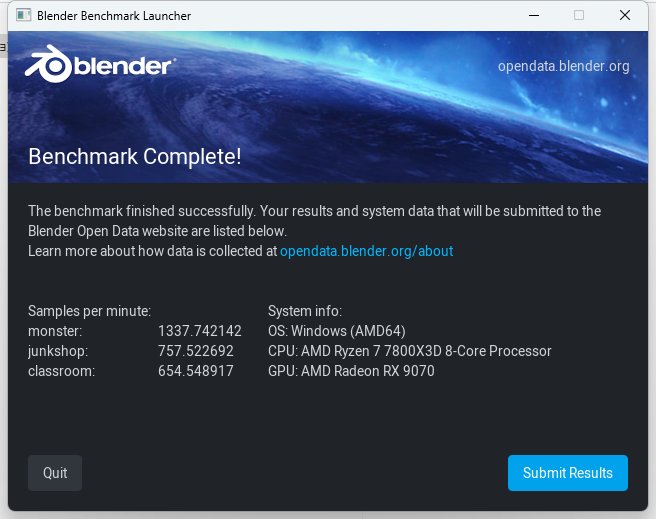
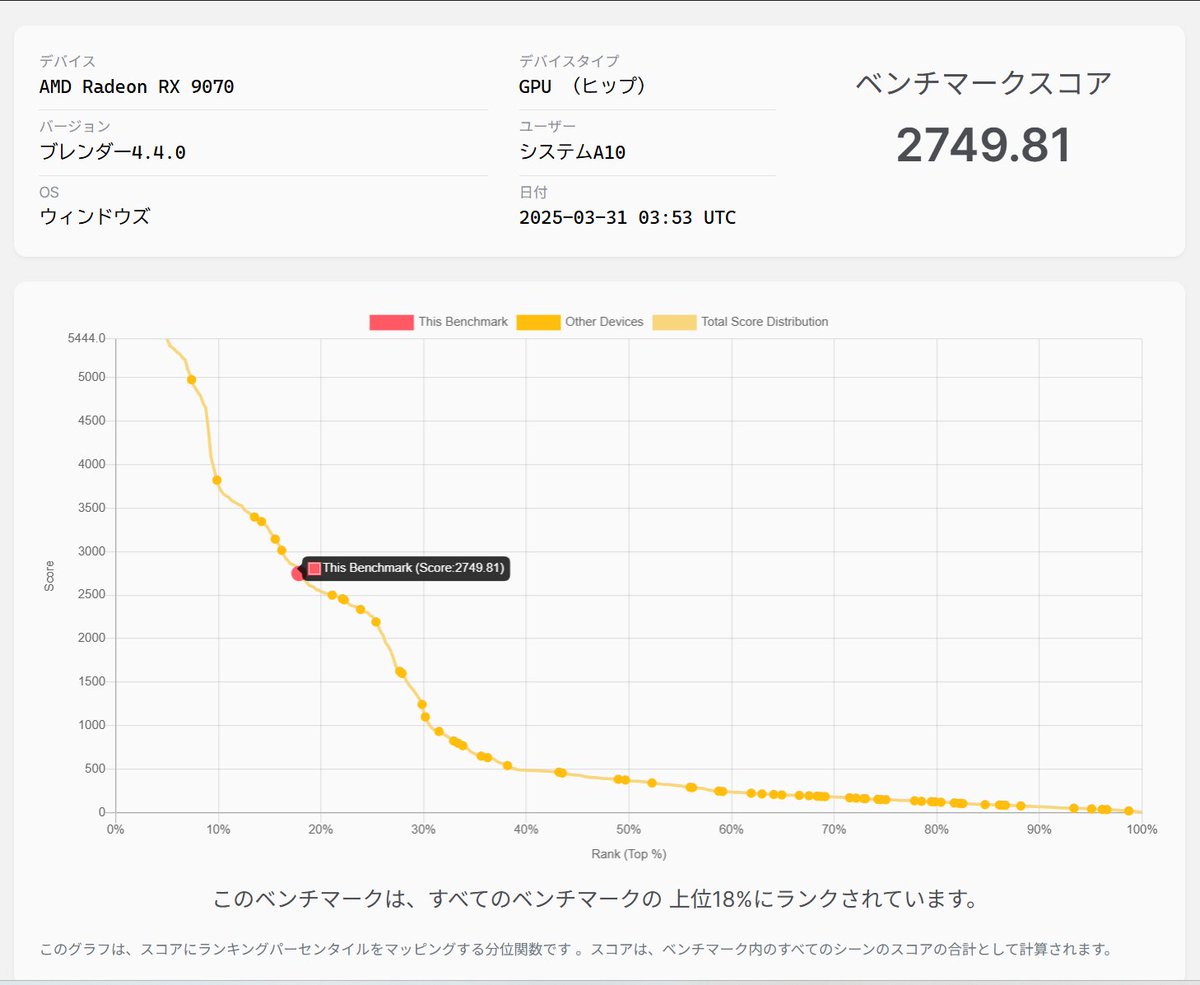
ゲーミングではサイコーなRadeon RX9070だが、クリエイティブ系の性能...特に3DCGのレンダリング性能は同価格帯の5070にかなり劣る。
Blender Benchmarkで比較すると、9070はスコア2700程度だった。RTX5070は所有していないが、スコア6000程度出るらしい。
※ちなみにRTX5080は電力制限かけてもスコア8800くらい出てる。
CINEBENCH 2024もGPUレンダリングの性能を測れるのだが、RX9070は未対応で測定不能だった。
CGのレンダリング用途ならGeForceのほうが費用対効果が高い。同価格帯の5070と比べるなら2.2倍くらい。
あとは、BlenderのプラグインレンダラーでRadeon ProRenderというのがあるから、いずれ使ってみたいと思う。
1
2
3,231

24 Jan 2025
AMD has been providing production support for the TV anime: “Blue Box” / #アオのハコ
AMD Radeon ProRender with #Houdini is being used for the CGI.
🔗 Houdini RPR plugin: github.com/GPUOpen-Libraries…
🔗 Learn more about Radeon #ProRender on GPUOpen: gpuopen.com/radeon-pro-rende…

ALT Promotional image for Blue Box / アオのハコ Blue Box Telecom Animation Film Co.,Ltd. © Kouji Miura/SHUEISHA, Blue Box Film Partners, 2024
35
85
10,520
12 Jan 2025
Also by upgrading my GPU (from an RX 470 to an RTX 2080), the ProRender render engine for Cinema 4D no longer works for me so, I'll see what can I do for rendering
1
67

11 Jan 2025
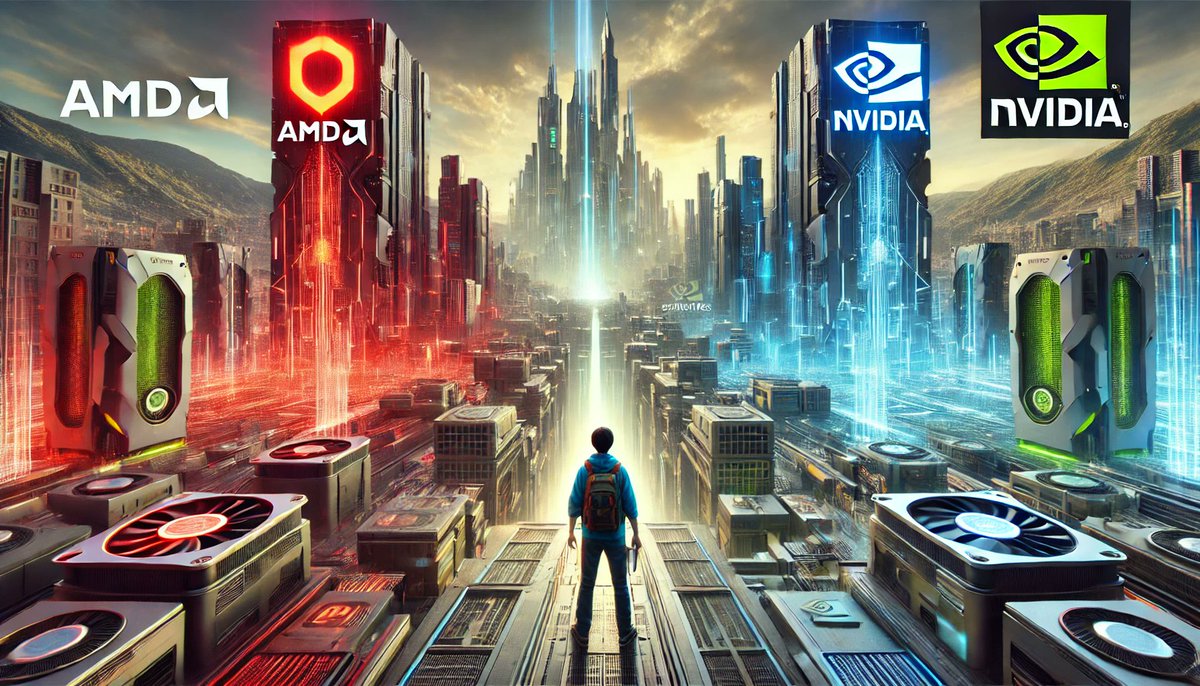
@LisaSu Hi again Lisa. This one is about educational process improvement opportunities.
It can be a significant challenge when a student learns one platform (AMD, in this case) during high school and university, only to enter a workplace where they need to work with a different platform, such as NVIDIA.
Here's a breakdown of why this is a problem and what can be done about it:
Why It's a Problem
Ecosystem Lock-In: Both AMD and NVIDIA have their unique ecosystems (e.g., AMD's ROCm vs. NVIDIA's CUDA). Mastering one doesn’t automatically translate to proficiency in the other.
For instance, if a student is proficient in AMD's ROCm but encounters NVIDIA's CUDA in the workplace, they face a steep learning curve.
Specialized Knowledge: Many software tools, APIs, and frameworks are vendor-specific (e.g., TensorRT for NVIDIA or AMD’s Radeon ProRender).
Without prior exposure, transitioning between platforms requires significant time and effort.
Lack of Industry Standards: Unlike standardized programming languages, AMD and NVIDIA ecosystems lack full interoperability. A student may have to relearn the fundamentals of GPU programming, optimizations, or system setup.
Workplace Expectations: Employers typically expect new hires to be job-ready. If the tools and platforms differ from what was taught in academia, on-boarding becomes more complex and costly.
Missed Opportunities: Students trained on one ecosystem may miss opportunities or feel less confident in roles requiring expertise in the other.
Possible Solutions
For Educational Institutions:
Teach Cross-Platform Skills: Focus on open standards like OpenCL, SYCL, and Vulkan, which work across both AMD and NVIDIA platforms. These frameworks offer transferable skills.
Provide exposure to both AMD and NVIDIA ecosystems through balanced curricula.
Dual-Lab Environments: Equip labs with both AMD and NVIDIA hardware. This gives students hands-on experience with both ecosystems, preparing them for real-world scenarios.
Industry Partnerships: Collaborate with AMD and NVIDIA to provide training resources, certifications, or workshops that expose students to both ecosystems.
Promote Modular Thinking: Emphasize modular, adaptable code practices that allow students to switch between ecosystems more easily.
For Students:
Self-Learning: Take initiative to learn the basics of both ecosystems. NVIDIA offers CUDA training, and AMD provides ROCm resources. Familiarity with both will make transitioning easier.
Focus on Open Standards: Learn frameworks like OpenCL or Vulkan, which offer cross-platform compatibility.
Certifications: Earn certifications from both NVIDIA and AMD to demonstrate versatility to employers.
For Employers:
Provide Training: Offer on-boarding programs to train new hires on the platform used within the company.
Encourage cross-training between AMD and NVIDIA systems for existing staff.
Adopt Open Standards: Use open standards when possible to reduce vendor lock-in and simplify training for new hires.
Conclusion
The lack of cross-platform standardization creates challenges for students transitioning into workplaces with different systems.
To address this, educators, students, and employers must collaborate to ensure exposure to both ecosystems and focus on teaching transferable skills through open standards.
Bridging this gap would not only reduce on-boarding challenges but also empower students to succeed regardless of the platform they encounter in their careers.
Doesn't the future look beautiful with AMD & NVIDIA?
1
141

24 Dec 2024
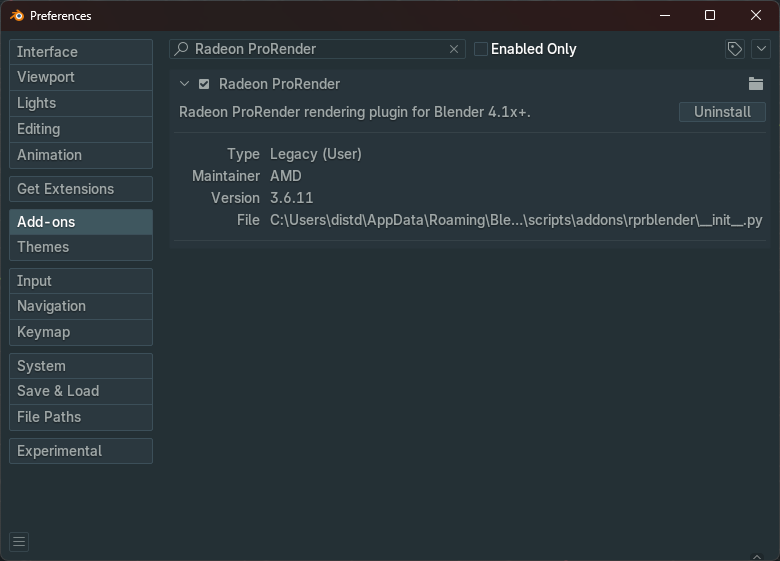
I JUST FOUND OUT PRORENDER GOT RELEASED FOR BLENDER 4.3???????
I WANT TO CRY WITH JOY
1
3
192