Grazyna retweeted

Strasznie leje was Prezydent po tych zdradzieckich politycznych mordach...
Ale to łatwe bo ma do czynienia z prostacką anty🇵🇱 hołotą na usługach🇩🇪...
Ps,no i z, 🙃

1
4
16
106


Apr 19
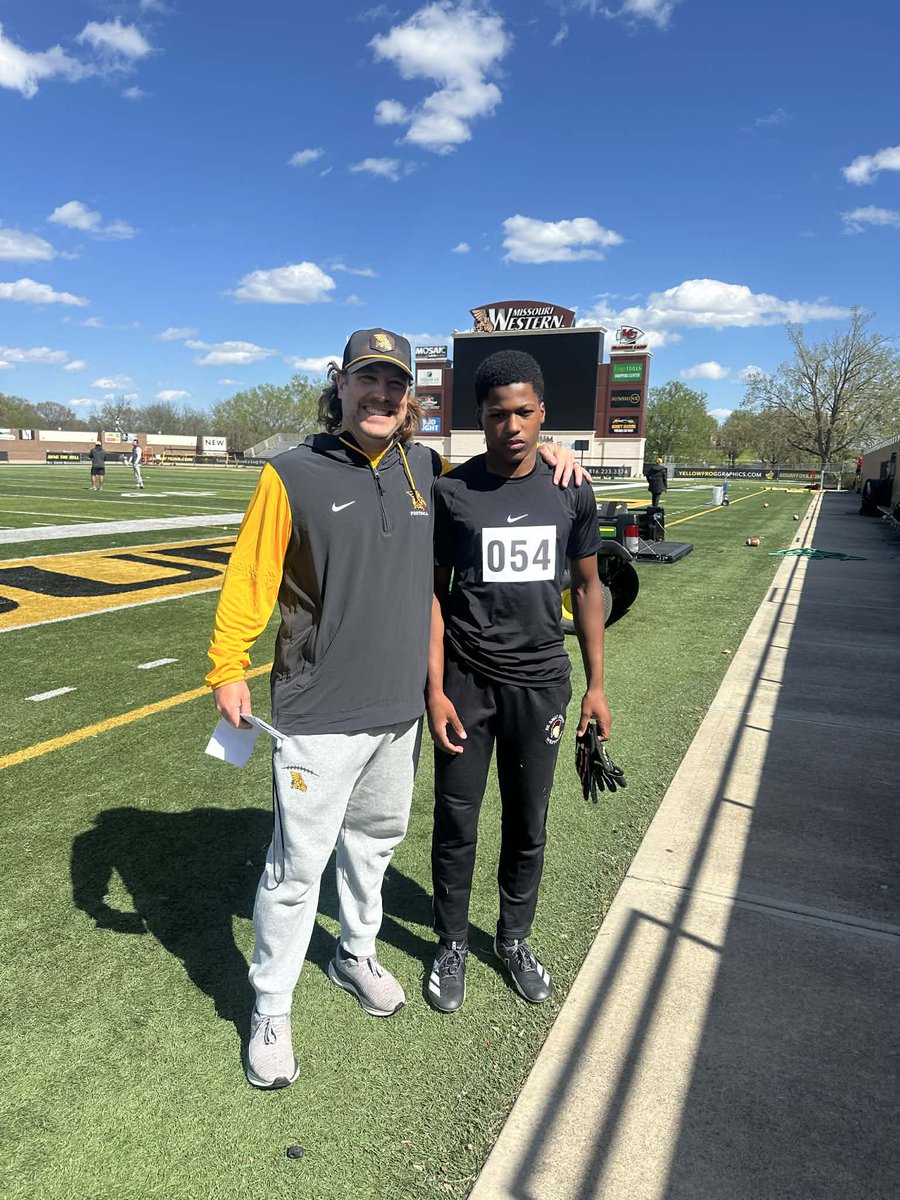
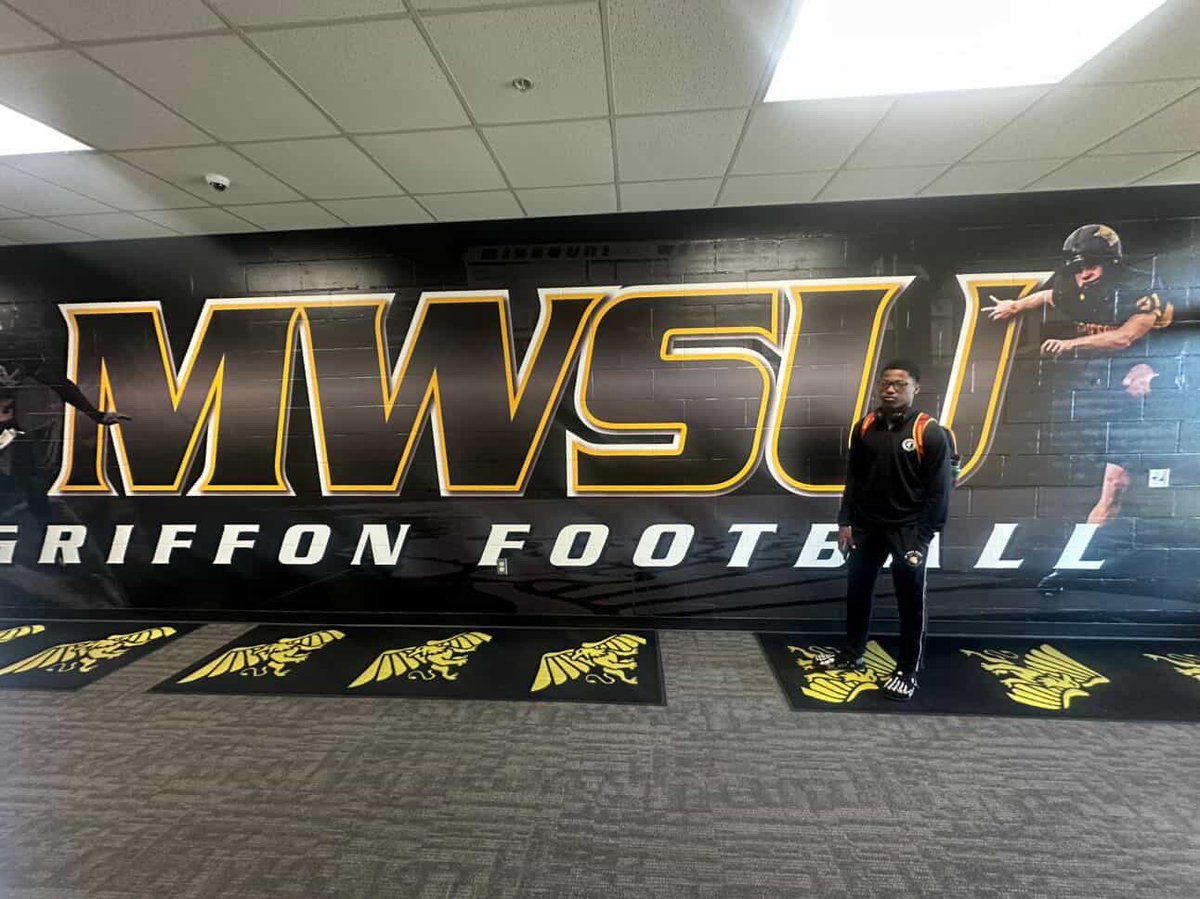
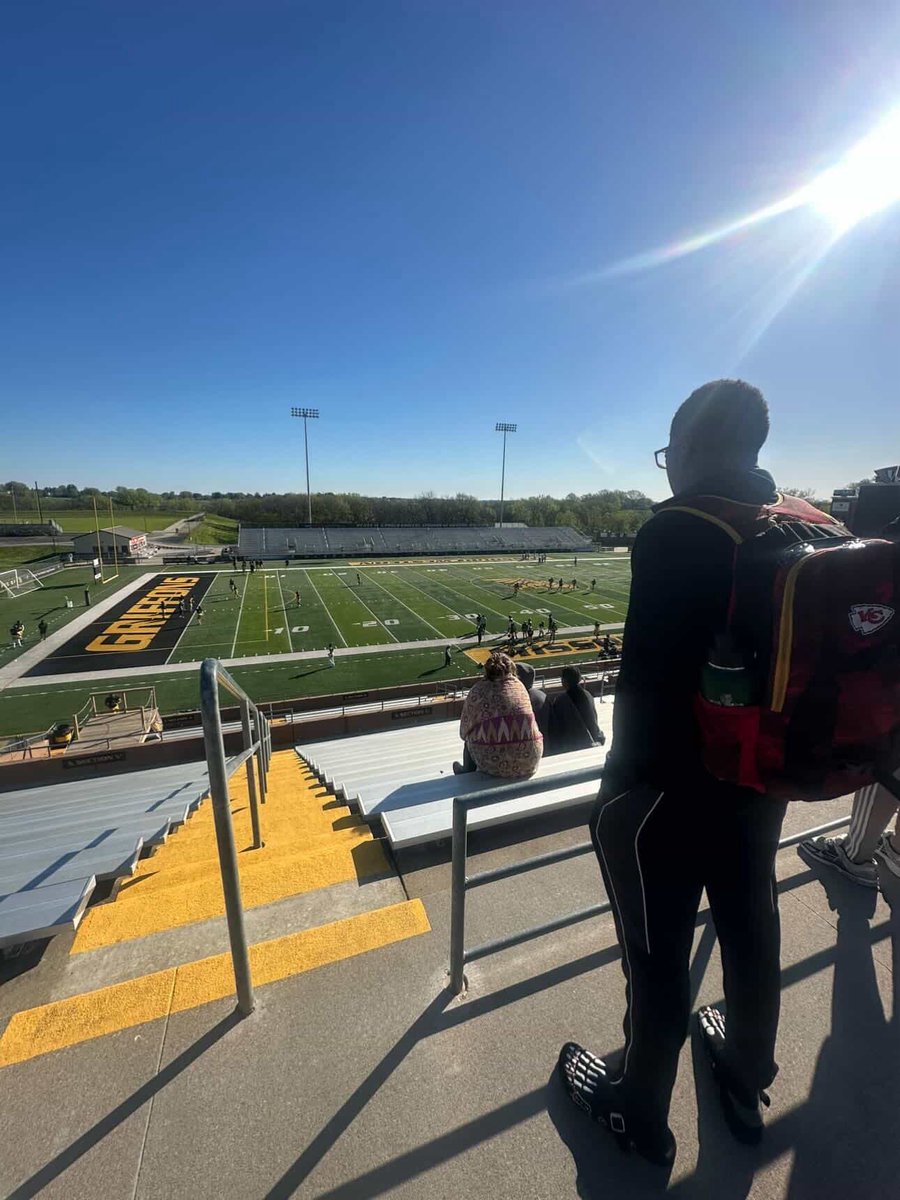
Big S/O to @StlJaymoney for stepping into his first prospect camp at @MWSUGriffons
What I love most is this: none of this is luck. This is the product of months of quiet work, early mornings, late nights, and choosing discipline when nobody was watching. I’ve watched him grow, lock in, and attack every rep with purpose and today you saw the results of his commitment.
My role is simple: guide, teach, and prepare. But he’s the one who has to show up, stand on that line, and prove it. And he did exactly that. First impressions matter, and he walked in ready to handle business like a young man who knows who he is and where he’s going.
Proud of you, Jay. This is just the beginning. Keep stacking.
#BelieveYourProcess #GrindHard #NextLevelWork #ProStack #ScholarAthlete
1
5
296

26 Nov 2025
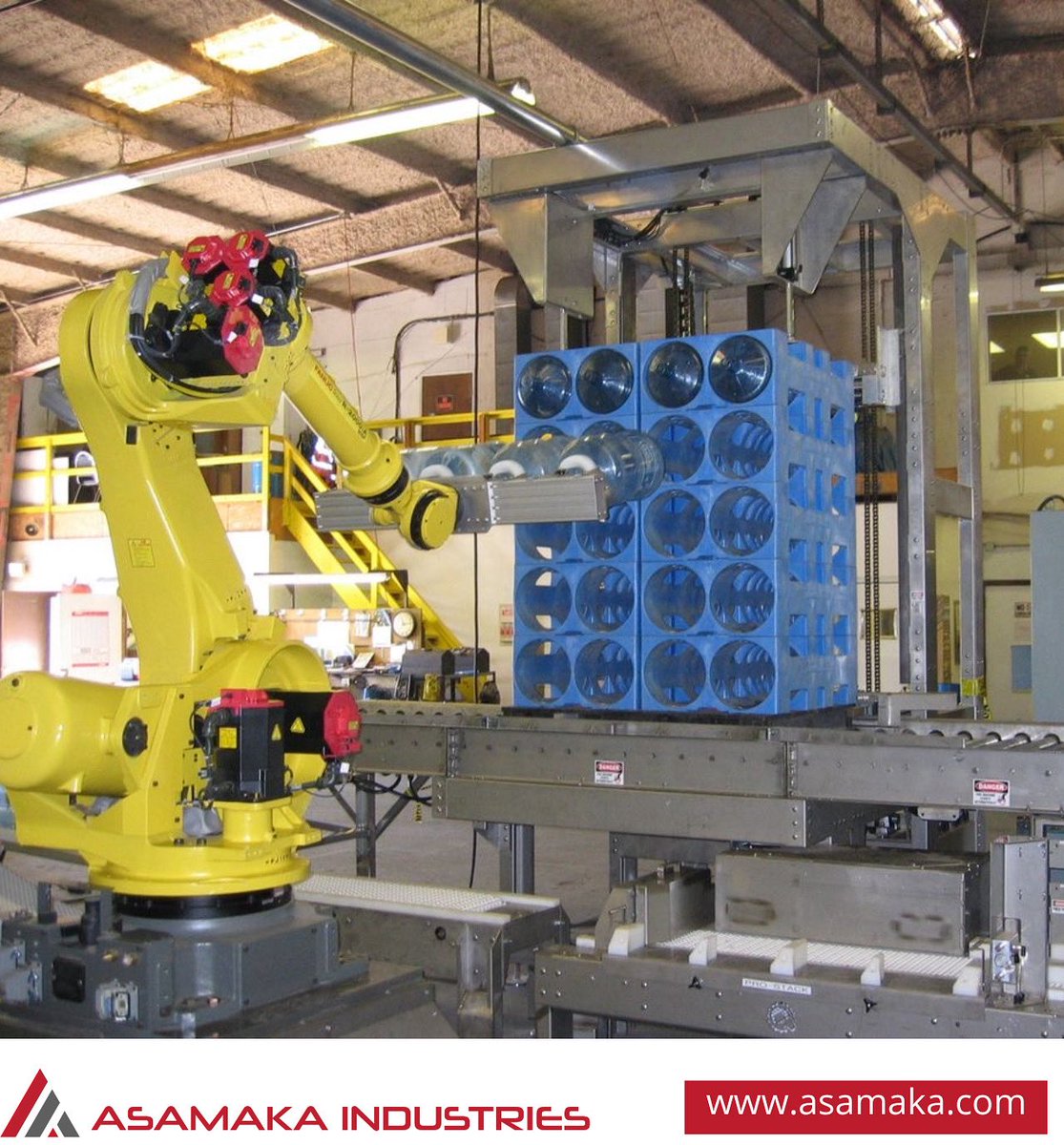
Automated robotic loading into a ProStack system — precise, organized, and damage-free. 🚀
Boost efficiency with seamless placement, faster cycle times, smarter stacking, and zero human error.⚙️
#RoboticLoading #ProStackAutomation #SmartPackaging #IndustrialEfficiency #Precision
1
2
59

13 Apr 2025
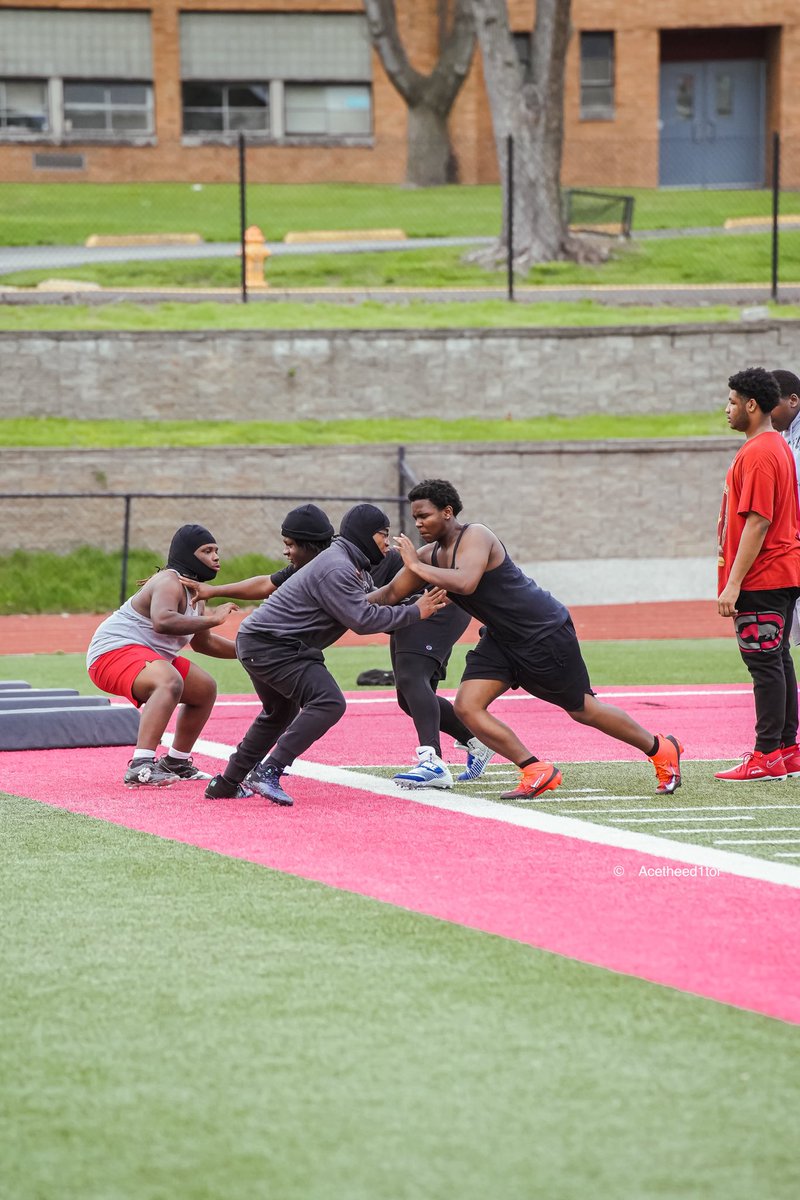
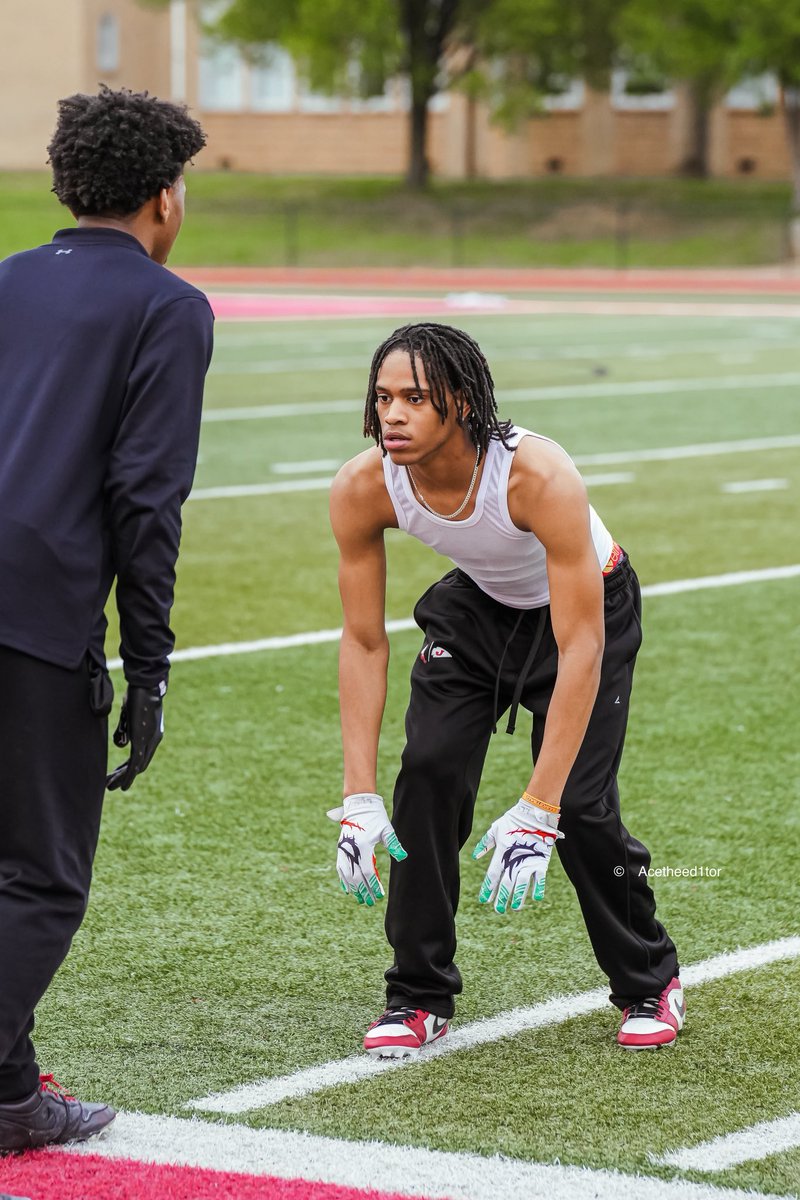
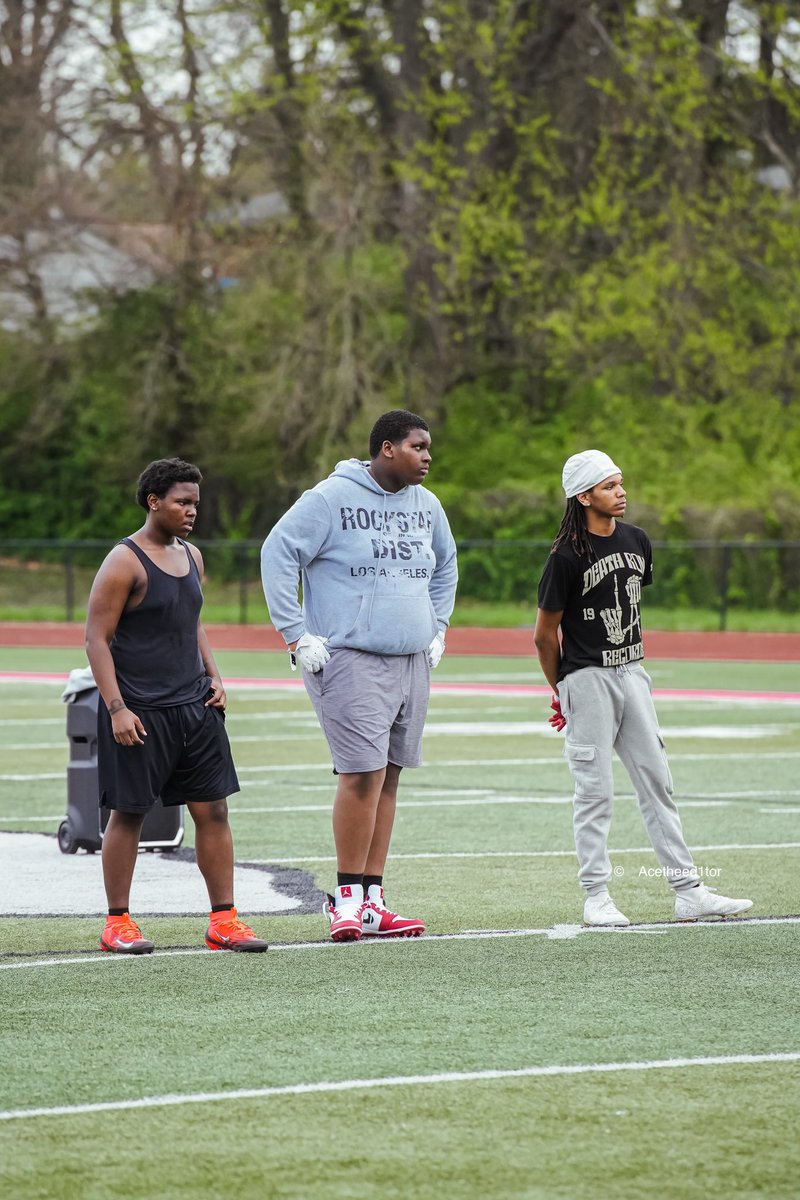
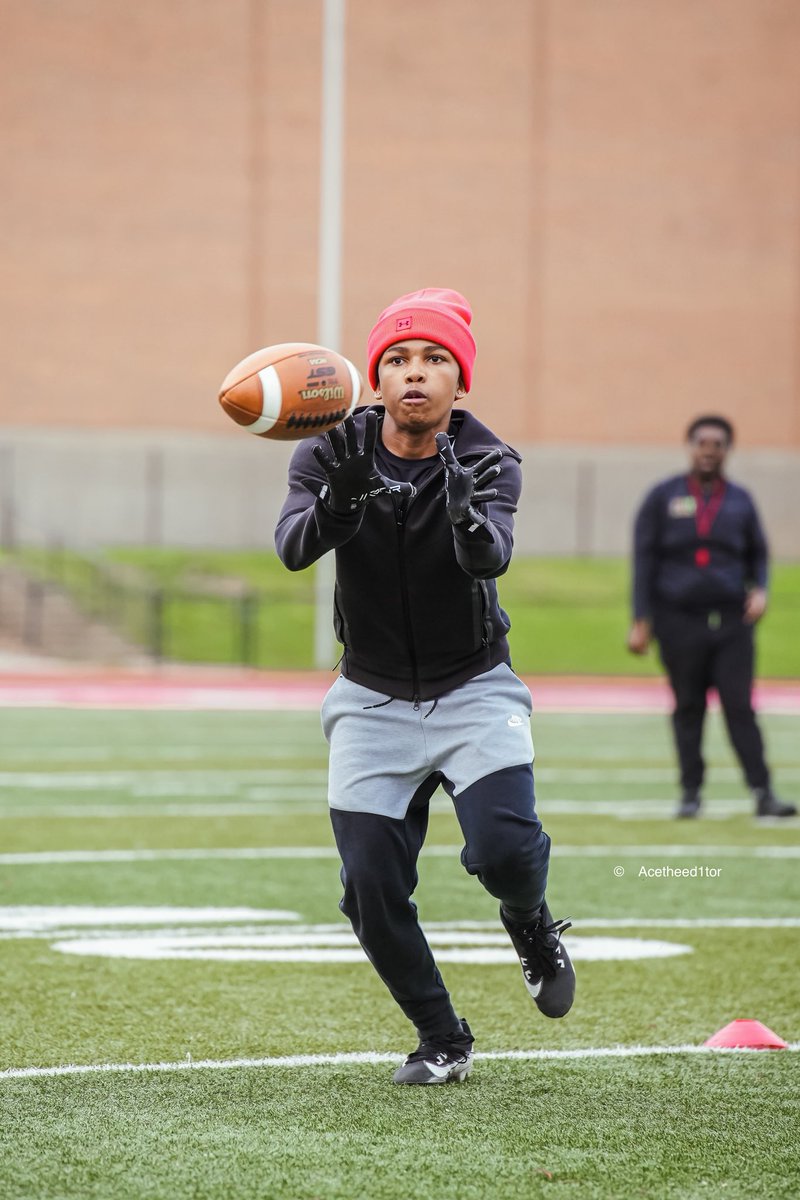
SPRING BALL 🧾
1% better every day, we STACKING GOOD DAYS IN THE J!
#BelieveYourProcess
#WarriorDNA
#ProStack
2
9
545
21 Jan 2025
Training athletes in different planes of motion is crucial for developing well-rounded, versatile, and injury-resistant players. This type of training ensures that your children are prepared for the diverse range of movements they will encounter on the field. Here are the three primary planes of motion:
1. Sagittal Plane: This plane divides the body into left and right halves and involves movements like running, squatting, and jumping. Exercises in this plane include squats, lunges, and deadlifts. These movements help athletes build strength, power, and speed.
2. Frontal Plane: This plane divides the body into front and back halves and involves side-to-side movements like shuffling, lateral lunges, and side planks. Training in this plane improves an athlete’s agility, balance, and ability to change direction quickly.
3. Transverse Plane: This plane divides the body into upper and lower halves and involves rotational movements like twisting, swinging, and pivoting. Exercises in this plane include rotational med ball throws, Russian twists, and pivot lunges. These movements enhance an athlete’s core stability, coordination, and ability to generate power through rotation.
You gotta make sure to incorporate exercises from all three planes of motion into their training regimen, athletes develop a balanced musculature, improve their performance, and reduce the risk of injuries. This approach ensures that they are well-prepared to handle the dynamic and unpredictable nature of sports.
Training in different planes of motion is essential for building a strong foundation, enhancing overall athleticism, and keeping student-athletes healthy and competitive. 💪🏽
#GrindTip
#BelieveYourProcess
#ProStack
#GETMEANWITHGREEN #StrengthCoach #weightroom #trainerlife #liftingtips
1
5
462

4 Sep 2024
What a great way to brighten the day with a sparkling version of our ProStack logo! ✨
Huge thanks to @OBrienMediaUK for the surprise package of goodies!

1
1
4
147

6 Aug 2024
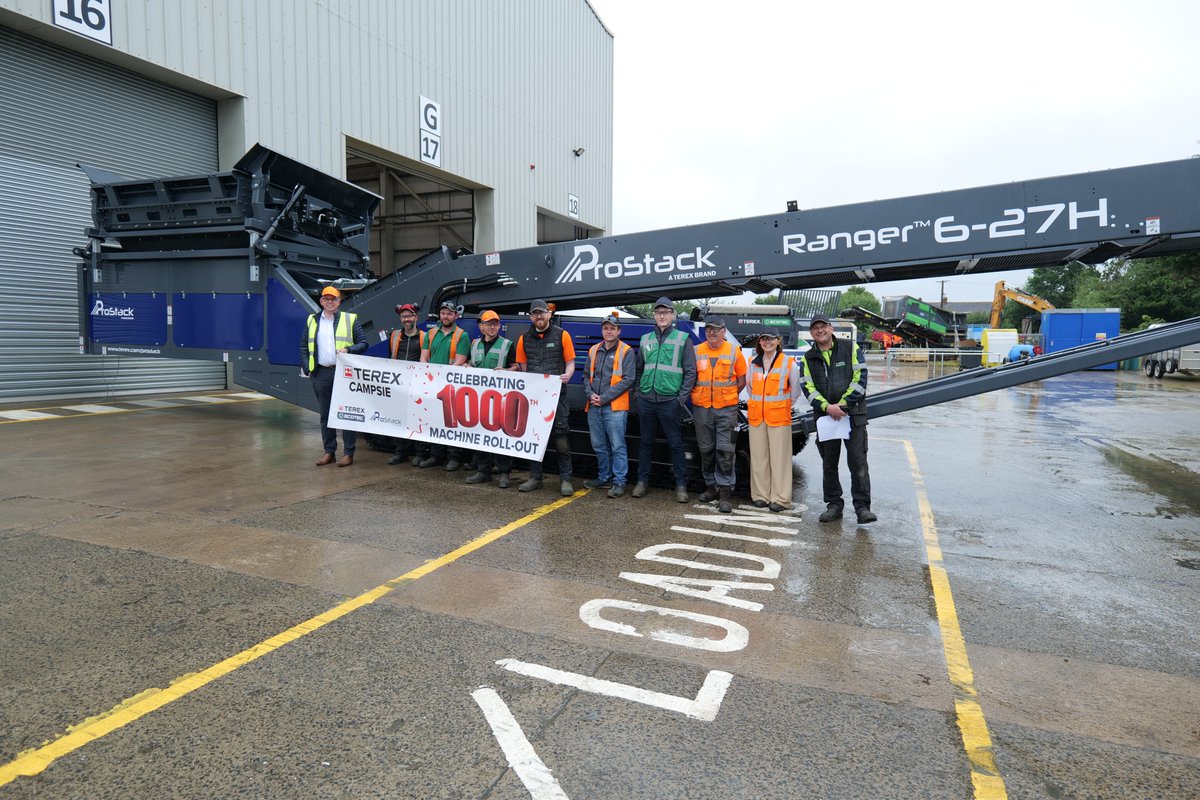
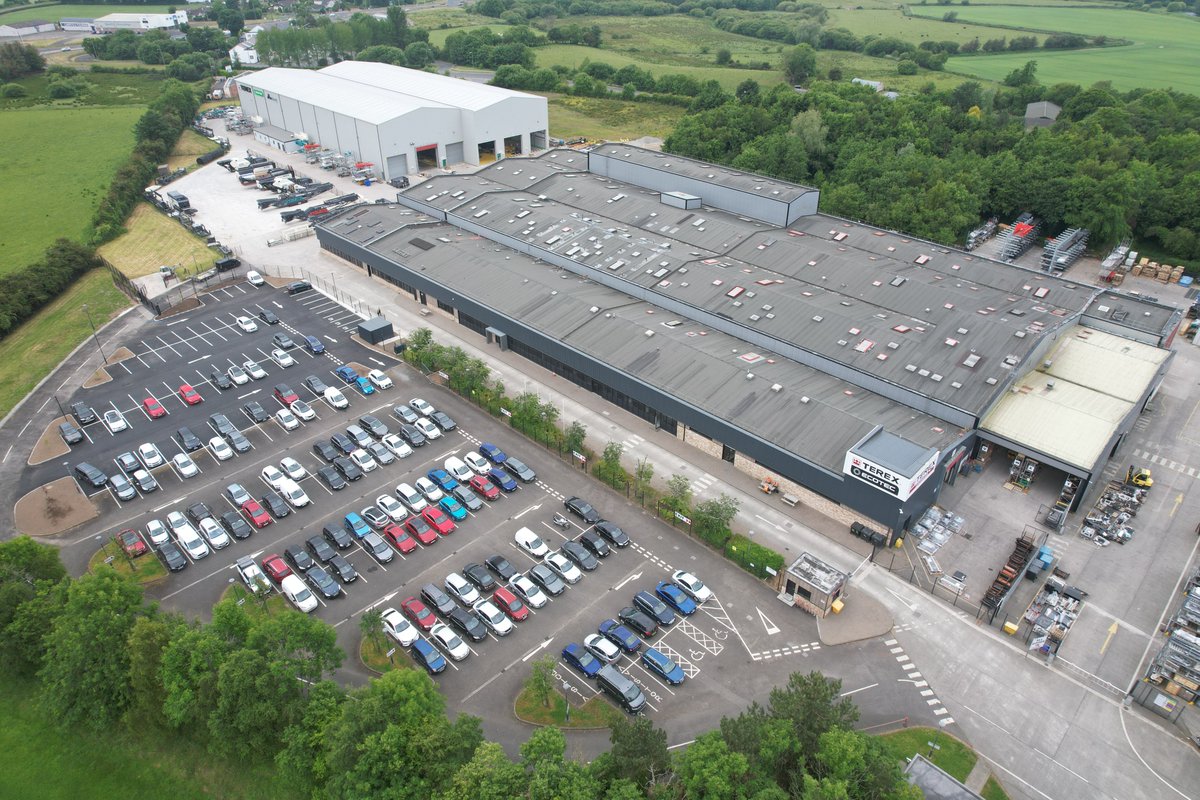
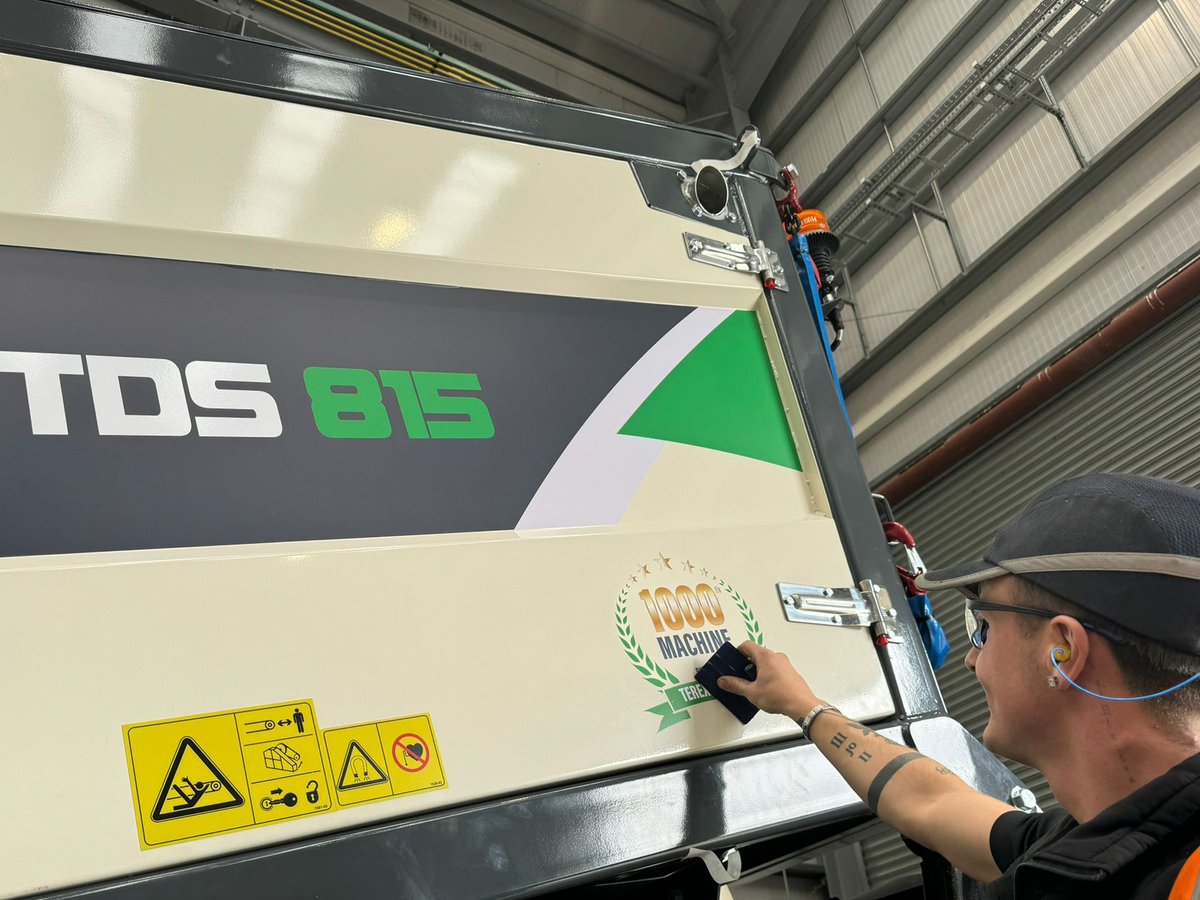
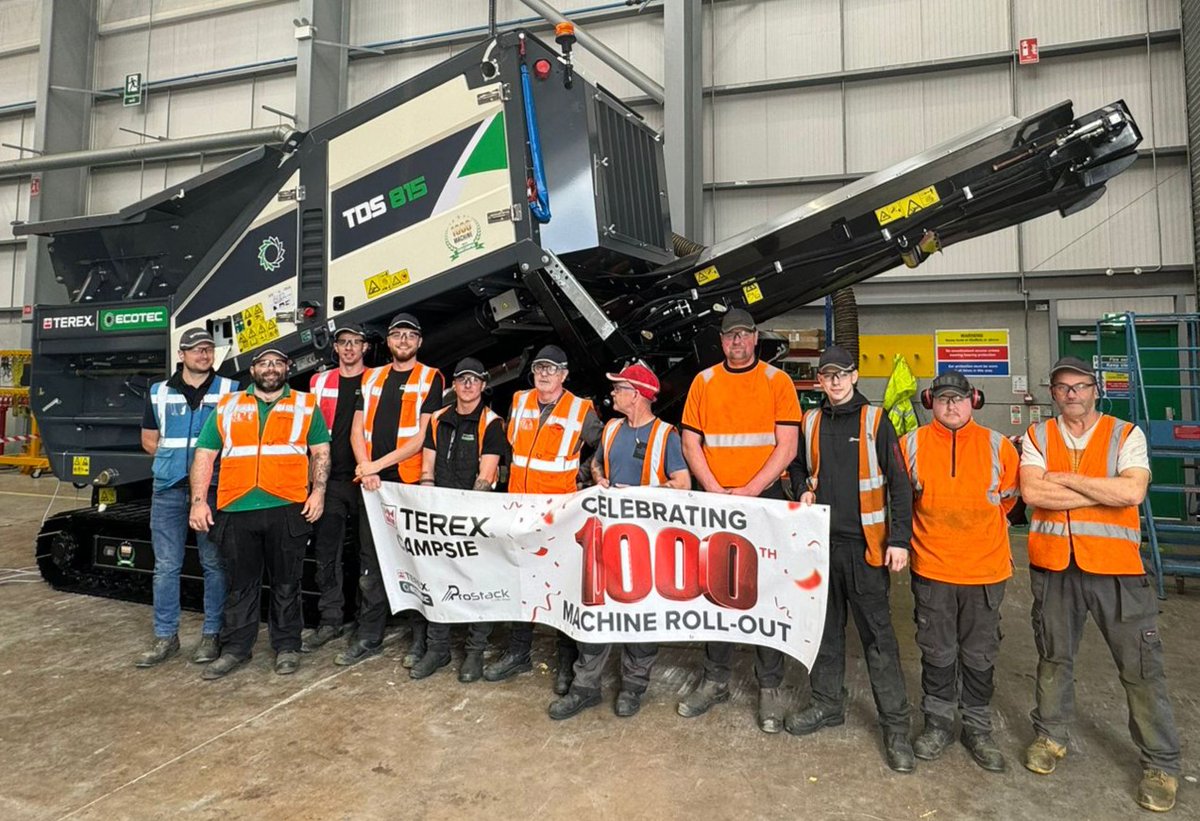
Congratulations to Terex Campsie (Northern Ireland) - the @TerexEcotec & #ProStack® manufacturing facility has proudly produced its 1000th machine.
Congratulations to the team for this important milestone, which clearly reflects their hard work and commitment.
#Innovation
5
522

25 Jan 2024
New aggregate #equipment and technology options come from @binmasterusa, @CaterpillarInc, @Chevron, Kleemann (@WirtgenGroup), ProStack and @TerexMPS. Check out what these companies have to offer. (Photo: Prostack) #aggregates pitandquarry.com/development…
3
120

4 Apr 2023
ProStack – a manufacturer of bulk material handling, product stockpiling and conveying equipment – announced Evergreen Tractor as its new authorized distributor for Washington, Idaho, Oregon and Alaska.
More: ow.ly/uvct50NA7yF
1
80
23 Dec 2022
On behalf of the team at ProStack Hosting, we hope you have a very Merry Christmas, and we look forward to a prosperous 2023 with you all! 🎄

1
5
204

18 Nov 2022
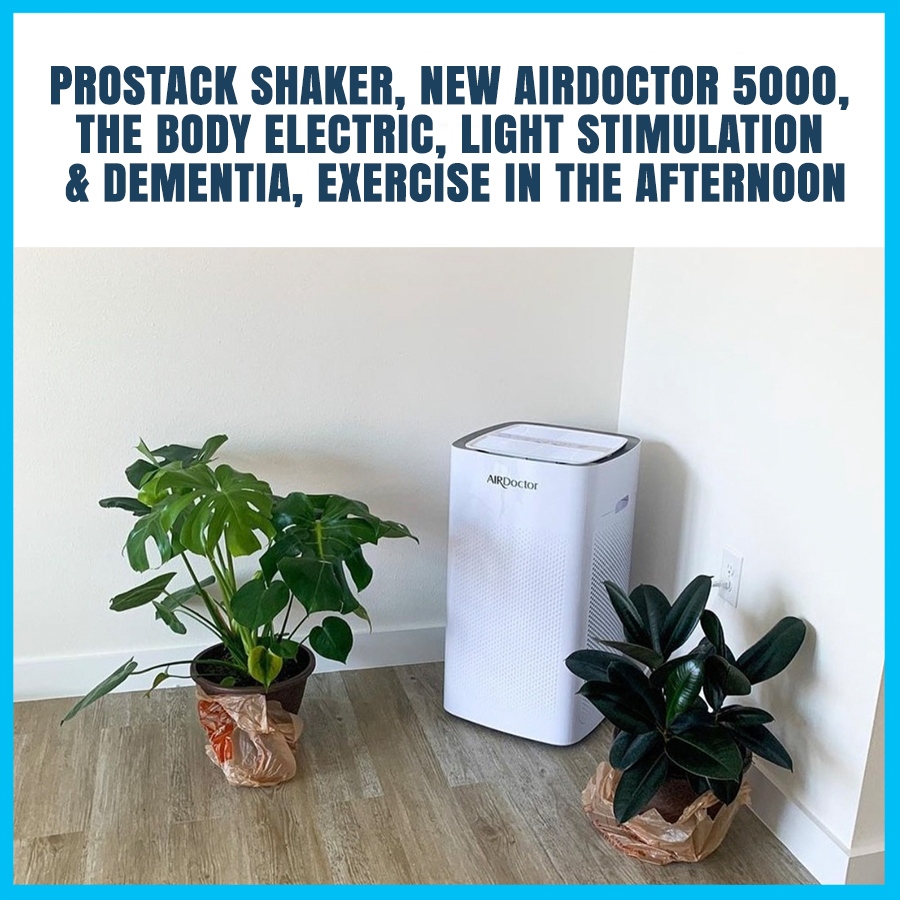
Welcome back to this week’s #FridayReview #CabralConcept 2478! I’m looking forward to reviewing: Prostack Shaker, New #AirDoctor 5000, The Body Electric, Light Stimulation & #Dementia, #Exercise in the Afternoon - Enjoy the show & comment below!
StephenCabral.com/2478
2


26 May 2022
Glad to share that our team Pragma was chosen as a finalist team of #hackneoG, there were 9/34 finalist teams in total.
So, happy to get our ProStack reviewed by none other than @ch_akanksha @VikramSanthalia @squiroid
Our Cool Team: @meghana__sk @sinchana_ms @thegeorgenikhil

Team 2: Team Pragma
Presenting ProStack based on the theme community.
Team coming in strong with their prototype!😎
#hackneoG #hackathon
#neogcamp

2
2
24