
12 Sep 2025
🚀 Vibe Coding: Code with Prompts, Not Syntax
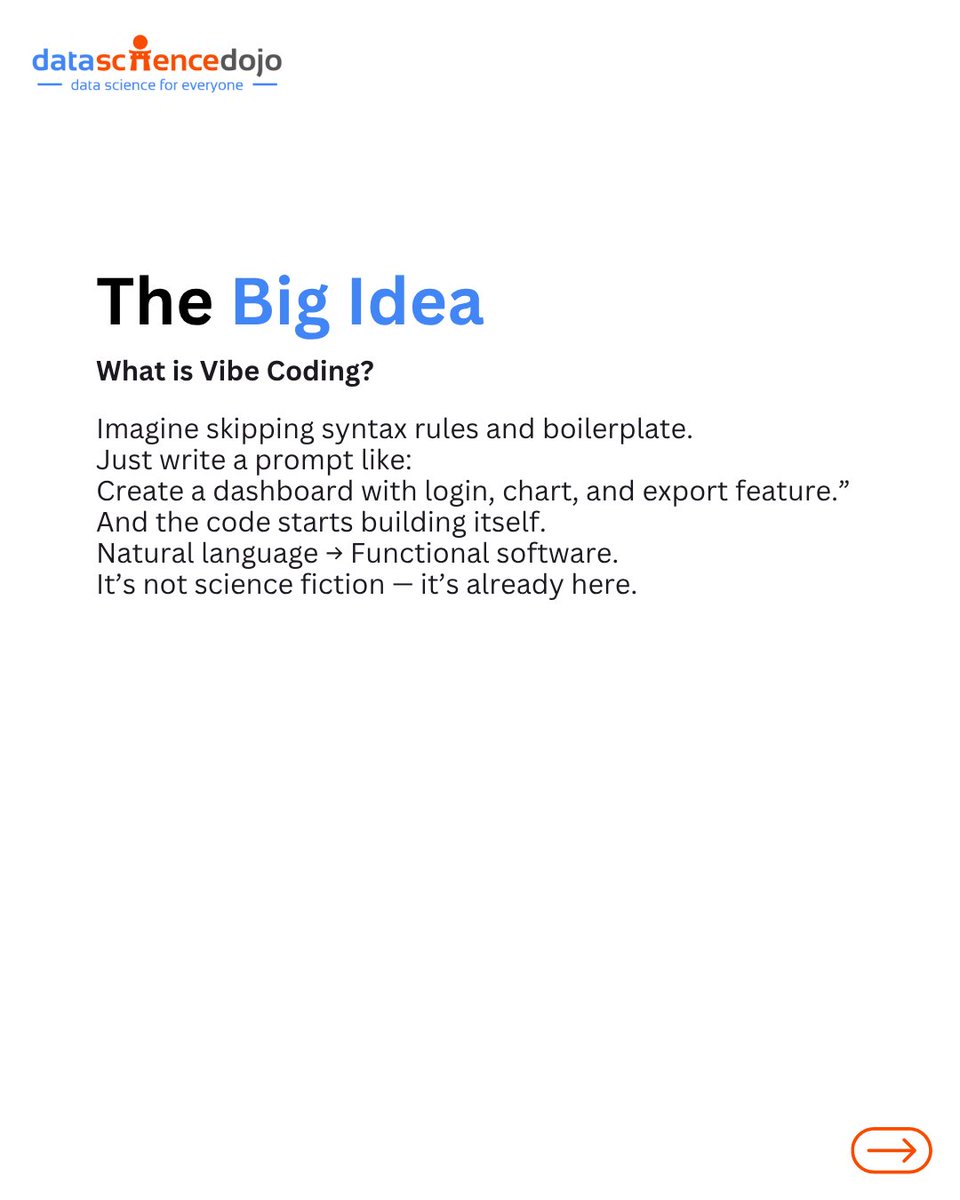
A new wave of AI tools is transforming how we build software — no more wrestling with syntax and boilerplate. Just describe what you want, and your code starts writing itself.
This carousel breaks down:
✨ What vibe coding is
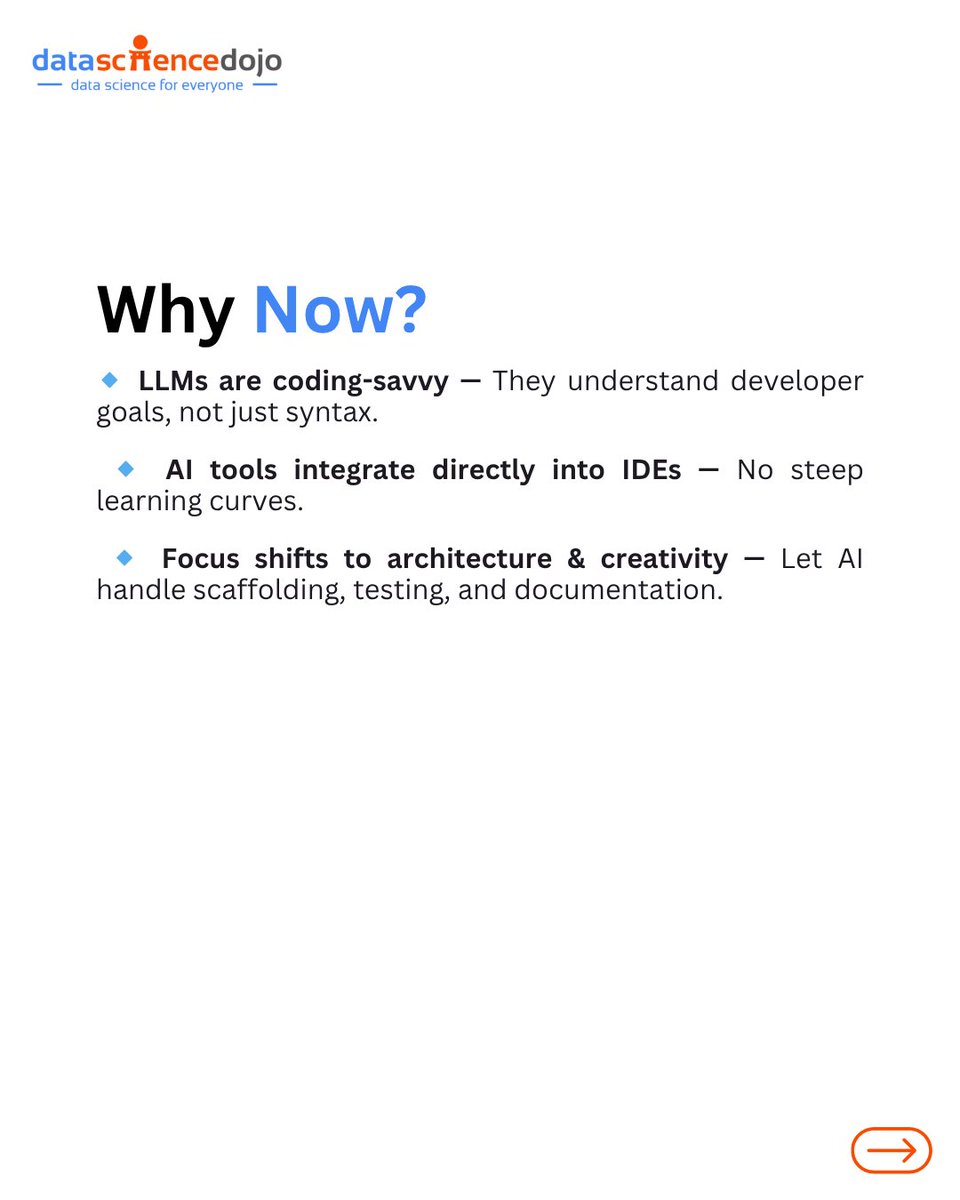
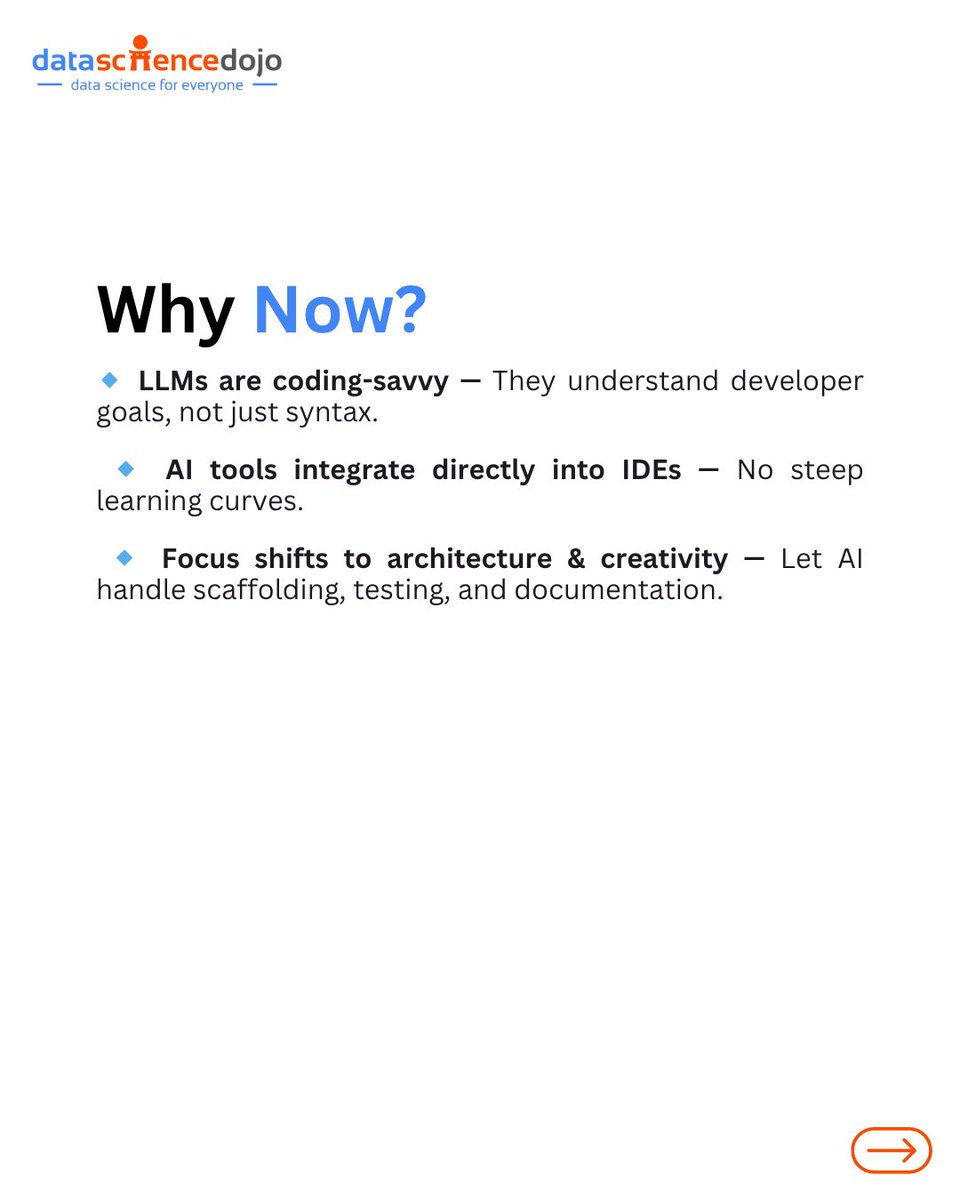
⚡ Why it’s happening now
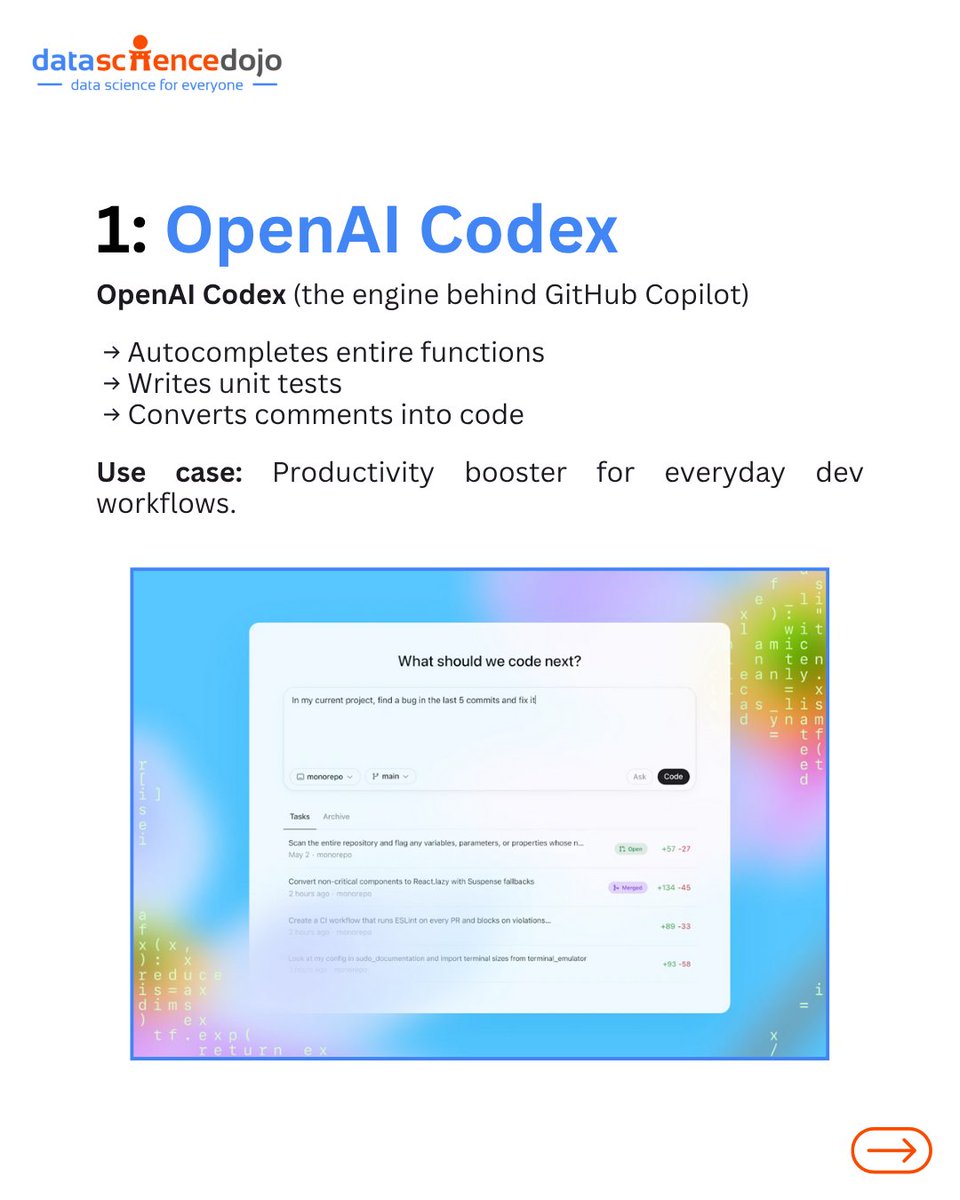
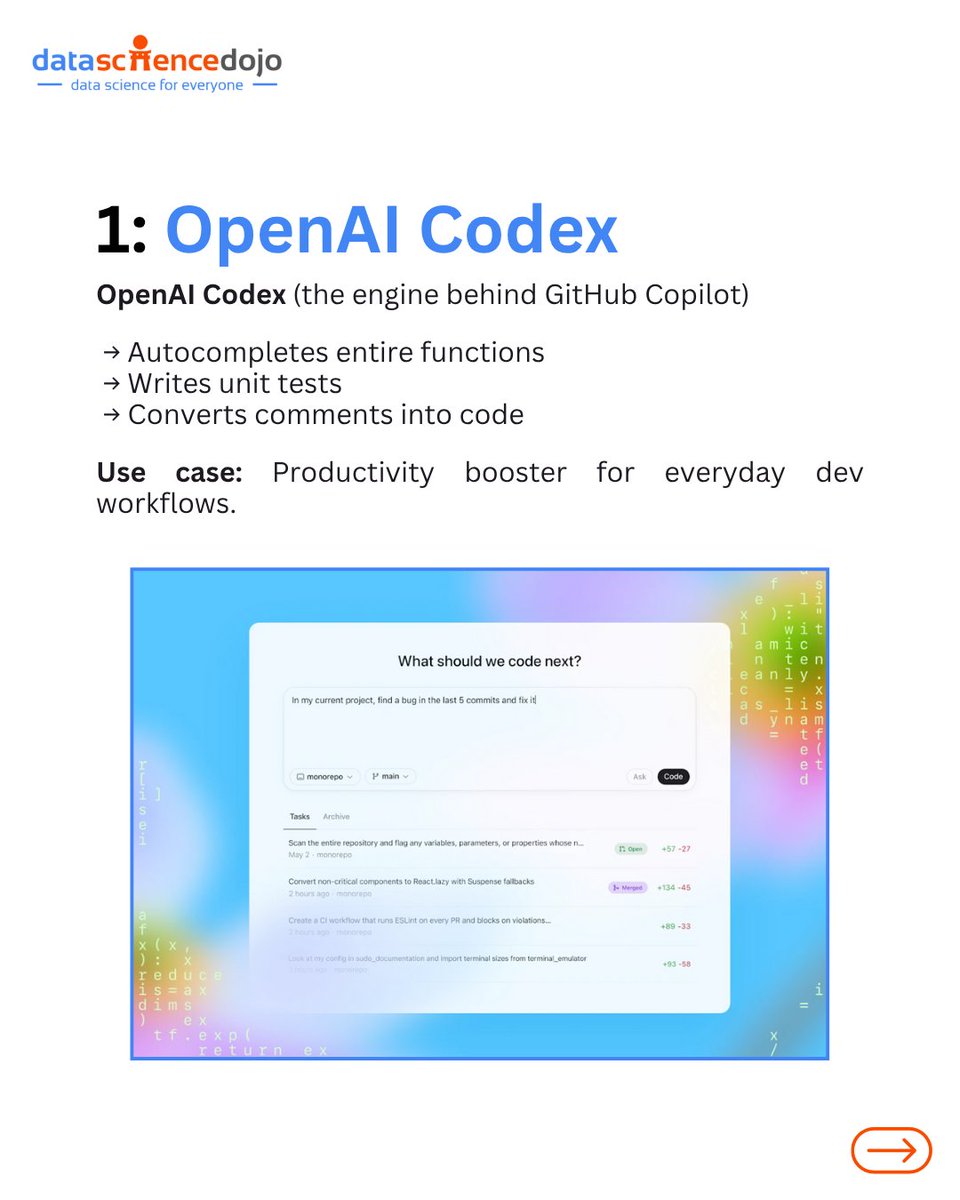
🛠️ 6 game-changing tools — Codex, Ghostwriter, Cursor, Devin, Lovable, Continue
The big shift?
Developers spend less time on scaffolding and more on creativity, architecture, and innovation.
“You tell the story. AI writes the code.”
Welcome to the Agentic AI Bootcamp — where coding meets creativity and AI becomes your co-pilot.
Learn how AI agents transform software development from syntax-driven coding to vibe-driven engineering.
👉 Join here: hubs.ly/Q03J5t-n0
#AgenticAI #AIBootcamp #CodeWithAI #PromptDrivenDevelopment #AICommunity #AugustCohort
1
1
4
1,393

5 Aug 2025
Part 2: The End of Toil? The Rise of the AI First Mate
If Part 1 was about the "what"—the foundational models—Part 2 was about the "how." How will this raw intelligence be channeled into the hands of developers to change the way we work? The answer, in a word, is "agency." Google is on a mission to transform our development tools from passive word processors for code into proactive, intelligent partners.
Agent Mode: Your IDE is Now Your Pair-Programmer
Every developer knows the pain of "yak shaving"—the endless series of small, mundane tasks that stand between you and the real, creative work of problem-solving. It's refactoring code, moving strings to resource files, hunting for a missing semicolon, or writing repetitive boilerplate. It’s the digital equivalent of death by a thousand paper cuts.
The demo of Agent Mode in Android Studio felt like watching a magic trick that solved this exact problem. The presenter gave a simple, natural language command: "Move all the hardcoded strings in this project to the string resource files and fix any resulting errors."
A collective hush fell over the room. On the screen, the AI didn't just perform a dumb search-and-replace. It began to reason. It displayed a plan: "1. Identify all hardcoded string literals. 2. Create new entries for them in strings.xml. 3. Replace the literals in the code with references to the new resources. 4. Verify the changes." It then executed this plan flawlessly, navigating across multiple files in the project, making the changes, and presenting the final result for approval.
This is the "agentic leap." It's a shift from imperative programming ("do this, then do this") to declarative intent ("this is what I want to achieve"). It’s the difference between giving a cook a detailed recipe and telling a chef you're in the mood for something savory and surprising. The latter requires intelligence, planning, and expertise. For developers, this means we can stay focused on the "what" (the user experience, the business logic, the architecture) while our AI agent handles the "how" (the syntax, the boilerplate, the refactoring). It doesn't de-skill developers; it elevates them, freeing up cognitive bandwidth for the creative, high-level thinking that humans excel at.
Firebase Studio: From Zero to Full-Stack with a Single Prompt
This philosophy of agency extends beyond the IDE and into the cloud. Firebase Studio, Google's agentic AI workspace, is designed to demolish the barriers to entry for building full-stack applications. The new optimized AI templates are a testament to this.
Let's walk through a tangible, hypothetical scenario. Imagine a budding entrepreneur in Bengaluru wants to create a hyperlocal tiffin delivery service app.
• Before Firebase Studio: They'd need to hire a frontend developer (maybe Flutter for cross-platform), a backend developer (to manage databases and authentication), and a DevOps engineer (to handle deployment). This is a multi-month, multi-lakh rupee endeavor before they've even served a single meal.
• With Firebase Studio: The journey is radically different.
1) The Prompt: She opens Firebase Studio and types: "Create a multiplatform quick commerce app for a tiffin service using the optimized Flutter template. The app should have user authentication, a view for the daily menu, a shopping cart, and an order placement system."
2) The Generation: Gemini gets to work, generating the entire scaffold of the Flutter application, complete with clean, idiomatic code and a logical file structure.
3) The Integration: She then refines it with further prompts. "Integrate Firebase Authentication using phone number OTP for login." "Create a Firestore database schema for users, daily menus with items and prices, and orders." "Use the Google Maps API to provide an estimated delivery time on the order confirmation page."
4) The Deployment: Finally, "Deploy this application to Firebase Hosting."
We saw a version of this live on stage, and the effect was staggering. A functional, cloud-connected, full-stack application was brought to life in minutes. This democratizes entrepreneurship. An idea can now be translated into a working prototype in a single afternoon, allowing founders to focus on their actual business—the quality of their food, their delivery logistics, and their customer service—rather than getting bogged down in the technical weeds.
Web Development Gets a Sanity Check
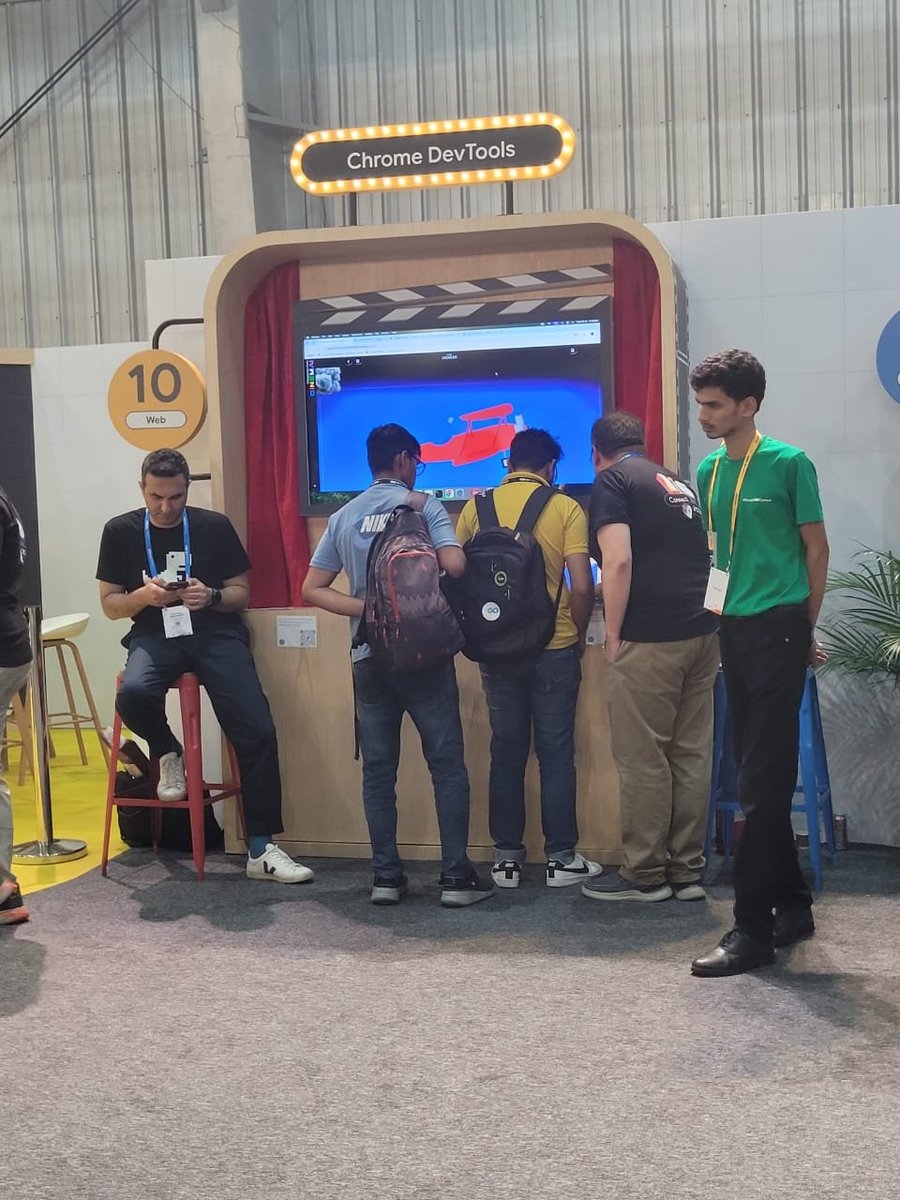
The agentic revolution isn't confined to mobile and cloud. The web platform, a cornerstone of digital access, is also getting a major intelligence upgrade. We saw demos of new CSS primitives that simplify complex UI construction, like building a responsive carousel with a few lines of code instead of a mountain of hacks. The integration of Baseline into tools like VS Code provides a real-time sanity check, ensuring the features you're using are compatible across major browsers, killing the "it works on my machine" bugbear.
Most exciting are the new on-device AI APIs for the web. The multimodal ticket scanner demo was a brilliant showcase: using a photo of a movie ticket, the AI running entirely within the browser could read the seat number and guide the user to their location. This privacy-first approach—where user data never leaves the device—unlocks countless possibilities for smart, secure web experiences.
#IOconnectIndia #IOconnectIndia2025 #googleioconnect #AndroidDev #PairProgramming #AndroidStudio #DevTools #SoftwareDevelopment #Firebase #FullStackDev #LowCode #PromptDrivenDevelopment #FlutterDev #StartupTech #MVP #WebDev #WebAI #OnDeviceAI #ChromeDevTools #CSS

1
3
72
21 Jul 2025
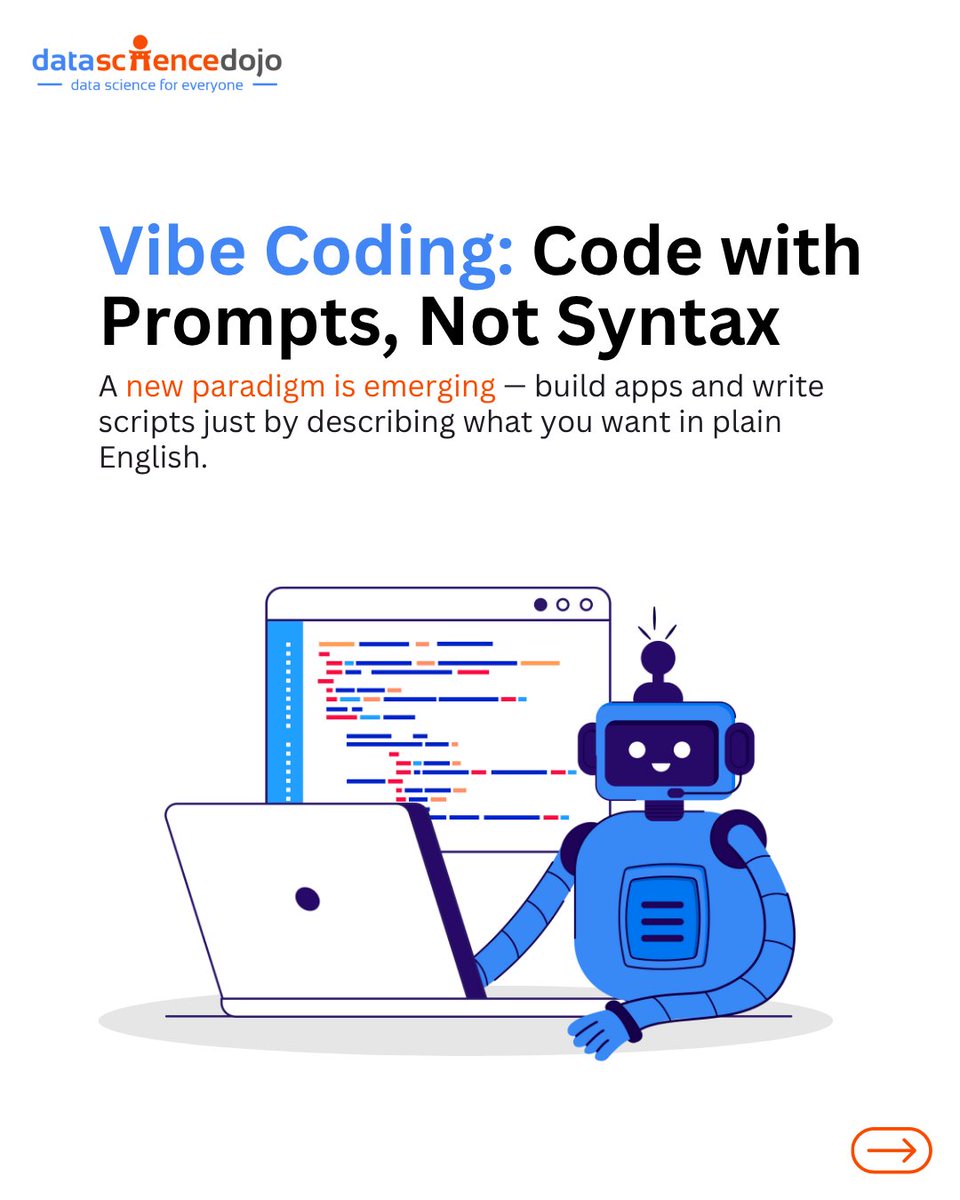
🚀 Vibe Coding: Code with Prompts, Not Syntax
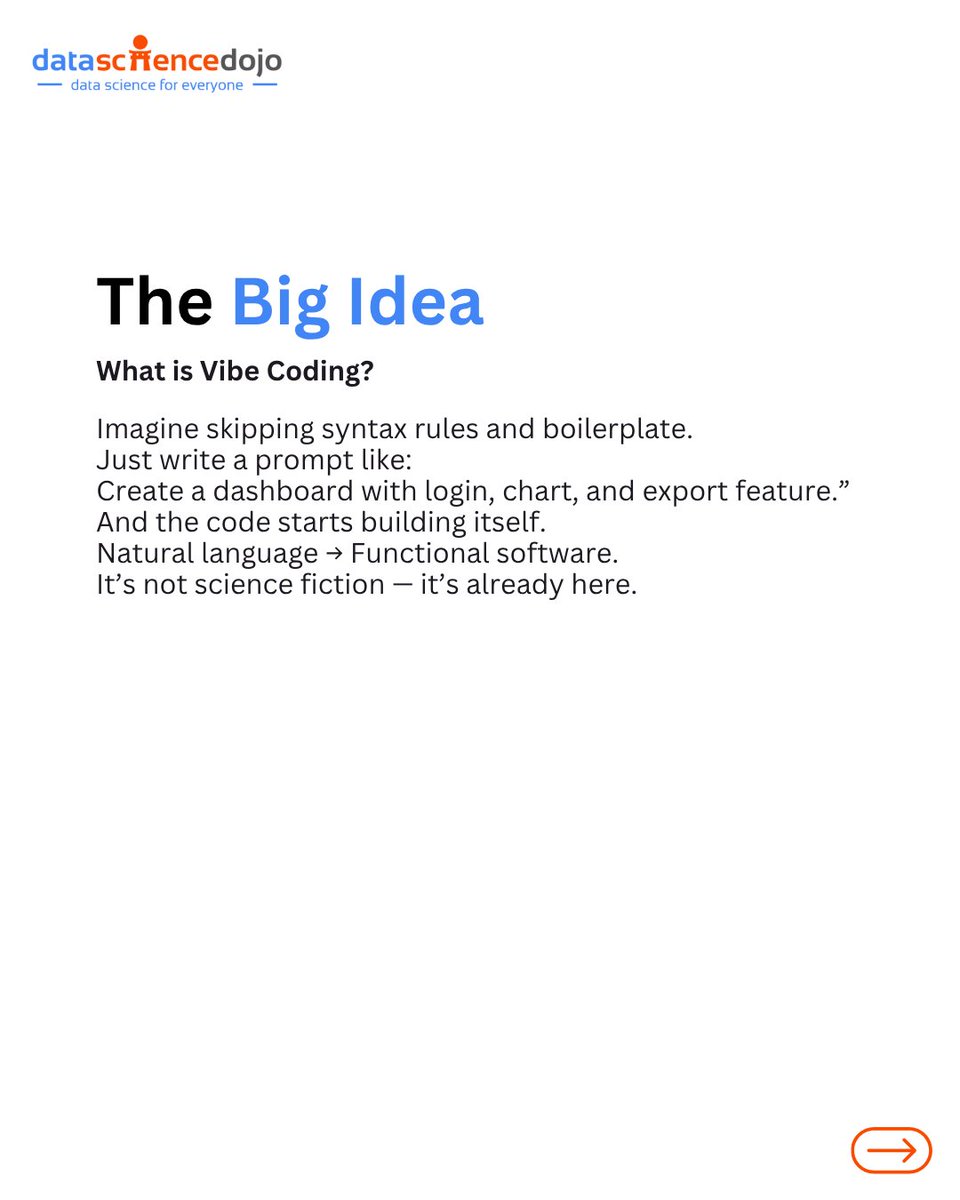
A new wave of AI tools is transforming how we build software — no more wrestling with syntax and boilerplate. Just describe what you want, and your code starts writing itself.
This carousel breaks down:
✨ What vibe coding is
⚡ Why it’s happening now
🛠️ 6 game-changing tools — Codex, Ghostwriter, Cursor, Devin, Lovable, Continue
The big shift?
Developers spend less time on scaffolding and more on creativity, architecture, and innovation.
“You tell the story. AI writes the code.”
Welcome to the Agentic AI Bootcamp — where coding meets creativity and AI becomes your co-pilot.
Learn how AI agents transform software development from syntax-driven coding to vibe-driven engineering.
👉 Join here: hubs.la/Q03y7vnK0
#AgenticAI #AIBootcamp #CodeWithAI #PromptDrivenDevelopment #AICommunity #AugustCohort
2
1
6
3,022

Claude Sonnet 4 is INSANELY GOOD This is running inside Cursor. #ai #vibecoding #promptdrivendevelopment #agenticcode #aiagents #wot-ai #openai #gemini #veo3 #nextjs #code #python
1
2
528