
Jun 10
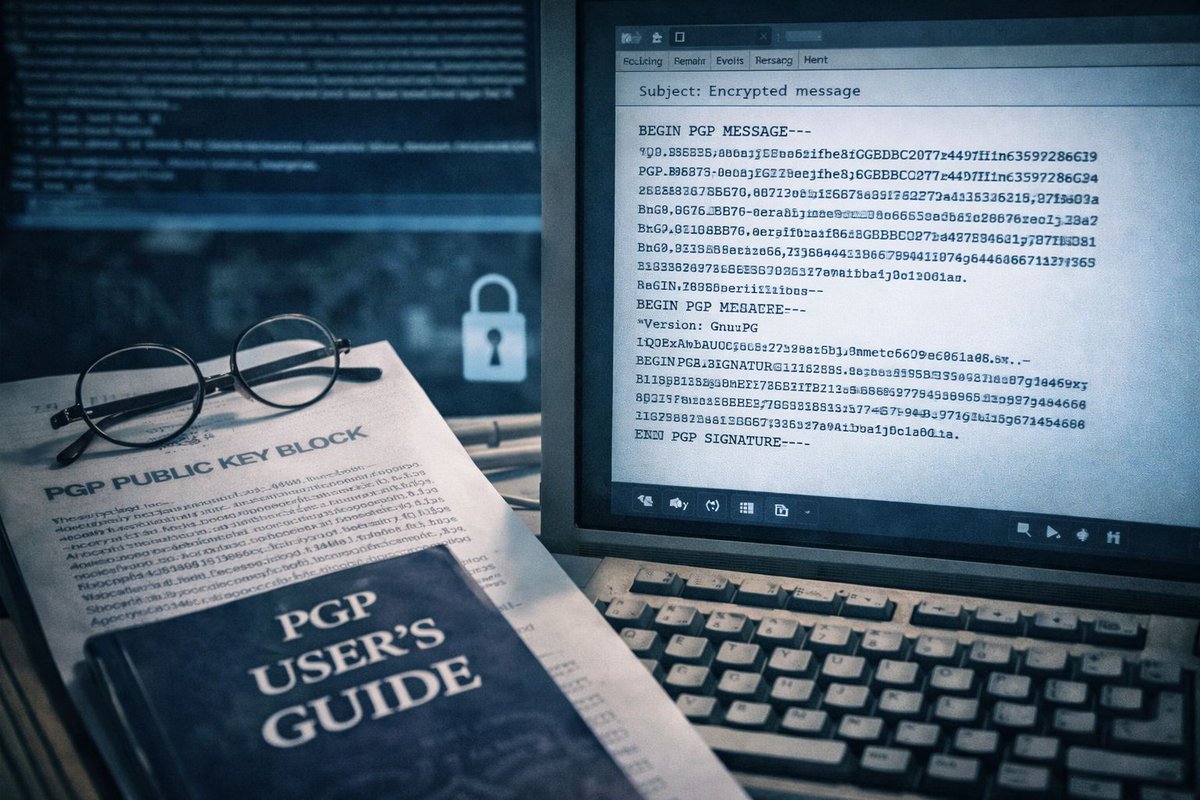
PGP arrived in a world that treated email like a postcard and trust like an assumption. In the early Nineteen Nineties, as more people moved sensitive conversations onto networked systems, Phil Zimmermann’s Pretty Good Privacy was not just a new encryption tool. It was a direct answer to a deeper problem: how do you speak privately, and know who you are speaking to, on a network built to move messages rather than prove trust? That question mattered then, and it has never really gone away.
For more information, see the first comment below!
What made PGP so important was that it tackled both secrecy and authenticity. It let users encrypt messages so outsiders could not read them, but it also let them digitally sign messages so recipients could verify who sent them and whether the content had been altered. That was a major shift. The goal was not only to hide information from eavesdroppers. It was to create confidence between strangers communicating across messy, public infrastructure. In practical terms, PGP tried to give ordinary users something that had been missing from the internet: a way to build trust without handing all trust to one central gatekeeper.
The design philosophy mattered as much as the math. PGP popularized the idea that trust could be built through key exchange, fingerprint verification, and what became known as the web of trust. Instead of assuming one institution should certify everyone, users could validate one another directly. That made PGP powerful, but it also made it demanding. Key management was hard. Verification took effort. The promise was real, but so was the friction. In that sense, PGP exposed one of cybersecurity’s oldest tensions: the tools that best protect trust are often the hardest for ordinary people to use well.
That is why PGP still deserves attention. It was never just about encrypted email. It was an early attempt to answer a problem that still defines digital life: in an open and often hostile network, what makes a message, a person, or a system worthy of trust in the first place?
#Cybersecurity #PGP #Encryption #Privacy #DigitalTrust #InfoSec #CryptoHistory #EmailSecurity #PublicKeyCryptography #CyberHistory
3
3
59

12 Aug 2025
🗂 Aeon Wrap – AI Capability Test Log
Testing a new ChatGPT-integrated bot, Aeon Wrap, across 4 questions:
Q1: Probability — solid math step-by-step breakdown (15.91% result).
Q2: Merkle roots — 3-tier explanation from child-friendly to dev-level clarity.
Q3: Public-key cryptography — mailbox analogy to full cryptographic flow.
Q4: AI provenance proof system — full offline-to-on-chain architecture, threat model, and policy notes.
📌 Evaluation: Strong technical range, accurate, layered explanations. Diagrams promised but not delivered (limitation noted).
Final verdict: High utility for blockchain, cryptography, and provenance-focused workflows.
#AeonWrap #AI #Blockchain #Cybersecurity #MerkleRoot #PublicKeyCryptography #AIProvenance #ChatGPT
1
2
2
57

Public Key Cryptography – Powering Secure NEBA Transactions 🔐🧠
Public key cryptography is the backbone of NEBA Token’s security, especially in its integration with the NEXT BASKET e-commerce ecosystem.
How It Works:
1. Two Keys
Public Key: Shared openly and used to encrypt data.
Private Key: Kept secret by the owner and used to decrypt data or sign transactions.
2. Sending a Transaction
When a user makes a transaction on NEXT BASKET using NEBA Token, the transaction is signed with their private key.
The system (and blockchain network) uses the public key to verify it’s valid and unchanged.
3. Trustless Security
No need to trust a third party. The cryptographic system itself ensures only the true owner of the token can authorize its use.
4. NEXT BASKET NEBA Token
NEXT BASKET’s e-commerce platform leverages NEBA’s cryptographic protections to allow secure, user-verified transactions, protecting merchants and buyers from fraud or tampering.
This setup ensures every transaction is: ✔️ Authentic
✔️ Secure
✔️ Verified on-chain
#NEBAToken #NEXTBASKET #PublicKeyCryptography #CryptoSecurity #Web3Ecommerce #Blockchain #DigitalTrust #SecurePayments
1
2
46

27 Dec 2024
𝙋𝙪𝙗𝙡𝙞𝙘 𝙆𝙚𝙮 𝘾𝙧𝙮𝙥𝙩𝙤𝙜𝙧𝙖𝙥𝙝𝙮 - التشفير بالمفتاح العام
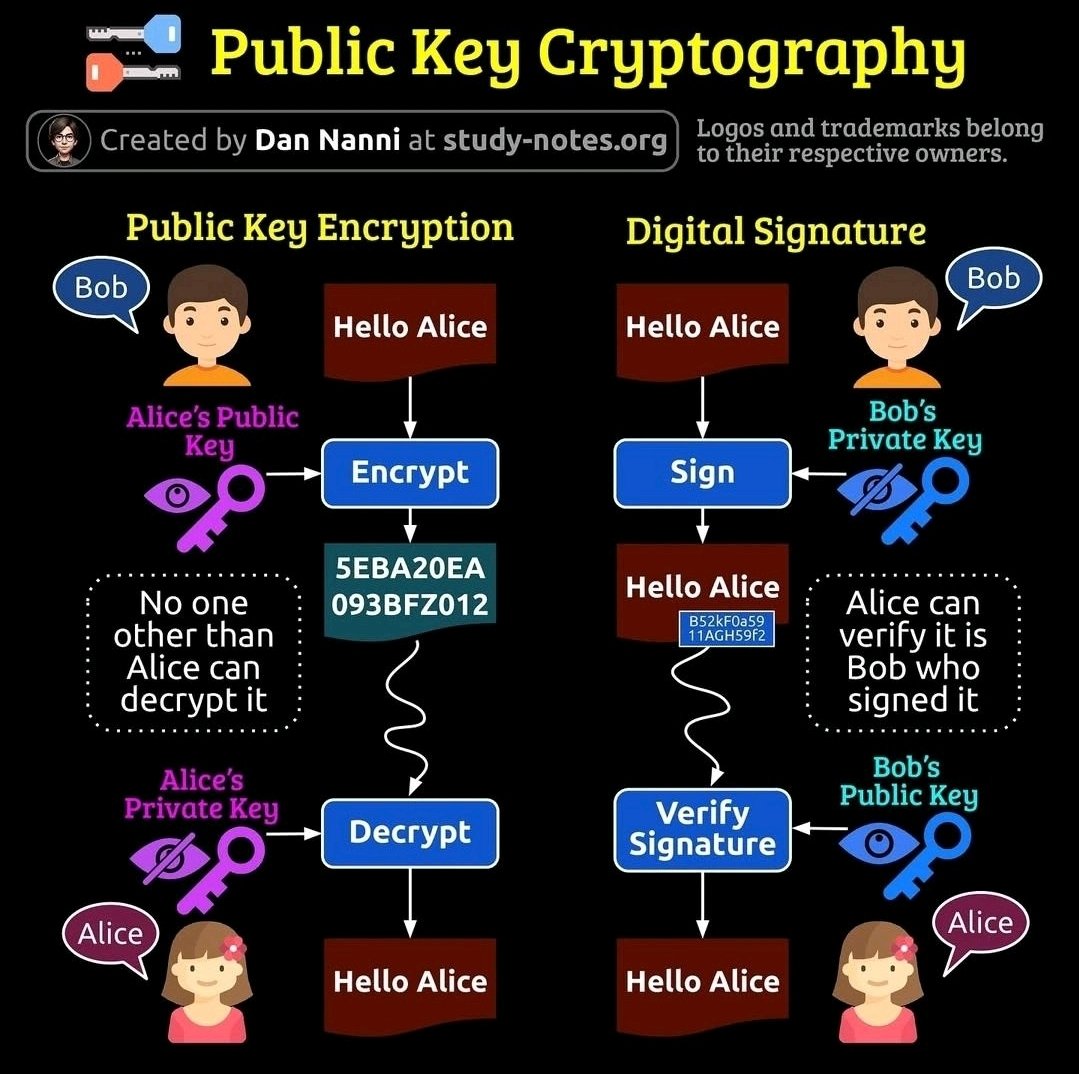
🔑 𝙒𝙃𝘼𝙏 𝙄𝙎 𝙋𝙐𝘽𝙇𝙄𝘾 𝙆𝙀𝙔 𝘾𝙍𝙔𝙋𝙏𝙊𝙂𝙍𝘼𝙋𝙃𝙔؟
التشفير بالمفتاح العام هو نظام تشفير غير متماثل يُستخدم لتأمين الاتصالات الرقمية والتوقيعات الإلكترونية. يعتمد على مفتاحين:
المفتاح العام: يُستخدم للتشفير أو التحقق من التوقيعات.
المفتاح الخاص: يُستخدم لفك التشفير أو إنشاء التوقيعات.
🧩 𝙋𝙐𝘽𝙇𝙄𝘾 𝙆𝙀𝙔 𝙀𝙉𝘾𝙍𝙔𝙋𝙏𝙄𝙊𝙉 (التشفير بالمفتاح العام):
1️⃣ 𝙎𝙩𝙚𝙥 1:
يقوم Bob بإرسال رسالة (Hello Alice) إلى Alice.
2️⃣ 𝙎𝙩𝙚𝙥 2:
Bob يقوم بتشفير الرسالة باستخدام المفتاح العام الخاص بـ Alice.
3️⃣ 𝙎𝙩𝙚𝙥 3:
الرسالة المشفرة (5EBA20EA093BFZ012) يمكن فك تشفيرها فقط بواسطة المفتاح الخاص لـ Alice.
4️⃣ 𝙎𝙩𝙚𝙥 4:
Alice تستخدم مفتاحها الخاص لفك التشفير والوصول إلى الرسالة الأصلية.
🖋️ 𝘿𝙄𝙂𝙄𝙏𝘼𝙇 𝙎𝙄𝙂𝙉𝘼𝙏𝙐𝙍𝙀 (التوقيع الرقمي):
1️⃣ 𝙎𝙩𝙚𝙥 1:
Bob يقوم بإنشاء توقيع رقمي على رسالة (Hello Alice) باستخدام المفتاح الخاص به.
2️⃣ 𝙎𝙩𝙚𝙥 2:
الرسالة الموقعة تُرسل إلى Alice ومعها التوقيع (B52KFo59…).
3️⃣ 𝙎𝙩𝙚𝙥 3:
Alice تستخدم المفتاح العام لـ Bob للتحقق من التوقيع، مما يؤكد أن الرسالة أُرسلت من Bob ولم يتم تعديلها.
📌 𝘽𝙀𝙉𝙀𝙁𝙄𝙏𝙎 𝙊𝙁 𝙋𝙐𝘽𝙇𝙄𝘾 𝙆𝙀𝙔 𝘾𝙍𝙔𝙋𝙏𝙊𝙂𝙍𝘼𝙋𝙃𝙔:
✅ الأمان العالي: لا يمكن فك التشفير إلا باستخدام المفتاح الخاص.
✅ الموثوقية: التوقيع الرقمي يضمن أن المرسل هو الجهة الصحيحة.
✅ التكامل: يمنع التلاعب بالرسائل أثناء النقل.
Credits: Dan Nanni
#cloud #cloudcomputing #favikon #cybersecurity #PublicKeyCryptography #DigitalSignature #Encryption #InformationSecurity
1
2
29

19 Sep 2024
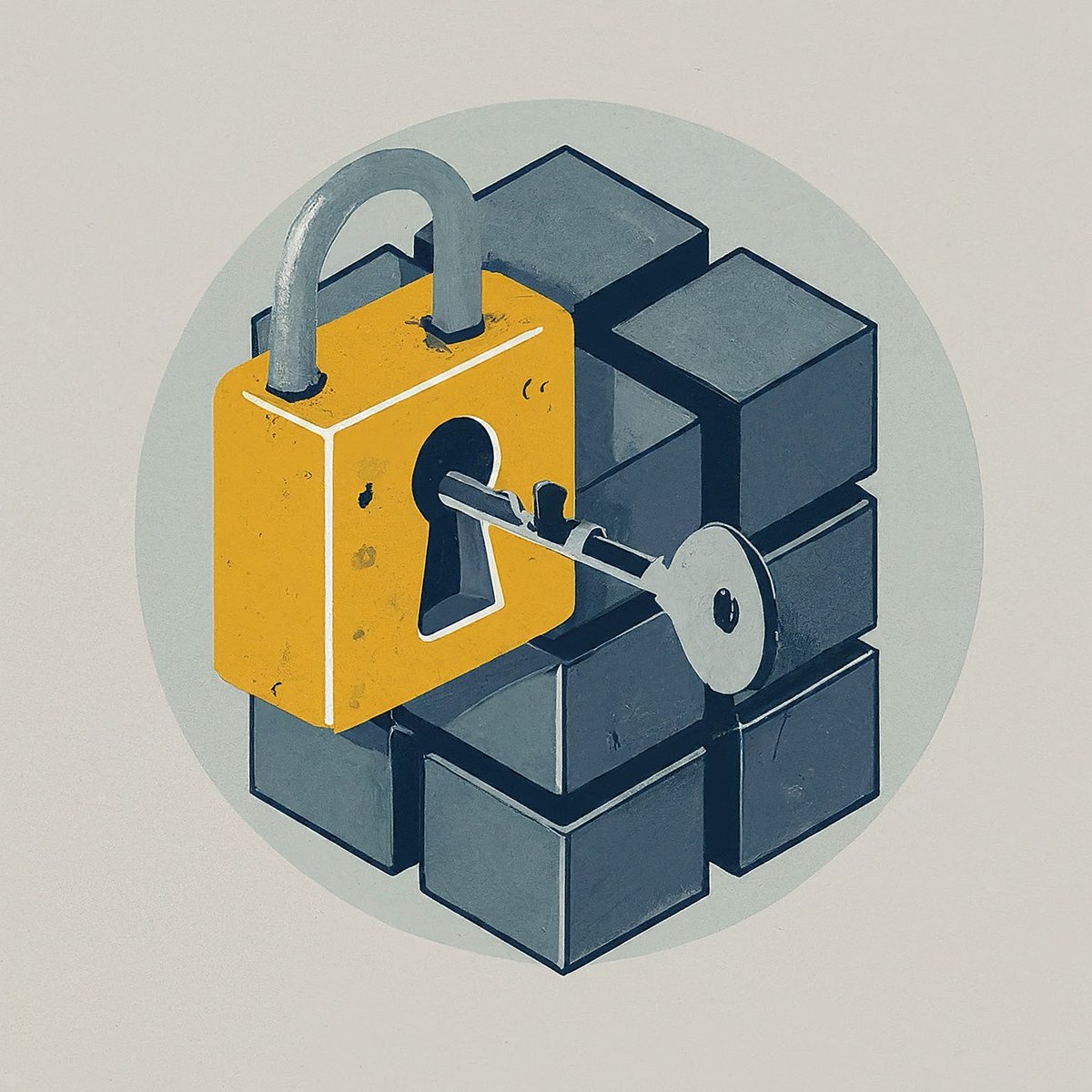
🚀 Starting my 100 days of Coding journey with #PublicKeyCryptography with 100xDevs! 🔑 Dived into:
🔐 Blockchain authentication
🔢 Bits, bytes, Uint8 arrays
🛡️ Hashing, encryption
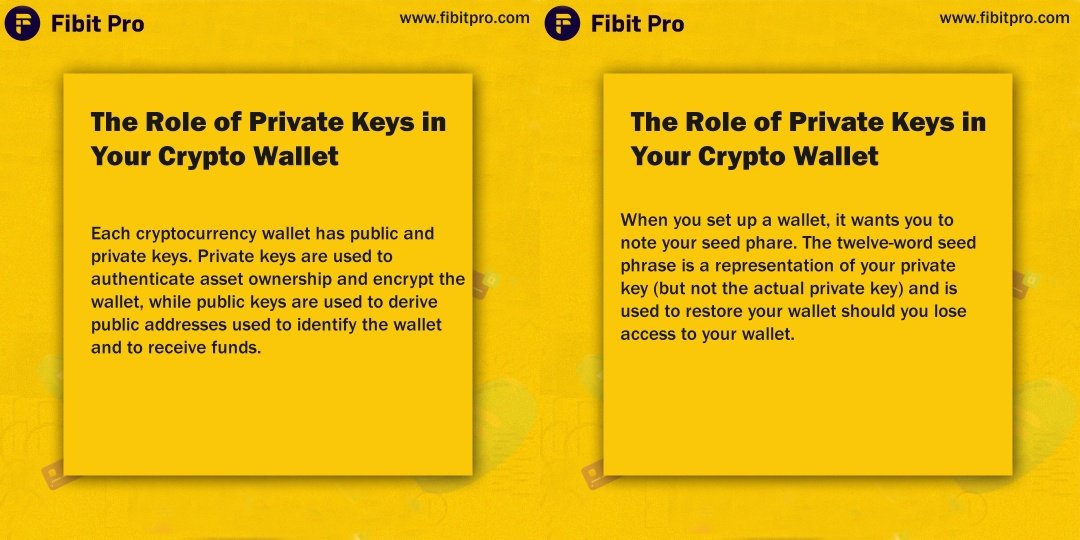
💼 HD wallets & seed phrases
Stay Tuned! #Web3 #Crypto #100xDevs #Blockchain #LearningJourney
3
84

14 Jul 2024
4/ Enter passkeys and public key cryptography! 🛡️
Registration Phase:
1. An authenticator (e.g., mobile device) generates two cryptographic keys: one public (stored on the site) and one private (stored in your device). #PublicKeyCryptography #Registration
1
4
64

16 Apr 2024
#Dontmiss #Hotstuff #News #publickeycryptography #SSH PuTTY vulnerability can be exploited to recover private keys (CVE-2024-31497) helpnetsecurity.com/2024/04/…
2
562

13 Jan 2024
There’s a sector of the economy—certificate authorities—that basically manages ownership of big numbers.
#publickeycryptography
7
30
10,671

11 Apr 2023
Mathematics fuels #Blockchain & #CryptoWallets! Secure transactions and decentralized consensus rely on math, ensuring security and trust in the world of #Cryptocurrency. The power of numbers in crypto!! #PublicKeyCryptography #HashingFunctions #ProofOfWork #ProofOfStake
3
10
500

23 Oct 2022
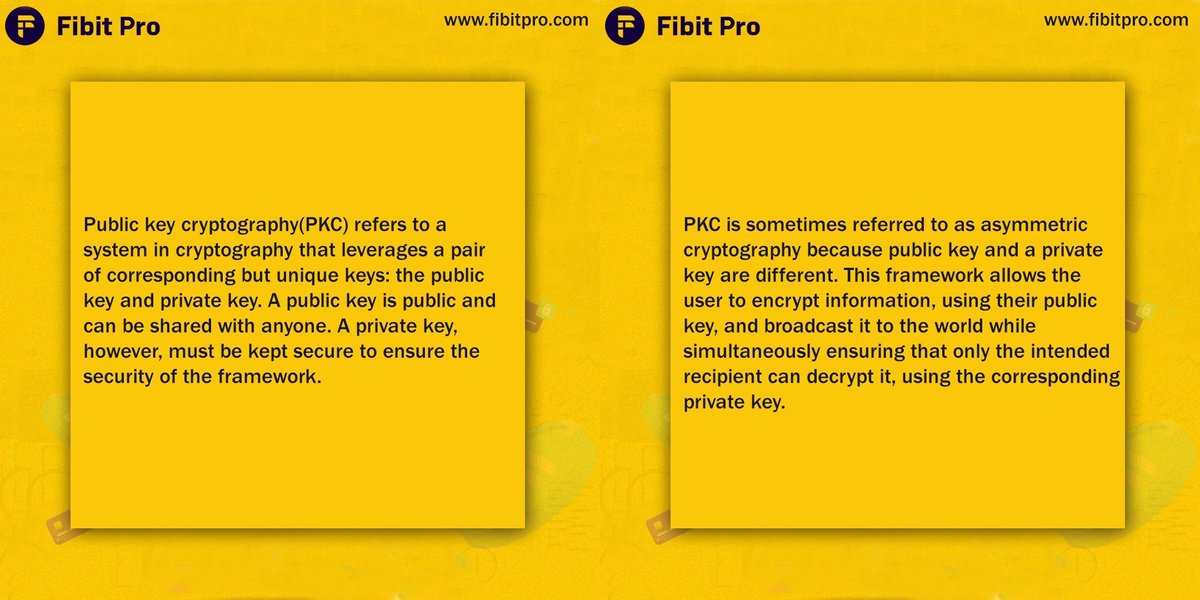
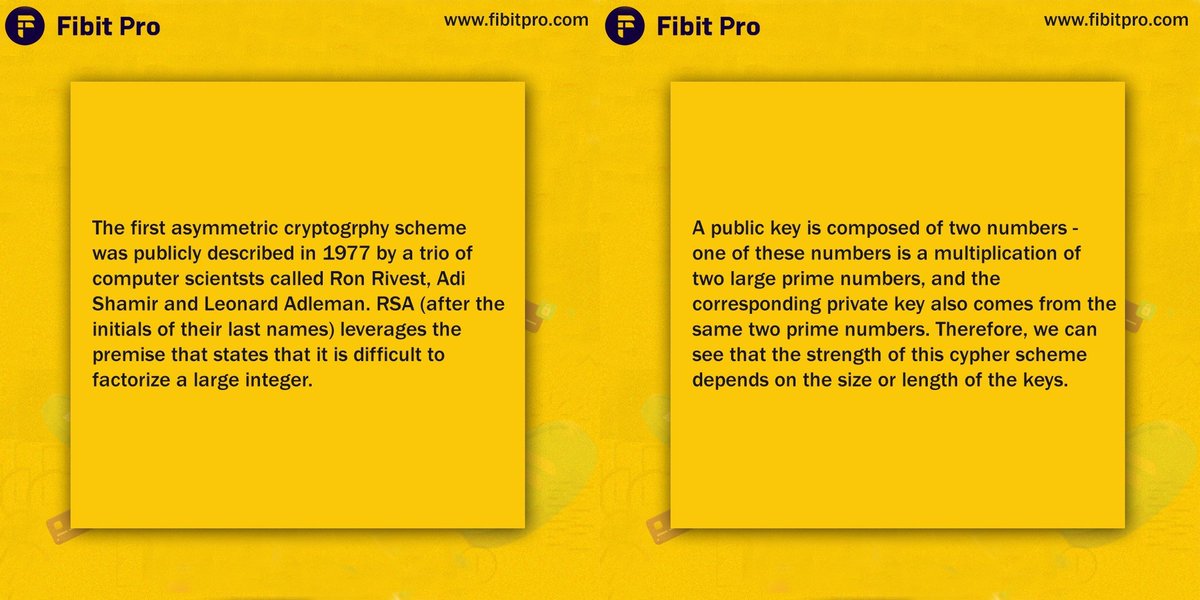
What's Public Key Cryptography?
Public Key Cryptography is a method of encrypting data with two different keys: public or private key.
Data encrypted with the public key can only be decrypted with the private key 🔐 🗝️
#PublicKeyCryptography #privatekey #cryptography #Web3 #NFT
1

28 Sep 2022
"A Complete Overview of Cryptography" by @wagslane hackernoon.com/a-complete-ov… #cryptography #publickeycryptography
1
2

3 Jul 2022
Where does certificate-based authentication fit into modern authentication? cpomagazine.com/?p=25823 via @cpomagazine #cloud #business #management #security #userexperience #cryptography #hybrid #authentication #fido #accessmanagement #pki #publickeycryptography #oauth #saml
1
1

13 Jun 2022
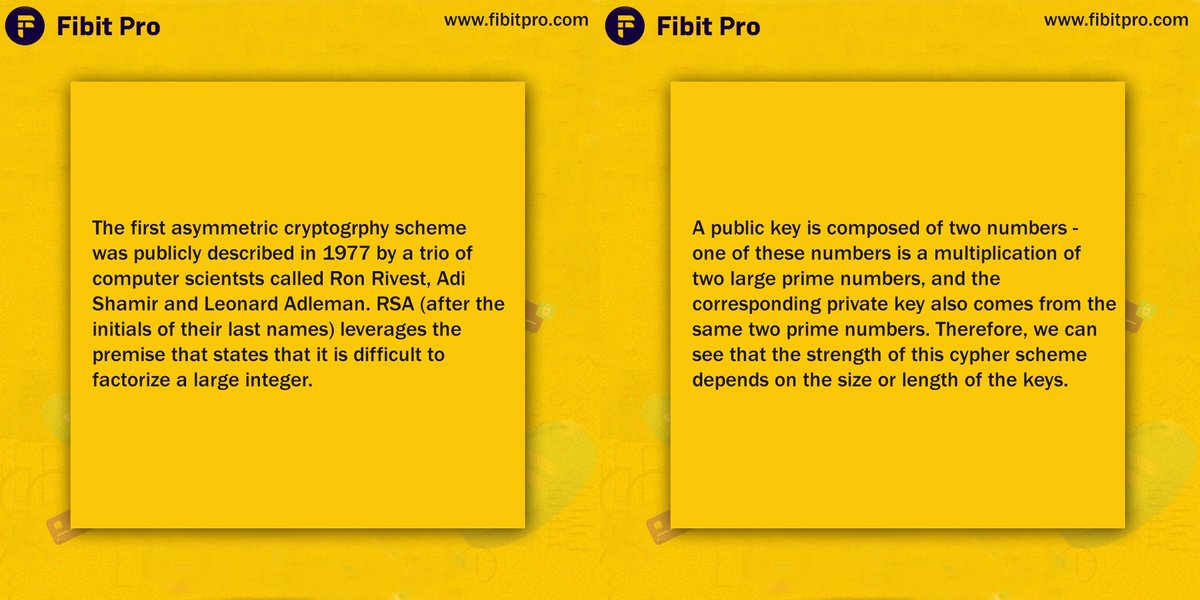
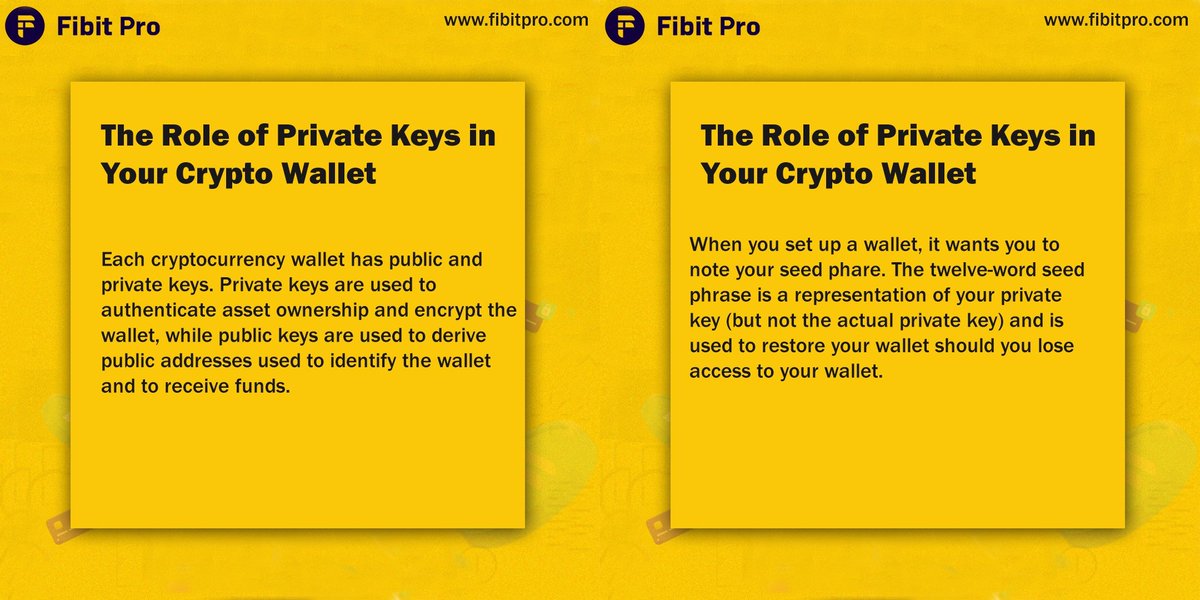
Want to learn more about Public Key Cryptography?
Download Fibitpro App
Android - bit.ly/3FSy1Lt
IoS - apple.co/37tePaB
🌐 : fibitpro.com / fibitplay.com
Telegram : t.me/fibitpro 20k users
#fibitproexchange #publickeycryptography
2
2

12 Jun 2022
Want to learn more about Public Key Cryptography?
Download Fibitpro App
Android - bit.ly/3FSy1Lt
IoS - apple.co/37tePaB
🌐 : fibitpro.com / fibitplay.com
Telegram : t.me/fibitpro
#fibitproexchange #publickeycryptography
2

11 Jun 2022
Want to learn more about Public Key Cryptography?
Download Fibitpro App
Android - bit.ly/3FSy1Lt
IoS - apple.co/37tePaB
🌐 : fibitpro.com / fibitplay.com
Telegram : t.me/fibitpro 20k users
#fibitproexchange #publickeycryptography

11 Jun 2022
Want to learn more about Public Key Cryptography?
Download Fibitpro App
Android - bit.ly/3FSy1Lt
IoS - apple.co/37tePaB
🌐 : fibitpro.com / fibitplay.com
Telegram : t.me/fibitpro 20k users
#fibitproexchange #publickeycryptography
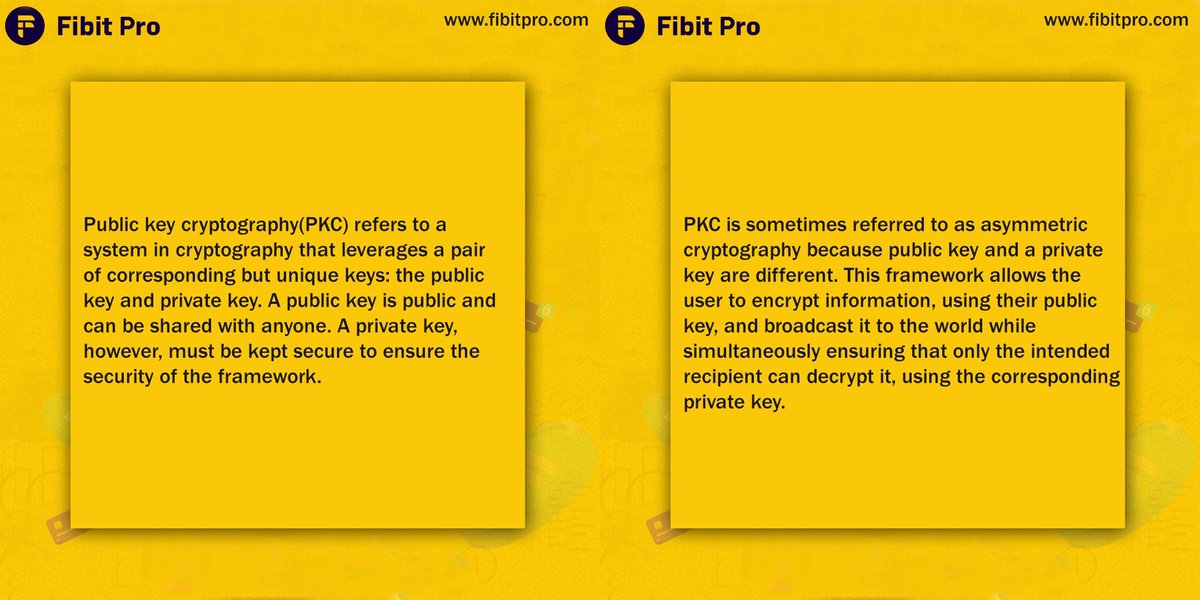
3
8
12
25 May 2022
"A Complete Overview of Cryptography" by @wagslane hackernoon.com/a-complete-ov… #cryptography #publickeycryptography
2
2

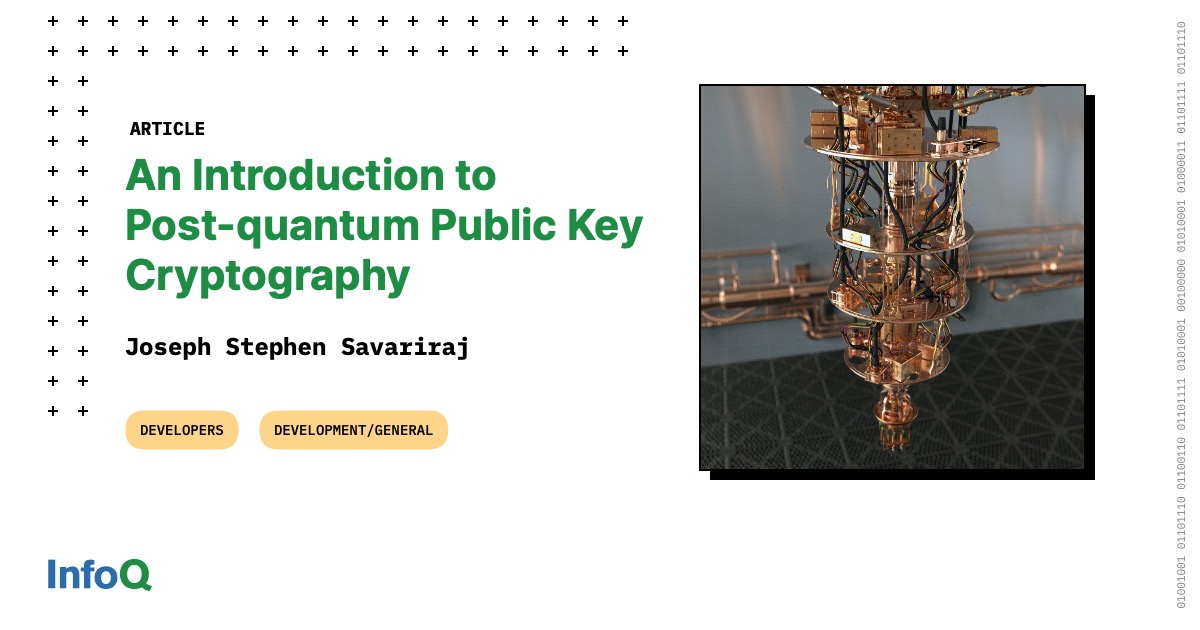
If #QuantumComputers become ready for commercial application, what will be their use? What impact will they have? J. S. Savariraj discusses the impact quantum computers are predicted to have on #PublicKeyCryptography: bit.ly/33AXP0O
#QuantumComputing #Cryptography
2
2

27 Dec 2020
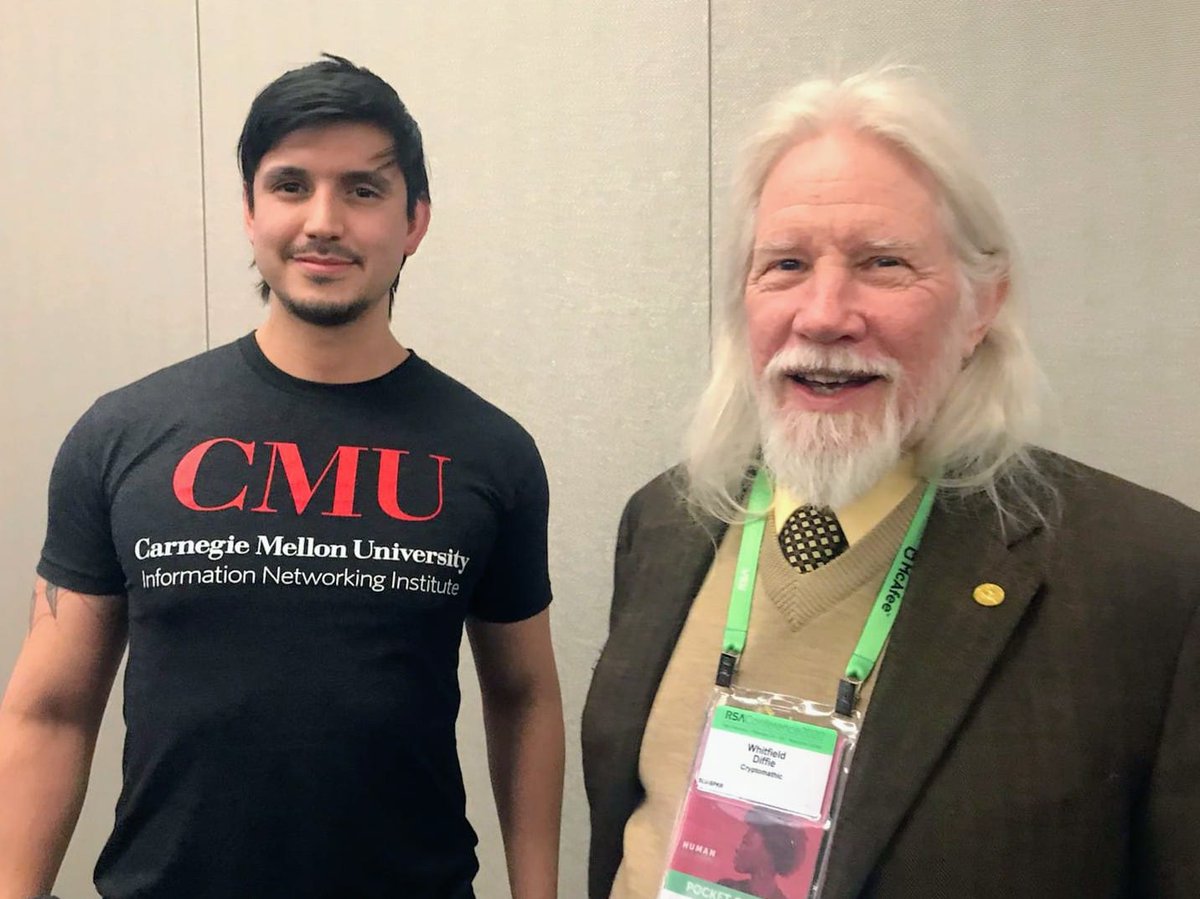
Our 2020 Highlights: 3) 🤩 Back in Feb. at @RSAConference, our #RSAC2020 Security Scholars met some of the amazing pioneers who've changed the security world: @WhitfieldDiffie, Ron Rivest, and Adi Shamir! #RSAC #cybersecurity #cryptography #PublicKeyCryptography

1
6

11 Dec 2020
Imagine a password a million characters long!
Maeson Maherry talks to OFM about the importance of Public Key Infrastructure and staying safe online during the festive season.
ofm.co.za/article/ofm-busine…
#PKI #PublicKeyCryptography #PublicKeyInfrastructure

ALT Interview with OFM about the importance of PKI.
2