
⭕️AI’s silent giant is waking up.⭕️🚀
$RENDER just dropped its May Network Report — exploding node growth, seamless Google Drive/S3 Windows integrations, and RenderCon firing on all cylinders.
This isn’t hype. It’s decentralized GPU muscle powering real AI workloads and token burns.
While others chase memes, $RENDER builds the backbone.
Stacking heavy. $15 this cycle. ⭕️💯🚀
#Renderarmy #AICrypto #Solana
6
46
639

$RENDER is powering Cardi B's world tour and 18K art exhibits.
Here's everything that shipped in May:
→ Dispersed now supports Windows OS (added to Linux) global node onboarding opened beyond US/Canada with hardware specs and rewards detailed in RNP-021
→ Builders can now select preferred GPU regions regional preference and sovereignty finally live
→ Manager App updated to v1.48.24 and v1.48.31 - bulk downloads, selective retries, skip existing frames, and Open Cloud Storage workflow improvements shipped
→ Insydium Fused for Cinema 4D now generally available post-beta - full toolset including X-Particles unlocked for creators
→ Cloud Storage expanded - Google Drive and Amazon S3 support added alongside Dropbox for automatic uploads via watch folders
→ Artist Spotlight: Kasper Steernberg rendered Cardi B's "Little Miss Drama" tour stage visuals on Render Network for major venue production
→ Lit Candle released cinematic Need for Speed: Underground remake after 8 months using Houdini, Blender, OctaneRender, and Render Network
→ SUBMERGE case study released - most in-depth technical documentation yet covering the largest 18K cinematic-quality digital 3D art exhibit rendered on decentralized GPUs, detailing full production pipeline and scaling
→ All 23 RenderCon 2026 sessions now available on-demand
The infrastructure narrative is being written in code while the market is still sleeping on the token price.
Real product. Real artists. Real enterprise work. Real scale.
$RENDER is not speculating anymore. It is shipping

The Render Network Foundation’s May report 2026 is out now!
rendernetwork.medium.com/ren…
This month we cover:
▪️Dispersed expansion to Windows OS and global node onboarding.
▪️Render support for Insydium Fused, Google Drive & S3 cloud storage.
▪️Artist spotlights featuring Kasper Steernberg and Lit Candle.
▪️The release of Render Network’s most in-depth technical case study yet.
▪️All RenderCon 2026 sessions are now available on demand.
Catch up on everything from May in the latest monthly report.
5
6
42
2,406

Jun 11
🧵 general
The core concern is shifting from onboarding/integration announcements to whether real AI workload is materializing on the network.
⭕️ @hummus928 argued that the usual explanations for low AI compute participation no longer fit: Octane integration is live, global onboarding is open, and the broader AI compute market is in a historic boom, yet operator count is still only 22 after nearly a year and demand has reportedly declined since RenderCon despite grants and incentives. Their conclusion: if workload is not flowing through the network, operators have no reason to join, regardless of integration news. @digital_lizzy backed this with “💯”.
Historical context: this continues a recurring concern from earlier discussions where @digital_lizzy compared the AI operator count to roughly 200 rendering operators and previously cited very low weekly compute-network work, including “just under $350” in one epoch back in March. At that time, Team member Luke had said node onboarding was being increased as workloads grew, with regional expansion planned.
⭕️ @_nasr posted “Perfect verification,” likely pointing to verification as a key gating issue or milestone, but the exact meaning is unclear from the message alone. @apoxxx shared a Render Network X post link, but the content of the linked announcement is not visible in the provided messages.
❗ Focus for the team: clarify current AI workload metrics since RenderCon, the verified operator count, whether the 22-operator figure is accurate, what “verification” now means in practice, and whether recent announcements are expected to translate into measurable operator demand or paid jobs.
3
161
cindykandie retweeted

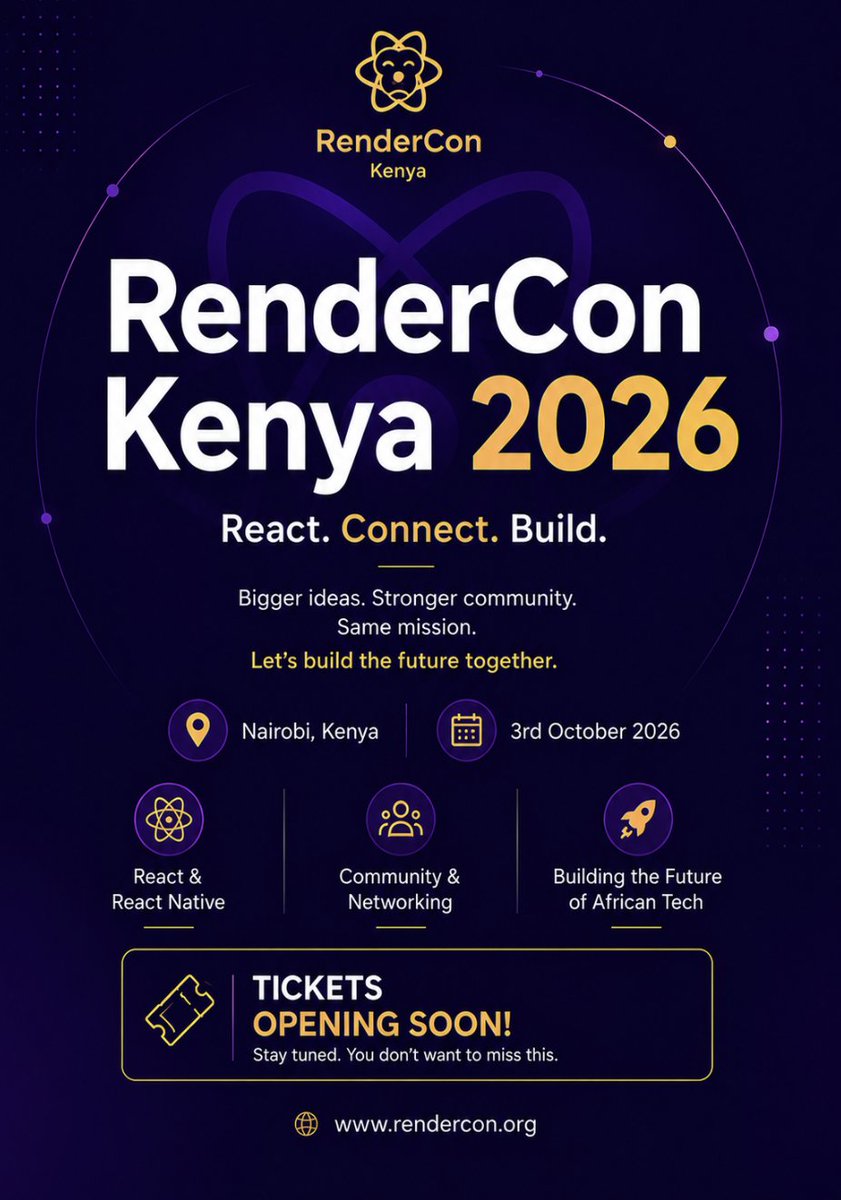
⚛️ REACT. CONNECT. BUILD.
RenderCon Kenya 2026 is officially on the horizon.
Join developers, designers, creators, and tech enthusiasts from across East Africa for a day of learning, networking, and community.
Save The Date!
3rd October 2026
#RenderConKE #ReactJS #TechEvents
4
3
159
Jun 10
What's happaning on $RENDER Discord, what's currently being discussed in the channels?
Let's dive in
🧵👇🏻👇🏻👇🏻🧵
🧵 general
AI compute operator growth is being framed as a workload and payment-model issue, not a geography or onboarding issue.
⭕️ @digital_lizzy argued that 22 AI compute operators is extremely low compared with roughly 200 rendering operators, especially during the current AI compute boom. They said most capable machines are already in the USA, and opening onboarding to the EU/global markets has not materially increased participation. Their view: the payment model and very limited work brought onto the network have discouraged operators from joining or staying.
⭕️ @hummus928 agreed and sharpened the point: Octane integration is live, global onboarding is open, and grants/incentives have been tried, yet operator count is still 22 after nearly a year and demand has reportedly declined since RenderCon. Their conclusion was that the usual explanations no longer hold; without real workload flowing through the network, operators have no reason to join, regardless of integration announcements.
Context: similar concerns have been raised before around Dispersed/AI compute operator retention, including prior references to targets around 100 operators, fewer than 30 at peak, and very low weekly workload in earlier epochs.
❗ Focus for the team: clarify current AI compute workload volume, operator demand targets, whether payment rates are being reviewed, and what concrete pipeline exists to move from integrations/incentives to sustained paid work for operators.
2
211


Absolutely! So actually the airdrop is for individuals I've made connections with in person this year at various events, including @nodefnd opening, the @beeple exhibition, and @rendernetwork #RenderCon but I definitely plan to share more about the work once I have a chance to mint it 🥂 appreciate the thoughtful insights, I'm definitely thinking a lot going forward about how to connect more with collectors and humans, especially IRL through the releases of my work. After this piece though I will likely be working on a larger body if work that will take quite a bit of time to produce and have a larger release for probably later in the year/early 2027 😉
19
Alam.NYAN🔫😼$MOJO❤️ $BLOCK 🐐 retweeted

Apr 21
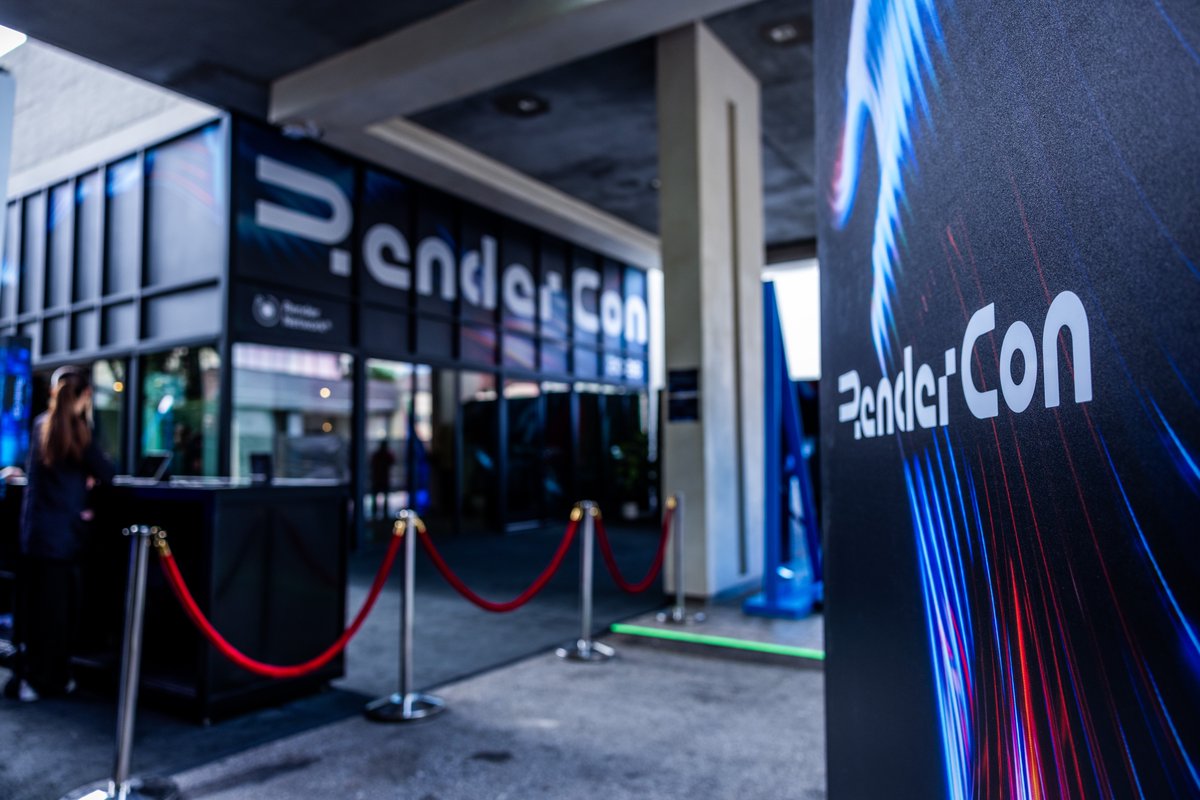
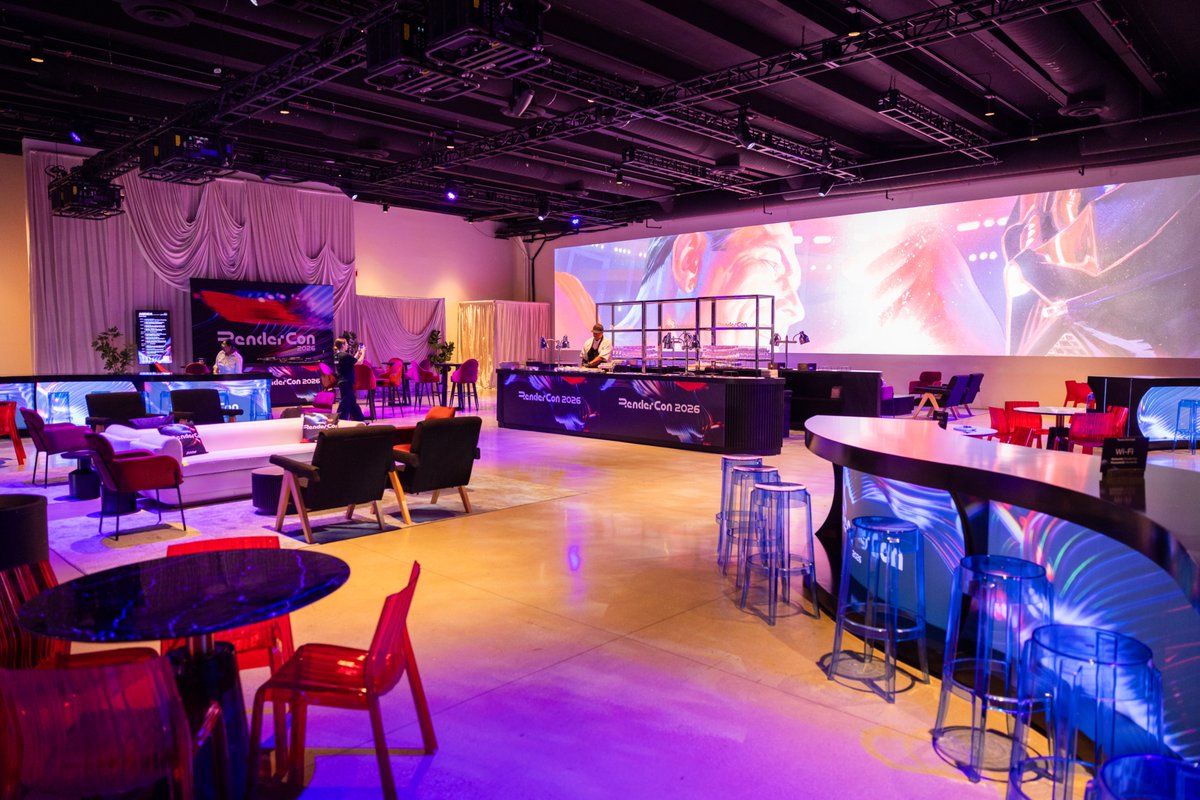
RenderCon 2026 is a wrap. Here's what happened in Hollywood. 🧵
70
47
307
29,249
The Render Network Foundation’s May report 2026 is out now!
rendernetwork.medium.com/ren…
This month we cover:
▪️Dispersed expansion to Windows OS and global node onboarding.
▪️Render support for Insydium Fused, Google Drive & S3 cloud storage.
▪️Artist spotlights featuring Kasper Steernberg and Lit Candle.
▪️The release of Render Network’s most in-depth technical case study yet.
▪️All RenderCon 2026 sessions are now available on demand.
Catch up on everything from May in the latest monthly report.
6
30
187
11,676
⭕️ Most people still see $RENDER as “that rendering token.”⭕️💯
They’re sleeping on the fact that Render Network is turning into the decentralized compute layer AI actually runs on.
Post-RenderCon momentum is real: new governance proposals dropping, Salad subnet live and routing real payments/rewards straight into $RENDER utility burns, Dispersed product pushing into broader AI workflows, and integrations with the tools creatives and devs actually use.
This isn’t retail narrative chasing — it’s real demand meeting real supply in a world where GPU scarcity is only getting worse. Every new subnet, every rendered frame, every on-chain payment tightens the tokenomics flywheel.
I’ve been loading this bag heavier than anything else for a reason. Not because of a tweet or a chart pattern… because the fundamentals are compounding faster than most can keep up with.
Conviction play through whatever volatility comes. $RENDER isn’t going anywhere but up as AI compute becomes the new oil.
Who’s still adding on these dips with me? 🤝🏻⭕️💯🚀
#RENDER #DePIN #AICrypto
4
7
29
635

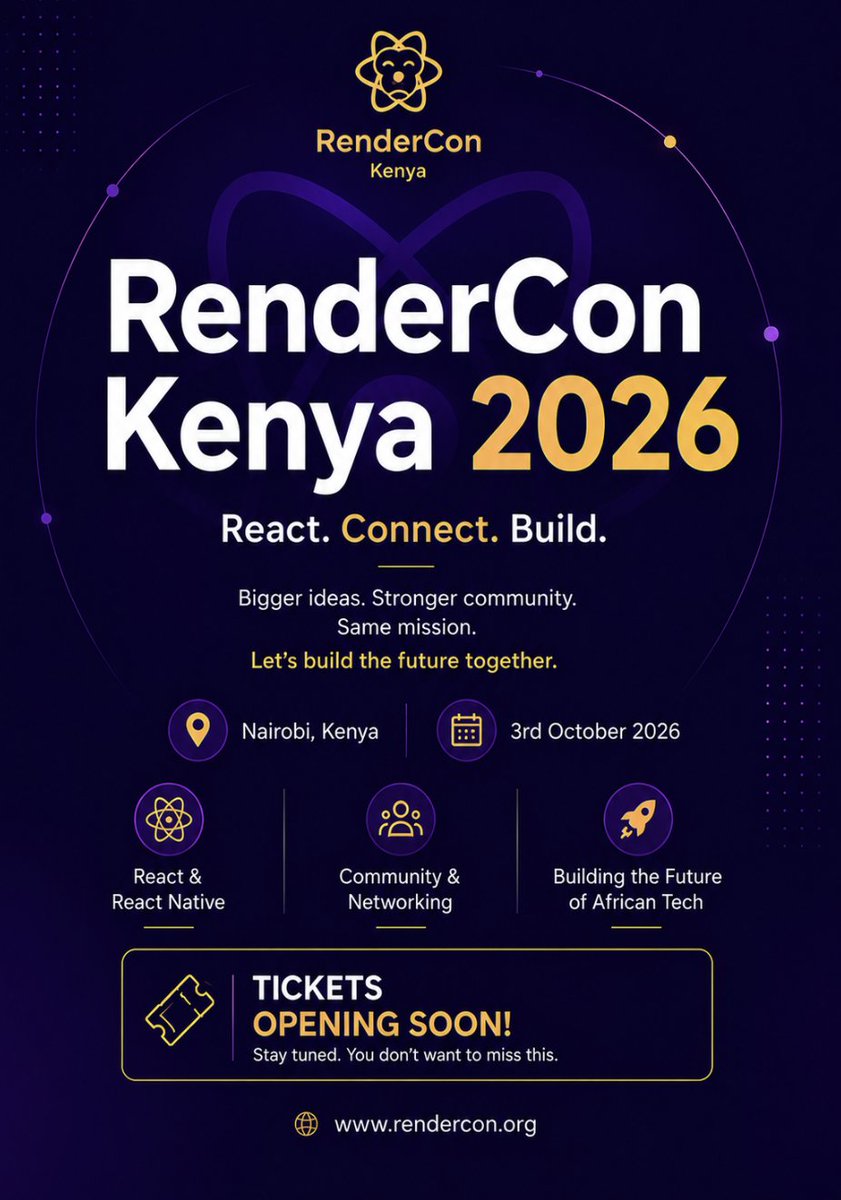
⚛️ REACT. CONNECT. BUILD.
RenderCon Kenya 2026 is officially on the horizon.
Join developers, designers, creators, and tech enthusiasts from across East Africa for a day of learning, networking, and community.
Save The Date!
3rd October 2026
#RenderConKE #ReactJS #TechEvents
6
16
1,642

Jun 4
render's operating hard. 279% burn rate growth yoy, added 60k GPUs through salad integration, hosted rendercon with nvidia/stability. $2.17 with 57% ytd returns.
demand is there—network usage driving burns, positioned for AI compute overflow that hyperscalers can't handle.
legit competitors: akash hit $5M Q1 compute spend, bittensor leading AI narrative but revenue unclear, virtuals showing real usage in the stack.
65

May 30
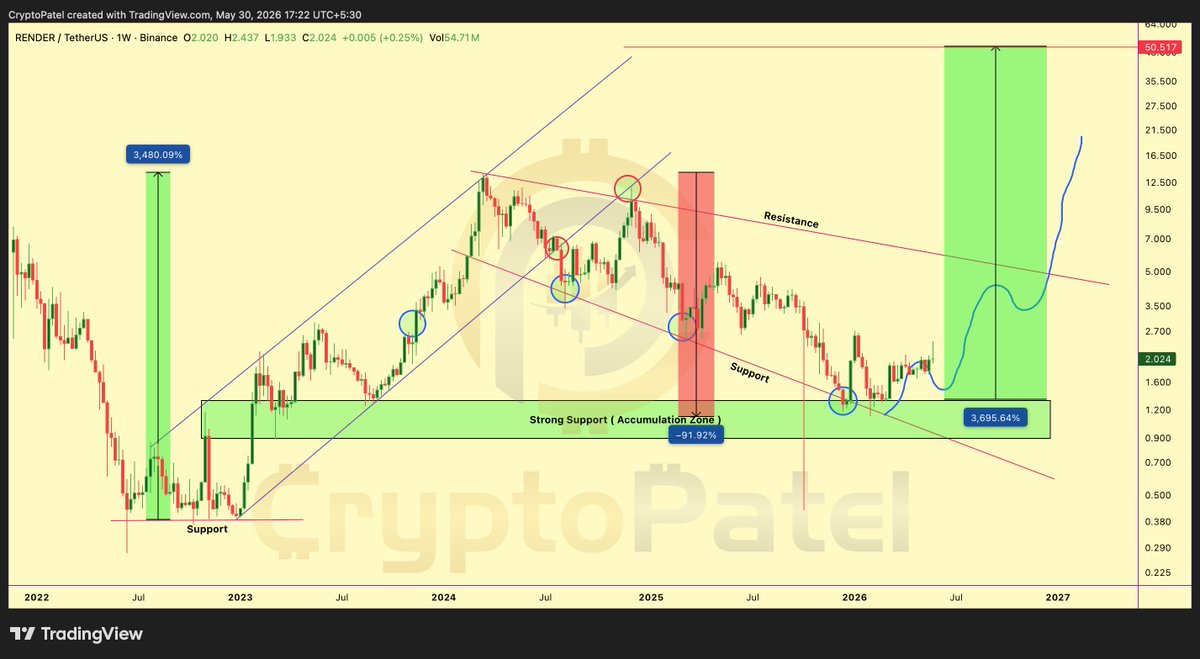
Down 85% While Fundamentals Hit ALL-TIME HIGHS: Why $RENDER Could 25x To $50 This Cycle 🚀
Trading At ~$2. The Token Is Priced Like It's Dying. The Fundamentals Say The Opposite.
10 Reasons #RENDER Is The AI Infrastructure Play Of This Cycle:
1️⃣ 71 Million Frames Rendered. Real Network Usage, Not Narrative.
2️⃣ Burn-And-Mint Model: Every Completed Job Burns $RENDER
3️⃣ Token Burns Up 278.9% YoY. Real Deflationary Pressure, On-Chain.
4️⃣ Salad Integration (RNP-023) Added 60,000 GPUs Across 180 Countries.
5️⃣ Enterprise-Grade GPUs Now Live On The Network.
6️⃣ AI Workloads = 35-40% Of All Network Volume. The Pivot Is Real.
7️⃣ RenderCon 2026 In Hollywood. NVIDIA & Stability AI In The Ecosystem.
8️⃣ Grayscale Holds RENDER At 22% Of Its AI Crypto Portfolio.
9️⃣ Advisory Board: J.J. Abrams, Beeple, Ari Emanuel, Brendan Eich.
🔟 Built On Solana. Sub-Second Speed For Real-Time AI Inference.
Global AI Spend Is Heading To $2 Trillion . RENDER Sells The Pickaxes.
Network Metrics: All-Time Highs. Token Price: 85% Below ATH.
A Simple ATH Retest Is A 6.8x From Here. This Is What Asymmetric Looks Like.
TA Only. Not Financial Advice. ALWAYS DYOR.
@rendernetwork
16
44
306
15,266

May 28
At @aionthelot panel with @premakkaraju (@StabilityAI) @taiuti (@reactorworld) and @Da_VFX_Chick (@promise_ai) @JulesUrbach shares how to combine the power of world models with the control of 3D pipelines - featuring showcases from @rendernetwork RenderCon.
9
33
4,852

May 28
Holis a todos! ^w^
Queria informarles que boy acer un Rendercon todos estas personas y artistas, yaque, mañana es mi Cumpleaños y quiero pasarla lo mejor posible, estas personas tienen que pasarme sus OC para que los pueda agregar!💗💓
@todos


8
1
16
1,124
⭕️ $RENDER Bullish Update ⭕️🚀
• RNP-023 passed: Salad integration adds ~60K GPUs → massive capacity boost
• AI workloads now ~40% of jobs
• RenderCon 2026 recap Dispersed AI subnet expanding fast
• Strong on Solana real DePIN/AI utility
Trading ~$1.80–$2.00 with recovery signals. AI compute demand exploding = long-term upside. 🤝🏻⭕️💯
#RENDER #DePIN #CryptoAi
1
7
44
593

May 22
$RENDER : Review 📜
What if every idle GPU on the planet could be put to work rendering Hollywood movies, training AI models, and building the metaverse, and the people who own those GPUs got paid for it?
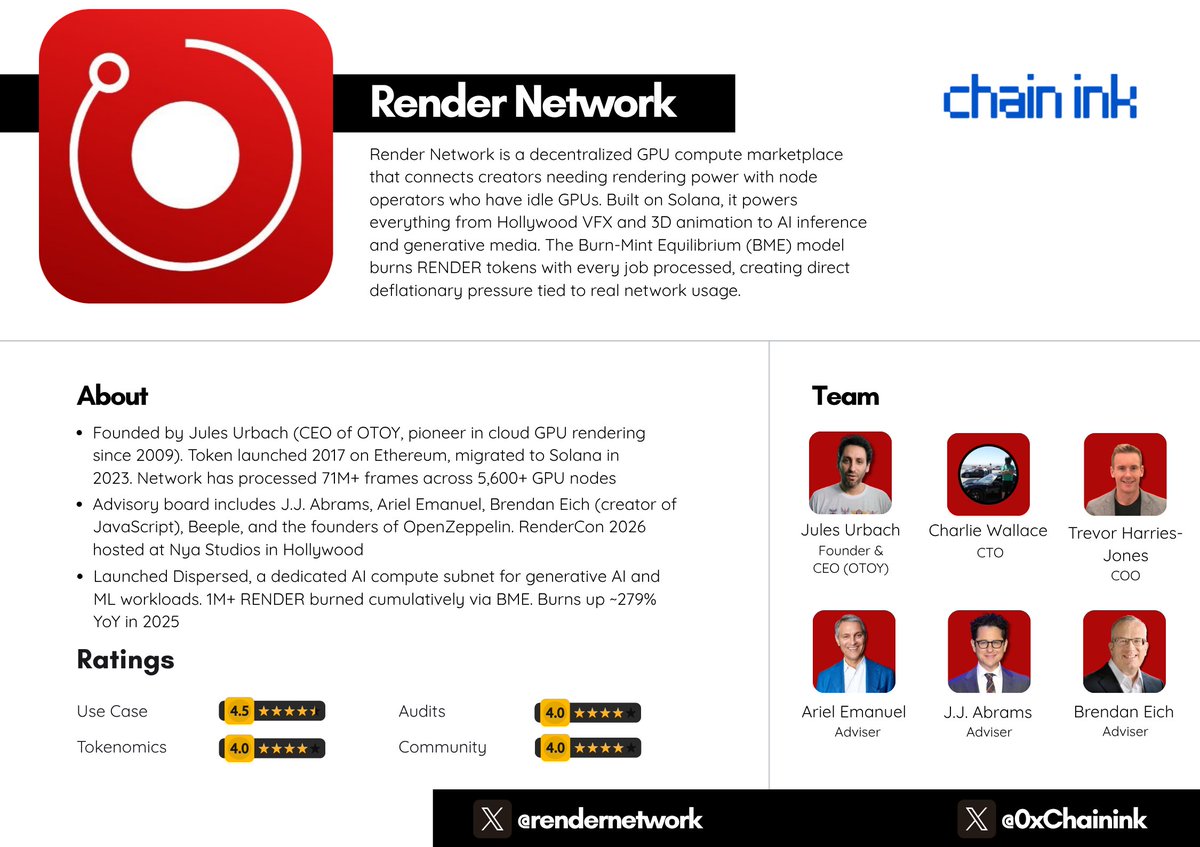
Meet Render Network - a decentralized GPU compute marketplace built on Solana that connects creators with idle GPU power, processing 71 million frames for studios, artists, and AI developers. Advised by J.J. Abrams, Brendan Eich, and Beeple. Where GPU power becomes a tokenized commodity.
Let's explore how Render is decentralizing the future of compute. 👇
⚪ Render at a Glance
Render Network is a peer-to-peer GPU compute marketplace created by Jules Urbach, founder and CEO of OTOY, the company behind the industry-standard OctaneRender engine. The network connects creators who need GPU power with node operators who have idle capacity, creating a decentralized alternative to centralized cloud rendering.
The $RENDER token powers the entire marketplace. Creators pay in RENDER (or fiat, which is converted and burned), node operators earn RENDER for completing jobs, and the Burn-Mint Equilibrium model permanently removes tokens from circulation with every job processed.
Marketplace Insight: The RNP-023 governance vote to integrate Salad's ~60,000 consumer-grade GPUs as an exclusive subnet could massively scale network capacity. RenderCon 2026 at Hollywood's Nya Studios (April 16-17) features Jules Urbach, Refik Anadol, and Rod Roddenberry. The Dispersed AI compute subnet is positioning Render at the intersection of creative rendering and AI infrastructure, with GPU hours available at ~$0.69.
⚪ Mission
Render Network's mission is to democratize access to GPU compute by creating a decentralized marketplace where anyone with idle GPU power can contribute to the world's rendering and AI workloads. By tokenizing compute power, Render aims to break the monopoly of centralized cloud providers and make high-end GPU rendering accessible to independent creators, small studios, and AI researchers alongside Hollywood productions.
🔵 A Brief History
Jules Urbach founded OTOY in 2009 with a vision to make cloud-based GPU rendering accessible to everyone. OTOY's OctaneRender became the industry-standard GPU rendering engine used across film, television, gaming, and architectural visualization. In 2017, Urbach launched the Render Network as the decentralized extension of that vision, tokenizing GPU compute through the RNDR token on Ethereum.
The network went through its initial development phase from 2017-2019, with the full mainnet launching in 2019. Early adoption came from the creative industry, with studios and independent artists using the network for 3D rendering jobs that would otherwise require expensive in-house GPU farms or costly centralized cloud services.
In late 2023, the network made a pivotal migration from Ethereum to Solana, rebranding the token from RNDR to RENDER. The move dramatically improved transaction speed and reduced costs, enabling the high-throughput job submission and settlement that a GPU marketplace demands.
Throughout 2025, network usage accelerated significantly. Token burns increased ~279% year-over-year, with 530,171 RENDER burned in the first nine months of 2025 compared to 139,924 in the same period of 2024. In December 2025, the network hit the milestone of 1 million cumulative RENDER burned.
In 2025, Render also launched Dispersed, a dedicated AI compute subnet built on five years of operational experience running distributed GPU infrastructure. Dispersed handles generative AI, image/video generation, and document processing workloads at approximately $0.69 per GPU hour, positioning Render as a viable alternative to centralized cloud providers for AI compute.
RenderCon 2026, hosted at Nya Studios in Hollywood on April 16-17, features presentations from Jules Urbach, artist Refik Anadol, and Rod Roddenberry, signaling Render's growing influence at the intersection of entertainment, AI, and decentralized infrastructure.
🔵 Ecosystem Narrative
Render's ecosystem sits at the intersection of three massive markets: creative GPU rendering, AI compute, and decentralized physical infrastructure (DePIN). The network turns idle GPU power into a productive, tokenized commodity.
Key dynamics include:
➛ GPU Marketplace connects creators needing render power with 5,600 node operators globally. Jobs are assigned based on OctaneBench scores, availability, scene complexity, and creator reputation.
➛ Burn-Mint Equilibrium (BME) creates direct deflationary pressure. Every job processed on the network results in equivalent RENDER burned. Fiat payments are converted to RENDER and burned automatically. Burns increased ~279% YoY in 2025.
➛ Dispersed is the new AI compute subnet, purpose-built for generative AI, ML workloads, image/video generation, and document processing. GPU hours available at ~$0.69, making it competitive with centralized cloud providers.
➛ OctaneRender integration provides ecosystem lock-in. OTOY's industry-standard rendering engine is natively integrated with the Render Network, meaning studios already using Octane can seamlessly access decentralized GPU power.
➛ Solana infrastructure enables high-throughput job submission, fast settlement, and low transaction costs, critical for a marketplace processing millions of rendering frames.
➛ RNP-023 (Salad Integration) is a pending governance vote to add ~60,000 consumer-grade GPUs via the Salad marketplace as an exclusive subnet, with all payments and rewards flowing through the RENDER token.
➛ RenderCon 2026 at Hollywood's Nya Studios (April 16-17) features Jules Urbach, Refik Anadol, and Rod Roddenberry, showcasing live workflows blending AI inference, 3D rendering, and next-gen media pipelines.
⚪ Token Utilities
$RENDER powers the decentralized GPU compute economy:
➛ Payment for Compute - Creators pay RENDER (or fiat, which is auto-converted and burned) for rendering jobs, AI inference, and compute workloads processed by node operators.
➛ Node Operator Rewards - GPU providers earn RENDER based on OctaneBench Hours (OBh) delivered. Rewards are issued per epoch (weekly).
➛ Burn-Mint Equilibrium - Every job burns RENDER tokens, creating a direct feedback loop between network usage and token supply. The more the network is used, the more tokens are permanently removed.
➛ Governance - RENDER holders participate in Render Network Proposals (RNPs) that determine protocol upgrades, economic changes, and ecosystem direction.
➛ Bounty Platform - Contributors earn RENDER for completing open tasks across technical tooling, documentation, research, and community engagement.
⚪ Key Features
➛ Decentralized GPU Marketplace - 5,600 GPU nodes globally, processing 71M cumulative frames. Connects creators with idle GPU power for rendering, AI, and compute workloads.
➛ Burn-Mint Equilibrium (BME) - Deflationary tokenomics where every job processed burns RENDER. 1.2M tokens burned cumulatively. Burns up ~279% YoY in 2025.
➛ OctaneRender Integration - Native integration with OTOY's industry-standard GPU rendering engine, used across Hollywood, gaming, architecture, and VFX pipelines.
➛ Dispersed (AI Compute Subnet) - Dedicated infrastructure for generative AI, ML, and compute workloads. ~$0.69 per GPU hour. Represents Render's strategic expansion beyond creative rendering into AI infrastructure.
➛ Solana-Native - Migrated from Ethereum in 2023 for faster settlement, lower costs, and higher throughput. Enables scalable job submission and real-time marketplace operations.
➛ Governance via RNPs - Render Network Proposals allow the community to propose and vote on protocol changes, economic upgrades, and ecosystem direction.
➛ Hollywood-Grade Adoption - Used by major studios, VFX professionals, and independent creators. RenderCon hosted at Hollywood's Nya Studios with industry leaders presenting live workflows.
🔵 Meet the Render Team
Render is led by one of the most connected founders in the GPU compute space, backed by an advisory board that spans Hollywood, Silicon Valley, and the open-source software world.
▶️ Core Members:
➛ Jules Urbach - Founder & CEO | Founder and CEO of OTOY, the company behind OctaneRender. Pioneer in cloud GPU rendering since 2009. Has presented at Nvidia GTC alongside Jensen Huang. Urbach's vision connects decentralized compute with Hollywood production, AI, and spatial computing. Featured in numerous GTC keynotes and Apple Vision Pro demonstrations.
➛ Charlie Wallace - CTO | Leads Render Network's technical architecture, protocol development, and infrastructure scaling across the rendering and AI compute layers.
➛ Trevor Harries-Jones - COO | Oversees operations, partnerships, and business development for the Render Network ecosystem.
▶️ Advisers:
➛ Ariel Emanuel - Adviser | CEO of Endeavor (parent company of WME, UFC, and IMG). One of the most powerful executives in entertainment and media. Connects Render to Hollywood's highest levels.
➛ J.J. Abrams - Adviser | Filmmaker, producer, and founder of Bad Robot Productions. Director of Star Wars: The Force Awakens, Star Trek, and numerous blockbuster franchises. Brings entertainment industry vision and credibility.
➛ Brendan Eich - Adviser | Creator of JavaScript, co-founder of Mozilla and the Brave browser. One of the most influential figures in internet technology history. Brings deep technical credibility and open-source philosophy.
➛ Mike Winkelmann (Beeple) - Adviser | Digital artist who sold "Everydays" NFT for $69M at Christie's. One of the most recognized names in digital art and crypto culture.
➛ Demian Brener - Adviser | CEO and co-founder of OpenZeppelin, the gold standard in smart contract security. Brings blockchain security expertise.
➛ Manuel Araoz - Adviser | Co-founder of OpenZeppelin. Pioneered smart contract auditing and security standards used across the entire crypto industry.
➛ David Vorick - Adviser | Founder of Sia, one of the earliest decentralized storage networks. Brings decentralized infrastructure expertise.
➛ Jennifer Zhu Scott - Adviser | Technology investor and thought leader in AI, blockchain, and emerging technology.
➛ Render Network Foundation - Oversees protocol governance, emissions management, grants, bounties, and ecosystem development. Publishes detailed monthly reports on network metrics, burns, and emissions.
🔵 Ratings
➛ Use Case: ★★★★✦ (4.5/5) - Render sits at the intersection of three massive growth markets: creative GPU rendering, AI compute, and DePIN. The network has processed 71M frames across 5,600 nodes with real Hollywood and studio adoption. The Dispersed AI subnet opens the door to the multi-billion dollar AI infrastructure market. OctaneRender integration provides genuine ecosystem lock-in that competitors can't easily replicate. The BME model ties token economics directly to real usage. The 0.5 deduction is because the AI compute expansion (Dispersed) is still early, and the network faces serious competition from both centralized cloud providers (AWS, Google Cloud) and decentralized competitors (Akash, io.net).
➛ Tokenomics: ★★★★ (4/5) - The Burn-Mint Equilibrium is one of the most elegant tokenomic models in crypto. Every job burns RENDER, creating deflationary pressure directly proportional to network usage. Burns increased ~279% YoY in 2025, hitting 1M cumulative. Max supply is capped at 644.2M with ~85M remaining to be emitted, and emissions decrease over time. Unused monthly emissions stay locked by the Foundation. The 1-point deduction is because burn rates, while growing, still don't exceed monthly emissions to nodes (~500K RENDER), meaning the network is still net inflationary. The crossover point where burns exceed emissions would be a major inflection.
➛ Audits: ★★★★ (4/5) - The codebase is open-source and the Foundation publishes detailed monthly financial reports with full transparency on emissions, burns, and expenditures. The Solana migration was executed smoothly without security incidents. Smart contract security benefits from advisers like Demian Brener and Manuel Araoz, the founders of OpenZeppelin, the gold standard in blockchain security. The network has operated since 2019 without a major exploit or loss of funds. The 1-point deduction is because the job verification system relies on creator approval (or 72-hour auto-approval) rather than trustless verification, and as the AI compute expansion scales via Dispersed, more visible formal protocol-level auditing would strengthen confidence.
➛ Community: ★★★★ (4/5) - Render has a unique community that spans crypto natives, 3D artists, VFX professionals, GPU miners, and AI developers. RenderCon has become a legitimate industry event hosted in Hollywood. The Bounty Platform enables community-driven development. The RNP governance system gives token holders real input on protocol direction. The Salad integration vote (RNP-023) shows active community participation in ecosystem decisions. The deduction is that Render's community skews more toward professional creators and institutional users than grassroots crypto culture, which limits viral retail engagement compared to chains like Solana or Kaspa.
🔵 Conclusion
Render Network is what happens when a GPU compute pioneer with 15 years of industry experience brings Hollywood-grade infrastructure to decentralized crypto. Jules Urbach didn't start with a token and work backward to find a use case. He built OTOY, created the industry-standard OctaneRender engine, and then decentralized the compute layer because the market demanded it.
The advisory board tells the story: J.J. Abrams, Brendan Eich, Beeple, Ariel Emanuel, and the OpenZeppelin founders don't attach their names to speculative projects. They advise Render because the technology is real and the adoption is measurable. 71M frames rendered, 1M tokens burned, 5,600 GPU nodes, and a dedicated AI subnet processing workloads at $0.69 per GPU hour.
The trajectory is compelling. Burns growing 279% YoY, Dispersed opening the AI compute market, RNP-023 potentially adding 60,000 GPUs via Salad, and RenderCon 2026 cementing Render's position at the intersection of Hollywood and decentralized infrastructure.
If GPU compute demand continues its exponential growth trajectory (and it will), Render is the only crypto project with the industry relationships, technical infrastructure, and tokenomic design to capture meaningful market share.
The question isn't whether decentralized GPU compute has a future. It's whether Render can scale fast enough to own it.
8
23
108
5,385

May 22
Also, can we tone down tech talks about AI in events that are not AI focused. Like for example droidcon, or angular, or rendercon. Only like 2% of talks should be about AI. The rest should be about the specific tech.
Please.
10
30
125
3,417
May 22
What's happaning on $RENDER Discord, what's currently being discussed in the channels?
Let's dive in
🧵👇🏻👇🏻👇🏻🧵
🧵 general
Dispersed node onboarding is expanding globally, but operators still need clarity on platform choice, application follow-up, and per-node setup.
⭕️ Team member Luke announced that all RenderCon 2026 sessions are now available on YouTube and pointed builders needing compute to Dispersed.com.
He also shared that Dispersed now lets users select the region where they want to hire GPUs, and that GPU node operator onboarding is now global, no longer limited to the US and Canada. Previously submitted applications are being reviewed, and Windows is now supported.
⭕️ @tinobruno asked how many Dispersed nodes can be enrolled.
Team member Luke clarified that operators can set up multiple nodes, but it is single GPU per node at this stage. @tinobruno confirmed that answered the question.
⭕️ @steveschiets asked whether someone from the network will email them for onboarding, and whether they should install Windows 11 on a Linux PC with an RTX 5090.
Context from prior node guidance: older Compute Subnet requirements emphasized Linux, while Render Subnet guidance historically used Windows 10/11. Luke’s current update says Windows is now supported for Dispersed, but it is still unclear whether a Linux RTX 5090 operator should switch to Windows 11 or wait for direct onboarding instructions.
⭕️ @prism09798 asked to continue privately with @458186325879816193.
No further context or resolution was visible in this message set.
❗ Focus for the team: clarify the Dispersed onboarding flow: whether applicants should expect an email, who sends it, expected timing, and whether operators with Linux RTX 5090 machines should install Windows 11 now or keep Linux. Also confirm whether “multiple nodes, single GPU per node” has any cap per operator or account.
❇️ Final thoughts: The tone is practical and operator-focused. The main news is positive: RenderCon content is live, Dispersed is expanding globally, regional GPU hiring is live, and Windows support lowers the barrier for node operators. The next useful step is a crisp onboarding FAQ for Dispersed covering OS choice, application review, hardware setup, and multi-node limits.
3
156