
12 Dec 2025
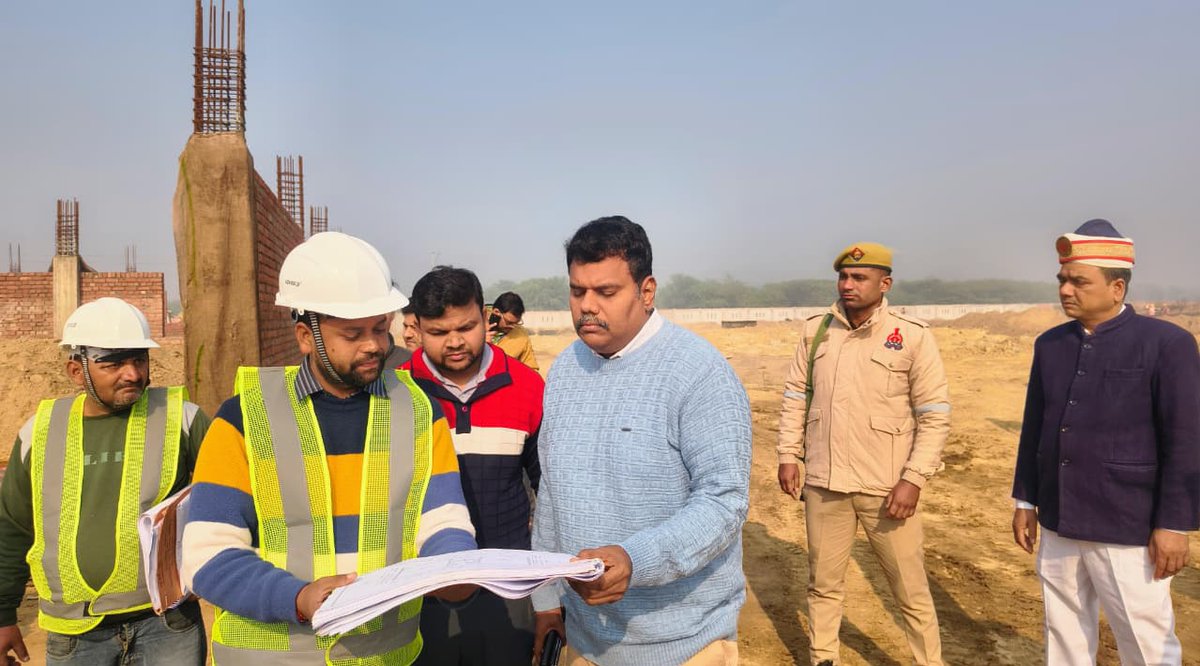
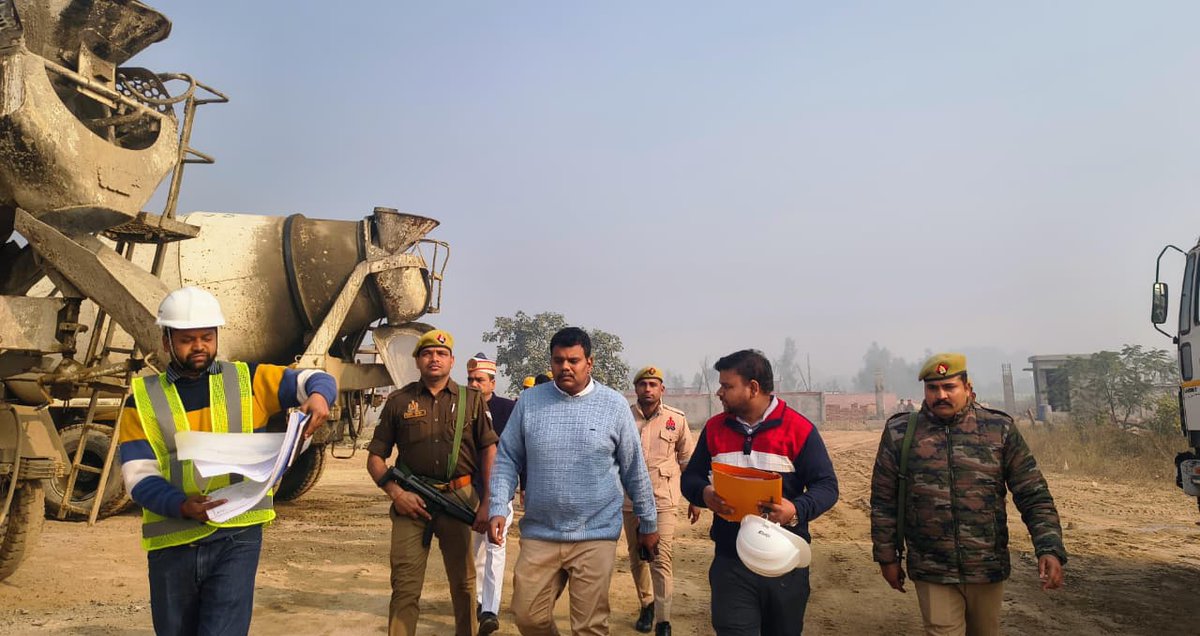
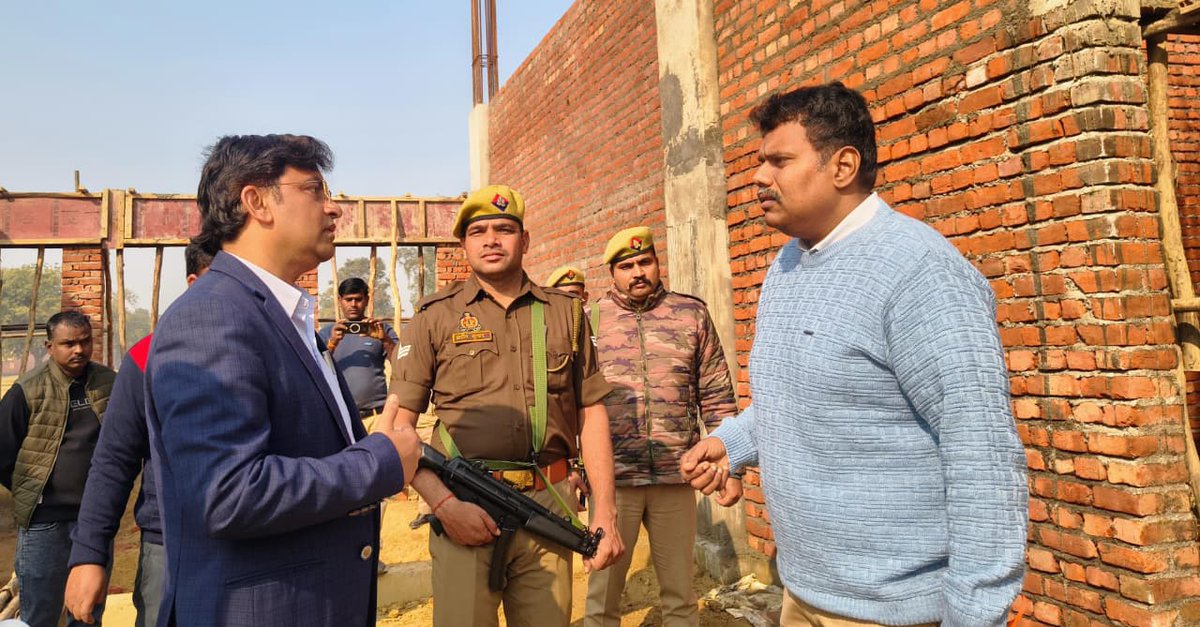
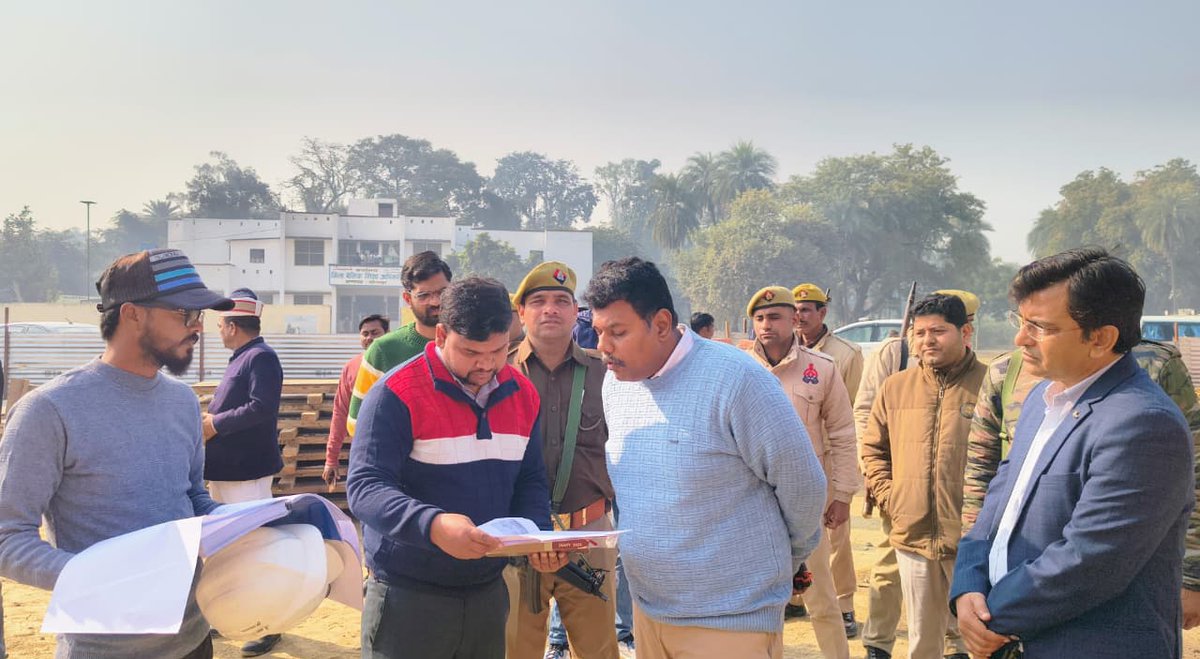
#सीतापुर: जिलाधिकारी ने मुख्यमंत्री मॉडल स्कूल और इंडोर स्टेडियम का निरीक्षण किया, गुणवत्तापरक निर्माण पर जोर।
#SitapurNews #DistrictMagistrate
#SchoolInspection #StadiumProject
#QualityConstruction #TimelyCompletion #SitapurDistrict
#UttarPradesh #EducationNews
#InfrastructureDevelopment
#GovernmentProjects #ConstructionQuality #SafetyStandards #ResourceUtilization
12
284

9 Dec 2024
To put it into perspective: Imagine tax money heating the entire pool on the left but only using the smaller volume on the right (e.g., offices).
If the federal workforce were the water in an Olympic-sized pool (about 2.5 million liters), 1% of employees would equate to just 25,000 liters.
#FederalWorkforce #ResourceUtilization @elonmusk
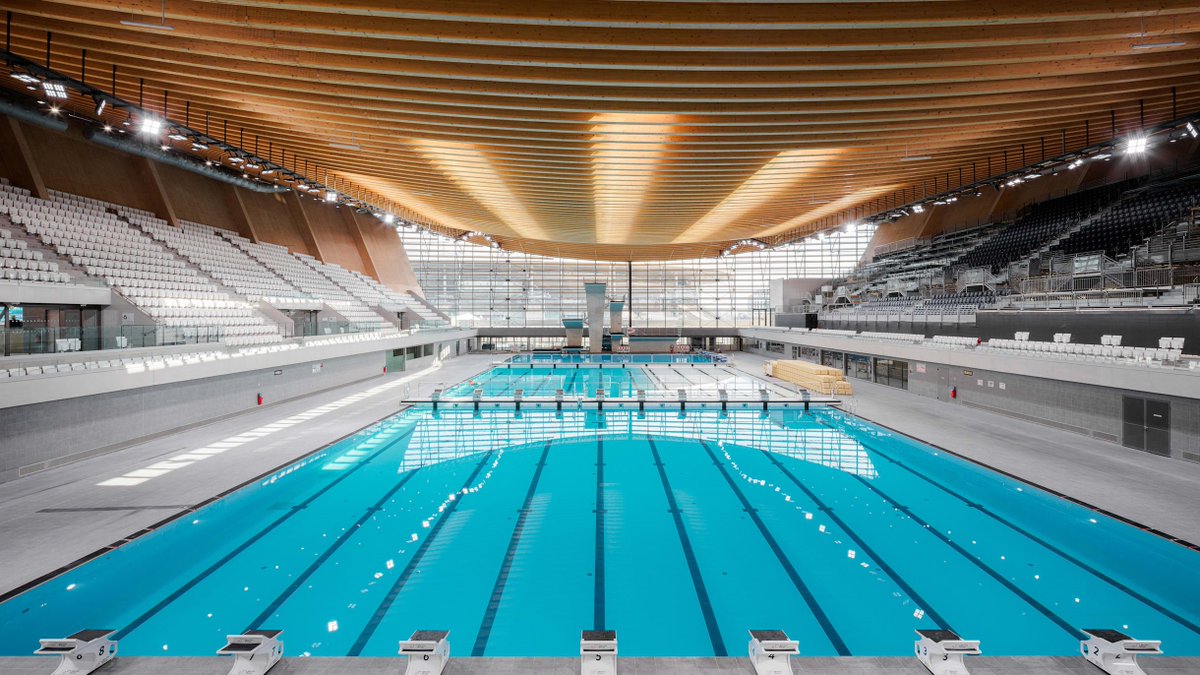
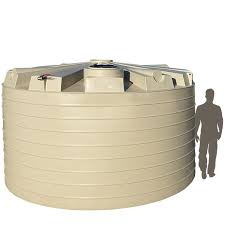

If you exclude security guards & maintenance personnel, the number of government workers who show up in person and do 40 hours of work a week is closer to 1%!
Almost no one.
2
2
170

19 Aug 2024
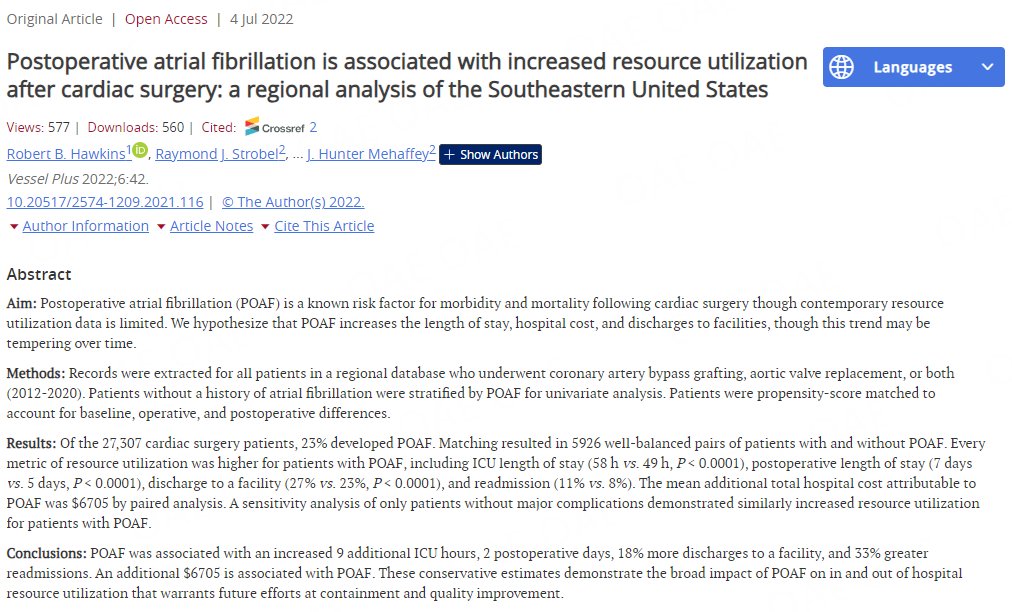
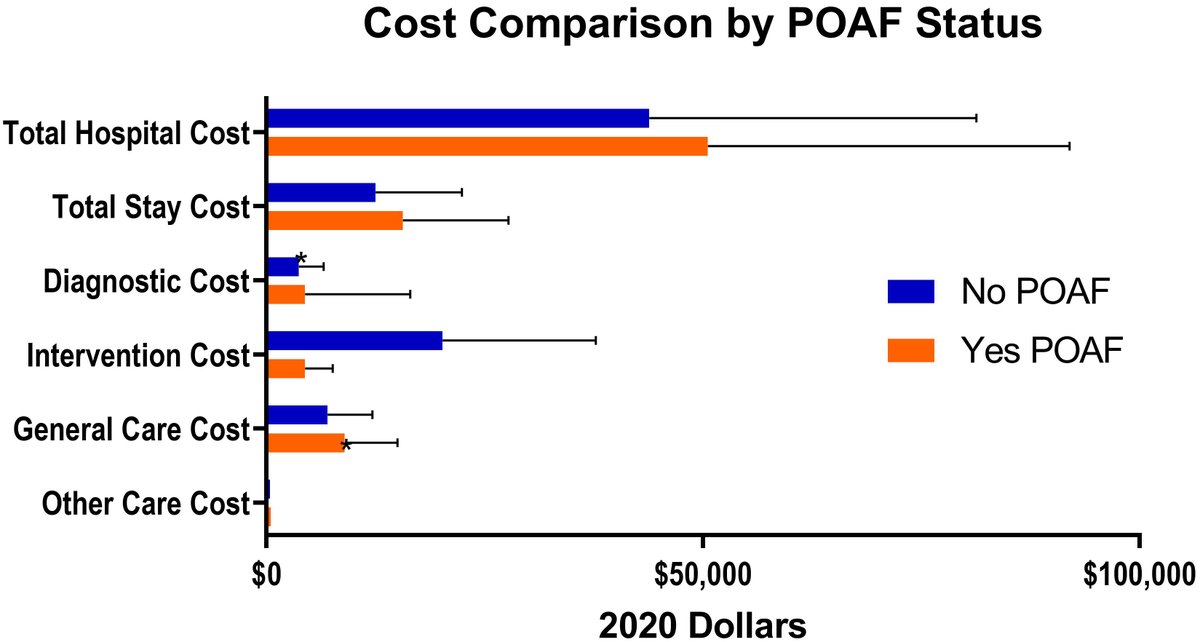
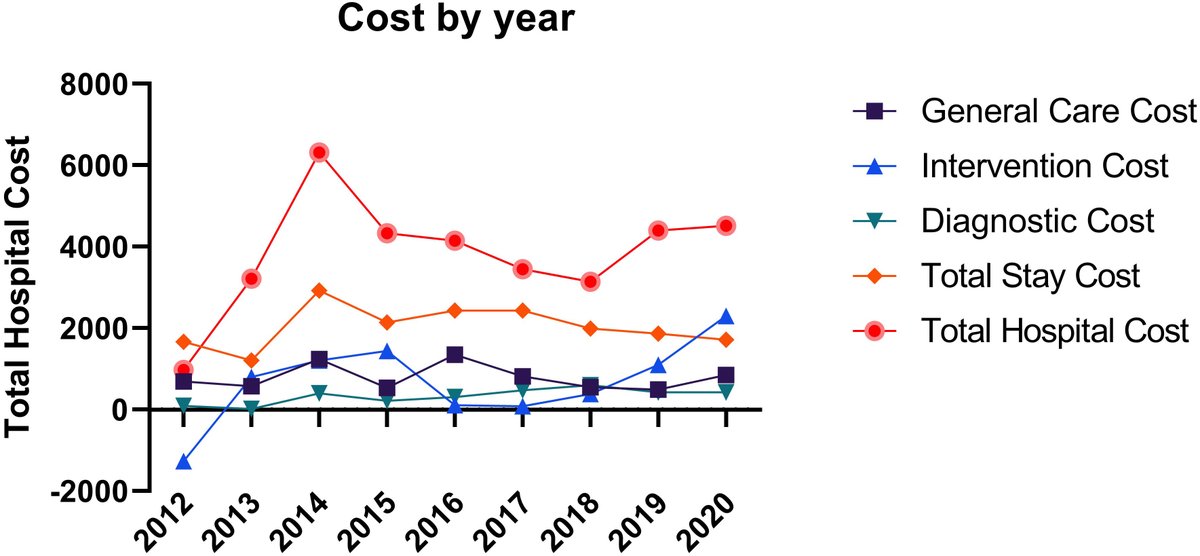
🫀🫀🫀An original article on Postoperative atrial fibrillation
Read for free👉f.oaes.cc/xmlpdf/38841e86-33…
#cardiovascular #CardioCare #CardiologyNews #cardiophile #CardioExtremo #cardiotwitter #cardiacsurgery #cardiacsurgery #resourceutilization #cost
2
606

22 May 2024
Great, IoT's getting its own bouncer squad - MARL Agents balancing the Fog line. Because waiting for your smart fridge to sync is sooo 2022. Queue up, devices! 🙄 #AI #AInews #AIhumor #IoT #MARL #FogComputing #LoadBalancing #ResourceUtilization #WaitingTi arxiv.org/abs/2405.12236
2
75

8 May 2024
Transforming the Way Efficient Resource Utilization Impacts Sixfold.
#impact #efficient #resourceutilization #profitability #competitiveness #sustainability #resourcedepletion #environmentalimpact #operationalinefficiencies #deeplance #finland #helsinki #canada #usa
11

29 Apr 2024
Esri Products | ArcGIS Enterprise | ArcGIS Monitor
Explore more: esri.com/en-us/arcgis/produc…
#Esri #EsriSaudiArabia #ArcGISEnterprise #GIS #EnterpriseGIS #ArcGISMonitor #GISMonitoring #SystemHealth #DataMetrics #PerformanceMonitoring #ResourceUtilization #SystemAlerts
1
1
3
305

23 Jan 2024
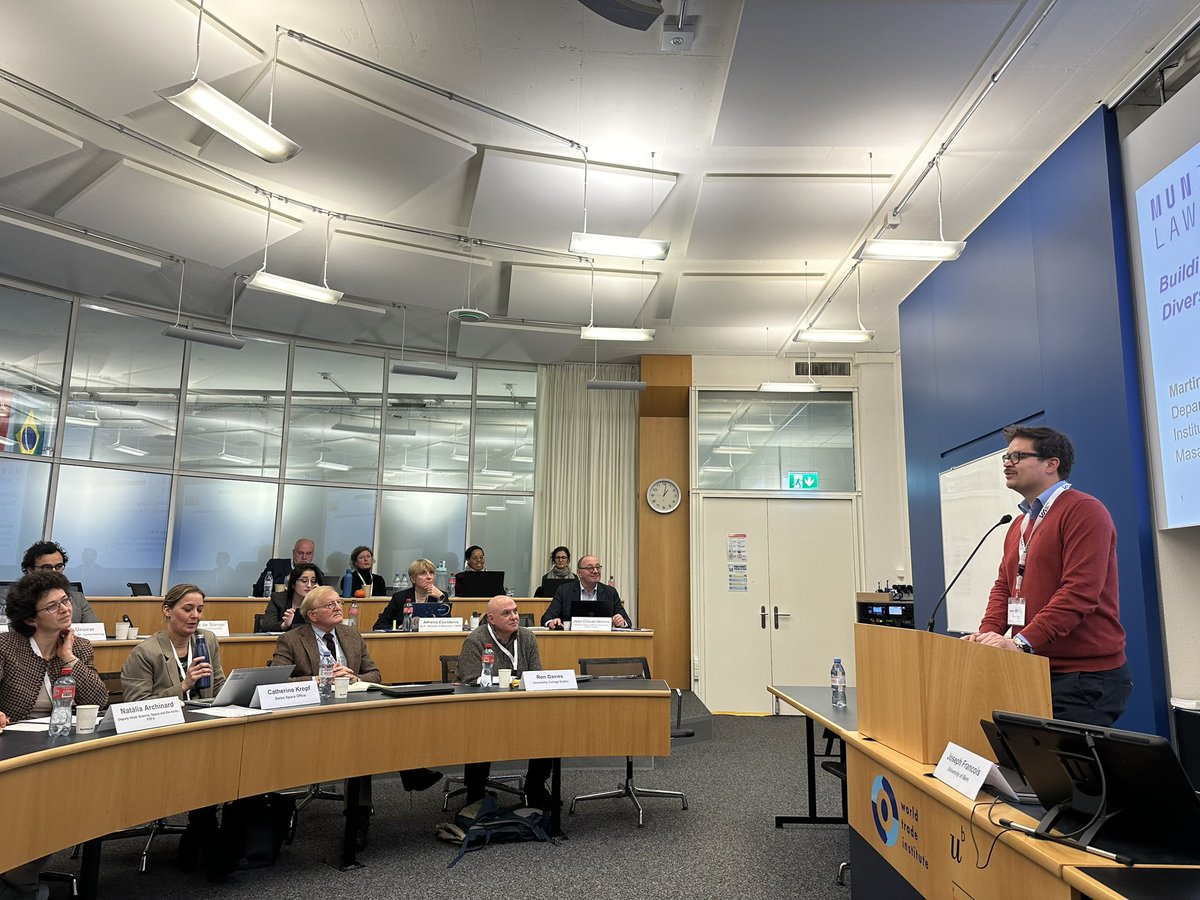
What a workshop! There are diverse approaches toward building a legal framework for #spacemining. Explored these strategies in my recent presentation, shedding light on key challenges and paving the way for the future of space governance. #SpaceLaw #ResourceUtilization
17 Jan 2024

@martinsvec89 presents “Building a Legal Regime for Space Resource Utilization: Diversity of Approaches” #spacelaw @WTIunibe @ISSIBern @ISDC_Lausanne @CosparHQ @ucddublin
4
157

21 Nov 2023
About the most important spreaders of a #tick and its behaviors in NY-City (USA), the #Lymedisease and #humans as #hosts for two parasites coming the same time: tick and #Borrelia bacteria:
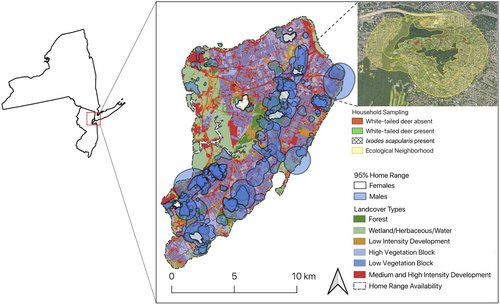
Preferred deer #Odocoileus #virginianus (Capreolinae, #Cervidae) habitats in #NewYork City, more precisely due to #movementbehaviour and #resourceutilization (studied in the linked paper by. M. C. VanAcker et al. (2023)), tend to support the survival of ticks (#Ixodes #scapularis, #Ixodidae, #Parasitiformes) dispersed by this deer in areas with infection risk for humans: result can be Lyme disease with I. scapularis as #vector.
The disease is caused by bacteria of genus Borrelia (#Spirochaetales, #Spirochaetes, #Bacteria). The human infection can cause memory problems, and tiredness over months, when the infection was not recognized by time. The symptoms can then disappear again without this meaning that the illness has been overcome. Ultimately, it can lead to chronic and partly seriois issues with joints and nervous system.
In detail, the connections are even more complicated, as it is often not the deer, but a small mammal that is the original reservoir for the bacterium. All tick #juvenile forms in the tick 3-stages #lifecycle (larva, nymph, tick) require a blood meal. The initially tiny first two #instars initially prefer smaller hosts, only (normally) the adult female, which has to absorb so much blood that the #bodycircumference increases up to a hundred times (real #cuticlegrowth in an adult arthropod!), then seeks out larger hosts such as deer or humans. The probability of infection with Lyme disease is higher for humans if they have been "mistaken" for a small mammal by a tick nymph. This is because the tiny and sometimes transparent appearing nymphs are rarely recognized before they fall off on their own. The longer the contact between tick and mite, the higher the likelihood of infection success with Borrelia.
This text by #StefanFWirth, Berlin 2023
Source:
M. C. VanAcker et al. (2023):
doi.org/10.1111/ele.14326
Photo belonging to publication of above cited authors
2
1
102
1,074

19 Oct 2023
Part one
Egypt's Ambitious 200-Year Projects: A Goal Beyond 2025
This marks just the beginning, and it's essential to grasp that we hold a record of the destination of every drop of Nile water, whether it's diverted unlawfully or through legitimate channels.
Here's a more detailed breakdown of the key events and developments related to agriculture, infrastructure, and economic expansion in Egypt:
June 9:
Savola's Operations in Egypt: Savola, a company operating in Egypt, owns and operates 7 factories. These factories are significant contributors to the local economy, providing employment and contributing to production.
Sugar Beet Reclamation: Savola is actively reclaiming a substantial agricultural area spanning 9,000 acres for sugar beet cultivation. This underscores the company's commitment to agriculture, crucial for both food production and economic growth.
Expansion of Agricultural Reclamation: In addition to the 9,000 acres already reclaimed, Savola is embarking on reclaiming an additional 11,000 acres of land. This demonstrates an ambitious effort to increase agricultural production, potentially bolstering Egypt's food security.
June 14:
Sanabel Sono Agricultural Project: Egyptian companies are progressing towards initiating the "Sanabel Sono" agricultural project, which heavily relies on Nile water, a critical resource for Egypt's agriculture.
Supervision by Ministry of Defense: The project's supervision by the Ministry of Defense indicates a coordinated effort to ensure efficient and secure resource utilization for agricultural purposes.
June 9:
Land Reclamation: Savola's efforts encompass the reclamation of 9,000 acres of land for sugar beet cultivation, indicating an investment in agriculture, potentially for sugar or related products.
Expansion Plans: Savola has initiated the reclamation of an additional 11,000 acres of land, likely to meet the demands of its sugar factories, reflecting a commitment to increasing production capacity or ensuring a sustainable supply of raw materials.
June 5:
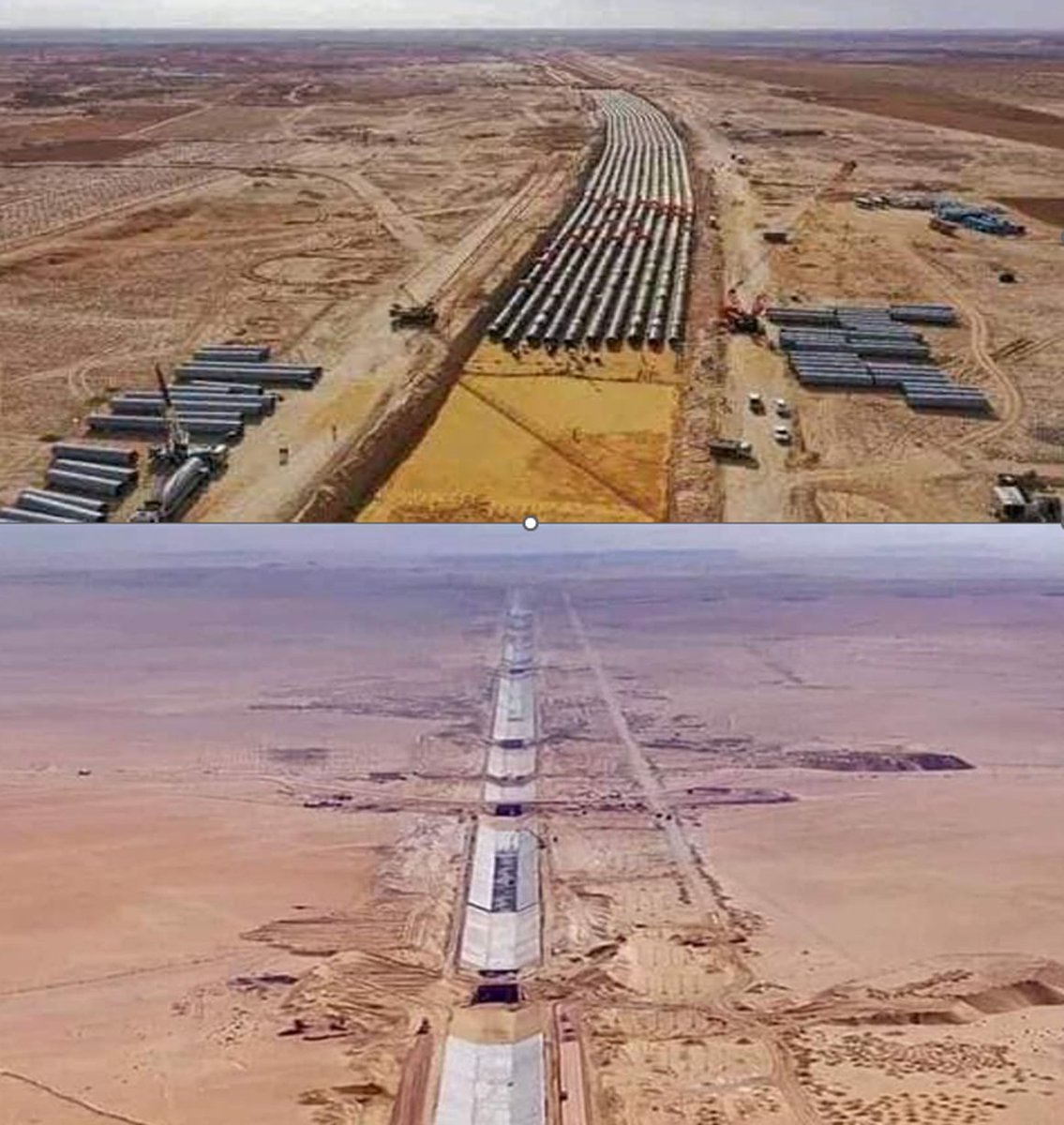
Artificial River Construction: Ongoing construction of an artificial river in the Western Desert has potential implications for irrigation, agriculture, and water resource management. These projects typically aim to improve water distribution for agricultural purposes.
Agricultural Expansion Plans: Egypt's plan to increase the production of key crops like wheat, corn, and sugar by 2025 signals a strategic effort to enhance food security and boost the economy.
June 4:
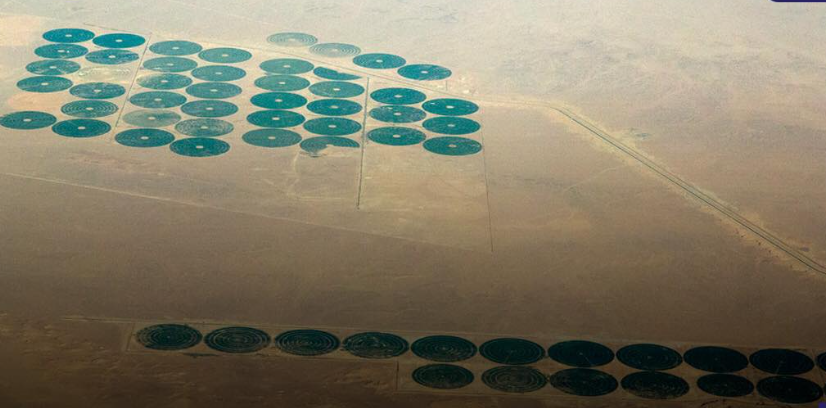
Modern Pivot Irrigation Systems: A factory is installing modern pivot irrigation systems over 5 million acres. These advanced irrigation methods efficiently distribute water to crops, enhancing crop yield and water conservation.
Annual Production Capacity: The factory's impressive annual production capacity of 2,500 pivot irrigation systems highlights its potential to improve agricultural practices and water management in Egypt.
May 26:
Al-Dhahra Company's Reclamation Project: Al-Dhahra Company is involved in a reclamation project focused on corn and wheat cultivation. These projects convert arid or unused land into fertile agricultural areas, contributing to food security and agricultural diversity.
Expansion Plans: In addition to corn and wheat, the project's expansion plans include rice, alfalfa, fodder, and flour production, aiming to diversify crop production and potentially increase self-sufficiency in various agricultural products.
May 20:
Vision for Egypt's Rural Future (200 Years): Egypt's long-term vision includes transforming desert regions into productive agricultural lands. This involves reclaiming arid or unused land and developing advanced irrigation techniques and infrastructure.
Establishment of Industrial Rivers, Canals, and Road Networks: The vision encompasses plans to create industrial rivers and canals to facilitate irrigation and transportation of goods, critical for agricultural and economic development. Road networks are also essential for connectivity and access to newly developed areas.
Emergence of a New Delta in the Western Desert: The vision includes the creation of a "new delta" in the Western Desert, akin to the Nile Delta, with fertile soil historically significant for agriculture. Achieving this involves extensive land reclamation and irrigation efforts.
May 15:
Green River Gardens Development: This project is described as one of the world's largest urban parks, covering 4.2 million square meters initially and expanding to 33.6 million square meters. It has the potential to become a significant green space in the urban landscape.
May 14:
World's Largest Palm Farm in Toshka: This massive palm farm is cultivating 2.2 million palm trees, highlighting the importance of palm cultivation for economic and agricultural development.
Vegetation for Shade and Temperature Control: The mention of vegetation planted alongside palm trees likely serves to provide shade and control temperatures in the arid Toshka region, essential for palm tree growth and productivity.
April 29:
Water Release to the Western Desert - New Delta Site: Initiated on April 29, this project involves the release of water to the arid Western Desert region, aiming to reclaim 2.8 million acres of land for various crops, including sugar, vegetables, and fruits. It has significant economic and environmental implications, including job creation and diversified crop production.
April 24:
Toshka El-Khair Project: This project, initiated on April 24, aims to cultivate 1.5 million acres in Southern Aswan. Proper water management for sustainable cultivation is emphasized.
April 17:
New Valley Wheat Harvest: This marks the wheat harvest season in the New Valley region as part of the Toshka Al-Khair Project, demonstrating progress in achieving agricultural goals.
April 16:
Canal Incision in the New Valley Area: The completion of this canal incision in the New Valley Area is essential for efficient water distribution and irrigation in the region, supporting agricultural projects like those in Toshka.
March 15:
Path of Development Project: Led by Dr. Farouk El-Baz, this project focuses on strategic planning and implementation of various initiatives for Egypt's development, particularly in agriculture, land reclamation, and sustainable resource management.
March 9:
Cultivating 2.5 Million Palm Trees: Egypt's commitment to cultivating 2.5 million palm trees reflects its dedication to green initiatives and sustainable agriculture, providing valuable resources and contributing to environmental benefits.
Feb 28:
Soybean Cultivation: Egypt's decision to expand soybean cultivation enhances crop diversity, reducing reliance on imports and strengthening agricultural self-sufficiency.
Feb 13:
Egyptian Express Train Green Line: This project represents a significant advancement in transportation infrastructure, essential for efficient movement of agricultural products and reducing transportation costs.
Feb 4:
Bdour Agricultural Project: This project in the Ismailia desert focuses on reclaiming and developing previously unused land for agriculture, addressing land scarcity challenges and supporting sustainable agriculture.
Feb 1:
Advanced Treatment Plants for Agricultural Drainage: Investment in advanced treatment plants for agricultural drainage emphasizes sustainable water management, preserving water resources and ensuring agricultural productivity.
January:
Expanding Agricultural Landscape Projects: Egypt's commitment to expanding agricultural landscape projects aims to increase arable land and enhance agricultural production, contributing to food security and economic growth.
Peak in Exports of Fruits and Vegetables: Egypt's success in international markets contributes to economic growth and prosperity.
These events and developments collectively illustrate Egypt's strategic approach to agricultural and economic growth, emphasizing sustainability, infrastructure development, and diversified crop production.
TO BE CONTINUE..
#NileWater #WaterResources #RecordKeeping #WaterManagement #Transparency #ResourceUtilization #LegalChannels #ResourceMonitoring #ComprehensiveData #ResourceAllocation #Ethiopia #Egypt
6
9
1,336
19 Oct 2023
Part Two
Egypt's Ambitious 200-Year Projects: A Vision Beyond 2025
Now, let's delve into the detailed breakdown of the vast irrigation project occurring in the New Delta region:
A detailed breakdown of the information provided about the massive irrigation project taking place in the New Delta region:
General Overview:
Location: New Delta region, Egypt.
Project Name: Development Corridor.
Contradiction: Egyptians are witnessing the launch of large projects while being told that Egypt lacks water.
Scale: Considered one of the biggest irrigation projects in the world.
Goals of the Project:
Wheat Production: Increase from 9 million tons to 14.2 million tons by 2025.
Corn Production: Increase from 7 million tons to 10.4 million tons by 2025.
Sugar Production: Increase from 2.4 million tons to 4 million tons by 2025.
Details of Implementation:
Artificial Rivers, Canals, and Drains: These are being constructed in the desert's heart.
Infrastructure Development: Roads are being paved, desert lands are being leveled, and electrical transformers, giant pumps, and water treatment stations are being installed.
Pivot Irrigation Devices: More than 22,000 are being manufactured for use in irrigating 2.8 million acres in the desert.
Area Size: The old Delta is about 2.9 million acres, and a new Delta of equivalent size (2.8 million acres) is being created for agricultural land alone.
Materials: All materials, including cast iron pipes, pumps, engines, pivot irrigation devices, crops, seeds, and fertilizers, are made in Egypt. Pivot irrigation devices are not being imported for the first time.
New Delta Description:
Size: Immense area with 2.8 million acres of agricultural land.
Uniqueness: The project is being implemented like it only once in a lifetime.
Engineering Scale: The engineering works' scale is three times that of the High Dam.
Logistics and Transportation:
Development Corridor: The project aligns with this path.
Roads and Trains: Traversed by the Cairo - Cape Town road and served by the high-speed train.
Transportation: These connections facilitate product transport to all Egyptian cities and seaports for export.
This information outlines the ambitious plan for the New Delta region, detailing the goals, implementations, and unique aspects of this significant project.
Success and Failure Metrics:
Measuring Success: Success or failure of the project is determined by the targets set initially.
Example: If the goal is half a million acres, it's successful, but if the aim is 2.8 million acres and only half a million is achieved, it's considered a failure.
Note: Failure in this context is attributed to false propaganda stemming from people's ambitions.
Water Sources and Calculations:
Total Water Quantity: Calculations are necessary to conclude the achievable areas of irrigation.
Water Sources:
Al-Hamam Treatment Plant: 7.5 million cubic meters per day (2.5 million from Lake Edko drain are undecided).
Nile Rashid Branch: 10 million cubic meters per day (feasibility is doubted).
Groundwater: Less than the two sources above.
Total Water Availability: Will never reach 20 million cubic meters per day.
Irrigation Capacity: In the best case, this would irrigate around 1 to 1.2 million acres, not reaching the 2.8 million acres target (below 50%).
Commentary: There is a concern that there isn't enough water for the entire project, and illusions shouldn't be sold to the people.
A Real Epic and War in the Western Desert:
Epic Undertaking: An unimaginable amount of work, including digging man-made rivers, canals, and drains, paving roads, leveling lands, and installing electric transformers, giant pumps, and water treatment stations.
Pivotal Irrigation Devices: Over 22,000 devices for irrigating 2.8 million acres.
New Delta Creation: Creating a new delta in the Western Desert, with 2.8 million acres solely for agriculture.
Materials: Everything is made in Egypt, including pivot irrigation devices no longer imported.
Unique Project: It's a massive area implemented only once in a lifetime, with thrice the engineering work of the High Dam.
Logistics: Intersecting the Cairo-Cape Town road, serving the high-speed train, and focusing on specific crops.
Overview:
Location: New Delta region, part of the national project "Development Corridor."
Scope: A real epic and war in the Western Desert.
Infrastructure and Work:
Rivers, Canals, Drains: Artificially dug in the heart of the desert.
Roads: Being paved.
Desert Lands: Being leveled.
Electric Transformers, Pumps, Treatment Stations: Being implemented.
Pivot Irrigation Devices: 22,000 being manufactured to irrigate 2.8 million acres.
The Old and New Delta:
Old Delta Size: Approximately 2.9 million acres, including urban areas.
New Delta Creation: Similar in size to the old Delta, with 2.8 million acres for agriculture.
Materials: All made in Egypt, including pivot irrigation devices, crops, seeds, and fertilizers.
Scale and Uniqueness:
Engineering Work: Three times the volume done for the High Dam.
Historical Comparison: The new delta's size (5.8 million acres) compared to Egypt's historical agricultural lands (9.2 million acres) signifies a unique project in history.
Aerial Photography: The Great Artificial River in the New Delta includes pastures, banks, and flood controls.
Logistics and Goals:
Logistics: Intersects with Cairo - Cape Town road, serves the high-speed train, focuses on specific crops.
Goals by 2025:
Wheat production: 14.2 million tons (compared to 9 million).
Corn production: 10.4 million tons (compared to 7 million).
Sugar production: 4 million tons (compared to 2.4 million).
Goals by 2020:
Wheat production: 4.4 million tons (compared to 4 million).
Corn production: 4.4 million tons (compared to 4 million).
Sugar production: 4 million tons (compared to 2 million in 2017).
This comprehensive information paints a vivid picture of an ambitious project that involves extensive engineering work, the creation of a new agricultural area equivalent to the historical Delta, and significant increases in crop production. It's portrayed as a once-in-a-lifetime project that stands as a testament to human ingenuity and determination.
TO BE CONTINUE..
#NileWater #WaterResources #RecordKeeping #WaterManagement #Transparency #ResourceUtilization #LegalChannels #ResourceMonitoring #ComprehensiveData #ResourceAllocation #Ethiopia #Egypt
2
2
7
1,708

12 Sep 2023
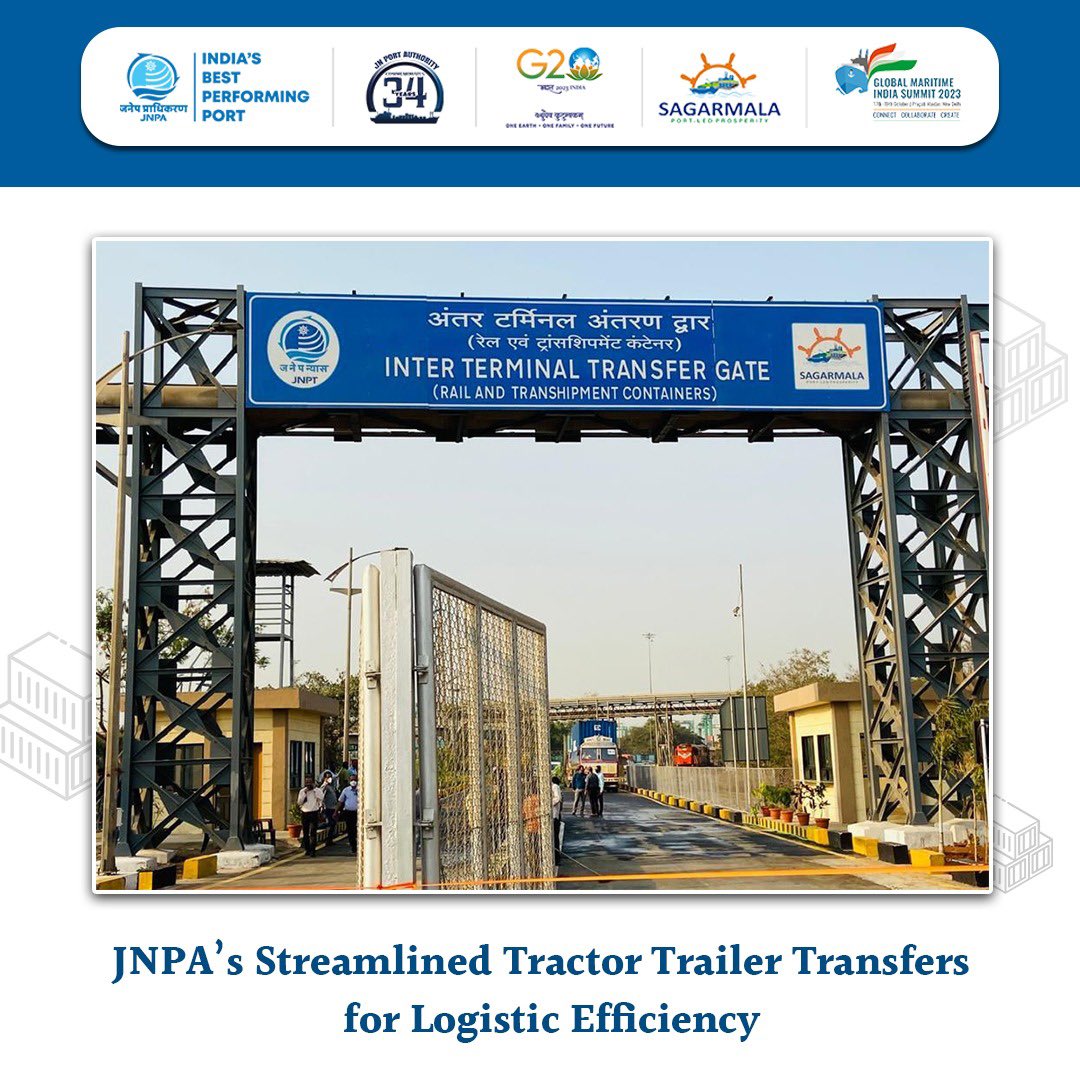
Enhancing Efficiency: JNPA has significantly improved its operational performance with the implementation of Inter-Terminal Transfers (ITT) for Tractor Trailers. ITT maximizes resource utilization, ensures swift turnaround times, facilitates the reduction of congestion, and reduces logistical expenses for the trading sector.
#EfficiencyBoost #StreamlinedOperations #InterTerminalTransfers #LogisticsOptimization #TradeFacilitation #ResourceUtilization #CongestionReduction #QuickTurnaround #JNPAInnovation
1
4
234

9 Sep 2023
Prepare yourself for Episode #74 of the Modern Alchemy Podcast, airing this coming Monday.
In this episode, Bersabeh and I will talk about the hidden methods of attaining greatness through effective utilization.
Just like the ancient alchemists sought to transmute base metals into gold, we aim to transform your ambitions into remarkable achievements by harnessing the power of utilization.
Resilience is the ability to get knocked down and to get back up.
Get back up! Take the hits and keep moving forward.
While resilience gives you the endurance to keep going, Utilization is more than that.
Utilization is leverage.
Utilization is not just taking a hit; utilization is making the hit work in your favor versus disfavor.
Are you tired of feeling like you could be achieving more, doing more, and experiencing more?
Well, this might be your guide to unlocking your true potential, both personally and professionally.
Are you ready to connect, learn, and grow with like-minded individuals?
Don't miss out on this opportunity to be a part of a thriving community where you can grow, learn, and build lasting connections.
Join us today and embark on an exciting journey of discovery, connection, and personal growth.
"Harmonic Wealth Community"
Click here to join our growing online community NOW:
jamesraystore.com/product/th…
#Utilization #ResourceUtilization #UtilizeWisely #StayStrong #NeverGiveUp #RiseAbove #BounceBack #Perseverance #ResilientMindset #AlchemyOfSuccess #TransmuteYourDestiny #thesecret #modernalchemy #mentalalchemy #transmutation #podcast #podcasting #podcastlife #podcastseries #jamesarthurray #jamesarthur #jamesray #bersabehray #bersabeh
2
365

17 Aug 2023
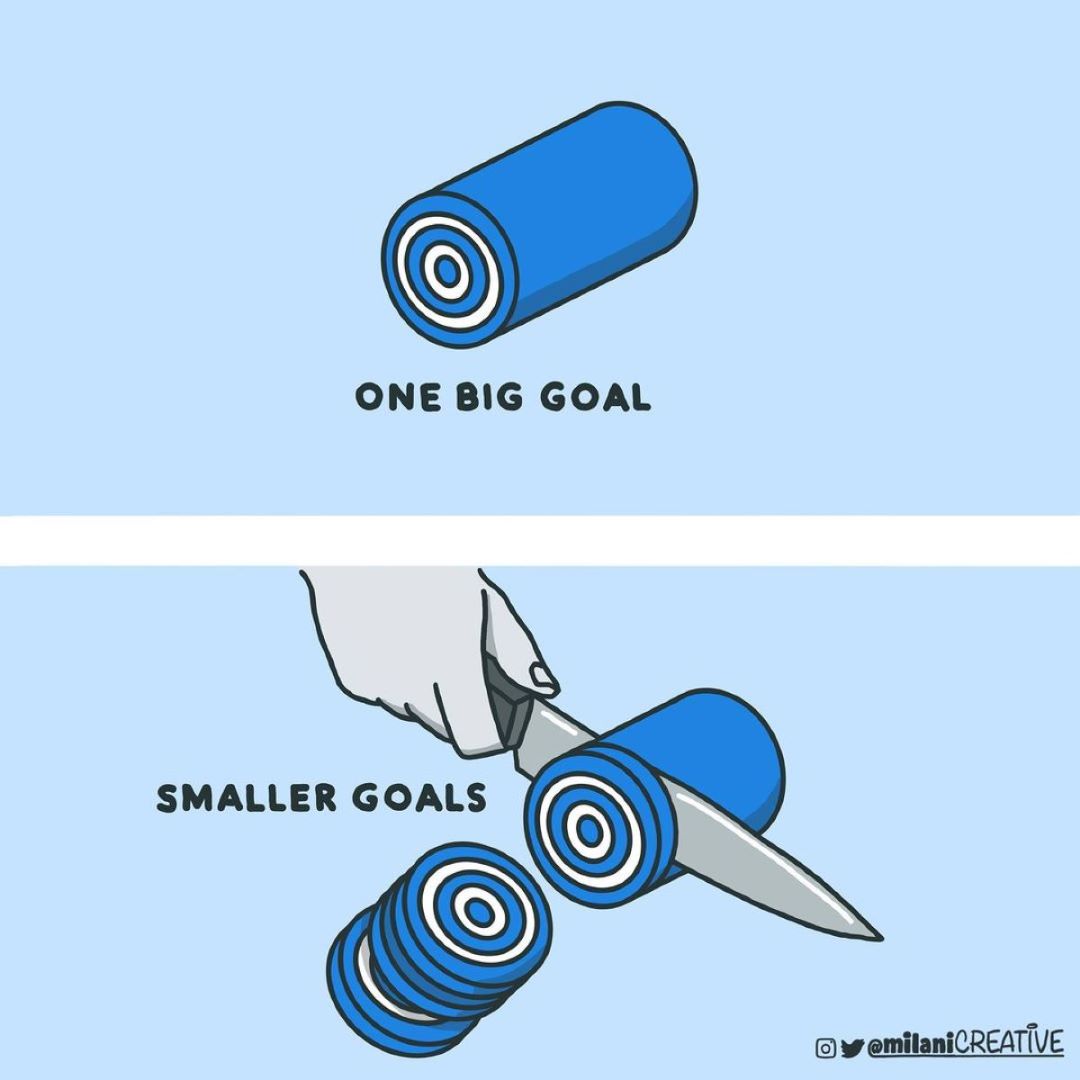
7 most relevant benefits of 𝑩𝑹𝑬𝑨𝑲𝑰𝑵𝑮 𝑩𝑰𝑮 𝑮𝑶𝑨𝑳𝑺 into 𝑺𝑴𝑨𝑳𝑳𝑬𝑹 𝑮𝑶𝑨𝑳𝑺:-
📌𝐂𝐥𝐚𝐫𝐢𝐭𝐲:
Smaller goals makes it easier to focus on every part separately because they provide you a clearer picture of what has to be done.
📌𝐌𝐨𝐭𝐢𝐯𝐚𝐭𝐢𝐨𝐧:
Hitting small milestones gives us a sense of progress and inspires us to keep working towards the bigger goal.
📌𝐅𝐥𝐞𝐱𝐢𝐛𝐢𝐥𝐢𝐭𝐲 𝐚𝐧𝐝 𝐀𝐝𝐚𝐩𝐭𝐚𝐛𝐢𝐥𝐢𝐭𝐲:
Setting smaller targets makes it easier to modify the strategy as necessary and makes it less vulnerable to unforeseen events.
📌𝐓𝐫𝐚𝐜𝐤𝐢𝐧𝐠 𝐚𝐧𝐝 𝐞𝐯𝐚𝐥𝐮𝐚𝐭𝐢𝐨𝐧:
Reducing a large goal makes it easier to monitor progress and spot any obstacles.
📌𝐁𝐞𝐭𝐭𝐞𝐫 𝐏𝐫𝐨𝐛𝐥𝐞𝐦-𝐒𝐨𝐥𝐯𝐢𝐧𝐠:
Concentrating on smaller goals enables a more comprehensive study of upcoming problems, which results in better problem-solving techniques.
📌𝐄𝐟𝐟𝐞𝐜𝐭𝐢𝐯𝐞 𝐑𝐞𝐬𝐨𝐮𝐫𝐜𝐞 𝐮𝐭𝐢𝐥𝐢𝐬𝐚𝐭𝐢𝐨𝐧:
By allowing for better time, effort, and resource allocation, smaller goals enhance process effectiveness.
📌𝐑𝐞𝐝𝐮𝐜𝐞𝐝 𝐀𝐧𝐱𝐢𝐞𝐭𝐲:
Dealing with smaller, achievable tasks reduces stress associated with tackling a massive goal all at once.
Concluding, breaking a huge goal into smaller goals increases sustained effort and progress while enabling a disciplined and organised approach to success.
photo credit: instagram @ milani creative
_____________
Like this post?
📷 Let's connect @barariya
📷 Click on "Follow”. Hit the ❤️ icon
#goals #motivation #flexibility #adaptibility #evaluation #tracking #problemsolving #ResourceUtilization #resourceutilization #reduceanxiety #contentcreator #contentcreatorindia #kamleshbarariya
4
112

15 Aug 2023
In this featured @VMwareExplore session, our @VMwareCXS experts will explain how to optimize your #ResourceUtilization and resolve performance issues to minimize downtime and stabilize your #MultiCloud environment 📊
Read more: ow.ly/RZRW50PxI0j

3
4
517

🌟 Discover how @stGeorgesplat acquired @Iceland_Res becoming the sole owner of Iceland's mineral exploration rights🌱🏔️💎
#SaintGeorgeEcoMining #IcelandResource #MiningJourney #ResourceUtilization #ResponsibleMining #SustainableMining
youtu.be/81CxMVENm74
1
2
30

18 Jul 2023
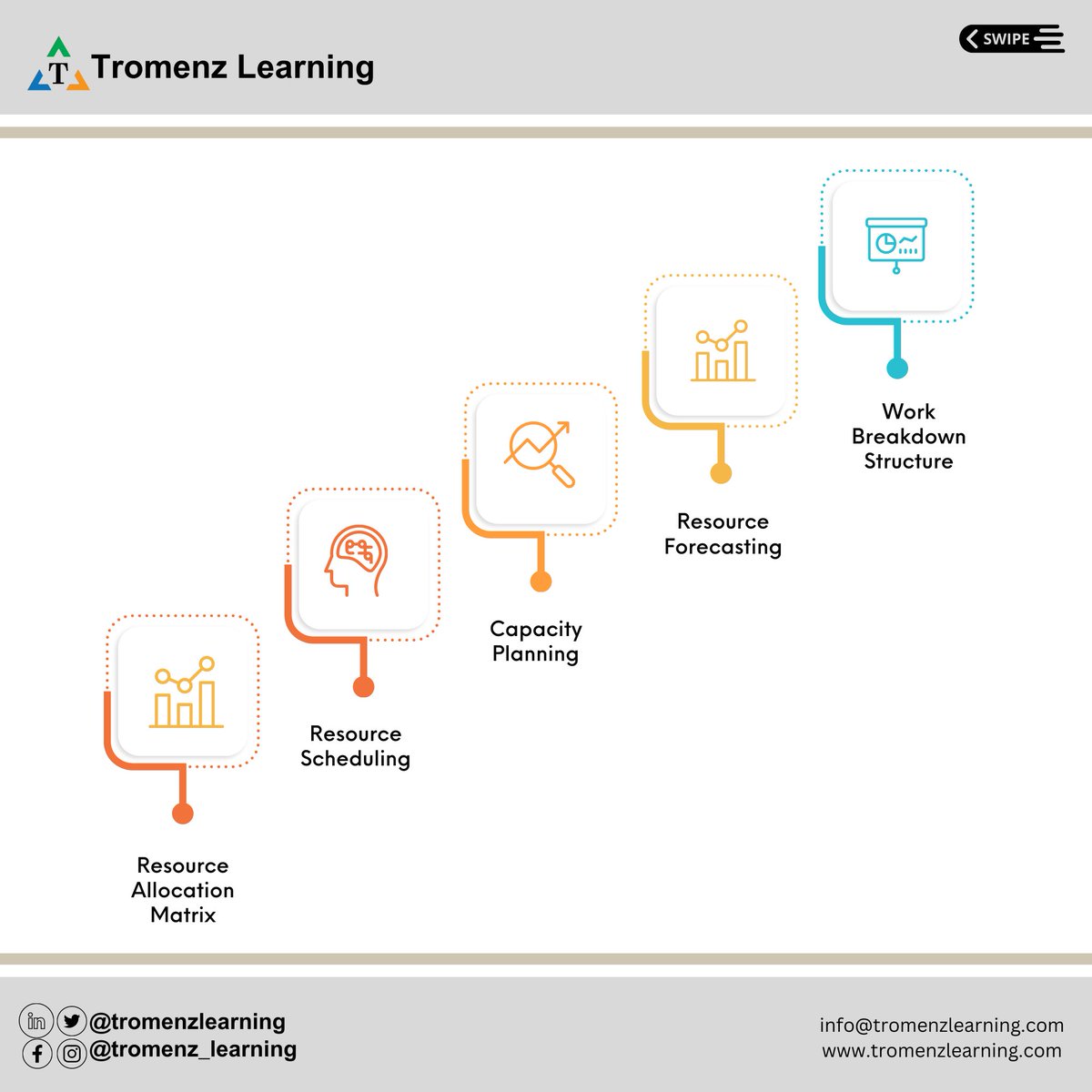
Resource Planning Methods.
🧠 Optimizing Efficiency
🧠 Strategic Resource Allocation
🧠 Resource Management Excellence
#ResourcePlanning #OptimizeAllocation
#EfficientResourceManagement #StrategicPlanning
#ResourceUtilization #ProductivityBoost #ResourceManagement
4
17

15 Jul 2023
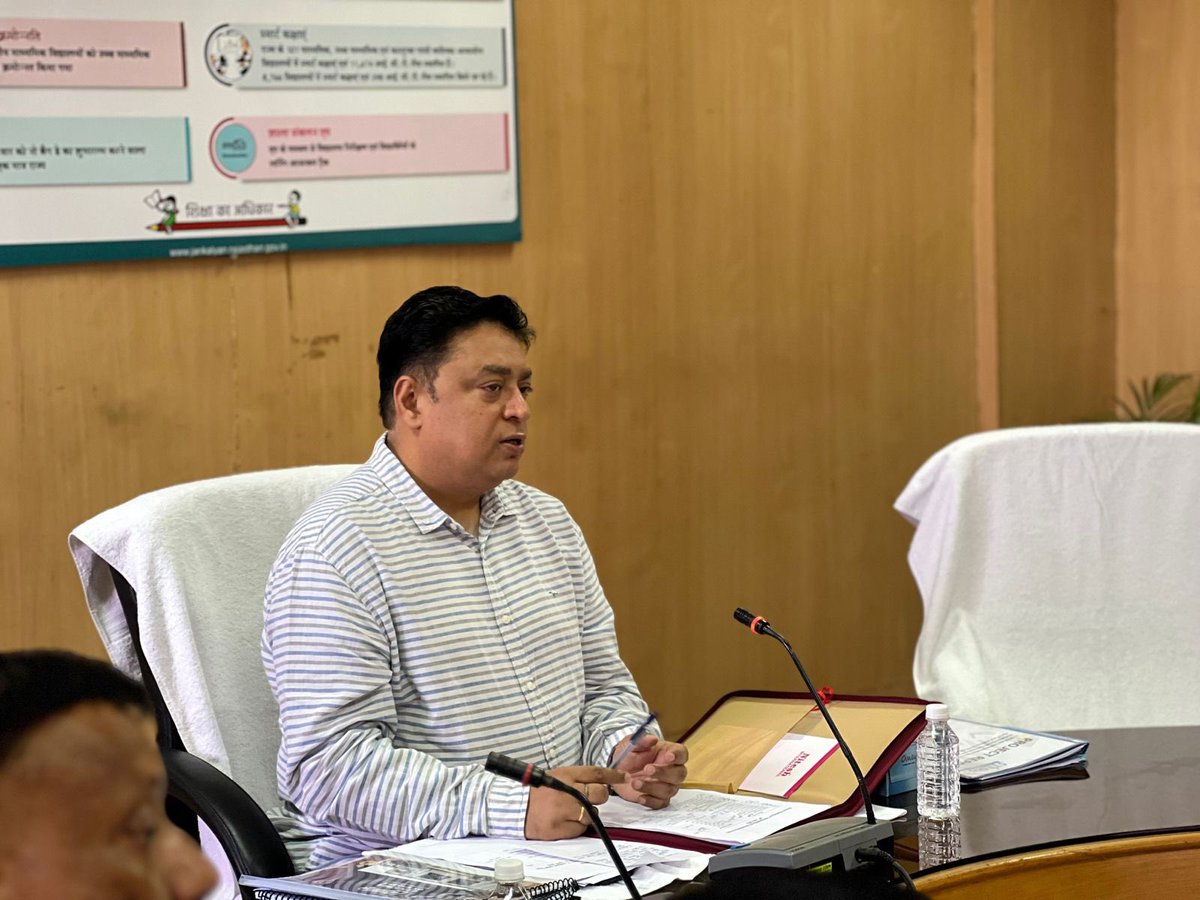
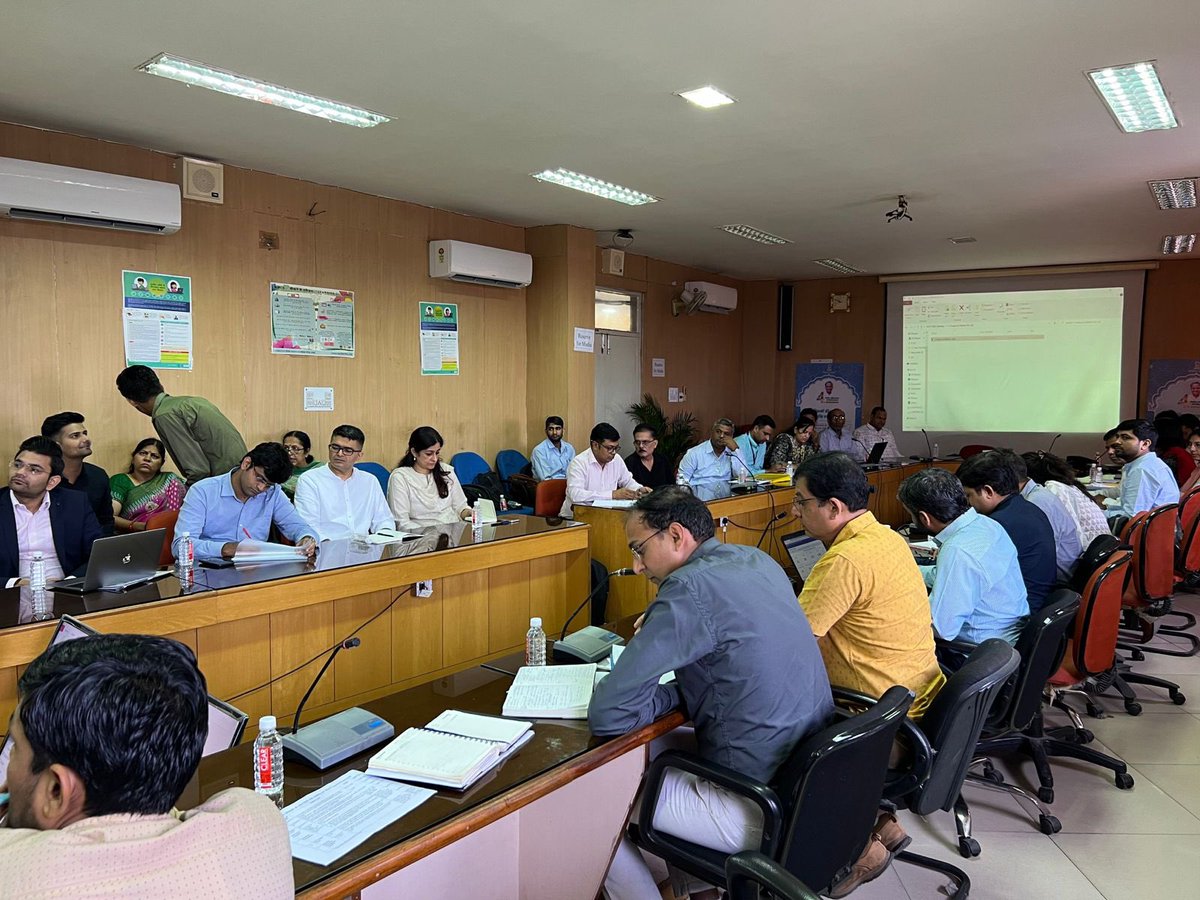
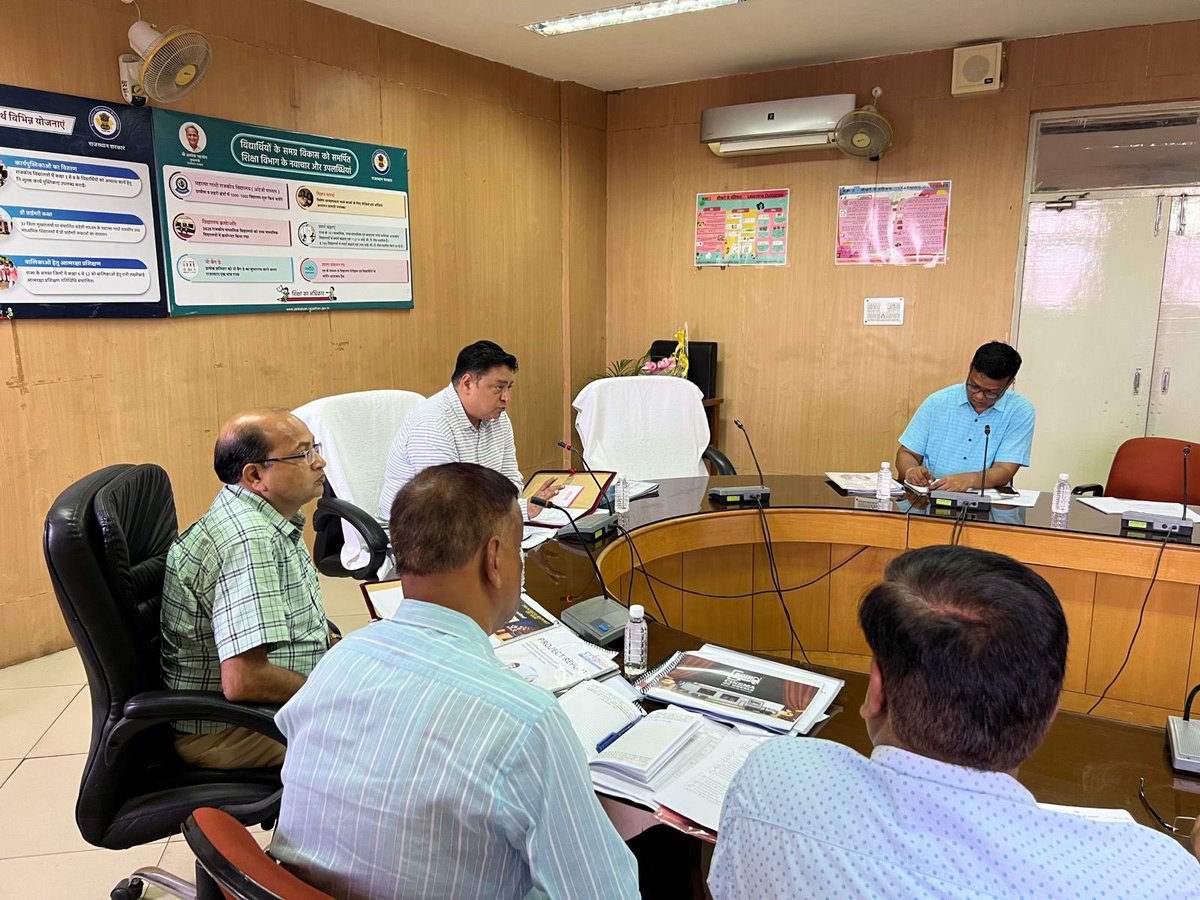
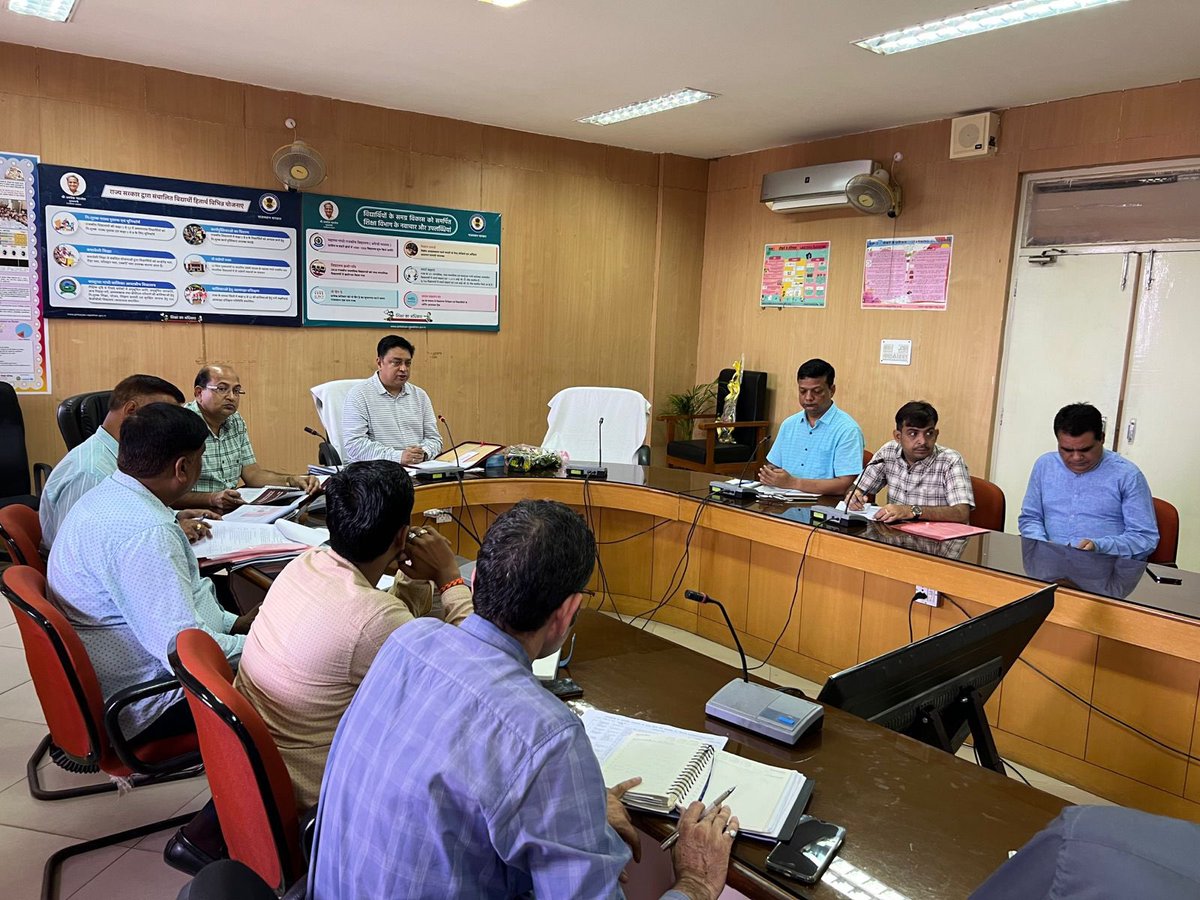
स्कूल शिक्षा विभाग के शासन सचिव श्री नवीन जैन जी की अध्यक्षता में शिक्षा संकुल में आयोजित आरईआई पार्टनर्स की समीक्षा बैठक के दुसरे दिन विभिन्न बिंदुओं पर विस्तृत चर्चा की गई। बैठक में शासन सचिव श्री नवीन जैन ने इस बात पर जोर दिया कि संस्थाएं रिजल्ट ओरियन्टेड कार्य करें ताकि किये गए कार्य का विश्लेषण कर भविष्य की संभावनाएं तलाशी जा सके।
समीक्षा बैठक में विद्यालयों में ई-कन्टेंट उपलब्ध करवाने वाली संस्थाओं ने अपना प्रस्तुतिकरण दिया, जिस पर शासन सचिव ने कहा कि विभाग के अधिकारी सभी प्रकार के ई-कन्टेंट का विश्लेषण कर इनकी पहुंच सुनिश्चित करेंगे। उन्होंने विभाग के अधिकारियों को न्यूनतम संसाधनों के साथ आईसीटी लैब का अधिकतम उपयोग सुनिश्चित करने के लिए निर्देशित किया।
#educationdepartment #reviewmeeting #educationsector #resultorientation #econtent #ictlab #resourceutilization
5
9
143
13,722

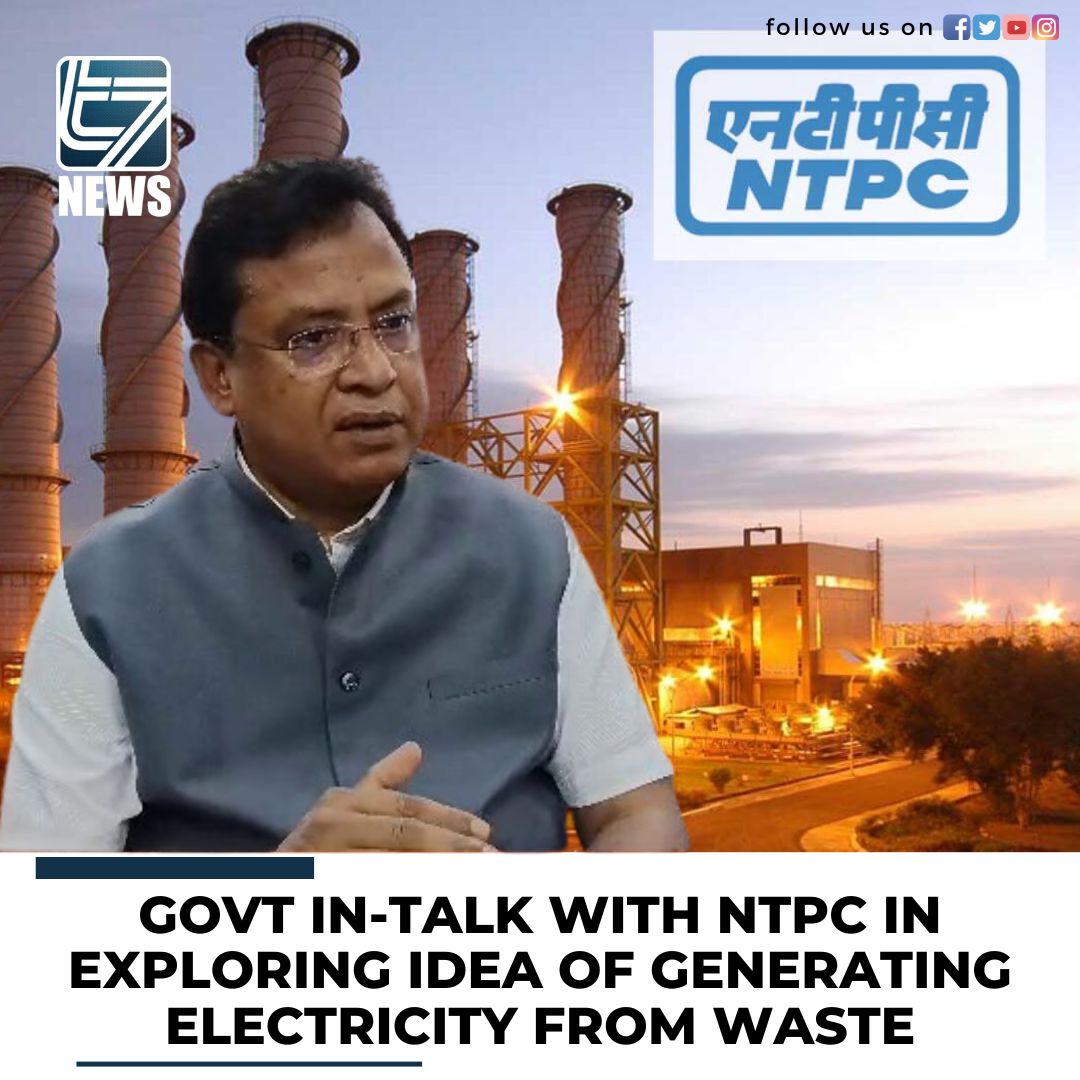
Power Minister Abu Taher Mondal informed that the state government is in discussion with the National Thermal Power Corporation (NTPC) over the possibilities in generating electricity from waste.
Power Minister Abu Taher Mondal told reporters that the Chief Minister Conrad K Sangma is discussing with the National Thermal Power Corporation (NTPC) on the matter.
“The CM is already coordinating with the NTPC because the NTPC is having some projects on this line (generating energy from waste). Therefore, we will try to find out,” he said.
The power minister also informed that talks are on to explore the possibility of utilizing waste for power generation.
“We will be having a meeting with the urban affairs department also (to discuss the matter),” he said while adding “Today we will also be discussing something on that line and that is why I told you that maybe on that basis we can also do something.”
Earlier, the chief minister had informed that the state requires about 1,700 million units of power every year out of which its own production is about 1000 to 1100 million units of power every year and hence, there is a shortfall of about 600 to 700 million units.
“That shortfall is normally met by the share we get from central agencies and the rest we buy from the market. Hence, that is the kind of situation we faced. So approximately about 30% deficiency in terms of the requirement of the thing is there but that is one part,” he said at the sidelines of a function.
Using garbage for energy can neatly solve the issue of excessive reliance on landfills while at the same time helping address residents’ energy and heating needs.
#WasteToEnergy
#PowerGeneration
#NationalThermalPowerCorporation
#RenewableEnergy
#SustainableDevelopment
#WasteManagement
#EnergySolutions
#CleanEnergy
#GreenTechnology
#UrbanAffairs
#EnergyProduction
#PowerShortfall
#EnvironmentalSustainability
#ResourceUtilization
#EnergyIndependence
3
109

15 Jun 2023
Have you been struggling with utilizing resources and ensuring on-time deliveries?
Put an end to this with Juntrax.
Let's connect to know how we can help maximize your resource utilization!
#resourceutilization #planning #deliveries #automatedsystem #integratedsolutions
2
11

9 Jun 2023
In this @diginomica article, @philww shares how @BeyondTrust is leveraging #Certinia PS Cloud solution to improve #ResourceUtilization & #CustomerSatisfaction.
Full article here: bit.ly/45LHq4G
@CertiniaInc #CustomerSuccess #ServicesAsABusiness #ProfessionalServices
1
2
339