
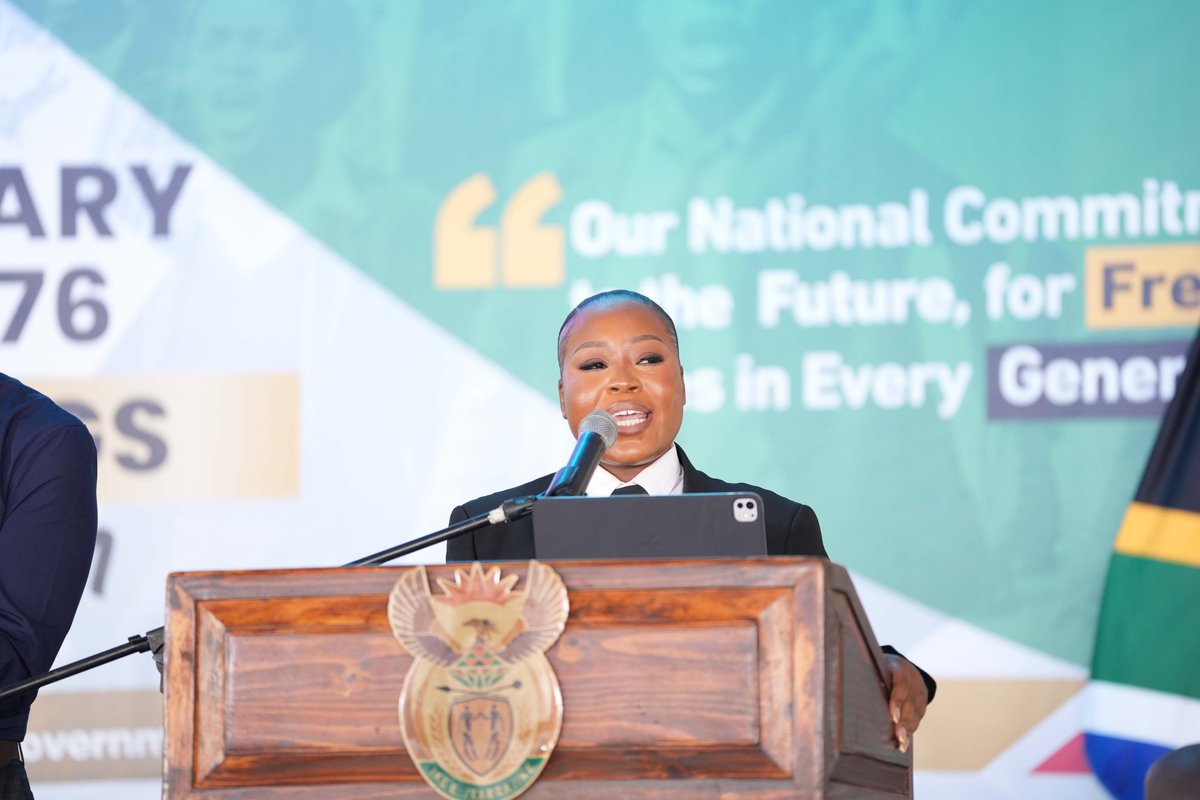
"When young people are supported, resourced, and believed in, they do not just survive, they transform nations.
We stand on ground soaked in the courage of young people who believed that a better South Africa was possible. Fifty years later, that belief is our mandate and we will not rest until every young South African feels its fruits.
The 1976 generation gave us freedom. Our generation must give young people opportunity. That is the promise of RESET@50.”- NYDA Executive Chairperson, Dr. Sunshine Myende
#YouthDay#YouthDay2026 #NYDA #SouthAfrica
6

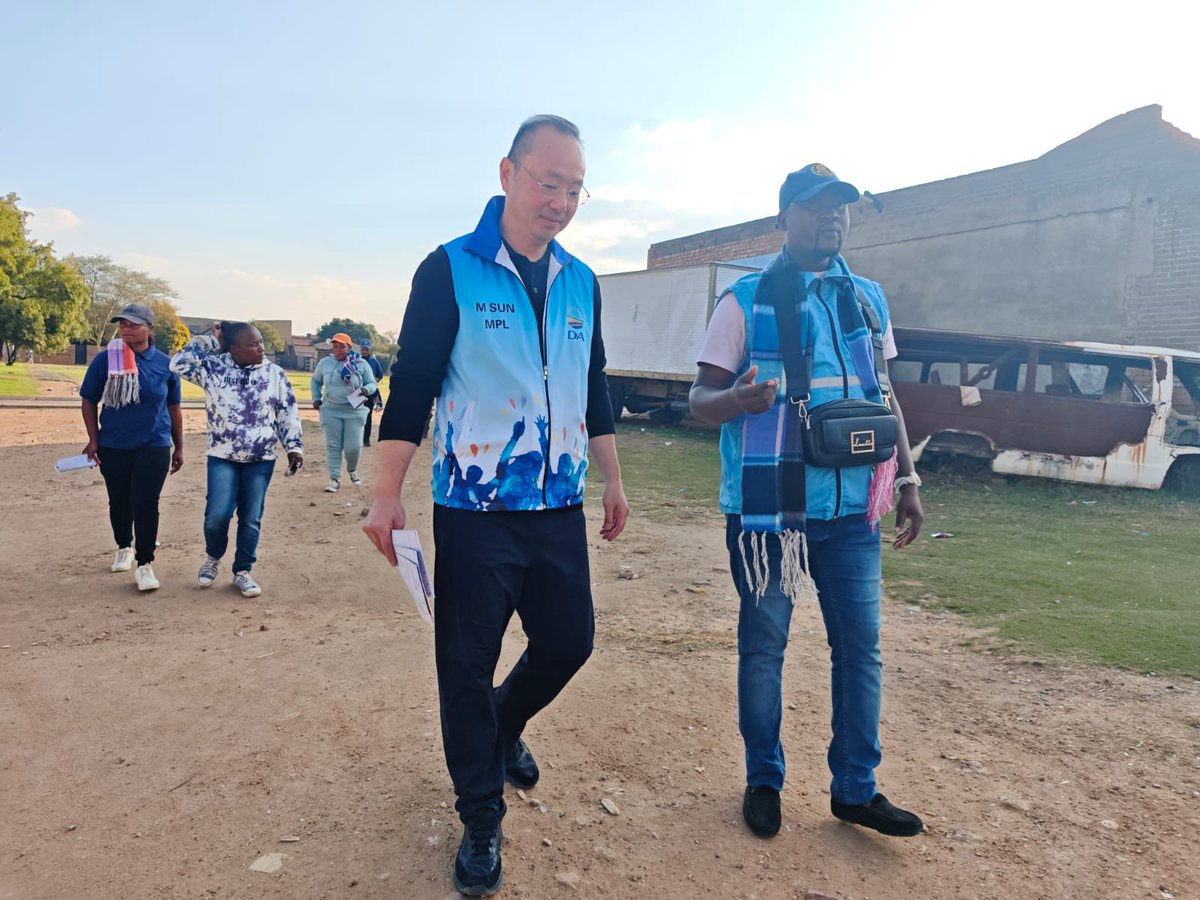
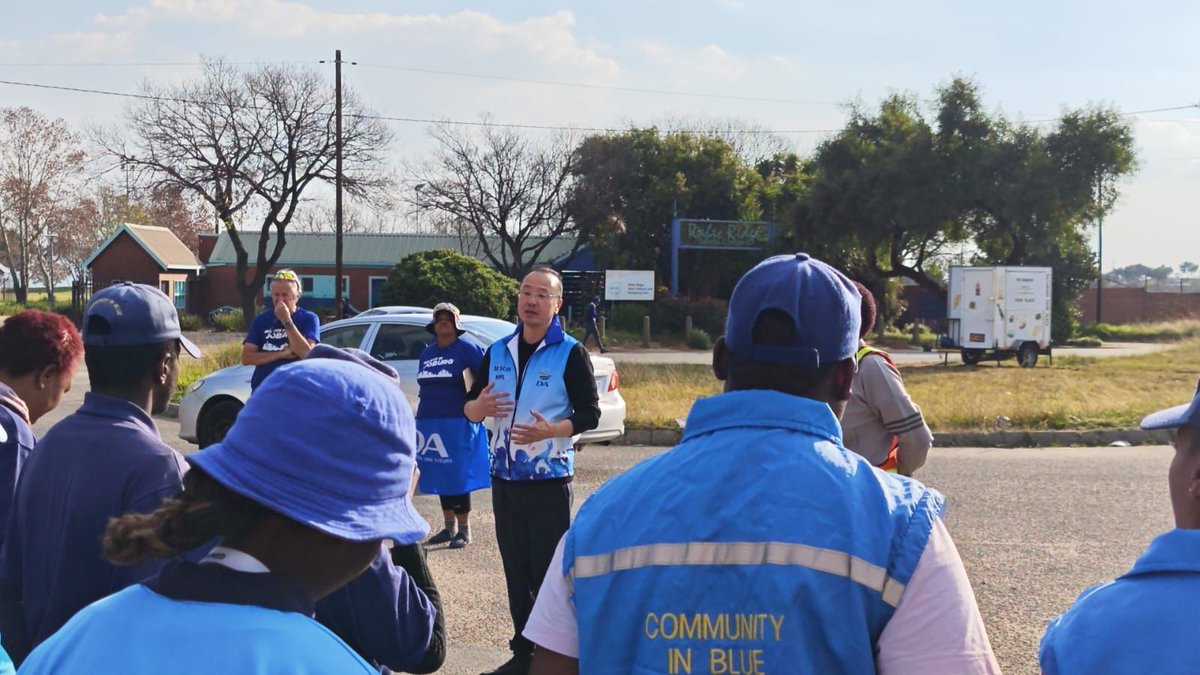
Lesufi’s government denies community patrollers basic tools like reflective gear and torches while crime surges.
These volunteers are crucial to safer communities, yet they are left unsupported.
DA has written to summon Premier Lesufi to account and present a proper intervention plan.
We will ensure patrollers are resourced and empowered.
#DAatWork #RescueSA #DA_GPL #CommunitySafety @MichaelSun168 @Lesusi
Read more: open.substack.com/pub/dagpl/…

This risks creating a chilling effect, where only the largest, most resourced companies can afford the regulatory burden, stifling innovation.
3

“Authorities” are at the centre of human trafficking syndicates. The destruction of border infrastructure is not a mistake. It’s deeply deliberate and meant to create super highways for traffickers. The coastline is not guarded either. Navies are defunded and under resourced…
Jun 14

A Rwandan woman reported being a victim of human trafficking, yet her cries for justice have allegedly been ignored by the authorities. Every victim deserves to be heard, protected, and treated with dignity.
#EndHumanTrafficking
@hrw @HRF @amnesty @LantosFndn @UNHumanRights @UN_Women @UN_HRC
4

The situation of low-caste Jianmen communities in Heilongjiang and Gansu remains deeply concerning. Many residents continue to live without access to clean water, adequate cooking facilities, or reliable electricity. Access to these basic services often depends on obtaining hukou registration, but members of these marginalized groups reportedly face rejection rates as high as 95%, creating significant barriers to essential living standards. All the budget resourced are invested in the costal provinces,while these north west and north east chinese who are manchus (upper caste of china) and miao are deeply ignored just because Han Chinese have a deep hatred for them all because manchus ancestors ruled them during qing empire.

Since you are so good at making excuses for the CCP, explain this one. He has a home, but this is all the CCP can do for this person?
2
3
54

How easy a job being a politician is that you can do it into your nineties enduring all the problems of aging, like dementia.
Are houses of representatives set as well managed, resourced nursing homes?
5

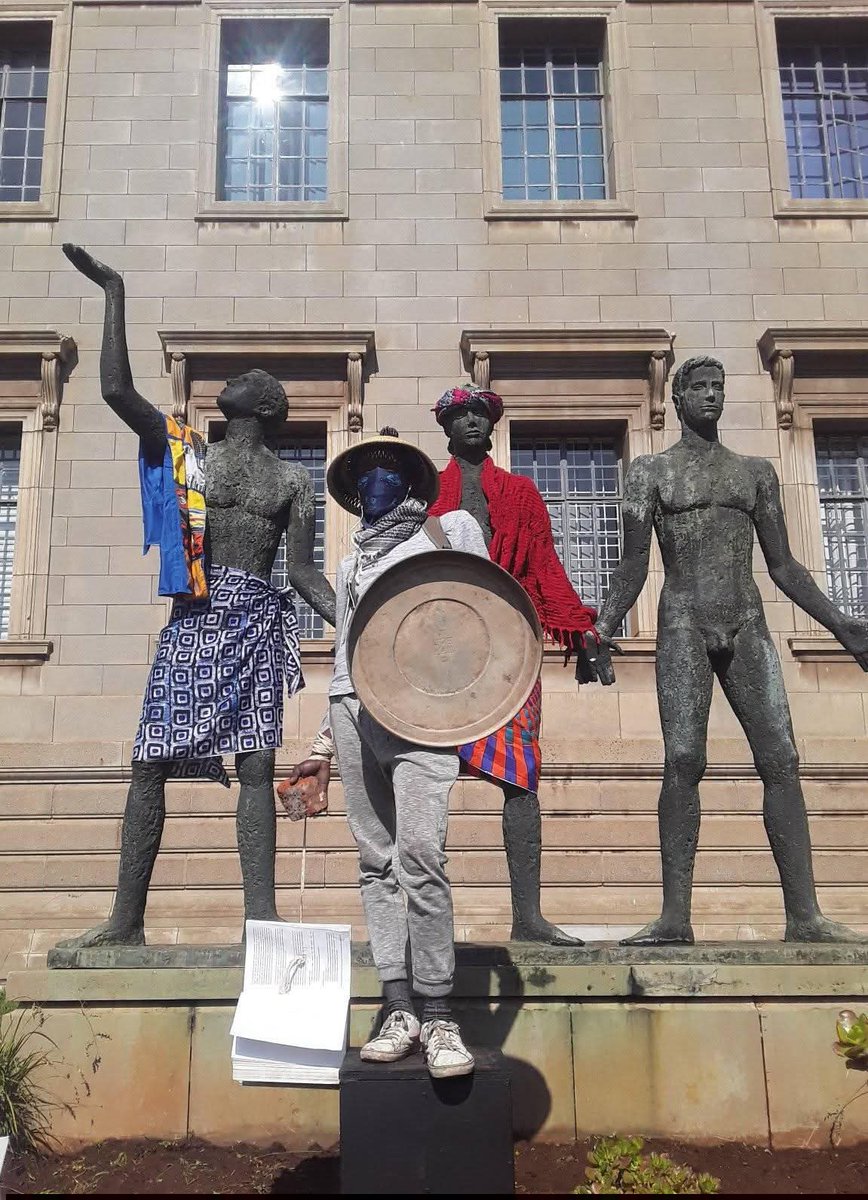
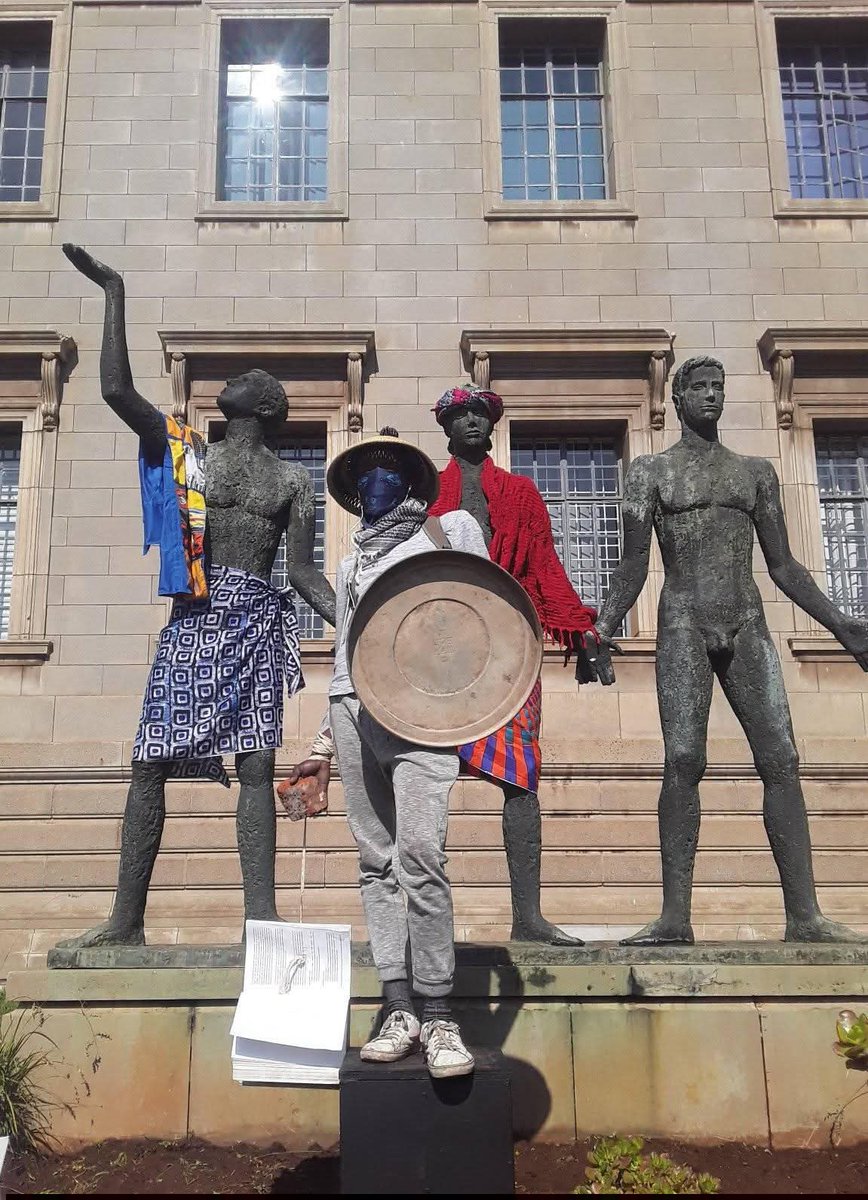
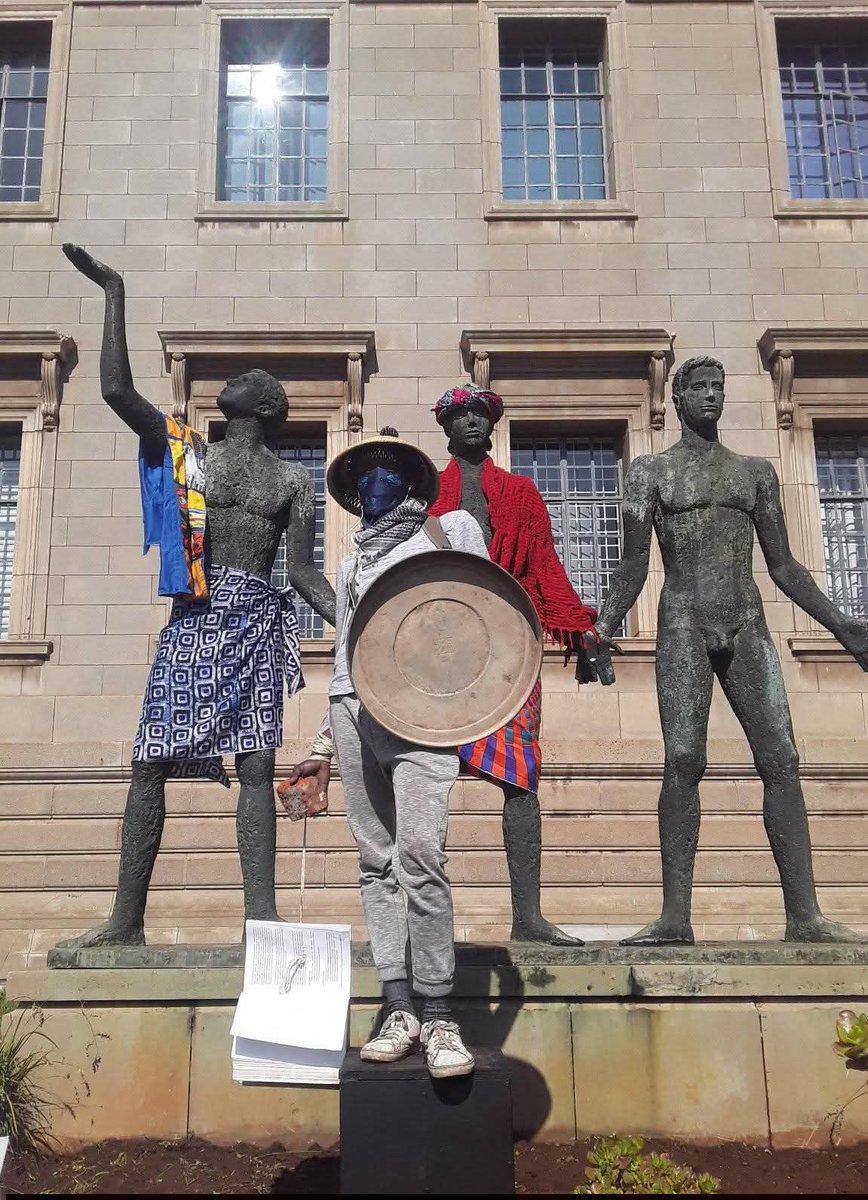
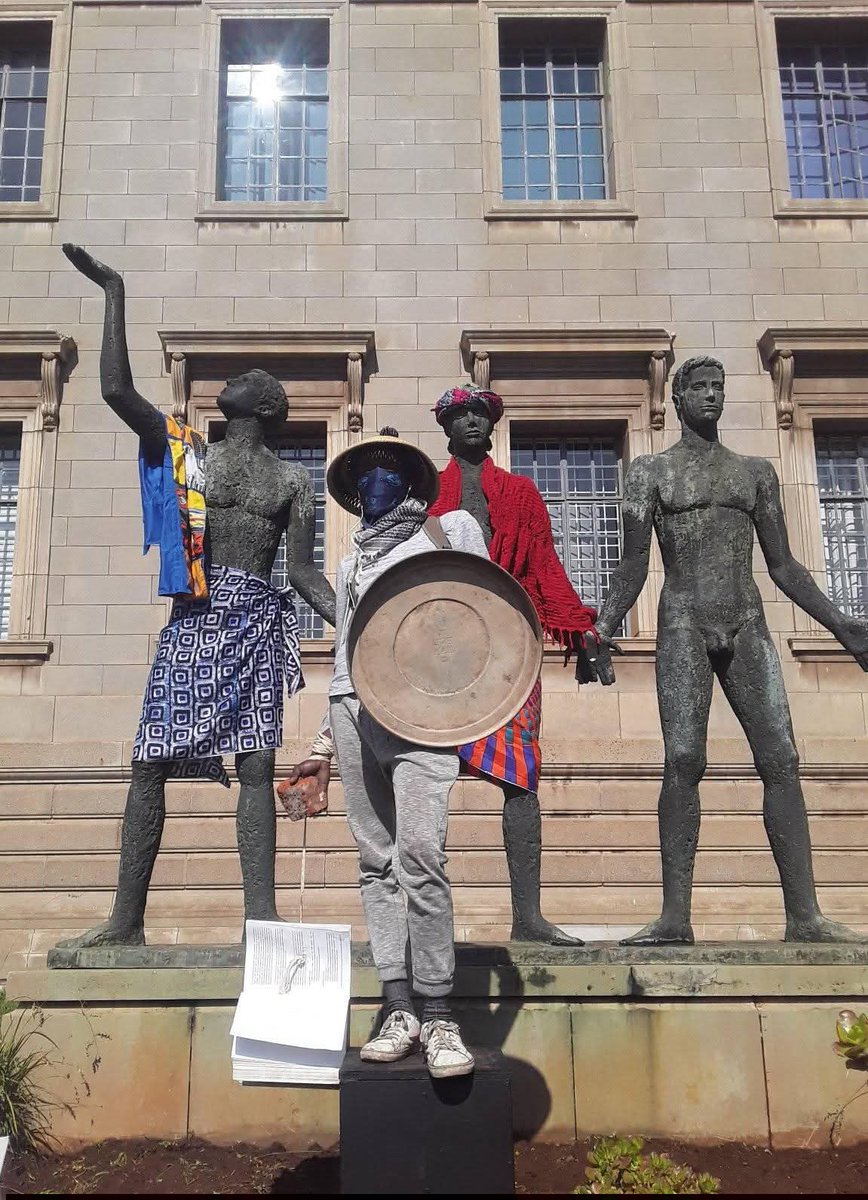
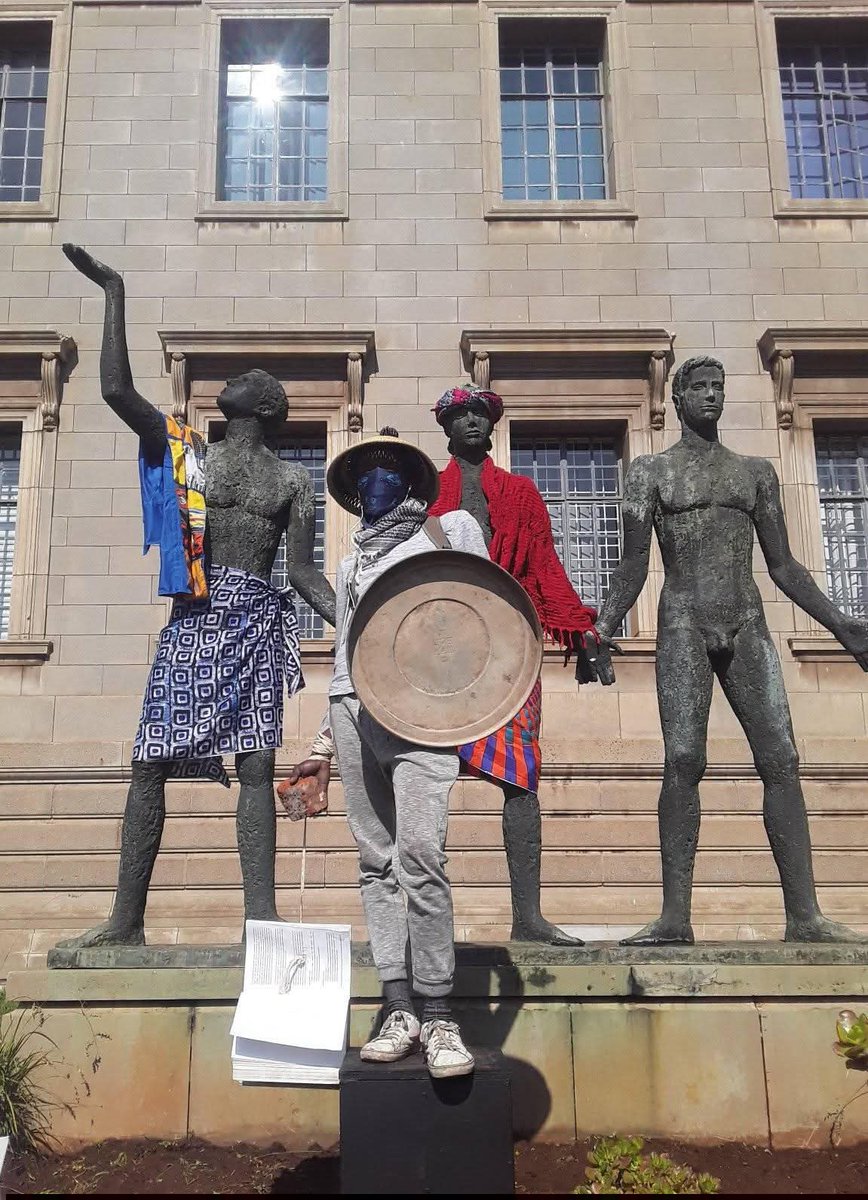
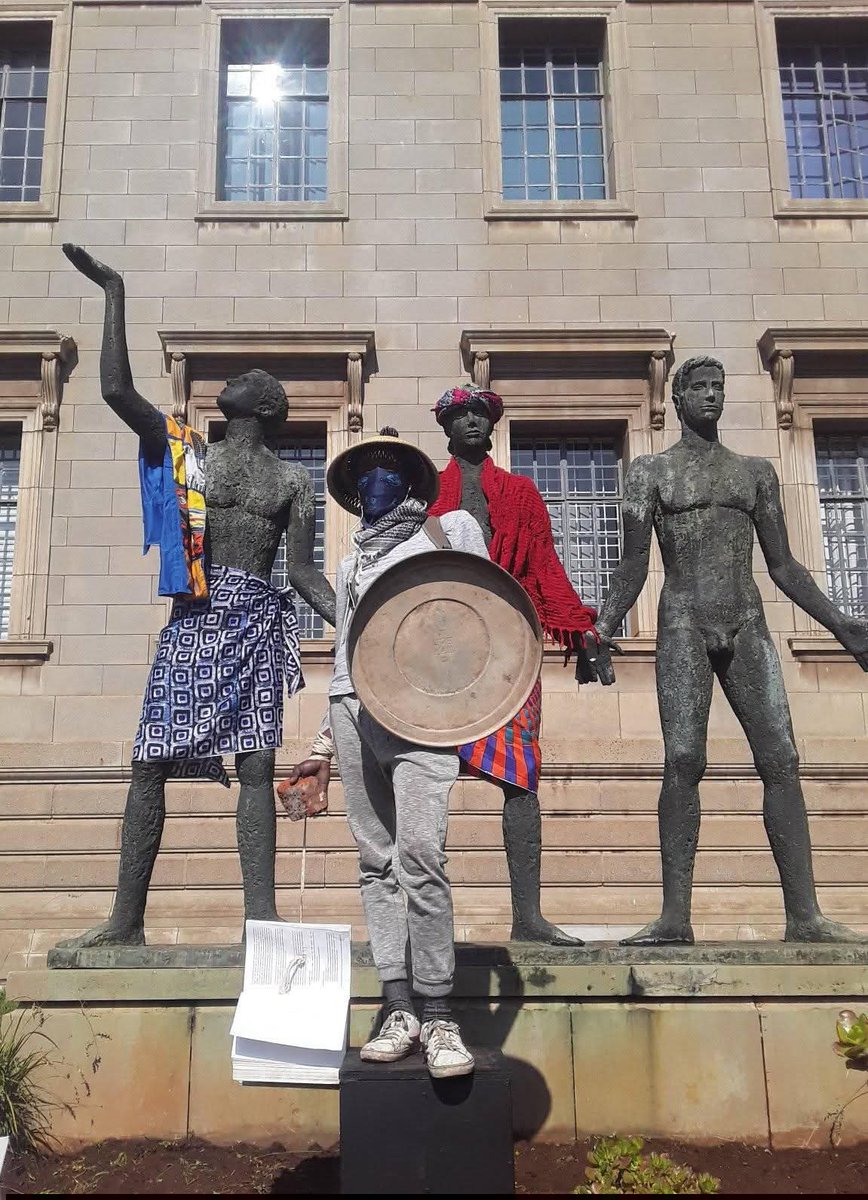
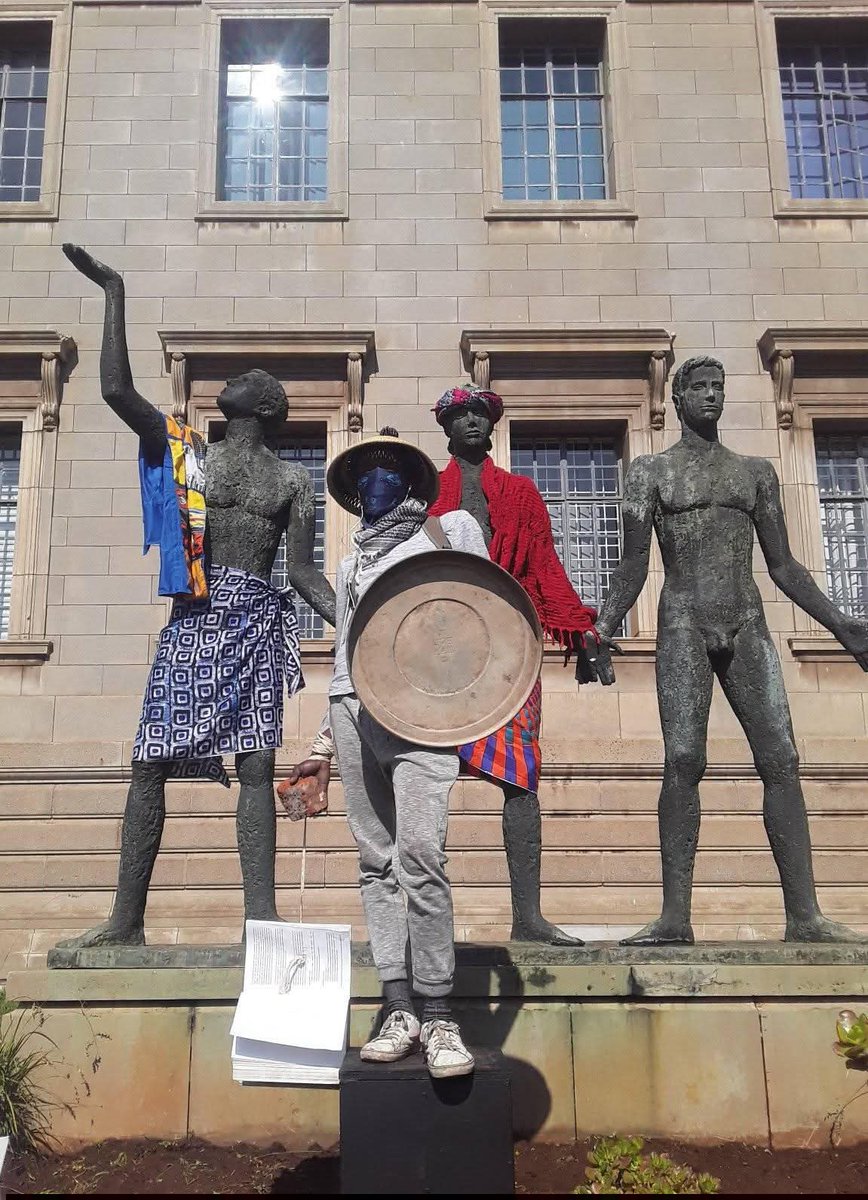
Soweto at 50 years of student uprising, Reflecting on a Journey of Unfulfilled Promises and Ongoing Struggles by Paul Noko
This day marks half a century since the Soweto Uprising a pivotal moment in South Africa’s fight against apartheid, a symbol of resistance, courage, and the relentless pursuit of freedom. Yet, fifty years later, Soweto remains scarred by the very struggles that once fueled its fight for liberation. The question that haunts many is, is why does Soweto still bleed after 50 years?
A legacy of broken promises, The Soweto uprising was born out of a demand for quality education and equal rights. The youth’s defiance challenged a system designed to oppress and marginalize. Today, the echoes of those protests remind us that the promise of "the long walk to freedom" has yet to be fully realized for many residents. Schools remain under-resourced; infrastructure is neglected; and access to quality education continues to elude the community.
Poverty, unemployment, and dignit, decades after the fall of apartheid, poverty persists like an unhealed wound. Unemployment rates soar, especially among the youth, trapping generations in cycles of deprivation. Without meaningful employment opportunities, many are denied a dignified life struggling daily to meet basic needs such as food, shelter, water, and electricity. The struggle for dignity remains unresolved, buried beneath the rubble of unfulfilled promises.
Skills Development and Economic Inclusion
While skills development programs have been introduced, they often fall short of equipping residents with the tools needed to navigate a changing economy. The gap between education and employment has widened, leaving many young people without pathways to sustainable livelihoods. Without targeted investment in vocational training, entrepreneurship, and industry support, Soweto remains on the periphery of economic growth.
Housing, water, and electricity, proper housing remains a distant dream for many Sowetans. Overcrowded informal settlements and inadequate infrastructure are daily realities. Access to clean water and reliable electricity is patchy, hampering health, safety, and economic activity. These basic services are fundamental rights, yet they are still out of reach for too many.
Language and representation, one of the most poignant issues is the translation or lack thereof of the Long Walk to Freedom Nelson Mandela's book, into South Africa’s diverse official languages, including Zulu, Sesotho, Venda, and others. Language is a powerful symbol of identity and inclusion. When the language of liberation does not resonate in the mother tongues of all South Africans, the promise of freedom remains incomplete. It marginalizes communities and undermines national unity.
A Bleeding Soweto. After fifty years, Soweto still bleeds literally and metaphorically. Socioeconomic disparities, health crises, and social unrest reflect unresolved wounds. The community continues to fight for recognition, dignity, and a future where the ideals of equality and opportunity are not mere words on paper but lived realities.
The journey of Soweto is a mirror held up to South Africa’s broader struggles with inequality, development, and social justice. While progress has been made, the journey toward true freedom and equality is far from over. It calls for renewed commitment, honest reflection, and tangible action because the future of Soweto, and indeed South Africa, depends on transforming the promises of liberation into realities for all its people. Only then can Soweto truly heal and thrive, fulfilling its rightful place as a symbol of resilience and hope.
20
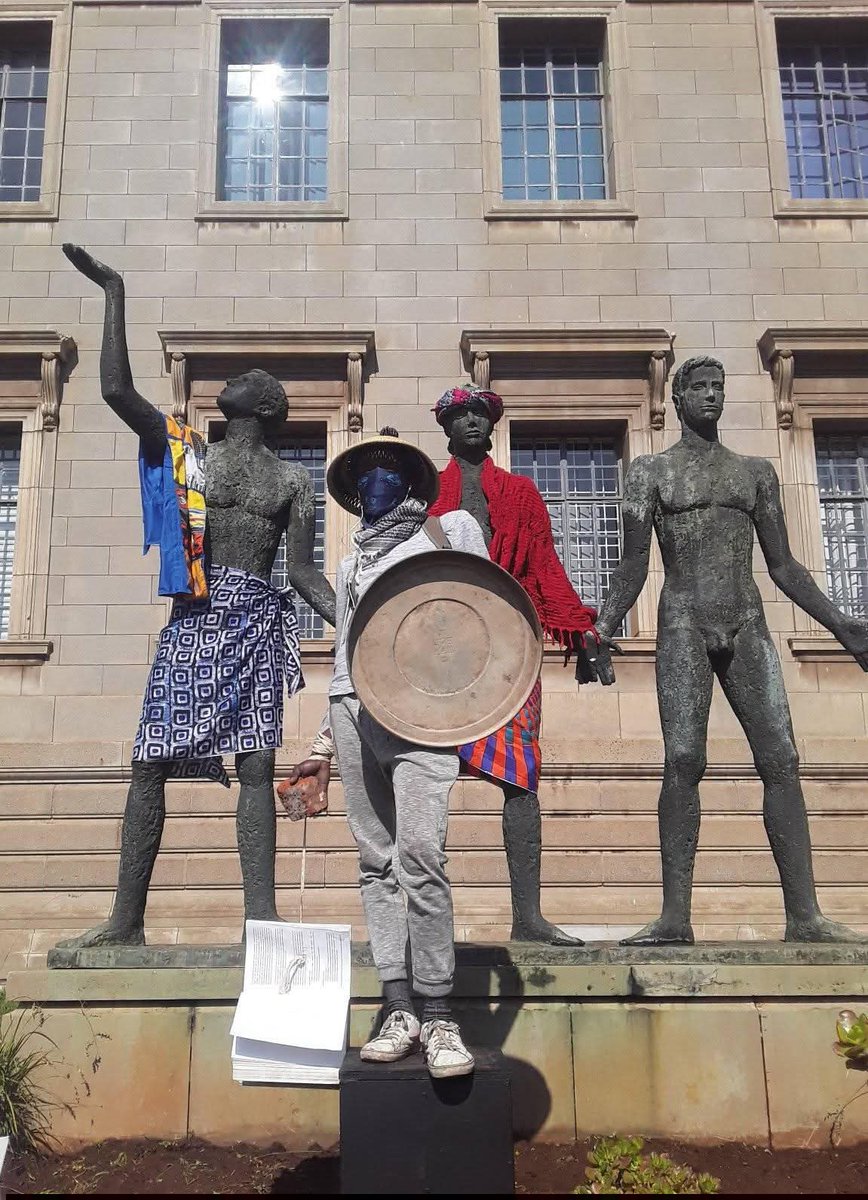
Soweto at 50 years of student uprising, Reflecting on a Journey of Unfulfilled Promises and Ongoing Struggles by Paul Noko
This day marks half a century since the Soweto Uprising a pivotal moment in South Africa’s fight against apartheid, a symbol of resistance, courage, and the relentless pursuit of freedom. Yet, fifty years later, Soweto remains scarred by the very struggles that once fueled its fight for liberation. The question that haunts many is, is why does Soweto still bleed after 50 years?
A legacy of broken promises, The Soweto uprising was born out of a demand for quality education and equal rights. The youth’s defiance challenged a system designed to oppress and marginalize. Today, the echoes of those protests remind us that the promise of "the long walk to freedom" has yet to be fully realized for many residents. Schools remain under-resourced; infrastructure is neglected; and access to quality education continues to elude the community.
Poverty, unemployment, and dignit, decades after the fall of apartheid, poverty persists like an unhealed wound. Unemployment rates soar, especially among the youth, trapping generations in cycles of deprivation. Without meaningful employment opportunities, many are denied a dignified life struggling daily to meet basic needs such as food, shelter, water, and electricity. The struggle for dignity remains unresolved, buried beneath the rubble of unfulfilled promises.
Skills Development and Economic Inclusion
While skills development programs have been introduced, they often fall short of equipping residents with the tools needed to navigate a changing economy. The gap between education and employment has widened, leaving many young people without pathways to sustainable livelihoods. Without targeted investment in vocational training, entrepreneurship, and industry support, Soweto remains on the periphery of economic growth.
Housing, water, and electricity, proper housing remains a distant dream for many Sowetans. Overcrowded informal settlements and inadequate infrastructure are daily realities. Access to clean water and reliable electricity is patchy, hampering health, safety, and economic activity. These basic services are fundamental rights, yet they are still out of reach for too many.
Language and representation, one of the most poignant issues is the translation or lack thereof of the Long Walk to Freedom Nelson Mandela's book, into South Africa’s diverse official languages, including Zulu, Sesotho, Venda, and others. Language is a powerful symbol of identity and inclusion. When the language of liberation does not resonate in the mother tongues of all South Africans, the promise of freedom remains incomplete. It marginalizes communities and undermines national unity.
A Bleeding Soweto. After fifty years, Soweto still bleeds literally and metaphorically. Socioeconomic disparities, health crises, and social unrest reflect unresolved wounds. The community continues to fight for recognition, dignity, and a future where the ideals of equality and opportunity are not mere words on paper but lived realities.
The journey of Soweto is a mirror held up to South Africa’s broader struggles with inequality, development, and social justice. While progress has been made, the journey toward true freedom and equality is far from over. It calls for renewed commitment, honest reflection, and tangible action because the future of Soweto, and indeed South Africa, depends on transforming the promises of liberation into realities for all its people. Only then can Soweto truly heal and thrive, fulfilling its rightful place as a symbol of resilience and hope.
7
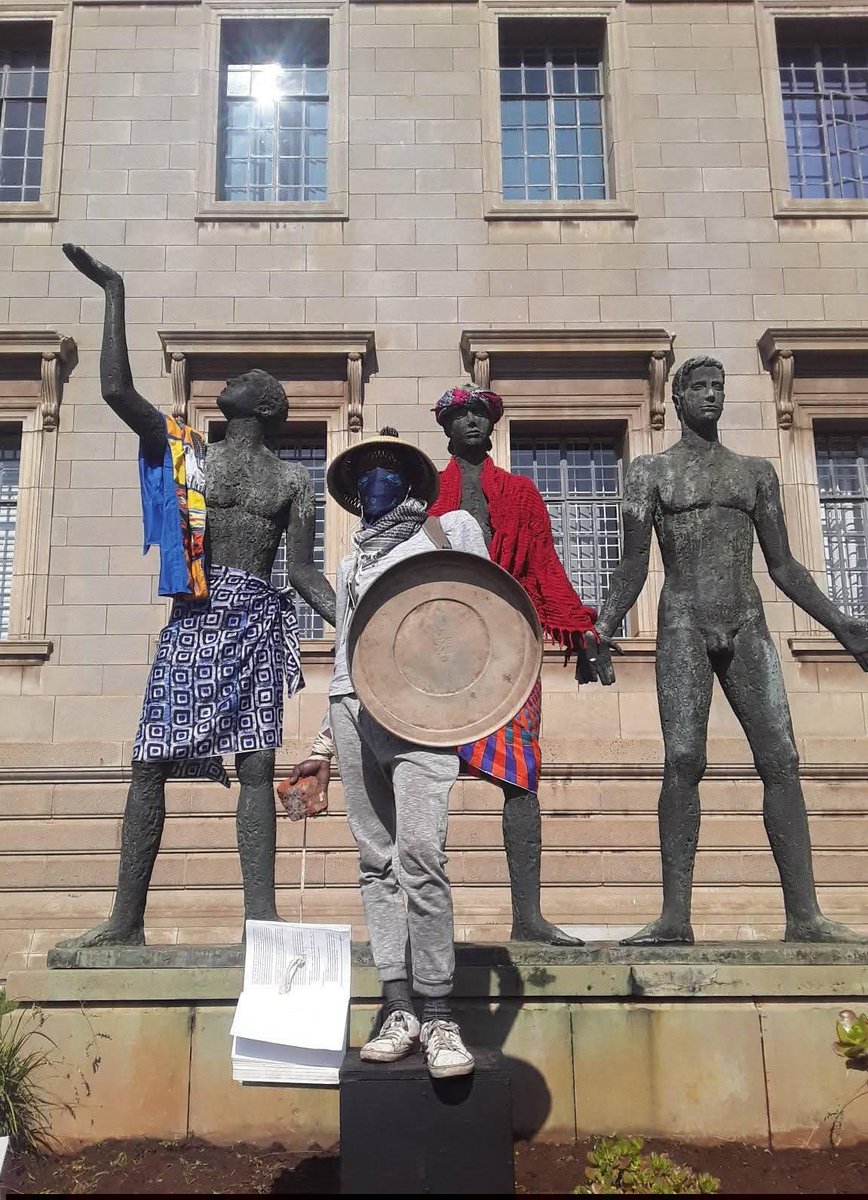
Soweto at 50 years of student uprising, Reflecting on a Journey of Unfulfilled Promises and Ongoing Struggles by Paul Noko
This day marks half a century since the Soweto Uprising a pivotal moment in South Africa’s fight against apartheid, a symbol of resistance, courage, and the relentless pursuit of freedom. Yet, fifty years later, Soweto remains scarred by the very struggles that once fueled its fight for liberation. The question that haunts many is, is why does Soweto still bleed after 50 years?
A legacy of broken promises, The Soweto uprising was born out of a demand for quality education and equal rights. The youth’s defiance challenged a system designed to oppress and marginalize. Today, the echoes of those protests remind us that the promise of "the long walk to freedom" has yet to be fully realized for many residents. Schools remain under-resourced; infrastructure is neglected; and access to quality education continues to elude the community.
Poverty, unemployment, and dignit, decades after the fall of apartheid, poverty persists like an unhealed wound. Unemployment rates soar, especially among the youth, trapping generations in cycles of deprivation. Without meaningful employment opportunities, many are denied a dignified life struggling daily to meet basic needs such as food, shelter, water, and electricity. The struggle for dignity remains unresolved, buried beneath the rubble of unfulfilled promises.
Skills Development and Economic Inclusion
While skills development programs have been introduced, they often fall short of equipping residents with the tools needed to navigate a changing economy. The gap between education and employment has widened, leaving many young people without pathways to sustainable livelihoods. Without targeted investment in vocational training, entrepreneurship, and industry support, Soweto remains on the periphery of economic growth.
Housing, water, and electricity, proper housing remains a distant dream for many Sowetans. Overcrowded informal settlements and inadequate infrastructure are daily realities. Access to clean water and reliable electricity is patchy, hampering health, safety, and economic activity. These basic services are fundamental rights, yet they are still out of reach for too many.
Language and representation, one of the most poignant issues is the translation or lack thereof of the Long Walk to Freedom Nelson Mandela's book, into South Africa’s diverse official languages, including Zulu, Sesotho, Venda, and others. Language is a powerful symbol of identity and inclusion. When the language of liberation does not resonate in the mother tongues of all South Africans, the promise of freedom remains incomplete. It marginalizes communities and undermines national unity.
A Bleeding Soweto. After fifty years, Soweto still bleeds literally and metaphorically. Socioeconomic disparities, health crises, and social unrest reflect unresolved wounds. The community continues to fight for recognition, dignity, and a future where the ideals of equality and opportunity are not mere words on paper but lived realities.
The journey of Soweto is a mirror held up to South Africa’s broader struggles with inequality, development, and social justice. While progress has been made, the journey toward true freedom and equality is far from over. It calls for renewed commitment, honest reflection, and tangible action because the future of Soweto, and indeed South Africa, depends on transforming the promises of liberation into realities for all its people. Only then can Soweto truly heal and thrive, fulfilling its rightful place as a symbol of resilience and hope.
7
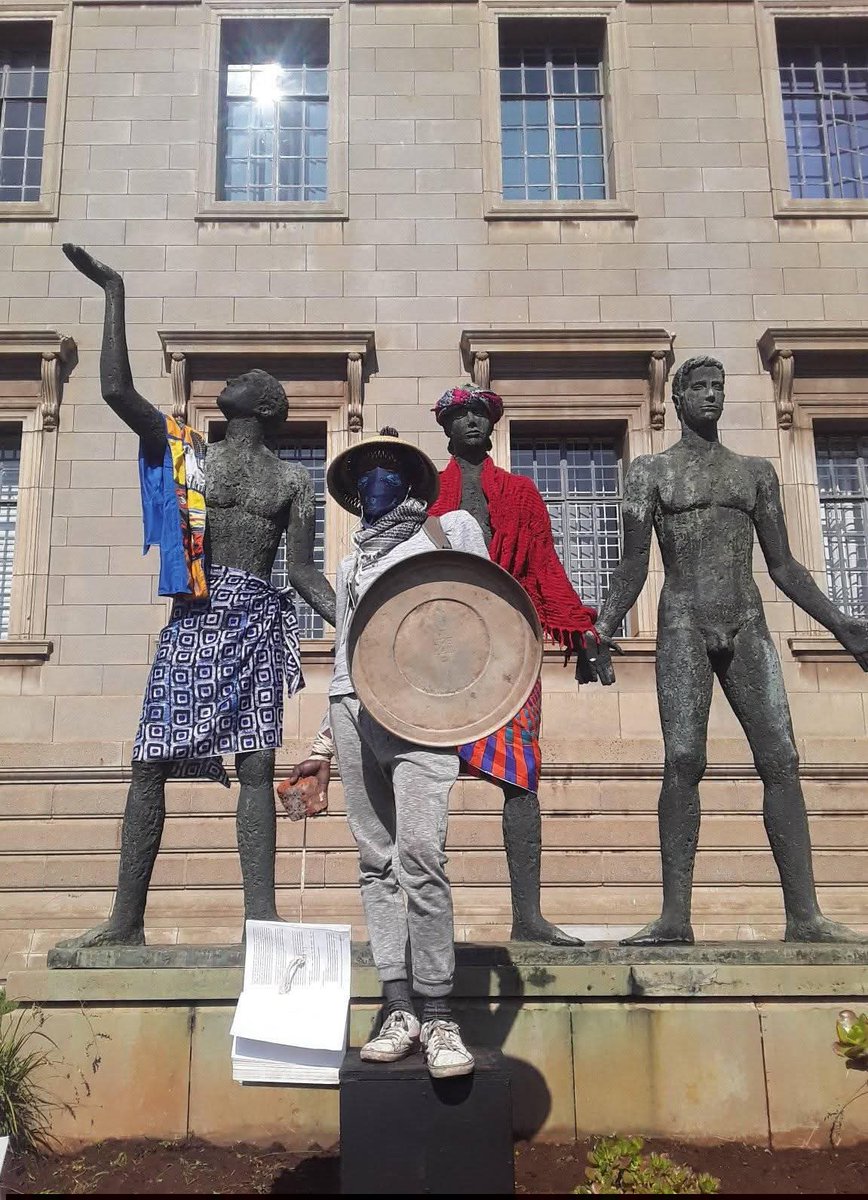
Soweto at 50 years of student uprising, Reflecting on a Journey of Unfulfilled Promises and Ongoing Struggles by Paul Noko
This day marks half a century since the Soweto Uprising a pivotal moment in South Africa’s fight against apartheid, a symbol of resistance, courage, and the relentless pursuit of freedom. Yet, fifty years later, Soweto remains scarred by the very struggles that once fueled its fight for liberation. The question that haunts many is, is why does Soweto still bleed after 50 years?
A legacy of broken promises, The Soweto uprising was born out of a demand for quality education and equal rights. The youth’s defiance challenged a system designed to oppress and marginalize. Today, the echoes of those protests remind us that the promise of "the long walk to freedom" has yet to be fully realized for many residents. Schools remain under-resourced; infrastructure is neglected; and access to quality education continues to elude the community.
Poverty, unemployment, and dignit, decades after the fall of apartheid, poverty persists like an unhealed wound. Unemployment rates soar, especially among the youth, trapping generations in cycles of deprivation. Without meaningful employment opportunities, many are denied a dignified life struggling daily to meet basic needs such as food, shelter, water, and electricity. The struggle for dignity remains unresolved, buried beneath the rubble of unfulfilled promises.
Skills Development and Economic Inclusion
While skills development programs have been introduced, they often fall short of equipping residents with the tools needed to navigate a changing economy. The gap between education and employment has widened, leaving many young people without pathways to sustainable livelihoods. Without targeted investment in vocational training, entrepreneurship, and industry support, Soweto remains on the periphery of economic growth.
Housing, water, and electricity, proper housing remains a distant dream for many Sowetans. Overcrowded informal settlements and inadequate infrastructure are daily realities. Access to clean water and reliable electricity is patchy, hampering health, safety, and economic activity. These basic services are fundamental rights, yet they are still out of reach for too many.
Language and representation, one of the most poignant issues is the translation or lack thereof of the Long Walk to Freedom Nelson Mandela's book, into South Africa’s diverse official languages, including Zulu, Sesotho, Venda, and others. Language is a powerful symbol of identity and inclusion. When the language of liberation does not resonate in the mother tongues of all South Africans, the promise of freedom remains incomplete. It marginalizes communities and undermines national unity.
A Bleeding Soweto. After fifty years, Soweto still bleeds literally and metaphorically. Socioeconomic disparities, health crises, and social unrest reflect unresolved wounds. The community continues to fight for recognition, dignity, and a future where the ideals of equality and opportunity are not mere words on paper but lived realities.
The journey of Soweto is a mirror held up to South Africa’s broader struggles with inequality, development, and social justice. While progress has been made, the journey toward true freedom and equality is far from over. It calls for renewed commitment, honest reflection, and tangible action because the future of Soweto, and indeed South Africa, depends on transforming the promises of liberation into realities for all its people. Only then can Soweto truly heal and thrive, fulfilling its rightful place as a symbol of resilience and hope.
6
Soweto at 50 years of student uprising, Reflecting on a Journey of Unfulfilled Promises and Ongoing Struggles by Paul Noko
This day marks half a century since the Soweto Uprising a pivotal moment in South Africa’s fight against apartheid, a symbol of resistance, courage, and the relentless pursuit of freedom. Yet, fifty years later, Soweto remains scarred by the very struggles that once fueled its fight for liberation. The question that haunts many is, is why does Soweto still bleed after 50 years?
A legacy of broken promises, The Soweto uprising was born out of a demand for quality education and equal rights. The youth’s defiance challenged a system designed to oppress and marginalize. Today, the echoes of those protests remind us that the promise of "the long walk to freedom" has yet to be fully realized for many residents. Schools remain under-resourced; infrastructure is neglected; and access to quality education continues to elude the community.
Poverty, unemployment, and dignit, decades after the fall of apartheid, poverty persists like an unhealed wound. Unemployment rates soar, especially among the youth, trapping generations in cycles of deprivation. Without meaningful employment opportunities, many are denied a dignified life struggling daily to meet basic needs such as food, shelter, water, and electricity. The struggle for dignity remains unresolved, buried beneath the rubble of unfulfilled promises.
Skills Development and Economic Inclusion
While skills development programs have been introduced, they often fall short of equipping residents with the tools needed to navigate a changing economy. The gap between education and employment has widened, leaving many young people without pathways to sustainable livelihoods. Without targeted investment in vocational training, entrepreneurship, and industry support, Soweto remains on the periphery of economic growth.
Housing, water, and electricity, proper housing remains a distant dream for many Sowetans. Overcrowded informal settlements and inadequate infrastructure are daily realities. Access to clean water and reliable electricity is patchy, hampering health, safety, and economic activity. These basic services are fundamental rights, yet they are still out of reach for too many.
Language and representation, one of the most poignant issues is the translation or lack thereof of the Long Walk to Freedom Nelson Mandela's book, into South Africa’s diverse official languages, including Zulu, Sesotho, Venda, and others. Language is a powerful symbol of identity and inclusion. When the language of liberation does not resonate in the mother tongues of all South Africans, the promise of freedom remains incomplete. It marginalizes communities and undermines national unity.
A Bleeding Soweto. After fifty years, Soweto still bleeds literally and metaphorically. Socioeconomic disparities, health crises, and social unrest reflect unresolved wounds. The community continues to fight for recognition, dignity, and a future where the ideals of equality and opportunity are not mere words on paper but lived realities.
The journey of Soweto is a mirror held up to South Africa’s broader struggles with inequality, development, and social justice. While progress has been made, the journey toward true freedom and equality is far from over. It calls for renewed commitment, honest reflection, and tangible action because the future of Soweto, and indeed South Africa, depends on transforming the promises of liberation into realities for all its people. Only then can Soweto truly heal and thrive, fulfilling its rightful place as a symbol of resilience and hope.
5
Soweto at 50 years of student uprising, Reflecting on a Journey of Unfulfilled Promises and Ongoing Struggles by Paul Noko
This day marks half a century since the Soweto Uprising a pivotal moment in South Africa’s fight against apartheid, a symbol of resistance, courage, and the relentless pursuit of freedom. Yet, fifty years later, Soweto remains scarred by the very struggles that once fueled its fight for liberation. The question that haunts many is, is why does Soweto still bleed after 50 years?
A legacy of broken promises, The Soweto uprising was born out of a demand for quality education and equal rights. The youth’s defiance challenged a system designed to oppress and marginalize. Today, the echoes of those protests remind us that the promise of "the long walk to freedom" has yet to be fully realized for many residents. Schools remain under-resourced; infrastructure is neglected; and access to quality education continues to elude the community.
Poverty, unemployment, and dignit, decades after the fall of apartheid, poverty persists like an unhealed wound. Unemployment rates soar, especially among the youth, trapping generations in cycles of deprivation. Without meaningful employment opportunities, many are denied a dignified life struggling daily to meet basic needs such as food, shelter, water, and electricity. The struggle for dignity remains unresolved, buried beneath the rubble of unfulfilled promises.
Skills Development and Economic Inclusion
While skills development programs have been introduced, they often fall short of equipping residents with the tools needed to navigate a changing economy. The gap between education and employment has widened, leaving many young people without pathways to sustainable livelihoods. Without targeted investment in vocational training, entrepreneurship, and industry support, Soweto remains on the periphery of economic growth.
Housing, water, and electricity, proper housing remains a distant dream for many Sowetans. Overcrowded informal settlements and inadequate infrastructure are daily realities. Access to clean water and reliable electricity is patchy, hampering health, safety, and economic activity. These basic services are fundamental rights, yet they are still out of reach for too many.
Language and representation, one of the most poignant issues is the translation or lack thereof of the Long Walk to Freedom Nelson Mandela's book, into South Africa’s diverse official languages, including Zulu, Sesotho, Venda, and others. Language is a powerful symbol of identity and inclusion. When the language of liberation does not resonate in the mother tongues of all South Africans, the promise of freedom remains incomplete. It marginalizes communities and undermines national unity.
A Bleeding Soweto. After fifty years, Soweto still bleeds literally and metaphorically. Socioeconomic disparities, health crises, and social unrest reflect unresolved wounds. The community continues to fight for recognition, dignity, and a future where the ideals of equality and opportunity are not mere words on paper but lived realities.
The journey of Soweto is a mirror held up to South Africa’s broader struggles with inequality, development, and social justice. While progress has been made, the journey toward true freedom and equality is far from over. It calls for renewed commitment, honest reflection, and tangible action because the future of Soweto, and indeed South Africa, depends on transforming the promises of liberation into realities for all its people. Only then can Soweto truly heal and thrive, fulfilling its rightful place as a symbol of resilience and hope.
49
Soweto at 50 years of student uprising, Reflecting on a Journey of Unfulfilled Promises and Ongoing Struggles by Paul Noko
This day marks half a century since the Soweto Uprising a pivotal moment in South Africa’s fight against apartheid, a symbol of resistance, courage, and the relentless pursuit of freedom. Yet, fifty years later, Soweto remains scarred by the very struggles that once fueled its fight for liberation. The question that haunts many is, is why does Soweto still bleed after 50 years?
A legacy of broken promises, The Soweto uprising was born out of a demand for quality education and equal rights. The youth’s defiance challenged a system designed to oppress and marginalize. Today, the echoes of those protests remind us that the promise of "the long walk to freedom" has yet to be fully realized for many residents. Schools remain under-resourced; infrastructure is neglected; and access to quality education continues to elude the community.
Poverty, unemployment, and dignit, decades after the fall of apartheid, poverty persists like an unhealed wound. Unemployment rates soar, especially among the youth, trapping generations in cycles of deprivation. Without meaningful employment opportunities, many are denied a dignified life struggling daily to meet basic needs such as food, shelter, water, and electricity. The struggle for dignity remains unresolved, buried beneath the rubble of unfulfilled promises.
Skills Development and Economic Inclusion
While skills development programs have been introduced, they often fall short of equipping residents with the tools needed to navigate a changing economy. The gap between education and employment has widened, leaving many young people without pathways to sustainable livelihoods. Without targeted investment in vocational training, entrepreneurship, and industry support, Soweto remains on the periphery of economic growth.
Housing, water, and electricity, proper housing remains a distant dream for many Sowetans. Overcrowded informal settlements and inadequate infrastructure are daily realities. Access to clean water and reliable electricity is patchy, hampering health, safety, and economic activity. These basic services are fundamental rights, yet they are still out of reach for too many.
Language and representation, one of the most poignant issues is the translation or lack thereof of the Long Walk to Freedom Nelson Mandela's book, into South Africa’s diverse official languages, including Zulu, Sesotho, Venda, and others. Language is a powerful symbol of identity and inclusion. When the language of liberation does not resonate in the mother tongues of all South Africans, the promise of freedom remains incomplete. It marginalizes communities and undermines national unity.
A Bleeding Soweto. After fifty years, Soweto still bleeds literally and metaphorically. Socioeconomic disparities, health crises, and social unrest reflect unresolved wounds. The community continues to fight for recognition, dignity, and a future where the ideals of equality and opportunity are not mere words on paper but lived realities.
The journey of Soweto is a mirror held up to South Africa’s broader struggles with inequality, development, and social justice. While progress has been made, the journey toward true freedom and equality is far from over. It calls for renewed commitment, honest reflection, and tangible action because the future of Soweto, and indeed South Africa, depends on transforming the promises of liberation into realities for all its people. Only then can Soweto truly heal and thrive, fulfilling its rightful place as a symbol of resilience and hope.
8
Soweto at 50 years of student uprising, Reflecting on a Journey of Unfulfilled Promises and Ongoing Struggles by Paul Noko
This day marks half a century since the Soweto Uprising a pivotal moment in South Africa’s fight against apartheid, a symbol of resistance, courage, and the relentless pursuit of freedom. Yet, fifty years later, Soweto remains scarred by the very struggles that once fueled its fight for liberation. The question that haunts many is, is why does Soweto still bleed after 50 years?
A legacy of broken promises, The Soweto uprising was born out of a demand for quality education and equal rights. The youth’s defiance challenged a system designed to oppress and marginalize. Today, the echoes of those protests remind us that the promise of "the long walk to freedom" has yet to be fully realized for many residents. Schools remain under-resourced; infrastructure is neglected; and access to quality education continues to elude the community.
Poverty, unemployment, and dignit, decades after the fall of apartheid, poverty persists like an unhealed wound. Unemployment rates soar, especially among the youth, trapping generations in cycles of deprivation. Without meaningful employment opportunities, many are denied a dignified life struggling daily to meet basic needs such as food, shelter, water, and electricity. The struggle for dignity remains unresolved, buried beneath the rubble of unfulfilled promises.
Skills Development and Economic Inclusion
While skills development programs have been introduced, they often fall short of equipping residents with the tools needed to navigate a changing economy. The gap between education and employment has widened, leaving many young people without pathways to sustainable livelihoods. Without targeted investment in vocational training, entrepreneurship, and industry support, Soweto remains on the periphery of economic growth.
Housing, water, and electricity, proper housing remains a distant dream for many Sowetans. Overcrowded informal settlements and inadequate infrastructure are daily realities. Access to clean water and reliable electricity is patchy, hampering health, safety, and economic activity. These basic services are fundamental rights, yet they are still out of reach for too many.
Language and representation, one of the most poignant issues is the translation or lack thereof of the Long Walk to Freedom Nelson Mandela's book, into South Africa’s diverse official languages, including Zulu, Sesotho, Venda, and others. Language is a powerful symbol of identity and inclusion. When the language of liberation does not resonate in the mother tongues of all South Africans, the promise of freedom remains incomplete. It marginalizes communities and undermines national unity.
A Bleeding Soweto. After fifty years, Soweto still bleeds literally and metaphorically. Socioeconomic disparities, health crises, and social unrest reflect unresolved wounds. The community continues to fight for recognition, dignity, and a future where the ideals of equality and opportunity are not mere words on paper but lived realities.
The journey of Soweto is a mirror held up to South Africa’s broader struggles with inequality, development, and social justice. While progress has been made, the journey toward true freedom and equality is far from over. It calls for renewed commitment, honest reflection, and tangible action because the future of Soweto, and indeed South Africa, depends on transforming the promises of liberation into realities for all its people. Only then can Soweto truly heal and thrive, fulfilling its rightful place as a symbol of resilience and hope.
6
Soweto at 50 years of student uprising, Reflecting on a Journey of Unfulfilled Promises and Ongoing Struggles by Paul Noko
This day marks half a century since the Soweto Uprising a pivotal moment in South Africa’s fight against apartheid, a symbol of resistance, courage, and the relentless pursuit of freedom. Yet, fifty years later, Soweto remains scarred by the very struggles that once fueled its fight for liberation. The question that haunts many is, is why does Soweto still bleed after 50 years?
A legacy of broken promises, The Soweto uprising was born out of a demand for quality education and equal rights. The youth’s defiance challenged a system designed to oppress and marginalize. Today, the echoes of those protests remind us that the promise of "the long walk to freedom" has yet to be fully realized for many residents. Schools remain under-resourced; infrastructure is neglected; and access to quality education continues to elude the community.
Poverty, unemployment, and dignit, decades after the fall of apartheid, poverty persists like an unhealed wound. Unemployment rates soar, especially among the youth, trapping generations in cycles of deprivation. Without meaningful employment opportunities, many are denied a dignified life struggling daily to meet basic needs such as food, shelter, water, and electricity. The struggle for dignity remains unresolved, buried beneath the rubble of unfulfilled promises.
Skills Development and Economic Inclusion
While skills development programs have been introduced, they often fall short of equipping residents with the tools needed to navigate a changing economy. The gap between education and employment has widened, leaving many young people without pathways to sustainable livelihoods. Without targeted investment in vocational training, entrepreneurship, and industry support, Soweto remains on the periphery of economic growth.
Housing, water, and electricity, proper housing remains a distant dream for many Sowetans. Overcrowded informal settlements and inadequate infrastructure are daily realities. Access to clean water and reliable electricity is patchy, hampering health, safety, and economic activity. These basic services are fundamental rights, yet they are still out of reach for too many.
Language and representation, one of the most poignant issues is the translation or lack thereof of the Long Walk to Freedom Nelson Mandela's book, into South Africa’s diverse official languages, including Zulu, Sesotho, Venda, and others. Language is a powerful symbol of identity and inclusion. When the language of liberation does not resonate in the mother tongues of all South Africans, the promise of freedom remains incomplete. It marginalizes communities and undermines national unity.
A Bleeding Soweto. After fifty years, Soweto still bleeds literally and metaphorically. Socioeconomic disparities, health crises, and social unrest reflect unresolved wounds. The community continues to fight for recognition, dignity, and a future where the ideals of equality and opportunity are not mere words on paper but lived realities.
The journey of Soweto is a mirror held up to South Africa’s broader struggles with inequality, development, and social justice. While progress has been made, the journey toward true freedom and equality is far from over. It calls for renewed commitment, honest reflection, and tangible action because the future of Soweto, and indeed South Africa, depends on transforming the promises of liberation into realities for all its people. Only then can Soweto truly heal and thrive, fulfilling its rightful place as a symbol of resilience and hope.
14
Soweto at 50 years of student uprising, Reflecting on a Journey of Unfulfilled Promises and Ongoing Struggles by Paul Noko
This day marks half a century since the Soweto Uprising a pivotal moment in South Africa’s fight against apartheid, a symbol of resistance, courage, and the relentless pursuit of freedom. Yet, fifty years later, Soweto remains scarred by the very struggles that once fueled its fight for liberation. The question that haunts many is, is why does Soweto still bleed after 50 years?
A legacy of broken promises, The Soweto uprising was born out of a demand for quality education and equal rights. The youth’s defiance challenged a system designed to oppress and marginalize. Today, the echoes of those protests remind us that the promise of "the long walk to freedom" has yet to be fully realized for many residents. Schools remain under-resourced; infrastructure is neglected; and access to quality education continues to elude the community.
Poverty, unemployment, and dignit, decades after the fall of apartheid, poverty persists like an unhealed wound. Unemployment rates soar, especially among the youth, trapping generations in cycles of deprivation. Without meaningful employment opportunities, many are denied a dignified life struggling daily to meet basic needs such as food, shelter, water, and electricity. The struggle for dignity remains unresolved, buried beneath the rubble of unfulfilled promises.
Skills Development and Economic Inclusion
While skills development programs have been introduced, they often fall short of equipping residents with the tools needed to navigate a changing economy. The gap between education and employment has widened, leaving many young people without pathways to sustainable livelihoods. Without targeted investment in vocational training, entrepreneurship, and industry support, Soweto remains on the periphery of economic growth.
Housing, water, and electricity, proper housing remains a distant dream for many Sowetans. Overcrowded informal settlements and inadequate infrastructure are daily realities. Access to clean water and reliable electricity is patchy, hampering health, safety, and economic activity. These basic services are fundamental rights, yet they are still out of reach for too many.
Language and representation, one of the most poignant issues is the translation or lack thereof of the Long Walk to Freedom Nelson Mandela's book, into South Africa’s diverse official languages, including Zulu, Sesotho, Venda, and others. Language is a powerful symbol of identity and inclusion. When the language of liberation does not resonate in the mother tongues of all South Africans, the promise of freedom remains incomplete. It marginalizes communities and undermines national unity.
A Bleeding Soweto. After fifty years, Soweto still bleeds literally and metaphorically. Socioeconomic disparities, health crises, and social unrest reflect unresolved wounds. The community continues to fight for recognition, dignity, and a future where the ideals of equality and opportunity are not mere words on paper but lived realities.
The journey of Soweto is a mirror held up to South Africa’s broader struggles with inequality, development, and social justice. While progress has been made, the journey toward true freedom and equality is far from over. It calls for renewed commitment, honest reflection, and tangible action because the future of Soweto, and indeed South Africa, depends on transforming the promises of liberation into realities for all its people. Only then can Soweto truly heal and thrive, fulfilling its rightful place as a symbol of resilience and hope.
6

Here is what I see inside a real Series A operator role:
Enterprise AI platforms set price floors for their existing customer base.
They optimize for large contracts from established companies with procurement workflows.
The result: a pricing ladder that assumes you are already well-resourced.
1
1

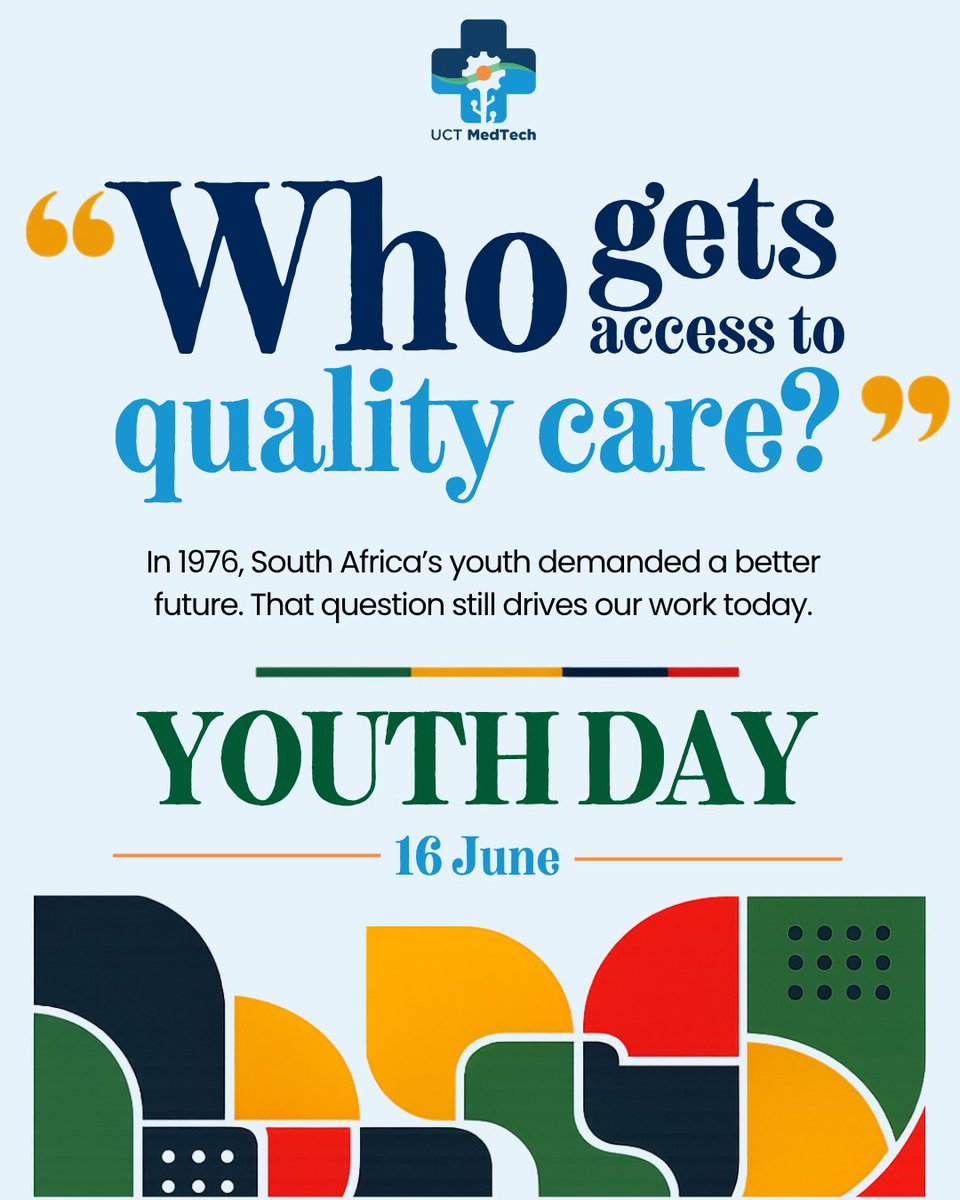
𝐇𝐨𝐧𝐨𝐮𝐫𝐢𝐧𝐠 𝐭𝐡𝐞 𝐏𝐚𝐬𝐭. 𝐄𝐧𝐠𝐢𝐧𝐞𝐞𝐫𝐢𝐧𝐠 𝐭𝐡𝐞 𝐅𝐮𝐭𝐮𝐫𝐞 | 𝐘𝐨𝐮𝐭𝐡 𝐃𝐚𝐲
On 16 June 1976, young South Africans stood up and demanded a better future. Their courage changed history.
Today, we honour their legacy by continuing to ask the same question they asked: who gets access to quality healthcare, and why not everyone?
At UCT MedTech, that question drives our work. From frugal medical devices designed for under-resourced settings to locally developed diagnostic tools, we believe the future of health in Africa must be built by and for African communities.
The spirit of June 16 lives in every researcher, student, and engineer who refuses to accept that where you are born should determine whether you survive.
Happy Youth Day, South Africa. 🇿🇦
#YouthDay #June16 #SouthAfrica #UCTMedTech #HealthInnovation #FrugalBiodesign #AfricanHealth
@SudeshSivarasu
@UCT_news
@NRF_News
@UCTHealthSci
@dstigovza
4

@konnex_world is what happens when infrastructure is built for everyone rather than for the best-resourced. Any machine can adopt the protocol. Any operator can participate. Any manufacturer can integrate. For everyone means for the industry not for a segment.
3

A huge thank you to @MoondanceFdn for supporting Springboard's pathways to employment programmes across Wales.
Together, we're helping more young people and individuals from under-resourced communities build confidence, improve wellbeing and develop the skills needed to secure and sustain careers in hospitality.
Thanks to this support, we can meet the growing demand for our programmes and help even more people unlock their potential and transform their futures through hospitality. ✨
Thank you, The Moondance Foundation, for helping us change lives through hospitality.
Interested in supporting our work? Find out more about the different ways you can support Springboard here 👉 loom.ly/YrUjO08
#Springboard #HospitalityCareers #Employability #MoondanceFoundation #Fundraising
6