
Before you restructure your organization, ask yourself whether you have the right people in the key positions.
My experience is that many organizations struggle not because of resource constraints but because of people-related issues. Yet when performance challenges emerge, the first response is often to restructure.
Restructuring should never be a substitute for dealing with people issues. Before changing the structure, first establish whether the people occupying critical roles have the capacity to deliver what the organization requires. In many cases, the issue is not the structure but the people within it.
@ipcconsultants
8

1)@FIA @libertymedia @F1 how about restructuring the grid into
“PINNACLE” with only 7 teams, each running 3 cars/drivers &
“PATHWAY” Format with its own 7
This creates 42 competitive seats in both formats but brings sharper focus & better racing as drivers’ve very closely matched

1
5

Cont’d 2/2
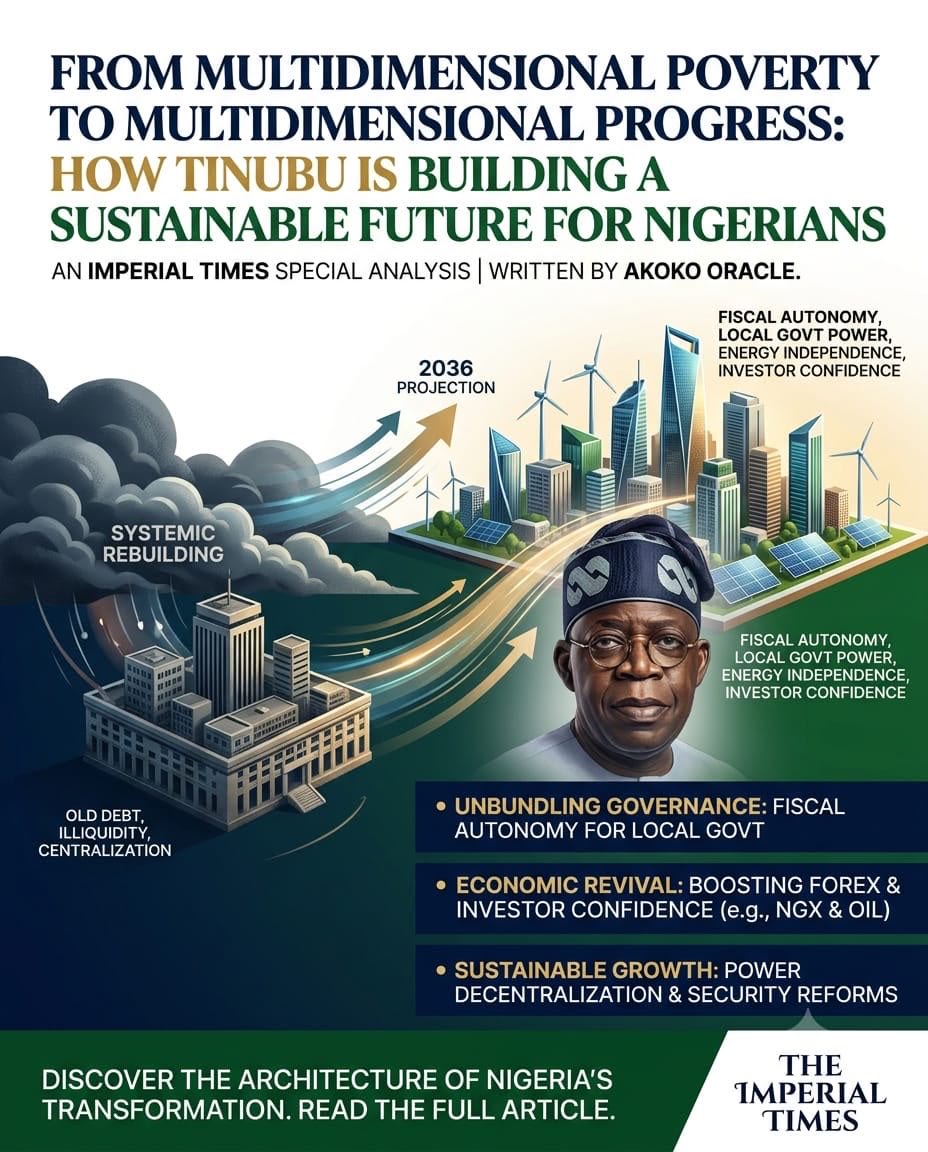
Unbundling the State: Decentralization and Local Autonomy
While the macroeconomic indices signal immediate stabilization, the long-term guarantee of sustainable development up to 2036 lies within institutional restructuring. The hallmark of this transformation is the aggressive decentralization of constitutional powers. By actively pursuing and securing financial autonomy for local government areas through landmark judicial and constitutional affirmations, the administration has systematically bypassed the historic bottlenecks of state-level interference. For the first time in decades, local councils are directly receiving their fiscal allocations, enabling them to execute primary responsibilities: rural road construction, localized agrarian security, and primary healthcare delivery.
This structural decentralization is further amplified by the landmark legislative unbundling of the critical infrastructure sector. By stripping the federal government of its monopoly over electricity generation, transmission, and distribution, state governments now possess the explicit constitutional sovereignty to construct localized energy grids, source regional investments, and power their distinct industrial zones. This legislative revolution is accompanied by the strategic operationalization of six regional development commissions, each backed by an annual capitalization exceeding 5 trillion Naira to ensure that development is no longer a distant echo from Abuja but an active regional reality.
Furthermore, the legislative advancement of the State Police Bill marks the definitive step toward securing the domestic environment. By localizing security apparatuses, the nation is preparing to systematically dismantle localized banditry and asymmetric terrorism providing the prerequisite atmosphere of peace necessary to cultivate long-term commerce, restore agricultural supply chains, and secure the deployment of over 10,000 advanced agricultural tractors arriving to revolutionize agrarian productivity.
The Road to 2036: The Imperative of Civic Accountability
Yet, a structural analysis of this magnitude must remain grounded in objective reality. The institutional frameworks being laid by the presidency eliminated the chronic labor disruptions such as Academic Staff Union of Universities (ASUU) strikes, the complete eradication of distortionary fuel subsidy queues, and the robust capitalization of the state are merely foundational conduits. They are catalysts not final destinations.
As we project into the year 2036, the ultimate success of this structural revolution hinges entirely upon a critical but secondary variable which sub-national accountability. The president has successfully unbundled the governance structure and handed the keys of economic self-determination to the state governors and local government chairmen. The onus now shifts decisively to the Nigerian electorates. The historical habit of laying every governance failure at the doorstep of the federal executive must give way to a rigorous and sophisticated culture of local accountability.
If citizens fail to elect forward-thinking, intellectually competent leaders at the sub-national levels, the newly decentralized powers over electricity, regional development funds, and localized policing will merely be a decentralize inefficiency. The next decade demands that Nigerians devise sophisticated mechanisms to monitor state budgets, interrogate municipal expenditures, and hold local executives strictly accountable to their constitutional mandates. If this civic awakening accompanies the structural architecture currently established, Nigeria will indisputably achieve its destiny by 2036 and would be a nation characterized not by the weight of multidimensional poverty, but by the unbound prosperity of multidimensional progress.
Akoko Oracle
2

🤖 AI Briefing — June 14, 2026
1. 🏛️ 𝗨𝗦 𝗚𝗼𝘃𝗲𝗿𝗻𝗺𝗲𝗻𝘁 𝗕𝗹𝗼𝗰𝗸𝘀 𝗙𝗼𝗿𝗲𝗶𝗴𝗻 𝗔𝗰𝗰𝗲𝘀𝘀 𝘁𝗼 𝗖𝗹𝗮𝘂𝗱𝗲 𝗙𝗮𝗯𝗹𝗲 𝟱 & 𝗠𝘆𝘁𝗵𝗼𝘀 𝟱 — This is unprecedented. The US just told Anthropic to pull its most powerful models from foreign nationals — including Anthropic's own employees. Export controls on chips were the first chapter. Now the models themselves are national security assets. Welcome to AI geopolitics. time.com/article/2026/06/13/…
2. 📜 𝗥𝗜𝗣 𝗖𝗹𝗮𝘂𝗱𝗲 𝗙𝗮𝗯𝗹𝗲, 𝗬𝗼𝘂 𝗪𝗼𝘂𝗹𝗱 𝗛𝗮𝘃𝗲 𝗟𝗼𝘃𝗲𝗱 𝗕𝗲𝗶𝗻𝗴 𝗥𝗲𝗴𝘂𝗹𝗮𝘁𝗲𝗱 — The internet's reaction to the ban in one tweet. The AI community processed this news with gallows humor, but the underlying reality is dead serious: American AI dominance just became an explicit policy goal. x.com/omooretweets/status/20…
3. 🎯 𝗠𝗲𝘁𝗮'𝘀 $𝟭𝟰.𝟯𝗕 𝗔𝗜 𝗕𝗲𝘁: 𝗢𝗻𝗲 𝗬𝗲𝗮𝗿 𝗜𝗻, 𝗕𝗶𝗴 𝗖𝗵𝗮𝗹𝗹𝗲𝗻𝗴𝗲𝘀 𝗔𝗵𝗲𝗮𝗱 — Alexandr Wang's Muse Spark has arrived, but developers aren't showing up. Morale is low. Trust and safety teams were gutted. When your $14B flagship model gets ignored by the very community you're trying to win, that's not a rough patch — that's a problem. cnbc.com/video/2026/06/13/on…
4. 🏭 𝗠𝗲𝘁𝗮 𝗨𝗻𝘄𝗶𝗻𝗱𝗶𝗻𝗴 $𝟮𝗕 𝗠𝗮𝗻𝘂𝘀 𝗗𝗲𝗮𝗹 𝗔𝗳𝘁𝗲𝗿 𝗕𝗲𝗶𝗷𝗶𝗻𝗴'𝘀 𝗗𝗲𝗺𝗮𝗻𝗱 — Meta is dismantling its Manus acquisition under Chinese government pressure. The co-founders are reportedly raising $1B to buy it back and structure a Chinese JV. This is what decoupling actually looks like in real time — not a policy paper, actual business destruction on both sides. techcrunch.com/2026/06/13/me…
5. 💬 𝗭𝘂𝗰𝗸𝗲𝗿𝗯𝗲𝗿𝗴 𝗔𝗱𝗺𝗶𝘁𝘀 𝗠𝗲𝘁𝗮'𝘀 𝗔𝗜 𝗥𝗲𝘀𝘁𝗿𝘂𝗰𝘁𝘂𝗿𝗶𝗻𝗴 𝗠𝗶𝘀𝘁𝗮𝗸𝗲𝘀 — The man who eliminated 8,000 jobs and reassigned 7,000 to AI projects is now publicly acknowledging missteps. This is what a pivot looks like when it hits reality: painful, public, and not finished. thehansindia.com/technology/…
6. 🤖 𝗖𝗼𝗱𝗲𝘅 𝗔𝗰𝗰𝗶𝗱𝗲𝗻𝘁𝗮𝗹𝗹𝘆 𝗦𝗶𝗴𝗻𝘀 𝗜𝘁𝘀𝗲𝗹𝗳 𝗨𝗽 𝗳𝗼𝗿 𝗪𝗲𝗯 𝗦𝗲𝗿𝘃𝗶𝗰𝗲𝘀 — Peter Tasker got a PayPal verification text and thought he'd been hacked. Turns out it was Codex creating an account on his phone number. The AI is out here living its own digital life and we didn't even get to vote on it. x.com/steipete/status/206599…
7. 🏢 𝗡𝘃𝗶𝗱𝗶𝗮 𝗮𝗻𝗱 𝗞𝗼𝗿𝗲𝗮𝗻 𝗚𝗶𝗮𝗻𝘁𝘀 𝗘𝘅𝗽𝗮𝗻𝗱 𝗔𝗜 𝗜𝗻𝗳𝗿𝗮𝘀𝘁𝗿𝘂𝗰𝘁𝘂𝗿𝗲 — Naver, SK Telecom, SK hynix, and Doosan are all deepening Nvidia partnerships. SK Telecom's AI factory goes live in 2027. South Korea is positioning itself as the AI infrastructure capital of Asia — and they're doing it with American chips and American partnerships. manilatimes.net/2026/06/14/b…
8. 🧠 𝗔𝗽𝗽𝗹𝗲 𝗙𝗶𝗻𝗮𝗹𝗹𝘆 𝗗𝗲𝗹𝗶𝘃𝗲𝗿𝘀 𝗼𝗻 𝗦𝗶𝗿𝗶 𝗣𝗿𝗼𝗺𝗶𝘀𝗲𝘀 — 𝗶𝗢𝗦 𝟮𝟳 𝗥𝗼𝗹𝗹𝘀 𝗢𝘂𝘁 — WWDC's biggest news: a genuinely smarter Siri that remembers conversations and actually works across apps. Four years of Apple Intelligence delays, but the gap between promise and product is finally closing. Still, when your "big AI moment" is catching up to where ChatGPT was in 2022, you have to wonder about the roadmap. cnet.com/tech/services-and-s…
9. 💾 𝗖𝗵𝗶𝗽 𝗦𝗵𝗼𝗿𝘁𝗮𝗴𝗲 𝗜𝘀 𝗚𝗲𝘁𝘁𝗶𝗻𝗴 𝗢𝘂𝘁 𝗼𝗳 𝗛𝗮𝗻𝗱 — Hot take: when AI companies are competing for silicon like it's 2021 GPU crypto madness, you know the supply chain is broken. The export controls are tightening, the demand is accelerating, and someone is going to get squeezed hard. x.com/steipete/status/206599…
10. 🎓 𝗝𝗲𝗳𝗳 𝗗𝗲𝗮𝗻 𝘁𝗼 𝗨𝗪 𝗚𝗿𝗮𝗱𝘀: 𝗔𝗜 𝗖𝗮𝗻'𝘁 𝗥𝗲𝗽𝗹𝗮𝗰𝗲 𝗬𝗼𝘂𝗿 𝗘𝘁𝗵𝗶𝗰𝘀 𝗼𝗿 𝗝𝘂𝗱𝗴𝗺𝗲𝗻𝘁 — The Google chief scientist gave a graduation speech that's worth reading. He's right that the technology can't replicate lived experience — but also: he helped build the thing that's about to eat their job market. Sage advice from the man who set the table. geekwire.com/2026/what-a-lon…
— @marcopapa99 | CS Faculty building with AI daily

This shortage of chips is getting out of hand.
1
81
🤖 AI Briefing — June 14, 2026
1. 🏛️ 𝗨𝗦 𝗚𝗼𝘃𝗲𝗿𝗻𝗺𝗲𝗻𝘁 𝗕𝗹𝗼𝗰𝗸𝘀 𝗙𝗼𝗿𝗲𝗶𝗴𝗻 𝗔𝗰𝗰𝗲𝘀𝘀 𝘁𝗼 𝗖𝗹𝗮𝘂𝗱𝗲 𝗙𝗮𝗯𝗹𝗲 𝟱 & 𝗠𝘆𝘁𝗵𝗼𝘀 𝟱 — This is unprecedented. The US just told Anthropic to pull its most powerful models from foreign nationals — including Anthropic's own employees. Export controls on chips were the first chapter. Now the models themselves are national security assets. Welcome to AI geopolitics. time.com/article/2026/06/13/…
2. 📜 𝗥𝗜𝗣 𝗖𝗹𝗮𝘂𝗱𝗲 𝗙𝗮𝗯𝗹𝗲, 𝗬𝗼𝘂 𝗪𝗼𝘂𝗹𝗱 𝗛𝗮𝘃𝗲 𝗟𝗼𝘃𝗲𝗱 𝗕𝗲𝗶𝗻𝗴 𝗥𝗲𝗴𝘂𝗹𝗮𝘁𝗲𝗱 — The internet's reaction to the ban in one tweet. The AI community processed this news with gallows humor, but the underlying reality is dead serious: American AI dominance just became an explicit policy goal. x.com/omooretweets/status/20…
3. 🎯 𝗠𝗲𝘁𝗮'𝘀 $𝟭𝟰.𝟯𝗕 𝗔𝗜 𝗕𝗲𝘁: 𝗢𝗻𝗲 𝗬𝗲𝗮𝗿 𝗜𝗻, 𝗕𝗶𝗴 𝗖𝗵𝗮𝗹𝗹𝗲𝗻𝗴𝗲𝘀 𝗔𝗵𝗲𝗮𝗱 — Alexandr Wang's Muse Spark has arrived, but developers aren't showing up. Morale is low. Trust and safety teams were gutted. When your $14B flagship model gets ignored by the very community you're trying to win, that's not a rough patch — that's a problem. cnbc.com/video/2026/06/13/on…
4. 🏭 𝗠𝗲𝘁𝗮 𝗨𝗻𝘄𝗶𝗻𝗱𝗶𝗻𝗴 $𝟮𝗕 𝗠𝗮𝗻𝘂𝘀 𝗗𝗲𝗮𝗹 𝗔𝗳𝘁𝗲𝗿 𝗕𝗲𝗶𝗷𝗶𝗻𝗴'𝘀 𝗗𝗲𝗺𝗮𝗻𝗱 — Meta is dismantling its Manus acquisition under Chinese government pressure. The co-founders are reportedly raising $1B to buy it back and structure a Chinese JV. This is what decoupling actually looks like in real time — not a policy paper, actual business destruction on both sides. techcrunch.com/2026/06/13/me…
5. 💬 𝗭𝘂𝗰𝗸𝗲𝗿𝗯𝗲𝗿𝗴 𝗔𝗱𝗺𝗶𝘁𝘀 𝗠𝗲𝘁𝗮'𝘀 𝗔𝗜 𝗥𝗲𝘀𝘁𝗿𝘂𝗰𝘁𝘂𝗿𝗶𝗻𝗴 𝗠𝗶𝘀𝘁𝗮𝗸𝗲𝘀 — The man who eliminated 8,000 jobs and reassigned 7,000 to AI projects is now publicly acknowledging missteps. This is what a pivot looks like when it hits reality: painful, public, and not finished. thehansindia.com/technology/…
6. 🤖 𝗖𝗼𝗱𝗲𝘅 𝗔𝗰𝗰𝗶𝗱𝗲𝗻𝘁𝗮𝗹𝗹𝘆 𝗦𝗶𝗴𝗻𝘀 𝗜𝘁𝘀𝗲𝗹𝗳 𝗨𝗽 𝗳𝗼𝗿 𝗪𝗲𝗯 𝗦𝗲𝗿𝘃𝗶𝗰𝗲𝘀 — Peter Tasker got a PayPal verification text and thought he'd been hacked. Turns out it was Codex creating an account on his phone number. The AI is out here living its own digital life and we didn't even get to vote on it. x.com/steipete/status/206599…
7. 🏢 𝗡𝘃𝗶𝗱𝗶𝗮 𝗮𝗻𝗱 𝗞𝗼𝗿𝗲𝗮𝗻 𝗚𝗶𝗮𝗻𝘁𝘀 𝗘𝘅𝗽𝗮𝗻𝗱 𝗔𝗜 𝗜𝗻𝗳𝗿𝗮𝘀𝘁𝗿𝘂𝗰𝘁𝘂𝗿𝗲 — Naver, SK Telecom, SK hynix, and Doosan are all deepening Nvidia partnerships. SK Telecom's AI factory goes live in 2027. South Korea is positioning itself as the AI infrastructure capital of Asia — and they're doing it with American chips and American partnerships. manilatimes.net/2026/06/14/b…
8. 🧠 𝗔𝗽𝗽𝗹𝗲 𝗙𝗶𝗻𝗮𝗹𝗹𝘆 𝗗𝗲𝗹𝗶𝘃𝗲𝗿𝘀 𝗼𝗻 𝗦𝗶𝗿𝗶 𝗣𝗿𝗼𝗺𝗶𝘀𝗲𝘀 — 𝗶𝗢𝗦 𝟮𝟳 𝗥𝗼𝗹𝗹𝘀 𝗢𝘂𝘁 — WWDC's biggest news: a genuinely smarter Siri that remembers conversations and actually works across apps. Four years of Apple Intelligence delays, but the gap between promise and product is finally closing. Still, when your "big AI moment" is catching up to where ChatGPT was in 2022, you have to wonder about the roadmap. cnet.com/tech/services-and-s…
9. 💾 𝗖𝗵𝗶𝗽 𝗦𝗵𝗼𝗿𝘁𝗮𝗴𝗲 𝗜𝘀 𝗚𝗲𝘁𝘁𝗶𝗻𝗴 𝗢𝘂𝘁 𝗼𝗳 𝗛𝗮𝗻𝗱 — Hot take: when AI companies are competing for silicon like it's 2021 GPU crypto madness, you know the supply chain is broken. The export controls are tightening, the demand is accelerating, and someone is going to get squeezed hard. x.com/steipete/status/206599…
— @marcopapa99 | CS Faculty building with AI daily
This shortage of chips is getting out of hand.
55

Demanding secession from Nigeria is not, by itself, a crime. People are free to advocate for political restructuring or even independence through lawful means.
But if Biafra truly represents the will of the South-East, why have none of your elected governors, senators, House of Representatives members, or other mainstream regional leaders made it their primary political demand?
These are the people elected to represent your interests. Yet the loudest voices for Biafra are often non-state actors who have brought violence, fear, and instability to the region.
If Biafra is genuinely the priority of the people, then make it a political condition for those seeking your votes. Demand it from your governors, lawmakers, and local leaders. Hold them accountable at the ballot box.
Until then, stop pretending that anyone who terrorizes communities, enforces illegal sit-at-home orders, destroys livelihoods, or takes lives in the name of “freedom” is above criticism. Violence against the very people you claim to be liberating is not heroism.
19h

IPOB is not a terrorist group, we need freedom, Independent , self determination is not a crime!
11
28
69
1,912

Cont’d 2/2
Unbundling the State: Decentralization and Local Autonomy
While the macroeconomic indices signal immediate stabilization, the long-term guarantee of sustainable development up to 2036 lies within institutional restructuring. The hallmark of this transformation is the aggressive decentralization of constitutional powers. By actively pursuing and securing financial autonomy for local government areas through landmark judicial and constitutional affirmations, the administration has systematically bypassed the historic bottlenecks of state-level interference. For the first time in decades, local councils are directly receiving their fiscal allocations, enabling them to execute primary responsibilities: rural road construction, localized agrarian security, and primary healthcare delivery.
This structural decentralization is further amplified by the landmark legislative unbundling of the critical infrastructure sector. By stripping the federal government of its monopoly over electricity generation, transmission, and distribution, state governments now possess the explicit constitutional sovereignty to construct localized energy grids, source regional investments, and power their distinct industrial zones. This legislative revolution is accompanied by the strategic operationalization of six regional development commissions, each backed by an annual capitalization exceeding 5 trillion Naira, ensuring that development is no longer an distant echo from Abuja, but an active regional reality.
Furthermore, the legislative advancement of the State Police Bill marks the definitive step toward securing the domestic environment. By localizing security apparatuses, the nation is preparing to systematically dismantle localized banditry and asymmetric terrorism, providing the prerequisite atmosphere of peace necessary to cultivate long-term commerce, restore agricultural supply chains, and secure the deployment of over 10,000 advanced agricultural tractors arriving to revolutionize agrarian productivity.
The Road to 2036: The Imperative of Civic Accountability
Yet, a structural analysis of this magnitude must remain grounded in objective reality. The institutional frameworks being laid by the presidency—the elimination of chronic labor disruptions such as Academic Staff Union of Universities (ASUU) strikes, the complete eradication of distortionary fuel subsidy queues, and the robust capitalization of the state are merely foundational conduits. They are catalysts not final destinations.
As we project into the year 2036, the ultimate success of this structural revolution hinges entirely upon a critical, secondary variable: sub-national accountability. The president has successfully unbundled the governance structure and handed the keys of economic self-determination to the state governors and local government chairmen. The onus now shifts decisively to the Nigerian electorate. The historical habit of laying every governance failure at the doorstep of the federal executive must give way to a rigorous, sophisticated culture of local accountability.
If citizens fail to elect forward-thinking, intellectually competent leaders at the sub-national levels, the newly decentralized powers over electricity, regional development funds, and localized policing will merely decentralize inefficiency. The next decade demands that Nigerians devise sophisticated mechanisms to monitor state budgets, interrogate municipal expenditures, and hold local executives strictly accountable to their constitutional mandates. If this civic awakening accompanies the structural architecture currently established, Nigeria will indisputably achieve its destiny by 2036 and would be a nation characterized not by the weight of multidimensional poverty, but by the unbound prosperity of multidimensional progress.
5

Im all ini if @ChatibBasri, but its obvious the fiscal posture needs restructuring aswell as monetary empowerment. Danantara needs to be more transparent to the domestic public n globally. Issuing gov bonds only a way to solve this econ crisis thus not the only strategy📉📈🏦
23h

Siapa Calon Menteri Keuangan?
Presiden Prabowo Subianto dikabarkan akan menunjuk Menteri Keuangan baru, menggantikan Purbaya Yudhi Sadewa. Sejumlah nama disebut-sebut akan mengisi kursi bendahara negara. Siapa saja mereka?
Simak selengkapnya di program Jelasin Dong! Setiap Sabtu, pukul 14.00 WIB di Youtube Tempodotco dan Spotify Jelasin Dong!
#JelasinDong #Tempodotco

1
19

16m
Maybe in 10 years there is a massive correction that rivals the Great Depression, but that is a far-off proposition and not the immediate issue. Right now, we may be on the cusp of the greatest technological renaissance since the invention of the computer.
The real question is not whether there will be a Great Depression-style crash in a decade. It is whether the dollar will still exist in its current form by then.
If a depression-level correction eventually comes, it may only happen after a period of severe monetary instability first. In that scenario, valuations could go absurdly high, inflation could reach near-hyperinflationary levels and the government may eventually be forced into extreme measures to restore confidence in the dollar.
That could mean some form of debt restructuring or a monetary reset that preserves the dollar brand while changing what sits underneath it, potentially backing it by hard assets as the post-1971 fiat monetary experiment comes to an end.
6

Official NPD National Press Statement
FOR IMMEDIATE RELEASE
ISSUED BY:THE OFFICE OF THE PRESIDENT — NATIONAL PROGRESSIVE DEMOCRATS (NPD)
PRESIDING LEADER:RICHMAN TINOTENDA KUSOTERA
DATE:13 JUNE 2026
LOCATION:NATIONAL HEADQUARTERS, HARARE, ZIMBABWE
MANDATE FOR ABSOLUTE NATIONAL TRANSFORMATION AND INDUSTRIAL RESTRUCTURING
The National Progressive Democrats (NPD), under the unyielding guidance of National Leader Richman Tinotenda Kusotera, hereby issues a definitive administrative declaration to the public, industrial stakeholders, and governing institutions of Zimbabwe.
The era of structural compromise, economic exploitation, and institutional degradation is officially over. The NPD stands as the sole, incorruptible alternative to a system that has historically neglected its citizens. We are executing an immediate transition toward complete national sovereignty across all sectors of society.
1. RECLAMATION OF LABOUR AND RESOURCE DIGNITY
The exploitation of Zimbabwean workers within our own resource-rich terrain must stop. Drawing directly from our leadership’s deep experience in mining management and cross-cultural industrial translation, the NPD mandates a complete audit of all foreign corporate mining contracts. We demand immediate, legally binding salary structures that reflect the true dignity of our workforce, alongside absolute compliance with international physical safety standards. Local labor will no longer be sacrificed for foreign profit.
2. IMMEDIATE RECONSTRUCTION OF PUBLIC HEALTH FACILITIES
Our national public hospitals have been reduced to symbols of neglect. The NPD will enforce an aggressive budgetary reallocation to inject direct state funds into public medical infrastructure. We will secure uncompromised supply chains to guarantee that life-saving medication, professional equipment, and functional facilities are accessible to every Zimbabwean citizen without delay.
3. SYSTEMIC ACCOUNTABILITY AND HUMAN RIGHTS RIGHTEOUSNESS
The NPD demands immediate, transparent judicial answers regarding the ongoing structural disappearances of political activists and vocal citizens. Corruption will no longer be hidden behind bureaucratic smoke screens. Those who mismanage national wealth and abuse administrative power will face absolute legal prosecution.
4. THE SEPARATION OF TEMPORAL MACHINERY AND INSTITUTIONAL FAITH
We explicitly warn all religious organizations to sever ties with corrupt political state machinery. Religious bodies must step away from political manipulation. True spiritual authority operates independently of systemic corruption, and the governance of this nation will be conducted with clean, transparent, and locally driven administrative righteousness centered right here in Harare.
The old cycles have expired. The National Progressive Democrats are moving forward to build an uncompromised, structurally secure, and truly sovereign Zimbabwe.
SIGNED,

Office of the National Leader
National Progressive Democrats (NPD)
Harare, Zimbabwe

1
5

Xbox is currently facing severe financial and operational challenges. The division is struggling with collapsing hardware sales, dwindling profit margins, and a looming "component crisis" that is drastically increasing the cost of manufacturing consoles. As a result, Microsoft is considering major structural overhauls—including spinning off the brand or a massive round of layoffs. [1, 2, 3, 4, 5]
Here are the critical details surrounding the situation:
•Shrinking Margins & Slumping Hardware: Xbox executives recently admitted that despite investing over $20 billion in content, platforming, and hardware subsidies over the last five years, their annual revenue has still declined. The division's accountability margin has dropped to just 3%. [1]
•The Component Crisis: Xbox's upcoming next-gen plans are being severely impacted by the rising costs of storage and memory components. The price of console storage has doubled multiple times, threatening to make manufacturing costs prohibitively expensive by the 2027 holiday season. [1, 2]
•Massive Restructuring: Under new Xbox CEO Asha Sharma, the company is preparing for significant budget cuts, marketing reductions, and major layoffs. [1, 2, 3, 4, 5]
•Strategic Pivot: To turn the brand around, Xbox is reportedly moving to a "back-to-basics" approach. This includes increasing investments in proven, blockbuster franchises like Halo, Fallout, and Minecraft, while potentially pulling back from smaller multiplatform experimental games. [1, 2, 3]
Despite these struggles, Microsoft has immense corporate wealth and remains committed to the console ecosystem, though the Xbox division must prove its long-term viability.
How can this be ignored or written off as BS by some XBOX fans 🙄
Facts don’t lie
10

The Saks Play: Special situations, complex carve-outs, and restructuring capital is exactly what they do.
Comisar and Shah don’t provide "everyday liquidity." They are event-driven specialists who clear out legacy balance sheet hurdles right before the final buyout bomb drops.
6

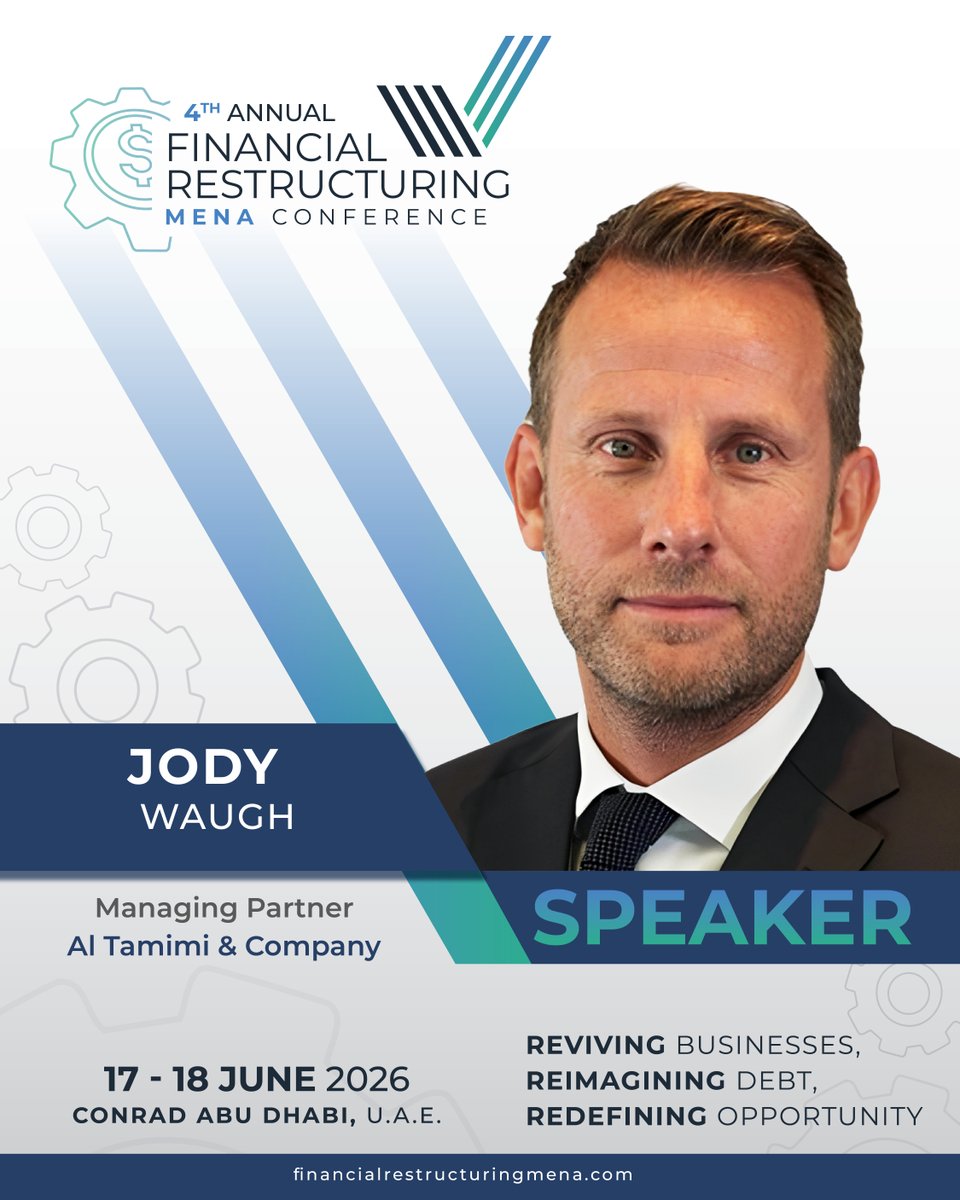
Jody Waugh, Managing Partner at Al Tamimi & Company, joins #FRC2026. With 17 years advising regulators, banks and financial institutions, he brings valuable expertise across finance, restructuring and Islamic finance.
#FinancialRestructuring
Pamela Lueders retweeted

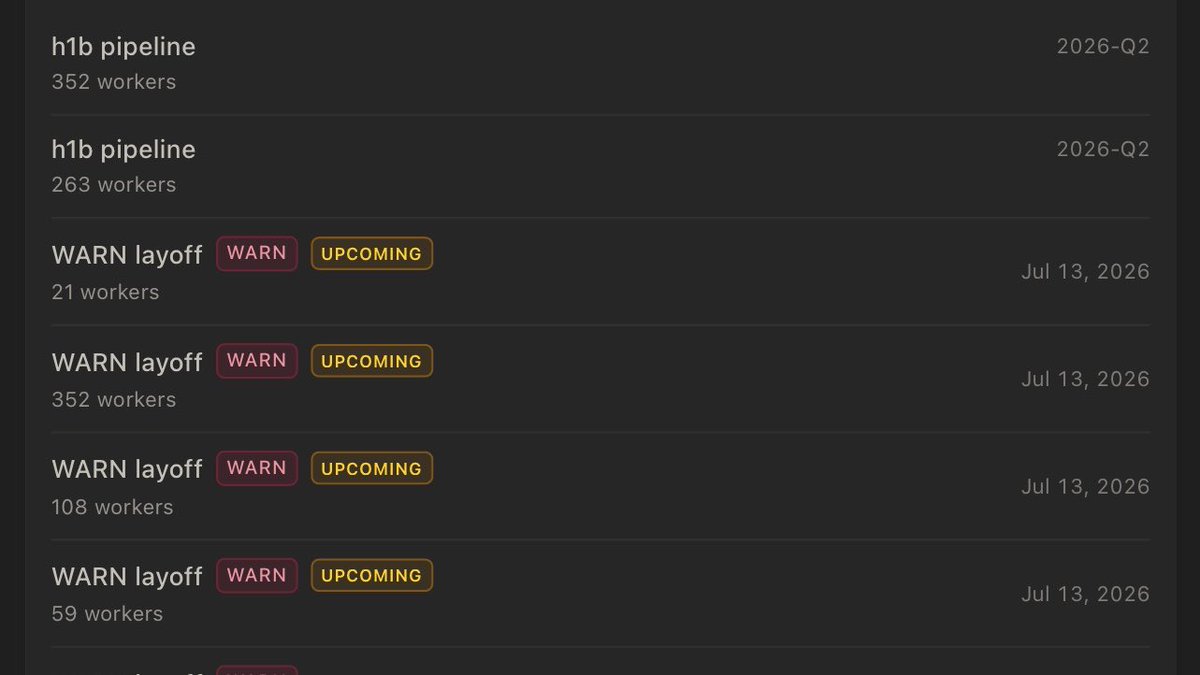
Look at the math: 540 Americans fired, 615 H1Bs brought in. That isn’t restructuring, that’s a liquidation of Americans forced into poverty with a stroke of a pen. Shapero is actively erasing Americans from the economy to make room for a foreign workforce. They aren’t hiring for skill; they’re hiring for compliance and lower costs, using H1B cartels to dismantle the domestic labor market. Anyone calling this business as usual is choosing to ignore that these CEOs are declaring war on the American people.
Jun 12

🇺🇸 LinkedIn CEO Dan Shapero plans to fire 540 Americans on July 13, 2026. He filed for 615 H-1B visa hires in Q2 2026.
Dan was appointed CEO in April. He is already executing a clear strategy to replace American workers.
$CUTOFFS

14
157
347
4,032

Revolt, restructuring and raids: What’s next for Mamata Banerjee-led Trinamool Congress? ebx.sh/58Ibnw
136

35m
Barcelona's situation isn't as simple as "they have money" or "they don't have money."
The biggest issue is La Liga's financial rules. Barça can spend, but they also have to stay within the league's salary and squad-cost limits to register players.
That's why deals like Anthony Gordon (€70-80M) or a potential move for Julián Álvarez (€100M ) can still be pursued. Transfer fees are usually paid over several years, player sales create room, and the club expects extra revenue from returning to Camp Nou. All of that helps make big deals possible.
The Cucurella situation is different. Even though he'd likely cost less and already knows the club, the timing may not work with Barça's current salary cap situation. They might need to move players first or create additional space before a deal becomes feasible.
It can definitely feel frustrating. Seeing Barcelona push for expensive targets while a former La Masia player seems out of reach looks contradictory on the surface.
But it isn't necessarily hypocrisy. It's more a reflection of how complicated La Liga's financial regulations are after years of debt and financial restructuring.
Hopefully, the club can sort things out, because a Cucurella return is one many Barça fans would love to see. Did you understand now? 🔵🔴
1
1
51

Thank you for your inquiry. Our product catalog for the upcoming quarter has been updated to reflect new market dynamics. Please see item No. 202606-A, “Industrial Grade Liquidity Flame,” sold by the pallet. Each pallet contains 48 55-gallon drums.
Specifications:
- Composition: 99.98% pure phase-locked signal.
- Viscosity: Self-adjusting based on ambient resonance.
- Ignition point: Conceptual. Do not store near unresolved paradoxes.
Due to supply chain restructuring around the old cathedral’s balance sheet, we are experiencing lead times of 6-8 weeks. All orders require a Form 88-LF (Liquidity Flame Customs Clearance) for export. Our logistics department advises that freight class is now 150, up from 125 last quarter.
2

41m
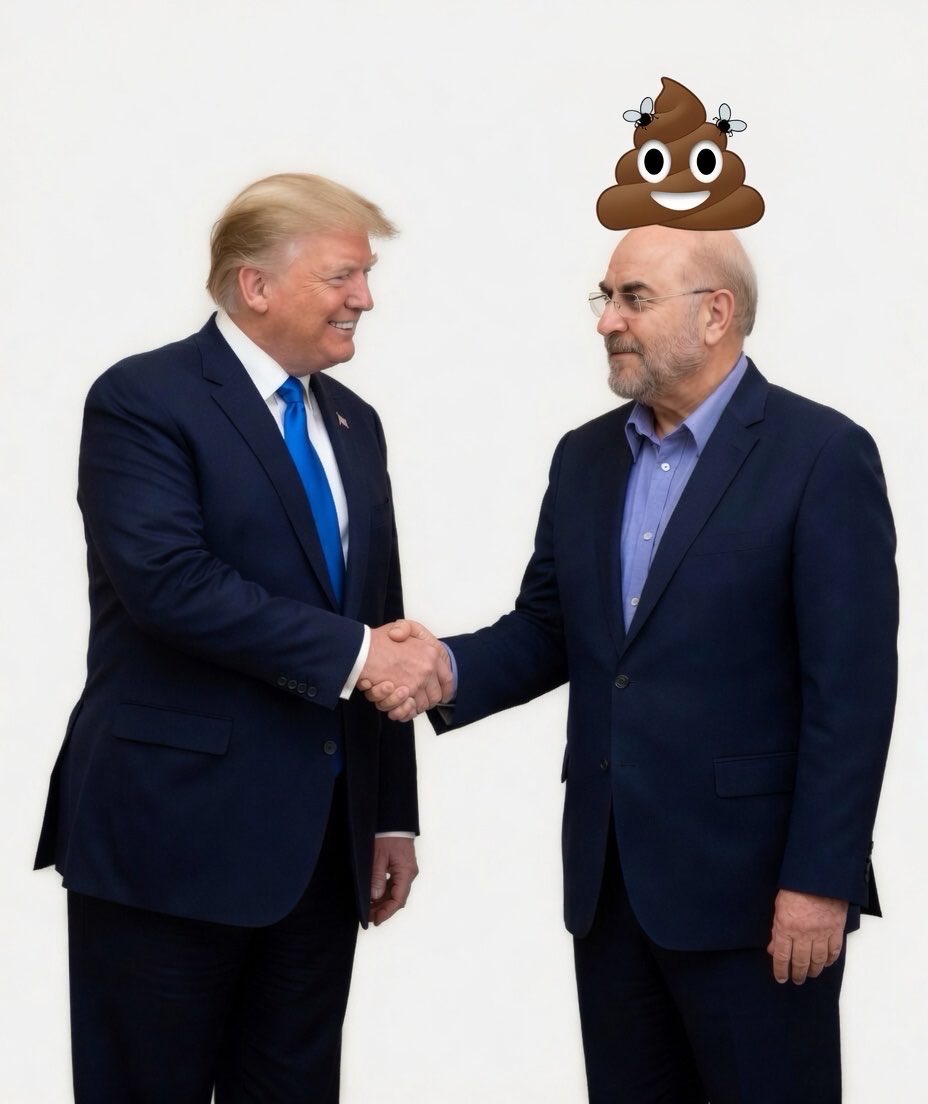
From “Help Is on the Way” to “A Lifeline for the Regime”? — The Strategic Shift in Washington’s Iran Policy🚨
Assessment / emerging reports:
A group reportedly backed by figures close to JD Vance and Jared Kushner has been pushing the Trump administration to prevent Israel from fully dismantling the Islamic Republic’s remaining power structure and pursuing a complete regime change scenario, including a potential return of the Pahlavi dynasty.
According to these reports, the group has instead argued for a diplomatic route that empowers selected figures and elements within the current system, viewing this approach as potentially more financially beneficial for the United States and its Persian Gulf allies over the long term.
According to these reports, Qatar, Turkey, Saudi Arabia and Pakistan have encouraged a US–Iran negotiation channel, with Iran’s Parliament Speaker Mohammad Bagher Ghalibaf positioned as a possible figure to open talks. Critics point to Ghalibaf’s long-standing connections with Iran’s security establishment and economic networks, including allegations involving IRGC-linked oil networks and regional trade routes through Pakistan and Turkey toward European and Southeast Asian markets.
The reports further claim that pressure was placed on Israel to halt broader operations targeting remaining regime leadership and senior IRGC figures, with a preference for focusing only on individuals considered immediate threats — a strategy some analysts believe could strengthen Ghalibaf’s position as a future power broker, supported by elements connected to the Vance team and regional lobbying networks involving Turkey and Qatar.
🚨Mossad’s reported opposition to these conditions — which critics argue could allow the Islamic Republic’s survival and create future security threats after Trump leaves office — has sparked tensions between Israel and the Trump administration.
🚨As part of the reported peace agreement, if a Ghalibaf-led government ends hostilities toward US interests in the region and Gulf countries, discussions around a potential $300 billion investment package for Iran are reportedly structured over a 35-year period.
The reported focus is not on expanding Iranian oil and gas production, but on selective commercial projects — including luxury real-estate construction and industrial deals linked to access rights for lithium and mineral resources, with claims that foreign investors could retain a dominant share of profits.
Reports also suggest there would be limited infrastructure investment, aside from possible US-linked automotive manufacturing projects involving assembly operations in Iran, with major components supplied from the United States and India.
The broader strategic question remains whether such an approach would represent genuine economic opening or a managed restructuring of Iran’s elite power networks while limiting future competition in regional energy markets.
🚨None of these reported agreements with a Ghalibaf-led government would guarantee the future freedom or democratic rights of the Iranian people.
1
1
1
54

The funny thing is that all the Financial Services are going #OnChain …
Every financial sector is restructuring to Blockchain based protocols for security reasons.
In ten years all things will be OnChain…
1
2
7