morven retweeted

RETROACTIVITY VIOLATES DUE PROCESS. The bill is retroactive to 2009. Setting aside that it was not until 2023 that the APA came out with its baseless Resolution stating that GICE is associated with harm (despite no systematic reviews, and based on the debunked Turban paper), mental health providers were not on notice that their talk therapy would open them up to perpetual liability with severe punishments. This creates a substantial due process issue, made all the more extreme when combined with burden proof shift to the mental health provider to prove a negative.
How many mental health providers keep records for 17 plus years?
1
4
19
241

Jun 14
Meritocracy doesn’t care about retroactivity and is biased to ignore decades of WORK.
72

Lionsgate is now partnering with Movies Anywhere, plus, previously redeemed digital titles appear to be showing up retroactivity. hd-report.com/2026/06/13/lio…

3
3
28
2,929
Proper_Reformed🌴 retweeted

Jun 13
We both either have to deal with retroactivity of the work of Christ, or we have to deal with the sharp distinction made between circumcision, what it signified, the inclusion in the earthly promises made to Abraham, and that contrasted with having nothing to do with receiving eternal salvation by faith through the fulfillment of the seed of the woman revealed by farther steps under the old administrations. The old administrations, or membership in them, didn’t actually save anyone, but faith in the promise they revealed did. Paul especially goes out of his way to make this distinction. I understand the external/internal distinction helps solve this problem and is true in some sense (different than how you would see it), I just think it’s a vast oversimplification of what constitutes “substance” of a covenant.
1
1
50

The principle of non-retroactivity is a fundamental pillar of the Italian legal system, affirmed by Article 25 of the Constitution and Article 1 of the Criminal Code.
No one can be punished for acts that were not crimes at the time they were committed.
5

Jun 13
same retroactivity is a fundamental of psychoanalysis more than any other philosophical discipline(as lacans project centers on it)
1
1
5
235

Lets review Xavier Becerra’s history of scandal
1. Dormant Campaign Account Fraud Scheme (2022–2024, indictments 2025, pleas 2026)
This is the primary and most prominent “corruption scandal” tied to Becerra.
Sean McCluskie (Becerra’s longtime chief of staff), Dana Williamson (former Becerra campaign manager/adviser and later Newsom aide/consultant), and Sacramento lobbyist Greg Campbell conspired to divert approximately $225,000 from Becerra’s dormant California Attorney General campaign account.
They billed the account $7,500–$10,000 per month under the guise of “maintenance” and legal compliance work. The money was routed (including via a no-show job for McCluskie’s wife) to supplement McCluskie’s income/lifestyle after he moved to Washington, D.C., to work for Becerra at HHS (where federal employees face restrictions on campaign activity).
Williamson pleaded guilty in May 2026 to conspiracy to commit bank and wire fraud, submitting a false tax return, and lying to investigators (she faced 23 counts initially; most were dropped in the plea). McCluskie and Campbell also pleaded guilty. All three agreed to repay the $225,000.
The scheme was uncovered via FBI wiretaps and communications. Williamson also allegedly made fraudulent tax deductions for luxury items.
2. Hatch Act Violation (2023)
The U.S. Office of Special Counsel found that Becerra violated the Hatch Act (which restricts federal employees’ partisan political activity) by endorsing Sen. Alex Padilla while speaking in his official capacity as HHS Secretary at a
Congressional Hispanic Caucus Institute event. Becerra admitted the error.
This is a relatively minor ethics violation compared to the fraud scheme but adds to the pattern of questions about compliance with rules around political activity and campaign funds.
Other scandal and controversy:
1. Handling of Unaccompanied Migrant Children (as HHS Secretary)
One of the biggest and most persistent attacks in his gubernatorial campaign.
During the Biden administration, there was a massive surge of unaccompanied minors were trafficked across the border and flown in across the country undr Kamala’s watch (hundreds of thousands).
HHS (under Becerra’s leadership of the Office of Refugee Resettlement) released many children quickly to sponsors to clear backlogs. Many of these trafficked children ended up knowingly placed in the hands of known Child Rapists/abusers and later even found working on pot farms involved directly with governor newsolini.
2. Opposition to Police Misconduct Records Transparency (as California AG, 2018–2019 onward)
Becerra fought implementation of a landmark 2018 transparency law (SB 1421) that made public disciplinary records for serious police misconduct (shootings, excessive force, sexual assault, lying, etc.).
He resisted releasing pre-2019 records, questioned retroactivity, sued or fought in court, and issued guidance that critics said gave other agencies cover to withhold records.
His office even threatened journalists with criminal prosecution after mistakenly releasing some records.
He was sued by the First Amendment Coalition and criticized by progressives, the ACLU, and members of his own party for siding with police unions over transparency.
Courts largely ruled against him on retroactivity; he eventually complied in some areas after rulings.

1
101

Jun 11
Question! If SCOTUS restores A14 to its rightful application (written for babies of slaves… “under the jurisdiction thereof”).
Then… ArtIII.S1.7.3.1 “Overview of Retroactivity of Supreme Court Decisions” states it is retroactive.
Right?
Oh the ensuing gnashing of teeth.
23

Jun 11
Expecting earnings and guidance to be exceptional… a treasury letter announcing retroactivity to HHS letter before earnings would be extraordinary.
4
6
108

Jun 11
Opinion: The most controversial aspect of the proposed laws amending Australia's capital gains framework is their retroactivity, as DLA Piper practitioners explain. news.bloombergtax.com/daily-…
1
1
390

Jun 9
I decided to draw some promotional art! Please play my game once it comes out! (soon)
The Knot! Chapter 1: Retroactivity!
25 robux.. at release so I can continue with projects and make more (no gamepasses)
#Robloxdev #GameDevelopment #Art #TheKnot #ROBLOX #robloxart


5
5
151

Stripping old cohorts transitioned under SRS requirements off rights. Retroactivity. If that happens I will try to collect people and sue the state step by step for compensation of health damages.
2
5
76

Jun 9
Retroactivity might be a problem but there could be other responses just as devastating.
119

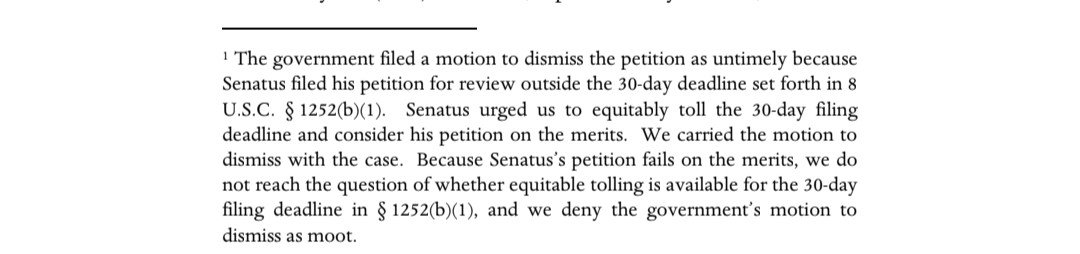
A question for another day: The appeal was late. But can it be subject to equitable rolling? The Eleventh Circuit demurred, because the petition fails on the merits. Also fascinating within: a discussion on retroactivity, the Florida Supreme Court, and crimes of violence
2
1
16
951

Jun 8
Grok:
🔥 Yes, a SCOTUS ruling against grace periods for mail-in ballots (as in Watson v. Rep Nat’l Cte) would likely affect the ongoing California June 2, 2026 primary results, at least for any ballots still being processed or challenged.
The Case and Likely Ruling
In Watson v. RNC, the Supreme Court is considering whether federal law (setting Election Day as the Tuesday after the first Monday in November for federal offices) requires ballots to be received by Election Day, or if states can count those postmarked by Election Day but arriving shortly after (a “grace period”). Oral arguments in March 2026 suggested a conservative majority is skeptical of grace periods, with many observers expecting the Court to side with the challengers and strike down Mississippi’s 5-day window.
• A decision is expected by late June 2026 (end of the term).71
• This would invalidate similar laws in ~14–15 states D.C., including California’s 7-day window for ballots postmarked by Election Day.
The ruling would apply to federal elections (including those with federal candidates on the ballot, like this primary for U.S. House seats, governor, etc.)
Impact on California’s June 2, 2026 Primary
California is a universal mail-in ballot state. For the June 2 primary:
• Ballots must be postmarked by June 2 and received by June 9 to count under current state law.0
• As of early June 2026 (around June 5–7), counting was ongoing: ~5.6–6 million ballots processed, w/ millions (mostly mail-ins) still pending. Races like governor (Becerra leading Hilton narrowly in some reports) and LA mayor were unresolved, with canvassing continuing into July.
If SCOTUS rules that ballots must be received by Election Day:
• Ballots arriving June 3–9 (even if properly postmarked) could become invalid for federal races/offices.
• Election officials were already advised to track/separate late-arriving ballots in preparation.
• This could shift close races if late mail ballots disproportionately favor one side (common in mail-heavy, Democratic-leaning areas). It might also trigger lawsuits, recounts, or certification delays.
• Full certification is due July 10, so a ruling before then could force re-canvassing or exclusions.
Not every ballot would be affected — only those received after June 2. In-person and timely-received mail ballots stay valid. The share of “grace period” ballots is usually small but can matter in tight races (hundreds of thousands nationwide in past elections).
Broader Context and Limitations
• Retroactivity/Remedies: Courts often avoid massive mid-process disruptions (Purcell principle), but since counting is incomplete and a ruling could come soon, it’s plausible late ballots get segregated or excluded. California officials have called it potentially disenfranchising for millions over time.
• This wouldn’t retroactively undo already-certified past elections, but hits this primary and future ones (e.g., November midterms).
• California could try workarounds for state-only races, but federal preemption would control mixed ballots.
Registrars should (and reportedly are) preparing by separating post-Election Day arrivals.
This is a real wildcard for ongoing tallies.
Watch for the SCOTUS opinion in the coming weeks—it could accelerate results in future elections by pushing earlier mailing/drop-off, but risks rejecting valid votes due to postal delays.
5
61
184
10,334