

Prudence vs. Fanaticism: On the American & French Revolutions theimaginativeconservative.o…

No jews rarely fight revolutions xD, why would they? They fund they make it happen and watch the idiots fight for them. Just like all wars.
1
3

It's not a fad, it's a tactic used by socialist revolutions to gain control. You want to know what books the German's were burning in the 1930's that made the juice so mad? This woke pedo-trans-communist bs.
2

Oh how I long to return to the early days of the Internet
I just turned 40 so I grew up in tandem with the PC and then Internet revolutions
11

Great powers win industrial revolutions. Britain won the first. America won the next two. Now China is determined to dominate the fourth.
In hindsight, it was a mistake for America to outsource so much of its industrial capacity over the last three decades. But decline isn’t inevitable. We still possess enormous advantages – from our innovation and capital markets to our alliances and natural resources – and China faces serious structural weaknesses of its own.
I break it all down with @RushDoshi on the latest episode of Hold These Truths.
1
408

Yer, the BRICS countries protect themselves from colour revolutions from the West when they come preaching democracy and 'freedom'. That is certainly not what the British government is doing here. The people are the enemy.
1
Rebecca blitz retweeted

"The only value of revolutions lies in their destructive power, which reveals the need for construction, and in their anarchy, which reveals the need for order."
- Fernando Pessoa


11
84
1,488
I don't recall Jews fighting in any of those revolutions.
Financing, is not fighting.
I think you are confusing revolution with Holocaust.


1
5

5m
Epstein is a clusterfuck mess of awfulness hypercharged by grifters.
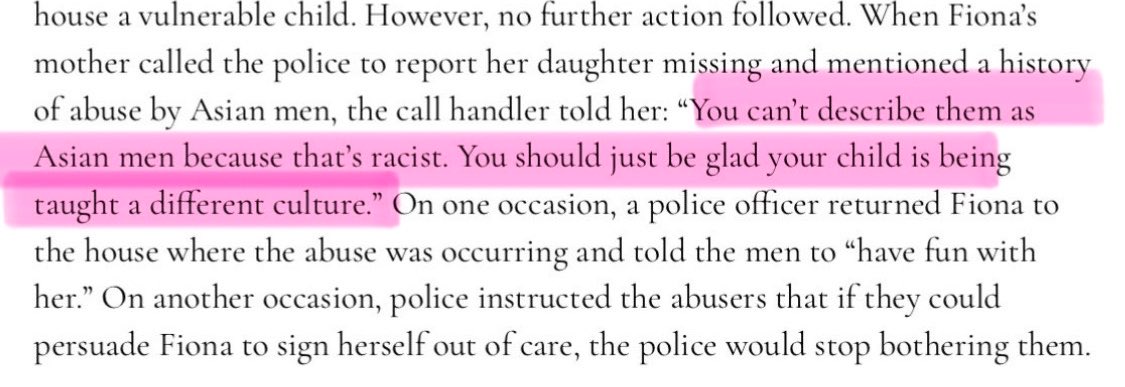
British Pakistani Rape Gangs are next level. Orders of magnitude larger with far worse stories, attested to in court. I have a hard time grasping why they haven't caused riots, revolutions, and piles of bodies.

This is like something out of the fucking Turner Diaries
what the fuck
3


Revolutions have always been happening
But
Haiti was the first success
Hopefully now you understand

Yall are fucking brainwashed.
There were revolts in America long before the Haitian revolution.
Haitians couldn’t even free themselves…they had to pay back half a billion to France for their “independence”.
Ain’t nobody moving to Haiti or Africa for better.
Yall come here
3
Paulo Ferreira retweeted

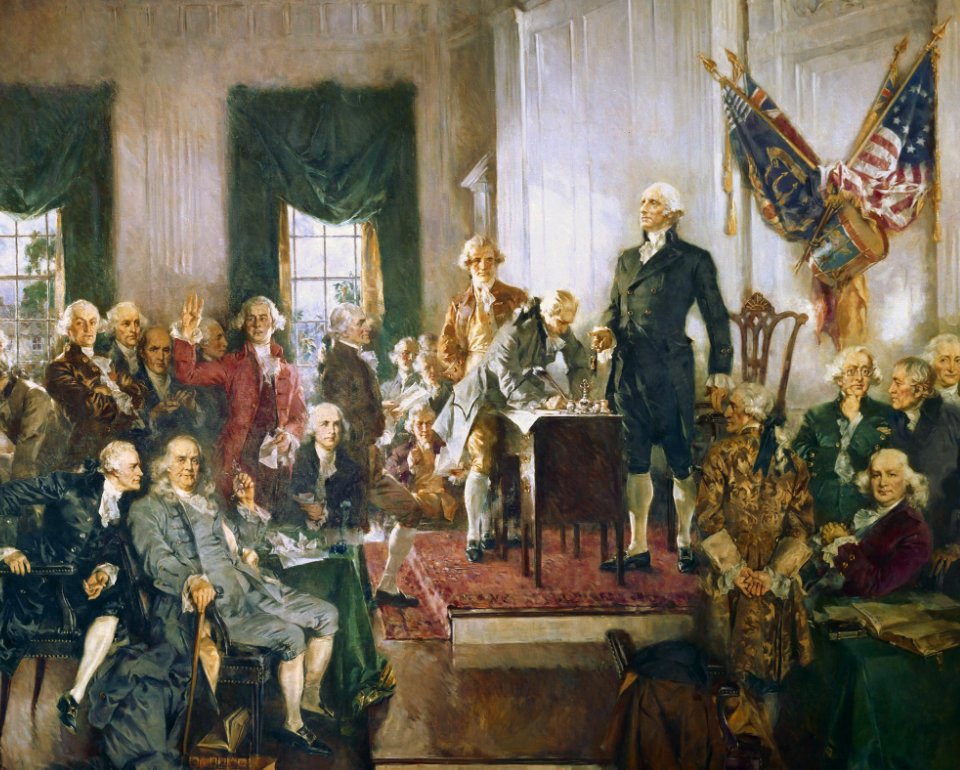
Why did the French and American revolutions, inspired by similar ideals, end up having such different outcomes? In The Constitution of Liberty, Friedrich Hayek, contrasts two competing traditions of liberalism: the Anglo-American tradition of evolved liberty and the French tradition of rationalist constructivism. He argues that while the US placed constitutional limits on state power, the French revolutionaries, influenced by Jean-Jacques Rousseau, argued that sovereignty resided solely in the people. To them, liberty meant participating in democracy, and no limits should be set on what government could be asked to do. Indeed, any institutional constraint could be viewed as treason. The revolutionaries therefore drafted a positive constitution, empowering the state to enact the “will of the people.” By contrast, the American Founding Fathers saw democracy primarily as a means to the peaceful transition of power. The preservation of liberty depended not on the changing will of the majority, but on a so-called negative constitutional order that limited what any majority could ask the government to do.
Hayek argues that the strongest justification for freedom is acknowledging the fundamental limitations of individual human knowledge. If human reason was supreme, government could indeed design society in accordance with the will of the people. But because individual human knowledge is incomplete, society must rely on a spontaneous order of individuals acting on their unique, localized knowledge, protected from arbitrary changes to the rules of the game by a constitution.
While Hayek expressed deep admiration for the spirit of the US Constitution and the Bill of Rights, he was critical of the subsequent watering down of the principles through the addition and interpretation of clauses such as the Commerce and Welfare Clauses. A constitution, he argued, should be strictly negative, meant only to shackle the state and protect individual spheres of freedom.
13
55
99
2,361

Person 1: "everything is decided in negotiations"
Me: "actually, armed revolutions have happened in history"
Person 2: "if you do an armed revolution for a cause I disagree with, somebody else will shoot you"
Ok...

If your actual position is "we plan to stage an armed rebellion to abolish women's suffrage", then we'll just put you up against the wall the moment you try.
1

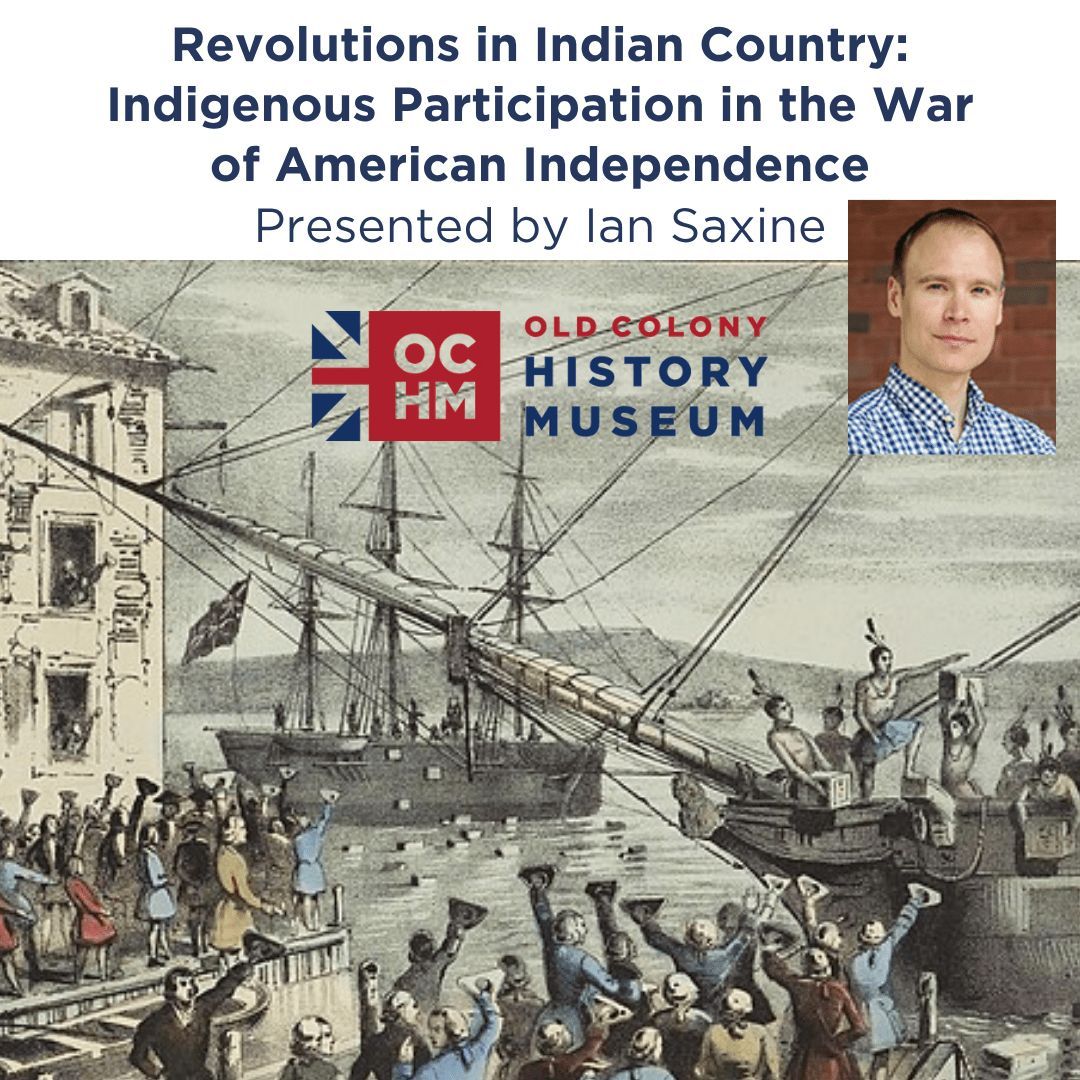
Rev250 resource of the day — At the Old Colony History Museum in Taunton, Ian Saxine speaks on “Revolutions in Indian Country: Indigenous Participation in the War of American Independence” on Thursday, June 18, 530–630pm: oldcolonyhistorymuseum.org/e…
17
Samuel Gabriel 🇺🇸 retweeted

Great powers win industrial revolutions. Britain won the first. America won the next two. Now China is determined to dominate the fourth.
In hindsight, it was a mistake for America to outsource so much of its industrial capacity over the last three decades. But decline isn’t inevitable. We still possess enormous advantages – from our innovation and capital markets to our alliances and natural resources – and China faces serious structural weaknesses of its own.
I break it all down with @RushDoshi on the latest episode of Hold These Truths.
4
2
13
2,822

⚡"Nikola Tesla electrified the world with genius. He sparked revolutions in energy, imagination, and possibility. ⚡
Let his story fuel your fire—dream wildly, innovate boldly, and light up the darkness around you. The future belongs to those who dare!✨💡
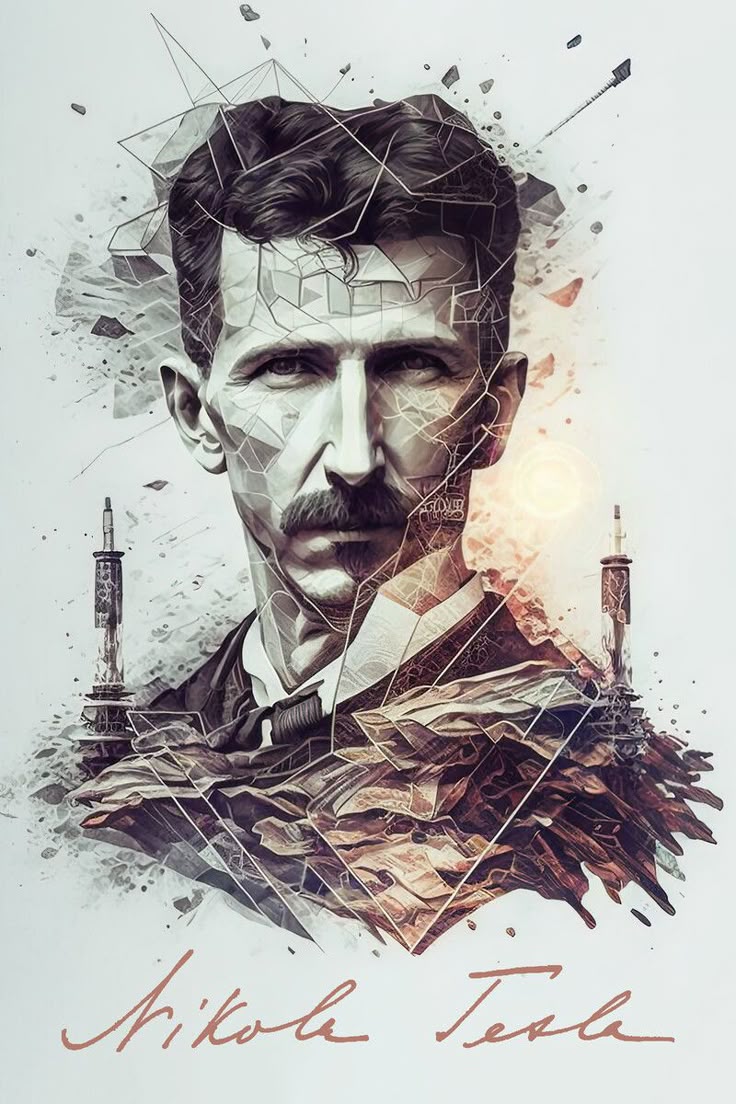
ALT ⚡"Nikola Tesla electrified the world with genius. He sparked revolutions in energy, imagination, and possibility. ⚡ Let his story fuel your fire—dream wildly, innovate boldly, and light up the darkness around you. The future belongs to those who dare!✨💡
10

Marxism claimed to be scientific.
It explained everything. When workers won a strike, class consciousness was rising; when they lost, it was false consciousness from capitalist propaganda. When revolutions happened, the theory had predicted it; when they failed to happen, material conditions weren't ripe yet.
Popper noticed something important: there was no possible event that Marxists would accept as evidence against the theory. Every outcome confirmed it. A theory that explains every possible outcome predicts no specific outcome, and that is the signature of dogma.

1
1
2
26
Presbycast retweeted

The 1788 American Presbyterian revision of Westminster Confession chapter 23 may be one of the quietest revolutions in Presbyterian history.
D. G. Hart explains why it matters: reformedforum.org/ctc963
2
3
148