
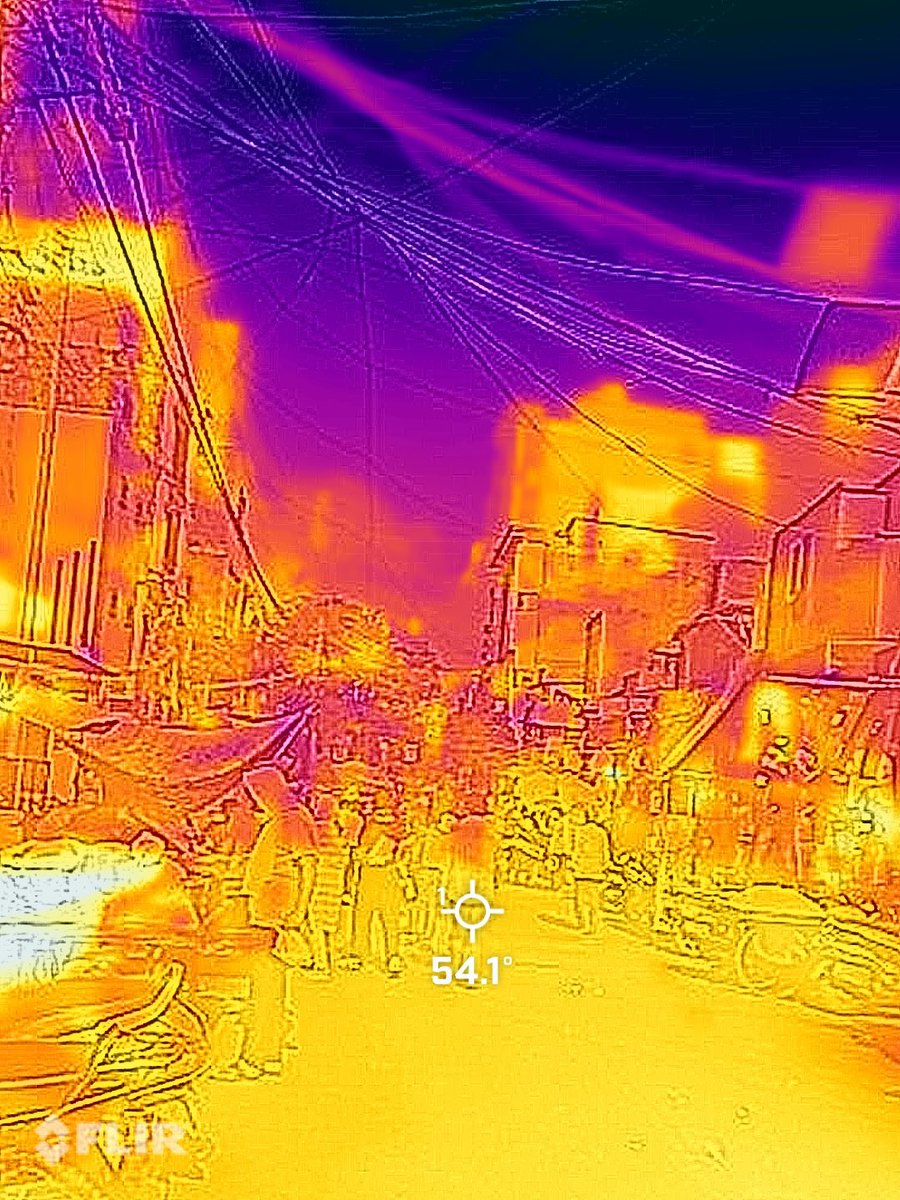
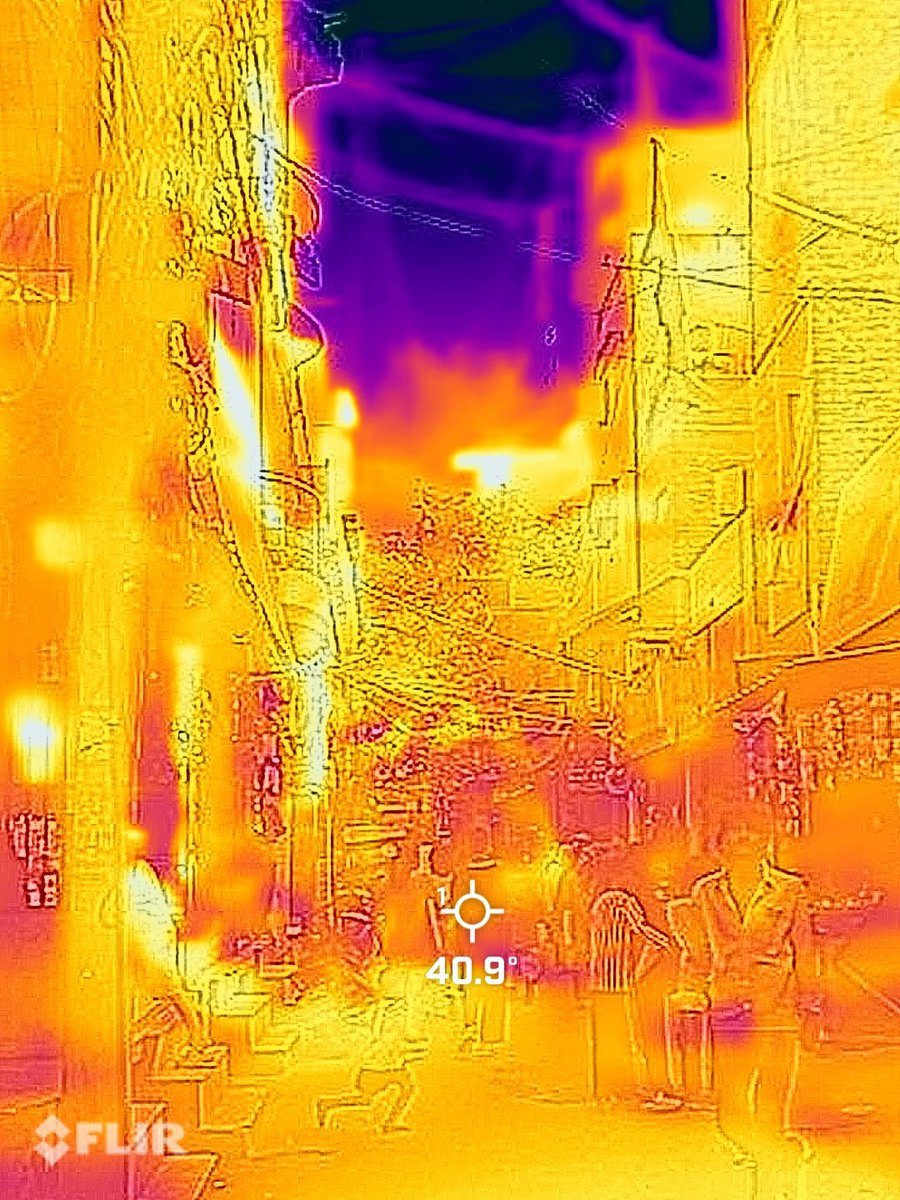
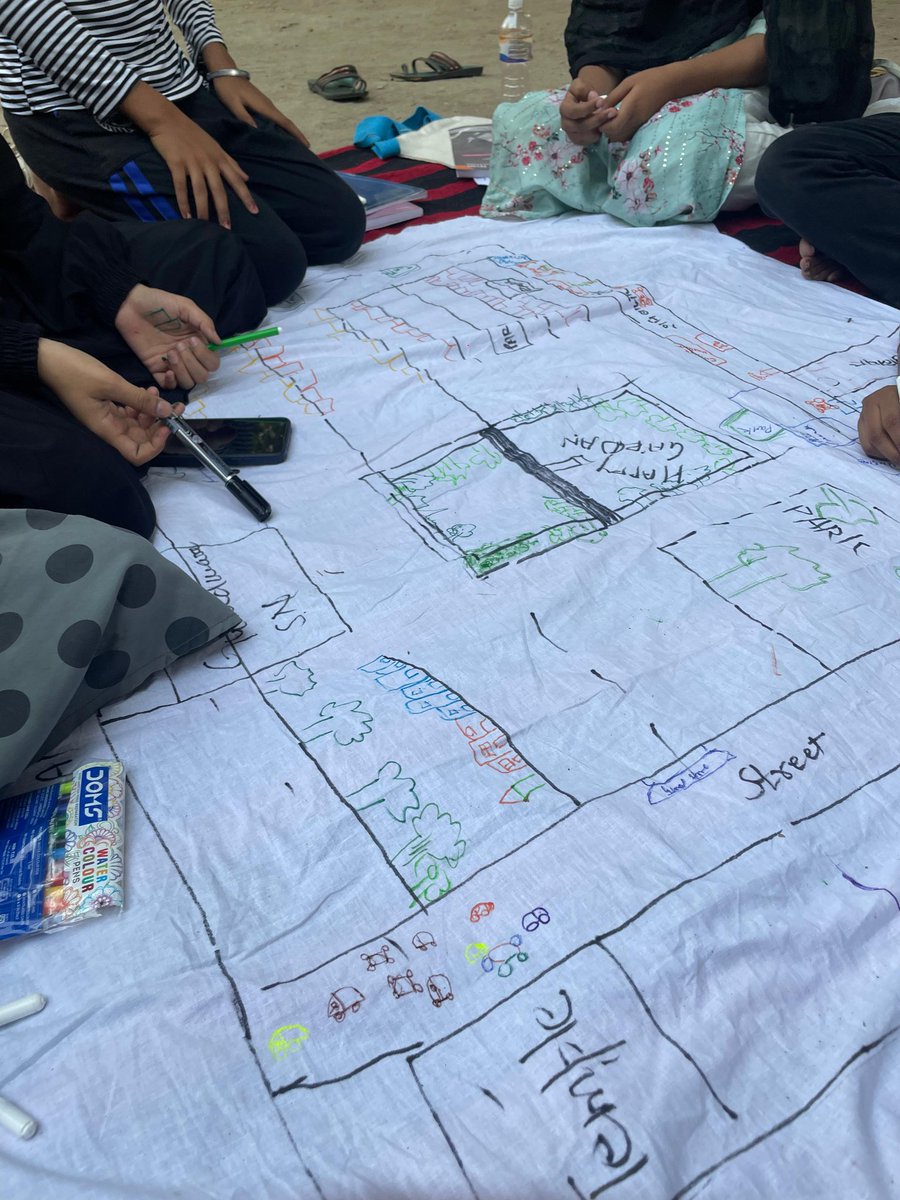
Sunder Nagri community in Delhi came together for a community heat mapping exercise where residents identified heat hotspots, natural cooling spaces, shaded areas, trees, and the lack of accessible drinking water points within their neighbourhood.
The exercise opened up important discussions on the realities of living through extreme heat and the growing disconnect between Heat Action Plans (HAPs) on paper and what communities actually experience on the ground.
While HAPs often focus on temperature data, advisories, and emergency responses, community heat mapping highlights the lived experiences of people navigating heat every day in markets, public spaces, and informal settlements.
Residents emphasised that Heat Action Plans need to become more participatory where communities are actively involved in identifying vulnerable areas, mapping local resources, and shaping practical local solutions for climate-resilient neighbourhoods.
#HeatActionPlan #Heatwaves #ClimateJustice #UrbanHeat #RightToRest
1
3
12
846

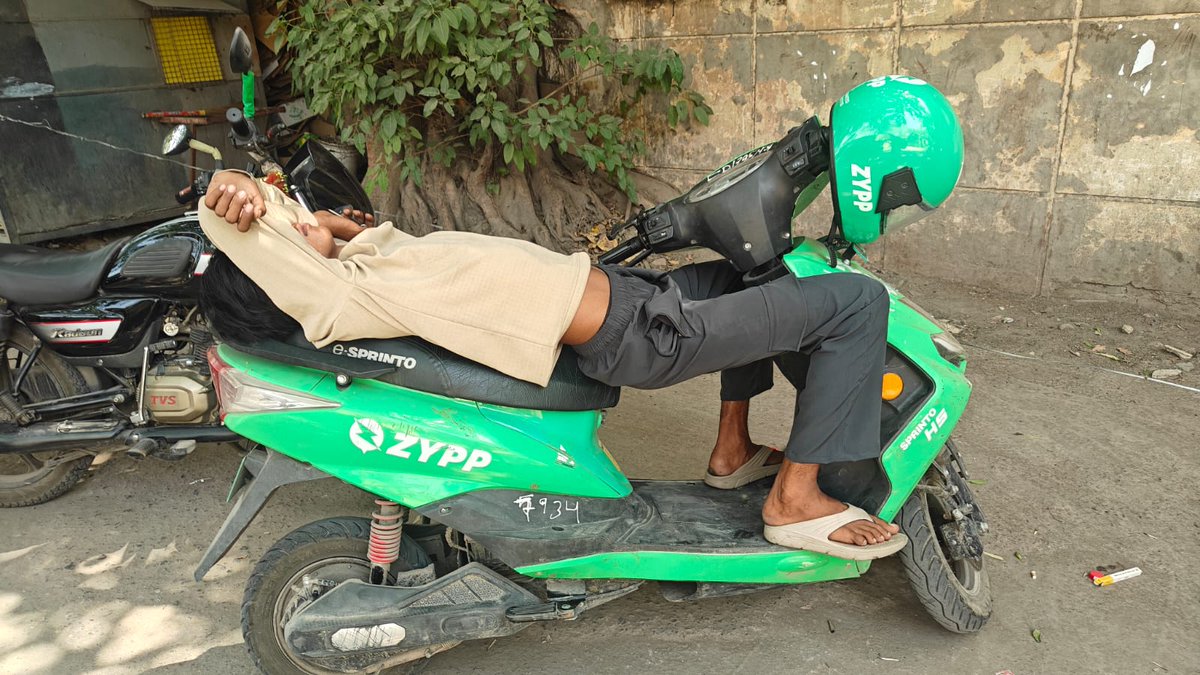
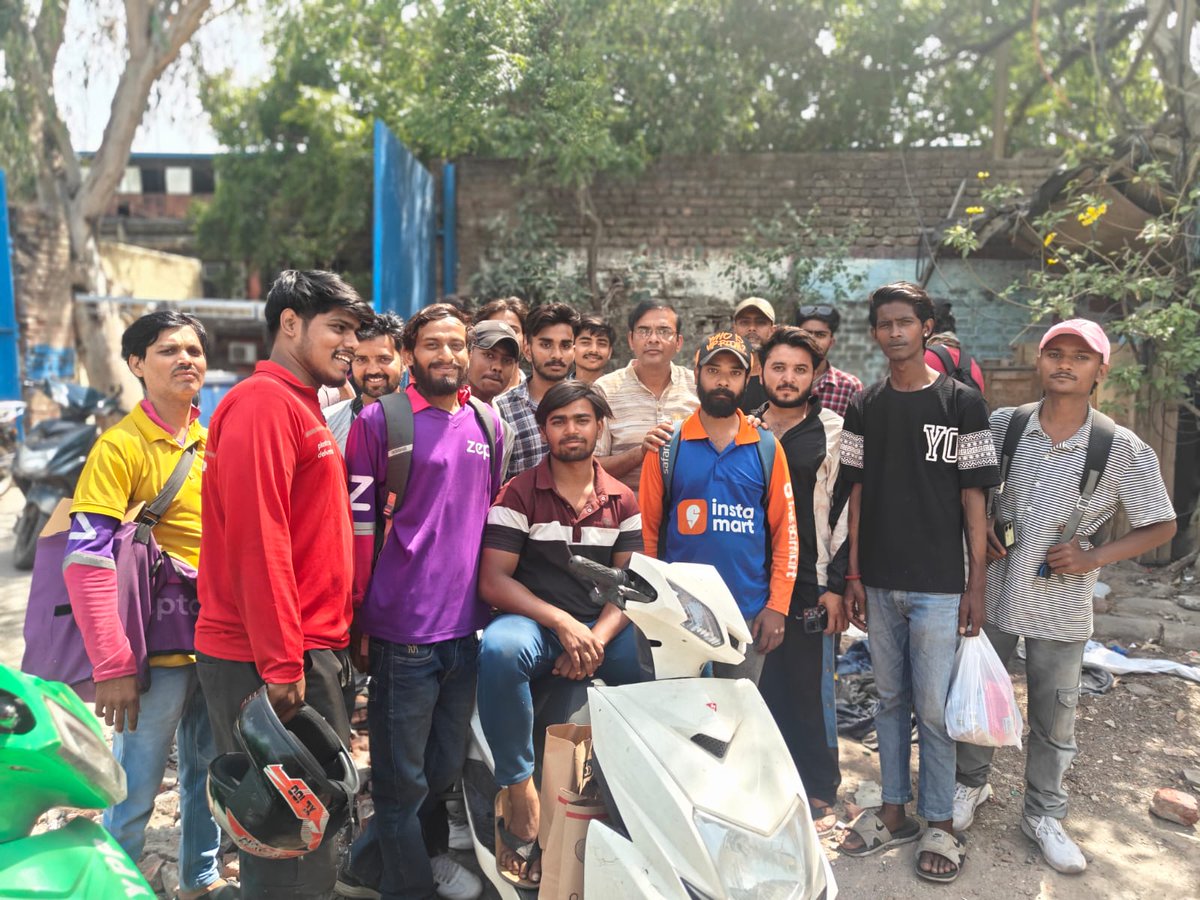
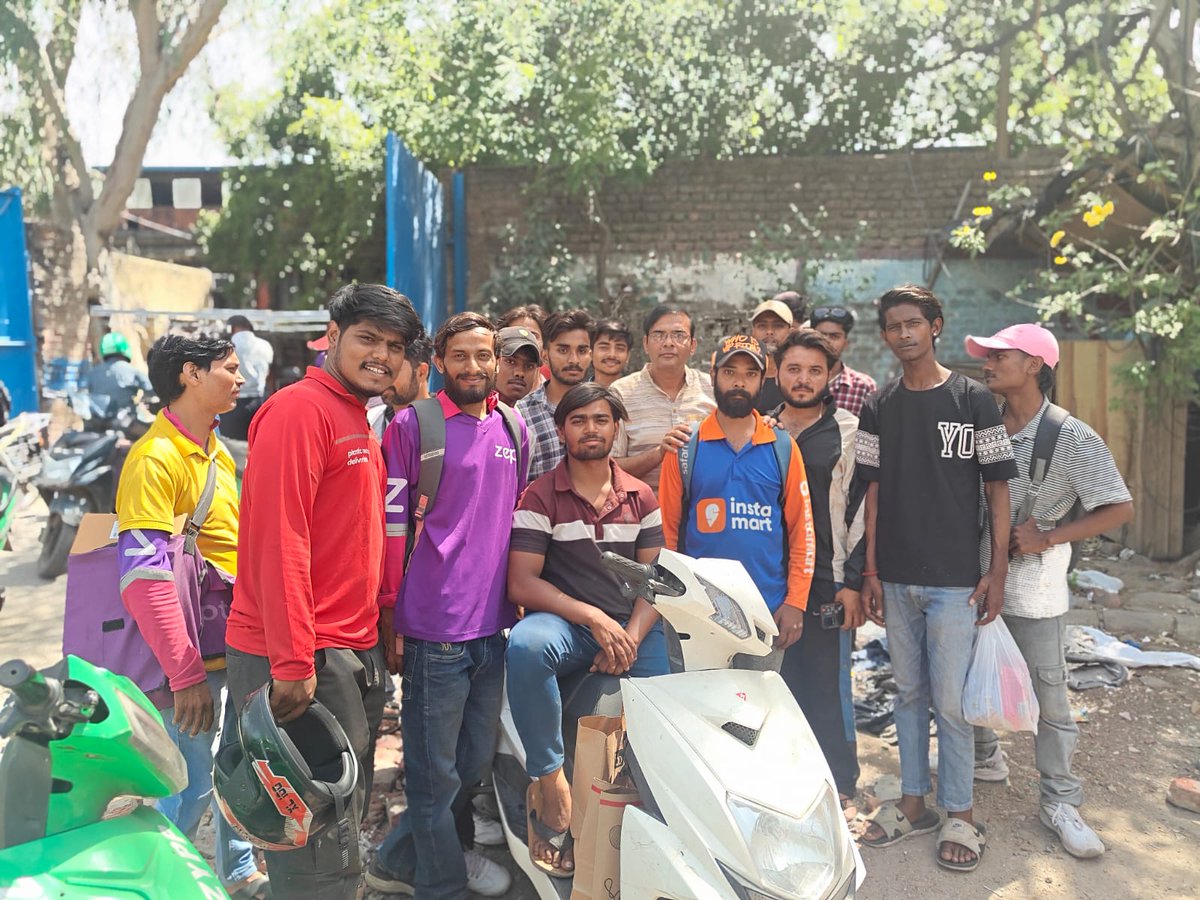
Due to lack of basic facilities like restrooms, workers are left with no option but to rest on their motorcycles. The image reflects the harsh reality faced by gig workers every day.
#GigWorkers #PlatformWorkers #WorkersRights #LabourRights #RightToRest #DignityOfLabour
1
2
79
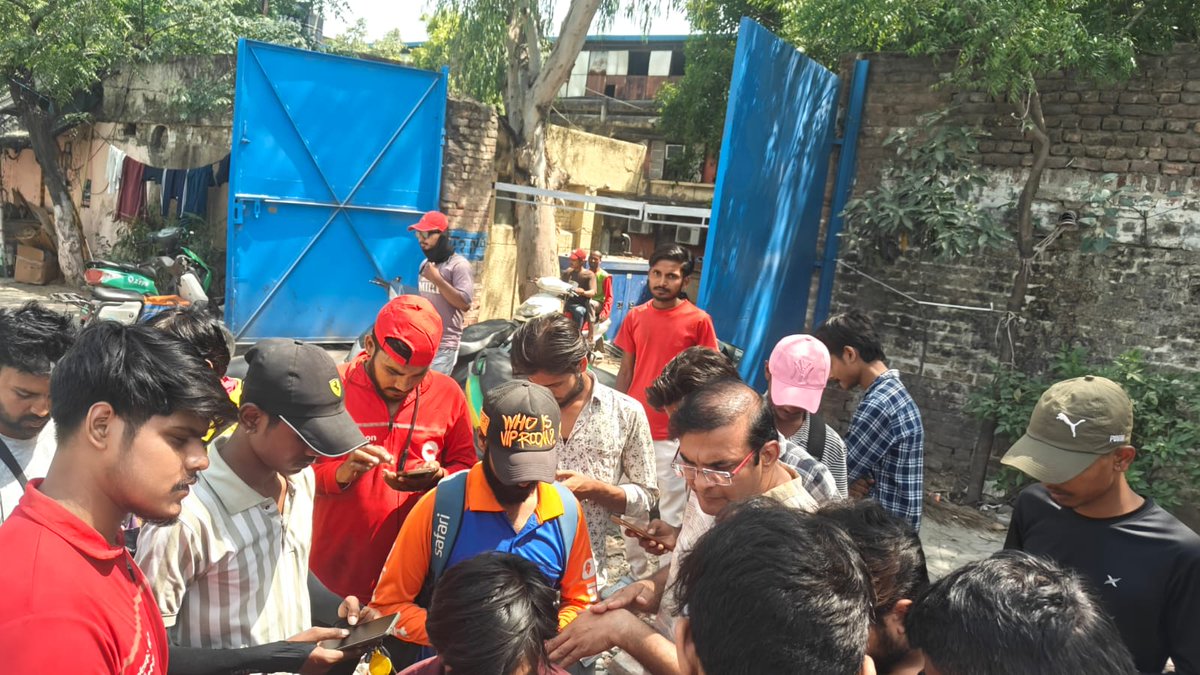
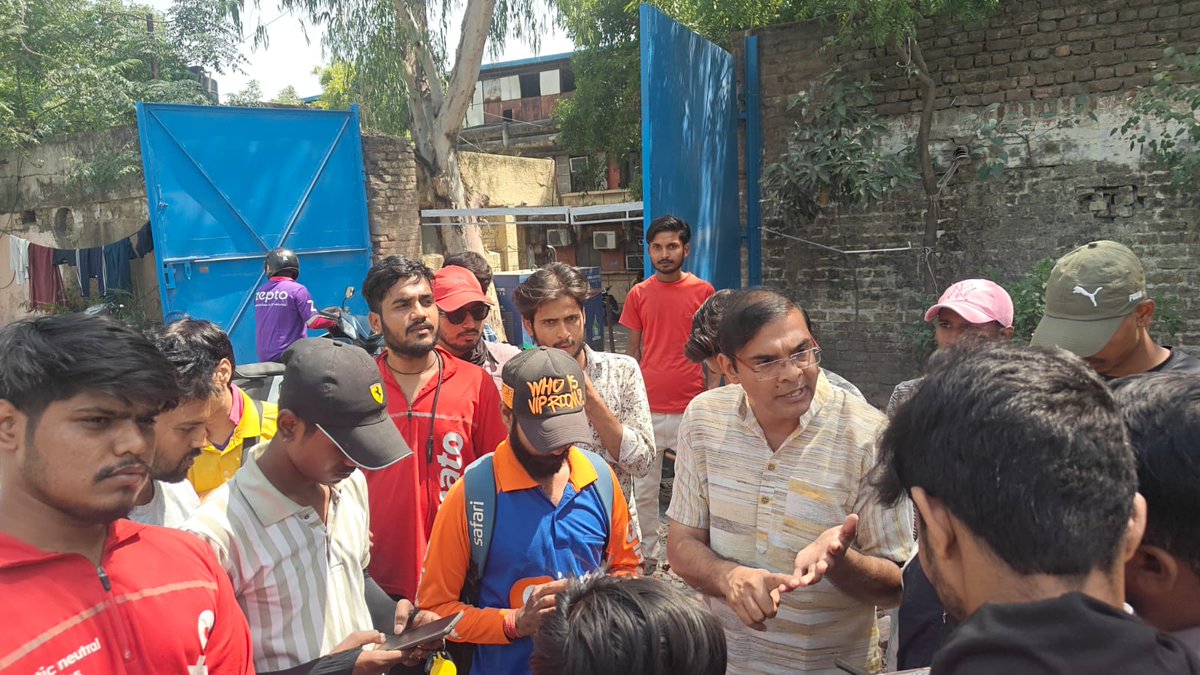
Gig workers gather amid rising heat and humidity, discussing urgent demands for rest, water, safety, and fair conditions. Their voices demand immediate action.
#Heatwave #GigWorkers #PlatformWorkers #WorkersRights #LabourRights #ClimateJustice #IndiaHeatwave #RightToRest #Gipswu
1
2
86

Mar 22
A PG resident at GMC Haldwani reports 24×7 duty for a month straight, with just 1–1.5 hours of sleep per night and no post-call offs.
This isn’t training. This is systemic abuse.
A doctor pushed to the edge of mental breakdown cannot deliver safe care.
Who is accountable if patients suffer?
Healthcare cannot run on sleep-deprived, collapsing doctors.
Authorities must act NOW.
@NMC_IND @MoHFW_INDIA @PMOIndia @DHFWS_UK @ANI @PTI_News
#MedicoLivesMatter #DoctorsOfIndia #ResidentDoctors #MedicalAbuse #GMC #HealthcareCrisis #SaveDoctors #EndExploitation #MedTwitterIndia #RightToRest

13
69
257
16,733

3/
A Universal Basic Income wouldn’t fix everything —
But it would:
✔️ Guarantee income outside the benefits maze
✔️ Give gig workers power to say no
✔️ Reduce the stress of cancelled shifts and sudden bills
It’s a floor to stand on.
#UBI #RightToRest
1
3
12
Work-related stress is exploding because people can’t afford to say no.
A Universal Basic Income would help fix that — giving workers the freedom to walk away from burnout, demand fairer conditions, and breathe again.
#UBI #RightToRest
2
5
129


18 Aug 2025
NOW STREAMING #PushbackTalks
♻️ Remake: Why build more when we should remake what we have?
😴 Sleep: A basic right under attack.
10 mins. Sharp & urgent. With @leilanifarha & @FredrikGertten
🎥 Watch now: youtube.com/user/WGfilm.
#RightToRest #ClimateJustice #WordFood
2
3
911

2 Aug 2025
राजवाड़ा, इंदौर — शहर का दिल, जहां हर आम नागरिक की धड़कन बसती है।
लेकिन अफ़सोस, राजवाड़ा के सामने बने गार्डन में अब आम जनता का प्रवेश रोक दिया गया है।
क्या हर किसी के पास होटल या रेस्टोरेंट में बैठने की सुविधा है?
नहीं!
गार्डन आम लोगों के सुकून का हक़ है — वहाँ बैठना, घूमना, साँस लेना हर नागरिक का अधिकार है।
इंदौर प्रशासन से निवेदन है:
गार्डन को सभी के लिए खोला जाए।
शहर जितना स्मार्ट हो रहा है, उतना ही संवेदनशील भी होना चाहिए। 🌿
@IndoreCollector
@advpushyamitra
@KailashOnline
@TheSootr
@DainikBhaskar
#इंदौर #राजवाड़ा #PublicSpace #RightToRest #GardensForAll
6
8
227

20 Jul 2025
રાજકોટમાં રવિવારના દિવસે પણ નિરંજન સ્કૂલ ચાલુ રહેતા NSUI એ કર્યો હલ્લાબોલ
#Rajkot #NSUIProtest #NiranjanSchool #SundaySchoolRow #StudentRights #EducationControversy #RajkotUpdate #NewsCapitalReport #SchoolProtest #RightToRest
1
1
189

27 Jun 2025
This is utter rot @KemiBadenoch, you are trying to be divisive, you talk of the makers, and condemn the takers, but you forget your so-called makers are the taxpayers who pay into the safety net.
You have the gall to say, "Makers who work every hour to make ends meet", but why do they have to work every hour, and burn out, get ill, and have accidents?
Why can they not have a life/work balance?
And when they become ill, sick or disabled, you want to label them as some form of shirkers
#DignityForAll #SocialJustice #FairnessFirst #WorkLifeBalance #BurnoutCrisis #RightToRest #DisabilityJustice #SickNotShirking #SupportNotStigma #StopTheStigma #MakersAndTakersMyth #PoliticsOfDivision
You talk of "makers" like they carry the nation, but they are already burnt out, overworked, and barely managing. And when they fall, you turn your back.
This isn’t leadership. It’s cruelty dressed as pride.
There are #Carers that today are working, unpaid, unrecognised, saving the state billions, that you in the @Conservatives and those in @UKLabour like @Keir_Starmer and @leicesterliz want to punish.
2
1
15
326

Sleep shouldn’t be a luxury.
No one should lie awake worrying about rent, food, or tomorrow.
UBI means peace of mind.
Because everyone deserves rest, not just the rich.
Good night y’all
#UBI4ALL #RightToRest #BasicIncome
1
14
47
543

🌍✨ Discover the power of Article 24 of the Universal Declaration of Human Rights! Everyone has the right to rest 💤, leisure 🎈, and reasonable working hours ⏰. This article protects your well-being 💚, promotes a healthy work-life balance ⚖️, and honors your dignity 🕊️. Take a break — it’s not a luxury, it’s a right. 💪 #HumanRights #Article24 #RightToRest🌐 bit.ly/3BAVRLm

1
1
3
61

13 May 2025
You don’t need to earn rest. It’s your right—especially if others rely on you.
You support others constantly.
Your rest isn’t optional—it’s essential. 🌙
#RightToRest #CompassionFatigue #RestIsVital #AIart #PixAI

5
43

26 Apr 2025
Supreme Court में रेजिडेंट डॉक्टरों के काम के घंटों पर सुनवाई | Bharat Express
#ResidentDoctors #SupremeCourtIndia #WorkingHours #DoctorsRights #MedicalJustice #HealthcareHeroes #SCUpdate #DoctorBurnout #RightToRest #BharatExpress
2
2
34

7 Apr 2025
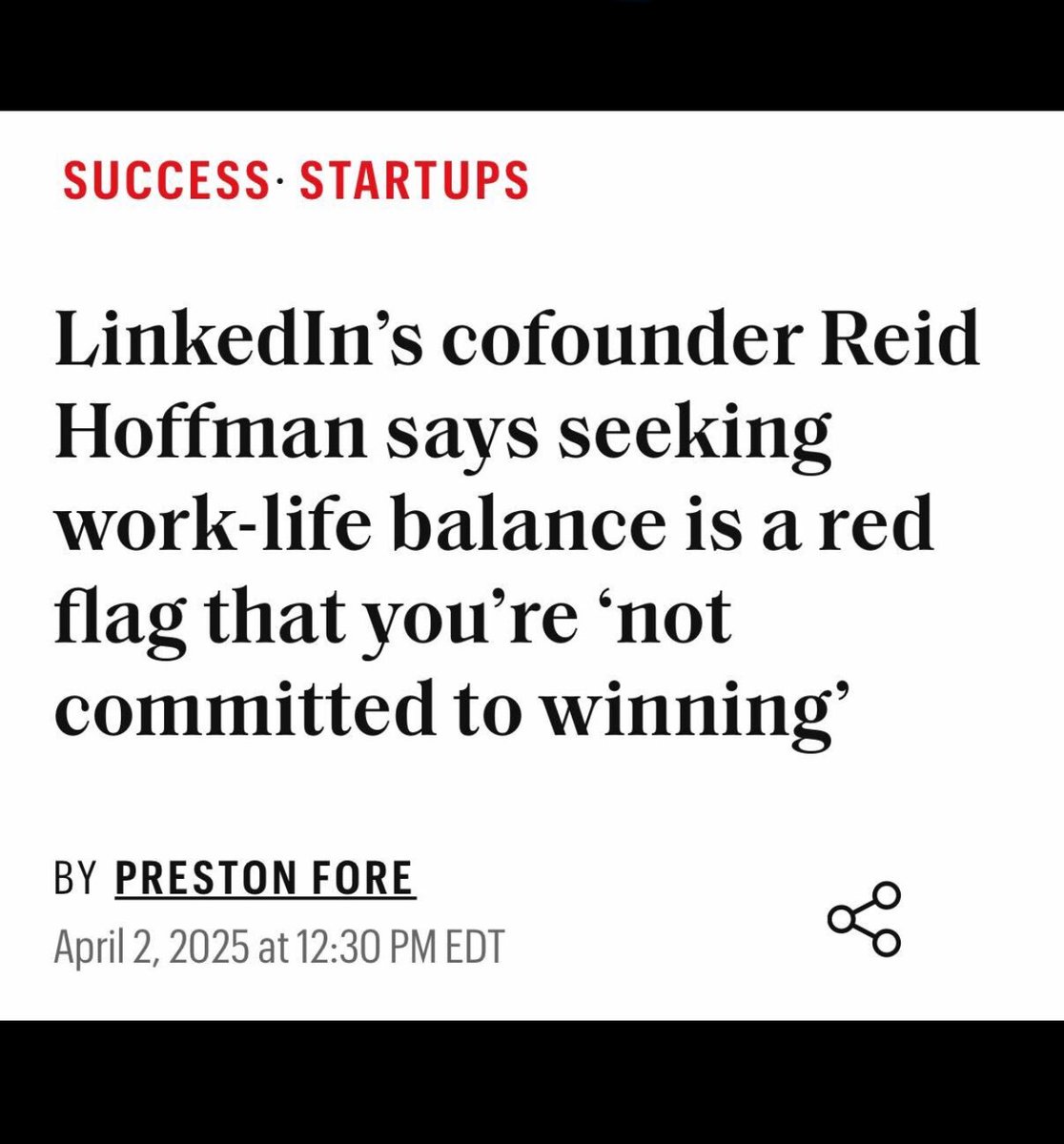
If work-life balance is a red flag, then exploitation is the business model.
This is why we need strong unions and a Universal Basic Income.
So no one has to wreck their health to prove they’re “committed to winning” someone else’s profit margins.
#UBI #RightToRest #JoinAUnion
5 Apr 2025

Translation - If you aren’t willing to die for your minimum wage job then you aren’t the kind of brainwashed peasant we’re looking to exploit
1
4
11
443

28 Nov 2024
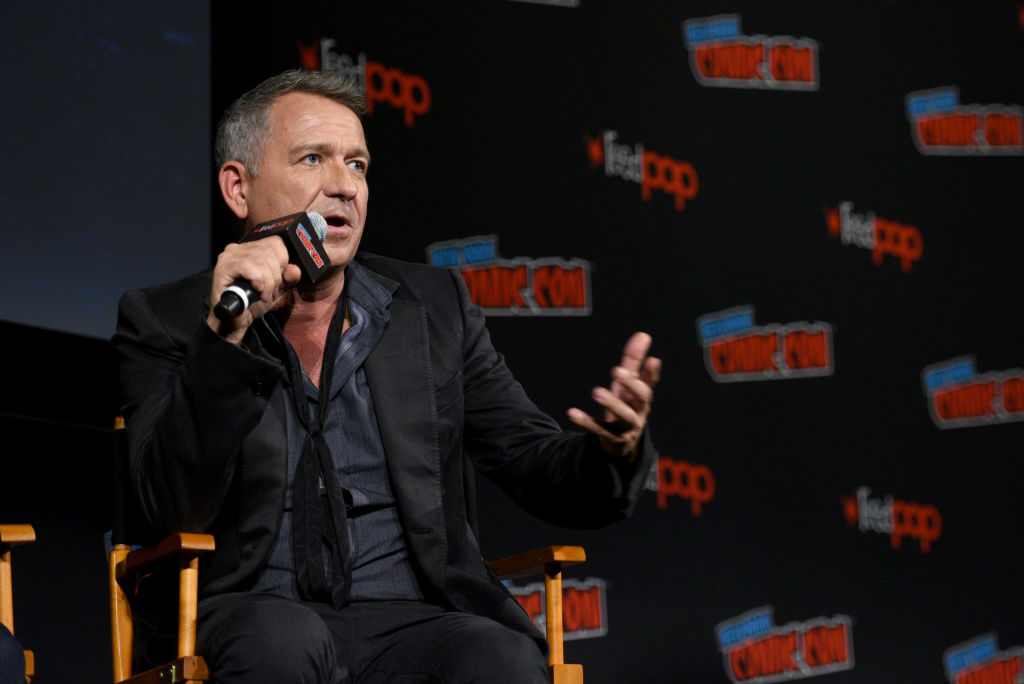
Sean Pertwee isn't just known for his acting — he's also a passionate advocate for several important causes. From supporting @KingsTrust to helping disadvantaged youth, he is dedicated to making a difference in the lives of others.
He's also worked with @wwf_uk to promote wildlife conservation 🌍 and supports campaigns for mental health awareness.
Sean narrates Article 24 - Leisure 🛌in the For Our Family Human Campaign.
#WorkersRights #RightToRest #matchmakerforgood #smileymovement #chooselove #forourfamilyhuman #wearealloriginal #UN #SeanPertwee #supportchooselove
4
4
769
28 Nov 2024
✨ Article 24 - Leisure, narrated by Sean Pertwee!
Article 24 ensures the right to rest and leisure, including reasonable working hours and periodic holidays with pay.
Shop the @chooselove x Smiley collection! 100% of profits go to helping displaced people.
Visit our website to learn more.
Written & directed by Dan Cadan
Exec. Producer Nicolas Loufrani
#WorkersRights #RightToRest #matchmakerforgood #smileymovement #chooselove #forourfamilyhuman #wearealloriginal #UN #SeanPertwee #supportchooselove
2
4
765

31 Mar 2024
A student advocating for Palestine describes the challenges faced during their 20-hour protest at Vanderbilt University.
#VanderbiltProtest #StudentActivism #PalestinianRights #SleepDeprivation #RightToRest
1
2
186

8 Dec 2023
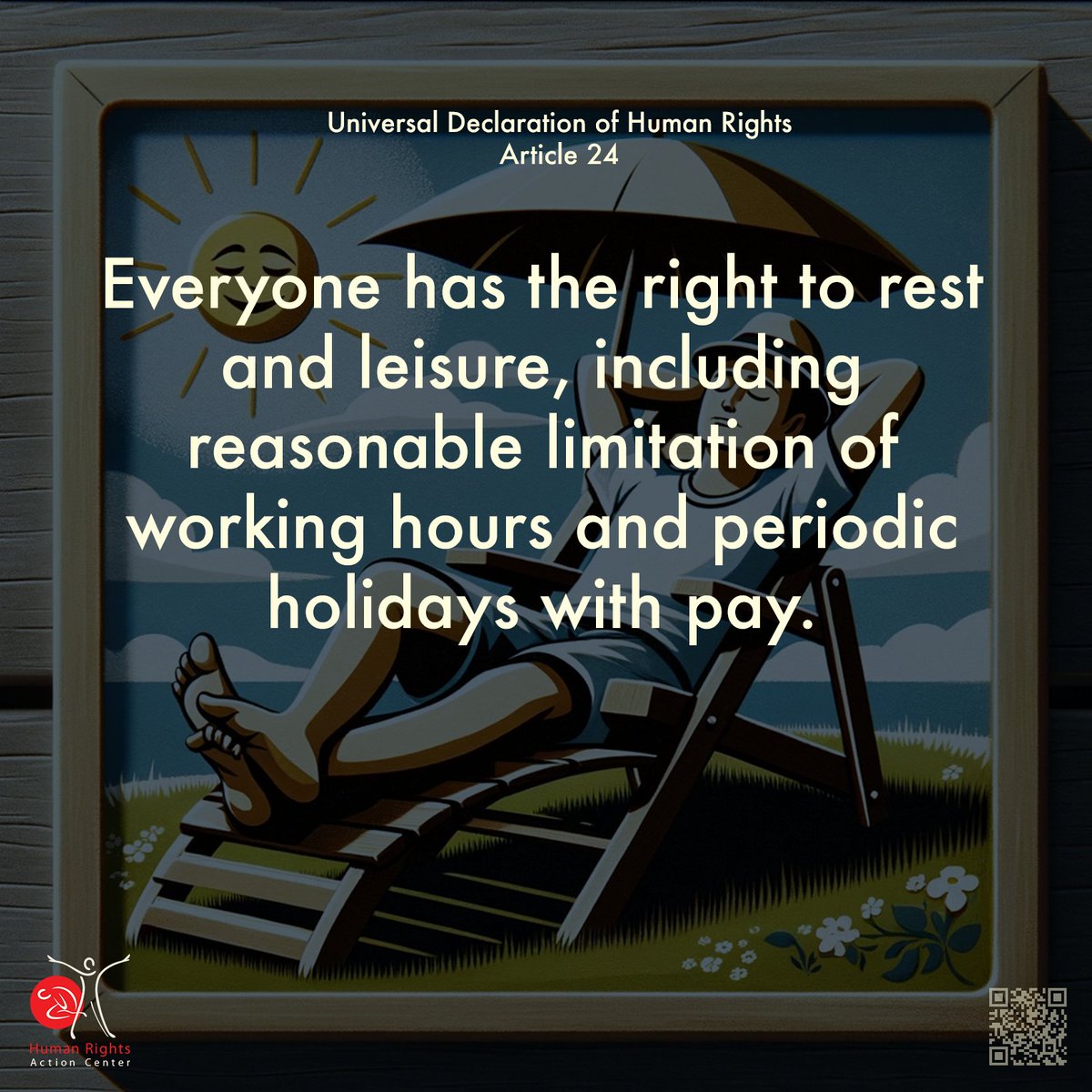
🌴#UDHR Art24 highlights the right to rest and leisure as essential for work-life balance. It's about valuing rest, enjoyment, and family time as fundamental rights, not luxuries. A reminder to cherish our downtime in a busy world. #RightToRest #HumanRightsDay #KOTF #HRAC
1
3
54