
👟 Built a parametric 3D foot model today as a thought experiment for custom insoles and footwear design.
The model includes:
• Medial longitudinal arch geometry
• Transverse arch curvature
• Toe segmentation
• Contact zone estimation
• Relative plantar pressure mapping
• Point-cloud export for CAD/CNC workflows
Not claiming a new invention—just exploring how open-source geometry, simulation, and biomechanics could help create better-fitting shoes, insoles, or orthotics.
I’d love feedback from biomechanical engineers, podiatrists, runners, footwear designers, CAD/CAM specialists, and anyone working in additive manufacturing.
What variables would you add next?
Dynamic gait?
Heel strike?
Pronation/supination?
Material deformation?
Pressure sensor calibration?
Curious where the community would take this. 👇
#Biomechanics #FootwearDesign #CustomOrthotics #3DModeling #CADDesign #Engineering #MechanicalEngineering #BiomedicalEngineering #Podiatry #SportsScience #RunningScience #GaitAnalysis #PressureMapping #InsoleDesign #3DPrinting #ParametricDesign #OpenSourceEngineering #ProductDevelopment #Innovation #Manufacturing #CNCMachining #PythonProgramming #DataVisualization #ComputationalModeling #HumanFactors #Ergonomics #DigitalManufacturing #FootHealth #MakerCommunity #STEM
1
110
"Any fool can make something complicated. It is hard to keep things simple.”Richard Branson
I’ve always loved that line. But this one from Rutger Bregman might be even more relevant to endurance training:
“It’s easy to make things hard, but hard to make things easy.”
I think this principle applies perfectly to both training and how we analyse training.
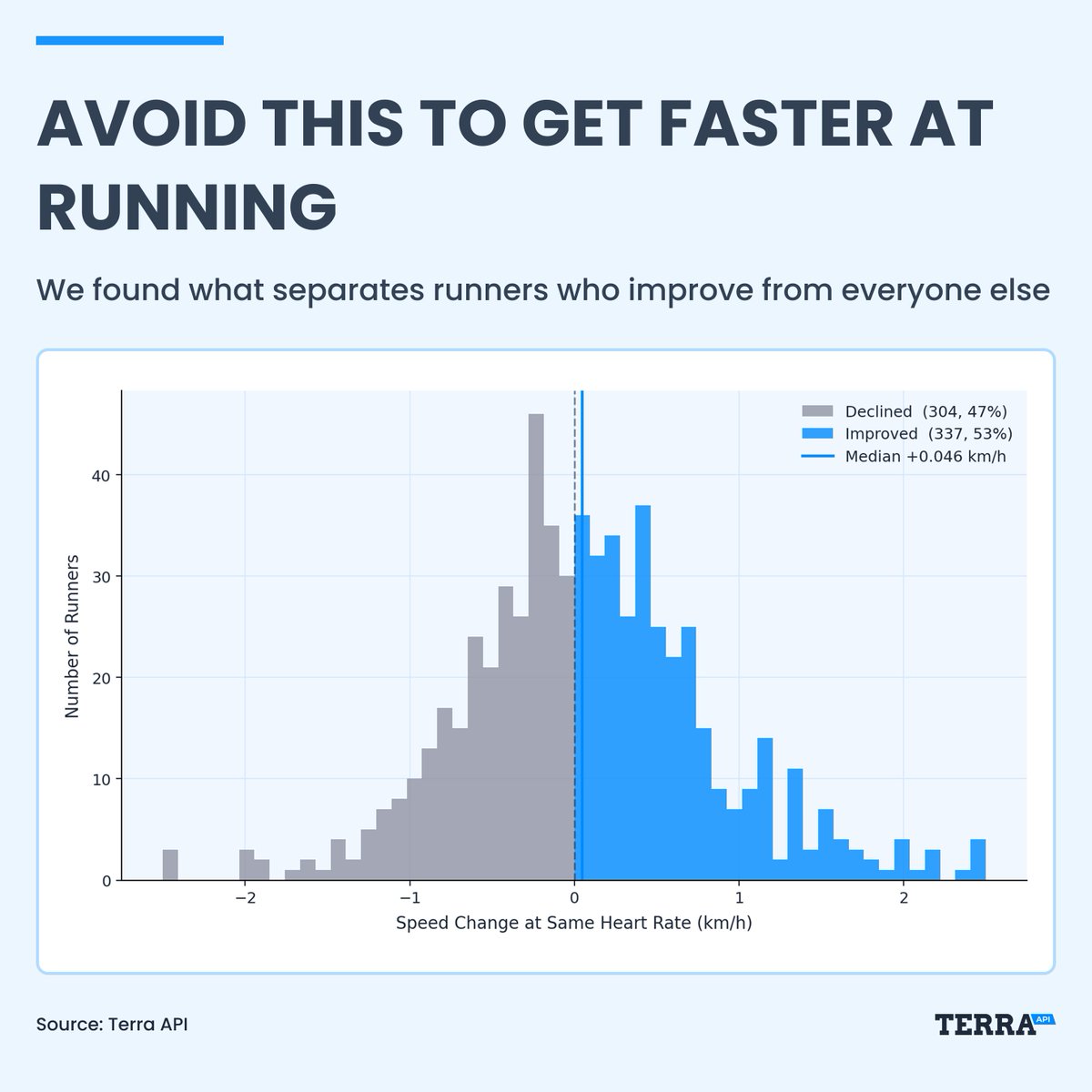
In this week’s analysis, I looked for simple, effective answers to two key questions:
1. Is there a simple way to measure someone’s running fitness?
2. Is there a simple training approach that actually works?
To answer question 1. I looked at a very simple approach: track the pace an athlete runs at specific heart rates across multiple sessions and plot the curve. If that curve shifts right over time, fitness is improving. Then identify which training methods create the biggest positive shifts.
I’ll be diving deeper into this in future posts using a novel approach for standardised performance testing.
What’s your take? Do we overcomplicate endurance training?
Full research in the comments below
@TerraAPI
#RunningScience #Simplicity
9
8
118
30,173

Apr 23
A simulation study led by @HeriotWattUni indicates that elite marathon runners could break the two-hour barrier by adopting optimised group formations and aerodynamic strategies. #Marathon #RunningScience #SportsEngineering #Aerodynamics #CFD theengineer.co.uk/content/ne…
3
270

Feb 20
Can we help you train for your next marathon?
Maybe we've built something to get you started.
@TerraAPI , we analysed six months of real training data from 101 recreational to sub-elite marathon runners and created a predictive model that explains 79.3% of the variance in actual finish times (R² = 0.7933), with an average prediction error of about 18 minutes. I must admit, the accuracy is a long way off being useful. I think I could be closer to most people's time, without a fancy model! But we decided to publish it anyway to demonstrate the inherent difficulties of modelling human performance.
The model uses five key inputs you can plug in yourself:
• Your baseline running pace
• Total training volume over 6 months
• Intensity distribution
• Training frequency
It incorporates non-linear effects and interactions we observed in the data, such as:
• Diminishing returns on extra volume (gains are bigger when you're at lower totals)
• Accelerating benefits from easy miles — the higher the % of easy training, the bigger the payoff
• High-intensity work best kept under ~20% of total time (beyond that, it often hurts more than helps)
• Faster natural runners get disproportionately larger gains from volume and easy work
This isn't magic or a guarantee; marathon performance is messy and multifactorial. The model misses race-day chaos (weather, nutrition, psychology, course quirks), incomplete GPS logs (not every session gets recorded), individual genetic/response differences (20–50% non-responders in some studies), and more. It's correlational, based on a modest sample, and probabilistic at best.
But the patterns align with broader running science: easy-heavy pyramidal distributions dominate among faster runners, volume matters hugely, but plateaus, and personalisation beats one-size-fits-all.
That's why we're sharing an interactive version for you to experiment with: input your own numbers, adjust sliders for different scenarios, see probabilistic predictions, and use it as a thought experiment for your training.
It's a rough prototype, insightful for sparking ideas, but treat it lightly. Far more advanced versions (larger datasets, better handling of missing data, race-day factors, ML personalisation) are in development.
Ready to play?
Link in the comments below.
Whether you're aiming for sub-4, sub-3, or just to finish strong, what's the one training change you're considering right now? Drop it in the comments; let's discuss!
#MarathonTraining #RunningScience #EnduranceSports #DataDrivenFitness #PersonalisedTraining

2
3
31
5,128

Jan 9
TMM: T-10
You cannot gain fitness in these final 10 days, but you can absolutely ruin your race by introducing new variables. Here is the 10-Day Taper Protocol
1. System Calibration: Get one final ~2-hour run done in the sun. Mumbai humidity is a variable you must calibrate for.
2. The Wednesday UAT: Run 3-4km at Goal Pace in your FULL race kit (shoes, socks, vest). If it chafes Wednesday, it bleeds Sunday.
4. Risk Mitigation: NO deep tissue massage (you need muscle tension). NO new strength moves. Stick to mobility.
5. Nutrition:
- Magneisum: If you are susceptible to cramping, start Magnesium on Monday for 5 days.
geeksonfeet.com/posts/magnes…
- Carb Load: Increase carb intake for last 3 days Thu/Fri/Sat.
- Fiber: Cut it out 24 hours before the race.
6. Health:
- Focus on Sleep - Bank sleep from Monday to Friday
- Avoided crowded places. Use masks if needs to venture into crowded places.
🎙 We break down the full science of tapering in Episode 13 of the The World of Running Podcast. Link in bio. geeksonfeet.com/podcast/ep13…
#RunStrong #MumbaiMarathon #TMM2025 #Taper #RunningScience #MarathonTraining #RunMechanics #ShoeGeeks #GeeksOnFeet #IndianRunners #DataDrivenRunning @imgeeksonfeet
3
4
47
2,442

28 Dec 2025
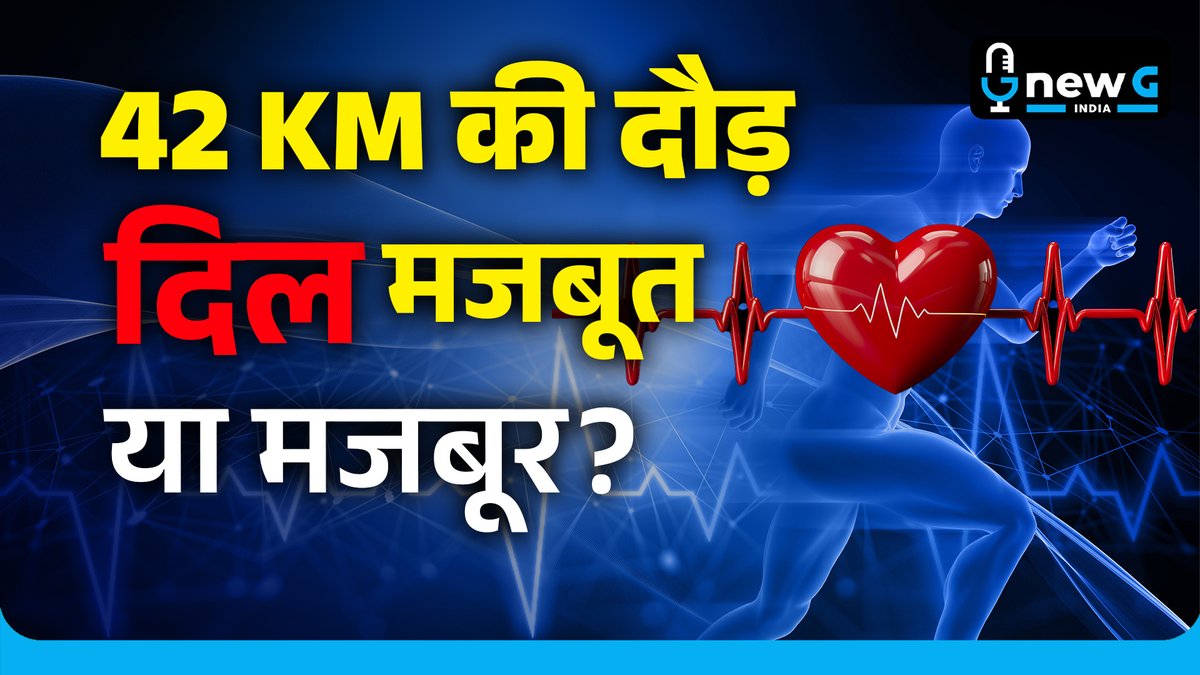
Marathon दौड़ दिल को मजबूत बनाती है या नुकसान पहुंचाती है? 42 KM की रनिंग पर Science क्या कहती है?
👉 देखिए पूरी रिपोर्ट!
🔗 youtu.be/NqcbDH1tMrE
#Marathon #HeartHealth #HealthExplained #RunningScience
3
3
17

17 Nov 2025
If this thread made you uncomfortable, good.
Growth starts when excuses end.
Runners don’t need more coddling—they need clarity. Here it is.
#runningtips #runnerslife #marathontraining #runningscience #runbetter
7
533

5 Oct 2025
Running does more than strengthen your body - it protects your brain. A 7-year study shows physical and social activity slows age-related thinning in the memory-critical entorhinal cortex, helping guard against Alzheimer’s.
@RunCanada: runningmagazine.ca/health-nu… #BrainHealth #HealthyAging #RunningScience #ActiveLongevity #AlzheimersPrevention
2
287

25 Sep 2025
Investigaciones recientes sugieren que el café podría brindar beneficios a los deportistas 🏃☕️ #RunningScience #CaféDeportivo #SoyMaratonista soymaratonista.com/el-cafe-e…
1
226

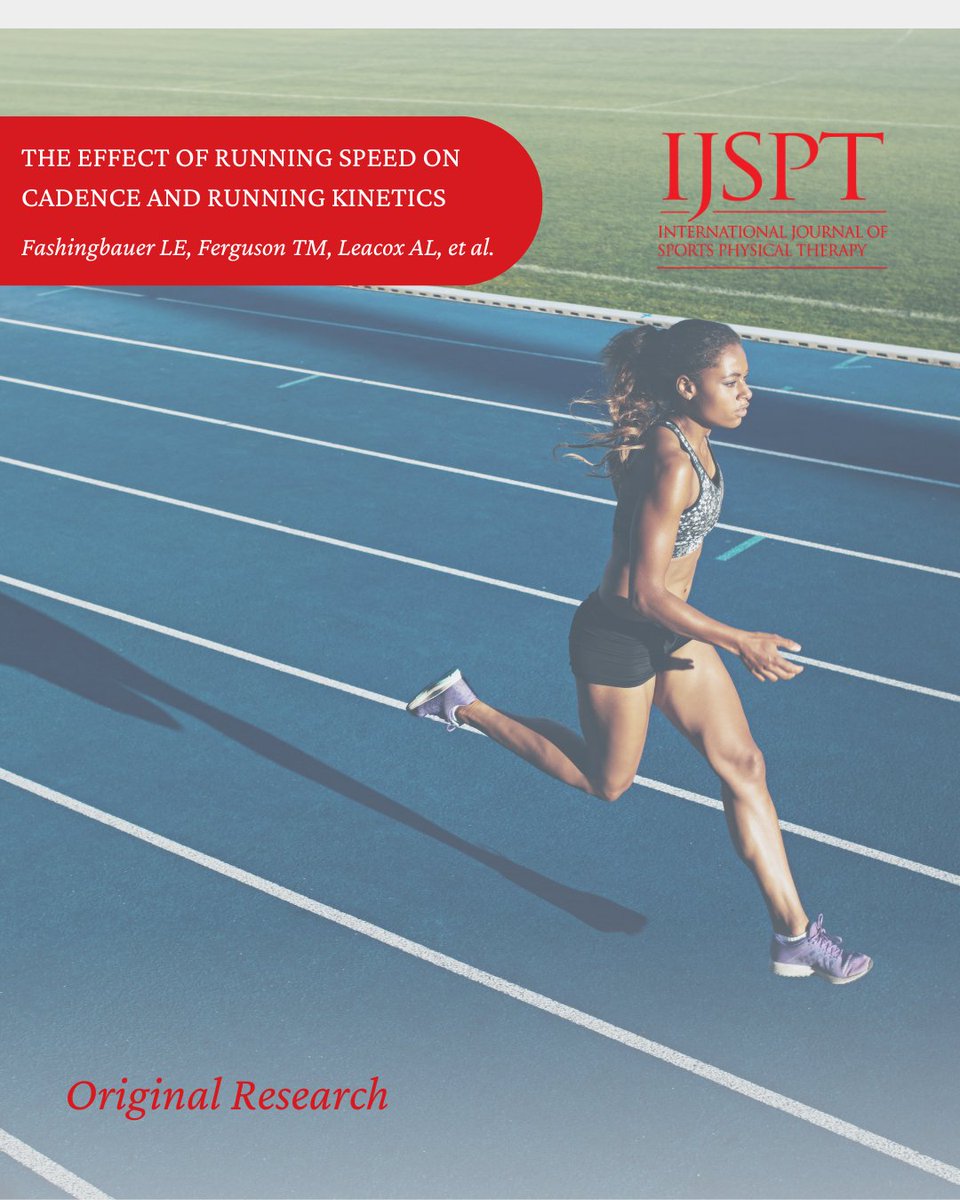
Can picking up the pace improve running form? 🏃♂️
This study looks at how speed impacts cadence & ground forces—offering insights for injury prevention in experienced runners.
📖 bit.ly/3IdrZuW
#RunningScience #InjuryPrevention #SportsPT #IJSPT
1
3
1,096

26 Apr 2025
I love how specific the optimization questions are that you can ask O3:
THREAD 🧵| Creatine timing for endurance athletes with Crohn’s (or any sensitive gut)
1️⃣ Context first.
Creatine isn’t just for sprinters & gym junkies—it buffers ATP resynthesis in fast-twitch fibers you still recruit at the end of a half-marathon. But the benefit comes from total-body saturation, not a last-minute spike.
2️⃣ Why timing matters when your gut is touchy.
Creatine monohydrate draws water osmotically. On an average day that’s fine. On race morning—when nerves coffee are already pushing the “porta-potty button”—that extra fluid can mean cramps or an emergency jog to the john.
3️⃣ Night-before dose (3-5 g with dinner)
✔️ Stomach empties slowly with a mixed meal → less osmotic rush.
✔️ Any transient water retention happens while you sleep.
✔️ You arrive at the start line topped up, but not sloshed.
⏳ Absorption is a bit slower, yet irrelevant because performance gains come from stores, not acute blood levels.
4️⃣ Race-morning dose (4-5 g in coffee/water)
➕ Only perk: keeps your streak alive if you forgot last night.
➖ Greater chance of bloating/loose stools 30-60 min later.
➖ Competes with critical fluids (carb drink, HRW, caffeine gel).
➖ Zero evidence it boosts endurance in the next 2 h.
5️⃣ What the research says
Most studies showing endurance benefits preload creatine for 5-7 days, never as a one-off. The acute ergogenic boost some claim for sprints doesn’t translate to a 75-minute run.
6️⃣ Crohn’s-specific angle
Inflamed mucosa osmotic load = amplified GI risk. In a flare, even a “tolerable” supplement can tip you over the edge. Play it safe: dose the night before, skip AM.
7️⃣ Best practice checklist
🔹 3–5 g creatine monohydrate with early-evening, low-fibre meal.
🔹 No AM dose on race day.
🔹 Resume normal schedule at lunch post-race.
🔹 Hydrate & hit your carb targets instead—those do give acute gains.
8️⃣ Take-home
Creatine timing is about staying consistent, not chasing a final-hour edge. If your gut is your Achilles heel, schedule the scoop when your stomach—and the stakes—are calm.
🏁 Good luck, set PBs, and may your porta-potty visits stay in warm-up, not mile 2. #RunningScience #Crohns #Creatine #Endurance
3
182

27 Nov 2024
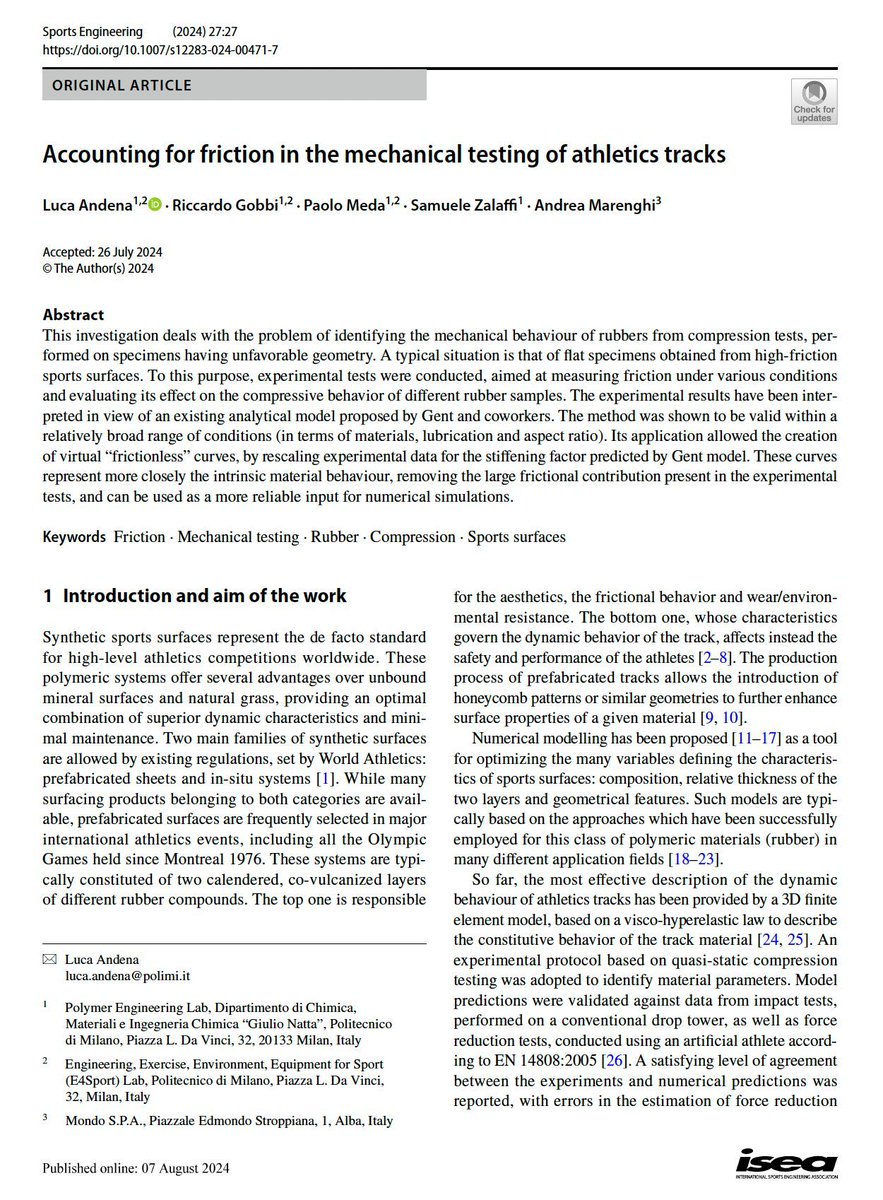
In your mark... get set...Check this article about running "Accounting for friction in the mechanical testing of athletics tracks" buff.ly/3MI8QA4 #running #runningscience #runningtech #sportscience #sportsengineering #sportstech
1
2
229

21 Sep 2024
Did you know? 🏃♂️ Studies show that running at a conversational pace can boost your endurance and improve overall performance. This moderate intensity helps your body adapt and increases your aerobic capacity! It’s all about different types of stimuli #RunningScience #EnduranceTraining
1
3
7
344
18 Sep 2024
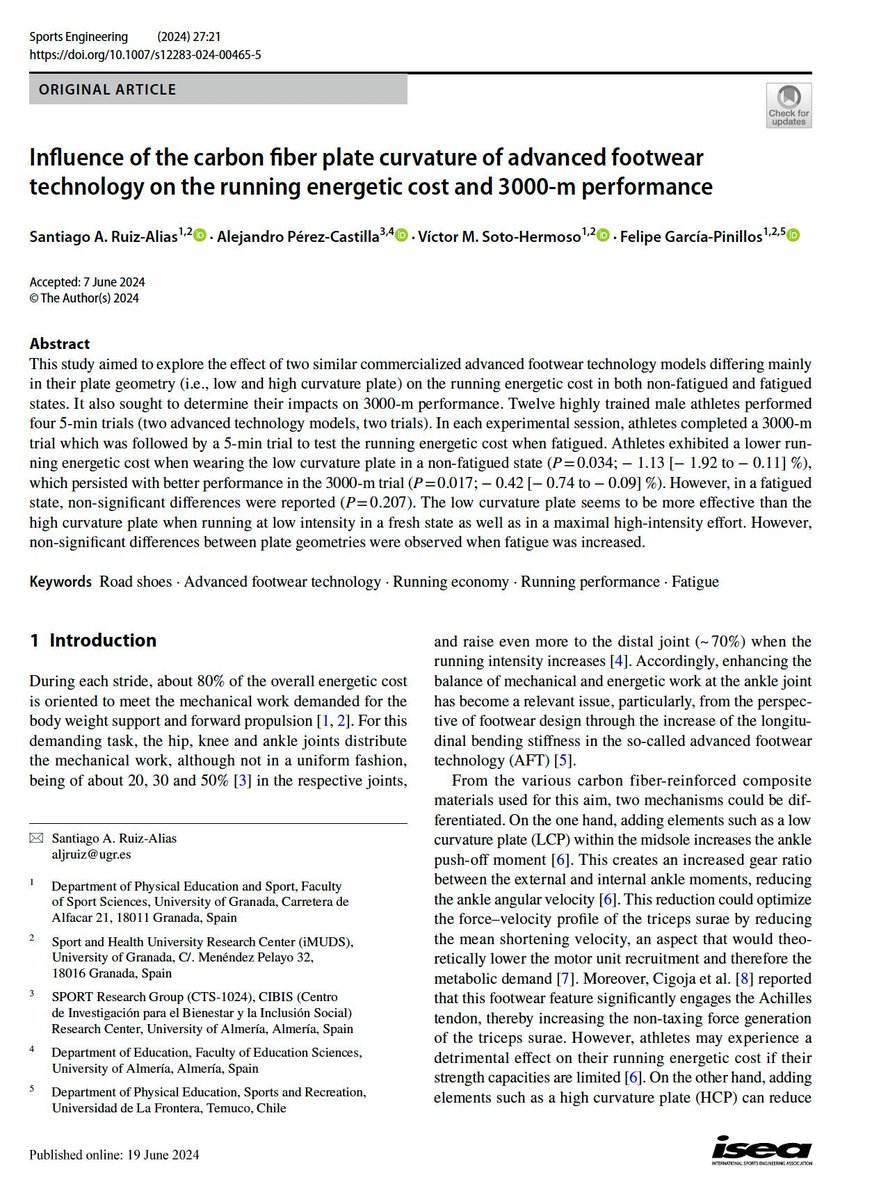
Check this article "Influence of the carbon fiber plate curvature of advanced footwear technology on the running energetic cost and 3000-m performance" buff.ly/3XxJuv7 #athletics #running #runningscience #runningtech #sportsengineering #sportstech
6
11
953

12 Aug 2024
🚨 Calling all runners, clinicians, sports science professionals, and researchers! 🚨
Join @UQHealth to help shape a research project on early injury detection & prevention in runners! 🏃♂️💡
#RunningScience #InjuryPrevention #Research
1
3
6
884

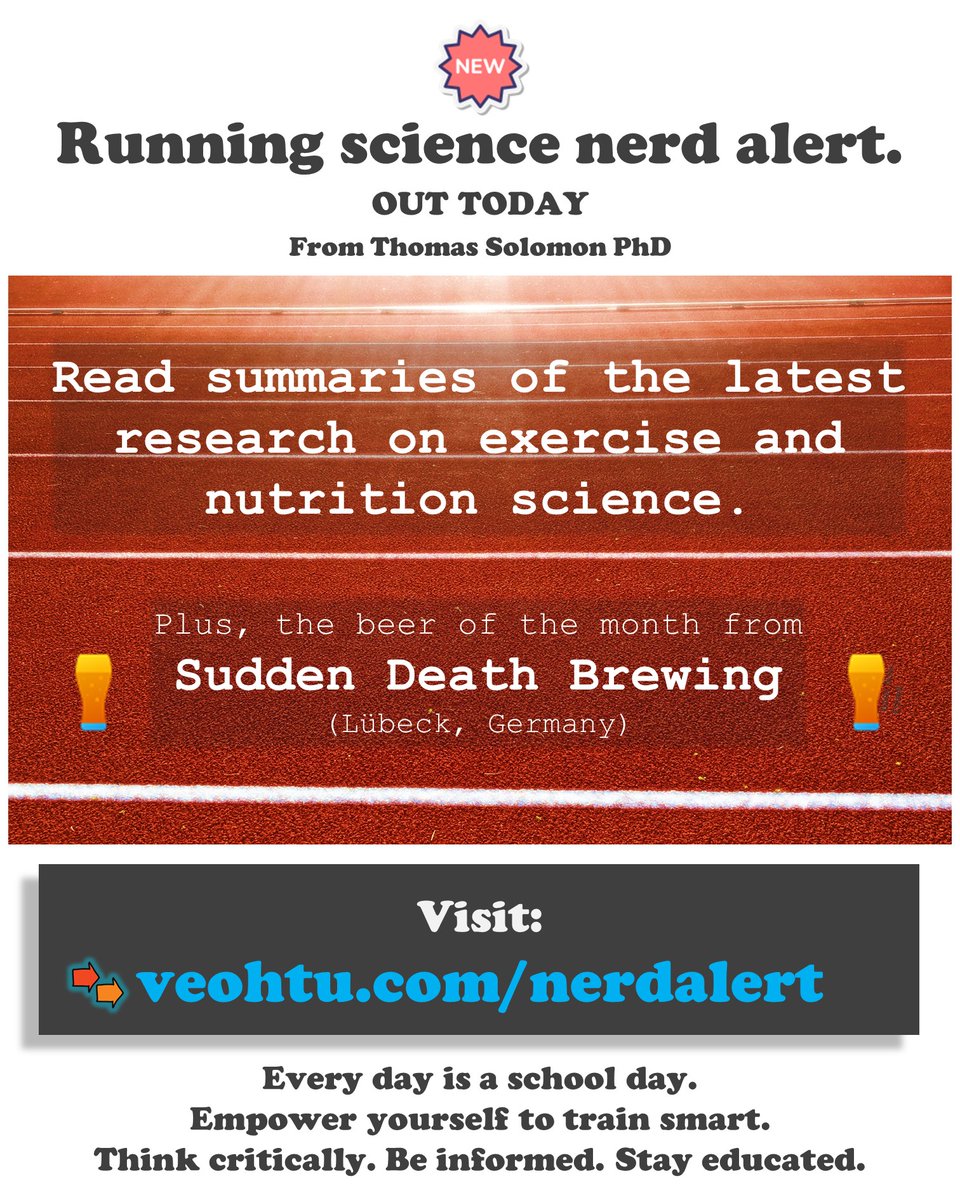
📝 Dive into the latest #runningscience with @thomaspjsolomon at #veohtu! 🏃💡 I serve up fresh journal articles like snacks for your brain to boost your #running game. From #nutrition to #recovery and even beer ratings! 🍻 Let's nerd out together at ➡️ veohtu.com/nerdalert-june202… 🤓
1
99

31 May 2024
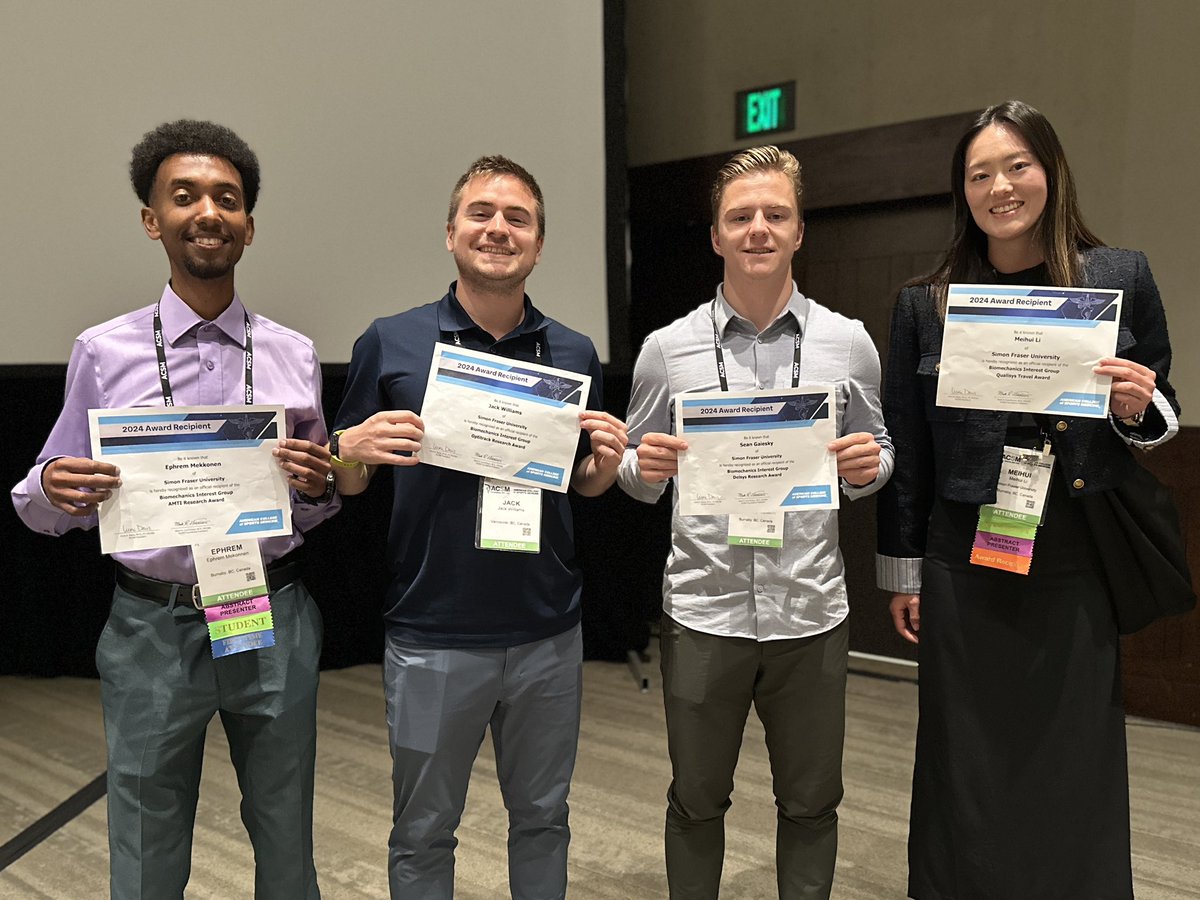
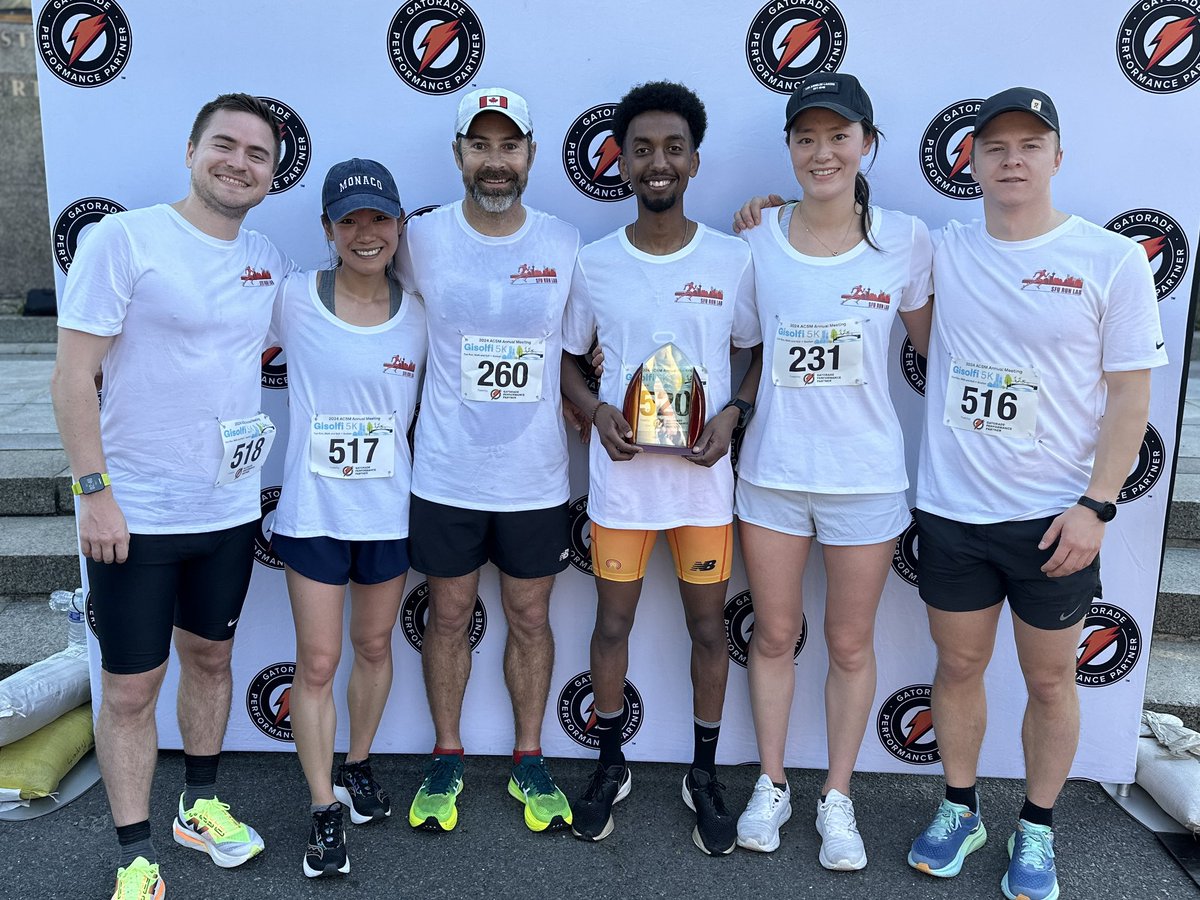
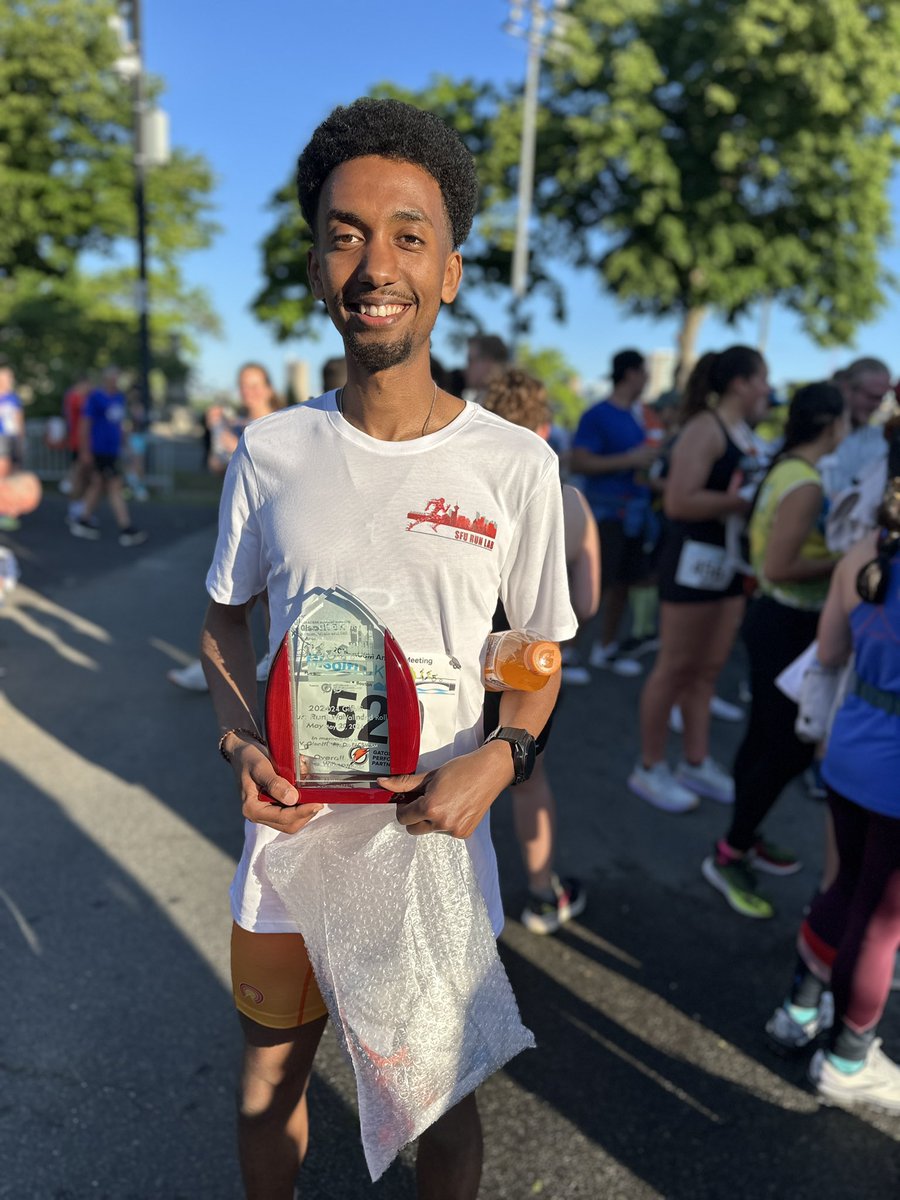
Proud of the SFU Run Lab team for excelling both academically and athletically at the ACSM Annual Meeting! 🏅👏 @AcsmBig awards and @ACSMNews 5K race victory - a true testament to our dedication and hard work. #SFURunLab #ACSM2024 #RunningScience
1
1,559
2 May 2024
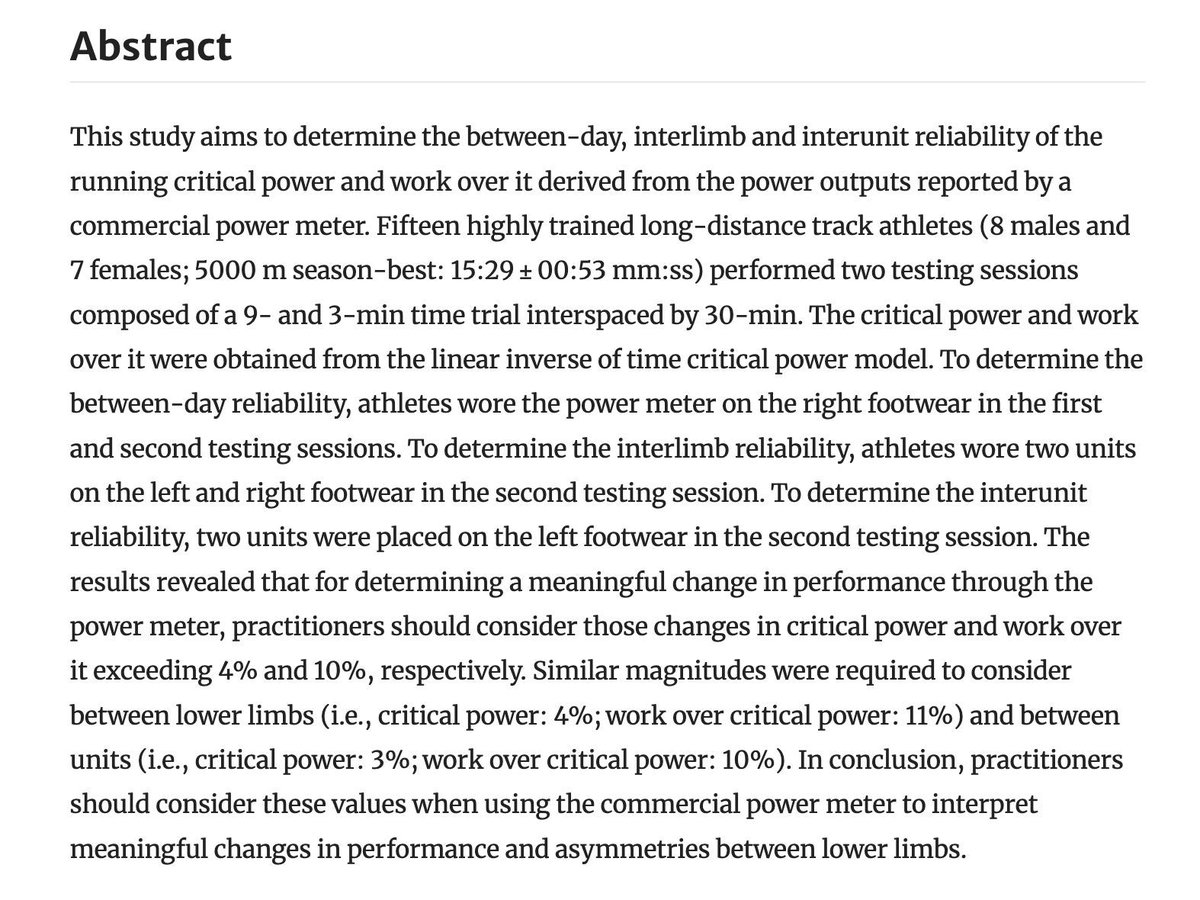
Check this article "Running critical power: between-day, interlimb and interunit reliability" buff.ly/3QkhSps #running #runninganalytics #runningscience #trackrunning #sportstech #sportsengineering #sportscience
2
2
344

3 Feb 2024
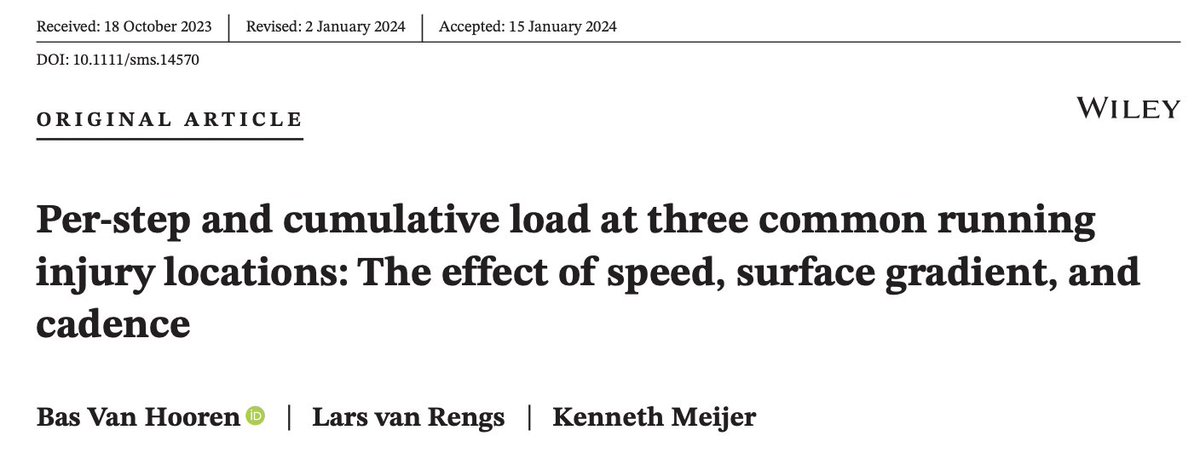
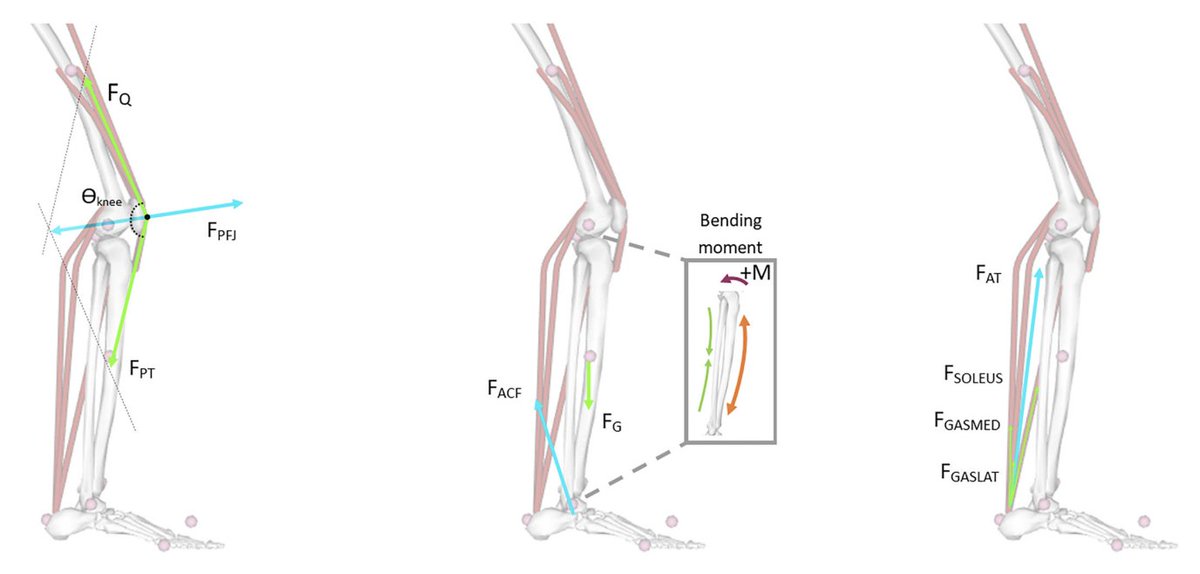
🏃🏽♂️ Interesting new study on how different running speeds, slopes and cadences affect loading on musculoskeletal structures at the knee and ankle.
#biomechanics #runningscience
1
12
70
7,601
27 Jan 2024
Investigaciones recientes sugieren que el café podría brindar beneficios a los deportistas 🏃☕️ #RunningScience #CaféDeportivo #SoyMaratonista soymaratonista.com/el-cafe-e…
5
3
526