
13 Feb 2024
Excellent repo name 👀We see you Matt's Lab's MATLAB Lab Materials
2
40

12 Feb 2024
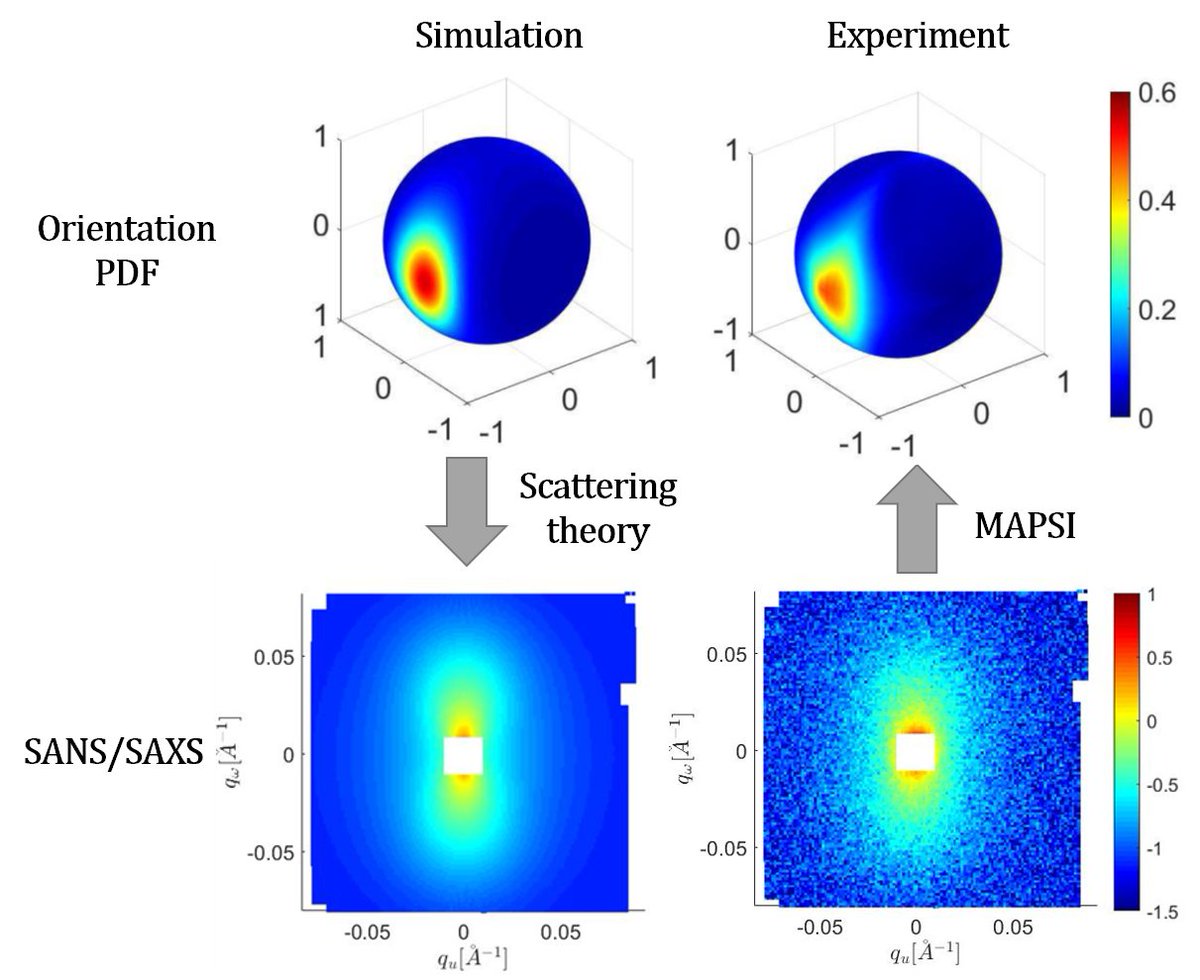
Interested in using our model to fit anisotropic scattering data from polymers? Feel free to download and use the code at the link below! We also hope to incorporate the fitting routine into the popular @SasView scattering analysis environment soon. /9
github.com/Helgeson-Lab-UCSB…
2
3
197

21 Feb 2023
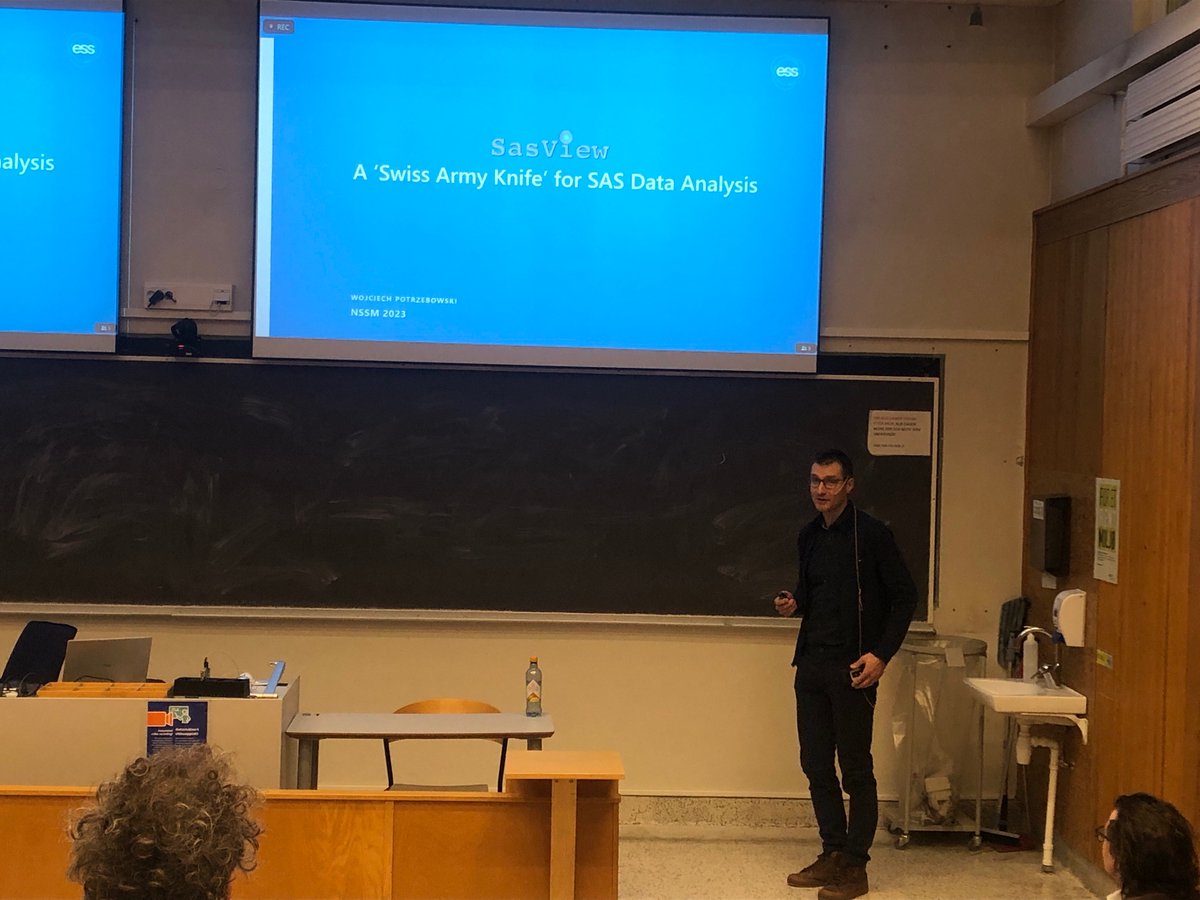
Our PhD student Michael Phillip will join LINXS for couple of month to do some works about how to implement mumag2022 in sasview and to work on nanoparticles.
21 Feb 2023

@LINXS_Sweden welcomes to Lund Apr-Jun Michael Phillip Adams under New Materials theme. His PhD topic at the University of Luxembourg is on understanding of magnetic small-angle neutron scattering from magnetic nanoparticles using atomistic simulations. lnkd.in/e_7xB-ft
1
3
281


28 Nov 2022
I guess you have a similar problem as me. You have two types of jobs: low intensity (web/office/etc) and very high (reduction/Python/sasview). The nice thing about a “Pro” machine is that you can sometimes do the high intensity stuff locally.
1
2


20 Oct 2022
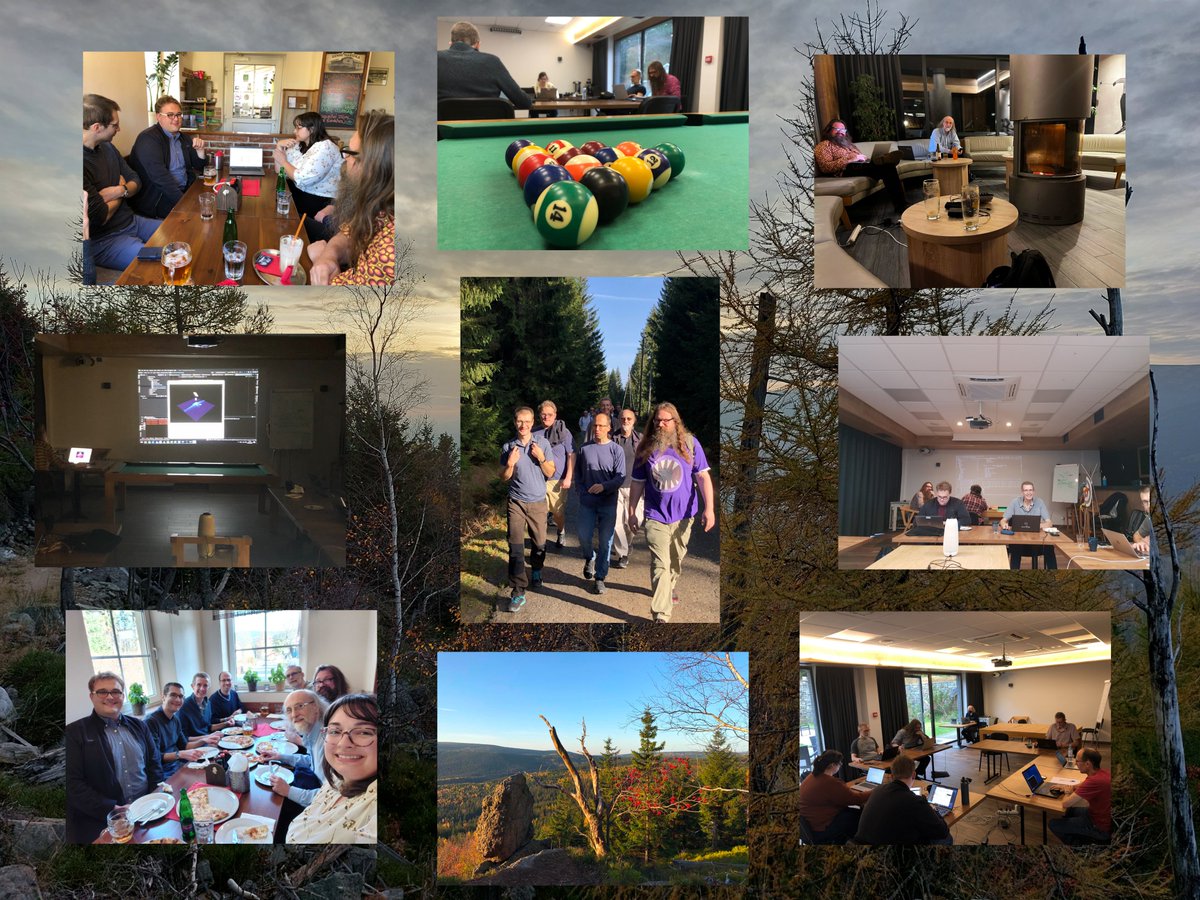
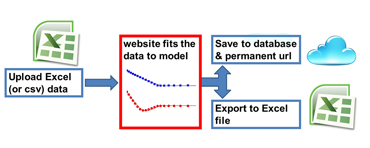
Our opendata.fit as presented with their highly commended poster at #eResAU2022 will include SAXS & SANS ( @prof_djadams @Pingosaurus ) by deploying Sasview in a F.A.I.R. framework, but it will also allow user to add custom modules to the platform. Watch out! fin/4
2

1 Jul 2022
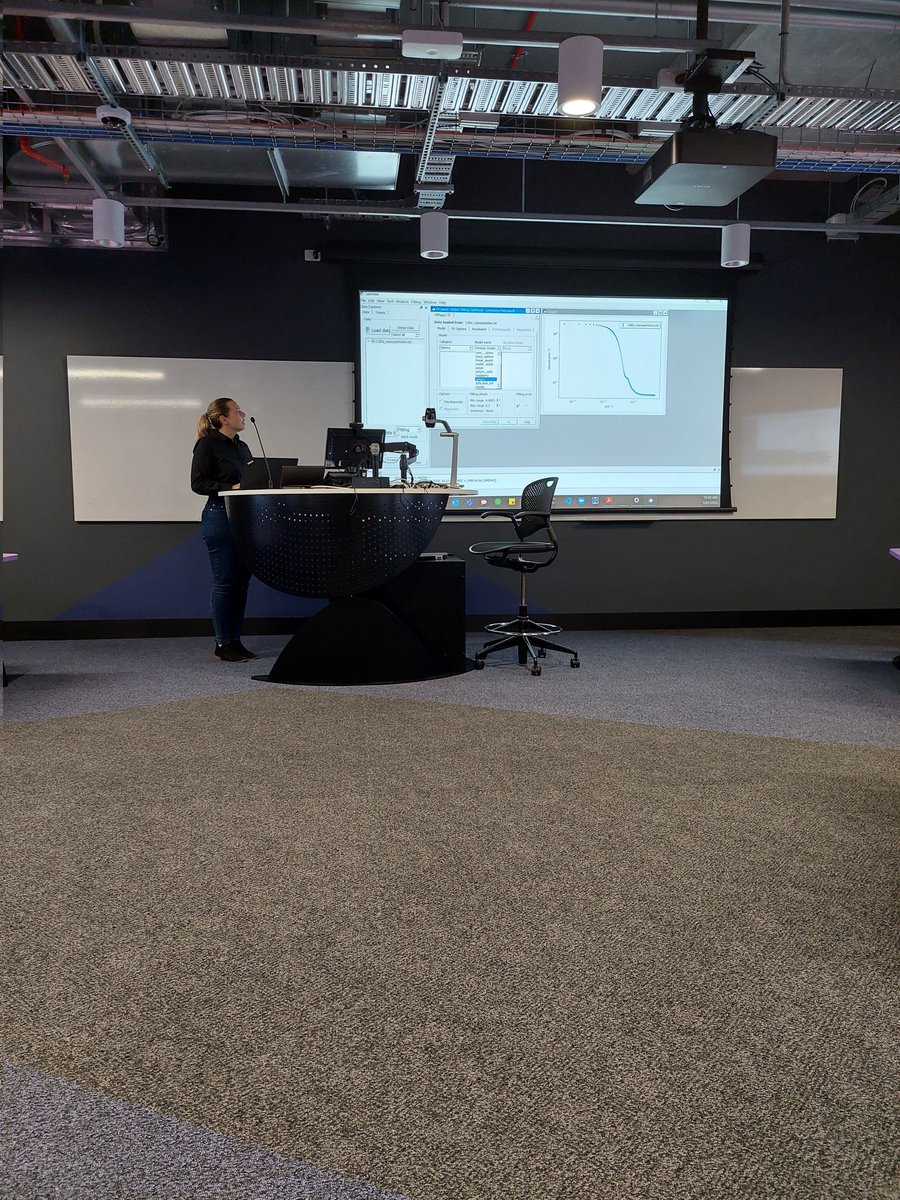
Now it's on to shape/form factor modelling of #SAS data on day 2 of the #IACIS2022 advanced characterisation workshop
@_SuSiSe_ from @ANSTO @ausynchrotron walking us through her beautiful nanoparticle data in #SASView
2
10
20 Jun 2022
Thanks! I had not seen this new one. Will circulate. N.b. I been working on making an online version of Sasview which would make data sharing easier. Think @opendatafit for SAXS/SANS. Would you be interested?
2
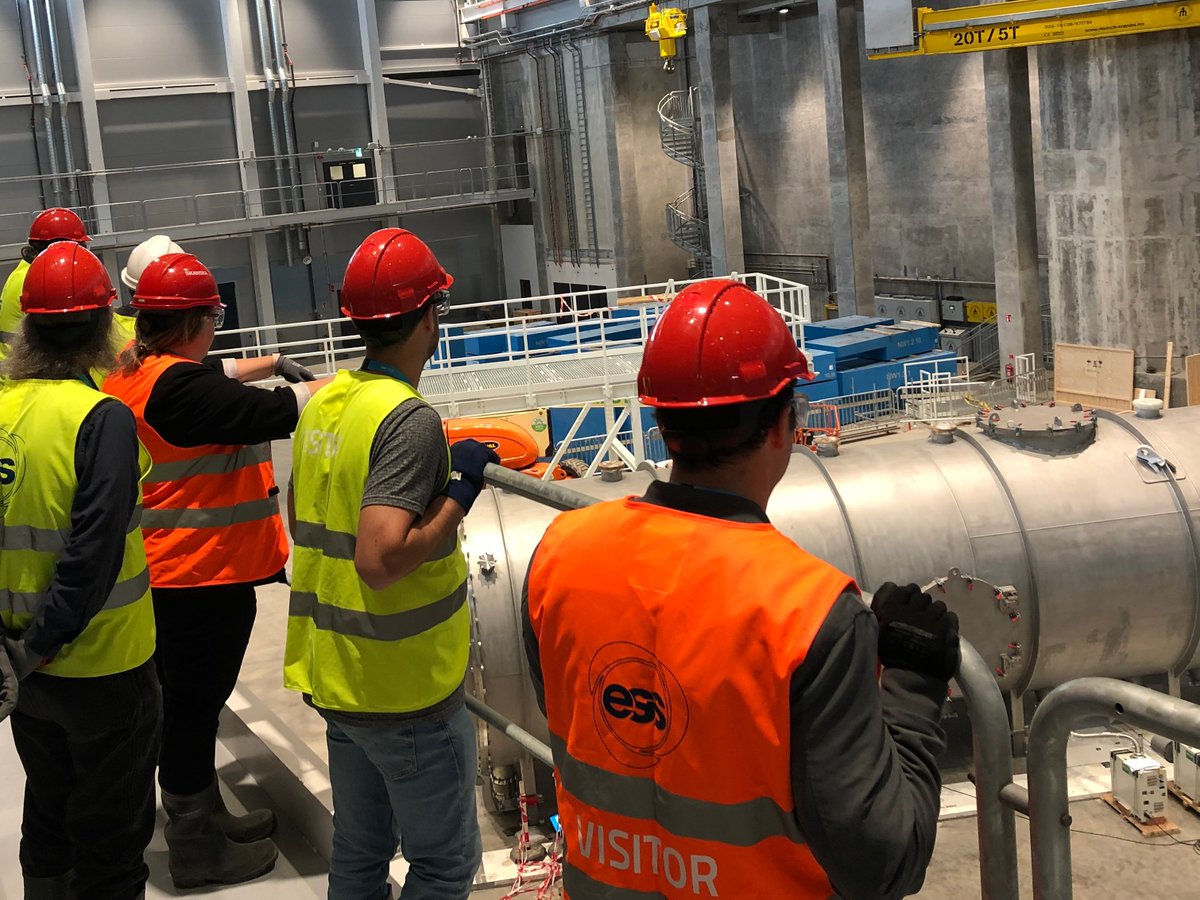
SasView team visiting @essloki construction at @essneutron. Waiting for the exciting SANS data to be analyzed!
4
14
Finally SasView 5.0.5 is out.
github.com/SasView/sasview/r…
1
15
14 Jun 2022
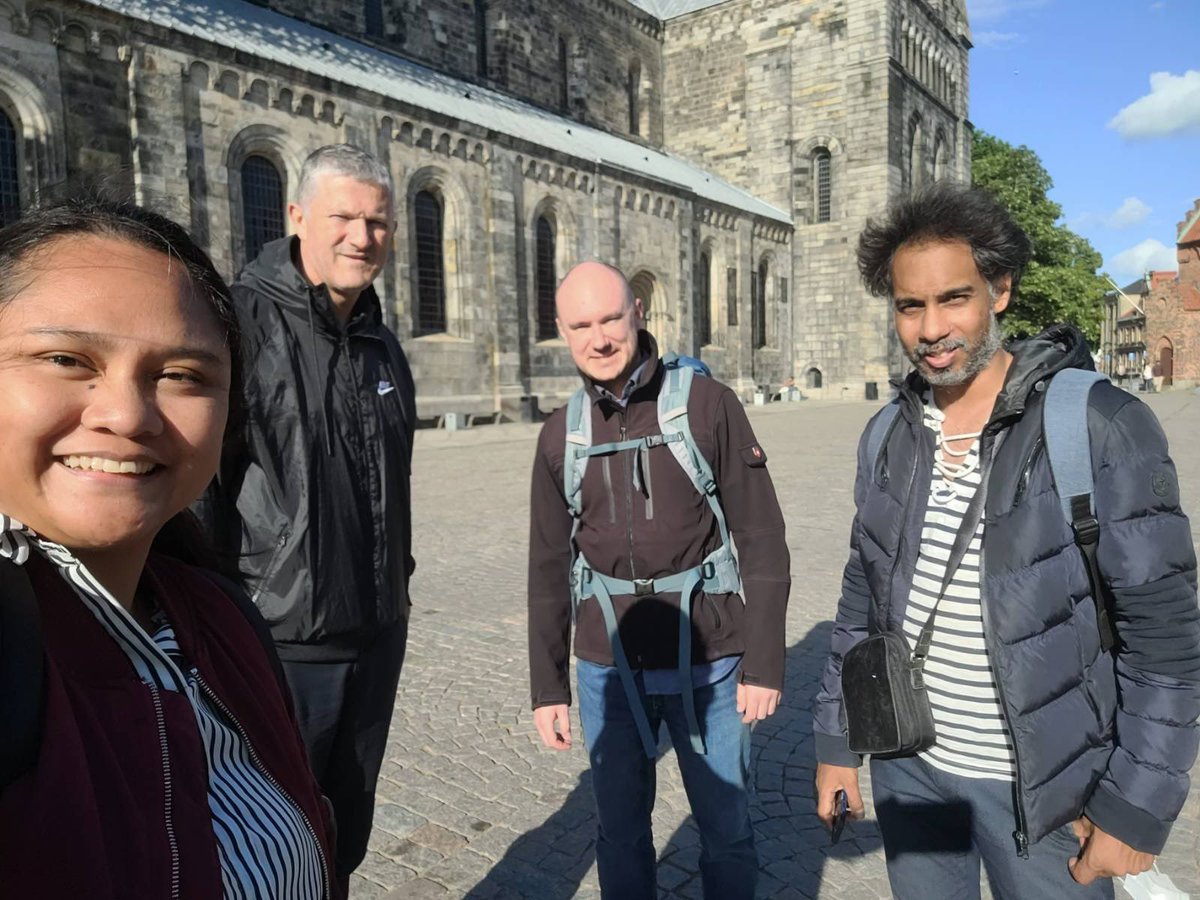
Time to say goodbye Lund. Very nice workshop on magnetic SANS and sasview organized by @LINXS_Sweden and thanks a lot Annika Stellhorn :)
1
3
10

Excited to share our newest article on carbon nanotube based conductive films by our @cdtpv student @BSturdza and final year #PhD student @AndreasEjdrup. 🥳doi.org/10.1016/j.egyr.2022.… @OxfordPhysics @EPSRC @STFC_Matters @isisneutronmuon @UnivOxford @SasView
1
6

11 Nov 2021
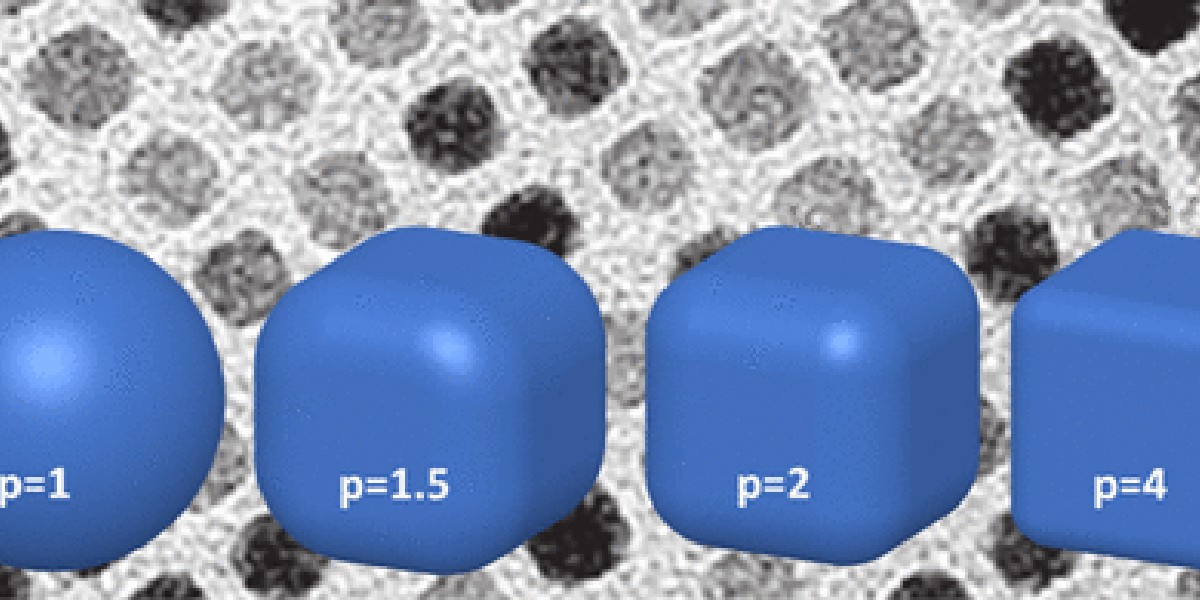
In this article, the superball model is applied to Small-Angle X-ray Scattering data of cuboidal nanoparticles to quantify the characteristic rounding of their corners and edges. The model will be available for use in @Sasview. @Dzakutna @SabrinaDisch
fal.cn/3jLAO
2
8


21 Jul 2021
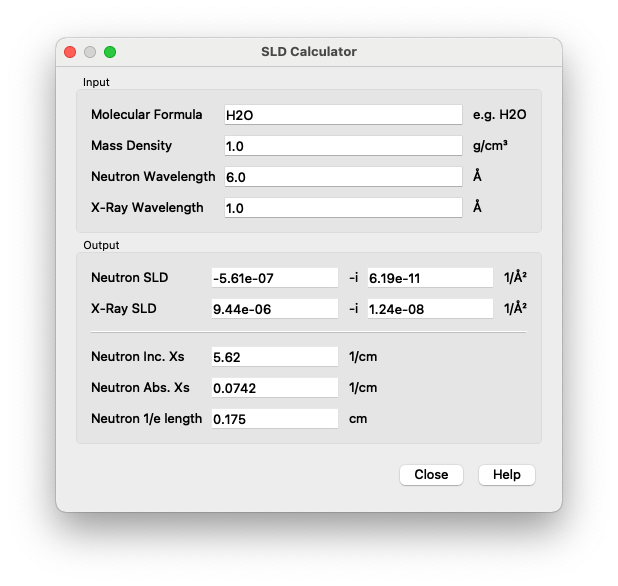
Completely cheating on SASView with Primus today.
1
1
5

9 Jul 2021
Last thing for our morning session, @PalliThordarson and Varvara Efremova from @UNSWScience @ARCCoEBionano talk about the OpenDatafit project, providing tools for #reproducible #scattering analysis for #SAXS, #SANS and #USANS, based on the @SasView codebase.
#SydneySoftSurfaces
2
2
7