
In a world grappling with the complexities of climate change, environmental degradation, and social injustice, the need for sustainable solutions has never been more pressing. Research has long been the backbone of innovation, providing the insights and evidence needed to drive meaningful change. But what exactly is the role of research in driving sustainability?
From developing new renewable energy technologies to understanding the intricacies of ecosystem conservation, research is illuminating the path forward. It's not just about generating knowledge; it's about applying that knowledge to create tangible impact. Through research, we're gaining a deeper understanding of the interconnectedness of our planet and the intricate web of social, economic, and environmental systems.
Did you know that research has shown that sustainable practices can not only benefit the environment but also drive economic growth and improve human well-being? For instance, a study by the International Renewable Energy Agency (IRENA) found that the renewable energy sector could support up to 24 million jobs globally by 2030. Or consider the work of organizations like the Intergovernmental Science-Policy Platform on Biodiversity and Ecosystem Services (IPBES), which provides critical scientific assessments to inform policy decisions on biodiversity conservation.
In today's episode, we shall be looking at the role of artificial intelligence in sustainability research and the importance of community-led initiatives .We will also examine the challenges and opportunities that come with conducting research in sustainability.
Our guest for today’s episode is Dr. Sylvanus G.Barnabas.
To listen to this podcast series, kindly visit: linktr.ee/GreenbytesWednesda…
(Link also on our bio).
#SCALE #SCALEforNetZero #AREAiXFCDO #SustainabilityInNigeria #DigitalSustainability
1
3
59
Imagine a Nigeria where technology and innovation thrive, but the environment and society suffer. It's a paradox we're facing today, as the country's tech ecosystem booms, but sustainability concerns linger. Who should take the reins to ensure Nigeria's tech industry not only drives economic growth but also prioritizes the well-being of people and the planet?
As Nigeria's tech sector continues to attract billions of dollars in investments, create thousands of jobs, and empower millions of Nigerians, the question remains: who should drive sustainability in this ecosystem? Should it be the government, tech companies, investors, or the citizens themselves?
A survey found that 70% of Nigerian tech startups prioritize profit over sustainability, but is this shortsighted approach sustainable in the long run?
Some questions tackled in this episode include:
- What are the unique challenges and opportunities for sustainability in Nigeria's tech ecosystem?
- How can tech companies, investors, and governments work together to prioritize sustainability and social responsibility?
- What role can citizens play in demanding more sustainable practices from the tech industry?
- Can sustainability be a competitive advantage for Nigerian tech companies, or is it a luxury they can't afford?
Hear answers from our guest on this episode, Mrs Adesola Effiwatt Olatunde.
To listen to this podcast series, kindly visit: linktr.ee/GreenbytesWednesda…
(Link also on our bio).
#SCALE #SCALEforNetZero #AREAiXFCDO #NigeriaInnovation #NigeriaEntrepreneurship #NigeriaTechEcosystem #SustainableDevelopment #SustainabilityInTech #GreenTech #Netzero #Nigeria #Nigerians
1
8
196
Imagine a world where technology and nature coexist in harmony. A world where artificial intelligence is harnessed to drive sustainable development, mitigate climate change, and promote social justice. This is the promise of AI in sustainability.
AI has the potential to revolutionize sustainability by analyzing vast amounts of data to predict environmental disasters, optimizing resource usage in industries like agriculture and energy, and providing insights on human rights impacts.
The opportunities for AI in sustainability are vast. For instance, AI can help us predict and prevent climate-related disasters, enabling proactive measures to mitigate their impact. It can also optimize resource usage, reducing waste and promoting sustainable practices in industries like agriculture, water management, and energy.
Moreover, AI can provide valuable insights on human rights impacts, promote fair labor practices, and support education and healthcare initiatives.
Today’s episode explores the complex relationship between AI and sustainability.
Some of the critical questions we'll be exploring include: How can AI be harnessed to drive sustainable development?
What are the potential risks and challenges associated with AI's impact on sustainability?
And how can we ensure that AI systems are designed and deployed in a responsible and sustainable manner?
Our guest for this episode, Mr Yemi Solves share some answers.
To listen to this podcast series, kindly visit: linktr.ee/GreenbytesWednesda…
(Link also on our bio).
#SCALE #SCALEforNetZero #AISustainability #SustainableFuture #TechForGood #ClimateAction #SocialJustice #ArtificialIntelligence #SustainabilitySolutions
1
1
5
126
Imagine a world where the air is clean, the energy is sustainable, and the economy is thriving. Sounds like an utopia, right?
But what if I told you that this future is not only possible but also necessary?
The world is at a critical juncture, where the decisions we make today will determine the course of human history.
Climate change is no longer a distant threat; it's a harsh reality that's already affecting communities worldwide.
The good news is that low-carbon technologies have made tremendous progress in recent years. Renewable energy sources like solar and wind power have become increasingly cost-competitive with fossil fuels.
Electric vehicles are gaining traction.
Energy-efficient buildings are becoming the norm. But despite these advancements, the adoption of low-carbon technologies remains a significant challenge.
The biggest hurdle is not technological; it's financial. The upfront costs of transitioning to low-carbon technologies can be prohibitively expensive for many individuals, businesses, and governments.
But here's the thing: the cost of inaction far outweighs the cost of transition. The economic benefits of low-carbon technologies are numerous, from job creation to improved public health.
So, how can we overcome the financial barriers to low-carbon technology adoption?
What innovative financing strategies can we deploy to accelerate the transition?
How can governments, corporations, and individuals work together to create a low-carbon economy?
Our guest for this episode, Miss Noro Ezekiel shares some answers.
To listen to this podcast series, kindly visit: linktr.ee/GreenbytesWednesda…
(Link also on our bio).
#SCALE #SCALEforNetZero #Financialstrategy #Nigeria #CarbonPricing #NetZeroTransitions #NetZero #AREAiXFCDO #Sustainable #CleanTech #Lowcarbonfuture #ClimateAction #sustainableEnergy
1
3
84
Imagine a world where technology and sustainability converge to create a better future for all. As the world shifts towards a net-zero economy, the Information and Communication Technology (ICT) sector is poised to play a pivotal role in driving innovation, reducing emissions, and unlocking new business opportunities.
The ICT sector, which currently accounts for around 2-3% of global greenhouse gas emissions, is under pressure to reduce its own carbon footprint while also enabling other industries to decarbonize. But this challenge also presents a tremendous opportunity for growth, innovation, and leadership.
In Today’s episode, we'll dive into topics such as:
Green Data Centers: What role can Data Centers play in reducing energy consumption and carbon emissions, and what opportunities exist for companies that prioritize sustainability?
Digital solutions for sustainability : How can ICT companies leverage digital technologies like AI, IoT, and blockchain to drive sustainability and reduce emissions in industries like energy, transportation, and agriculture?
Some of the questions we'll explore will include:
- What are the most promising business opportunities in the ICT sector for reducing emissions and driving sustainability?
- How can ICT companies balance the need for growth and innovation with the imperative to reduce their environmental impact?
- What role can policy and regulation play in supporting the transition to a net-zero economy, and how can ICT companies engage with policymakers to shape the future of sustainability?
Our guest for this episode, Mr Faiz Muhammad (@bluesapphirehub) shares some answers.
To listen to this podcast series, kindly visit: linktr.ee/GreenbytesWednesda…
(Link also on our bio).
#SCALE #SCALEforNetZero #ICT #Nigeria #Economy #NetZeroTransitions #NetZero #AREAiXFCDO #ICTforSustainabillity #GreenTech #Innovation #DigitalSolutionsForSustainability #GreenDataCenters
2
4
173
Imagine a world where the internet is a major contributor to greenhouse gas emissions, rivaling the carbon footprint of entire countries. Sounds alarming? It's a reality we're living in today. The digital ecosystem, which includes everything from smartphones and laptops to data centers and cloud storage, is a significant contributor to global carbon emissions. In fact, studies suggest that the internet's carbon footprint is projected to grow to around 3.2% of global emissions by 2025, roughly equivalent to the emissions of a country like Japan.
But what's driving this growth? It's not just the devices we use, but the infrastructure that supports our digital lives. Data centers, which store and process vast amounts of information, are massive energy guzzlers. The production and disposal of electronic devices also have a significant environmental impact, from the mining of rare earth minerals to the e-waste that ends up in landfills and oceans.
However, there's hope. As we become more aware of the environmental impact of our digital habits, with support from innovators, policymakers, and individuals all working together to decarbonize the digital ecosystem, driving sustainable coding practices. From eco-friendly data centers, device recycling and digital minimalism, these are many ways we reduce the carbon footprint of our digital lives.
A major question we'll be tackling in this episode is:
What are the key technical, economic, and behavioral barriers hindering faster progress on decarbonizing the digital world, and how can they be overcome?
Our guest for this episode, Jennifer Anya (@jeni_anya) shares some answers.
To listen to this podcast series, kindly visit: linktr.ee/GreenbytesWednesda…
(Link also on our bio).
#SCALE #SCALEforNetZero #DigitalWaste #Nigeria #NetZeroTransitions #NetZero #AREAiXFCDO #AREAi4Africa
2
5
154
Imagine a world where the discarded remnants of our technological advancements are piling up faster than we can recycle them. A world where toxic waste from old smartphones, laptops, and televisions is leaching into our soil and water, threatening the health and well-being of entire communities. Welcome to the growing crisis of e-waste, a problem that demands our attention and action.
The statistics are staggering. According to the United Nations, the world generated a record 53.6 million metric tons of electronic waste in 2019 alone. That's equivalent to the weight of 350 Great Pyramids of Giza. And what's even more alarming is that only about 17.4% of this waste was properly recycled.
The consequences of inaction are dire. E-waste contains hazardous materials like lead, mercury, and cadmium, which can contaminate our environment and pose serious health risks to humans and wildlife. In many developing countries, e-waste is often dumped in landfills or incinerated, releasing toxic chemicals into the air and water.
But it's not just an environmental issue; it's also an economic one. E-waste represents a lost opportunity to recover valuable materials like gold, copper, and rare earth metals. In fact, the value of these materials is estimated to be worth billions of dollars.
So, what can be done to tackle this growing crisis?
Our guest for this episode, Mrs Ibukun Faluyi , the executive secretary, E-waste producer responsibility organization Nigeria (@EpronNg ) shares some answers.
Join us as we embark on this critical conversation and explore the policy solutions that can help us tackle the ballooning e-waste crisis.
To listen to this podcast series, kindly visit: linktr.ee/GreenbytesWednesda…
(Link also on our bio).
#SCALE #SCALEforNetZero #DigitalWaste #Nigeria #GlobalRegulations #ProductsRecyling #NetZeroTransitions #NetZero #AREAi #DigitalCompliance
1
5
102
Imagine a world where technology is advancing at an unprecedented rate, and electronic devices are becoming obsolete faster than ever before.
This rapid growth has led to a staggering 59 million tons of electronic waste, or e-waste, ending up in landfills globally each year. To put that into perspective, e-waste accounts for less than 2% of the world's waste stream by volume but causes over 70% of the waste stream's harmful and toxic environmental effects.
The e-waste problem is a complex issue that requires a multi-faceted approach. In Nigeria, for instance, the National Environmental Standards and Regulations Enforcement Agency (NESREA) has developed regulations on Electrical/Electronic waste based on a life cycle approach, which includes provisions on Extended Producer Responsibility Programme (EPR).
This program mandates manufacturers, importers, and distributors to take back their end-of-life products from the environment, promoting a cleaner production process and reducing waste.
However, despite these efforts, e-waste remains a significant challenge. The Nigerian Communications Commission (NCC) is working to implement stricter regulations on e-waste disposal, focusing on managing electronic waste, promoting reuse and recycling, and reducing greenhouse gas emissions.
This move is crucial, considering the country's growing technology sector and the potential environmental impacts of e-waste.
As technology continues to advance, the need for stricter regulations on e-waste disposal becomes increasingly important. By implementing EPR programs and promoting sustainable practices, we can reduce the environmental impacts of e-waste and ensure that electronic devices are disposed of in a responsible manner.
In this episode, we'll explore the necessity for thorough policies that address the entire lifecycle of electronic products from production to responsible disposal.
To listen to this podcast series, kindly visit: linktr.ee/GreenbytesWednesda…
(Link also on our bio).
#AREAi #SCALE #SCALEforNetZero #DigitalWaste #Nigeria #EwasteManagement #GlobalRegulations #ProductsRecyling #NetZeroTransitions #NetZero #AREAiXFCDO
2
5
145
The digital world is advancing at a breakneck pace, but beneath the surface, a more sinister reality lurks. Digital waste poses significant environmental and health risks, threatening our planet's very foundations.
The statistics are alarming: electronic waste is one of the fastest-growing waste streams globally, with devastating consequences for our ecosystems and human well-being.
But there's hope. By learning effective strategies for responsible digital waste disposal, we can mitigate these risks and contribute to a sustainable future. Imagine a world where technology and nature coexist in harmony. A world where innovation meets responsibility.
Tune in as we delve and address various issues and questions such as:
1. What are the primary drivers behind Nigeria’s rapidly growing e-waste generation, and how do they differ from the challenges faced by other developing economies?
2. How can Nigeria’s informal e-waste recycling sector be better integrated into formalized collection and processing networks
To listen to this podcast series, kindly visit: linktr.ee/GreenbytesWednesda…
(Link also on our bio).
#AREAi #SCALEforNetZero #DigitalWaste #Nigeria #wasteManagement #GlobalEmissions #Technology #NetZeroTransitions #NetZero #AREAiXFCDO.
1
5
136
In a world where notifications never sleep, and social media is always just a tap away, it's easy to get sucked into the vortex of constant connectivity. But at what cost?
Tune in as we share some of the inspiring stories of best practices for successful implementation of digital detox practices and the benefits they bring both professionally and personally.
Although, do you know that:
- The average person checks their phone over 150 times per day?
- Excessive screen time has been linked to increased stress, anxiety, and depression?
- A digital detox can improve sleep quality, boost productivity, and even strengthen relationships?
Some of the highlights on this episode includes:
- The science behind digital addiction and its effects on our mental and physical health.
- Strategies for setting boundaries and achieving a healthy digital balance.
- Inspiring stories of individuals and communities who have successfully detoxed from technology.
- Expert insights on how to harness the benefits of technology while minimizing its negative impacts.
-Innovative workplace policies and organizational cultures that are promoting digital wellbeing and helping employees achieve a healthier balance.
To listen to this podcast series, kindly visit: linktr.ee/GreenbytesWednesda…
(Link also on our bio).
#SCALEforNetZero #DigitalDetox #Nigeria #NetZeroTransitions #NetZero #AREAiXFCDO.
4
5
195
The world is shifting towards renewable energy but what role does technology play in this transition?
Imagine a world where energy is clean, sustainable, and accessible to all. Thanks to cutting-edge technologies, this vision is becoming a reality.
From the sun-kissed deserts of Australia, where solar energy farms are powering entire cities, to the wind-swept coastlines of Denmark, where offshore turbines are generating record-breaking amounts of electricity, renewable energy is on the rise.
But what about when the sun doesn't shine or the wind doesn't blow? That's where advanced battery technologies come in. Countries like South Korea and China are leading the charge in developing and deploying innovative energy storage solutions, enabling a stable and efficient grid.
Smart grid technologies are also playing a crucial role in optimizing energy distribution and consumption. In the United States, for example, smart grids are enabling real-time monitoring and management of energy usage, reducing waste and emissions.
From overcoming intermittency challenges to optimizing energy distribution, Join the conversation as we explore the technological drivers reshaping the transitioning of green energy.
Some of the questions explored in this episode includes;
1.What are the key barriers hindering faster adoption of renewable energy and cleantech solutions, and how can it be overcomed?
2. What role do smart grid technologies play in optimizing energy distribution, consumption and efficiency?
To listen to this podcast series, kindly visit: linktr.ee/GreenbytesWednesda…
(Link also on our bio).
#SCALEforNetZero #Tech #Innovation #Nigeria #ClimateAction #NetZeroTransitions #NetZero #DigitalSustainability #AREAiXFCDO #GreenTech
5
146
As we navigate the complexities of climate change, Nigeria's energy sector stands at a critical juncture.
With a growing population and economy, the country's energy demands are increasing exponentially. But what if we could harness innovative approaches to drive sustainable energy solutions?
Did you know that Nigeria's energy sector accounts for approximately 40% of the country's greenhouse gas emissions?
Or that the country's per capita carbon footprint is significantly lower than the global average, presenting a unique opportunity for sustainable growth?
Tune in as we delve into the intricacies of Nigeria's energy landscape and explore the role of economic incentives in driving environmental sustainability.
Some of the key questions explored in this session includes:
- How can Nigeria's energy sector balance economic growth with environmental sustainability?
- What are the advantages and disadvantages of enforcing landfill prohibitions or instituting compulsory electronic waste collection initiatives for residential and commercial entities?
- What initiatives are policymakers implementing to enhance global cooperation and data exchange for monitoring and managing electronic waste worldwide?
To listen to this podcast series, kindly visit: linktr.ee/GreenbytesWednesda…
(Link also on our bio).
#SCALEforNetZero #Tech #Nigeria #ClimateAction #NetZeroTransitions #NetZero #AREAiXFCDO
#Energy #Energyefficiency #innovation
4
10
168
Whoop Whoop!🎉💥🙌🏽💥🔥
More headlines on AREAi’s SCALE initiative as it partners with the UK’s Foreign, Commonwealth & Development Office under the Digital Access Program, launching Nigeria’s 1st Carbon Emissions Tracking Application - CarbonTrac.AI.
This highlight report by ARISE News (@ARISEtv ) showcases an on the successful completion of our recent High-Level Technical Workshop on Collaborative Approaches for Digital Sustainability in Nigeria.
With SCALE for NetZero, we’ve got more incredible resources and lots of rich information on the go, particularly through our podcast series, online courses and lots more!
You can access more resources about SCALE at: scale.areai4africa.org
SCALE for NetZero is an initiative by @Areai4Africa , supported by funding from the UK government’s @UKinNigeria through its #DigitalAccess Program under the Foreign, Commonwealth & Development Office (FCDO) (@FCDOGovUK ).
#AREAi #SCALEforNetZero #SCALE #DigitalSustainability #Nigeria #Collaboration #Innovation #SustainableFuture #CarbonTracAi #SCALEInitiative #Ewaste #THGE #Netzero #AREAixFCDO #LearningWithoutBarriers #EcosystemRegulators #DigitalProducts
3
10
710
Check out who’s making headlines! 💥💥💥
This week, we successfully wrapped up a High-Level Technical Workshop for our SCALE initiative, in partnership with the Foreign, Commonwealth & Development Office. The workshop brought together key stakeholders, policymakers, and industry experts to discuss ‘Collaborative Approaches for Digital Sustainability in Nigeria.’
We were honored to host leaders and representatives from respected organizations in support of this initiative as we launched the ‘CarbonTrac.AI’ application and showcased the progress of other significant aspects of the SCALE project.
AIT News (@AIT_Online ) covered the key moments of our engagements with stakeholders on Tuesday, March 18, 2025.
We are thrilled with the progress made through SCALE and are excited about the positive impact and outcomes these developments will bring.
SCALE for NetZero is an initiative by @areai4africa, supported by funding from the UK government’s @UKinNigeria through its #DigitalAccess Program under the Foreign, Commonwealth & Development Office (FCDO) (@FCDOGovUK ).
#AREAi #SCALEforNetZero #SCALE #DigitalSustainability #Nigeria #Collaboration #Innovation #SustainableFuture #CarbonTracAi #SCALEInitiative #Ewaste #THGE #NetZero #AREAixFCDO #LearningWithoutBarriers #EcosystemRegulators #DigitalProducts #DigitalNatives
4
8
1,061
From the sleek smartphones in our pockets to the endless streams of data in the cloud, our online lives seem seamless and effortless.
But have you ever stopped to think about the real cost of your digital habits?
From e-waste mountains to carbon emissions, the truth about our online lives will shock you!
Did you know that, the production of smartphones alone generates over 80 million metric tons of CO2 equivalent emissions annually?
BUT, there’s hope!
A new wave of circular business models is rising, rewarding companies that design products to last, be repaired, and recycled.
Device-as-a-service leasing programs and digital transparency tools are giving consumers the power to choose sustainability!
Imagine a world where:
Your smartphone is designed to be repaired and upgraded, reducing e-waste and the demand for rare earth minerals.
Your favorite apps and online services are powered by renewable energy sources.
Your digital footprint is minimized, and your personal data is protected.
Ready to reboot your digital habits?
Join us on our latest episode as we discuss the importance of reclaiming sustainable consumption in the Digital Age.
To listen to this podcast series, kindly visit: linktr.ee/GreenbytesWednesda…
(Link also on our bio).
#SCALEforNetZero #Tech #Innovation #Nigeria #ClimateAction #NetZeroTransitions #NetZero #DigitalSustainability #AREAiXFCDO #Ewaste #GreenTech
3
15
204
Does innovation play a role in creating a waste free ecosystem?
What’s the nexus between innovation and sustainability of the ecosystem?
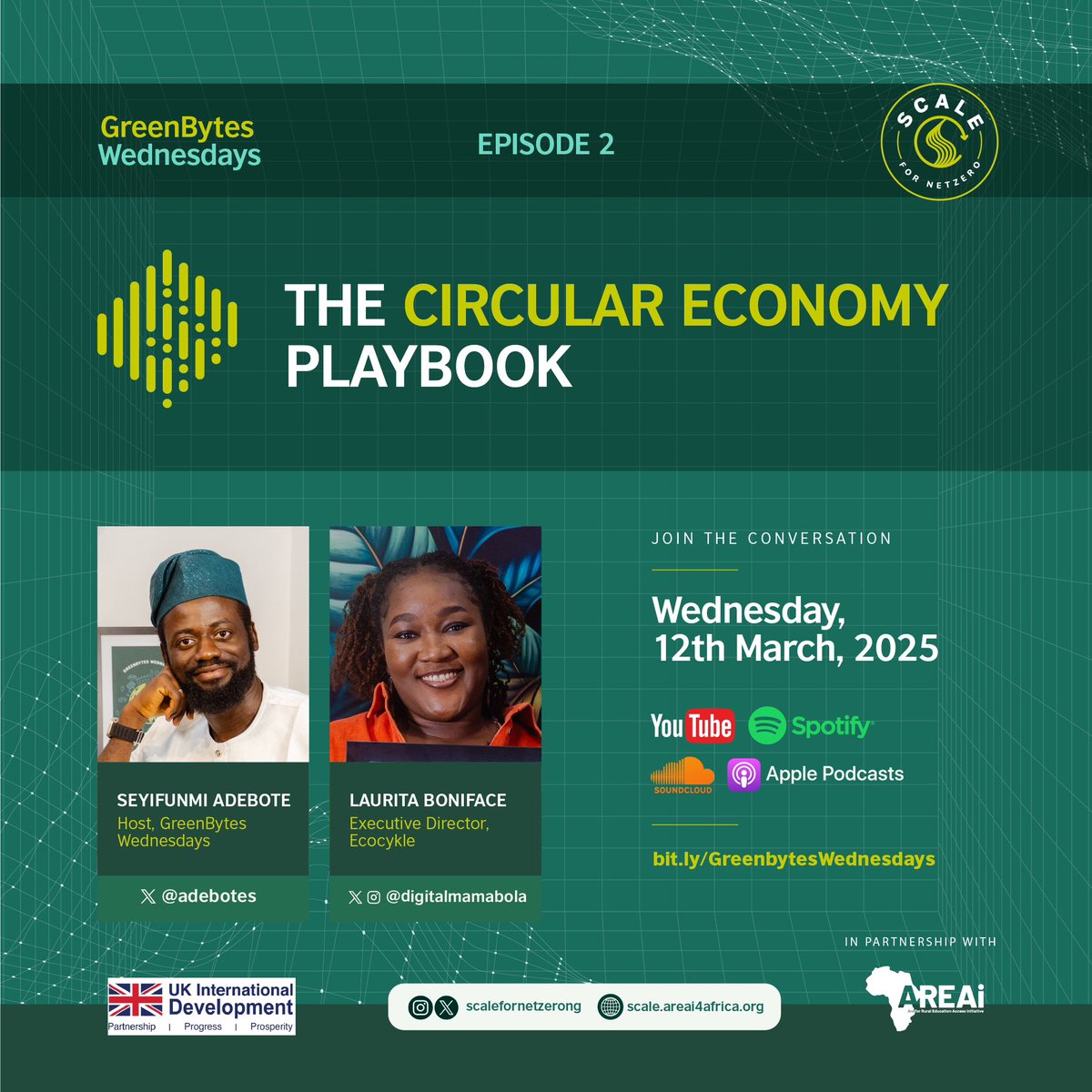
On this episode of GreenBytes Wednesdays Podcast, our Host, Seyifunmi Adebote, @adebotes is joined by Laurita Boniface, @digitalmamabola, to discuss the core principles of circularity, the innovative business models and technologies enabling it and the long term vision for a waste free Nigerian tech industry.
This session centers around the dynamics of the Nigeria tech industry which in turn drives the discussion around the need for a collaboration between policymakers and civil society organizations on the importance of creating an effective ecosystem for the circular economy.
Follow and listen to this podcast series by visiting: linktr.ee/GreenbytesWednesda…
New Episodes Every Wednesdays!✨
#SCALEforNetZero #Sustainability #ClimateAction #NetZeroTransitions #NetZero #DigitalSustainability #AREAixFCDO
6
11
328
What if the key to unlocking Nigeria's tech industry's full potential lies not in generating more wealth, but in generating less waste? What if the future of innovation is not about accumulating more, but about wasting less?
Join us as we embark on a journey to explore the revolutionary world of circular economy and challenge the status quo. Can Nigerian tech companies thrive while embracing sustainability? Can innovation and waste reduction coexist? What role will policymakers, entrepreneurs, and individuals play in shaping this new economy?
As we delve into the world of circularity, we'll ask the tough questions:
What are the implications of a waste-free economy on Nigeria's tech industry?
How can companies balance profitability with sustainability?
What emerging technologies and business models will drive the transition to a circular economy?
Tune in to find out.
Join the conversation. Challenge your assumptions.
To listen to this podcast series, kindly visit: linktr.ee/GreenbytesWednesda…
(Link also on our bio).
#ScaleForNetZero #CircularEconomy #Tech #Innovation #Nigeria #ClimateAction #NetZeroTransitions #NetZero #DigitalSustainability #AREAiXFCDO
5
11
706

3 Mar 2025
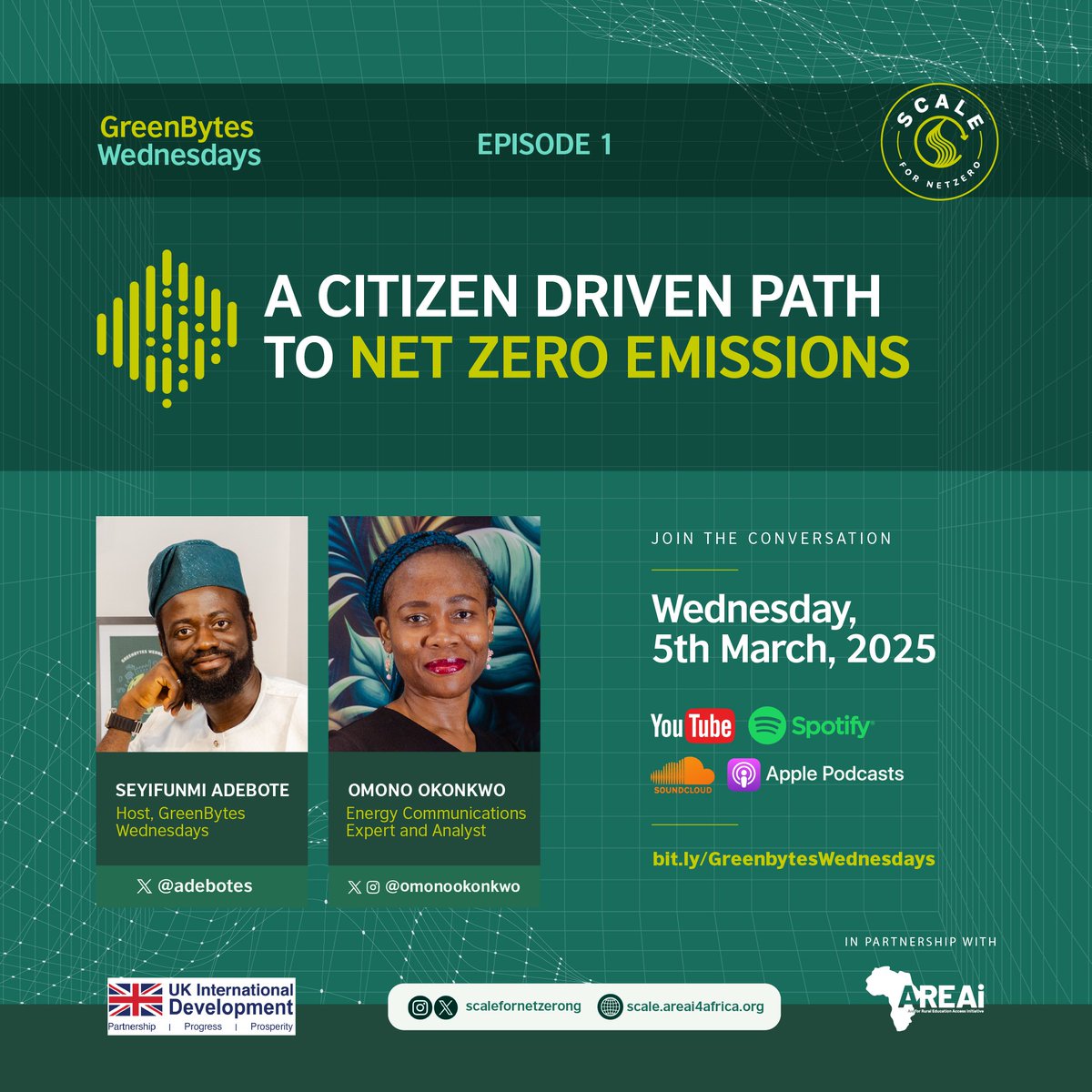
How much do you know about your role as a citizen, #SME or large corporation in driving climate action and what practical changes can you make?
Join us on this maiden podcast episode of #GreenBytesWednesday, where we discuss all that and more with @omonookonkwo.
#SCALEforNetZero
1
12
23
1,025
We are excited to share more updates from our ongoing grassroots activities towards the implementation of the SCALE for Net Zero Program funded by the United Kingdom government through the Digital Access Program(DAP) of the Foreign Commonwealth and Development Office(FCDO) @FCDOGovUK
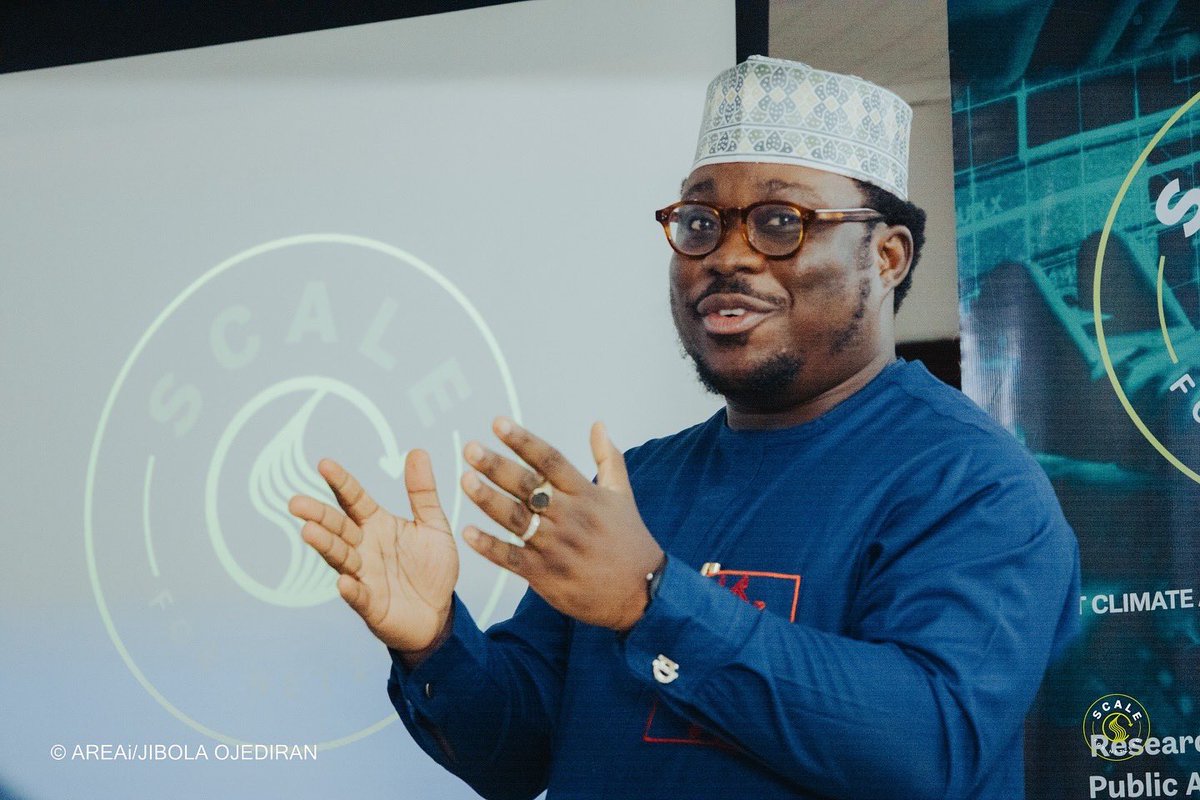
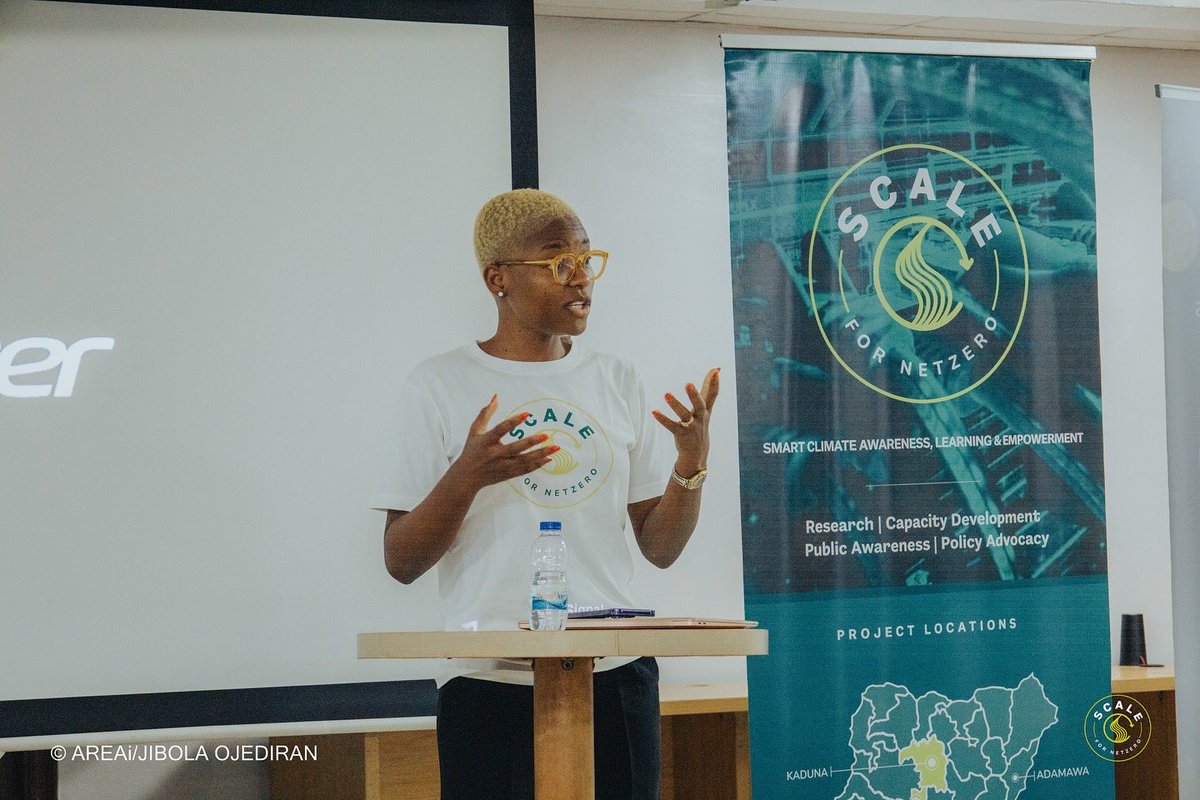
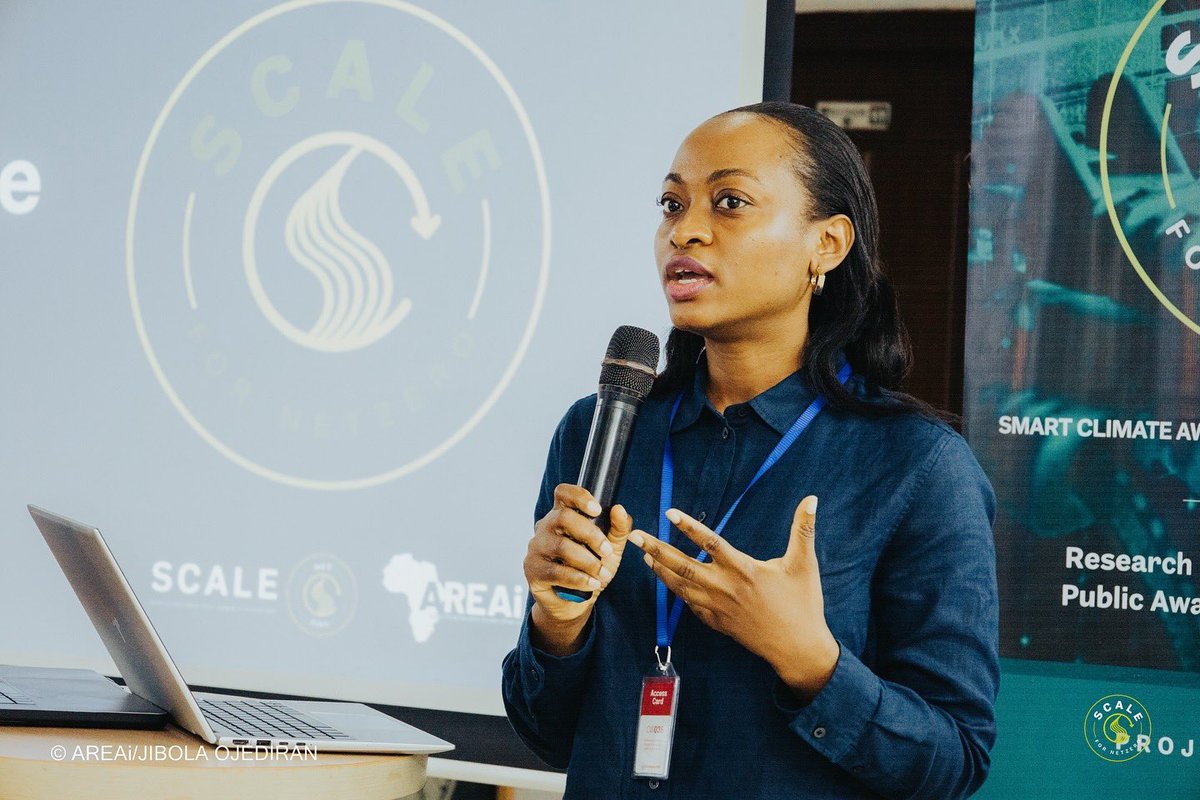
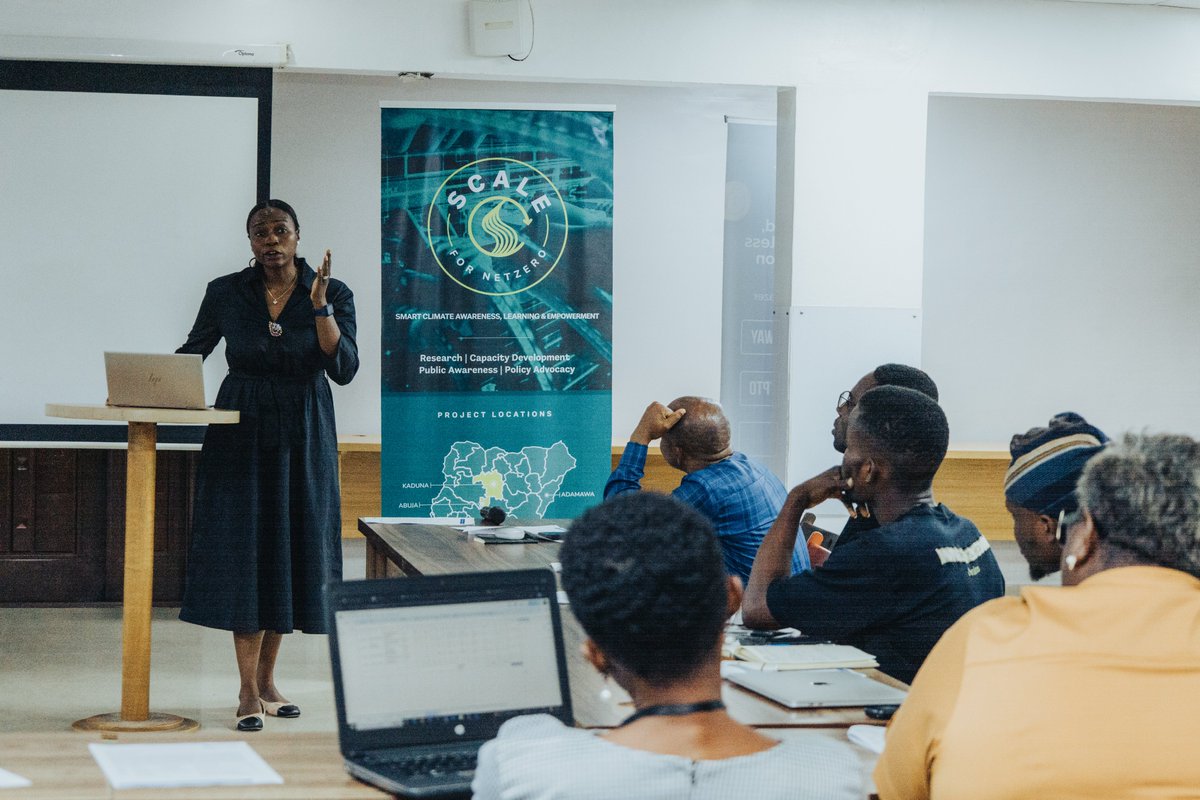
As part of our citizenry engagement strategy, our team was in the city of Lagos for a consultative event with key players in Nigeria's technology ecosystem, including founders of tech startups, innovators, and other tech enthusiasts, to address the issue of responsible disposal of digital waste. With representatives from our funding partners in attendance, the conversation centred around innovative and sustainable solutions for digital waste disposal and minimizing the ecological footprint of the tech sector.
The participants provided innovative solutions and actionable strategies for responsibly disposing of digital waste, reducing the tech sector's environmental footprint, and promoting sustainability in the booming tech industry.
Solutions like digital recycling programs, eco-friendly tech manufacturing, and creating circular economies within the tech sector were discussed. Innovators and entrepreneurs shared case studies on successful digital waste management systems implemented in other regions.
Over the next few weeks, we look forward to engaging in follow-up meetings and workshops to further these discussions and taking concrete actions to ensure Nigeria's tech growth is balanced with environmental sustainability.
#AREAi #AREAi4Africa #SCALEforNetZero #DigitalDevelopment #DigitalAccess #EcosystemRegulators #FCDO

1
3
14
1,032

21 Sep 2024
Leading the @Areai4Africa team on another remarkable partnership with the @FCDODigital @UKinNigeria team through a yearlong #SCALEForNetZero programme aimed at fostering digital sobriety through a series of awareness, knowledge development and policy advocacy activities.
20 Sep 2024

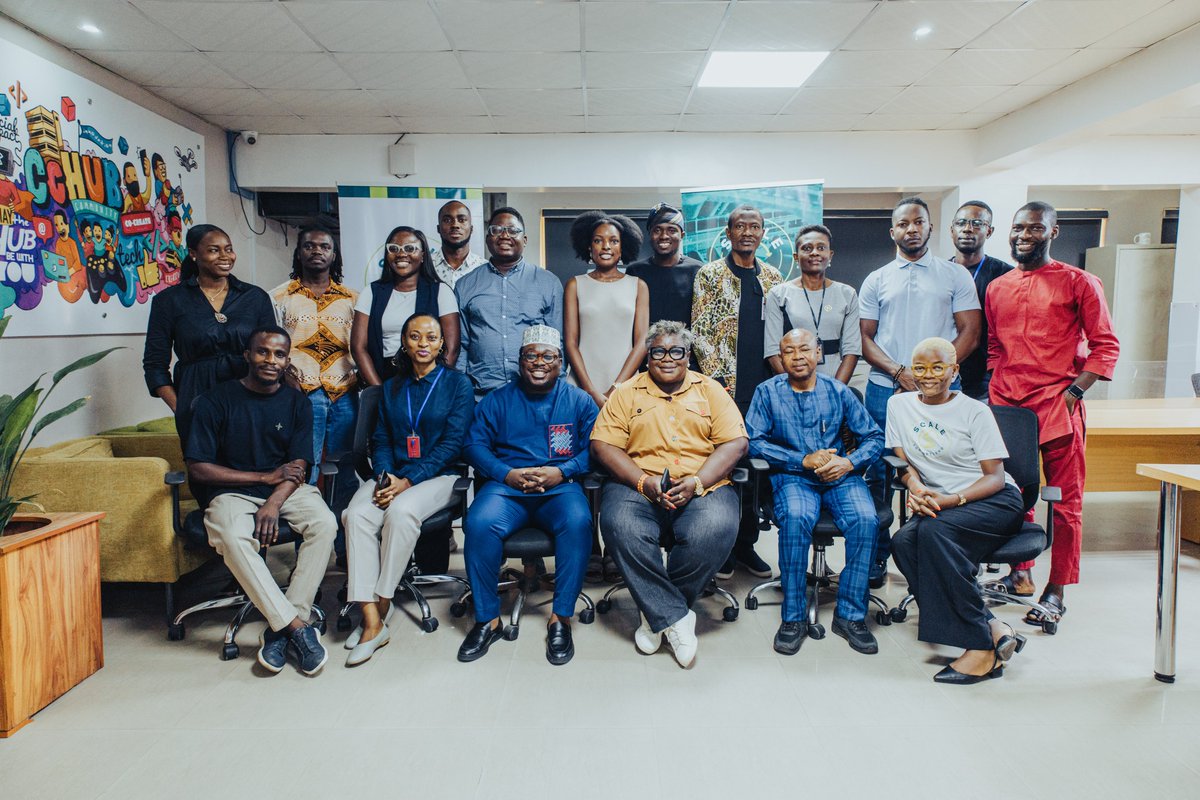
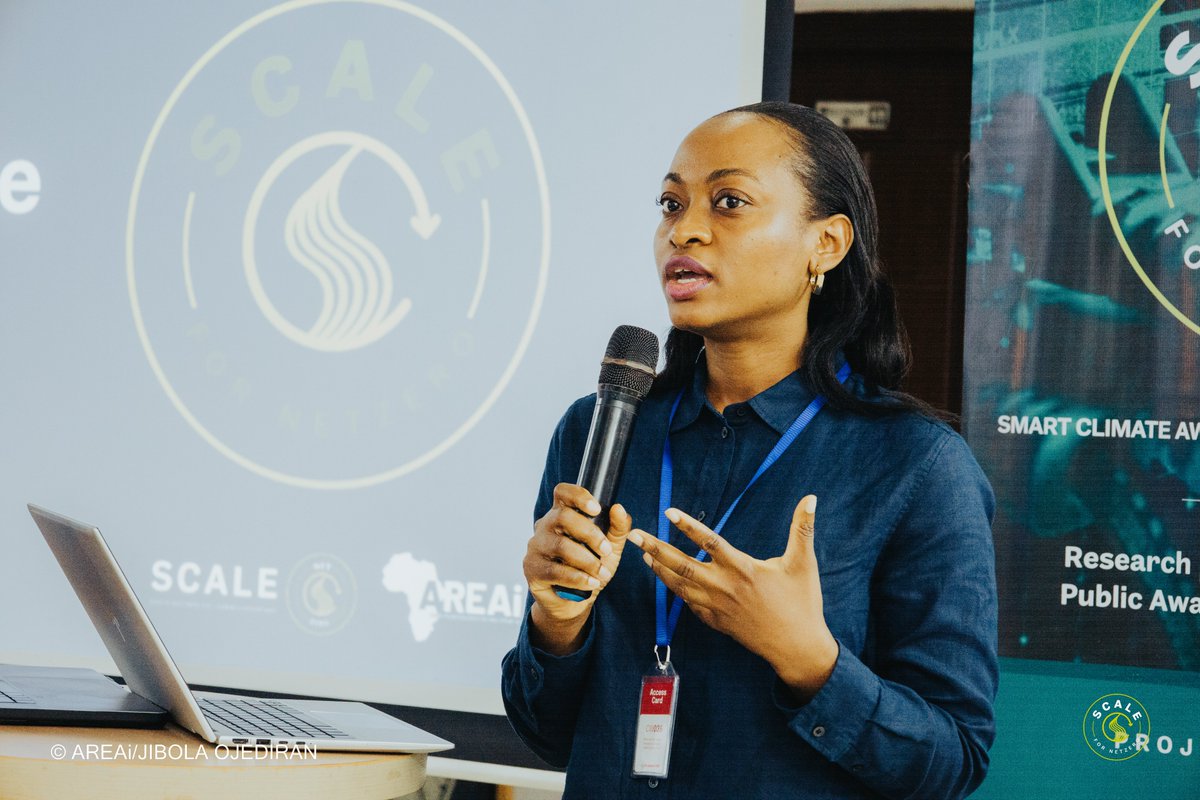
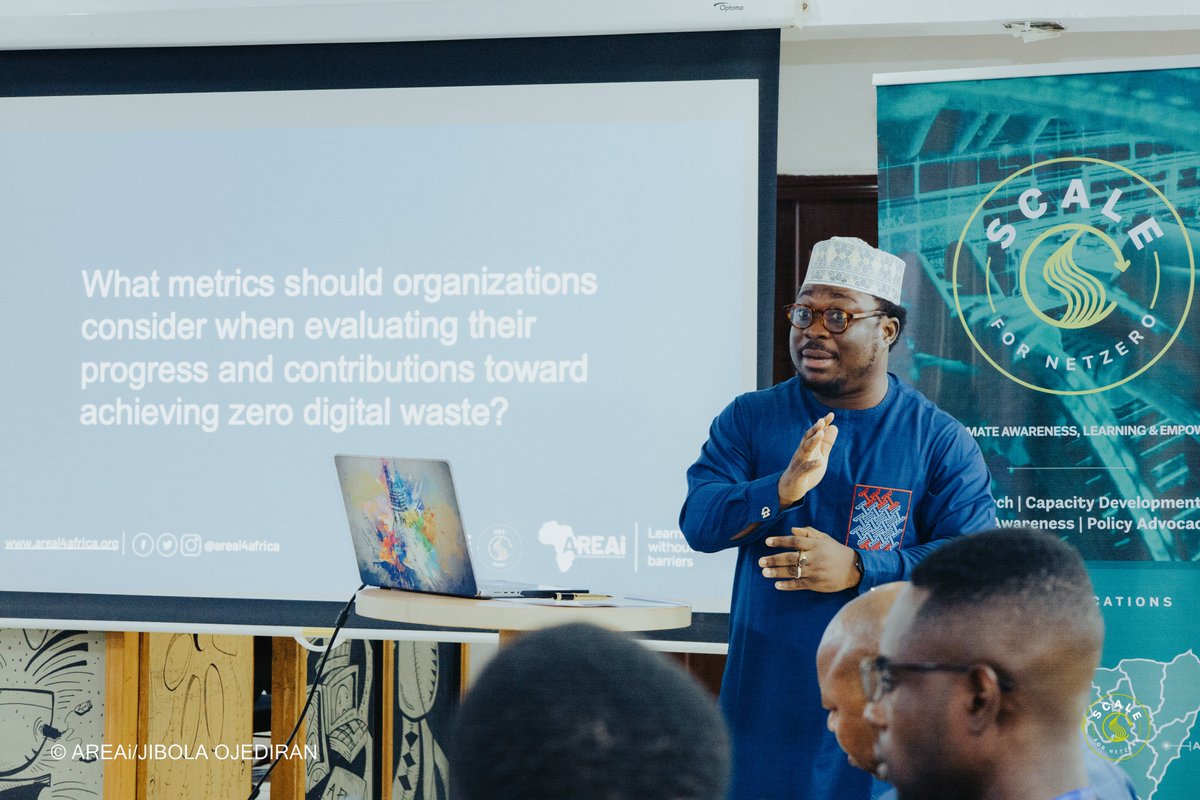
Continuing the UK Digital Access Programme funded-work with @Areai4Africa on smart climate awareness, a consultative session was held in Lagos @Cc_Hub, deep-diving into sustainable solutions to minimize e-waste & tech-driven environmental impacts.
#SCALEforNetZero @FCDODigital
2
6
34
1,497