
16 Aug 2025
Do PHP prepared statements prepare for date night or just database queries?
Source: devhubby.com/thread/what-is-…
#SQLInjectionPrevention #DatabaseManagement #PHPSecurity #CodeSecure
4
12

30 Oct 2024
🛡️ Prevent SQL injection with parameterized queries.
How-To: Use parameterized queries or prepared statements in your database layer to prevent SQL injection attacks.
#SQLInjectionPrevention #DatabaseSecurity #SmartSnippet
1
3
46

18 Sep 2024
How to Prevent Blind SQL Injection🔒💻 #SQLInjectionPrevention #BlindSQLInjection #CyberSecurity #AppSecurity #SecureCode #infosecurity #PreventBlindSQLInjection #SQLInjectionPreventionTechniques #BlindSQLInjectionDefense #SecureSQLQuerie #ProtectAgainstSQLInjection #SQLInjection
40
18 Jul 2024
A03:2021 - Injection Attacks 💉#Injectionattacks #SQLInjection #CommandInjection #CodeInjection #Injectionvulnerability #PreventingInjection #Injectionmitigation #Securecodingpractice
#OWASPInjection #SQLInjectionprevention #CommandInjectionprotection
👇
youtu.be/nJIizqNRhMg

18
23 May 2024
SQL injection attacks can steal your data! 🚨 Learn how they work and how to protect yourself. #CyberSecurity #SQLInjection #SQLInjectionAttack #SQLInjectionPrevention #DataProtection #DatabaseSecurity #WebSecurity #Hacking #CyberAttacks #DataBreach #SQLInjectionVulnerability
1
10

17 May 2024
Defending Your Web Application: Understanding and Preventing SQL Injection Attacks
elevatedsec.com/defending-yo…
#SQLInjection
#WebSecurity
#CyberSecurity
#AppSec
#WebApplicationSecurity
#SecureCoding
#SQLInjectionPrevention
#WebAppDefenses
17

10 May 2024
Don't let SQL injections ruin your day! ☠️ Use prepared statements and parameterized queries to safeguard your web apps. How do you defend against this threat? Let's discuss! #SQLinjectionPrevention
6

17 Apr 2024
🔒 Website security is more important than ever in our digital age. To protect your website from common threats, it's crucial to stay vigilant. Here are some of the most common website security threats and how to defend against them:
1️⃣ Malware: Install up-to-date antivirus software on your website server and regularly scan for suspicious files or code.
2️⃣ Phishing Attacks: Educate users on how to recognize and avoid phishing attempts. Implement multi-factor authentication for an added layer of security.
3️⃣ Cross-Site Scripting (XSS): Use input validation to prevent users from injecting malicious code into your website's forms or search bars.
4️⃣ SQL Injection: Use parameterized queries when interacting with your website's database to prevent attackers from injecting malicious code.
5️⃣ DDoS Attacks: Use a Web Application Firewall (WAF) to filter out malicious traffic and protect your website's servers from being overwhelmed.
Stay proactive and keep your website and users safe by being aware of these common security threats and taking necessary precautions.
🔐 Read more: gname.com/news/2024041113041…
#WebsiteSecurity #OnlineSafety #Cybersecurity #MalwareProtection #PhishingPrevention #XSSDefense #SQLInjectionPrevention #DDoSProtection #WebSecurity #StaySafe

173

21 Jan 2024
"Guard against the silent intruder! SQL Injection exploits vulnerabilities. Defend with:
1. 🚫 Input Validation: Filter user inputs.
2. 🔐 Parameterized Queries: Use prepared statements.
3. 🔄 Regular Audits: Monitor for unusual database activity.
4. 🛡️ Web Application Firewall: Add an extra layer.
5. 💻 Stay Updated: Keep software patched.
Shield your databases from SQL Injection threats! 🌐🛡️ SQLInjectionPrevention’’
5
2
151
18 Jan 2024
"Guard against the silent intruder! SQL Injection exploits vulnerabilities. Defend with:
1. 🚫 Input Validation: Filter user inputs.
2. 🔐 Parameterized Queries: Use prepared statements.
3. 🔄 Regular Audits: Monitor for unusual database activity.
4. 🛡️ Web Application Firewall: Add an extra layer.
5. 💻 Stay Updated: Keep software patched.
Shield your databases from SQL Injection threats! 🛡️ SQLInjectionPrevention ‘’

7
2
7
393

What does SQL Injection mean? ❗️
In today's digital age, cybersecurity is of paramount importance, as businesses and individuals store and transmit sensitive information through various online platforms. One of the vulnerabilities that has been exploited by cybercriminals is SQL injection. This technique poses a serious threat to databases and can result in unauthorized access to sensitive information. In this article, we will delve into the world of SQL injection, understanding what it is, how it works, and most importantly, how to prevent it.
Read on 👉 valevpn.com/post/what-does-s…
#SQLInjection #Cybersecurity #DatabaseSecurity #SQLAttacks #WebApplicationSecurity #DataProtection #SecureCoding #SQLQueries #InputValidation #PreventCyberAttacks #WAF #DataPrivacy #SQLInjectionPrevention #CyberThreats

2
217

Did you know that SQL injections can compromise your online security? 😱
Let's learn how to prevent them with input validation and parameterized queries!
#OnlineSecurity #SQLInjectionPrevention
youtube.com/watch?v=06tSzBev…
1
71

3 Apr 2023
2. Use parameterized queries & prepared statements for secure SQL queries.
Ex: Without -> $sql = SELECT * FROM users WHERE username='$username'
Ex: With -> $stmt = $pdo->prepare(SELECT * FROM users WHERE username=?);
$stmt->execute([$username]); #SQLinjectionprevention
1
72

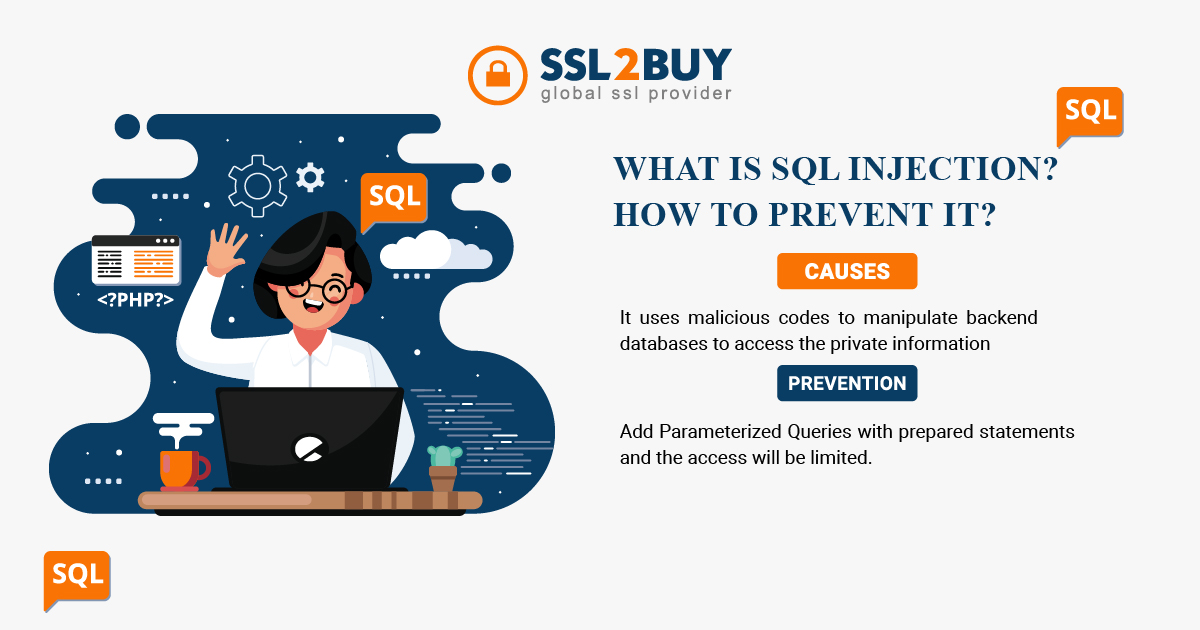
Protect your website from SQL Injection attack and make it secure for visitors.
#sqlinjectinon #SQLInjection #sqlinjectionprevention #websecurity #cybersecurity #cybersecurityawareness

15 Jul 2020
If you want to protect your website or web application from SQL injection, in this blog you will learn about all of the #SQL #injection methods and how to prevent them.
Click now : bit.ly/2Ot9T8Z
#website #hack #vulnerability #webapp #sqlinjectionprevention #attack
1

10 Apr 2018
How nearForm Approaches SQL Injection Prevention #security #vulnerabilities #sqlinjection #sqlinjectionprevention dzone.com/articles/how-nearf…

1 Aug 2013
"We wrote our own ORM that generates SQL to get around that bug in ADO.NET" #SqlInjectionPrevention
2

@tjaap (ten overvloede) wel ff inval($input) gebruiken voordat je dat nummer in een database query gebruikt ;-) #sqlinjectionprevention
2