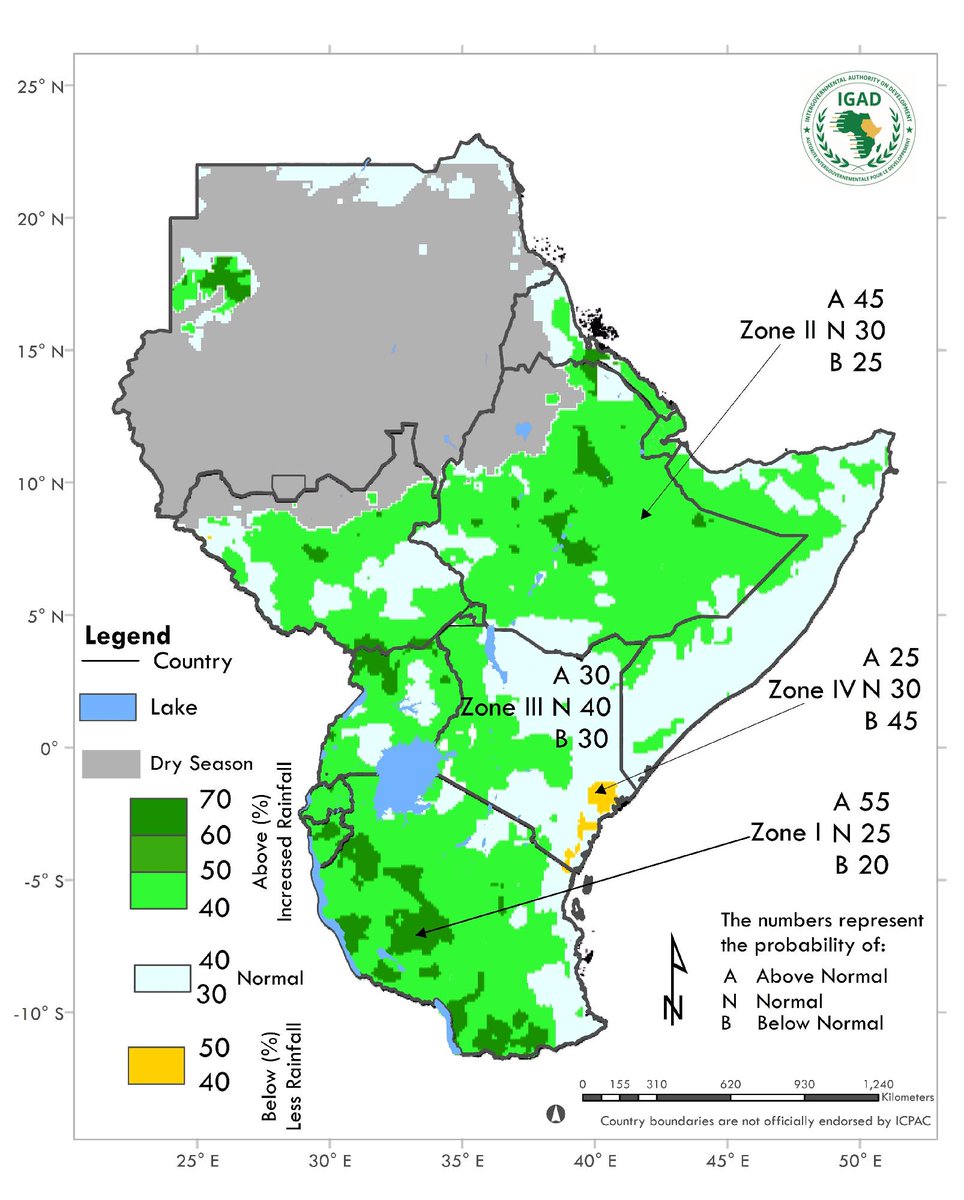
🌧️ Wetter-than-normal conditions expected across much of the Greater Horn of Africa from March to May.
This is an important rainfall season, especially in the equatorial parts of the region.
#ScienceForAction
@IGADsecretariat @IGAD_CPAC
🔗 bit.ly/3Z4GAOr
2
13
26
2,020
🌏 ✨ Surprises in the climate system ✨🌏
Learn why research on climate tipping points is important for countries who need to prepare for and adapt to possible changes in the climate system and associated impacts.
#WMO #ScienceForAction
13
40
214
2,950
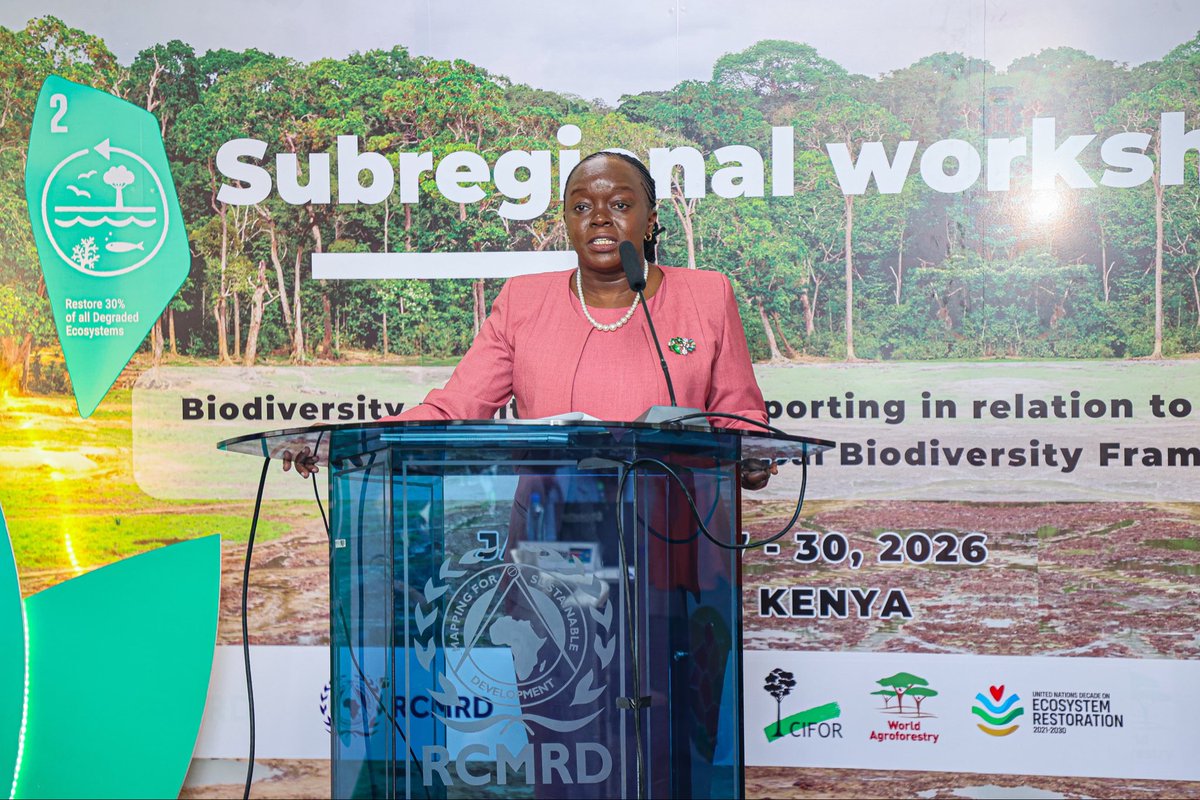
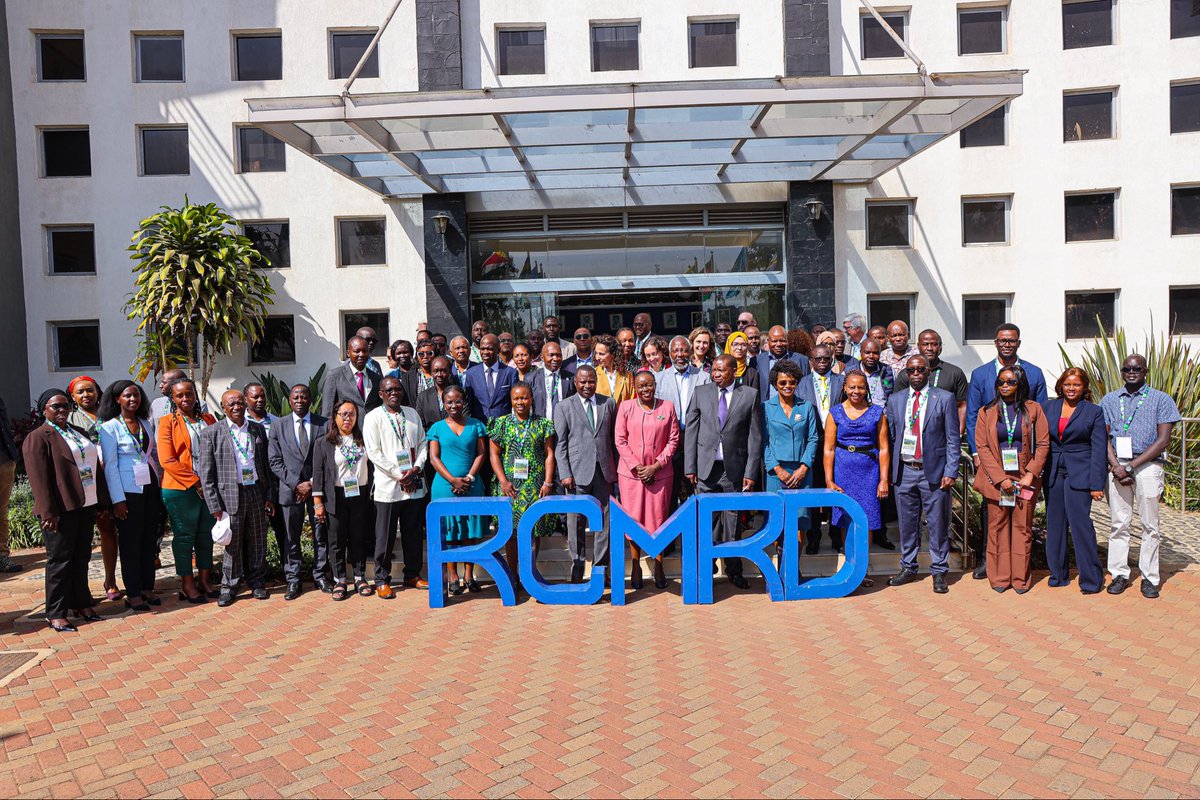
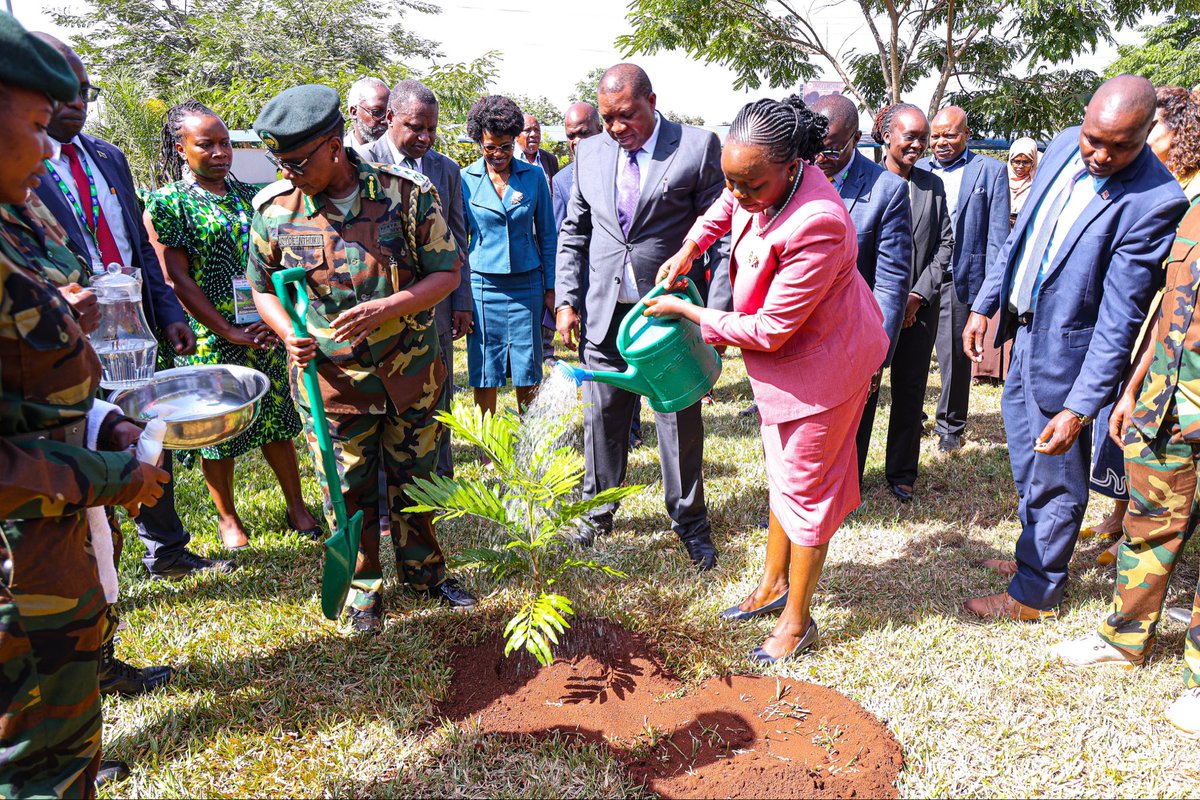
Kenya is proud to host this gathering at the Regional Centre for Mapping of Resources for Development (@RCMRD_ ), a cornerstone institution for our nation and the wider African region. It is therefore an honour to officiate the opening of this pivotal Subregional Workshop on Biodiversity Monitoring and Reporting for Target 2 of the Kunming-Montreal Global Biodiversity Framework.
Our collective presence underscores a shared truth: the vitality of our forests, rivers, wetlands and coastlines is non-negotiable. These ecosystems, many under severe threat, are the bedrock of our water security, food systems, livelihoods and climate resilience. Restoration is not merely an environmental act; it is an investment in our collective future.
However, commitment alone is insufficient. The credibility of our global promise rests on our ability to measure, report and verify progress. This workshop is therefore critical, it is where ambition is translated into actionable, evidence-based strategies.
Kenya extends its profound gratitude to the Secretariat of the Convention on Biological Diversity for entrusting this region and RCMRD specifically, with this strategic role. We also acknowledge the indispensable technical partnership of the FAO-UN and our development partners for their sustained support.
The KMGBF represents a decisive global shift from ambition to implementation. Target 2, focusing on restoring 30% of degraded ecosystems by 2030, is central to this mission. For Africa, achieving this is both an ecological imperative and a core developmental priority.
As we look towards CBD COP17 in 2026, the world’s focus will be on demonstrable results. Africa has both an opportunity and a responsibility to lead with implementation, backed by robust science and coherent regional data. Fragmented efforts will not suffice.
It is in this context that Kenya is immensely proud to formally launch RCMRD as a Sub-Regional Technical and Scientific Cooperation Support Centre under the CBD. This designation is timely and strategic. The Centre will be instrumental in harmonizing monitoring methodologies, leveraging geospatial data, and building the capacity for transparent, credible reporting across our continent.
In Kenya, our national restoration drive, including the 15 Billion Trees Programme, is integral to our Bottom-Up Economic Transformation Agenda (BETA). We are placing communities at the heart of restoration, generating sustainable livelihoods while directly contributing to global biodiversity targets. The success of such large-scale initiatives depends on the precise monitoring frameworks that this workshop and RCMRD’s new mandate will bolster.
Kenya reaffirms its unwavering commitment to the CBD and to fostering regional collaboration. I am confident that with strengthened institutions like RCMRD, Africa will speak with a united, evidence-powered voice on the global stage, turning commitments into tangible outcomes for nature and people.
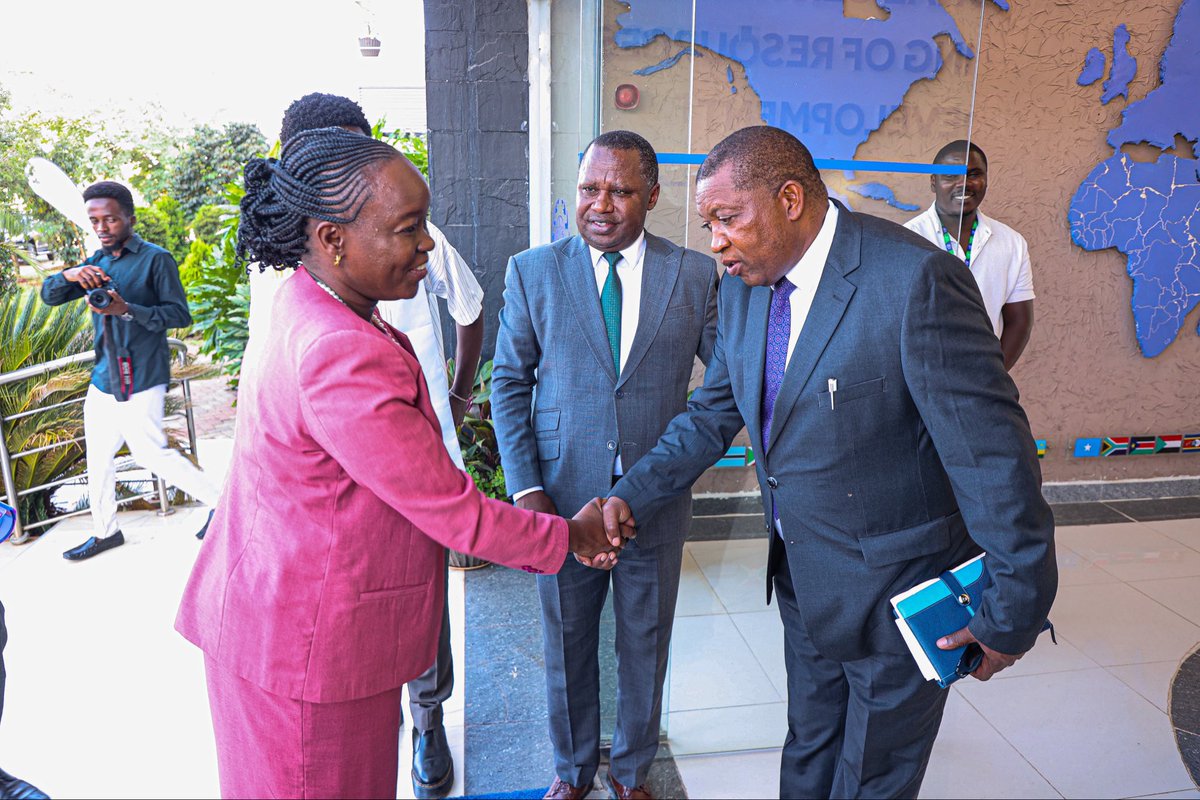
I wish to extend my personal appreciation to Dr. Emmanuel Nkurunziza, Director General of RCMRD, and to Mr. Patrick Mucheleka, Chairperson of the RCMRD Governing Council and Permanent Secretary for the Ministry of Lands and Natural Resources of the Republic of Zambia, for their gracious welcome and steadfast leadership in advancing our regional environmental agenda.
@Environment_Ke
@mlnrzm64
@FAO
#BiodiversityFramework #EcosystemRestoration #Target2 #COP17CBD #ScienceForAction
5
11
759
The @WCRP_climate delivers the cutting‑edge climate science governments rely on — from global projections to sea‑level rise insights – to support WMO Members and decision-makers worldwide
#ClimateScience #WCRP #WMO #ScienceforAction
8
20
275
4,553
🌩️ AI is transforming weather forecasting 🌩️
AI makes it more affordable for all countries to run their own weather forecasting models, enhancing accessibility & resilience, and research is critical to ensure they are reliable to forecast extreme weather.
#AI #ScienceForAction
6
41
222
3,789
🔓 Unlocking game-changing opportunities with data 🔓
Machine learning & data-driven methods enable faster experiments, exploration of untapped datasets for weather forecasting, and enhanced cross-sectoral collaboration.
#WMO #ScienceForAction
4
11
139
2,601
@WCRP_climate's APARC releases a landmark report on global atmospheric impacts of the 2022 Hunga volcanic eruption
159 scientists. 21 countries. 3 years. One report.
More information here: bit.ly/493hOmz
#WCRP #APARC #ScienceforAction #HungaEruption
1
4
12
640
@WCRP_climate's APARC releases a landmark report on global atmospheric impacts of the 2022 Hunga volcanic eruption
159 scientists. 21 countries. 3 years. One report.
More information here: bit.ly/493hOmz
#WCRP #APARC #ScienceforAction #HungaEruption
11
34
1,865
💧 WMO is advancing operational hydrology research by:
✅ Advocating for global hydrological data & monitoring
✅ Identifying state-of-the-art tools & methods
✅ Building partnerships across science, services & the private sector
#WMO #ScienceForAction #Hydrology
8
32
211
4,379
🌍 What’s the next big thing in weather, climate, water and environmental science?
The WMO Scientific Advisory Panel looks beyond the horizon to shape the next era of services for society driven by emerging scientific opportunities.
#WMO #ScienceForAction
4
45
228
4,497
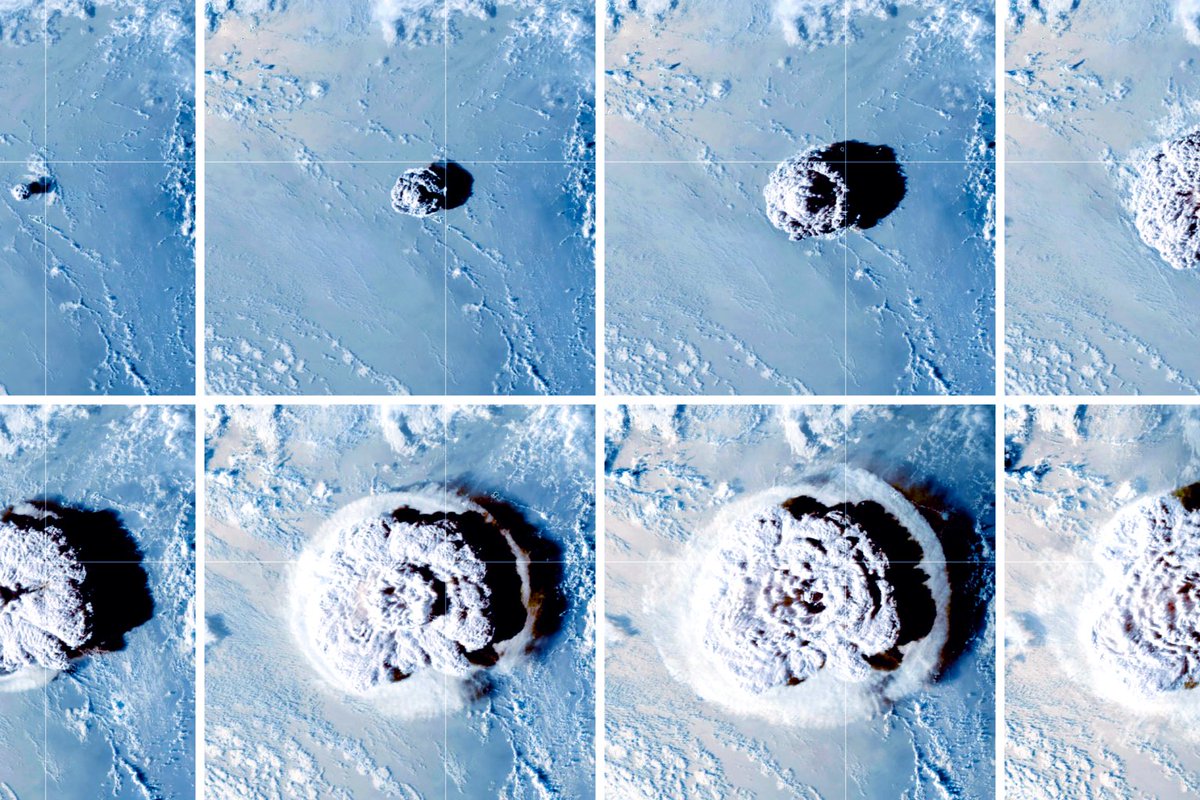
@WCRP_climate's APARC releases a landmark report on global atmospheric impacts of the 2022 Hunga volcanic eruption
159 scientists. 21 countries. 3 years. One report.
More information here: bit.ly/493hOmz
#WCRP #APARC #ScienceforAction #HungaEruption
1
23
71
6,291

22 Dec 2025
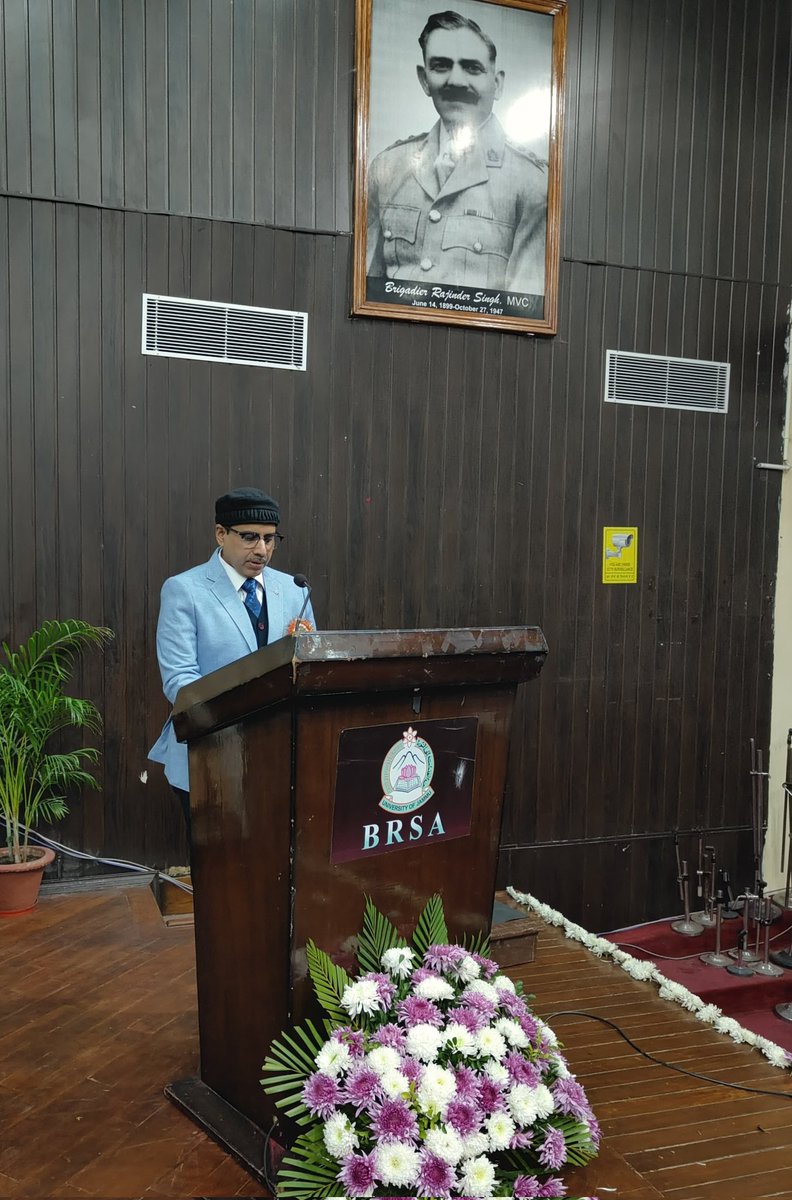
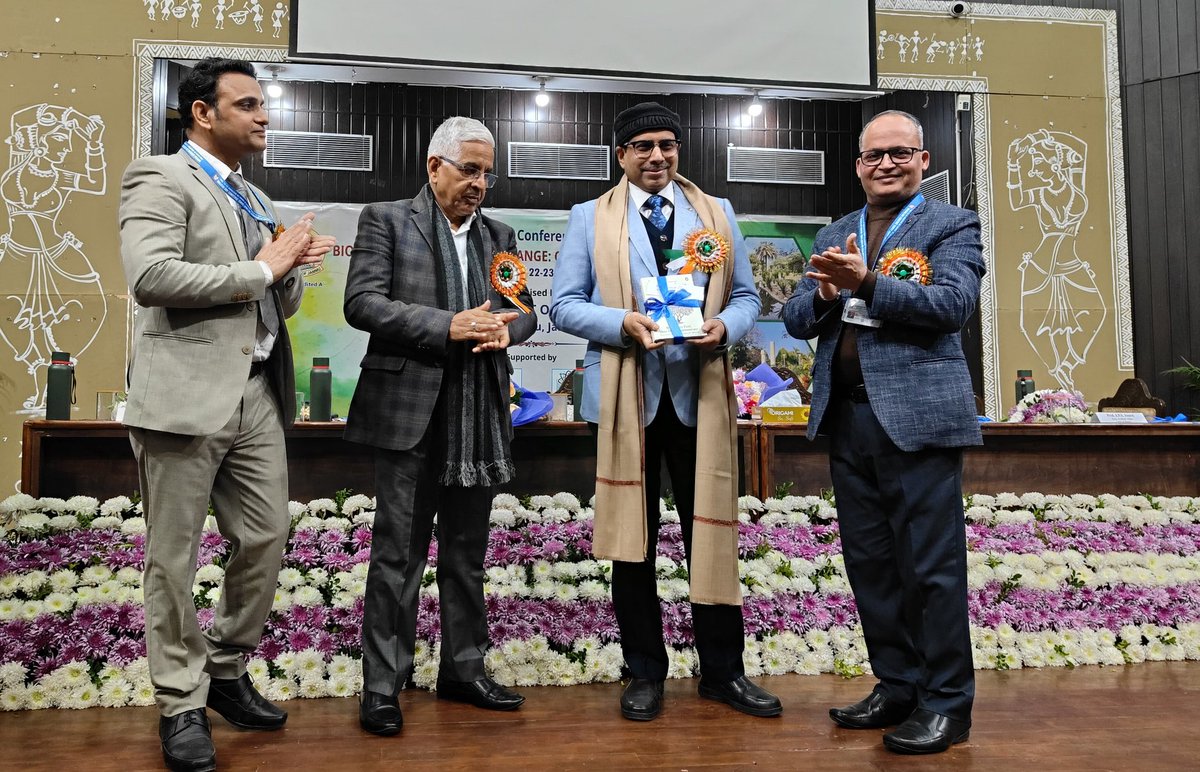
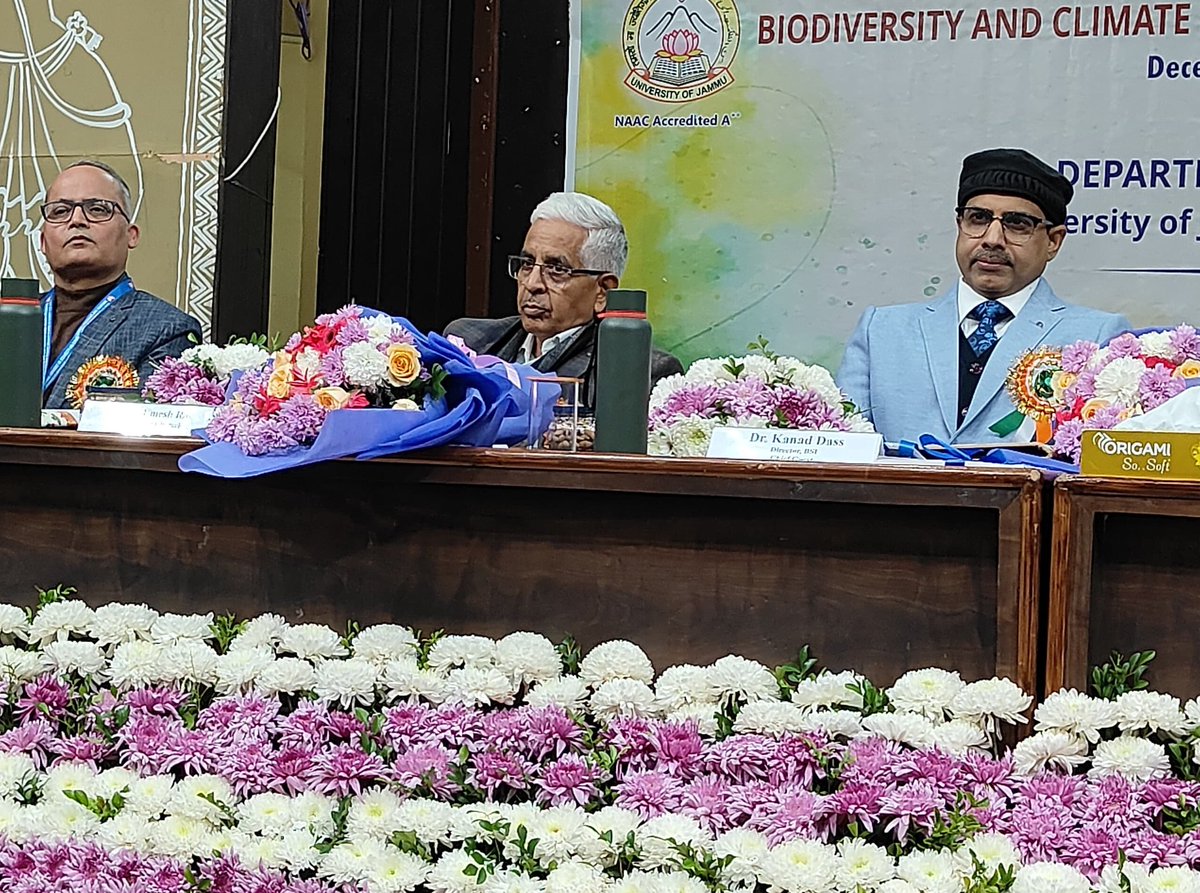
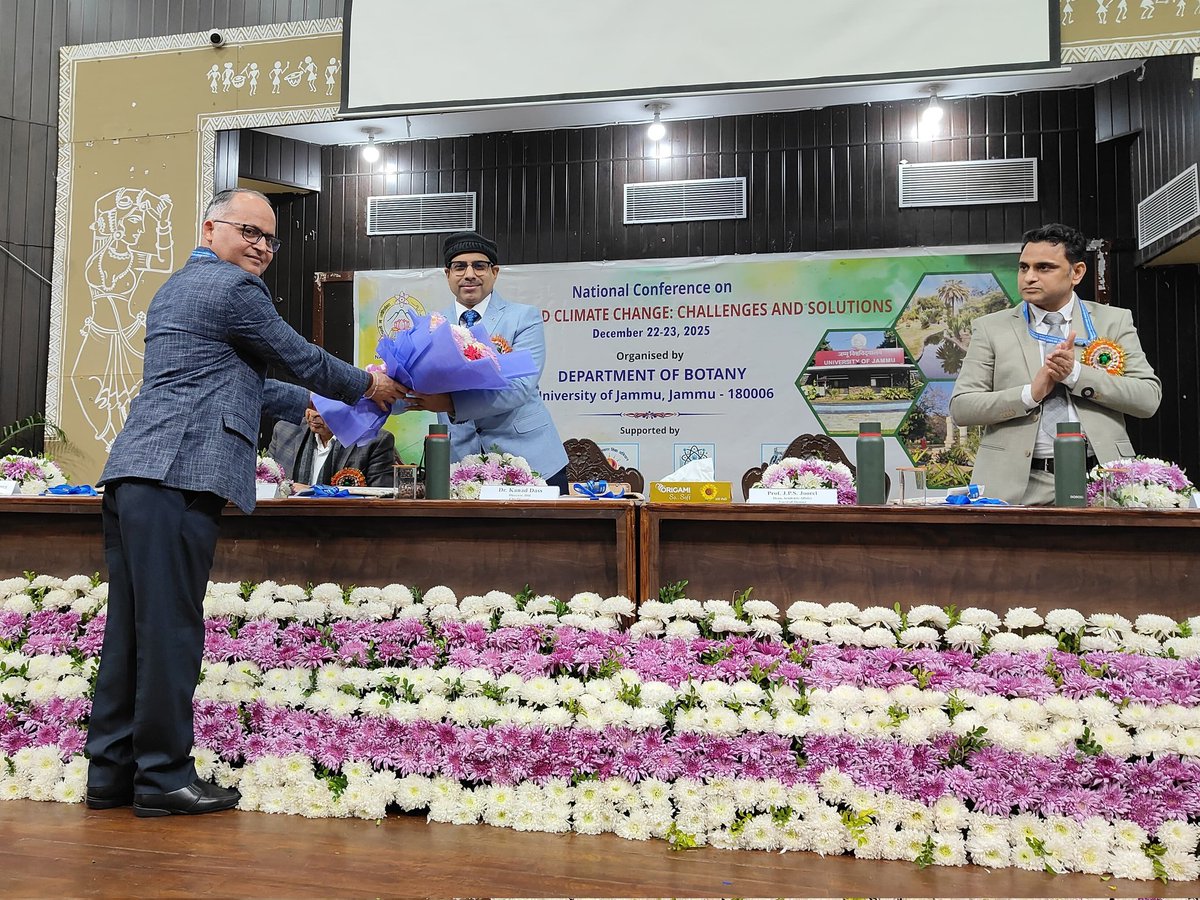
🌿🌏 Dr. Kanad Das, Director of the Botanical Survey of India (BSI), graced the inaugural session of National Conference on Biodiversity and Climate Change: Challenges and Solutions #NCBCCCS2025 hosted and organized by the *lDepartment of Botany, University of Jammu @UniversityJammu as Chief Guest and delivered an inspiring keynote address.
In his talk, Dr. Das reminded us that biodiversity is far more than a list of species — it forms the very backbone of life and the unseen force holding our planet in balance.* 🌱
Highlighting the deep connection between biodiversity loss and climate change, he called for a shift from linear and extractive economies* toward 🔄 circular and regenerative systems. He also underlined the need to bridge the gap between scientific knowledge and effective policy action.
Dr. Das emphasized the vital role of #BSI in biodiversity research, conservation, and policy support, encouraging young researchers to translate knowledge into meaningful real-world impact. 🌍✨
#BSI #NCBCCCS2025 #Biodiversity #ClimateChange #ScienceForAction #Sustainability @UniversityJammu @ugc_india
10
15
336

21 Dec 2025
🌍 Research drives breakthroughs in weather, climate, water & environmental sciences.
The WMO Research Board turns research into action—mobilizing the international research community to strengthen services that protect lives & property.
#ScienceForAction #WMO
2
13
40
3,330
20 Dec 2025
🌍 The Global Atmosphere Watch Programme provides trusted science and information on air pollutants, greenhouse gases, and other atmospheric constituents that affect our health, climate, and ecosystems.
#GAW #WMO #ScienceforAction
2
24
71
2,737
19 Dec 2025
@WCRP_climate's APARC releases a landmark report on global atmospheric impacts of the 2022 Hunga volcanic eruption
159 scientists. 21 countries. 3 years. One report.
More information here: bit.ly/493hOmz
#WCRP #APARC #ScienceforAction #HungaEruption
3
21
55
4,898
18 Dec 2025
🌩️ In a changing climate, extreme weather is becoming frequent and intense. The World Weather Research Programme transforms cutting‑edge scientific research into actionable information that helps communities stay safe
🔗 bit.ly/490cmAS
#ScienceforAction #WWRP #WMO
4
18
84
2,523

10 Dec 2025
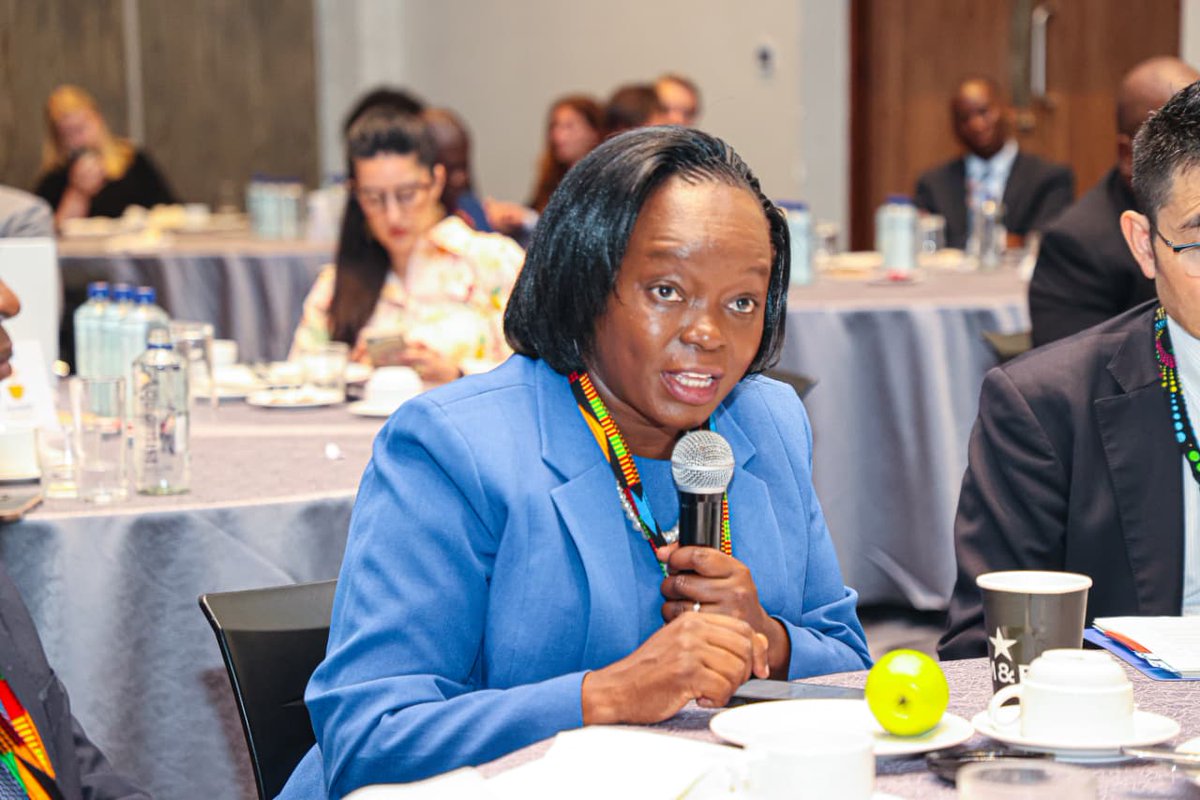
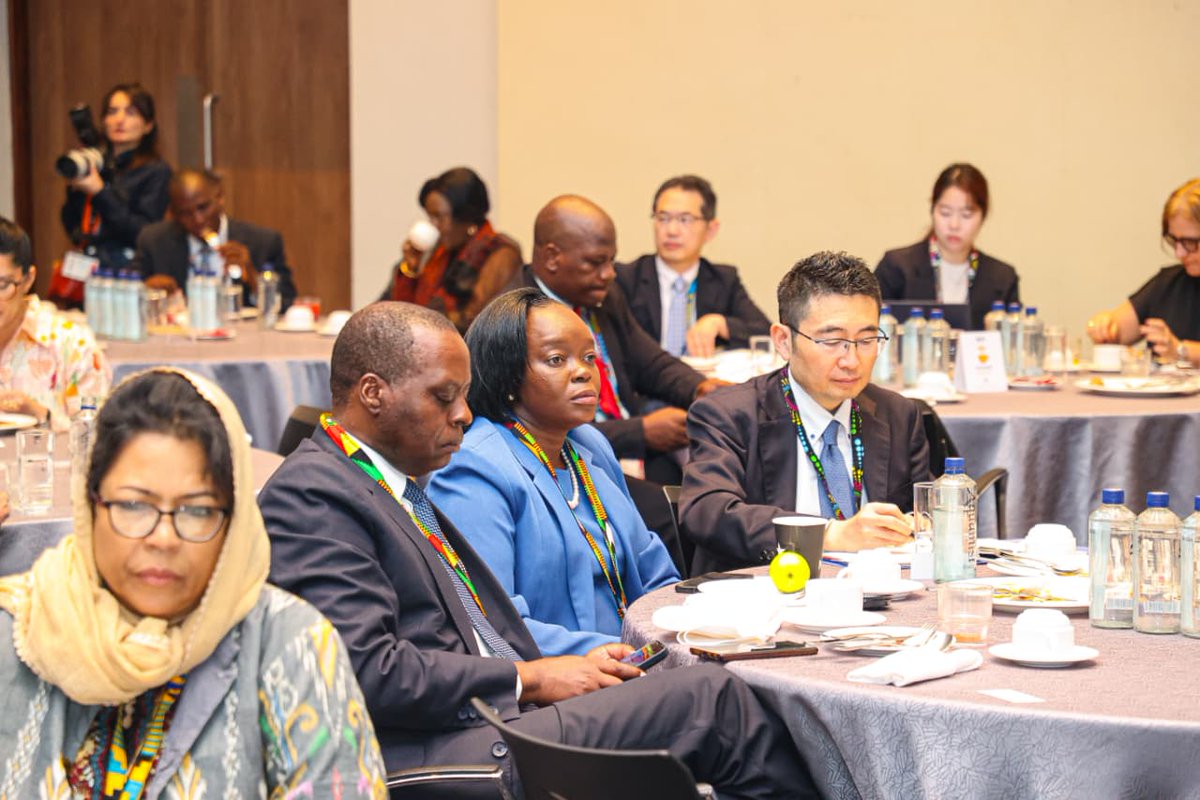
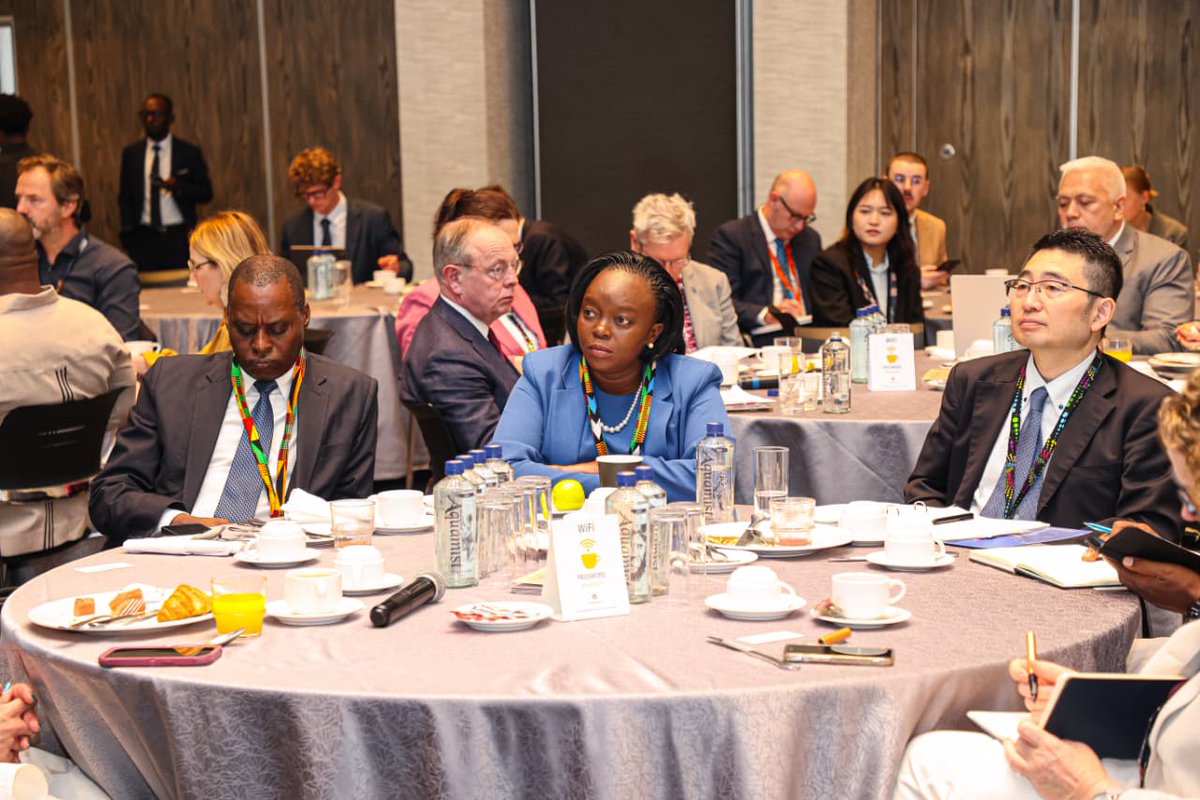
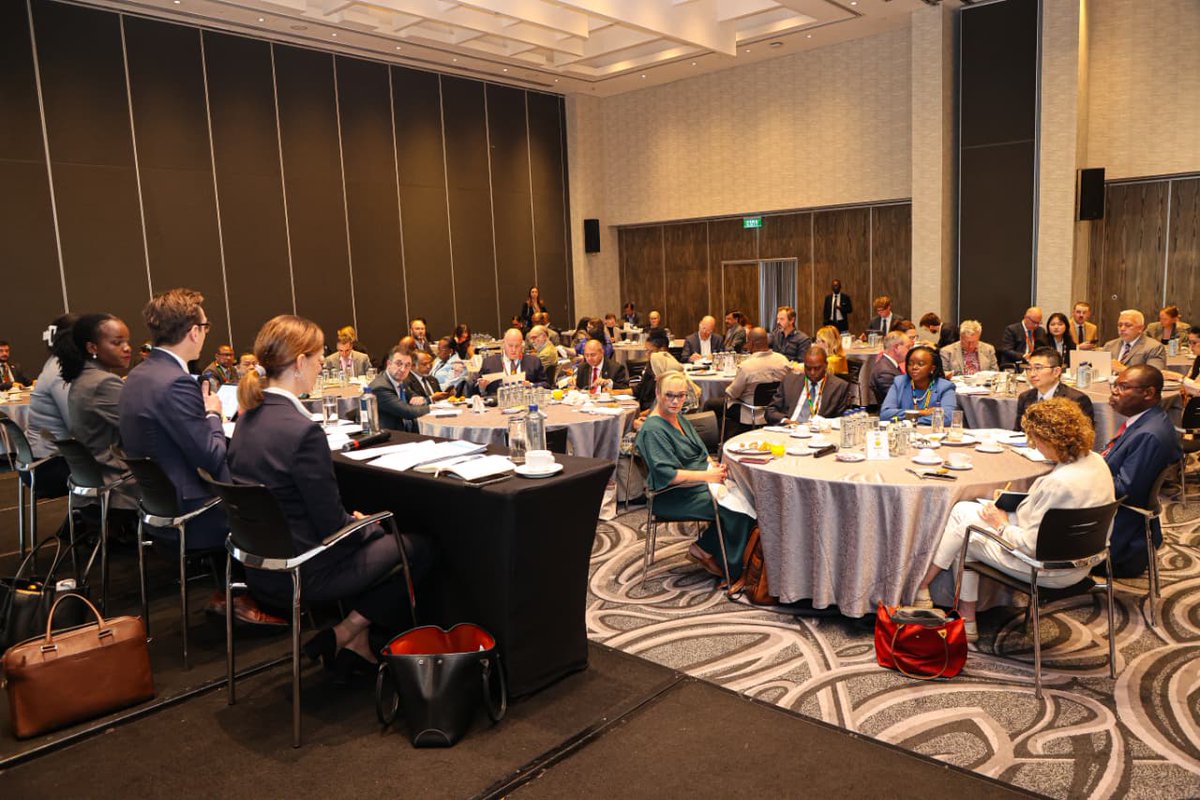
Kenya’s unwavering commitment to a robust, ambitious and implementable global agreement to end plastic pollution is commendable. As an early leader, having enacted the 2017 plastic bag ban and championed circular economy initiatives, we understand the urgency of coordinated international action.
Plastic pollution is a transboundary crisis that no nation can resolve in isolation. A strong global framework that aligns efforts, supports national priorities and drives accountability is essential.
We meet at a pivotal moment. With the upcoming election of the Chair of the Intergovernmental Negotiating Committee on 7 February 2026, we must select a leader capable of navigating both the ideological dynamics of member states and the lessons gained from the six previous INC sessions. Kenya believes that the next Chair must uphold ambition, champion science-based and transparent processes and foster inclusivity throughout the negotiations.
I call on HAC members to rigorously assess candidates, seeking individuals with proven diplomatic skill, strong conviction, and the ability to steer this phase of negotiations toward a truly ambitious global treaty. Given the stark divide between high- and low-ambition positions, rebuilding trust is essential to ensuring no one is left behind.
We must remain faithful to our shared ideology: a treaty that is fit for purpose, uncompromised in ambition, and shielded from over-dilution. #UNEA has mandated an internationally legally binding instrument to end plastic pollution, addressing all stages of the plastic life cycle. That ambition must remain intact.
Kenya acknowledges the divergent positions expressed during INC-5.2. Bridging these gaps requires proactive bilateral and plurilateral engagements, such as today’s meeting, particularly around life-cycle approaches, production controls, financing, and key definitions. Kenya stands ready to continue acting as a bridge-builder and urges all HAC member states to leverage their diplomatic networks to maintain momentum and avoid deadlock.
As we move forward, our work must be anchored in the best available science, covering chemicals of concern, microplastics, life-cycle impacts and environmental risks. Establishing an independent science body may be critical to informing treaty implementation.
In conclusion, Kenya remains fully committed to bridging positions, offering constructive solutions, and ensuring that science, integrity and ambition remain at the heart of the global plastics treaty.
@Environment_Ke
@UNEP
@HACplastic
#EndPlasticPollution #GlobalPlasticsTreaty #KenyaLeads #SustainableFutureNow #ScienceForAction
1
1
8
472

5 Dec 2025
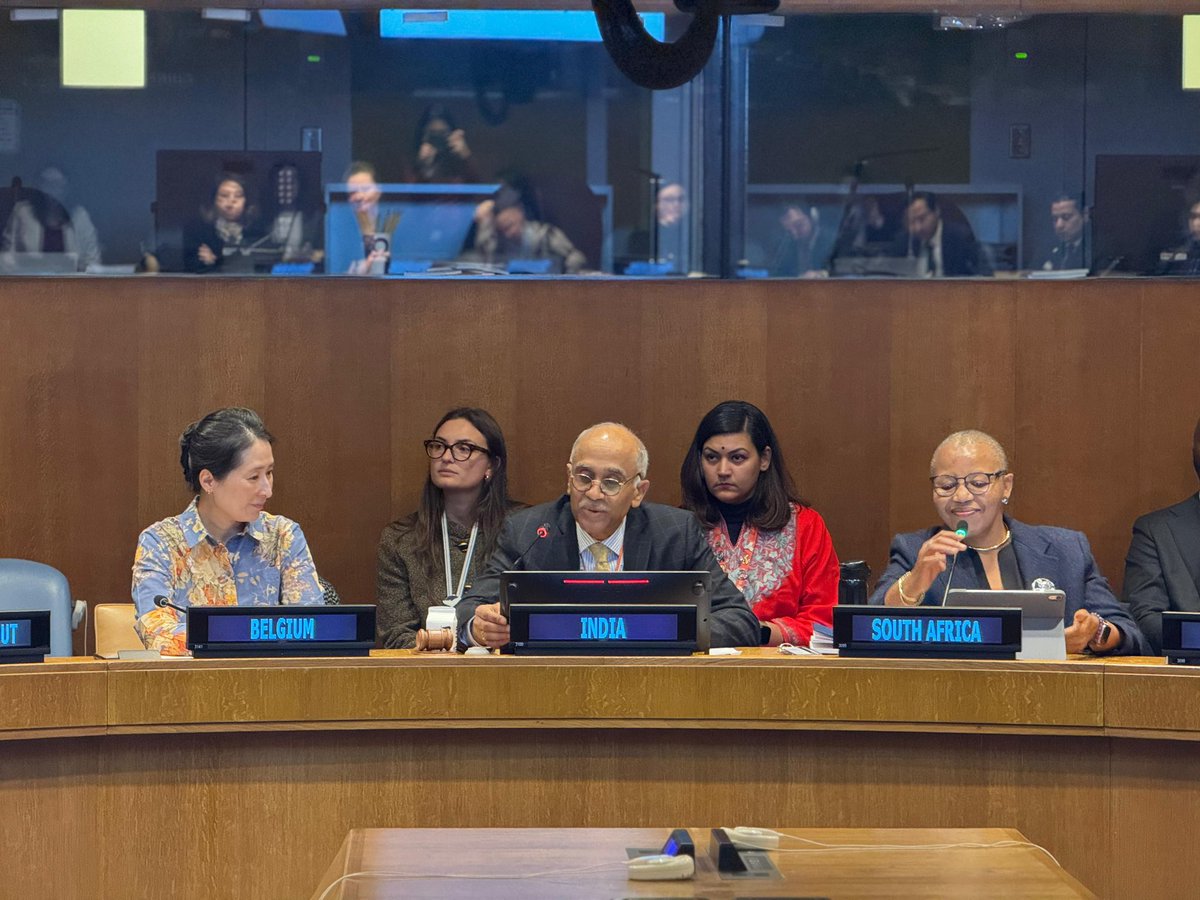
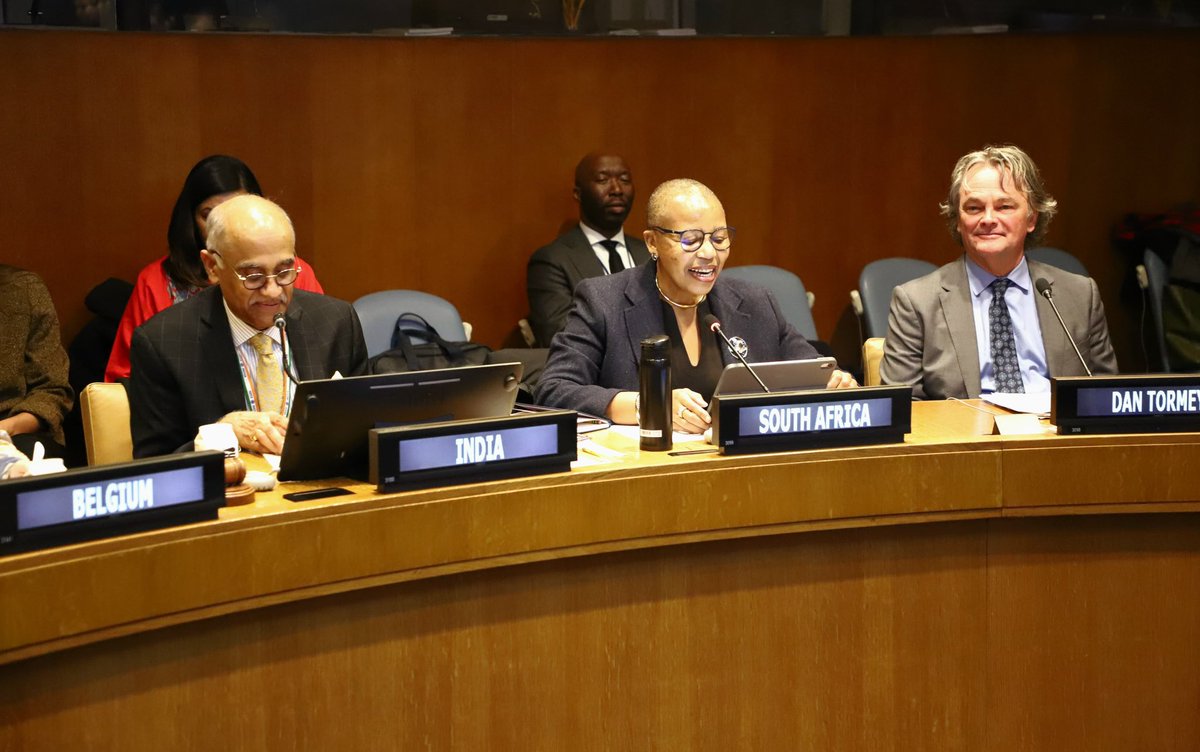
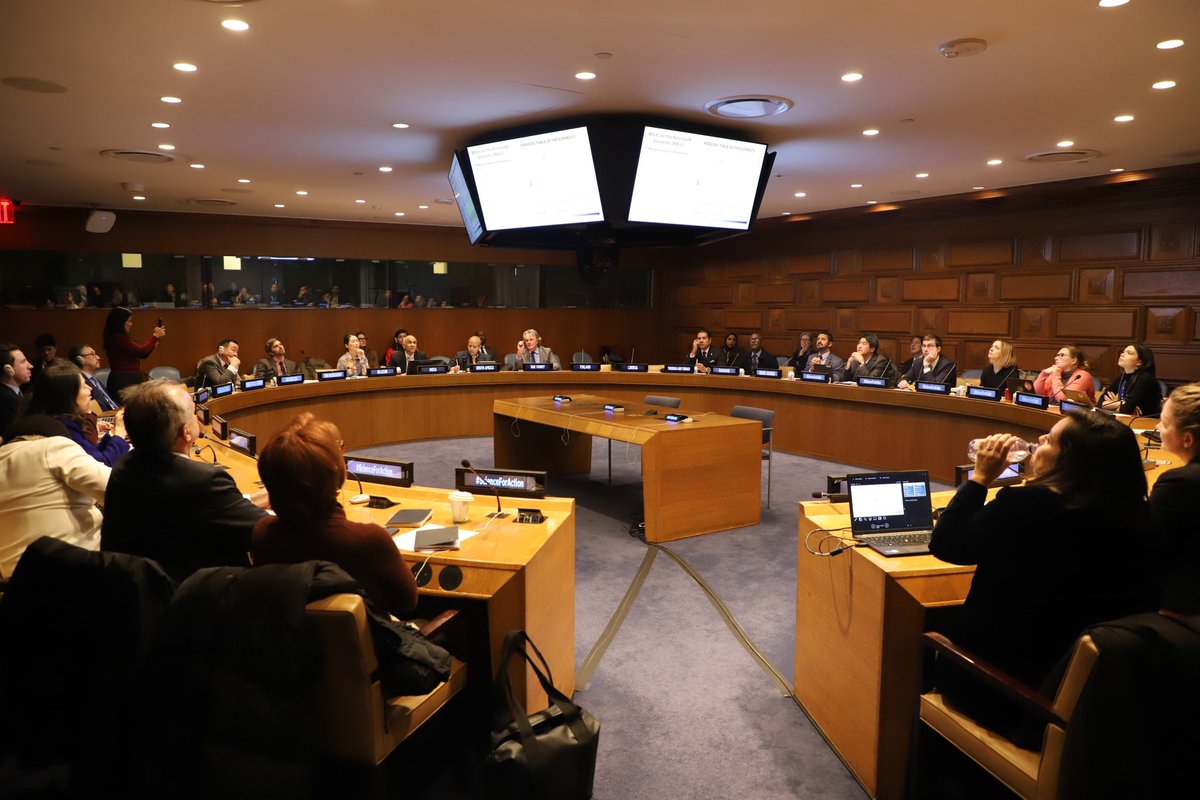
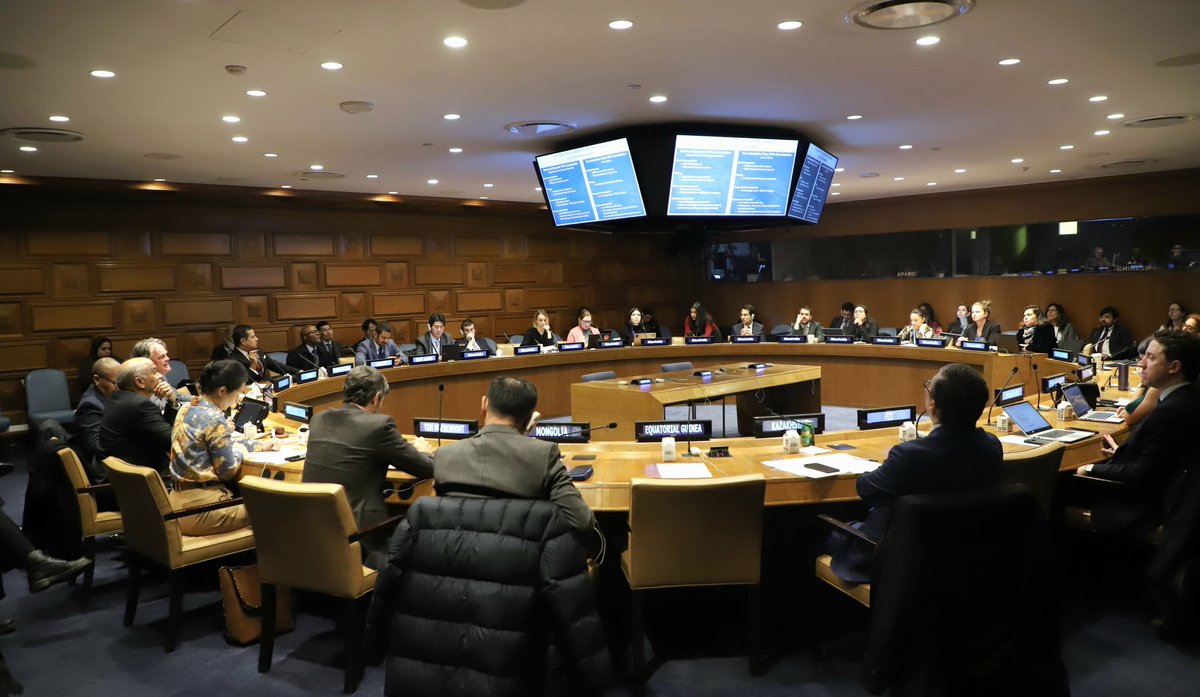
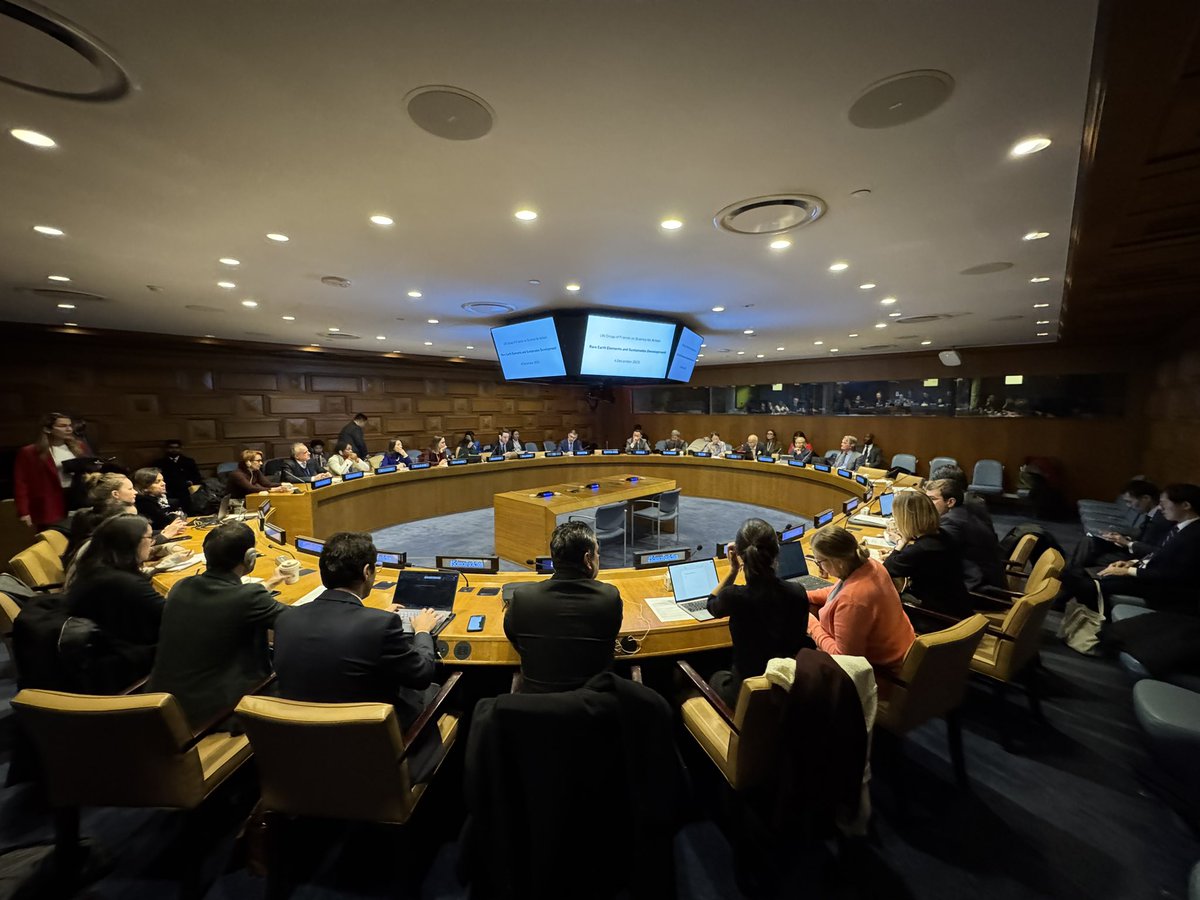
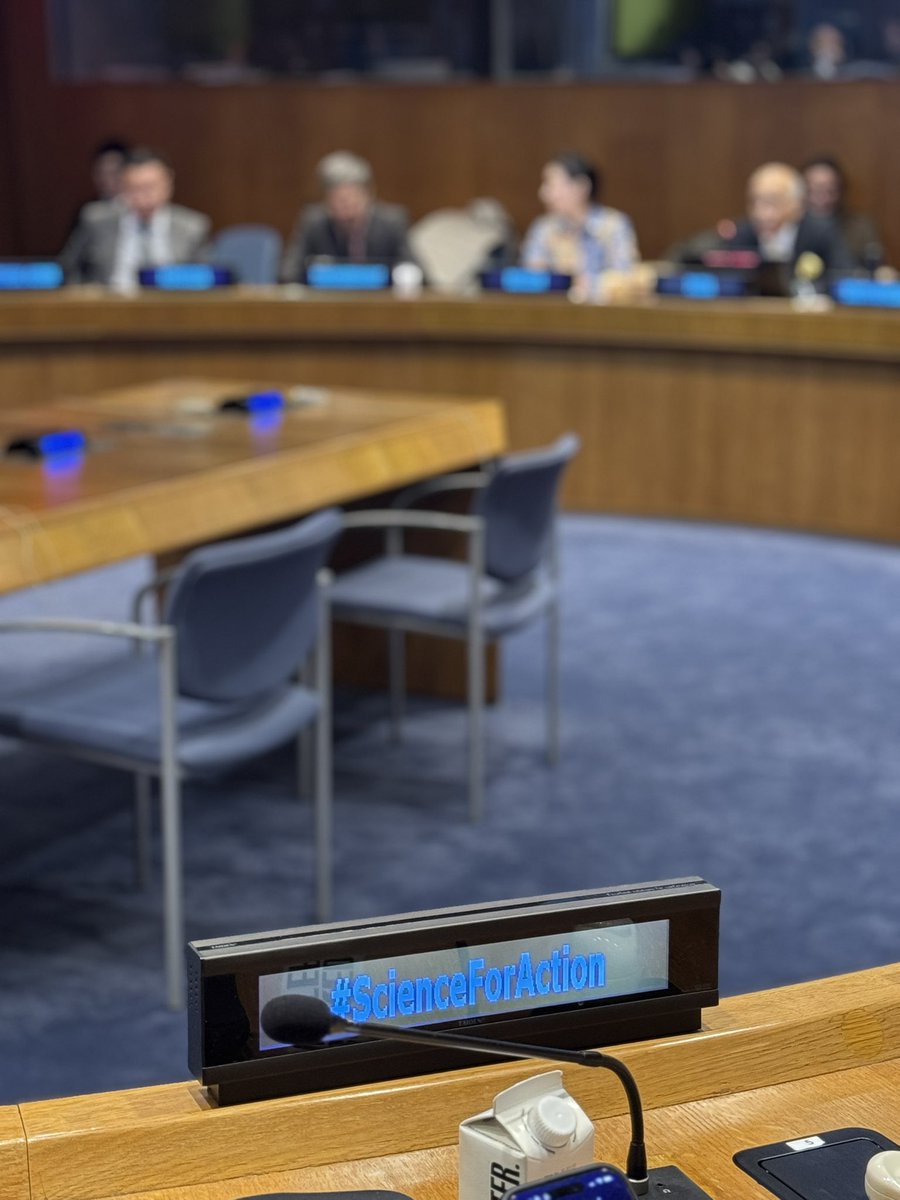
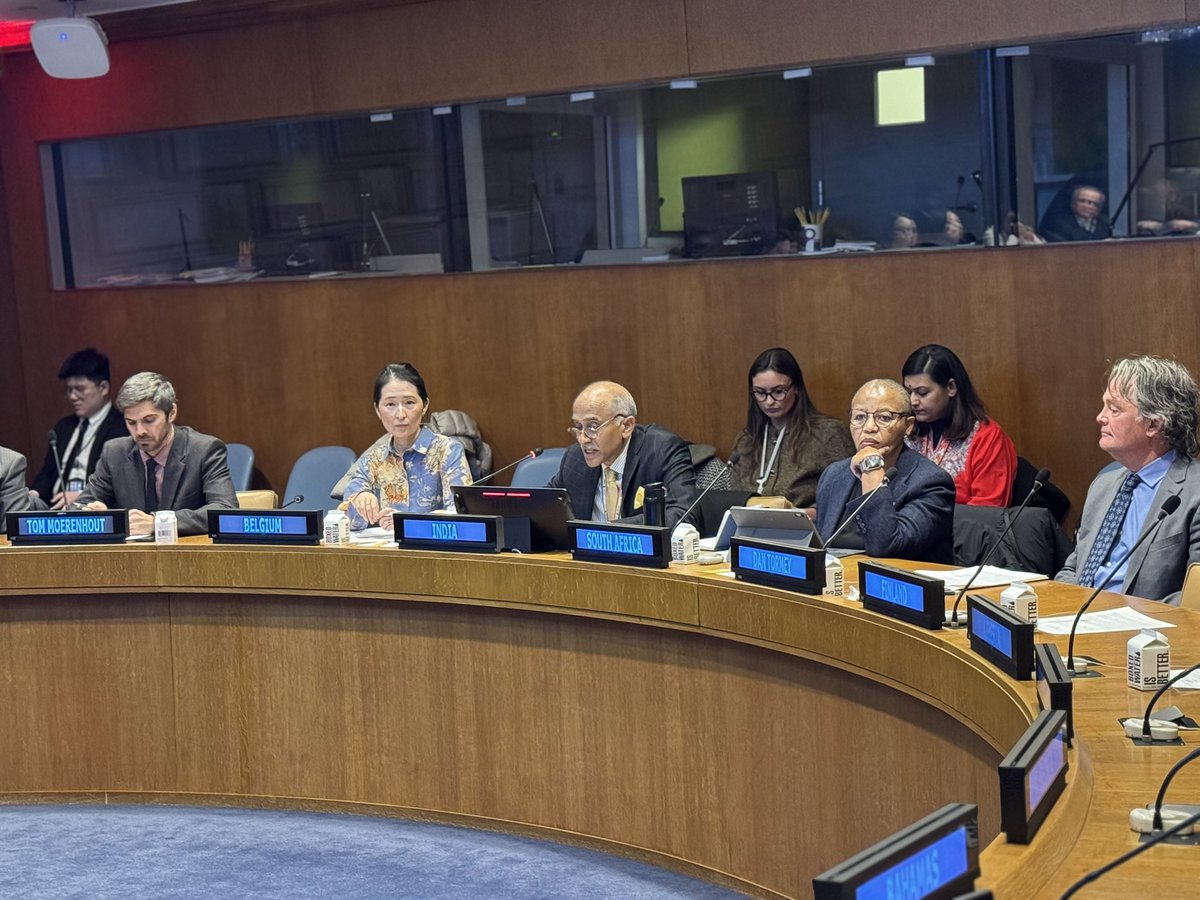
Delighted to co-chair the Group of Friends on Science for Action at the UN in New York along with @BelgiumUN and @SAMissionNY and host a Science-Policy Roundtable on Rare Earth Minerals and Sustainable Development.
Provided a platform for Member States to engage directly with leading experts on rare earth minerals and their role in sustainable development.
Thank briefers Dr. Dan Tormey, Dr. Tom Moerenhout and @rjain88 who presented the scientific, economic and governance aspects of rare earths and responded to questions from Member States on how the science-policy interface can inform decision-making.
#ScienceForAction
@unesco @isco_alarcon
4
20
1,528

5 Dec 2025
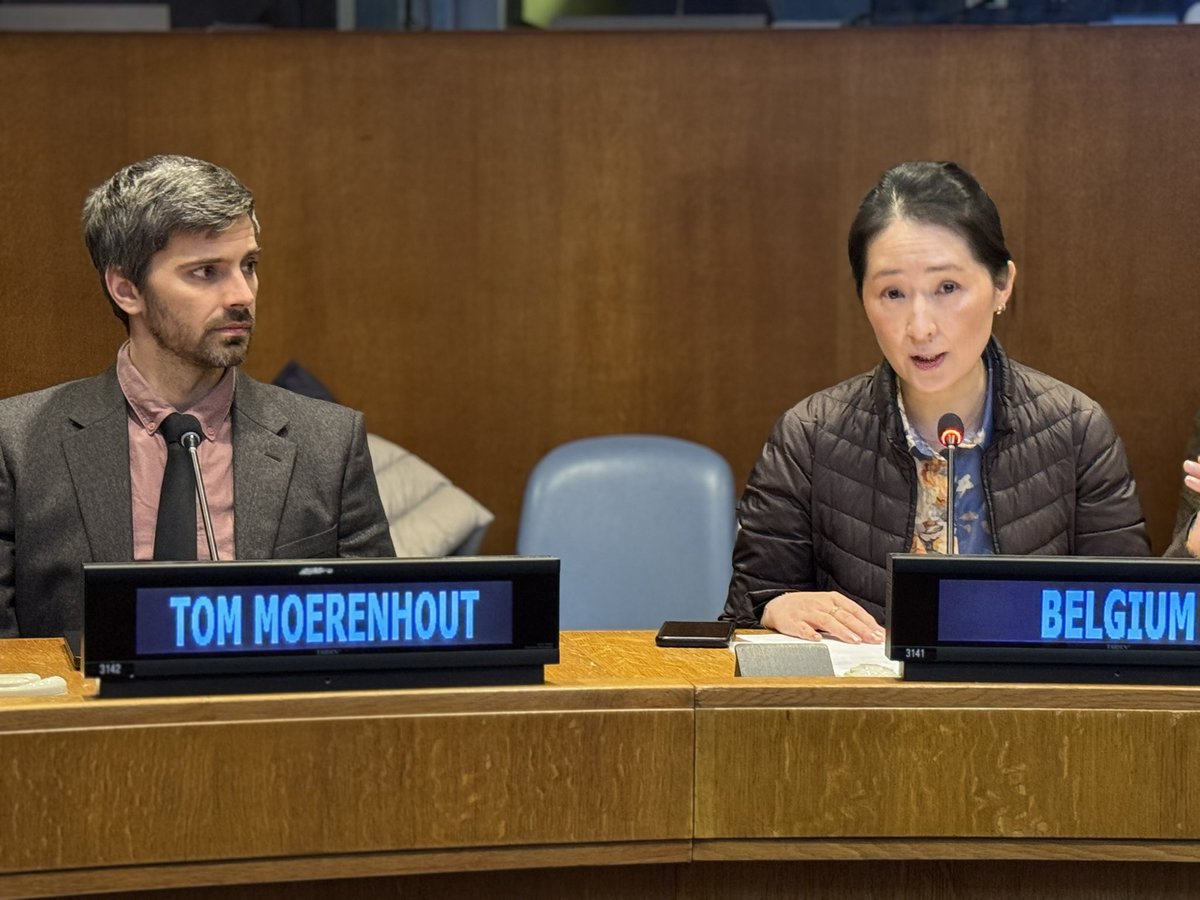
The Group of Friends on #ScienceForAction (🇧🇪🇮🇳🇿🇦) hosted a UN roundtable on Rare Earth Minerals, connecting Member States with experts to strengthen science-policy interface.
Thanks to Dr. Tormey, Dr. Moerenhout and Rishabh Jain for key insights.🙏
3
7
508
2 Dec 2025
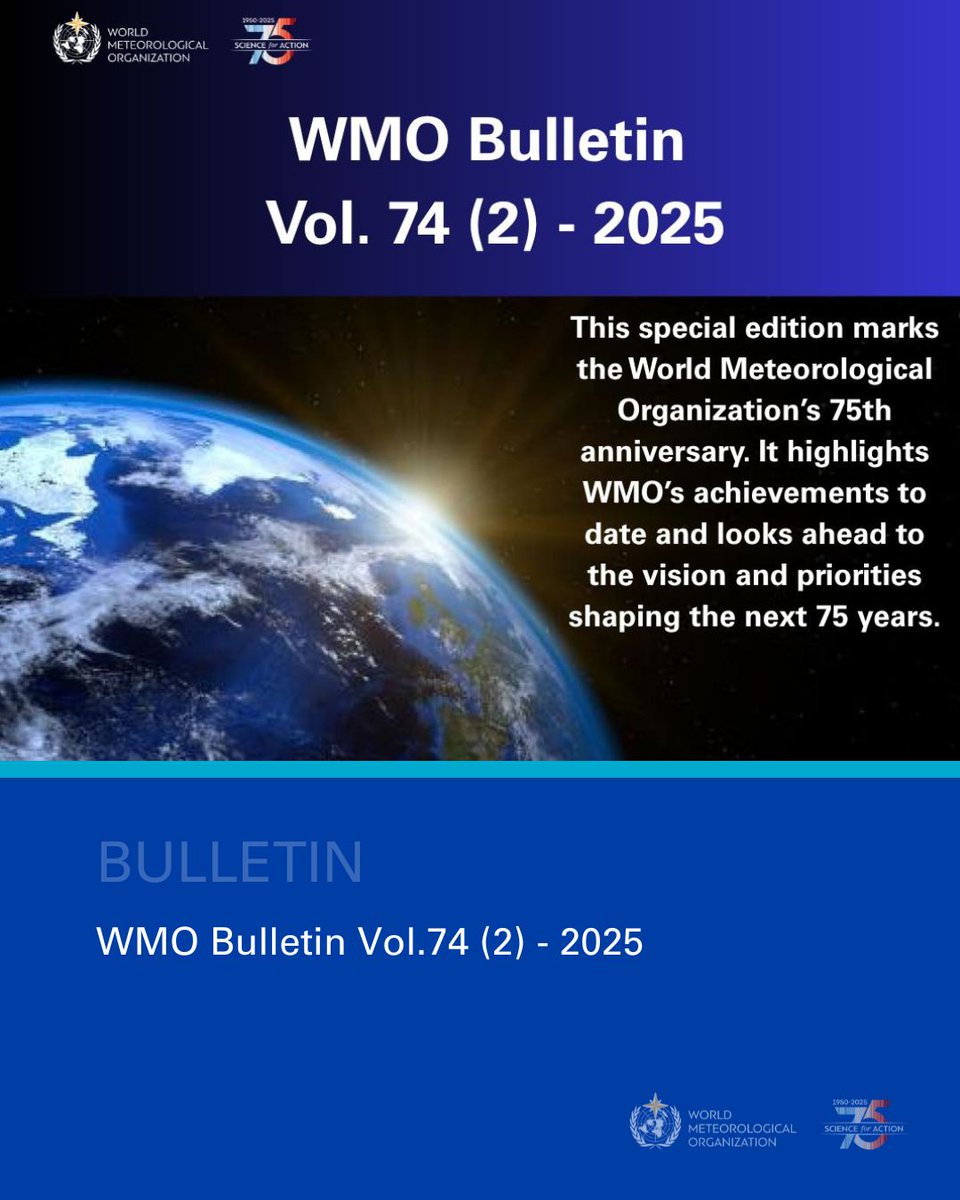
As we celebrate our 75th anniversary, we also look ahead to the future - a future in which Artificial Intelligence is set to transform weather prediction and policy.
Find out more in the new WMO Bulletin:
lnkd.in/dA_KEeMF
#ScienceforAction #WMO75
1
26
65
3,351