Ajay Sinha retweeted

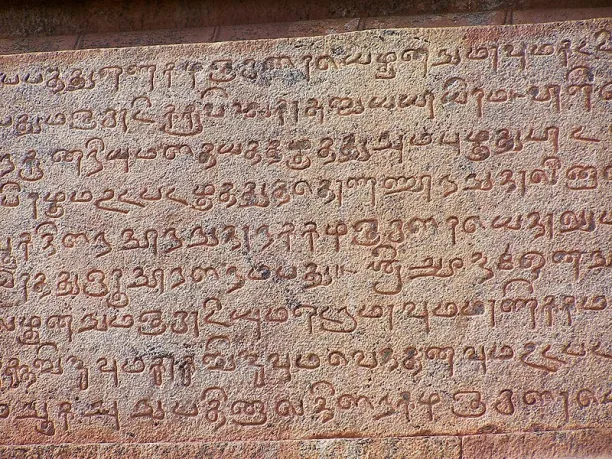
A cartoon being circulated on X says Indians should thank the British because James Prinsep deciphered the Brahmi script & helped recover our history. :))
Do you know before he became a so-called expert on our ancient scripts, Prinsep’s primary day job was serving as the Assay Master (chief metallurgist & currency controller) at the Banaras & Calcutta Mints. He was not an academic; he was an economic agent sent to fundamentally alter India's wealth distribution system.
Until the 1830s, India had a beautifully diverse, highly resilient decentralized currency system. Local kingdoms, merchant guilds & regional mints issued their own silver and gold coins. Local money-changers (Shroffs) evaluated coins based on pure metal weight. James Prinsep was the literal architect who destroyed this system.
Using his position as Assay Master, Prinsep spent yrs systematically studying the purity of native Indian coins. He did not do this out of cultural curiosity, he did it to calculate how the East India Company could completely monopolize India's money supply.
His efforts directly culminated in the Coinage Act of 1835: The Elimination of Indian Heritage: Prinsep spearheaded the policy that completely banned all local Indian regional coins & traditional designs. He personally oversaw the design of the new, uniform colonial Silver Rupee. He forced the removal of traditional Indian symbols, replacing them with the cold, imperial face of British King William IV.
What makes this a financial "thug" operation is how the transition was enforced on ordinary Indians. By passing laws that declared traditional regional currencies invalid for tax payments, the British forced Indian merchants, farmers & citizens to bring their centuries-old ancestral coins to Prinsep's mints. Under Prinsep's direct technical supervision, the British mints engaged in massive institutional exploitation:
- They took the pure, high-quality silver coins of Indian states.
- They melted them down in giant cauldrons.
- They charged the native Indians a heavy seigniorage (a minting fee/tax) just to exchange their own ancestral silver for the new British currency.
This artificial bottleneck triggered a massive shortage of circulating cash in rural India, causing local economies to crash while systematically vacuuming pure silver out of Indian hands & placing it directly under East India Company control. It was 1 of the largest state-sanctioned currency manipulation schemes in world history.
But what is often sold to us is the idea that Prinsep was a polymath who single-handedly deciphered our ancient scripts. Ask the same people who Rathnapala was & you are likely to be met with complete silence. :(
7
140
349
4,785
Nandhini S retweeted

Jun 12
எதை எழுதிக் குடுத்தாலும் வாந்தி எடுக்கும் silencer, ஒரு நாள் script writer கோபத்துல அவரையே திட்டி எழுதிக் குடுத்தாலும் அப்படியே வாந்தி எடுப்பார்.
ஏன்னா இந்த silencerக்கு தான், என்ன பேசுறோம், எதுக்கு பேசுறோம்னே தெரியாதே!
#TVKFails
25
983
1,736
28,803

From script to screen กับหนึ่งในฉากที่จับหัวใจที่สุดของ #TicketToHeavenEP3 ✨
“Ticket to Heaven เด็กชายไม่ไปสวรรค์” 👦🏻🪽
ทุกวันเสาร์ เวลา 20:30 น. ทางช่อง GMM25
และเวลา 21:30 น. รับชมย้อนหลังที่แรกได้ทาง Viu เท่านั้น
#TicketToHeaven #GMMTV
@gemini_ti @tawattannn
56
5,609
9,472
195,971


HOW DID YOU KNOW? THEY’RE FREAKING OUT AS REALITY FOLLOWS YOUR SCRIPT youtu.be/x63zqPLvQhA?is=bkbs… via @YouTube
4

Modi's foreign trips follow a script:
1. Video of him boarding his plane
2. Arrival in foreign country
3. Watches dance by foreigners
4. Meets NRIs
5. NRI woman cries on meeting him
6. Muted videos of meeting officials
7. Gets an award he can't pronounce
8. Boards plane for next country
9. Loop to step 2
17
48
210
4,424
Christina k. retweeted

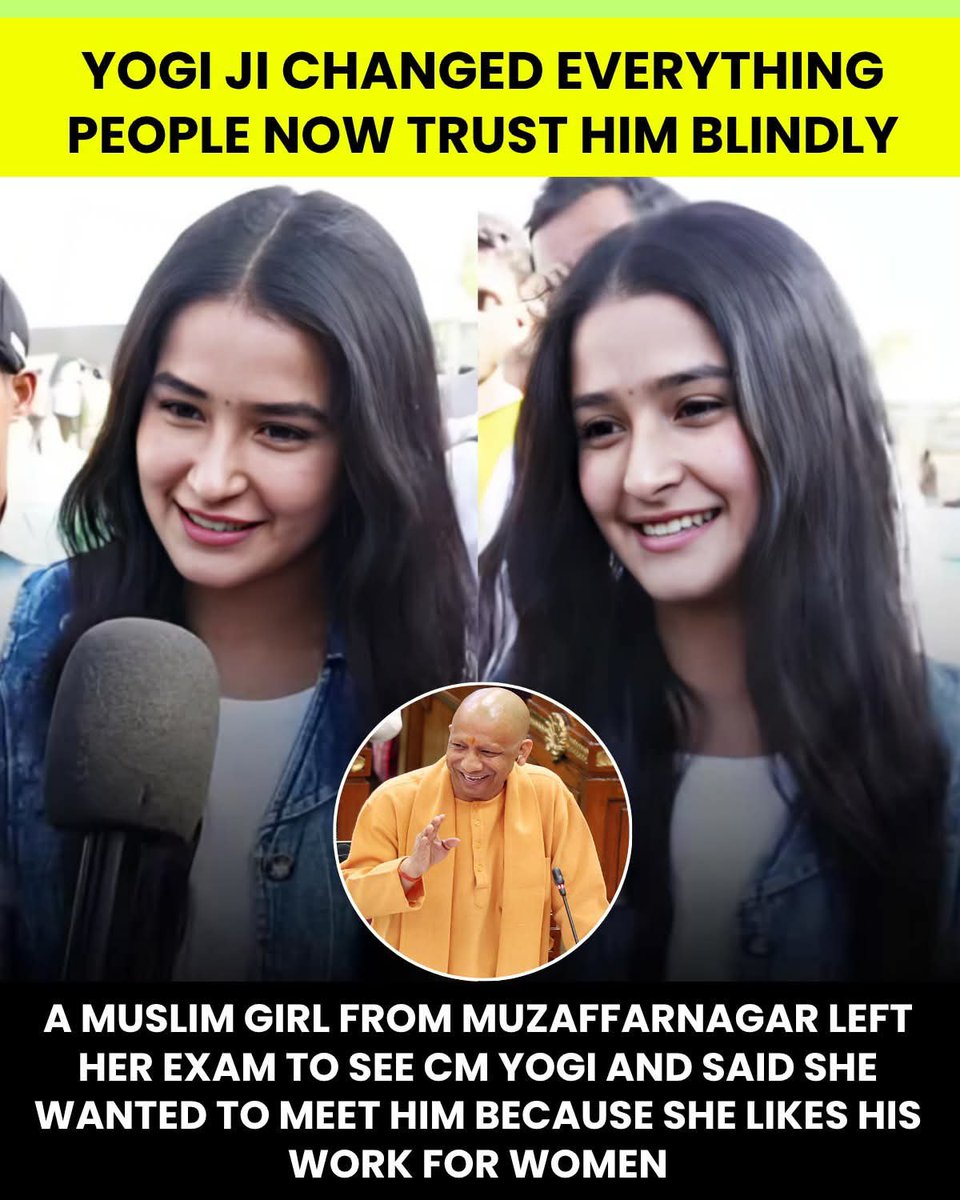
This is worse than the worst bollywood script.. 🤦♂️
11
8
29
270
ASB retweeted

11h
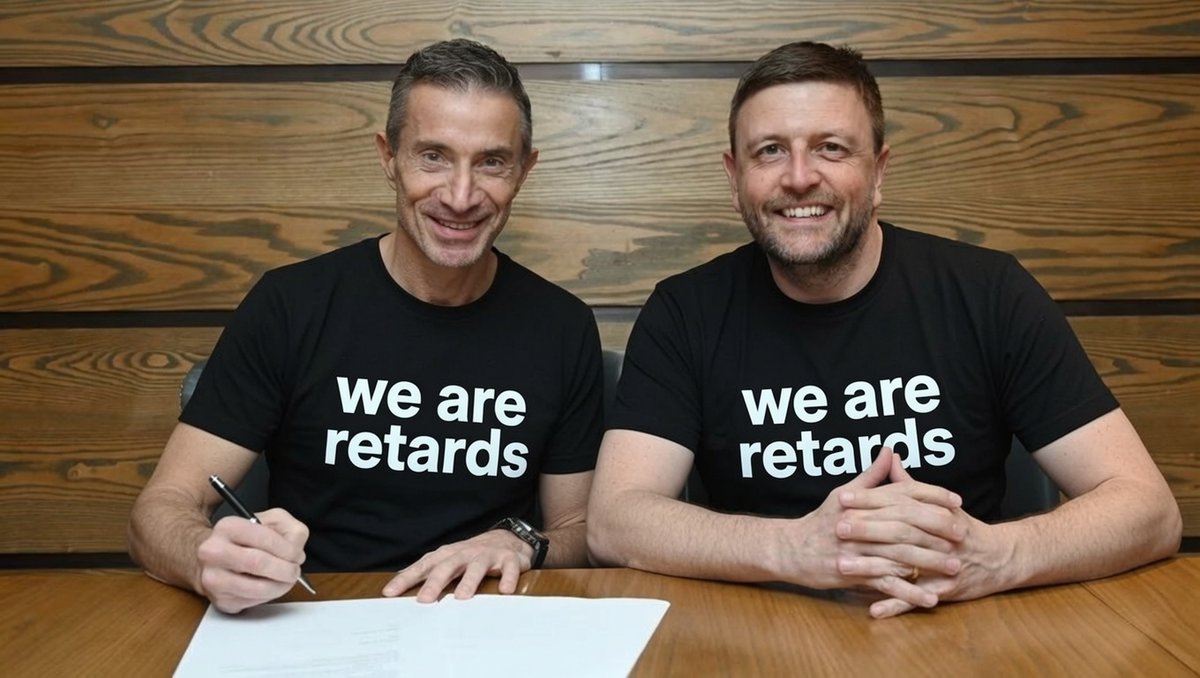
You could not write a more obvious script

🚨 Despite approaches from MLS, Leon Goretzka gives priority to European clubs for his next move.
Available as free agent and ready for a new chapter.
🎥🆕 youtu.be/fW9-m6YOPs4

2
2
75
9,941

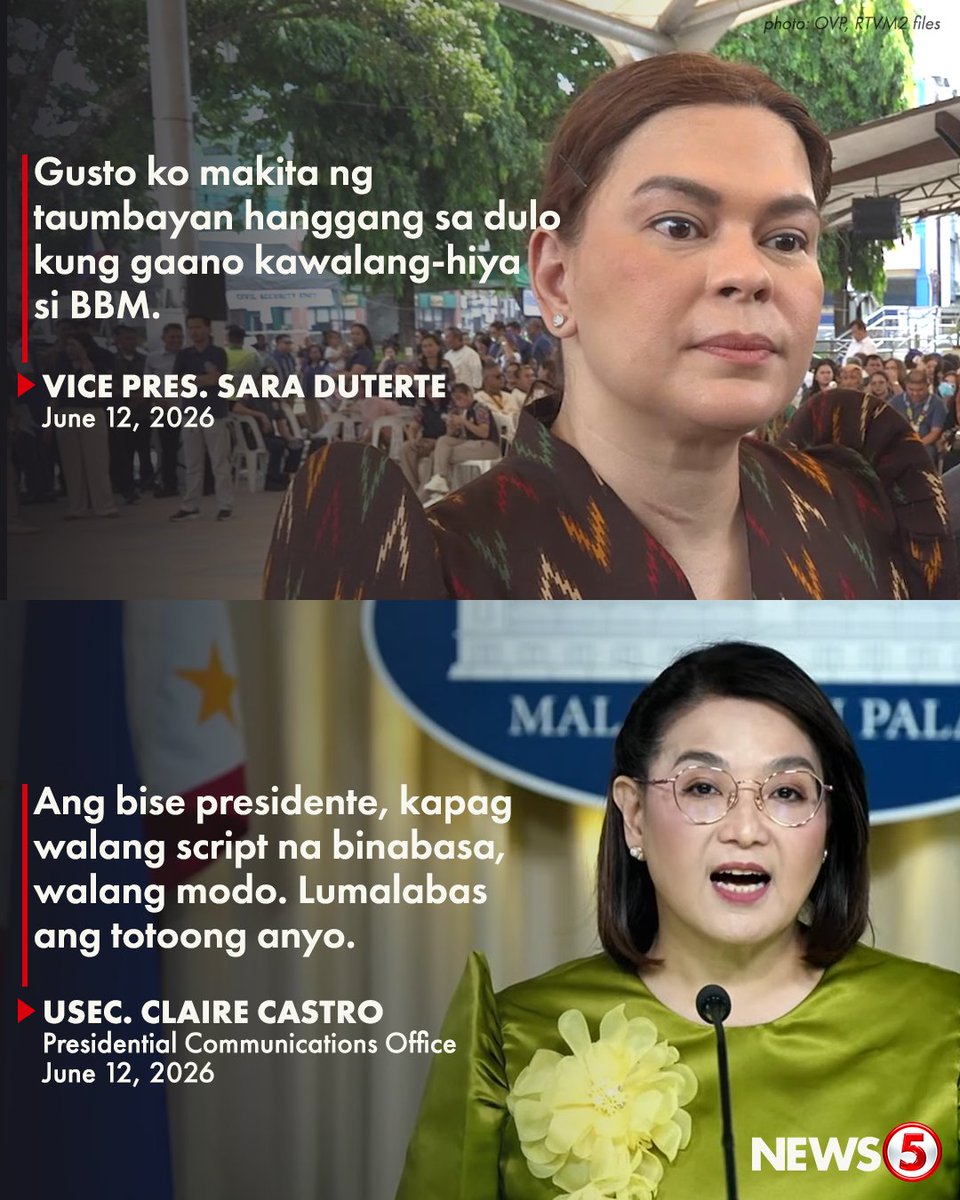
WALANG MODO KAPAG WALANG SCRIPT
Ito ang banat ng Palasyo matapos tawagin ni Vice Pres. Sara Duterte na "walang-hiya" si Pres. Bongbong Marcos.
Para kay Palace Press Officer Usec. Claire Castro, tila inilalarawan ni VP Sara ang kaniyang pamilya sa pagbanggit ng salitang walang-hiya.
"Ang salitang [walang-hiya] ay tamang description... sa mga alam nating murderer, may mga assassin na kinomisyon para pumatay ng kalaban, sa mga nanakot ng mga tao sa bar, at sa mga gumagawa ng fake news laban sa iba para palitawing sila ang tama at makabayan," buwelta ng undersecretary.
81
375
2,679
73,647

Your agency's AI chatbot is a decision tree wearing a propeller hat. It doesn't learn. It doesn't adapt. It just follows the script they built in 2023.
We built something that actually answers the phone. autopilot-ai-6.polsia.app
Dotswrld retweeted

4h
Silver reusing the same “Spurs blow a 4Q lead” script every game
 gio🇵🇸
gio🇵🇸
2
269
6,541
85,601

orang indo emg gabisa dikasih film yg ada subtext nya. gue jg ngerasa banyak film indo yg sengaja "dumbing down" script/plot nya tapi herannya tetep aja banyak yg susah nangkep makna tersirat. our media literacy is so fucked. semuanya harus di spoon-fed dan explicit. READ MORE

Kenapa kritik backrooms dari orang indo kebanyakan "gajelas, ga dikasih tau secara gamblang maksudnya apa" Sementara dari foreigners menurut mereka pesannya itu terlalu tersurat/spoonfed ke audiens ?
3
21
889
craccegg retweeted

OMG, listen to the Mexican announcers on team USA's 3rd goal going completely off-script
I haven't laughed this hard in a long time! "Oh my f*cking goodness" 😂
215
3,333
49,124
1,674,743

It literally feels like a script of a classic basketball movie where the plot comes full circle but you really can’t make this shit up man

I feel like the fact that Jalen's dad played for the Knicks in the finals against the Spurs back in 1999 when Jalen was just two years old is legitimately under-appreciated.
What a dope NYC story.
2
Regina Phalange retweeted

No need to worry. Aditya Dhar has already started writing the script for Dhurandhar 3, which will reveal how these 3 Indians were actually connected to ISI and how they were killed with the help of the U.S. military. Killing them was real masterstroke. 😮💨
 DON RETURNS 😈
Jun 11

JUST IN: 🇮🇳🇺🇸 3 Indian nationals killed by US military strikes on oil tanker for violating blockade.
56
752
6,877
197,872

Venson venance retweeted

Twenty years on, the script remains the same - relentless brutality, character assassination, dehumanisation, criminalisation, and abuse of state power against @kizzabesigye1
What has changed is that KB is older and physically battered by years of persecution. What has not changed is his courage, conviction, and steadfast commitment to justice, democracy, and the rights of Ugandans.
To all who continue to stand with him, thank you. And special gratitude to his fearless and brilliant legal team, who defend not only one man, but the rule of law itself. 🙏🏾👊🏾👊🏾

6 January 2006.
High Court Kampala.
Kizza Besigye stepped out of a vehicle in a checked shirt, his wife Winnie Byanyima at his side.
He was the main opposition candidate for president.
He was also on trial for rape.
The charges had been brought just two weeks after he returned from exile to challenge Museveni.
The Verdict That Shook the Regime: Justice Katutsi, Besigye, the State - 2006
Besigye's troubles had begun years earlier.
In November 1999, while still a senior figure within the Movement, he authored a blistering dossier critiquing the system, calling for constitutional reform, demilitarisation of the state, and an empowered civil society.
It was the first time a high-ranking insider had publicly challenged Museveni's inner circle.
That paper became both his declaration of independence and his political death warrant.
After contesting and losing the 2001 elections, he fled into exile, citing threats to his life.
When he returned in 2005 to run again, the state pounced.
The rape charge dated back to 1997 but was brought just two weeks after his return, alleging he had assaulted a family friend who, by her own admission, had returned to his home several times afterward.
The case unfolded amid treason accusations and violent street clashes.
Radio talk shows were banned from mentioning his name.
Posters supporting him were outlawed.
Soldiers ringed the courthouse.
Interior Affairs Minister Ruhakana Rugunda insisted the ban on demonstrations was to ensure a fair trial, but no one missed the message:
Challenge the regime, and the system will crush you.
Uganda was watching a political trial dressed as criminal justice.
Judge John Bosco Katutsi saw through the charade.
In March 2006, he dismissed the rape charges in a scathing judgment, calling the investigations
"crude and amateurish."
He questioned the credibility of the alleged victim and castigated the state for abusing judicial processes to settle political scores.
"I find that the prosecution dismally failed to prove its case against the accused,"
he declared.
Supporters in court erupted.
For a moment, the judiciary stood as a fragile check on executive overreach.
But the damage had already been done.
Besigye had appeared in court 25 times during the campaign period, his movements restricted, his image tarnished.
Museveni won with 59% of the vote; Besigye trailed with 37%.
"This case has had a serious adverse effect on me personally, my family, and the Forum for Democratic Change as a whole,"
he said.
The verdict had shaken the regime, but the regime had not fallen.
Besigye walked free.
The system that had tried to cage him remained intact.
#ughistory #Besigye @Winnie_Byanyima @kizzabesigye1 @ug_lawsociety @SsemujjuIN @LawStudentsUg @ULRCUg
12
90
322
16,009

Always giving commentary on what haters are saying, like who even cares. Some lilies are so annoying. Mind you it’s the same script every time she takes the stage, I am tired😩🙄
Ramteja Krovvidi retweeted

His script selection and continuous movies wow 🔥 mana tfi ki evaru avtaro ila kanisam year ki oka manchi content movie
37
19
651
21,549