

Mar 21
Re Secfi secfi.com/
Every startup emplyee and foubder should know their options.
Here is an 30 second explanation on NON recourse financing

Non-Recourse Financing Explained in 30 Seconds youtu.be/y4hKLcJES7M?si=9fst… via @YouTube
1
1
1,440

Almost 100% that there’s no liquidity unless actively raising over subscribed. Secfi or another broker may be able to set you up with debt/a buyer but it’s likely a write off. If you do find a buyer, expect 40-60% discount unless you have some real black edge and there is demand
6
31,590


28 Aug 2025
SecFi and all the other players try to buy shares via purchase agreements but those require board approval usually
When they're desperate enough but can't get board approval (or the employee is too junior etc) they use derivatives with the employee like swaps and forward sales
You can just tell them you want to short swap / forward sell shares you don't have and will put up enough initial margin to do it. I'm sure at least one of the SecFis has already been approached and done this / has the docs for a fund with a similar view to yours
2
30
3,444

27 Jun 2025
SecFi
Or
- (Almost)AnonFi
- AnarFi
- ClassifiedFi
- IntimacyFi
1
1
68

13 Apr 2025
🔄 セカンダリー取引が増加している主な理由
1. IPO市場の冷え込みと上場の先送り
2022年以降、金利上昇・地政学リスク・テック株の調整などを背景に、IPO市場が停滞。
多くのユニコーンやメガベンチャーが上場タイミングを延期しており、株主や従業員が「出口(エグジット)」を持てずに株式が“塩漬け”状態。
→ セカンダリーで“上場しないまま売れる手段”を選ぶ動きが加速。
2. 企業が“従業員報酬の現金化”を求められている
ストックオプションやRSU(譲渡制限付き株式)など、株式報酬の比率が高い企業が多い。
でもIPOが見えない中で、「紙の価値」ではなく現金化のチャンスを提供しないと優秀人材が離脱する。
→ モチベーション維持や人材確保のため、企業自らセカンダリーを主導する事例が増加。
例:Stripeが65億ドルを調達 → 従業員の税金負担・株式売却のため
3. 投資家側の需要:上場前に“優良株”を押さえたい
機関投資家・ファンドにとって、ユニコーンが上場前に「プライベートな株式市場」で一定の持分を確保するラストチャンス。
特にOpenAI、Databricks、Rampなど、IPO後には買えない/高くなると見込まれる企業には争奪戦が起きている。
→ セカンダリー市場は、ファンドにとって**“上場前に割安に仕込める”戦略的投資機会**となっている。
4. 企業自身にとってもメリットがある
セカンダリーは「既存株の売買」なので新株発行が不要=希薄化がない。
「資金調達はしたくないけど、従業員に報いたい」という企業にとって理想的なオプション。
また、株主構成の整理や戦略的な株主(Sovereign Fundなど)を取り込む場にも使える。
5. セカンダリー市場の制度・インフラも整備されてきた
近年、Caplight、Forge、CartaX、SecFi などセカンダリー専門プラットフォームが拡大。
従業員向けの**流動性プログラム(tender offer)**をサポートするツールも普及。
→ 組織としての実行難易度が下がり、“非上場のまま部分的エグジット”が当たり前に。
🧠 まとめ
「上場せずとも、売却できる手段が広がった」ことが最大の変化。
従業員は現金報酬を得られ、
投資家は上場前の優良株を確保でき、
企業は株主の圧力を抑えながらIPOを遅らせられる。
つまり、経営者・従業員・投資家の三者が“win-win-win”になる手段として、セカンダリーが選ばれる時代になったとのこと。
7
5
56
6,860

2 Apr 2025
Several of my clients have millions of dollars in vested company stock that they can't sell.
It's a high-stakes situation that can be crippling if mismanaged.
It comes down to:
1. Are there willing buyers for your equity right now?
2. Will your company allow you to engage in this transaction?
3. If the answer to #2 is "no", are you willing to push the boundaries by going over their head in the private markets?
There MIGHT be options to turn your hard-earned equity into cash now...
First, if you hold shares in a private company, you often can't sell your stock without the company's permission.
Many private companies flat out prohibit this at all levels -- the board will block the transaction.
They want to protect their cap table (understandably).
What the heck is a cap table?
It's short for capitalization table, used by startups to show ownership stakes in the business, including employees.
Your company usually has the "right of first refusal," which means it can buy back your stock before other investors do.
Understanding the value of startup shares is notoriously difficult.
Unlike public company valuations, which fluctuate minute-by-minute, startup valuations are typically set every few years during new rounds of venture financing.
What's the good news?
Secondary markets seem to be opening back up, especially for in-demand companies.
Secondary markets allow investors to buy and sell shares in private companies.
There are several secondary providers out there, including:
@EquityZen
@CaplightData
@Hiive_HQ
@Forge_Global
...etc...
These platforms can facilitate transactions involving your privately held company equity, such as forward contracts or outright secondary sales to private buyers or SPVs (Special Purpose Vehicles).
We help clients make introductions to these partners, where appropriate, and help evaluate various bid offers, fees, opportunity costs, etc.
If you're planning to sell through a secondary marketplace, you'll want to explore the stock's bid-ask spread — the difference between the highest bidding price to buy and the lowest price to sell.
Most companies will also charge a % fee for brokering the deal (not cheap).
What else?
You could also explore a Non-recourse Loan or Prepaid Variable Forward contract...
These are agreements to buy or sell shares at a future date.
This can be a way to lock in liquidity for your shares before a future liquidity event.
A prepaid variable forward contract is not a loan, although it acts a little bit like one.
It’s similar to a loan in that you get cash today and have to pay it back at a later date (or under certain conditions)
The very important way it is different from a loan is that you don’t have to pay it back if your company goes to zero (it’s not collateralized by any assets).
Companies issuing loans and/or other liquidity agreements against private startup equity include:
--Prism
--Quid
--SecFi
--EquityBee
To enable loans or sales, your company typically has to remove transfer, encumbrance, and "right of first refusal" restrictions (or simply approve the transaction at the board level).
I always recommend asking around internally among colleagues and also gauging leadership's appetite for 3rd party transactions.
Speak to a financial/tax advisor who works with the tech ecosystem AND your company before executing any sort of agreement.
Clearly, both secondary markets, forward contracts, and non-recourse loans have risks and downsides associated with them.
Ultimately, the best way to get liquidity for your shares in a late-stage startup will depend heavily on your personal financial circumstances and your company.
Always consider:
1. How your shares are valued in secondary markets (or if there are any willing buyers at all)
2. If you have the authority to sell your shares to a 3rd party or borrow against them
3. The risks, fees, and potential outcomes involved in each transaction
*This is not an endorsement of any of the companies mentioned above*
10
1,823



29 Aug 2024
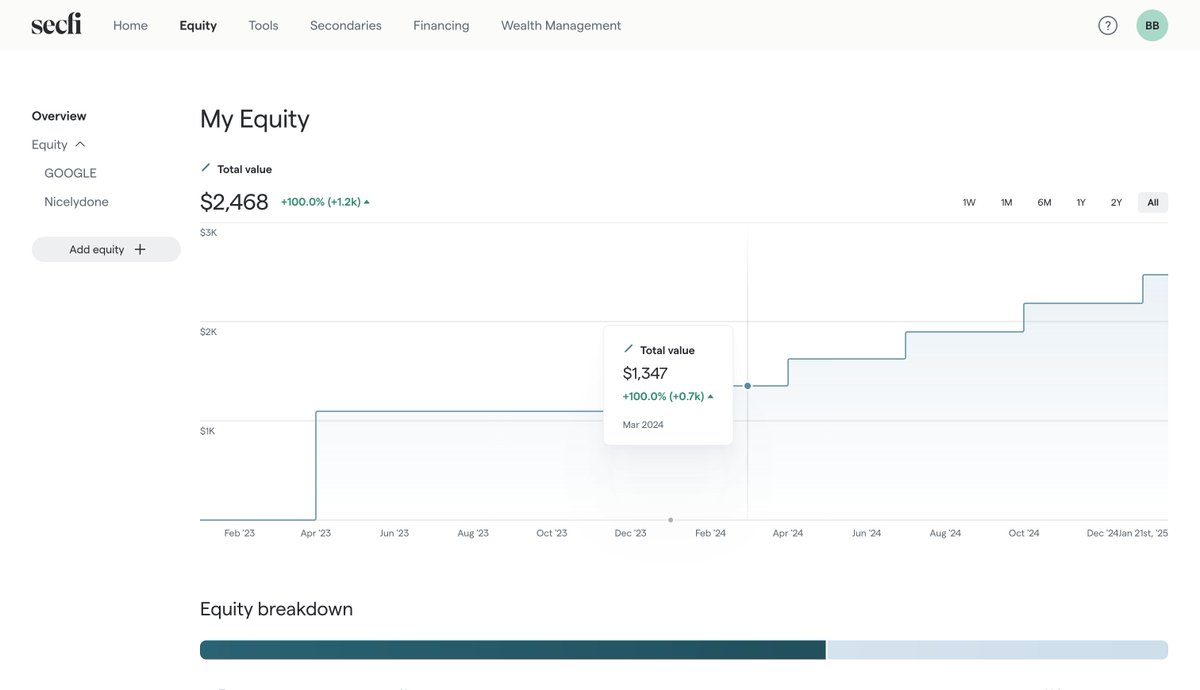
"We knew we needed help, but we didn’t realize how much of a difference a tailored strategy could make."
A client shared this with me about six months ago when we first started working together.
Their situation was complex and deeply personal, something I often see with those holding significant equity compensation in the tech industry.
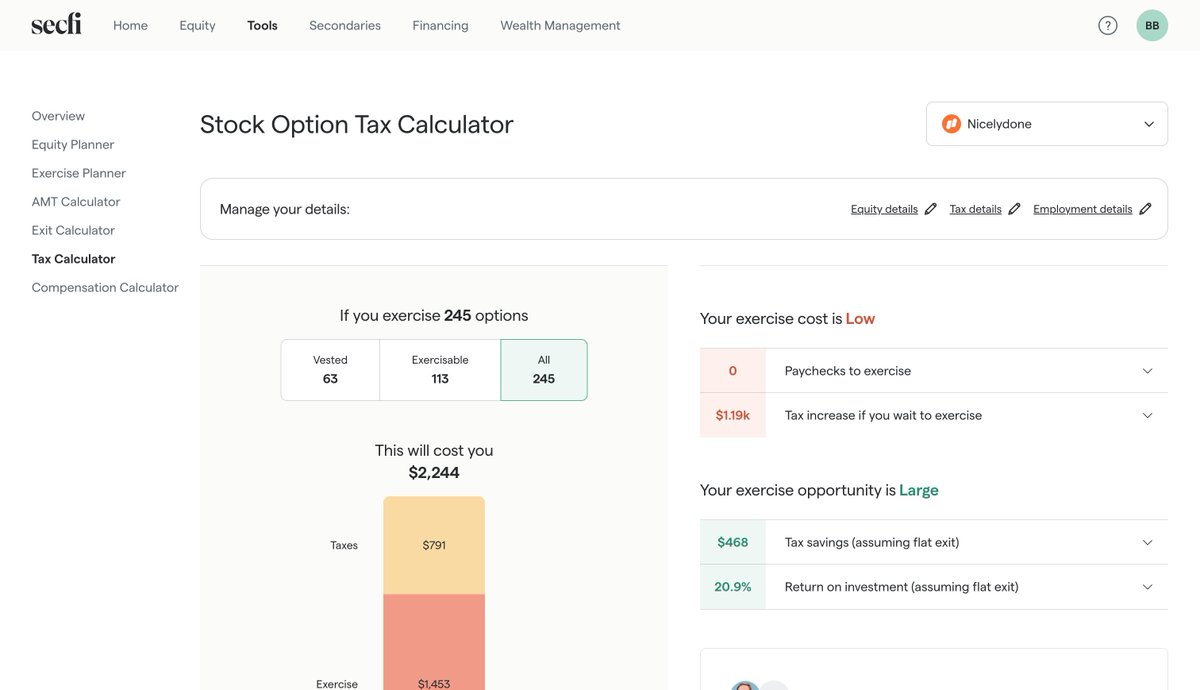
The husband works at a thriving pre-IPO tech company and has been granted a substantial number of Incentive Stock Options (ISOs) over the past six years.
However, they haven’t taken any action with these shares. The desire to own a piece of the company was strong, but so were the potential tax implications, particularly under the Alternative Minimum Tax (AMT).
Their goal for 2024: Exercise as many ISOs as possible while keeping their AMT liability under $50,000.
We approached this challenge with careful planning and a tailored strategy.
Here’s how we’re making it work:
-- We adjusted his 401(k) contributions, moving from pre-tax to Roth to minimize tax deductions. Bonus, he also has an after-tax 401(k)!
-- With the spouse running a successful business, we decided not to make retirement plan contributions this year, strategically increasing taxable income to manage AMT better.
-- We opted for itemized deductions that were lower than the standard deduction, a move designed to manage their AMT further.
-- We accelerated distributions from the spouse’s inherited IRA, ensuring that necessary withholdings would be covered while boosting income.
This isn’t just about numbers on a spreadsheet.
It’s about aligning their financial strategy with what truly matters to them: the ability to own shares in a company they believe in, without jeopardizing their financial future.
We’re on a journey together.
I’m taking ownership of the process and working closely with their CPA to ensure everything is executed smoothly.
Financial planning isn’t just about wealth. It’s about peace of mind.
This case study is an illustration of our capabilities provided to an individual client. Client results may vary and there can be no guarantee of similar results. It is not known whether the client approves or disapproves of Secfi Advisory Limited or its affiliates as a whole.
4
283
27 Aug 2024
"I know I should diversify, but these shares feel like a part of me—I just can’t bring myself to sell them."
These were the words of a client who had spent years working at a successful public company.
They had accumulated a substantial amount of company stock through RSUs and stock options, and the value of their shares had grown significantly.
Despite the potential risks of holding such a concentrated position, they couldn’t part ways with the stock.
This is the endowment effect in action.
When I first met with this client, it was clear that their emotional attachment to the company stock kept them from making financial decisions.
They knew the rational choice was to diversify, but the thought of selling their shares brought up negative feelings around taxes and a sense of giving up on the company.
In our first meeting, we dove deep to uncover what truly lay at the heart of their concerns.
We discussed their values, their long-term goals, and what happiness really meant to them.
For this client, happiness was centered around two key goals: the ability to coach their daughter’s hockey team without financial stress and pre-funding a 529 plan for both of their children’s education.
Here’s how we worked together to overcome the endowment effect and align their financial strategy with what truly mattered to them:
♦️ Creating a Values-Based Financial Strategy
Instead of focusing solely on the numbers, we built a financial strategy around their core values.
We asked the important questions:
– What does happiness look like for you?
– What are the life experiences you want to prioritize?
– In a future state, look back on your life; how would you describe a life well lived?
By centering our strategy around these deeply personal goals—coaching their daughter’s hockey team and securing their children’s educational future—we were able to shift the focus from the stock itself to what the stock could help them achieve:
♦️ Gradual Diversification Plan
We developed a gradual diversification plan that respected their emotional connection to the company while reducing their financial risk.
By selling small portions of the stock over time and reinvesting the proceeds into a diversified portfolio, they maintained a sense of ownership and pride in their company while also protecting their financial future.
This plan allowed them to fund their children’s 529 plans and free up time to coach hockey without worrying about finances.
By recognizing the endowment effect and working through it together, they can feel relief and confidence, knowing that their financial actions are aligned with what matters most to them.
With a clear strategy in place, they felt empowered to use their wealth as a tool to achieve their deepest values and goals, bringing them peace of mind and joy.
This case study is an illustration of our capabilities provided to an individual client. Client results may vary and there can be no guarantee of similar results. It is not known whether the client approves or disapproves of Secfi Advisory Limited or its affiliates as a whole.
twitter.com/messages/compose…
2
8
811
23 Jul 2024
This case study is an illustration of our capabilities provided to an individual client. Client results may vary and there can be no guarantee of similar results. It is not known whether the client approves or disapproves of Secfi Advisory Limited or its affiliates as a whole.
1
2
89


19 Jul 2024
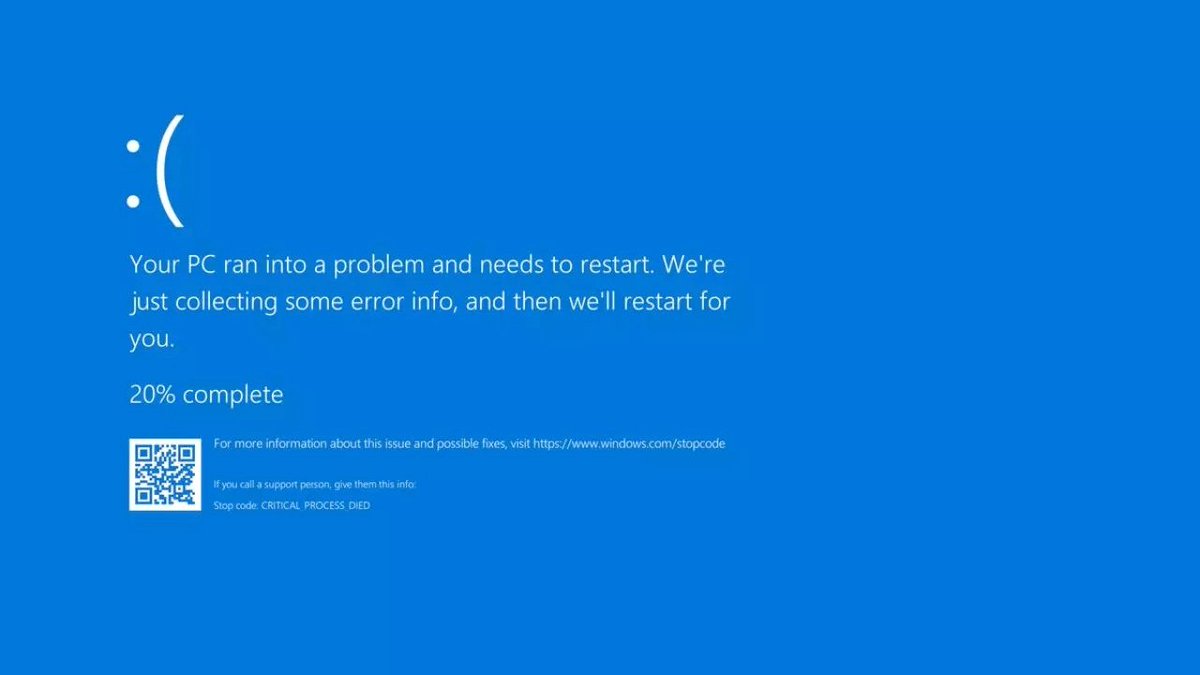
Global outage in progress following the failure of #cybersecurity firm Crowdstrike $CRWD.
:( BSOD everywhere.
This is only the beginning.
More events like will force humanity to embrace the absolute necessity of #SecFi and the decentralization of #DevSecOps.
$OTACON
1
5
26
2,836
21 Jun 2024
This case study is an illustration of our capabilities provided to an individual client. Client results may vary and there can be no guarantee of similar results. It is not known whether the client approves or disapproves of Secfi Advisory Limited or its affiliates as a whole.
1
2
242

6 Jun 2024
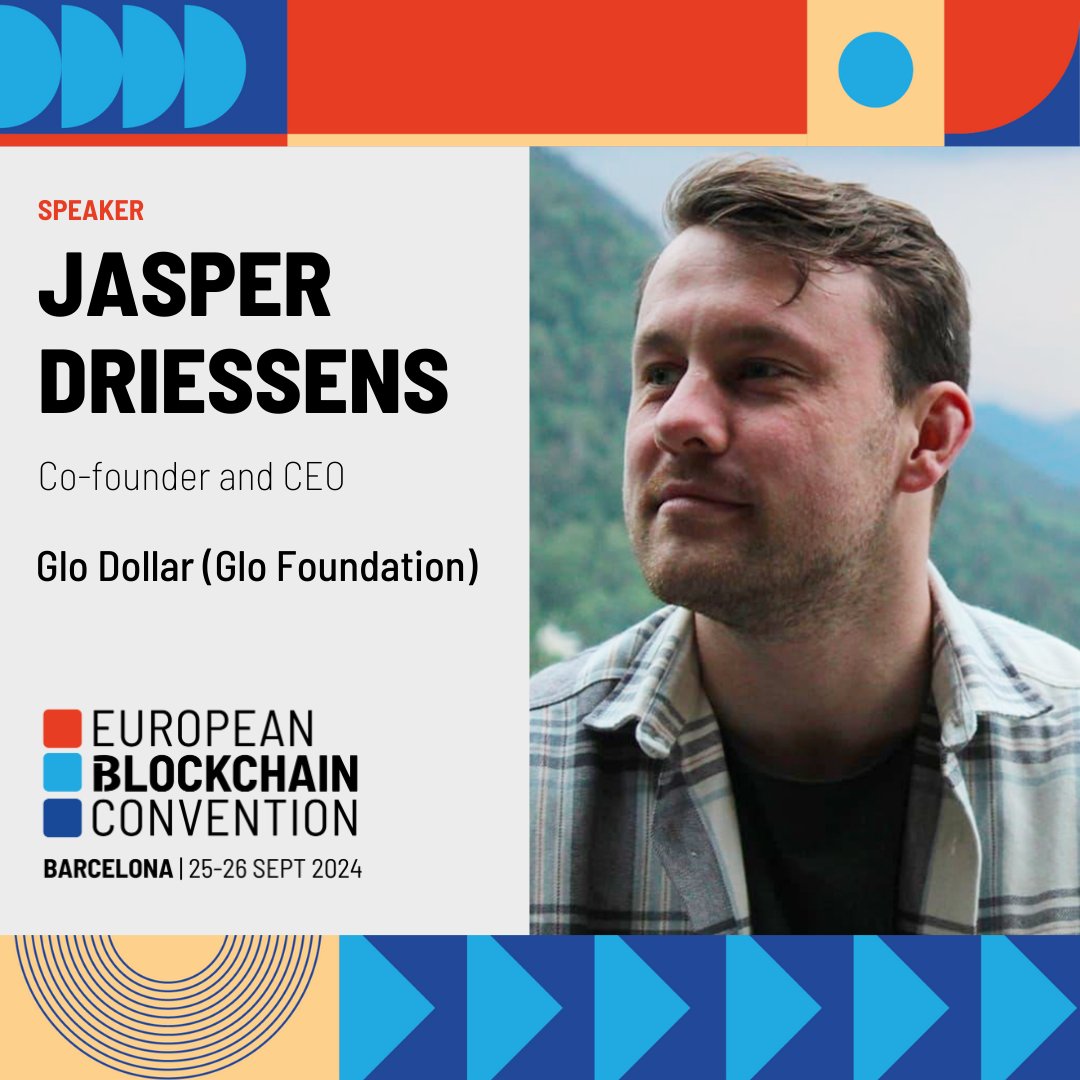
We are delighted to announce @jasdrie as a speaker at the 10th European Blockchain Convention!
As the Co-founder and CEO of @glodollar (Glo Foundation), Jasper brings a unique blend of expertise in #ArtificialIntelligence and #ComputerScience to the forefront of financial technology.
His career transition from engineering to leading a marketing department showcases his versatile skill set. Jasper's prior experience includes a role in marketing at Secfi and founding ASIF Ventures, a pre-seed fund supporting student startups.
We are excited to have you share your diverse experiences and insights!
📅 Save the date: September 25-26 in Barcelona!
2
11
366
4 Jun 2024
This case study is an illustration of our capabilities provided to an individual client. Client results may vary and there can be no guarantee of similar results. It is not known whether the client approves or disapproves of Secfi Advisory Limited or its affiliates as a whole.
1
5
580