31 Dec 2024
This is the kind of brute force "let the LLM do the work" approach that appeals to me.
But I am not getting good results asking it about Cassandra.
(1) "how does Cassandra ensure that an sstable being queries doesn't get compacted while the query is in progress?" Partial credit, it identifies Refs but not LifecycleTransaction.
(2) "how can i get a list of sstables ordered by SSTableID ?" Correctly identifies the most important class, ColumnFamilyStore.
(3) "where does Cassandra order sstables by creation date when reading data?" Several false positives, some of them reasonable guesses, but misses the actual location in SinglePartitionReadCommand.
(4) "how can I add a WITH clause to the CQL SELECT statement? It will be used for adding query planning hints like which index to use." This is a broad question that would touch a LOT of files, deepseek returns negative for EVERYTHING, even the very obvious ones like SelectStatement.
On balance: I got better results asking Gemini and Haiku to guess based on filenames alone.
Deepseek sure is fast, though. 20-30s to scan 2500 source files using 500 threads.
31 Dec 2024

IT WORKS! Demo time 🥳
(next 10x productivity bump is here?)
Suppose you must refactor a large codebase, e.g.:
> "use I32 instead of U32 as the native number type"
That task, by itself, is simple enough to be automated by Sonnet alone, right? Problem is: what if the codebase is too large to fit on the AI's context, and RAG solutions / editors like Cursor can't precisely isolate which parts require edit (because it needs some semantic reasoning)? What now? Do we fallback to human coding, as did the old Mayans?
Of course not! We just split the codebase in chunks, and send each chunk to ~500 DeepSeek instances in parallel (!). Each instance then decides if given block should be edited or not. This is viable because DeepSeek is smart, fast and really cheap. Finally, we send the blocks that need edit to Sonnet, in a single prompt, and let it work normally. The entire process takes less than a minute, is cheap enough, and very effective. We conclude with a 'git diff' for manual review.
In short, AI has came to grep search & replace. Since this script feels like dropping a bomb in your codebase, I'm calling it AoE, and it is available on VictorTaelin/AI-Scripts. Enjoy!
Here's the demo:
2
5
1,260

25 Sep 2024
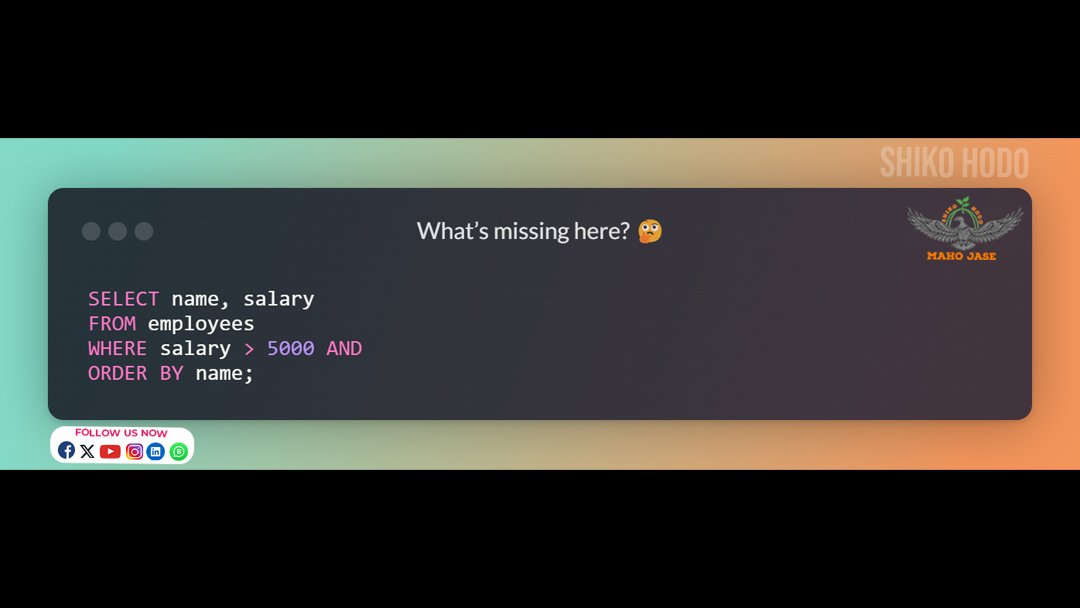
❓ Can You Spot the Error in This SQL Query?
.
.
.
#SQLSelect #SelectStatement #SQLQueries #DataRetrieval #SQLBestPractices #SQLTutorial #DatabaseManagement #SQLCommands #SQLDataExtraction #SQLSyntax
1
2
24

22 Feb 2024
3/ Now, let's dive into the select statement and its operators. SELECT is used to retrieve data from a table, while operators like "Top", "AVG", "COUNT", "Max", "Min", & "DISTINCT" help us filter and compare values. It's like playing hide and seek with your data! #SelectStatement

1
1
7

15 Feb 2023
3
6

16 Aug 2021
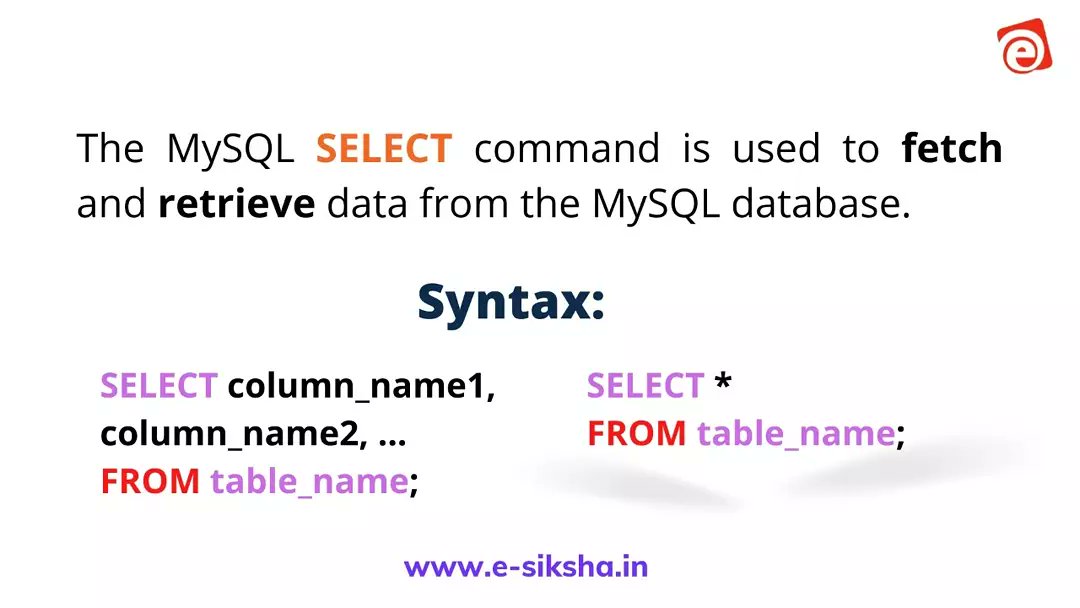
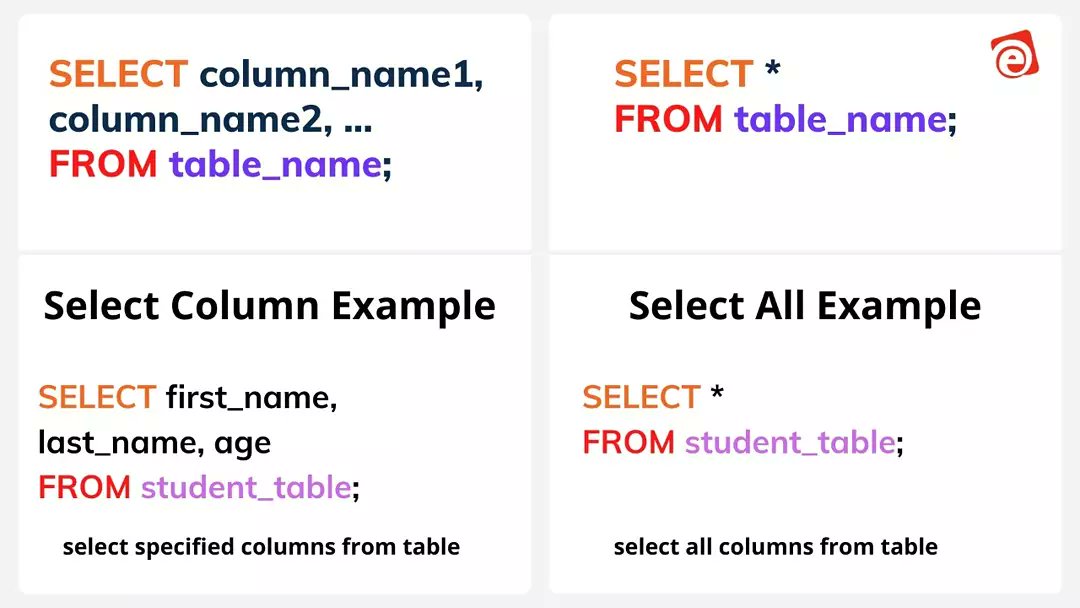
MySQL SELECT Statement
e-siksha.in/article/mysql-se…
#mysql #SQL #AcademicTwitter #Assignment #selectstatement #100DaysOfCode #codingisfun #programming #computer #informationtechnology #Backend #code #PHP #Python #tech #notes #esiksha #esikshalearninghub
1
3

15 Jul 2020
PHP 8에 Match 표현식이 추가됩니다 j.mp/38YsaVn
// Before
switch ($this->lexer->lookahead['type']) {
case Lexer::T_SELECT:
$statement = $this->SelectStatement();
break;
case Lexer::T_UPDATE:
$statement = $this->Up...
3
11

3 Jul 2020
Array map can be used in most cases. Callable can delay evaluation and cover all scenarios.
$statements = [
Lexer::T_SELECT => [$this, ‘SelectStatement’],
Lexer::T_UPDATE => [$this, ‘UpdateStatement’],
];
$statement = ($statements[$type]
?? $this->syntaxError(‘...’))();
1
2

7 Apr 2018
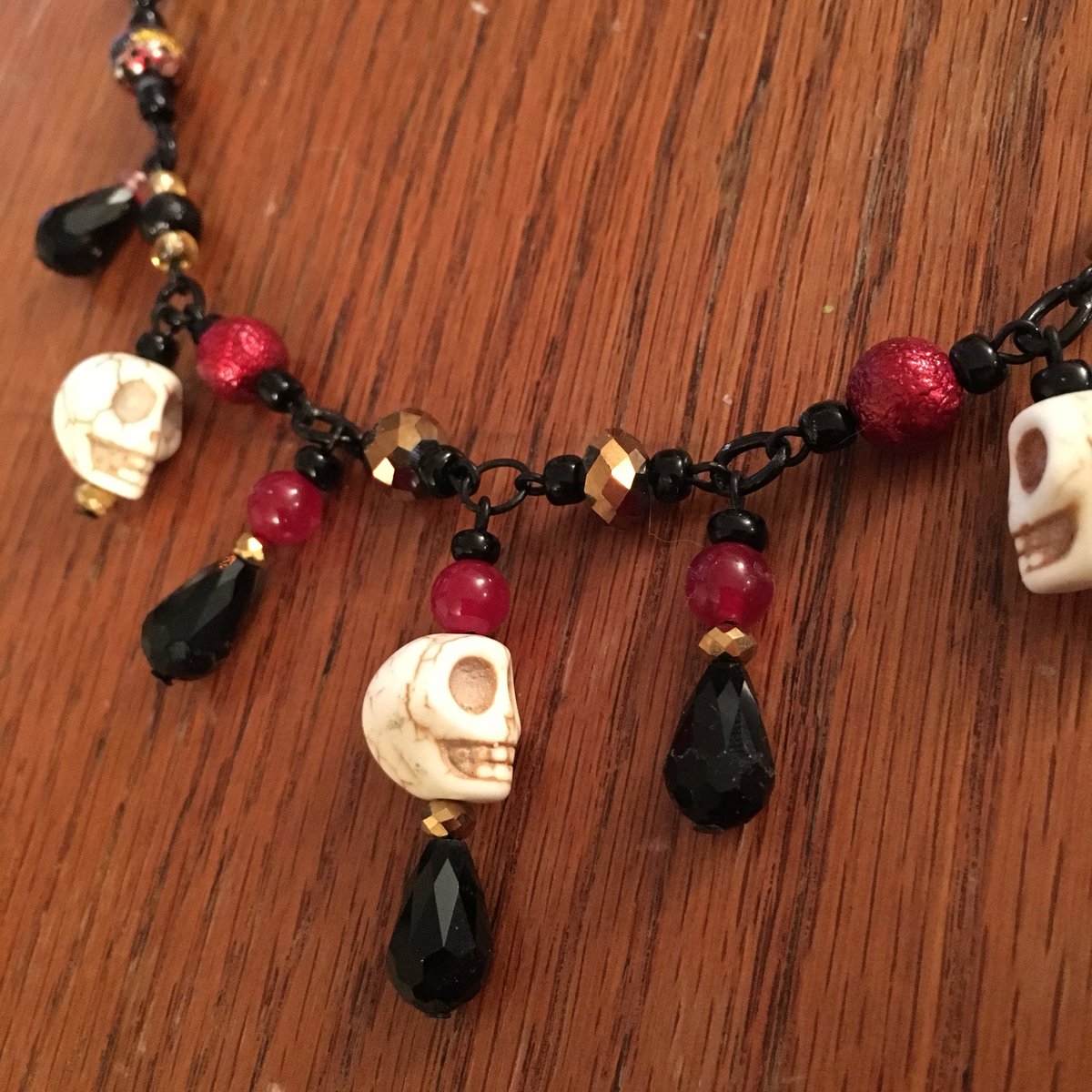
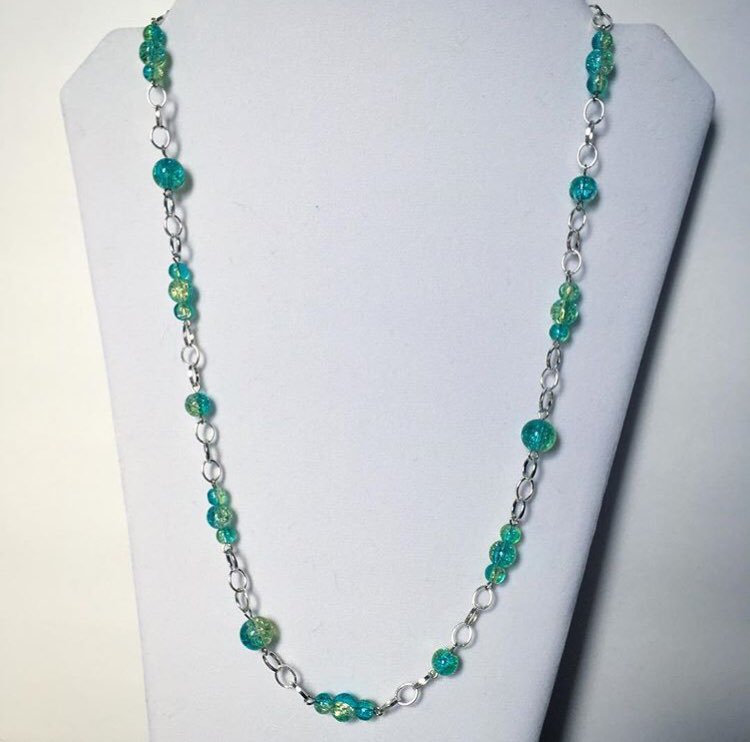
Coming soon to our #etsyshop
#etsy #jewelry #handmade #craft #jewelrylovers #design #DIY #EtsySeller #necklace #Beads #handmadejewelry #selectstatement
1

31 Mar 2018
Working on another piece of #jewelry
Www.etsy/shop/selectstatement
#etsy #Creative #etsyshop #handmadejewelry #jewelrylovers #creativity #EtsySeller