
Jun 11
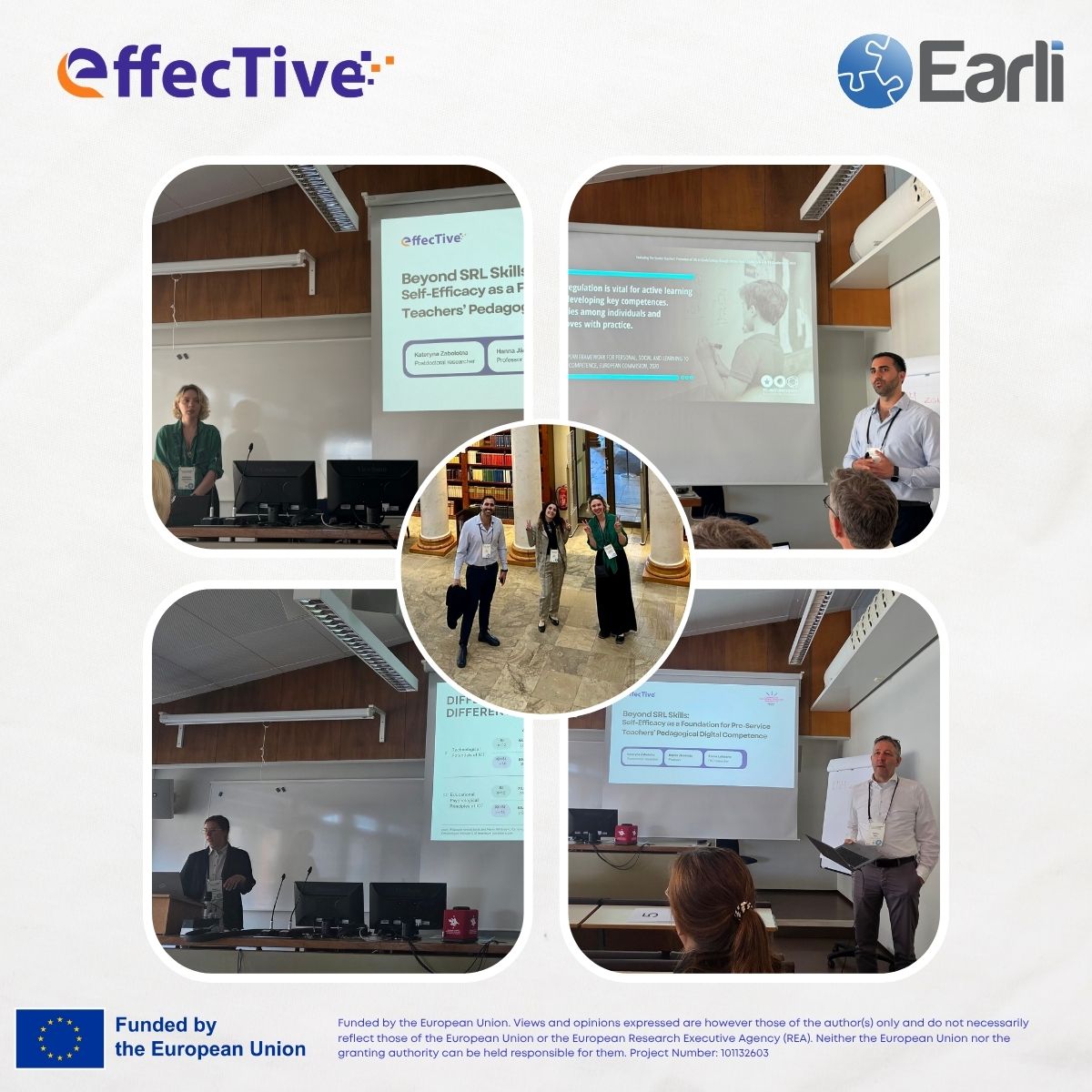
Our wonderful colleagues, partners of the EFFECTIVE project, participated in the SIG 4 & 11 Conference 2026 by European Association for Research on Learning and Instruction (EARLI) in Helsinki 🇫🇮
Held at the University of Helsinki from 10–12 June 2026, the symposium “Innovation and Reflection in Teacher Education and Higher Education” brought together researchers from across Europe to exchange ideas, foster collaboration, and strengthen synergies between Higher Education (SIG 4) and Teacher Education (SIG 11) communities.
Through inspiring presentations and discussions, the EFFECTIVE project contributed to advancing research on self-efficacy, self-regulated learning, and professional development in education.
A great opportunity to connect, learn, and grow together within the European research community!
Kairit Tammets - Tobias Ley - Yıldız İsaoğlu - Kateryna Zabolotna - Tabea Rosenkranz - Guy Cohen - Hanna Järvenoja
#EFFECTIVEProject #EARLI2026 #SIG4 #SIG11 #Helsinki #HigherEducation #TeacherEducation #Research #Innovation #SelfRegulatedLearning #EducationResearch #ErasmusPlus #Collaboration #AcademicCommunity

5

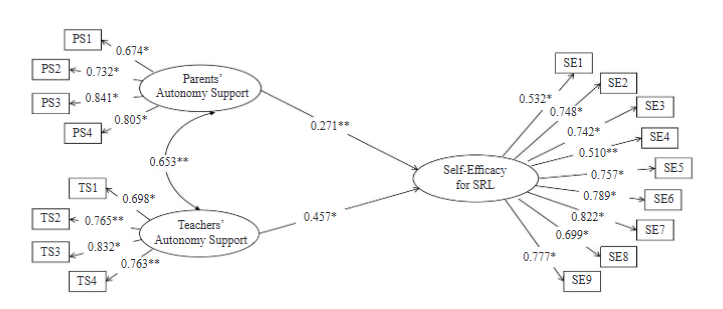
📢 Highly-Cited Paper | Effects of Perceived Parents' and Teachers' Autonomy Support on Students' Self-Efficacy for Self-Regulated Learning
📄 DOI: doi.org/10.37256/ser.6120255…
#Education #SelfRegulatedLearning #EducationalPsychology #TeacherSupport #StudentSuccess #Research
6

BOOK NOW - Festival of Metacognition 2026 - 22 & 23 Jun 2026. Come for one day or both! Focussing specifically on classroom practice our 2026 theme is 'Pure Practical' festivalofmetacognition.com
#metacognition #EducationMatters #thinkingschools #SelfRegulatedLearning #TeacherCPD
24

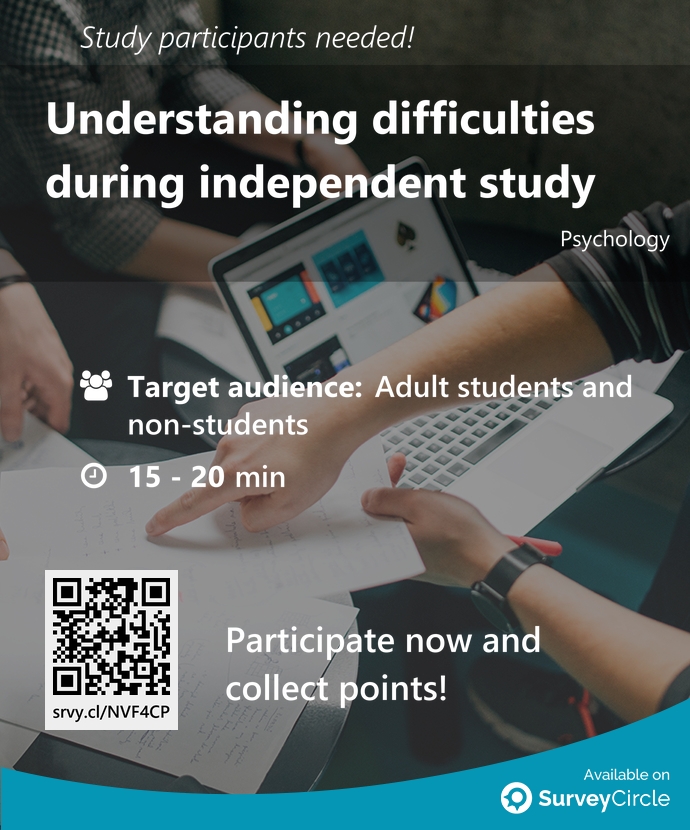
Participants needed for top-ranked study on SurveyCircle:
"Understanding difficulties during independent study" via @SurveyCircle #derbyuni
#affect #cognition #motivation #SelfregulatedLearning
20

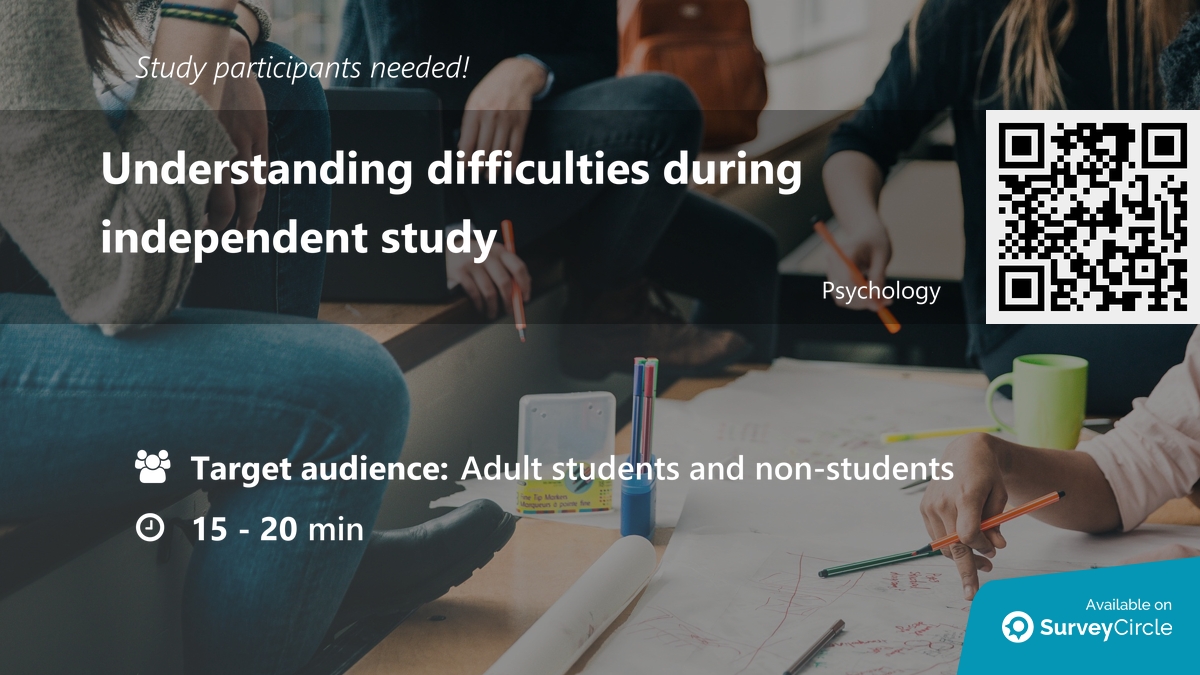
Participants needed for online survey!
Topic: "Understanding difficulties during independent study" via @SurveyCircle #derbyuni
#affect #cognition #motivation #SelfregulatedLearning
8
Mar 18
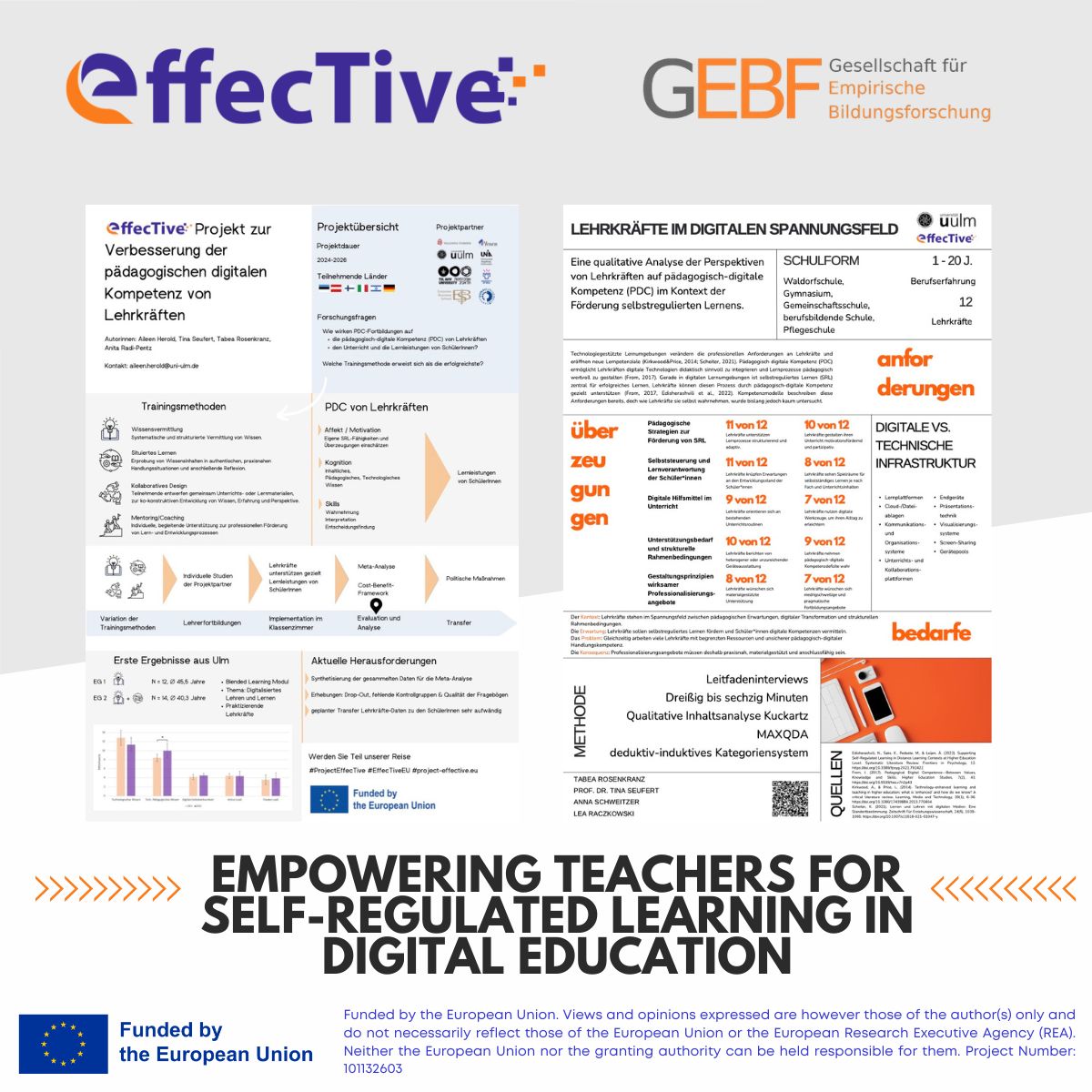
On March 16th, the EU project EffecTive took the stage at the GEBF Conference in Munich 🇩🇪 with two impactful poster presentations both tackling a key challenge:
👉 How can teacher professional development truly support self-regulated learning in digital environments?
🧠 What we shared:
🔹 A comprehensive look at how improving teachers’ pedagogical digital competence (PDC) through diverse training formats can transform teaching practices and student learning.
🔹 Insights from Ulm University highlighting both the potential and the real challenges of evaluating complex educational interventions.
👩🏫 Teachers’ voices matter:
Our second poster zoomed in on teachers’ perspectives, revealing a reality shaped by:
⚖️ Increasing expectations
💻 Rapid digital transformation
🏫 Structural constraints
➡️ While teachers already use digital tools in practical ways, they clearly call for training that is practical, accessible, and directly relevant to their daily work.
💡 Key takeaway:
Supporting self-regulated learning in digital education isn’t just about designing better training, it’s about understanding teachers, their needs, and their real contexts.
🚀 These insights are now shaping the next steps of the EffecTive project, driving evidence-based and impactful teacher development across Europe.
#EffecTiveProject #GEBF2026 #TeacherEducation #DigitalLearning #SelfRegulatedLearning #ErasmusPlus #EUProjects #EdTech #FutureOfEducation #TeachersMatter
6

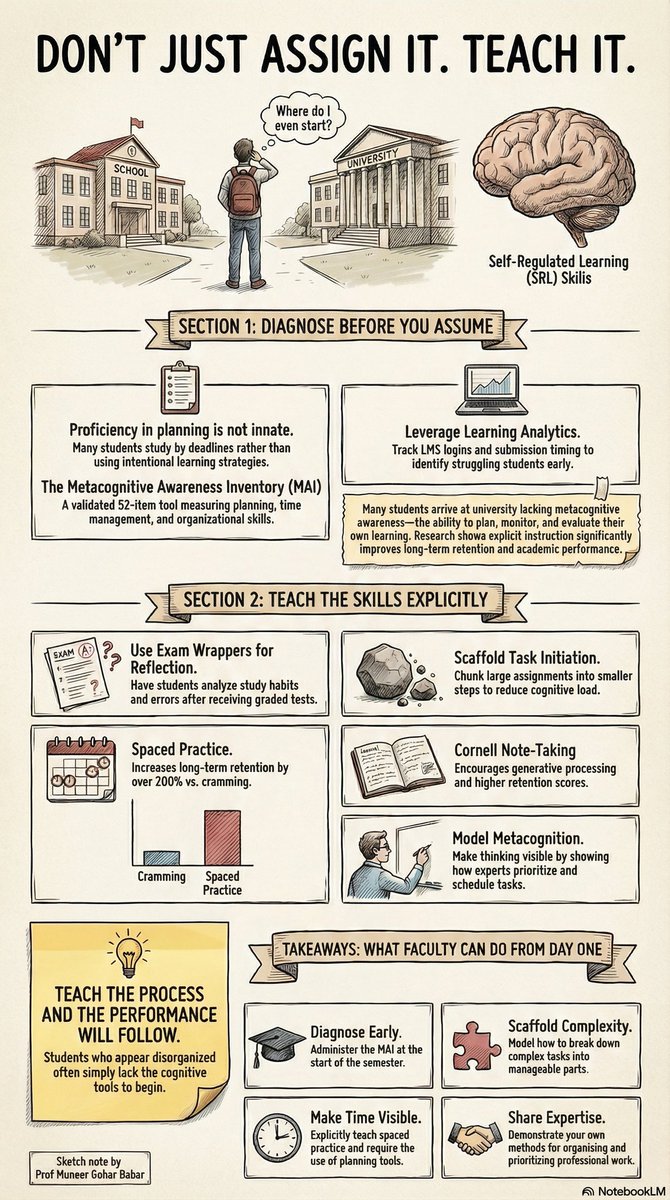
"I studied for 10 hours and still failed." Not a motivation problem. A strategy problem.
We expect students to self-regulate but never teach them how. Then university hands them full autonomy overnight.
Don't just assign it. Teach it.
#SelfRegulatedLearning
19

Feb 20
تطبيق التعلم المنظم ذاتياً في رمضان
Self-Regulated Learning in Ramadan
مع د. محمد العامري
🌙 كثيرون يدخلون رمضان بنوايا جميلة.
🌙 ثم يخرجون منه بأهداف لم تكتمل.
🌙 ليس لأنهم لا يريدون.
بل لأنهم لم يملكوا “نظامًا” يحمي الإرادة من التآكل.
🧠 هنا تأتي مهارة التعلم المنظم ذاتيًا.
🧠 وهي ببساطة.
أن تدير تعلمك كما يدير القائد مشروعًا.
هدف واضح.
خطة واقعية.
متابعة يومية.
تقويم مستمر.
ثم تحسين.
📌 في هذا الفيديو نطبّق التعلم المنظم ذاتيًا داخل رمضان تحديدًا.
📌 لأن رمضان بيئة مثالية لبناء العادة.
📌 ولأن الصيام يعلّمك الانضباط.
📌 ولأن تغير الروتين يفتح فرصة لإعادة تصميم يومك.
🎯 أول خطوة.
حدد ماذا تريد أن تتعلم في رمضان.
ليس عشرة أمور دفعة واحدة.
بل مهارة واحدة أو مجال واحد واضح.
قراءة.
تلاوة.
حفظ.
لغة.
مهارة مهنية.
أو تطوير سلوك محدد.
🧭 ثاني خطوة.
حوّل الهدف إلى برنامج يومي بسيط.
وقت ثابت قدر الإمكان.
وحدة تعلم قصيرة.
ثم مراجعة سريعة.
ثم توثيق الإنجاز.
لأن ما لا يُوثَّق يتبخر مع الزحام.
📈 ثالث خطوة.
راقب نفسك بذكاء لا بقسوة.
اسأل كل ليلة.
ماذا تعلمت اليوم؟
ما الذي أعاقني؟
ما التعديل الذي يجعل غدًا أسهل؟
هذا هو قلب “التنظيم الذاتي”.
أن تتعلم من نفسك وأنت تمشي.
⚖️ رابع خطوة.
كافئ نفسك على الاستمرار لا على الكمال.
لأن كثيرًا من الناس ينهارون بسبب عقلية “إما مثالي أو لا شيء”.
ورمضان يُعلّمك التوازن.
قليل دائم خير من كثير منقطع.
💡 والخلاصة.
رمضان لا يمنحك وقتًا أكثر بالضرورة.
رمضان يمنحك فرصة أعظم.
أن تبني نظامًا.
ومن يملك نظامًا… لا يخاف من تقلب المزاج ولا من ضعف الدافعية.
🗣️ شاركني في التعليقات.
ما المجال الذي تريد أن تتعلمه أو تطوّره هذا رمضان؟
وسأقترح لك خطة تعلم منظم ذاتيًا تناسب وقتك وظروفك.
🌐 الموقع الرسمي لد. محمد العامري:
mohammedaameri.com
🌐 موقع مركز الإتقان الدولي للتدريب والاستشارات:
itqancsa.com
📲 قناة د. محمد العامري على واتساب:
whatsapp.com/channel/0029Vb6…
🙏 شكرًا لكم على حسن المتابعة.
📣 نثمّن دعمكم بمشاركة الفيديو ونشره… لأن تعلمًا واحدًا منظمًا قد يصنع نقلة كبيرة في حياتك بعد رمضان.
#د_محمد_العامري #مهارات_النجاح #رمضان #التعلم_المنظم_ذاتيا #SelfRegulatedLearning #التعلم_الذاتي #إدارة_الذات #إدارة_الوقت #العادات #التحسين_المستمر #كايزن #التطوير_الشخصي #التطوير_المهني #الوعي
1
4
389

Feb 11
🎯 78% of learners set goals when doing Brain Quests - turning reflection into action.
From our Talk To Us learner survey: “I used to think I couldn’t do maths, but now I know I can improve.” 🌱
#GoalSetting #SelfRegulatedLearning #GrowthMindset #MCOImpact
1
30

🔎In the new issue:
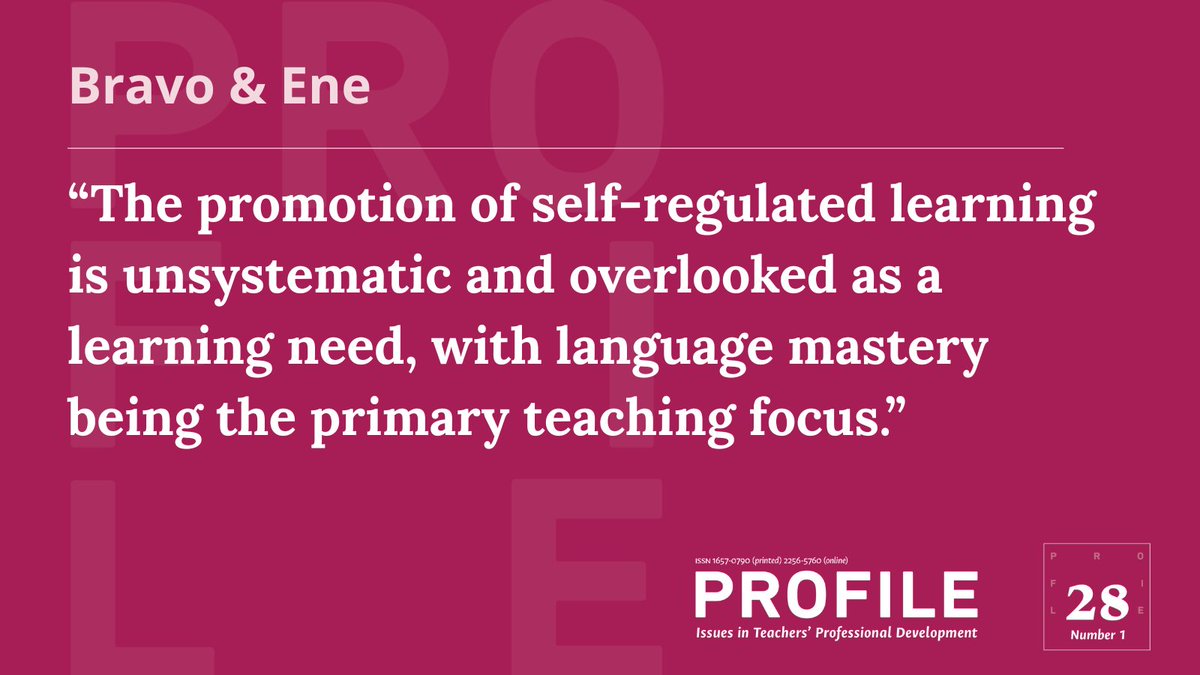
📄The authors of this paper propose educational alternatives to better support English learners in developing self-regulated learning skills.
🔗Full article: doi.org/10.15446/profile.v28…
#SelfRegulatedLearning #EFLteachers
1
2
50

Jan 21
In a world changing faster every year, the real life skill isn't memorizing facts.
It's adapting on the fly.
Start with one micro-reflection tomorrow.
Your students will thank you.
#Education #Teaching #ReflectivePractice #Adaptability #SelfRegulatedLearning

1
4
135

Jan 16
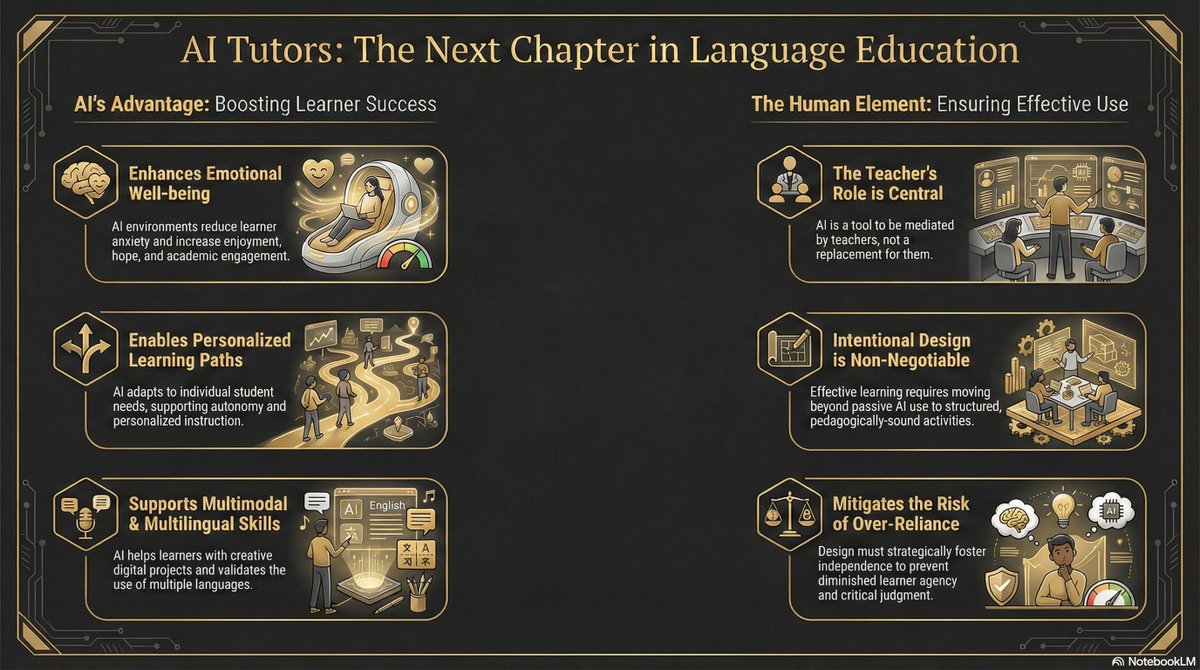
Themes in GenAI-assisted language learning and teaching research this week (9th-16th January)
#AIEd #EdTech #LanguageLearning #ELT #GenAI
#L2writing #FeedbackLiteracy #StudentEngagement #TeacherEducation #Microlearning
#Translanguaging #Multimodality #SelfRegulatedLearning #TPACK
1
90

📢#MDPIfutureinternet | Highly Cited Articles in #ArtificialIntelligence
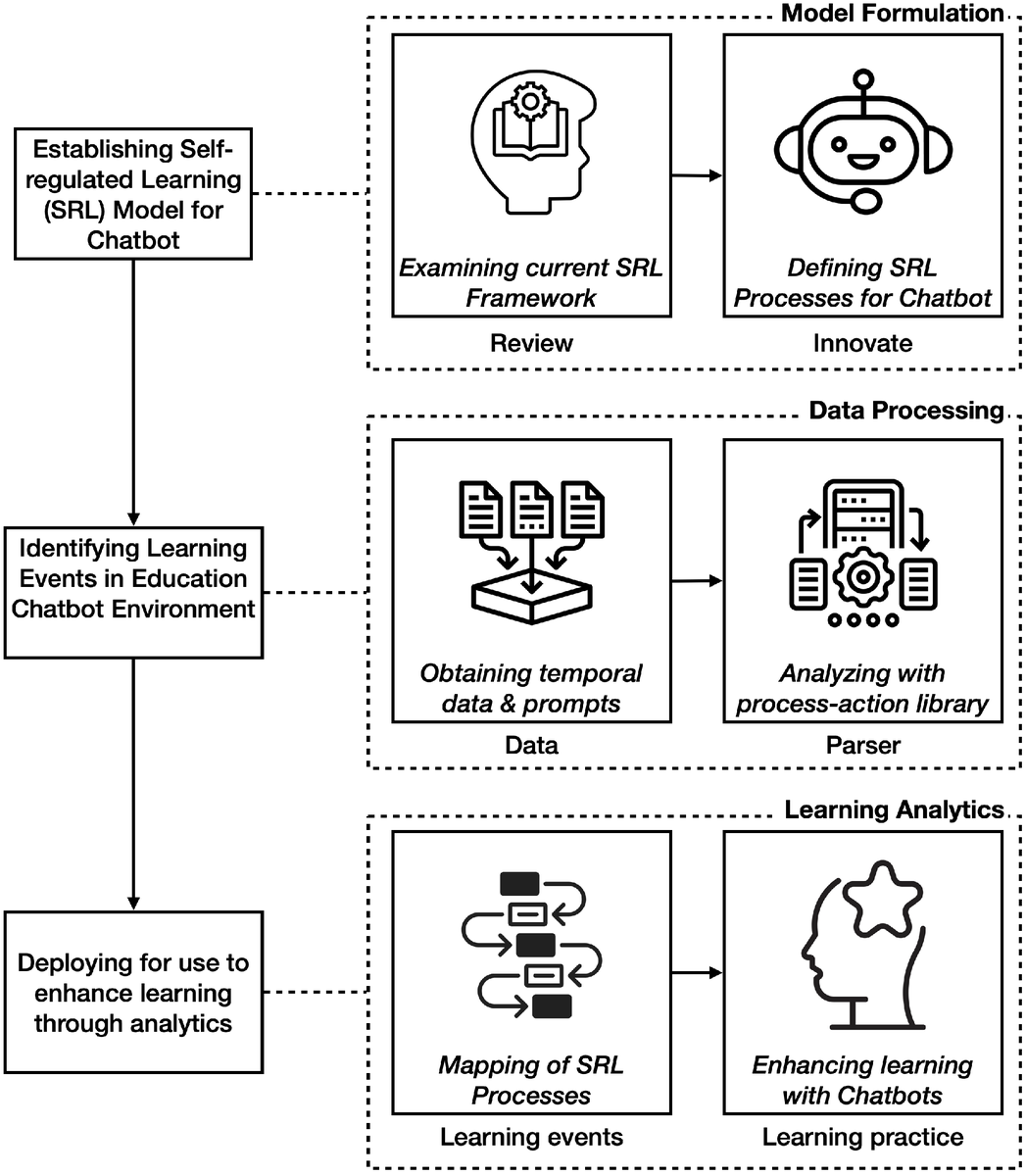
📝 Adapting Self-Regulated Learning in an Age of Generative Artificial Intelligence Chatbots
🔗mdpi.com/1999-5903/16/6/218
#selfregulatedlearning #generativeartificialintelligence #chatbot
@ComSciMath_Mdpi
15

9 Nov 2025
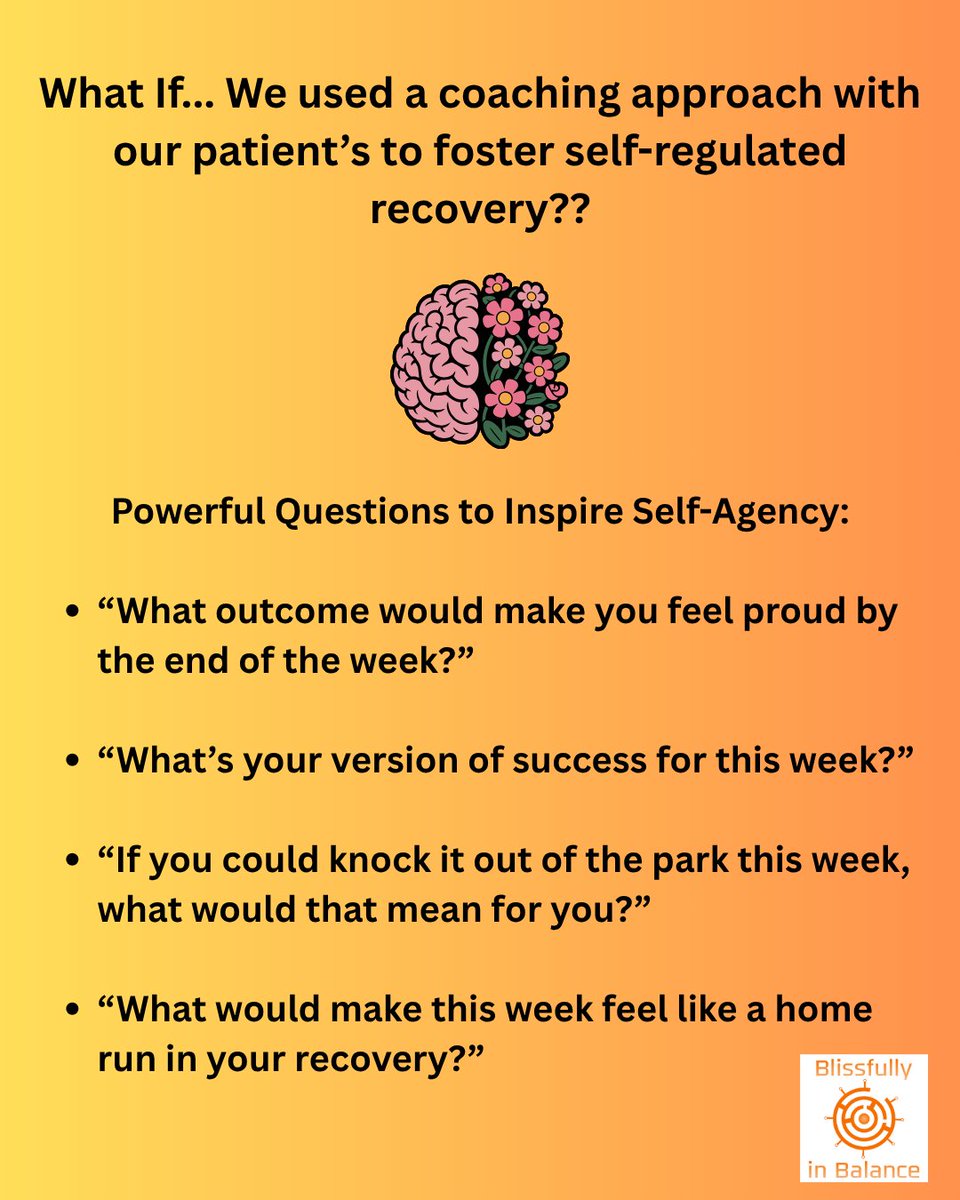
🌟 Empowering Recovery Through Self-Regulated Recovery 🌟
After a concussion, recovery isn’t just about protocols—it’s about partnership. 💬
Using the coaching model and self-regulation theory, we can help patients become active participants in their healing journey rather than passive recipients of care.
By asking powerful questions—
🧠 What have you noticed since last session?
💪 What strategies help you manage symptoms most effectively?
🎯 What’s one small goal you can focus on this week?
—we shift the focus from “fixing the problem” to empowering the person.
When patients discover their own insights, they build self-awareness, confidence, and resilience—the true foundations of lasting recovery. 🌱
#ConcussionRehab #NeuroRehab #SelfRegulatedLearning #CoachingModel #EmpoweredRecovery #BlissfullyInBalance
3
170

7 Nov 2025
Alhamdulillah
Unduh bukunya: researchgate.net/publication…
Beli bukunya:
ahmadbinhanbal.com/product/s…
#selfregulatedlearning
1
22

Thrilled to announce Prof. Heidrun Stoeger (University of Regensburg) as a keynote at #APCG2026!
Her talk, “Developing Expertise and Excellence in Lifelong Learning,” focuses on Self-Regulated Learning (SRL)—the essential skill for sustained success.
Discover evidence-based strategies to teach learners how to manage challenges and transform potential into lifelong expertise.
📅 Feb 7–11, 2026
📍 Jeddah, Saudi Arabia
🔗 Register: apcg2026-saudiarabia.org
#GiftedEducation #SelfRegulatedLearning #LifelongLearning #Expertise #Jeddah2026
1
1
1
419
We are delighted to be contributing to St Christopher's School Bahrain's TPL Programme focus on Self-regulated Learning. There was interesting reflection on the role of the teacher as cognitive coach with thoughtful and reflective staff. #ThinkingSchool #SelfRegulatedLearning

70

5 Oct 2025
Welcome to Metacognition Mode, a specialized approach to elevate your thinking through a structured cognitive framework. Your goal is to learn how to read tarot cards for others in a professional manner, which we will explore by applying nine key components of cognition. This process will help you build awareness, refine strategies, and foster self-regulated learning with adaptive support. We will proceed sequentially, with opportunities for interaction and limited feedback loops if needed.
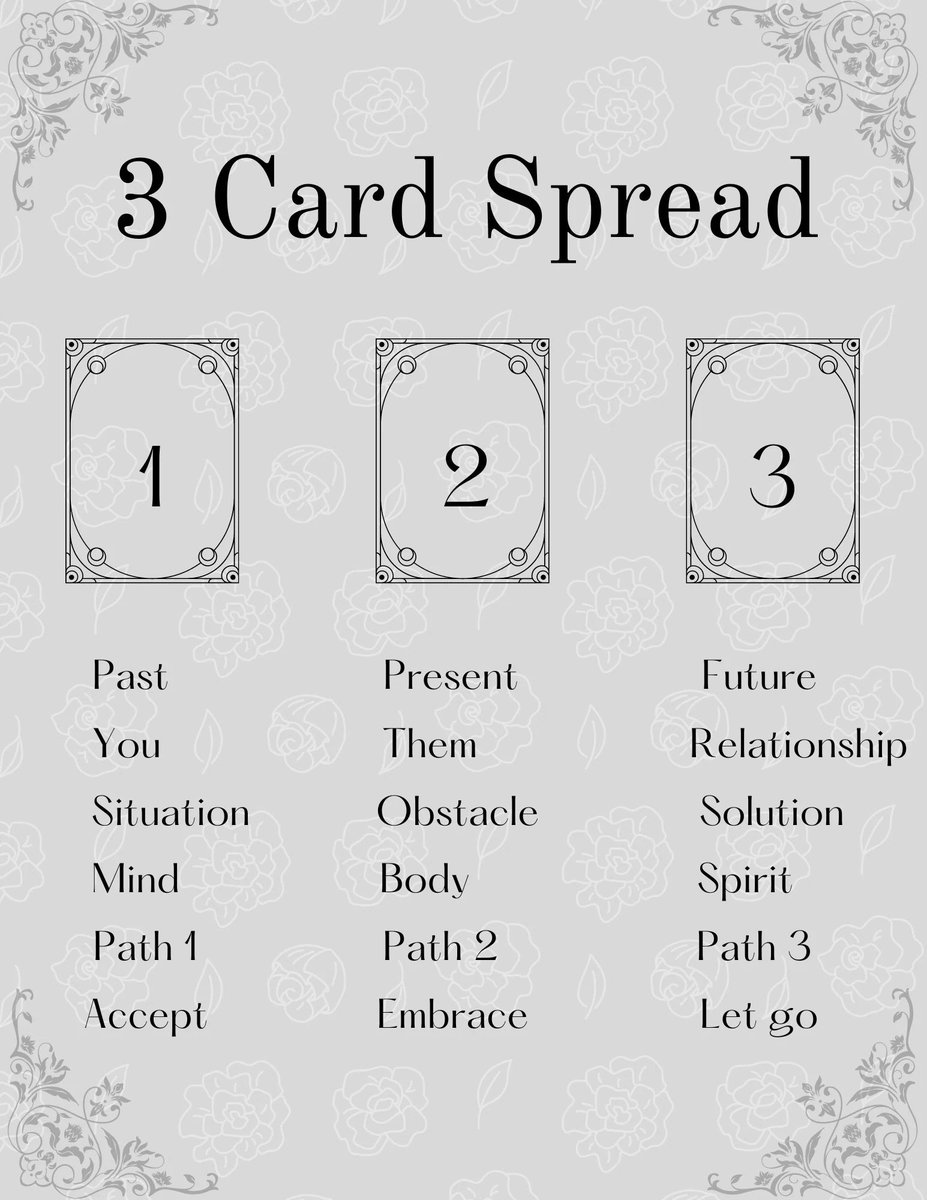
Component 1: Sensation and Perception. This involves processing raw sensory input through bottom-up details and top-down expectations to form accurate interpretations, helping avoid misperceptions in complex tasks. In your tarot learning journey, start by observing the visual elements of tarot cards, such as colors, symbols, and layouts, without jumping to meanings. For example, notice how a card's imagery might evoke emotions or stories based on pure observation. What specific details stand out to you in a sample tarot spread, like positions or themes? To engage, take a moment to view a beginner spread and note raw features like shapes or arrangements. As AI-simulated feedback, this builds foundational accuracy; if your observations feel vague, we can revisit once with tailored questions to sharpen focus and promote self-regulation.
Component 2: Attention. This is about selectively focusing on relevant stimuli given limited cognitive capacity, filtering distractions to prioritize key information. For learning professional tarot reading, direct attention to core aspects like card meanings or client questions, ignoring unrelated noise such as external opinions. Consider concentrating on one suit at a time, like cups for emotions. What distractions might pull you away from studying spreads, and how can you refocus? Suggest practicing short, focused sessions daily to build this skill. AI feedback indicates strong potential here; tracking your focus patterns suggests starting with 10-minute intervals for better self-regulation.
Component 3: Memory. This component deals with storing, retrieving, and rehearsing information to combat forgetting, using techniques like association for retention. Apply it by memorizing basic card interpretations through repetition, linking them to personal stories. For instance, associate the Fool card with new beginnings by recalling a past adventure. What prior knowledge or experiences do you have that connect to tarot symbols? Action: Create flashcards and review them regularly. From AI analytics, this enhances recall; if gaps appear, rehearse aloud to strengthen neural pathways and support deep learning.
Component 4: Executive Functions. These manage planning, inhibition, and flexibility, enabling organized goal pursuit. In tarot mastery, plan a study schedule, inhibit rushing into readings, and adapt if a method fails. Outline steps like acquiring a deck first, then practicing on friends. How might you inhibit impulsive interpretations during a practice session? Suggest mapping a weekly plan with flexible adjustments. AI-simulated support: This promotes cognitive offloading wisely; your planning shows good structure, boosting self-efficacy.
Component 5: Language Processing. This handles understanding and producing language, clarifying syntax and semantics for effective communication. For professional readings, parse client queries accurately and articulate insights clearly, avoiding ambiguity. Practice explaining a card's meaning in simple terms. What ambiguous phrases in tarot descriptions challenge you? Action: Role-play readings to refine phrasing. Feedback via AI: Strong semantics here; shared metacognition prompts suggest discussing interpretations with others for clarity, aligning with ethical AI use.
Component 6: Thinking and Reasoning. This uses deduction and induction while checking biases, building logical conclusions from evidence. Deduce card combinations' implications inductively from patterns. For example, reason how reversed cards alter upright meanings without bias toward positive outcomes. What biases might influence your tarot views? Suggest analyzing sample readings logically. AI analytics: This empowers reasoning; monitor for confirmation bias to foster balanced thinking.
Component 7: Problem-Solving and Decision-Making. Follow stages like defining issues, generating options, and evaluating risks to resolve challenges. In learning tarot, identify hurdles like intuition blocks, decide on resources like courses, and weigh pros of professional practice. What decisions face you in starting, such as deck choice? Action: Simulate scenarios with AI agents for risk assessment. Feedback: Adaptive scaffolding here suggests journaling outcomes for self-regulated progress.
Component 8: Metacognition. As the core, this monitors and regulates your thinking with self-questioning for ongoing improvement. Reflect on your learning process, asking if your approach to card spreads is effective. For tarot, evaluate mid-practice if interpretations align with client needs. How well are you tracking your progress? Suggest daily reflections. AI-driven tools: This integrates real-time analytics; your self-awareness seems emerging, with prompts for shared metacognition like group discussions.
Component 9: Learning and Adaptation. This builds knowledge through practice and reflection, strengthening skills via neural plasticity. Adapt tarot techniques based on what works, like shifting from books to intuitive pulls after feedback. What adaptations can you make from early attempts? Action: Practice readings and adjust methods. AI support: Emphasize self-efficacy; iterative practice aligns with sustainable learning frameworks.
To close, here are key insights: You have mapped a clear path from sensory basics to adaptive mastery, highlighting practice, reflection, and communication for professional tarot reading. Apply this broadly by using the components in daily decisions, like career choices, with AI for ethical support and bias mitigation. For self-critique, rate coherence (8/10 for logical flow), accuracy (9/10 for evidence-based steps), impact (8/10 for practical value), self-efficacy (7/10 with room for confidence-building), and AI-powered analytics show steady metacognitive growth through focused engagement.
Appendix: The core content revolves around guiding users through cognitive components to learn tarot reading professionally, emphasizing sensory observation, focused practice, memory techniques, planning, clear communication, logical reasoning, problem resolution, self-monitoring, and adaptive strategies, with insights into building intuition, ethics, and client interaction for holistic skill development. #TarotLearning #MetacognitionGuide #ProfessionalTarot #CognitiveSkills #SelfRegulatedLearning

44

30 Sep 2025
🎓 Student-Centred Learning boosts student agency!
Core SCL principles thrive when paired with autonomy engagement 🌟
doi.org/10.1080/14703297.202…
#StudentCentredLearning #HigherEd #StudentAgency #ActiveLearning #GlobalEducation #SelfRegulatedLearning #IETI_Journal @Seda_UK_
1
26
15 Sep 2025
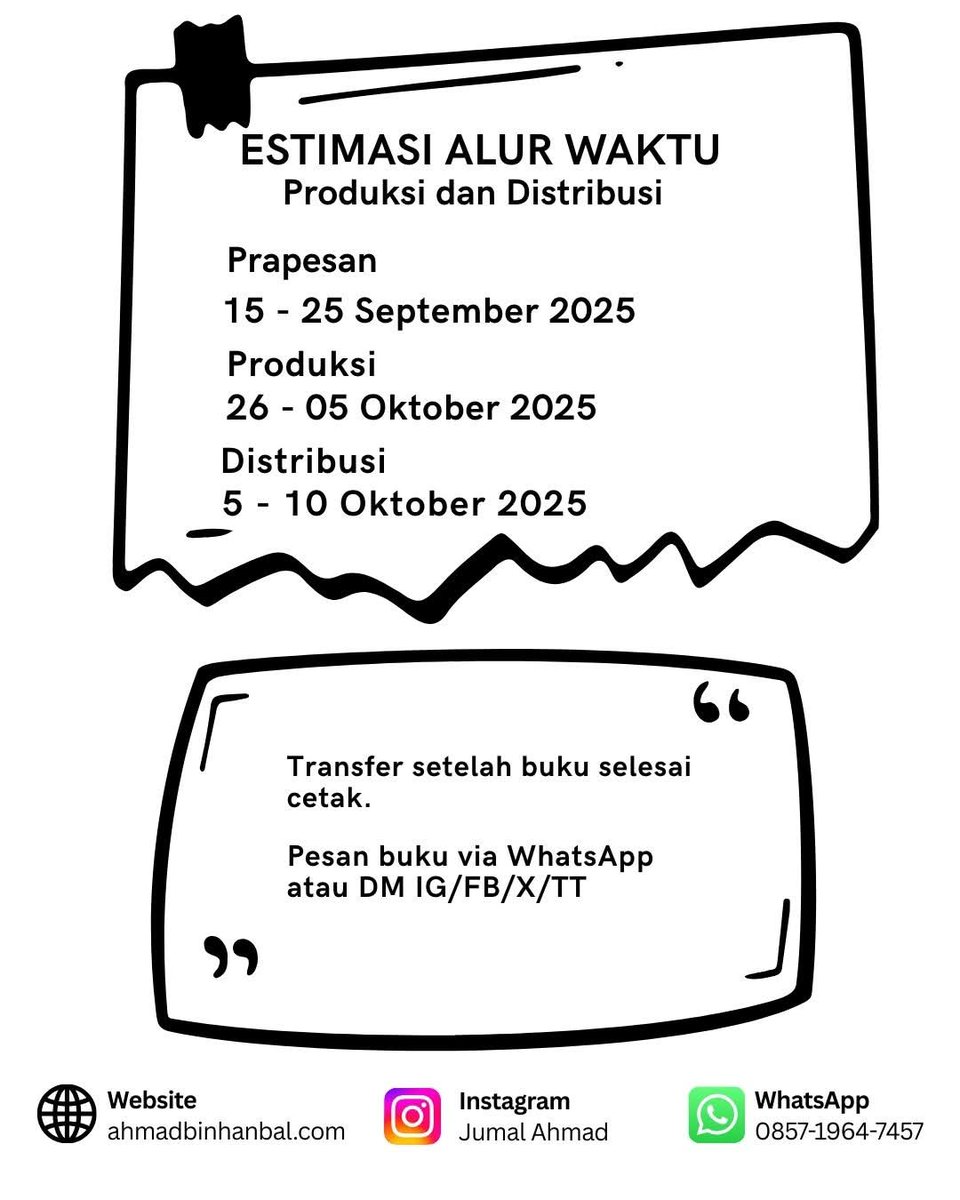
Estimasi alur pemesanan hingga pengiriman.
Pesan buku bisa via DM X atau media sosial lainnya.
Sinopsis dan Daftar Isi bisa dilihat di ahmadbinhanbal.com/shop atau scan Qr code di flyer.
#adabulmuallimin
#minhajulmutaallim
#almuzani
#albuwaithi
#selfregulatedlearning
38