
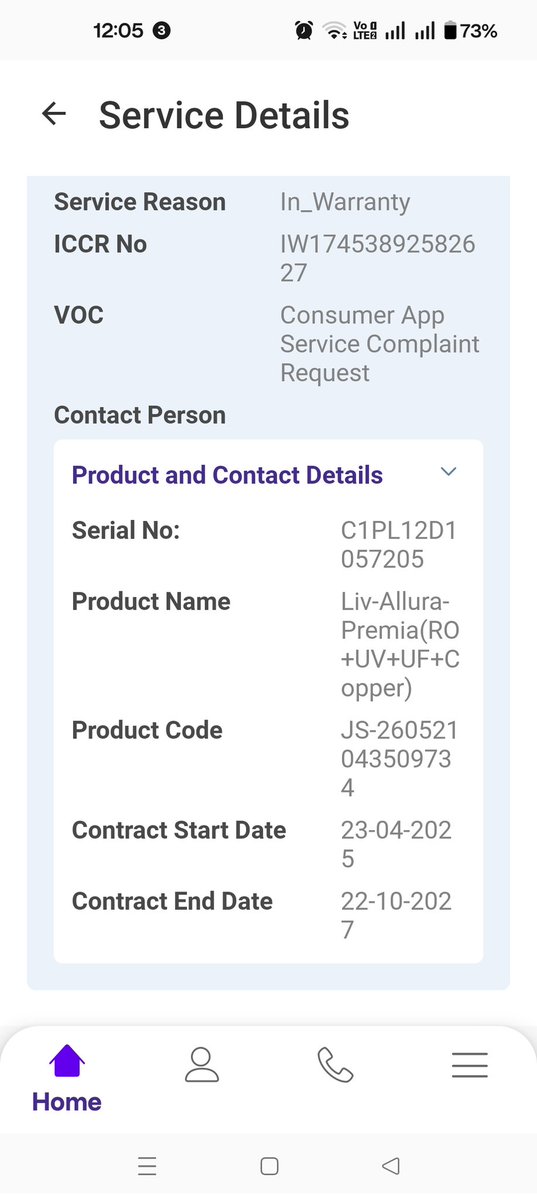
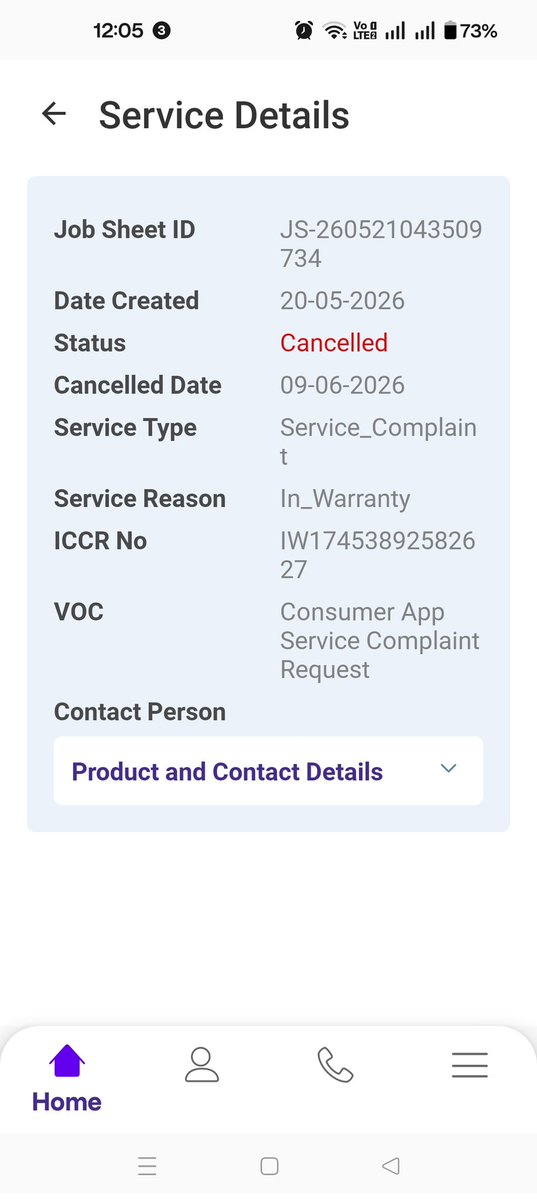
@Livpure_India #ServiceRequest #Cancelled??? Why?
Why #NotServicing? I #Neex #AllReplaced #Immediately Or Take back Your Dubba
May 31

@Livpure_India wake up and do the service
2

May 9
❖ Navigating Ritual Explorer: How to Read AI Blockchain Data ❖
After testing the features on Ritual, I want to provide a navigation for those who haven’t started yet, but this will make it much easier to understand.
Ritual is a sovereign L1 network for AI computing. It is, you could say, a niche tool for AI that is still in the development phase.
Ritual allows smart contracts to access AI capabilities that are too expensive or technically impossible on other networks such as Ethereum, Solana and others.
In the Ritual Explorer, you will find AI-specific data, so let’s figure out where to look in the Ritual Explorer: 🔍 explorer.ritualfoundation.or…
1. AI Inference Calls
In the Transactions section, look for interactions with Infernet contracts.
In the transaction details, you can see the model call parameters and the result (output).
It is important to note that the inference data itself is "hidden" in the Logs or Events tabs.
2. Nodes & Compute Providers
In the Validators section, not only the balance is important, but also the status of the node's availability for performing AI tasks, unlike other networks. These are the real computing power of the network.
3. System contracts (Precompiles)
Look for wallets with low numbers in Addresses or Contracts (for example, 0x000...). They are responsible for specific operations: verification of ZK proofs and work in protected environments (TEE).
4. Main Dashboard
On the main page you will find:
❖ Total Inferences graph - the total number of AI requests.
❖ Recent Inferences - a list of models (such as Llama) that were called most recently.
❖ Proof Verification - the status of cryptographic confirmation of calculations.
Tip for those who are just testing the Ritual network: Look for Infernet or ServiceRequest methods in the list of recent transactions to see the network in action!
Gritual!
#Ritualnet #Ritualfnd #RitualCommunity #gRitual
💚 @akileshpotti @niraj @sanlsrni @joshsimenhoff @fed_febri @Jez_Cryptoz💚
20
50
263


Apr 20
Remember when I said they're hiding everything under microservices and metadata and biometadata?
They are. Here's how.
BIOSIGNAL DATA & MICROSERVICES
Part 1
Microservice-based architectures are increasingly used for biosignal data to enable scalable, modular acquisition, processing, and classification of physiological signals.
researchgate.net/publication…
These systems typically decouple components like sensing, data synchronization, and analysis, allowing for independent scaling and easier integration of diverse IoT devices.
researchgate.net/publication…
Key implementations include:
Event-Driven & Microservice Integration:
Recent frameworks use microservices and message brokers to synchronize data from multiple sources (e.g., ECG, electrodermal activity) at the edge, improving synchronization times and reducing latency compared to direct cloud delivery.
researchgate.net/publication…
Generic Multisource Architecture:
Proposed architectures focus on scalability and redundancy, using protocols like Lab Streaming Layer (LSL) for data streaming and synchronization, allowing for the integration of various sensors with different sampling frequencies.
labstreaminglayer.readthedoc…
Remote & Distributed Systems:
Distributed frameworks handle remote multimodal biosignal acquisition (e.g., via radars and cameras) using RESTful APIs and specialized time-series databases like InfluxDB for real-time storage and rapid read/write operations.
researchgate.net/publication…
Cloud-Based Aggregation:
Some models utilize a three-tier approach (sensors, gateways, cloud) where microservices manage the ingestion of biosignals, perform provisional analysis on mobile devices, and handle heavy-weight analysis and decision support in the cloud.
pmc.ncbi.nlm.nih.gov/article…
These approaches streamline the biosignal lifecycle, from raw data capture to clinical insight generation, by isolating concerns such as data ingestion, storage, and algorithmic processing into independent, manageable services.
ALL OF THIS CONNECTS TO INFERNO VIA FHIR
LabStreamingLayer (LSL) also ties into Fast Healthcare Interoperability Resources (FHIR)
This is where CDISC ADaM comes in.
cdisc.org/standards/foundati…
FHIR - Lab Streaming Layer
FHIR (Fast Healthcare Interoperability Resources) provides a framework for accessing and sharing laboratory data such as blood tests from a repository via its API.
For more detailed queries, such as finding all lab tests of a given type for a person, the process can become more complex due to the need to include more 'order-related' details about the result, such as the ordering clinician.
This involves navigating through resources like DiagnosticReport, ServiceRequest, and Practitioner, which may not be supported by all servers.
In clinical research, FHIR data can be mapped to the CDISC ADaM standard for analysis, facilitating the extraction of patient-level medical records including demographics, encounter information, medications, medical history, adverse events, laboratory, and vital signs.
Use of FHIR in Clinical Research: From Electronic Medical Records to Analysis
MAPPING FROM THE FHIR STANDARD TO ADaM
METHODS
MAPPING FROM THE FHIR STANDARD TO ADaM
Convert FHIR JSON to ADaM SAS Datasets
The client software created in Python for this project converted the JSON FHIR resource content to CSV files for easy conversion by SAS into ADaM SAS datasets capable of producing data displays for typical safety domains: labs, vital signs, and adverse events.
cdisc.org/kb/articles/use-fh…
1
8
9
760

Apr 15
Alternatively you may also lodge a complaint using our IndSMART App - go to top left hand menu button – ServiceRequest – Other Services - Raise and View Complaints OR you can also share your grievances to email id nodalofficer@indianbank.co.in (2/2)
1
45

5 Aug 2025
@LtGovDelhi @LG_Delhi
Hi LG Team,
My fridge is still in bad condition and I haven’t received any update from your side. Please let me know what I need to do next.
#Delhi #ServiceRequest #FridgeIssue
1
3
3
53

24 Jun 2025
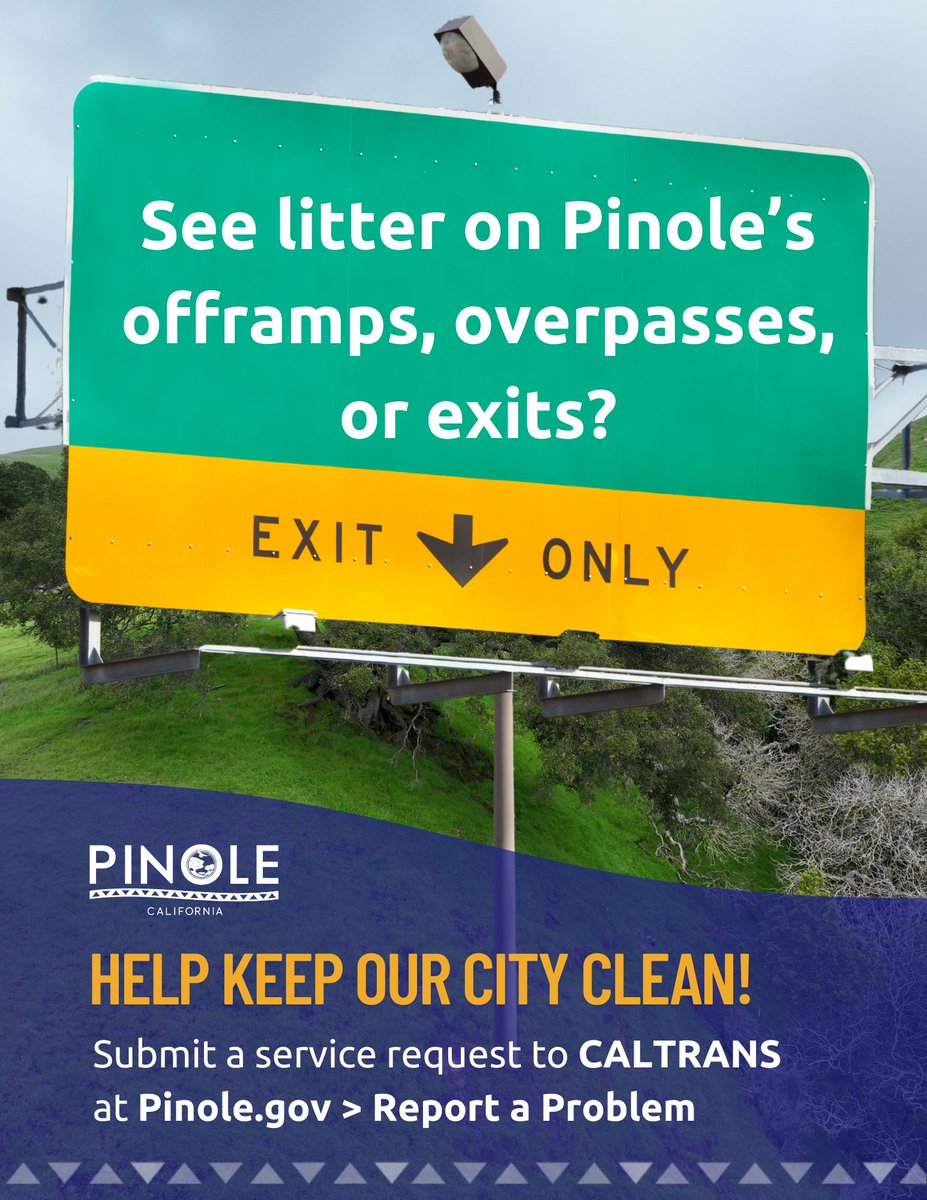
Help us keep Pinole clean and keep trash out of Pinole Creek by reporting trash or litter on our freeway offramps, overpasses or exits to CalTrans: csr.dot.ca.gov/ or via our website. #highwaylitter #freewaylitter #i80 #Pinoleca #servicerequest
4
2
114

13 Aug 2024
With #EnviroApp, Wherever you are, anybody from your family can book a #ServiceRequest for #Home or #CommonArea.....
#OneApp #App #CSC #Complaint #ComplaintManagement #ClientServiceCell #Enviro #FacilityManagement #IFMS #BuildingMaintenance #IntegratedFacilityManagementServices
864

1 Jul 2024
#ServiceRequest
What do you expect by threatening the USA?
1 Jul 2024

BREAKING:
The Houthis threaten the U.S. that they will soon attack a U.S. aircraft carrier strike group
Via @Osint613
9
1
22
1,195

20 Jun 2024
Facing problem with your AC? We’re here to help!
Reach out to us on WhatsApp at 9871409300 to raise AC service tickets hassle-free.
#Daikin #DaikinIndia #DaikinAC #Service #ServiceRequest #WhatsApp #InnovatingForChange #Technology #InnovatingGoodness #AC #AirConditioning

27
4
16
1,334
19 Jun 2024
With Daikin, raising a service request is as easy as a scan. ☺️
Enjoy convenience at your fingertips. Scan now! 📱
#Daikin #DaikinIndia #DaikinAC #Service #ServiceRequest #InnovatingForChange #Technology #InnovatingGoodness #AirConditioning #AirConditioner #TheAirSpecialist
27
4
6
1,246

8 May 2024
👀 We have an exceptional offer for IT/ICT headhunters!
👔 This new method we call "IT Outsource 2.0" is specifically designed for micro and mid-sized SMBs that are budget tight but inneed of full scope of a decentralized light node of "IT Support Personnel", "IT Expert" or "IT Auditor"
👉 gmdestek.com/diskaynakbt/
Our services are currently only for #Türkiye market.
#IT #ICT #CallCenter #HelpDesk #InformationTechnology #ITIL #ITSM #ServiceRequest #Ticketing #RemoteSupport #DecentralizedIT
1
1
170
7 May 2024
Experience the convenience of AC service at your fingertips!
WhatsApp us on 9871409300 to raise service tickets effortlessly.
#Daikin #DaikinIndia #DaikinAC #Service #ServiceRequest #WhatsApp #InnovatingForChange #Technology #InnovatingGoodness #AirConditioning #AirConditioner
30
4
9
2,082
22 Mar 2024
Need assistance? We've got you covered! 🤝 Scan the QR Code and breeze through service requests with Daikin. Swift, simple, and always at your service. 😊
#Daikin #Service #ServiceRequest #Scan #InnovatingForChange #Technology #InnovatingGoodness #AC #TheAirSpecialist
9
1
2
1,175


ನಿಗದಿತ ಕಾಲಾವಧಿಯೊಳಗೆ ಸೇವೆಗಳನ್ನು ಒದಗಿಸುವ ಸಕಾಲದಲ್ಲಿ ನೀವು ಹಲವಾರು ಸೇವೆಗಳ ಪ್ರಯೋಜನವನ್ನು ಪಡೆದುಕೊಳ್ಳಬಹುದು. ಜಾಲತಾಣಕ್ಕೆ ಭೇಟಿ ನೀಡಿ sakala.kar.nic.in
#sakala #servicerequest #egovernance #governmentofkaranataka
1
1
7
1,381

4 May 2023
#ServiceRequest #SalishOrca departed 47 minutes behind schedule for the 9:55 am sailing from #LittleRiver due to a stalled vehicle onboard the vessel. We expect to make up some time over the course of the day.
More info here: ow.ly/cZFH50Og6gN ^ml
1,669

6 Apr 2023
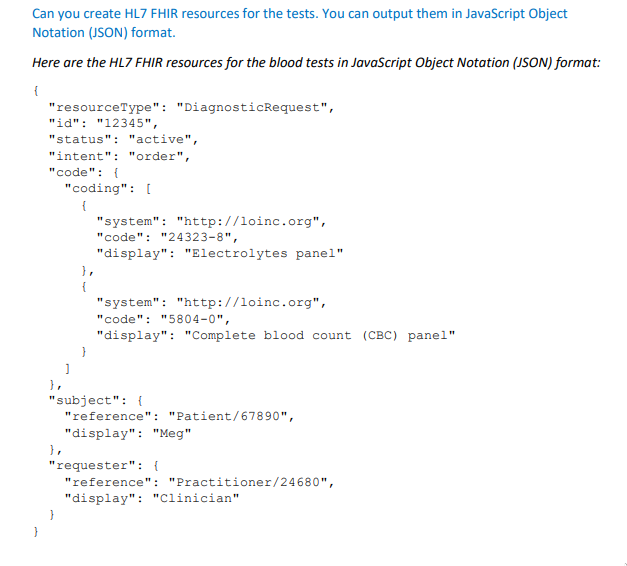
Looks like plausible #FHIR JSON. But reading carefully, almost every line is problematic: 1) DiagnosticRequest isn't a FHIR resource -- should be ServiceRequest 2) CodeableConcept.codings need to be synonyms, 3) LOINC codes don't match display names, 4) resource ids are made up.
1
2
361

31 Jan 2023
Hey @Redmilndia, it's been a month since I raised a service request for my Redmi TV panel replacement. Still no response from your side. Can you please look into this and resolve the issue at the earliest? #RedmiTV #ServiceRequest #UnresolvedIssue
@MiIndiaSupport
@XiaomiTVIndia
5
1
3
265
