
17 Jul 2025
Topper’s Revision Routine – Simple!
Toppers' Tip। Dongre Archit Parag । AIR 3, UPSC CSE 2024
#RevisionRoutine #TopperTips #UPSCPrep #SmartRevision #UPSC2025 #StudyStrategy #SimpleIsEffective #CrackUPSC
3
160

3 Sep 2023
📈 Understanding Moving Averages: A Comprehensive Guide #StockEducation #FinancialLiteracy #alphtitancapital
⚖️ Legal Disclaimer: This content is intended solely for educational purposes. It should not be interpreted as financial advice. #NotFinancialAdvice
🔍 What is a Moving Average? Moving averages serve as an indispensable tool in financial analysis, simplifying price data to reveal market trends. #MovingAverages
📊 Types of Moving Averages
•SMA (Simple Moving Average): A straightforward average, treating all data equally. #SMA
•EMA (Exponential Moving Average): More emphasis is placed on the most recent data. #EMA
•WMA (Weighted Moving Average): Allows you to assign different weights to different data points. #WMA
🔨 Mechanics Explained
•SMA: Every data point has equal weight. #SimpleIsEffective
•EMA: Recent data is given greater weight, making it more responsive to price changes. #StayCurrent
•WMA: You control the weight of each data point, offering a customized perspective. #Personalization
⌚ Timeframes to Consider
•Daily: Useful for monitoring immediate market conditions. #DailyAnalysis
•Weekly: Provides a broader view, minimizing daily market 'noise.' #WeeklyInsight
•Monthly: Ideal for long-term planning and strategy. #StrategicPlanning
📍 Importance of Moving Averages
•Identifying Trends: Discerning market direction is simplified. #TrendAnalysis
•Support & Resistance Levels: Aides in deciding market entry and exit points. #StrategicTrading
💡 Strengths and Weaknesses
•Data Points: The more comprehensive the data, the stronger the average. #DataIntegrity
•Verification: Cross-referencing with other indicators enhances reliability. #DueDiligence
🎓 Conclusion The adept use of moving averages can significantly enhance your financial acumen. Together, we grow our understanding of the markets! 🌟 #InvestingEducation #investing #trading #technicalanalysis #StockMarket #movingaverages
3
23
173
73,518

4 Feb 2023
My best productivity hack of 2023 so far...
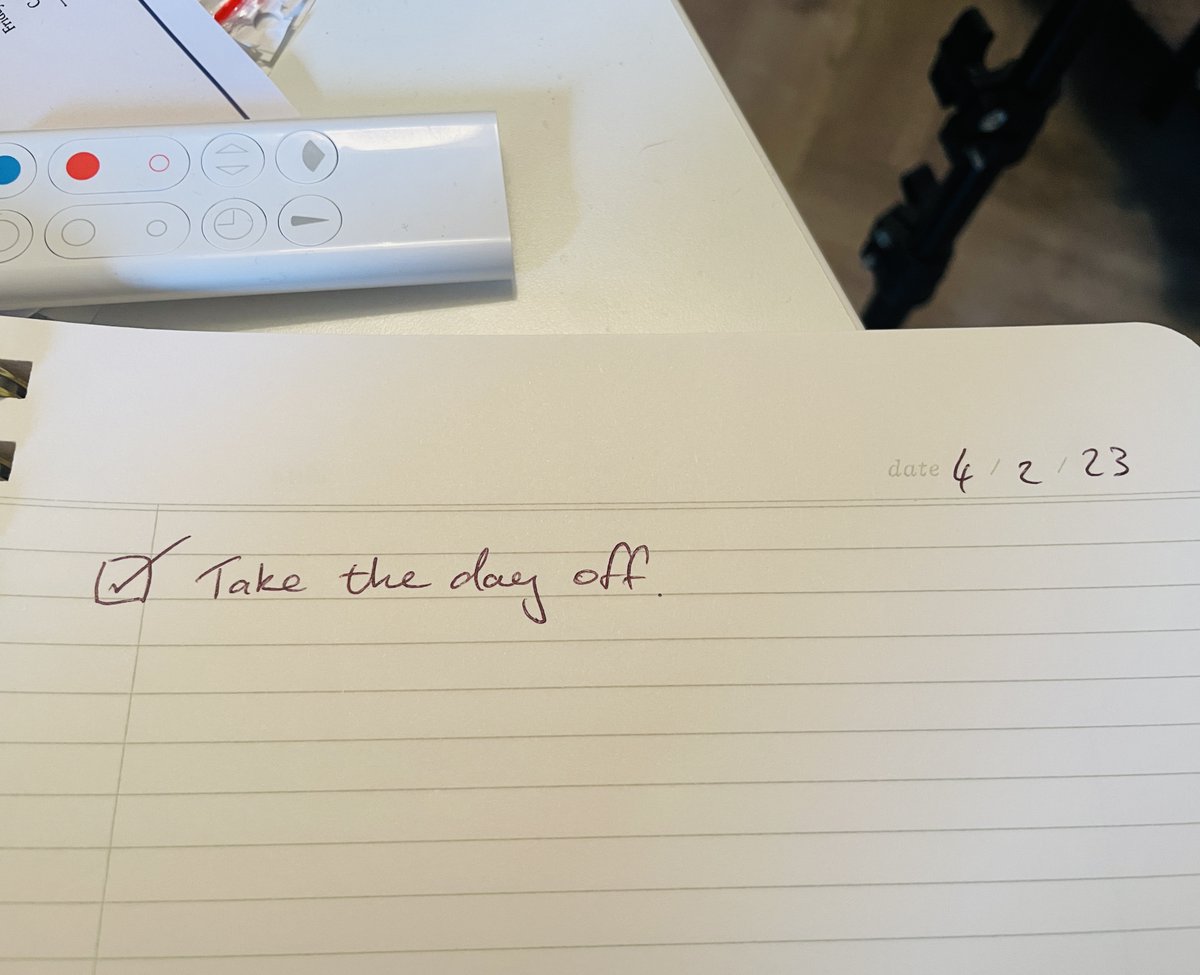
A paper to do list
Next week's @10qInterview guest, @mattmecham shared about the power of writing it down and having it in front of you as opposed to being hidden away on an app
I have to say, it’s working a treat
#simpleiseffective
1
1
4
651

5 Dec 2020
From ‘purpose driven storytelling’ to ‘blue sky thinking’ Is marketing jargon just 'garbage language'? #Marketing #Communication #MoreClutter #LessClarity #SimpleIseffective moneycontrol.com/news/trends…
1

12 Nov 2020
Rep the basics everyday. You don’t need all the fancy or glam. If you become really good at the fundamentals you’re already a step better than your competition #SimpleIsEffective
1

20 Jul 2020
#SeesawConnect is Awesome! Just finished a course learning about building digital fluency in early childhood with @PanaAsavavatana!! There were so many good tips like #simpleiseffective 🙌🏼🌟 @Seesaw
1
4


4 Apr 2020
Just had a brilliant video from @Lucancc1 to their school community from their full SLT recorded in @MicrosoftTeams meeting and shared link through @Vimeo doesn’t get much simpler but so so effective! #OutsideTheBox #KeepItSimple #SimpleIsEffective #UnitedPlatforms @ddletb
4 Apr 2020

Couldn’t agree more. Would really love to hear different strategies for school-home communication, especially for homes with very limited connectivity. The struggle is so real.
1
1
2

4 Dec 2018
Sometimes with Radio advertising, it really is a case of 'the simpler, the better'. Take a look at our latest blog by Creative Director Paul about working on a series of ads for @HeronFoods
getcarterproductions.co.uk/b…
#webelieveinradio #blog #SimpleISeffective

1
2
1

25 Oct 2018
There's beauty in simple 💫
@suzanneneville - A creator of desired elegance
Available at our Birmingham Store, Call to Book buff.ly/2L9tsQj
#Gown #Wedding #SimpleIsEffective

3

11 May 2017
Simple inspiration from the great Dan John.
How to get things done:
Show Up
Don’t Quit
Ask Questions
#simpleiseffective
1
3

30 Jan 2017
Old school with minor modifications is the new school #simpleiseffective #performallout
1

16 Dec 2016
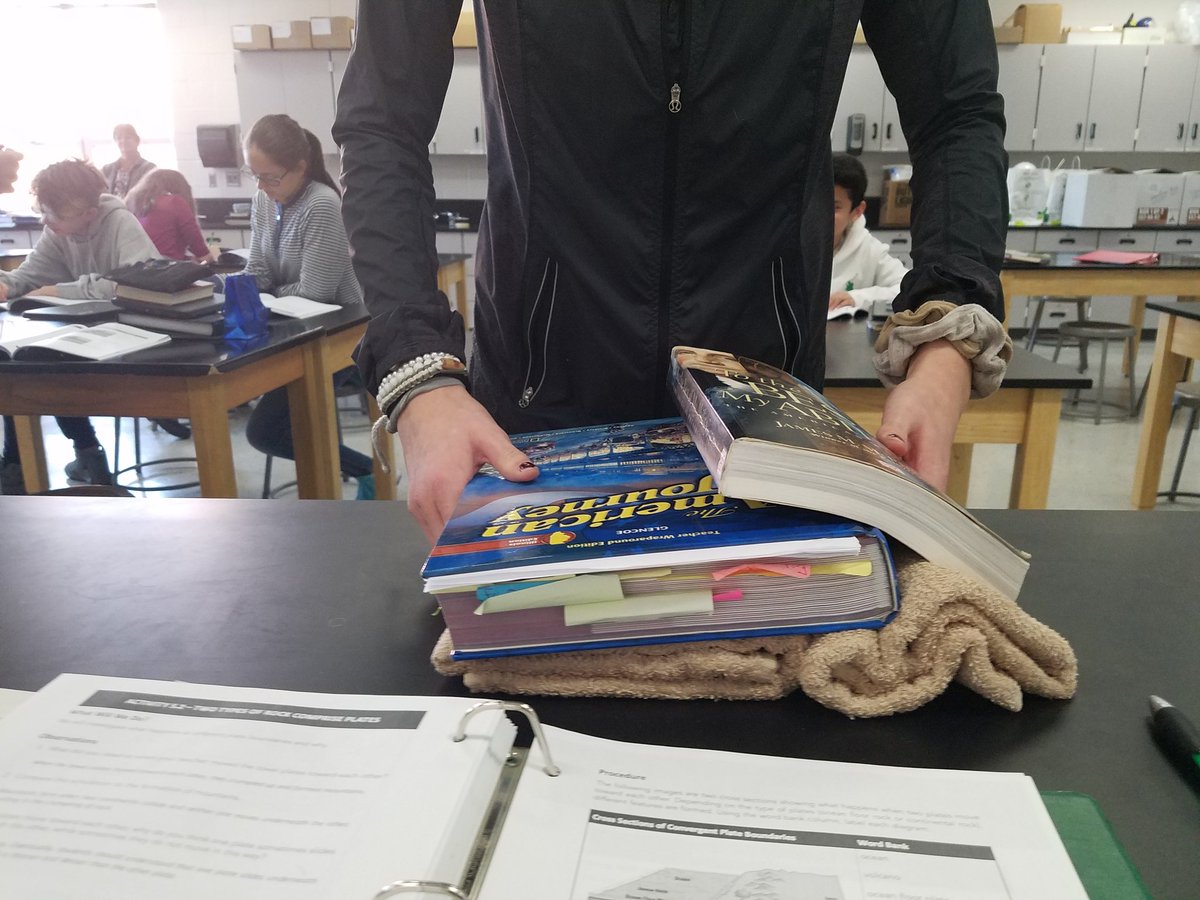
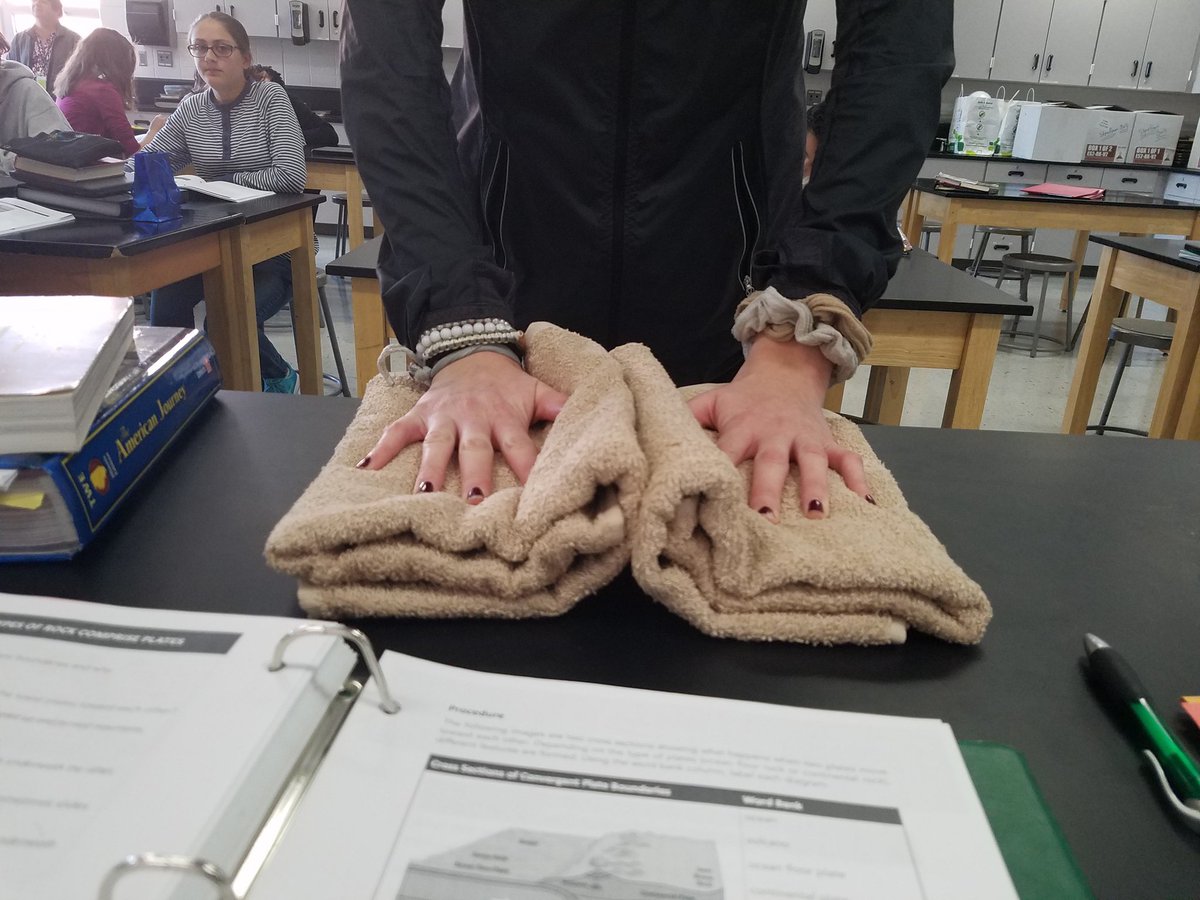
Used towels & books to show convergent plate boundaries Sometimes #SimpleIsEffective Ss really saw role of density w/book model #IQWST
1
1

15 Mar 2015
RT @ChrisASpears: @Delta Delta gate agents buy pizza for delayed JFK customers. #simpleiseffective #nicetouch

3
3
5 Mar 2015
A good reminder when thinking about testing journals.lww.com/nsca-scj/Ab… #simpleiseffective
1