
Strong data catalogs transform the way teams think. They shift work from guesswork to clear action. What’s your take? #DataCatalogs #SingleSourceOfTruth #DataQuality #DataTrust #DataOps #DataStrategy #AIReadyData #DataFuture
linkedin.com/pulse/building-…
1
1
3

Strong data catalogs transform the way teams think. They shift work from guesswork to clear action. What’s your take? #DataCatalogs #SingleSourceOfTruth #DataQuality #DataTrust #DataOps #DataStrategy #AIReadyData #DataFuture
linkedin.com/pulse/building-…
1
1
3

May 23
Another great example of AI ROI from #DellTechWorld - Dell's data mesh and real-time prompt engineering achieving a single version of the truth to align operating, technology, and business models. @DellTech @JClarkeatDell video.cube365.net/c/YlmBcWG9… #DataMesh #SingleSourceOfTruth #PromptEngineering #AI #RealTimeAnalytics #DigitalTransformation #CIO #OperatingModel #DataDriven #DataOps #Dell
1
2
211

Apr 16
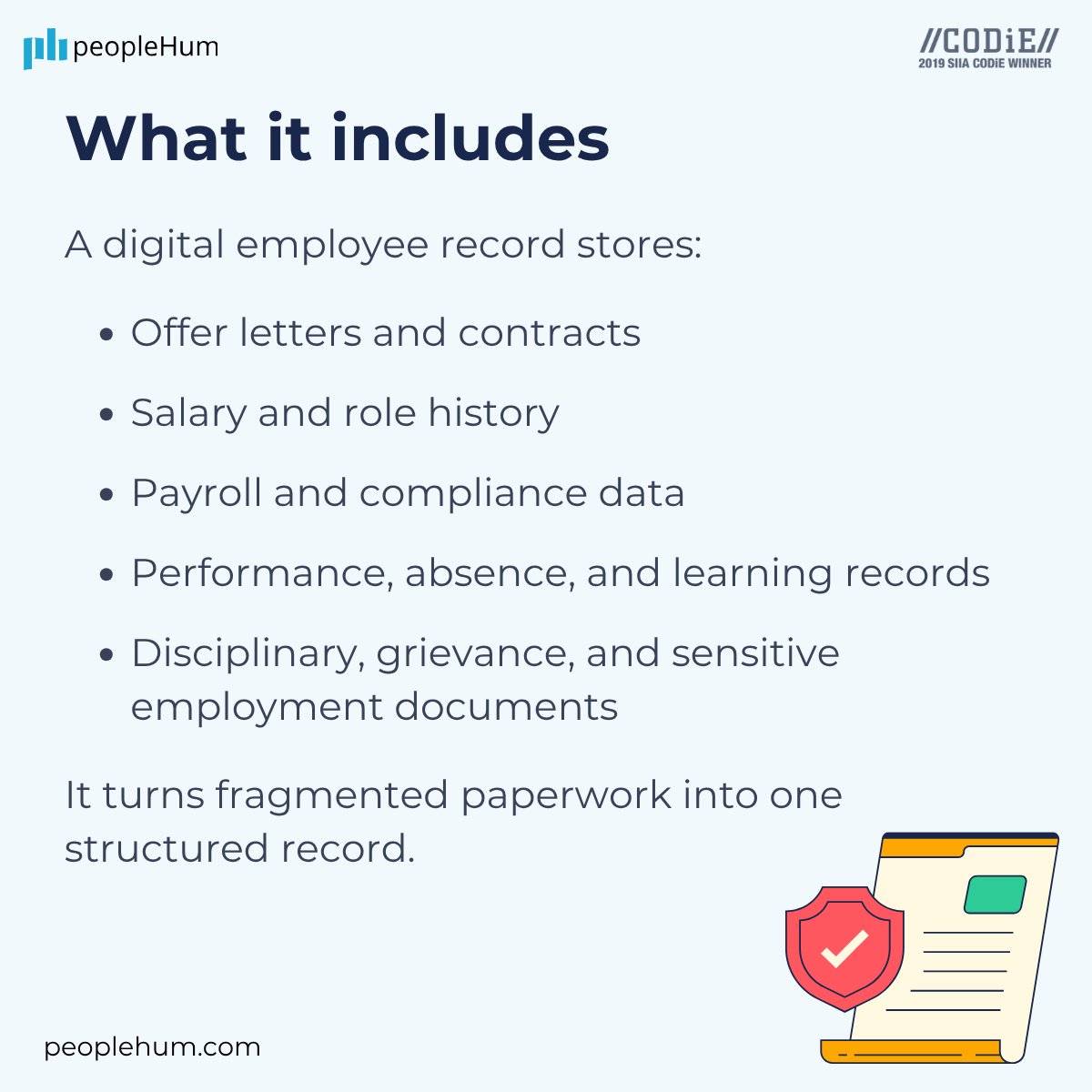
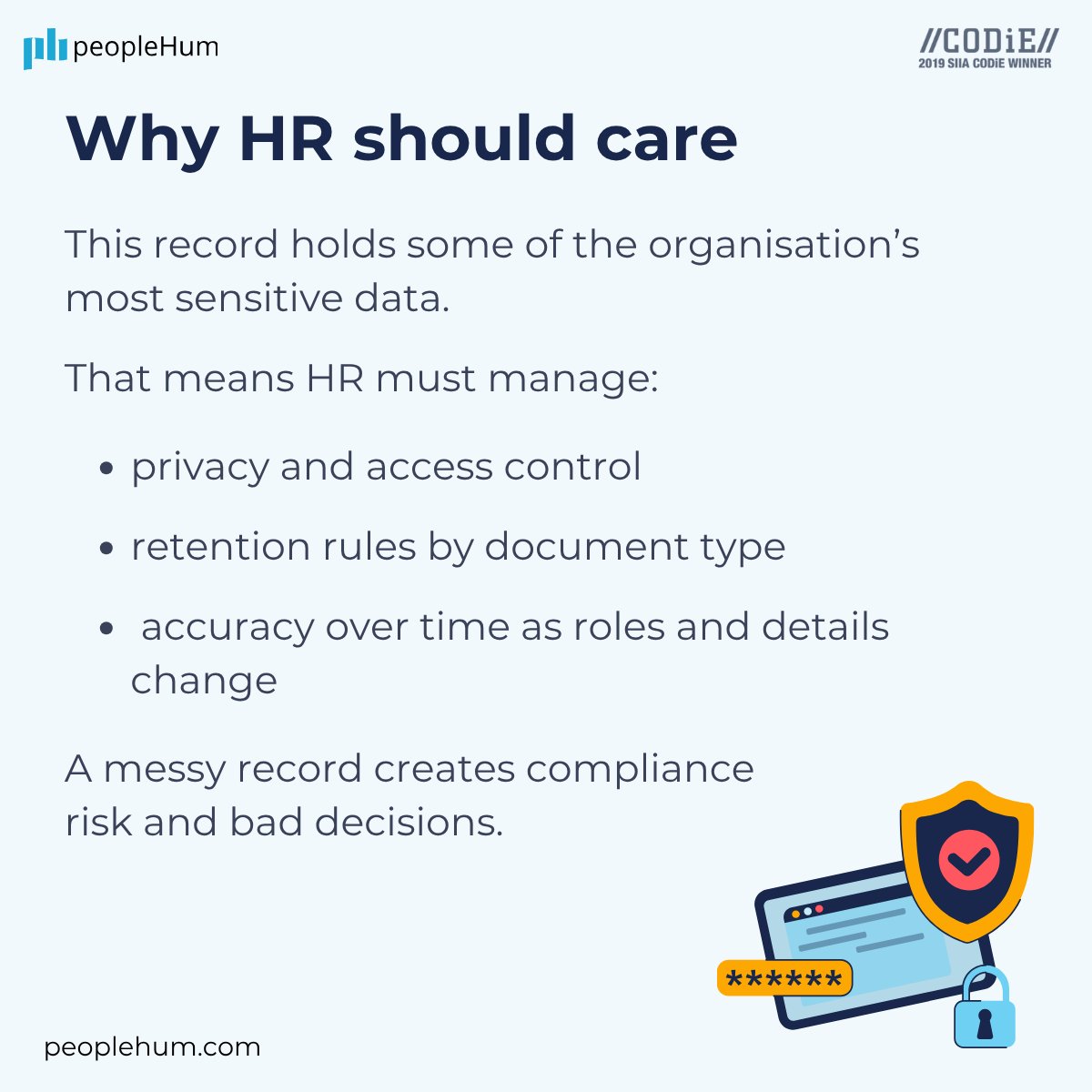
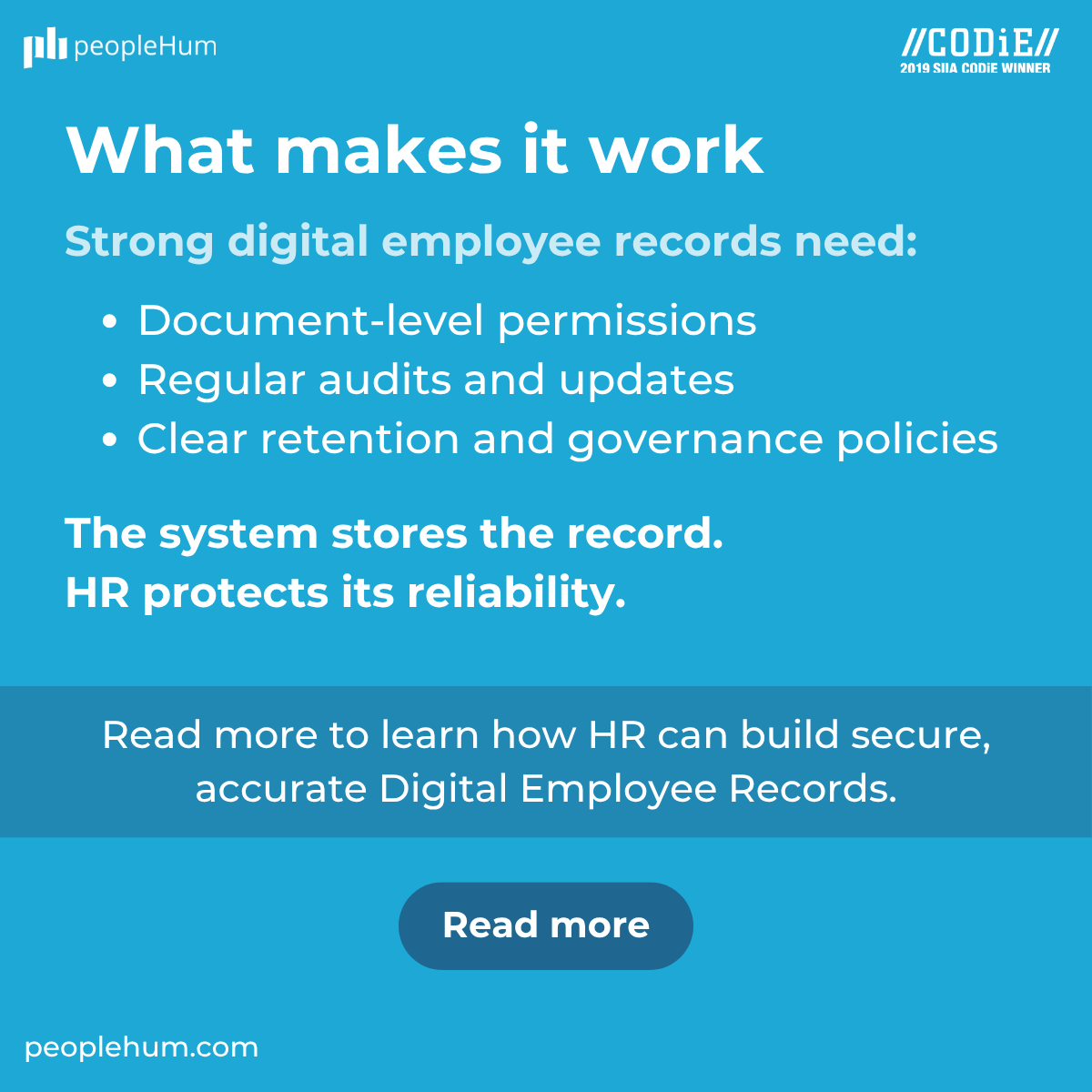
A digital employee record is the single source of truth for an employee’s details across the lifecycle—documents, role history, compensation, attendance, and more.
👉Read the full glossary here: peoplehum.com/glossary/digit…
#HRTech #PeopleAnalytics #EmployeeData #SingleSourceOfTruth
3
25

Because when facts are shared,
systems don’t argue. They execute.
Visit jumbochain.org to know more!
#SingleSourceOfTruth #EnterpriseSystems #JumboBlockchain
5
43

If an AI agent can run it, you should be able to govern it. 🛡️
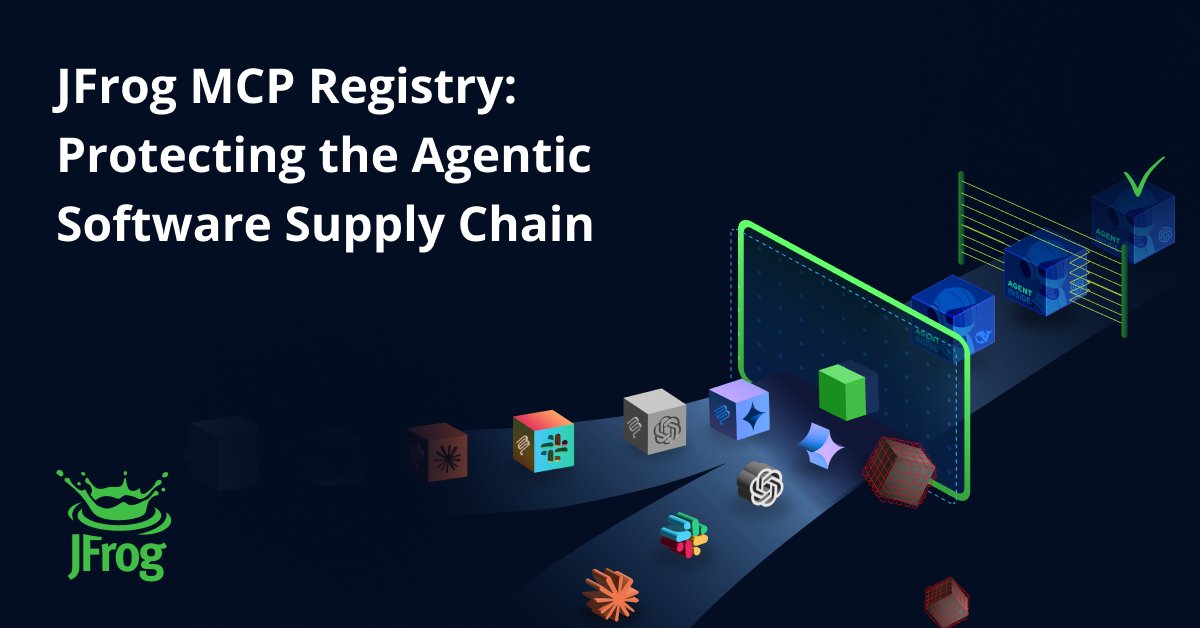
Today, we’re thrilled to announce the JFrog MCP Registry, the system of record for the AI driven and agentic #SoftwareSupplyChain.
By treating #MCP servers as software artifacts, we’re enabling platform teams to proactively block malicious tools before they ever enter the organization without slowing down innovation velocity.
🚀 Read the full press release here: jfrog.com/press-room/jfrog-u…
#GenerativeAI #DevSecOps #AI #SystemOfRecord #SingleSourceofTruth
2
3
211

By unifying entities in a single database, Gravity Software removes reconciliation bottlenecks and shortens the close cycle.
hubs.ly/Q045Y5Jd0
#Gravity #Financials #SingleSourceOfTruth #CloseEfficiency

5
441

Feb 14
ดร.การดี สับเละ กกต. ปฏิเสธนับคะแนนใหม่ชลบุรี เขต 1 ซัดตรรกะพังพินาศ-ทำลายความเชื่อมั่นประเทศ
📌อ่านต่อที่นี่ : amarintv.com/news/politic/53…
#กกต #เลือกตั้ง69 #ชลบุรีเขต1 #ดรการดี #ประชาธิปัตย์ #ความเชื่อมั่น #SingleSourceOfTruth #การเมืองไทย #AmarinTV #amarintvonline #ข่าวอมรินทร์ออนไลน์

7
382
752
13,802

Feb 7
Modern Data Warehouse Architecture Explained | Principles & Paradigms
Modern data warehouse architecture provides a centralized foundation for storing, managing, and analyzing large volumes of historical and current data from multiple sources. In this video, we explore the core principles and architectural paradigms that power today’s analytics‑driven organizations.
You’ll learn how modern data warehouses are designed to be subject‑oriented, non‑volatile, and optimized for analytical workloads, enabling complex queries that traditional operational databases cannot efficiently support.
What this video covers:
✅ The role of a data warehouse as a single source of truth
✅ Star schema vs Snowflake schema – performance vs storage trade‑offs
✅ Data Vault architecture and why it prioritizes flexibility and auditability
✅ Multi‑tier architecture: ingestion, staging, storage, and consumption layers
✅ ETL vs ELT pipelines in modern warehouse implementations
✅ Data governance, data quality, and metadata management
✅ Cloud, on‑premises, and hybrid deployment strategies
✅ How modern warehouses support BI, advanced analytics, and machine learning
We also discuss how architectural choices directly impact scalability, query performance, cost efficiency, and long‑term maintainability, making data warehouses a critical component of modern data platforms.
Whether you’re designing a new analytics stack or modernizing a legacy system, this video will help you understand how and why modern data warehouse architectures are built the way they are.
👥 Who Should Watch
Data Engineers & Analytics Engineers
BI Developers & Data Architects
Cloud & Platform Engineers
Data Analysts transitioning to engineering
Anyone building modern analytics platforms
#ModernDataWarehouse #DataWarehouseArchitecture #DataEngineering #StarSchema #SnowflakeSchema #DataVault #AnalyticsArchitecture #CloudDataWarehouse #BusinessIntelligence #SingleSourceOfTruth #DatahubHouse
youtu.be/gke4IYzuOoQ?si=ZkvU… via @YouTube

2
2
14

Feb 5
A centralized dashboard isn’t about convenience. It’s about making sure everyone is working from the same financial reality.
bit.ly/4rigwLO
#SingleSourceOfTruth #AccountingSystems #JustSayGo
5
308

Jan 26
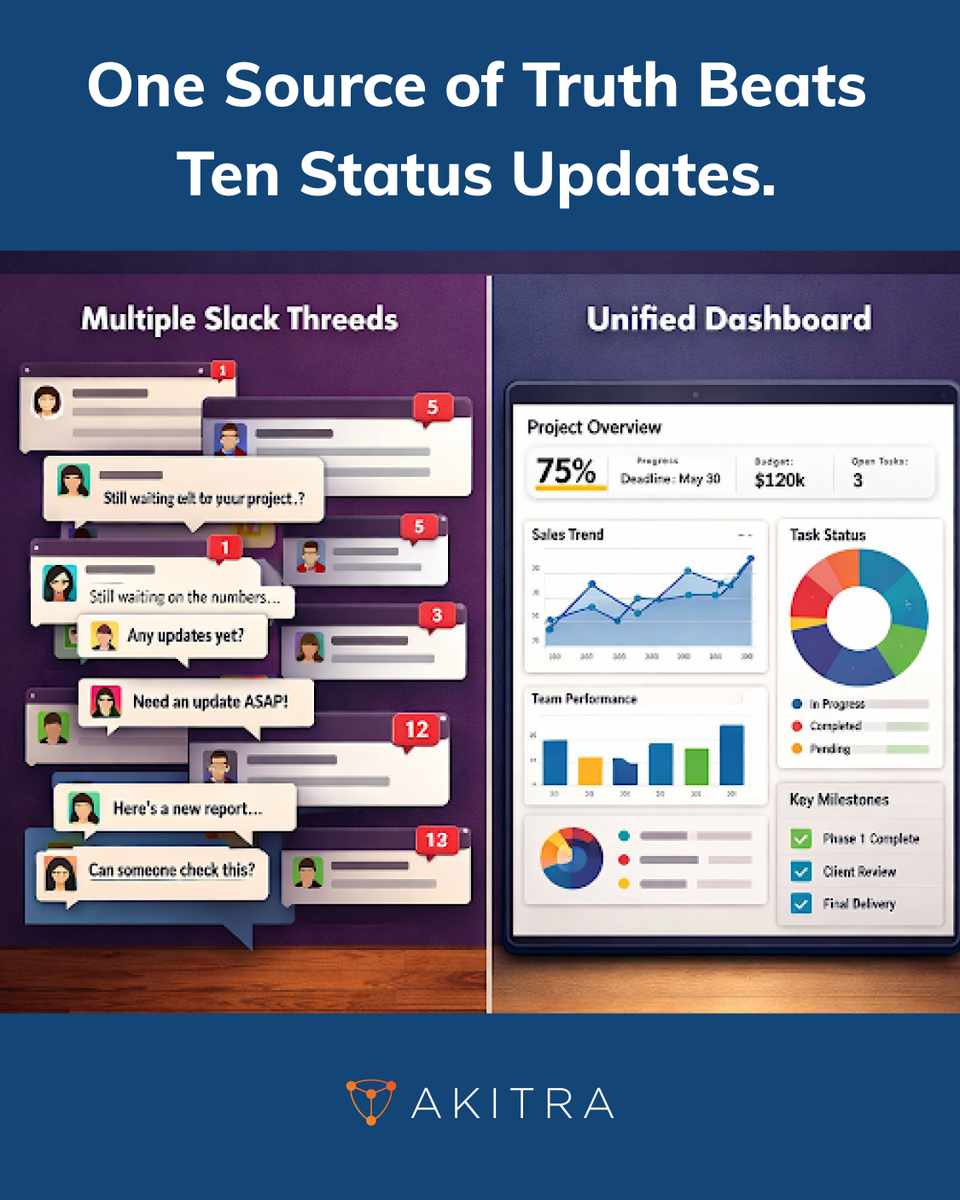
One source of truth beats ten status updates. 😮💨
Less Slack chaos. More clarity in one place.
Curious how teams unify everything into a single view?
👉 Take a quick look → akitra.com/demo
#SingleSourceOfTruth #GRC #RiskManagement #AgenticAI #Akitra
1
1
16

Jan 25
Most finance teams don’t have a data problem — they have a structure problem. Separate files create silos that slow decisions and erode confidence.
bit.ly/4a4OKfY
#MultiEntityAccounting #SingleSourceOfTruth #JustSayGo
1
5
362

🔍 In emerging markets, the biggest Market Intelligence risk is not “lack of data.” It’s lack of trust in the data you already have.
When definitions drift (“coverage,” “availability,” “market share”), sources aren’t auditable, and spreadsheets multiply, leadership ends up debating whose numbers are correct—while the market moves on.
💡 In our latest Dawgen Decodes article, we outline a practical Data Governance model for Market Intelligence to build a trusted single source of truth—without waiting for perfect data. The model covers: ownership and decision rights, a data dictionary, provenance and metadata standards, validation and triangulation controls, version control, refresh cadence, and confidence scoring (DCI).
✔️ If your organisation is investing, expanding, acquiring, or launching in emerging markets, Dawgen Global can help you implement MI data governance under the Dawgen M.I.N.T. Framework.
more:
dawgen.global/dawgen-decodes…
📧 Contact us: info@dawgen.global
#MarketIntelligence #EmergingMarkets #DataGovernance #SingleSourceOfTruth #RiskManagement #BusinessStrategy #CompetitiveIntelligence #DecisionMaking #StrategyExecution #Governance #BusinessTransformation #DataQuality #DataDrivenDecisions #DueDiligence #DawgenGlobal #DawgenDecodes
1
2
26

18 Nov 2025
Hardware → SaaS? Beware the revenue traps.
Head of RevOps Yassine Almiaadi (AirTies) breaks down PS bloat in ARR, recognition timing, and why comp must evolve—or chaos follows.
Watch now on Youtube- youtu.be/Doa8CmOhxnY
Episode streaming live on Spotify & Apple Podcasts-
Spotify: open.spotify.com/episode/2kP…
Apple Podcasts: podcasts.apple.com/us/podcas…
#RevOps #SaaS #ARR #RevenueRecognition #OrderToCash #Forecasting #SingleSourceOfTruth #Everstage
1
1
2
157

13 Nov 2025
What if every crew, office, and leader saw the same facts in real time, and how would you measure the confidence and margin gains from that shared visibility?
#ConnectedOps #SingleSourceOfTruth #OperationalExcellence
1
1
2
28
7 Nov 2025
How would your crews, costs, and risk profile shift if every team and asset worked from the same live data instead of scattered spreadsheets and calls?
#SingleSourceOfTruth #ConstructionOps #FieldToOffice
1
1
2
18

1 Jul 2025
Behind every smart city is a smarter system.
RCOR supports the UAE’s vision through real-time data and intelligent action.
#RCOR #SingleSourceOfTruth #DataAnalytics #BusinessIntelligence #SSOT #EnterpriseSolutions
2
7
30 Jun 2025
You don’t need more tools. You need the right one.
RCOR = One view. Real clarity.
#RCOR #SingleSourceOfTruth #DataAnalytics #BusinessIntelligence #SSOT #EnterpriseSolutions

2
7
29 Jun 2025
A quick look back at an incredible day with RCOR at Mobility Live.
#RCOR #SingleSourceOfTruth #DataAnalytics #BusinessIntelligence #SSOT #EnterpriseSolutions #mobilityliveme #techevent #dubai
2
15
28 Jun 2025
Mobility Live — what a ride!
We had the opportunity to showcase how RCOR is transforming real-time analytics and empowering smarter decisions across industries.
#RCOR #SingleSourceOfTruth #BusinessIntelligence #SSOT #EnterpriseSolutions #mobilityliveme
2
17