
The future of IT extends far beyond software and cloud infrastructure—it will become the intelligence layer powering humanoid robotics. From AI-driven decision making and cybersecurity to edge computing, digital twins, and autonomous learning, IT professionals will play a critical role in designing, securing, and managing the humanoid workforce of tomorrow.
As industries adopt humanoids for healthcare, logistics, manufacturing, retail, and personal assistance, the demand for advanced IT ecosystems will accelerate exponentially.
Positioning at the intersection of AI, robotics, and digital innovation: HumanoidIT.ai
#HumanoidAI #HumanoidRobots #ArtificialIntelligence #Robotics #FutureOfWork #DigitalTransformation #Automation #Industry40 #AITechnology #MachineLearning #TechInnovation #SmartAutomation #HumanoidIT #DigitalAssets #AIRevolution #FutureTech
1
1
35

Revolutionize Your HVAC with AI-Powered Intelligence!🌡️
📧info@stout.world
🌐stoutenergy.me
📞 971 52 7627807 | 3 7344818
💡Smarter HVAC for a smarter future!
#StoutEnergy #AIPoweredHVAC #SmartAutomation #EnergyEfficiency #SustainableTech #HVACInnovation #ClimateControl

1

Jun 13
GTIFY Protocol combines automation, transparency, and smart infrastructure to create a scalable ecosystem built for long-term growth. ✨
#GTIFYProtocol #Web3 #Blockchain #FinancialLogic #SmartAutomation #CryptoInnovation
4

Building a Scalable AI-Powered Real Estate Sales System
manifestinfotech.com/technol…
#AIRealEstate #RealEstateTechnology #PropTech #ArtificialIntelligence #RealEstateSales #SalesAutomation #LeadGeneration #LeadManagement #RealEstateCRM #AIChatbots #SmartAutomation

7

🚰⚡ Water supply interruptions can disrupt entire facilities.
In hospitals, hostels, hotels, and industries, a reliable water supply isn’t just a convenience—it’s a necessity.
Kanali Technologies Pvt Ltd delivers Smart Water Pump Automation solutions that intelligently manage both Solar Power and Grid Power, ensuring efficient operation and uninterrupted water availability.
☀️ Solar Priority Operation
⚡ Automatic Grid Backup
💧 Continuous Water Availability
🛡️ Advanced Motor Protection
💰 Reduced Energy Costs
No manual intervention. No unnecessary power wastage. Just smart, reliable automation.
DON’T JUST PUMP WATER. PUMP INTELLIGENTLY.
Power Smarter. Pump Better. Save More.
📞 91 78454 80505
🌐 kanali.tech
#SolarAutomation #WaterPumpAutomation #SmartAutomation #SolarPower #EnergyManagement #HospitalAutomation #HostelAutomation #IndustrialAutomation #KanaliTechnologies #SolarAndBeyond ☀️⚡

1
104

Jun 10
Smart Automation transforms the way businesses operate by streamlining processes, improving efficiency, and increasing productivity.
Visit seointelligence.co.uk
#DigitalMarketing #SmartAutomation #SEOAgency #OnlineGrowth #ContentMarketing #KeywordResearch #WebDevelopment

Jun 10
📊 Want smarter workflows? We build AI tools that automate routine processes and surface actionable insights. — Powered by Stackly.
Reach out for a no-obligation quote.
#Stackly #StacklyDigital #AIBusiness #Automation #RPA #AI #SmartAutomation
ALT 📊 Want smarter workflows? We build AI tools that automate routine processes and surface actionable insights. — Powered by Stackly. Reach out for a no-obligation quote. #Stackly #StacklyDigital #AIBusiness #Automation #RPA #AI #SmartAutomation
1
29

Enhance your automation systems with HTAIPL's IO Modules.
🌐 htaipl.com/shop/data-acquisi…
#HTAIPL #IOModule #IndustrialAutomation #Modbus #DataAcquisition #SCADA #PLC #HMI #RS485 #AutomationSolutions #IndustrialControl #SmartAutomation #Industry40

7

Jun 9
Connect, manage, and automate your devices through one intelligent ecosystem.
Simplify connectivity, enhance interoperability, and scale your IoT infrastructure with confidence.
#IoT #IIoT #SmartAutomation #Connectivity #EdgeComputing #SmartBuildings

2

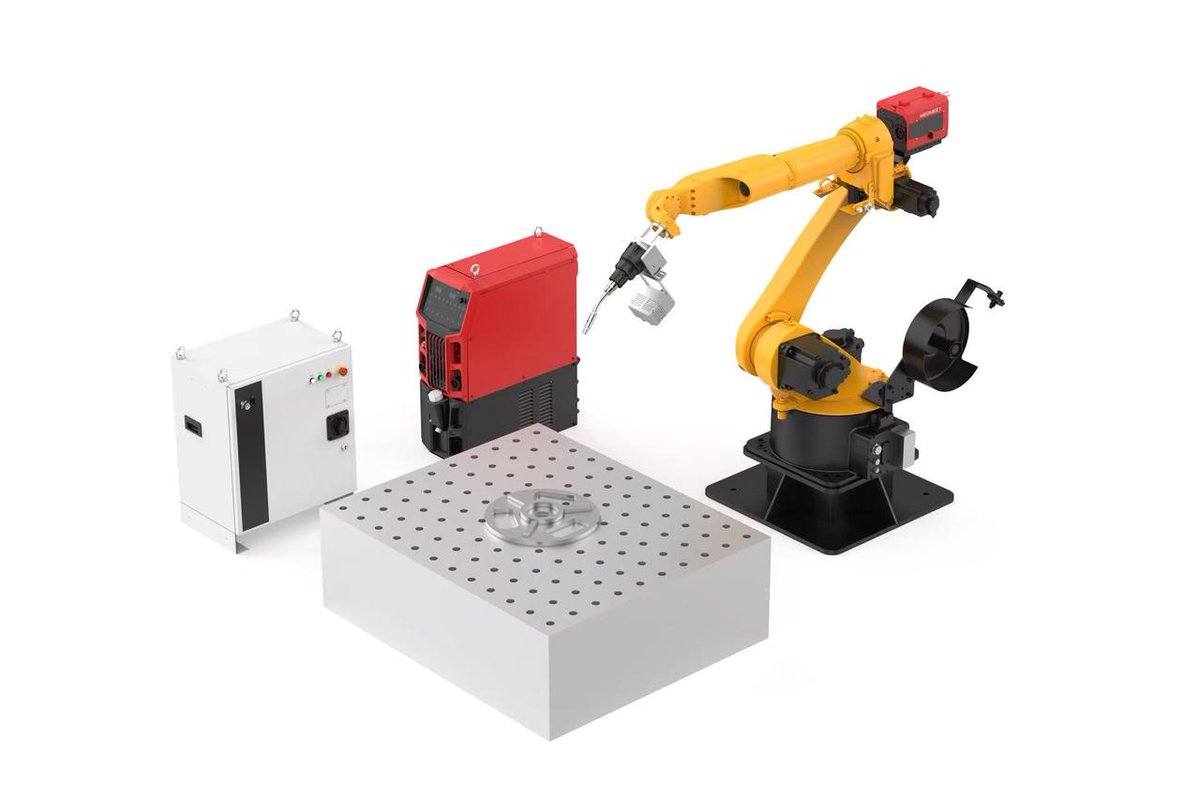
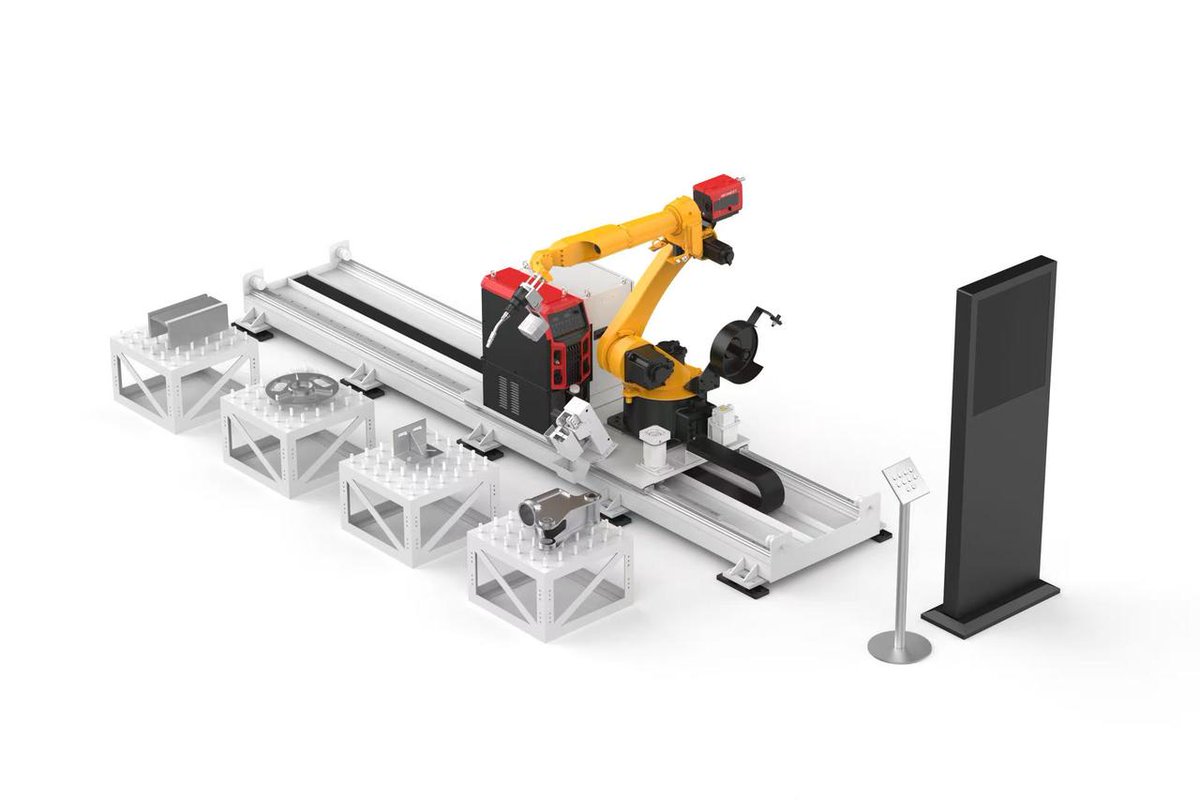
Struggling with a shortage of skilled welders and rising labor costs? 😩
Peitian (AE) Robot's Zeelink Welding System empowers general workers to achieve expert-level welding! ✨
#PeitianAERobot #WeldingExpert #LaborShortage #SmartAutomation #PeitianRobot #ZeelinkWeldingSystem
6

Successful Installation Alert!
We’re proud to announce the latest deployment of Retrack Automation’s 1KL Fuel Storage with RFID Automation.
Partner with Retrack Automation today
#fuelmanagementSystem #SmartAutomation #RFIDTechnology #FuelTheftPrevention #RetrackAutomation

1
4

Intelligent Nesting Center KN-3409DEP丨An Efficient & Reliable Nesting Machine🎉
#SmartAutomation #FutureReady #woodexport #drillingmachines #woodworkingtools #kdtmachinery #kdtmac #woodworkingmachinery #woodtechnology #woodexpo #nesting #edgebander #furniture #furnituremaker
8

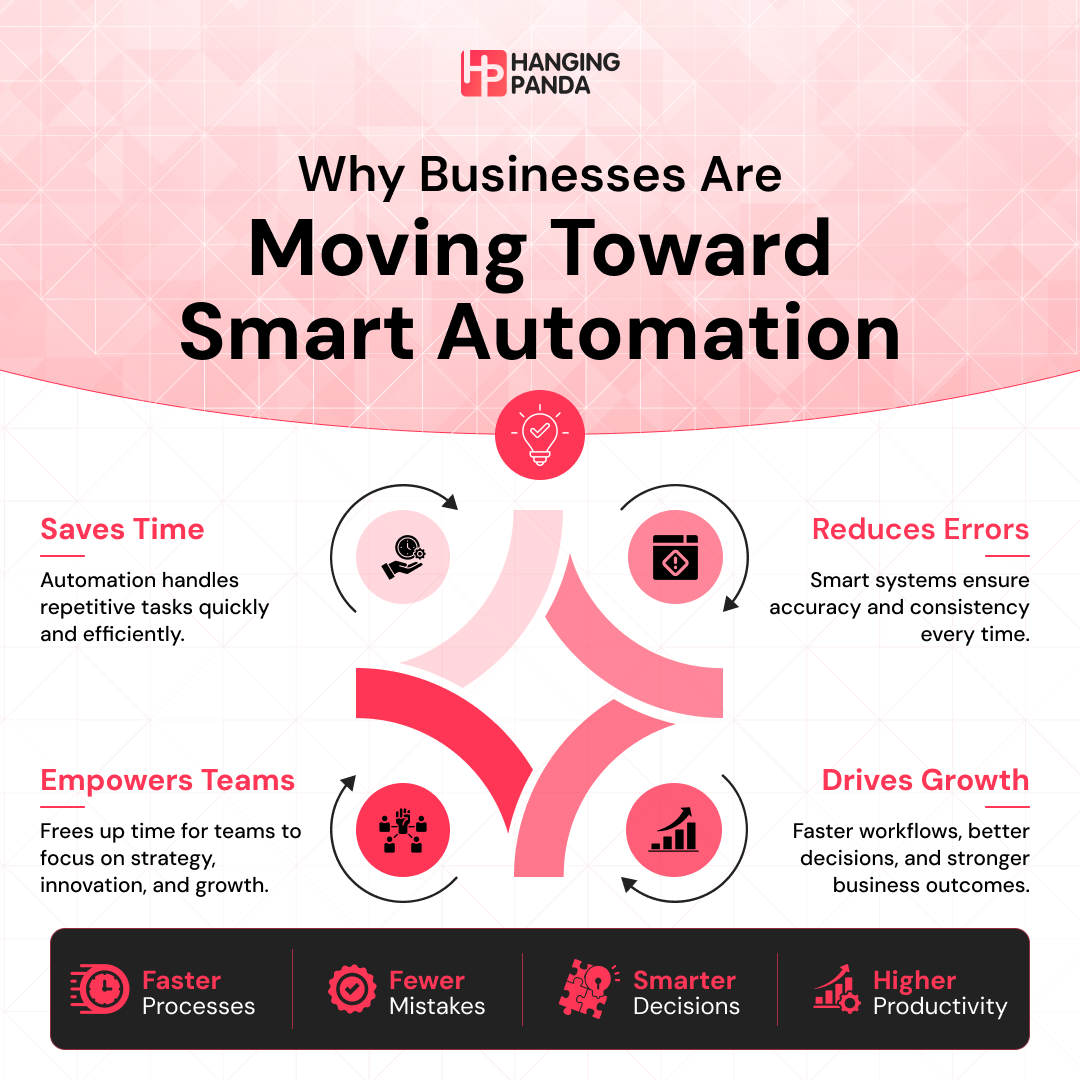
Smart Automation isn't about replacing people.
It's about eliminating repetitive tasks, reducing errors, and giving teams more time to focus on growth, innovation, and customers.
Businesses that automate today are building a smarter tomorrow.
#SmartAutomation #BusinessGrowth
3

Compact Intelligent Edge Bander KE-268JSA丨Superior edge banding technique delivers high-quality furniture🆕
#SmartAutomation #FutureReady #woodexport #drillingmachines #woodworkingtools #kdtmachinery #kdtmac #woodworkingmachinery #woodtechnology #woodexpo #nesting #edgebander
9

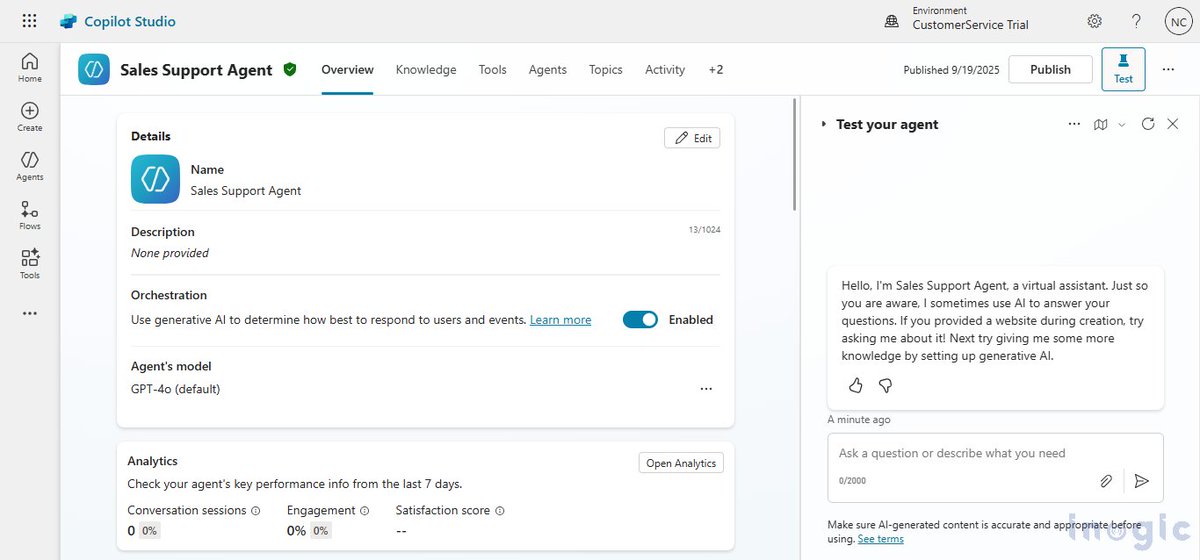
Imagine AI agents collaborating behind every email! 🤖
Transform your email management with Autonomous & Multi-Agent Copilot, seamlessly integrating with CRM and business systems.
Learn more 👇
inogic.com/blog/2025/11/how-…
#AIWorkflows #SmartAutomation #AIAgents #CopilotStudio
92

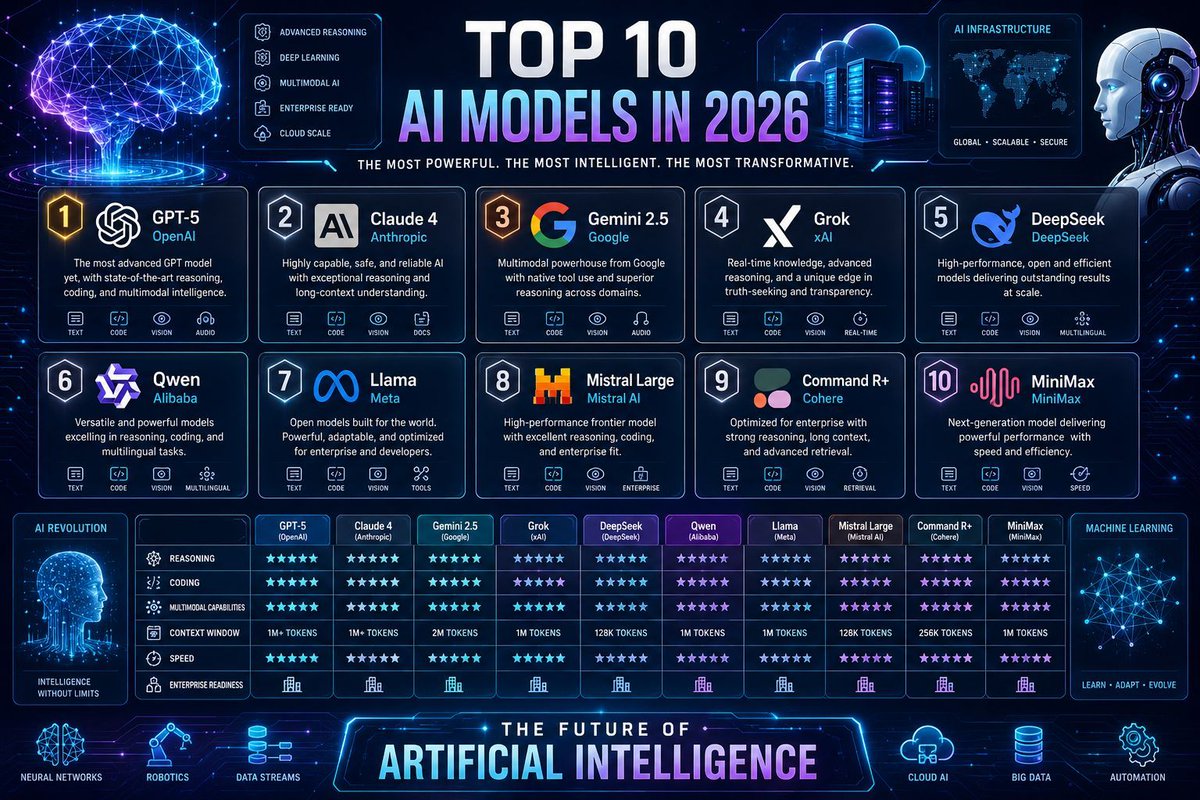
The future of AI isn’t just about generating text or images—it’s about creating systems that can reason, learn, adapt, and solve problems across domains.
Artificial General Intelligence (AGI) represents a vision where machines move beyond narrow tasks and approach human-level flexibility in learning and decision-making. While we're not there yet, breakthroughs in LLMs, multimodal AI, reasoning models, robotics, and AI agents are bringing us closer than ever before.
The AGI era will redefine industries, accelerate scientific discoveries, transform education, healthcare, and reshape the way humans collaborate with intelligent systems. The question is no longer whether AI will change the world—it’s how we prepare for that future.
The next decade may be remembered as the period when humanity built the foundation for AGI.
What are your thoughts on Artificial General Intelligence? Will it become humanity’s greatest tool or its biggest challenge?
#AGI #ArtificialGeneralIntelligence #AI #ArtificialIntelligence #GenerativeAI #MachineLearning #DeepLearning #LLM #LargeLanguageModels #AIAgents #AgenticAI #OpenAI #Anthropic #GoogleDeepMind #NVIDIA #FutureOfAI #DataScience #NeuralNetworks #NLP #ComputerVision #AIResearch #Innovation #ML #DeepTech #NextGenAI #IntelligentSystems #HumanAI #AIFuture #AIRevolution #TechNews #AGI2026 #Singularity #Superintelligence #ArtificialSuperIntelligence #AutonomousAgents #PromptEngineering #MLOps #DataEngineering #BigData #CloudComputing #Python #TensorFlow #PyTorch #RAG #VectorDatabases #GenAI #AIInnovation #SmartAutomation
17

Jun 3
🏠 SMART HOME & IOT ROUNDUP — June 03, 2026
1️⃣ AMAZON TRANSFORMS ALEXA INTO AN AUTONOMOUS AI AGENT PLATFORM
Amazon has expanded its Alexa ecosystem by integrating advanced AI agent capabilities, fundamentally shifting Alexa from a reactive voice assistant into a task-executing digital agent system. The new framework allows Alexa to orchestrate multi-step smart home routines, interact with third-party services autonomously, and make contextual decisions without constant user prompting. This positions Alexa as a more proactive hub in the connected home, competing directly with Home Assistant's automation engine and Google's AI-driven smart home features.
@intellixai_tr
2️⃣ SOLE POD GOES MATTER-READY, BRIDGING MAJOR SMART HOME ECOSYSTEMS
The latest firmware update for the Sole Pod brings full Matter protocol compatibility, meaning the device now communicates seamlessly across Apple Home, Google Home, Amazon Alexa, Samsung SmartThings, and other Matter-certified platforms. Users no longer need to choose a single ecosystem — one device, multiple platforms, zero compatibility headaches. This is a significant step toward the cross-platform interoperability that Matter promised at launch, and it puts pressure on other manufacturers to follow suit.
@Majorbanksfx
3️⃣ SMART HOME OPTIMIZATION FOR SUMMER: THERMOSTATS, BLINDS AND ENERGY SAVING
Lifehacker published a comprehensive guide on optimizing smart home systems for hot weather. The playbook includes smart thermostat scheduling hacks that leverage off-peak electricity rates, automated smart blind routines that reduce indoor heat gain before you even notice the temperature rising, and free vacation lighting modes that can be configured without additional apps. The guide emphasizes how small automation tweaks — like pre-cooling the house before peak rate hours — can meaningfully reduce summer energy bills while maintaining comfort.
@lifehacker
4️⃣ FIVE STEPS TO SECURE YOUR SMART HOME AGAINST CYBER THREATS
As smart home devices multiply, so does the attack surface. Jim Skurski outlines a practical security framework for connected homes: create a separate guest network for IoT devices to isolate them from personal computers and phones, enforce strong unique passwords on every device, enable automatic firmware updates to patch vulnerabilities as soon as they're discovered, review and restrict device permissions regularly, and monitor network traffic for unusual activity. With millions of connected devices now vulnerable to botnet hijacking and data harvesting, these steps are essential hygiene for any smart home owner.
@JimSkurskiPTP
5️⃣ SYNC DASHBOARD BRINGS DEDICATED ANDROID CONTROL PANELS TO HOME ASSISTANT
A new Android application called SYNC Dashboard was shared with the Home Assistant community, designed specifically for wall-mounted tablets, kitchen display screens, bedside panels, and other touch-based control surfaces. The app connects directly to Home Assistant instances and provides a streamlined interface for monitoring sensors, controlling lights, managing climate zones, and triggering automations — essentially turning any affordable Android tablet into a purpose-built home automation dashboard. This fills a gap for users who want a physical control point without investing in dedicated hardware.
@AlexKvazis
6️⃣ HOME ASSISTANT AI INFRASTRUCTURE EXPANDS WITH HERMES ADD-ONS AND VOICE ASSIST UPGRADES
Wolfram Ravenwolf released a comprehensive update to the Home Assistant AI agent toolkit. Key additions include the Hermes add-on with multi-profile support for different household members, a revamped Hermes voice assist engine featuring streaming audio, conversation continuity, and follow-up listening capabilities, a Mattermost integration tuned specifically for Hermes workflows, and a new Gluetun VPN/proxy add-on for secure Codex connections. These tools are pushing Home Assistant further into the AI-native smart home territory, where the hub itself can reason about automations rather than just execute pre-programmed scripts.
@WolframRvnwlf
7️⃣ LEO SATELLITES DRIVE NEXT-GEN GLOBAL IOT CONNECTIVITY
IoT Insider hosted a webinar on LEO (Low Earth Orbit) satellites as the backbone for the next generation of IoT connectivity. Sponsored by Globalstar, the session explored how satellite networks are enabling IoT deployments in remote agricultural sites, maritime shipping containers, oil and gas monitoring stations, and disaster recovery scenarios where traditional cellular coverage is unavailable or unreliable. The convergence of shrinking IoT device form factors and expanding satellite coverage is making truly global device monitoring a practical reality rather than a future promise.
@_IoTInsider
💭 The smart home landscape is maturing rapidly — from Matter's cross-ecosystem promise becoming real (Sole Pod), to Alexa evolving from voice assistant to autonomous agent, to Home Assistant embracing AI-native tooling. What ties these trends together is a shift from reactive automation to intelligent, context-aware home systems. The question is no longer whether your devices can talk to each other, but whether they can think about what to do next.
Which smart home development excites you most — AI agents, Matter interoperability, or satellite IoT? Let me know below 👇
#SmartHome #IoT #Matter #HomeAssistant #Alexa #SmartAutomation #ConnectedHome
4
7
448

Beginner’s Guide: What Is OpenClaw and How to Use It Safely
●Works on WhatsApp, Telegram, Discord.
●Automates emails, calendar, and tasks.
●Safe to use with local-first privacy.
emergent.sh/learn/what-is-op…
#productivitytools #smartautomation

ALT Laptop displaying OpenClaw AI agent guide with key features including computer use, web automation, and task execution in 2026.
1
4
73

Jun 1
🇨🇳 Solar Panel Cleaning Robots in One Efficient Loop
Autonomous robots glide smoothly across vast solar arrays in a single efficient pass, cleaning dust and debris to keep panels at maximum efficiency. Smart, low maintenance technology maximizing renewable energy output at massive scale.
Meanwhile US can only watch.
China knows its priority: building for the people, not war!
#SolarCleaningRobot #ChinaSolar #RenewableEnergy #SolarPower #ChinaGreenTech #CleanEnergy #SmartAutomation
May 26

🇨🇳 China is Using Robots Powered by Solar Panels to Clean Solar Panels
Meanwhile the US is irrelevant and only good at killing kids overseas, While China is already deploying real solar-powered robots that clean massive solar farms using the very energy they generate.
This advanced autonomous robots gliding across huge solar panel arrays in a Chinese desert installation, efficiently brushing off dust and debris with no external power or wires needed; pure self-sustaining automation. This genius approach lets China turn renewable energy tech into practical, scalable reality at impressive speed.
#SolarCleaningRobot #ChinaSolar #SolarFarmAutomation #RenewableTech #ChineseInnovation #GreenEnergy #SolarPoweredRobots
2
5
25
965