
Jun 15
Give students the environment they deserve and create more room for learning with Smartpod

2

Jun 13
AI가 인프라 관련 산업주까지 끌어올린다 반도체처럼 움직이는 산업주, 전력·냉각·발전 핵심 관련주 실적 및 밸류에이션 분석
1. HD현대일렉트릭 — "AI 데이터센터 전력망 앞줄"
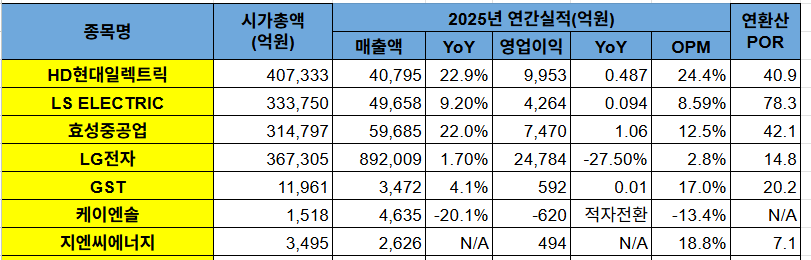
시가총액 407,333억, 매출 40,795억(YoY 22.9%), 영업이익 9,953억(YoY 48.7%), OPM 24.40%, POR 40.9배로 AI 데이터센터가 늘면 가장 먼저 필요한 건 안정적인 전력 공급이라는 구조에서 HD현대일렉트릭은 초고압 변압기와 전력기기를 중심으로 북미 전력망 투자 사이클에 올라탄 회사라는 구조에서 데이터센터, 전력망 교체, 재생에너지 연계 수요가 동시에 이어지는지 봐야 하는 AI 데이터센터 전력망 앞줄로 평가된다.
2. LS ELECTRIC — "데이터센터 배전 솔루션 직접 수주축"
시가총액 333,750억, 매출 49,658억(YoY 9.2%), 영업이익 4,264억(YoY 9.4%), OPM 8.59%, POR 78.3배로 이튼이 미국 AI 인프라 수혜주로 움직인다면 국내에서는 LS ELECTRIC을 먼저 봐야 한다는 구조에서 LS ELECTRIC은 북미 하이퍼스케일 데이터센터 전력 인프라에 수배전반과 배전변압기를 공급하는 계약을 확보했다는 구조에서 AI 데이터센터가 커질수록 변압기만이 아니라 배전반·전력제어 시스템까지 같이 중요해지는 데이터센터 배전 솔루션 직접 수주축으로 평가된다.
3. 효성중공업 — "변압기·HVDC·전력 안정화 축"
시가총액 314,797억, 매출 59,685억(YoY 22.0%), 영업이익 7,470억(YoY 106.0%), OPM 12.52%, POR 42.1배로 효성중공업도 전력기기 슈퍼사이클에서 빠지기 어렵다는 구조에서 초고압 변압기, 차단기, HVDC, STATCOM까지 데이터센터와 전력망 안정화에 필요한 장비 포트폴리오를 갖고 있다는 구조에서 북미향 수주잔고와 납기 대응력이 계속 핵심인 변압기·HVDC·전력 안정화 축으로 평가된다.
4. LG전자 — "데이터센터 HVAC와 액체냉각 대형축"
시가총액 367,305억, 매출 892,009억(YoY 1.7%), 영업이익 24,784억(YoY -27.5%), OPM 2.78%, POR 14.8배로 버티브가 냉각·전력관리로 AI 인프라주가 됐다면 국내 대형주 중에는 LG전자가 붙는다는 구조에서 LG전자는 데이터센터향 냉각 사업 수주가 커지고 있고 칠러·CDU·액침냉각까지 포트폴리오를 넓히고 있다는 구조에서 AI 서버 발열이 커질수록 공조가 단순 설비가 아니라 데이터센터 설계 핵심으로 올라오는 데이터센터 HVAC와 액체냉각 대형축으로 평가된다.
5. GST — "액침냉각 장비로 내려가는 장비주"
시가총액 11,961억, 매출 3,472억(YoY 4.1%), 영업이익 592억(YoY 1.0%), OPM 17.04%, POR 20.2배로 AI 서버 랙 전력밀도가 올라가면 공랭식만으로는 버티기 어렵다는 구조에서 GST는 반도체 칠러·스크러버 기술을 기반으로 데이터센터용 액침냉각 장비를 공개했다는 구조에서 실제 실증과 고객사 적용, 냉각유 파트너십이 매출로 이어지는지가 중요한 액침냉각 장비로 내려가는 장비주로 평가된다.
6. 케이엔솔 — "고밀도 데이터센터 냉각 모듈"
시가총액 1,518억, 매출 4,635억(YoY -20.1%), 영업이익 -620억(YoY 적자전환), OPM -13.38%, POR N/A로 케이엔솔은 데이터센터 냉각 인프라를 모듈형으로 보는 종목이라는 구조에서 IDC용 SmartPod, MicroPod, SmartCoolant 등 고밀도 서버 냉각 솔루션을 제시하고 있다는 구조에서 AI 데이터센터가 고밀도·저전력 운용으로 갈수록 냉각 모듈 수요를 같이 봐야 하는 고밀도 데이터센터 냉각 모듈로 평가된다.
7. 지엔씨에너지 — "캐터필러식 비상발전기 수혜축"
시가총액 3,495억, 매출 2,626억(YoY N/A), 영업이익 494억(YoY N/A), OPM 18.80%, POR 7.1배로 데이터센터는 전력망이 흔들려도 서버를 멈출 수 없기 때문에 비상발전기가 필수라는 구조에서 지엔씨에너지는 국내 데이터센터용 비상발전기 공급 레퍼런스가 많은 회사이고 네이버·LG CNS 관련 데이터센터 공급 계약도 확인된다는 구조에서 AI 데이터센터 증설이 이어지면 전력기기 다음 줄에서 비상발전기 수요를 봐야 하는 캐터필러식 비상발전기 수혜축으로 평가된다.
⚠️ 본 자료는 투자 참고용이며, 오류가 있을 수 있습니다. 매수·매도를 권유하지 않습니다. 투자의 최종 책임은 본인에게 있습니다. (시가총액 기준일: 2026년 6월 12일)
May 19

AI가 인프라 관련 산업주까지 끌어올린다
반도체처럼 움직이는 산업주, 전력·냉각·발전 핵심 관련주
1. HD현대일렉트릭 (267260) — "AI 데이터센터 전력망 앞줄"
AI 데이터센터가 늘면 가장 먼저 필요한 건 안정적인 전력 공급입니다. HD현대일렉트릭은 초고압 변압기와 전력기기를 중심으로 북미 전력망 투자 사이클에 올라탄 회사입니다. 데이터센터, 전력망 교체, 재생에너지 연계 수요가 동시에 이어지는지 봐야 합니다.
2. LS ELECTRIC (010120) — "데이터센터 배전 솔루션 직접 수주축"
이튼이 미국 AI 인프라 수혜주로 움직인다면, 국내에서는 LS ELECTRIC을 먼저 봐야 합니다. LS ELECTRIC은 북미 하이퍼스케일 데이터센터 전력 인프라에 수배전반과 배전변압기를 공급하는 계약을 확보했습니다. AI 데이터센터가 커질수록 변압기만이 아니라 배전반·전력제어 시스템까지 같이 중요해집니다.
3. 효성중공업 (298040) — "변압기·HVDC·전력 안정화 축"
효성중공업도 전력기기 슈퍼사이클에서 빠지기 어렵습니다. 초고압 변압기, 차단기, HVDC, STATCOM까지 데이터센터와 전력망 안정화에 필요한 장비 포트폴리오를 갖고 있습니다. 북미향 수주잔고와 납기 대응력이 계속 핵심입니다.
4. LG전자 (066570) — "데이터센터 HVAC와 액체냉각 대형축"
버티브가 냉각·전력관리로 AI 인프라주가 됐다면, 국내 대형주 중에는 LG전자가 붙습니다. LG전자는 데이터센터향 냉각 사업 수주가 커지고 있고, 칠러·CDU·액침냉각까지 포트폴리오를 넓히고 있습니다. AI 서버 발열이 커질수록 공조가 단순 설비가 아니라 데이터센터 설계 핵심으로 올라옵니다.
5. GST (083450) — "액침냉각 장비로 내려가는 장비주"
AI 서버 랙 전력밀도가 올라가면 공랭식만으로는 버티기 어렵습니다. GST는 반도체 칠러·스크러버 기술을 기반으로 데이터센터용 액침냉각 장비를 공개했습니다. 실제 실증과 고객사 적용, 냉각유 파트너십이 매출로 이어지는지가 중요합니다.
6. 케이엔솔 (053080) — "고밀도 데이터센터 냉각 모듈"
케이엔솔은 데이터센터 냉각 인프라를 모듈형으로 보는 종목입니다. IDC용 SmartPod, MicroPod, SmartCoolant 등 고밀도 서버 냉각 솔루션을 제시하고 있습니다. AI 데이터센터가 고밀도·저전력 운용으로 갈수록 냉각 모듈 수요를 같이 봐야 합니다.
7. 지엔씨에너지 (119850) — "캐터필러식 비상발전기 수혜축"
데이터센터는 전력망이 흔들려도 서버를 멈출 수 없기 때문에 비상발전기가 필수입니다. 지엔씨에너지는 국내 데이터센터용 비상발전기 공급 레퍼런스가 많은 회사이고, 네이버·LG CNS 관련 데이터센터 공급 계약도 확인됩니다. AI 데이터센터 증설이 이어지면 전력기기 다음 줄에서 비상발전기 수요를 봐야 합니다.
⚠️ 본 자료는 투자 참고용이며, 매수·매도를 권유하지 않습니다. 투자의 최종 책임은 본인에게 있습니다.
2
6
2,402

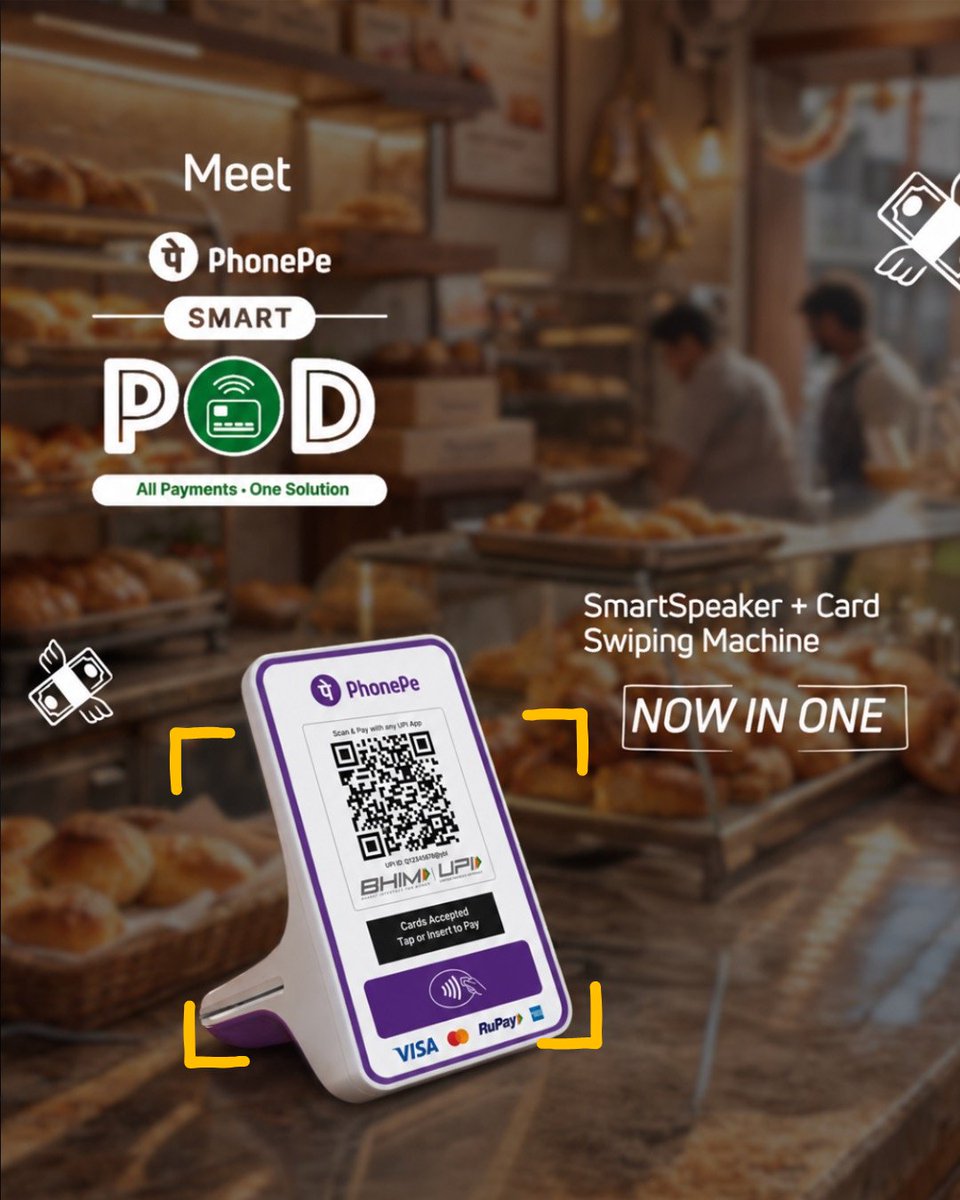
The way we pay for morning chai or evening groceries reflects our lifestyle. But for local merchants, keeping up with cards, taps, and scans shouldn't mean cluttered counters or high device rentals.
The @PhonePe Smart POD bridges this gap. It’s a sleek, Made-in-India device that lets customers pay exactly how they want (Scan, Dip, or Tap), while empowering neighborhood merchants to accept every sale with an optimized, affordable setup.
#DigitalPayments #PhonePe #RetailInnovation #SmartPOD
18
11
2,047
May 19
AI가 인프라 관련 산업주까지 끌어올린다
반도체처럼 움직이는 산업주, 전력·냉각·발전 핵심 관련주
1. HD현대일렉트릭 (267260) — "AI 데이터센터 전력망 앞줄"
AI 데이터센터가 늘면 가장 먼저 필요한 건 안정적인 전력 공급입니다. HD현대일렉트릭은 초고압 변압기와 전력기기를 중심으로 북미 전력망 투자 사이클에 올라탄 회사입니다. 데이터센터, 전력망 교체, 재생에너지 연계 수요가 동시에 이어지는지 봐야 합니다.
2. LS ELECTRIC (010120) — "데이터센터 배전 솔루션 직접 수주축"
이튼이 미국 AI 인프라 수혜주로 움직인다면, 국내에서는 LS ELECTRIC을 먼저 봐야 합니다. LS ELECTRIC은 북미 하이퍼스케일 데이터센터 전력 인프라에 수배전반과 배전변압기를 공급하는 계약을 확보했습니다. AI 데이터센터가 커질수록 변압기만이 아니라 배전반·전력제어 시스템까지 같이 중요해집니다.
3. 효성중공업 (298040) — "변압기·HVDC·전력 안정화 축"
효성중공업도 전력기기 슈퍼사이클에서 빠지기 어렵습니다. 초고압 변압기, 차단기, HVDC, STATCOM까지 데이터센터와 전력망 안정화에 필요한 장비 포트폴리오를 갖고 있습니다. 북미향 수주잔고와 납기 대응력이 계속 핵심입니다.
4. LG전자 (066570) — "데이터센터 HVAC와 액체냉각 대형축"
버티브가 냉각·전력관리로 AI 인프라주가 됐다면, 국내 대형주 중에는 LG전자가 붙습니다. LG전자는 데이터센터향 냉각 사업 수주가 커지고 있고, 칠러·CDU·액침냉각까지 포트폴리오를 넓히고 있습니다. AI 서버 발열이 커질수록 공조가 단순 설비가 아니라 데이터센터 설계 핵심으로 올라옵니다.
5. GST (083450) — "액침냉각 장비로 내려가는 장비주"
AI 서버 랙 전력밀도가 올라가면 공랭식만으로는 버티기 어렵습니다. GST는 반도체 칠러·스크러버 기술을 기반으로 데이터센터용 액침냉각 장비를 공개했습니다. 실제 실증과 고객사 적용, 냉각유 파트너십이 매출로 이어지는지가 중요합니다.
6. 케이엔솔 (053080) — "고밀도 데이터센터 냉각 모듈"
케이엔솔은 데이터센터 냉각 인프라를 모듈형으로 보는 종목입니다. IDC용 SmartPod, MicroPod, SmartCoolant 등 고밀도 서버 냉각 솔루션을 제시하고 있습니다. AI 데이터센터가 고밀도·저전력 운용으로 갈수록 냉각 모듈 수요를 같이 봐야 합니다.
7. 지엔씨에너지 (119850) — "캐터필러식 비상발전기 수혜축"
데이터센터는 전력망이 흔들려도 서버를 멈출 수 없기 때문에 비상발전기가 필수입니다. 지엔씨에너지는 국내 데이터센터용 비상발전기 공급 레퍼런스가 많은 회사이고, 네이버·LG CNS 관련 데이터센터 공급 계약도 확인됩니다. AI 데이터센터 증설이 이어지면 전력기기 다음 줄에서 비상발전기 수요를 봐야 합니다.
⚠️ 본 자료는 투자 참고용이며, 매수·매도를 권유하지 않습니다. 투자의 최종 책임은 본인에게 있습니다.
May 18
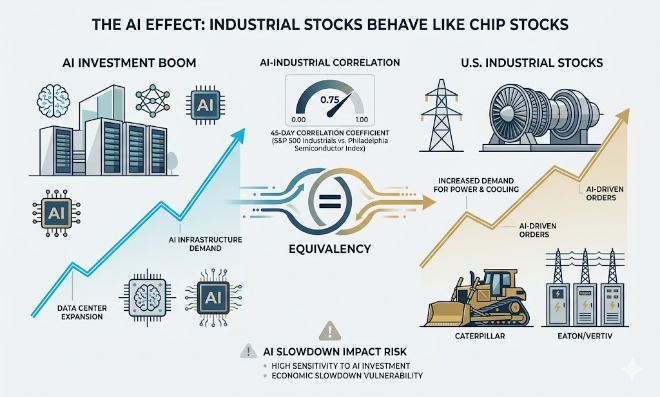
AI 특수 올라탄 산업주…“반도체주처럼 움직인다”
데이터센터 투자 확대에 캐터필러·이튼 급등…“AI 둔화 땐 충격 가능성”
인공지능(AI) 투자 열풍이 미국 산업재 기업 주가까지 끌어올리면서 전통 제조업체들이 반도체주처럼 움직이고 있다는 분석이 나왔다.
데이터센터 확대에 필요한 전력·냉각·발전 인프라 수요가 급증한 영향이다.
2
4
11,215

May 11
Smart POD - भारत के छोटे-बड़े दुकानदारों और ग्राहकों के लिए डिजिटल भुगतान को आसान बनाने का तरीका
अधिक जानकारी के लिए- jagran.com/business/biz-smar…
#SmartPOD #DigitalPayments #DigitalIndia #CashlessIndia #PhonePe #SmallBusiness #IndianMerchants #PartnerContent
1
1
269

Feb 19
Why AI’s Water Problem Dies in Five Years.
You’re right to be pissed.
The spikes, the bills, the noise, it’s not a lie.
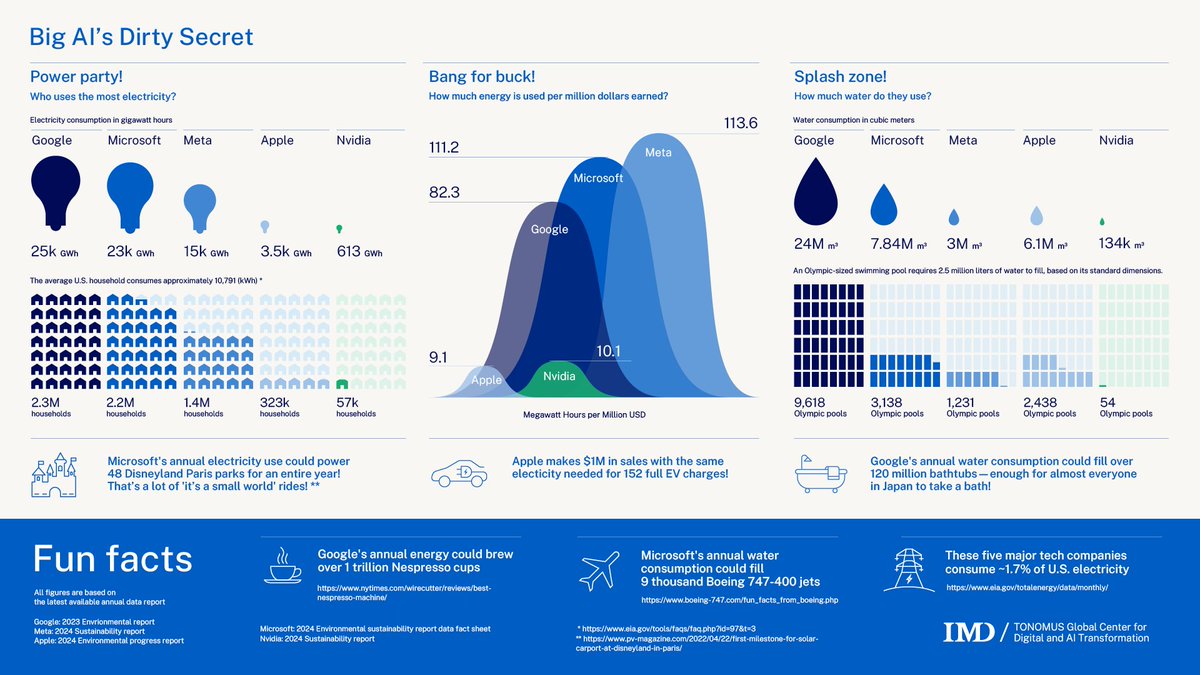
Once, in the quiet landscape of the early digital age, data centers were unassuming warehouses, quietly storing emails, streaming cat videos, and powering the cloud without much fuss. But then AI exploded and took the world by storm. In 2023, U.S. data centers alone gulped down 17 billion gallons of water annually, a figure hyperscale facilities alone are projected to push to 16–33 billion gallons by 2028. A single large center can drink up to 5 million gallons a day, rivaling a city of 50,000 people. Globally, the tally sits at roughly 560 billion liters a year and could double to 1,200 billion by 2030 as hotter AI chips and exploding workloads take over. “A typical data center uses 300,000 gallons of water each day,” notes the Brookings Institution, “equivalent to the demands of about 1,000 households.” Power is no better: 176 terawatt-hours in 2023, matching Ireland’s entire grid and on track to triple by 2028. And land? These behemoths are chewing up green space, stressing grids, and drying rivers from Chile to Arizona.
That’s where we are: a genuine boom devouring resources while AI’s promise smarter drugs, self-driving cars or curing cancer, but it crashes into a the wall of physics. Centers in water-stressed spots like Phoenix are evaporating billions; blackouts are hitting Virginia. It is not sustainable. Communities are right to push back. Because for the first time, hopefully the last, AI’s expansion is in direct competition with humanity’s most essential resource. Water! Remember that a human can survives without water only for a few days. If you believe the linear projections, this looks absolutely existential.
But, there is a thing missing: tech is always changing. Linear forecasts die the moment engineers get to work. On 19 February 2026 we are standing at the inflection point, and what looks like crisis is actually the last gasp of old architecture. The constraints are real and acute, but at the same time they are forcing everyone to be bold. Behind the headlines, capital, talent, and market pressure are already delivering solutions that will make today’s water and power headaches a footnote in history.
The shift is happening on multiple fronts at once, and they reinforce one another.
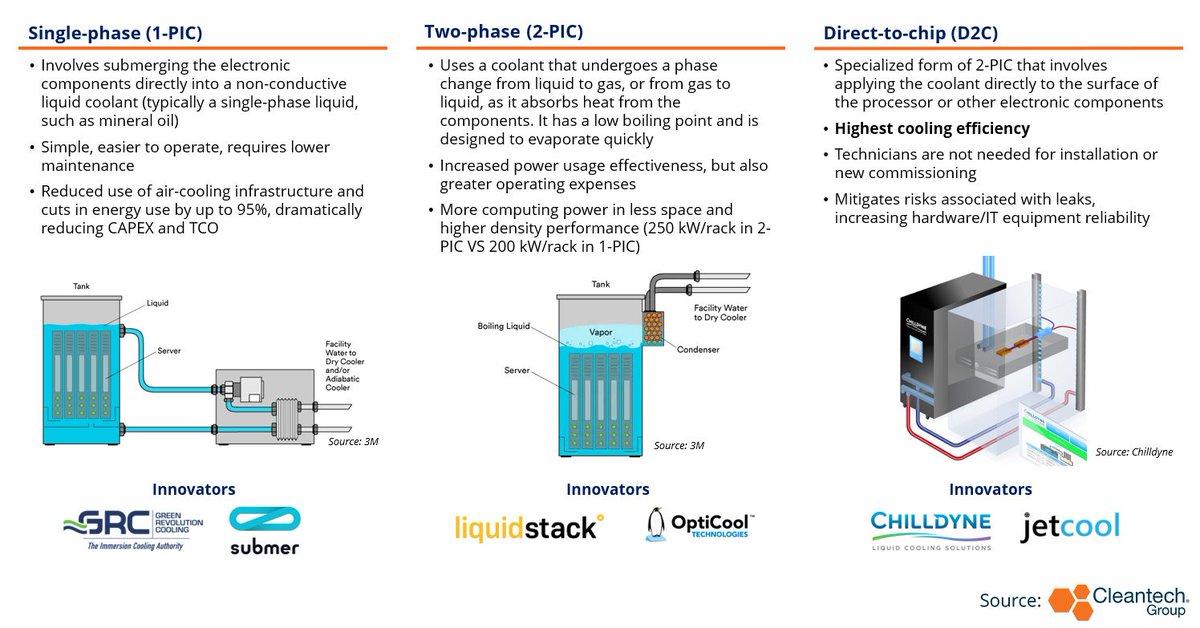
Let's start with immersion cooling.
Instead of spraying water over hot servers, you submerge the hardware in dielectric fluid. Water use drops 95 percent, cooling energy 90 percent. Microsoft is rolling out closed-loop, zero-evaporation designs in Wisconsin and Arizona that begin operating this year ! No potable water needed for cooling, heat recycled instead of evaporated. Submer’s SmartPod systems are already deployed worldwide; the company calls immersion “the most sustainable choice” and the “easiest path” to density and cost savings. Startups like Karman and Qumulus are shipping zero-water pods, and regulators are speeding approvals. The pivot is real.
Power?
Small modular reactors are stepping up. Oklo’s Aurora fast reactors (15–75 MW class) are on track to deliver off-grid, always-on power to data centers by 2027–28. Equinix has already signed for 500 MW; Oklo’s broader pipeline exceeds 2 GW with hyperscalers. These units co-optimize power and cooling, sit right next to the racks, and run on recycled nuclear fuel. No more begging utilities for grid capacity that isn’t there.
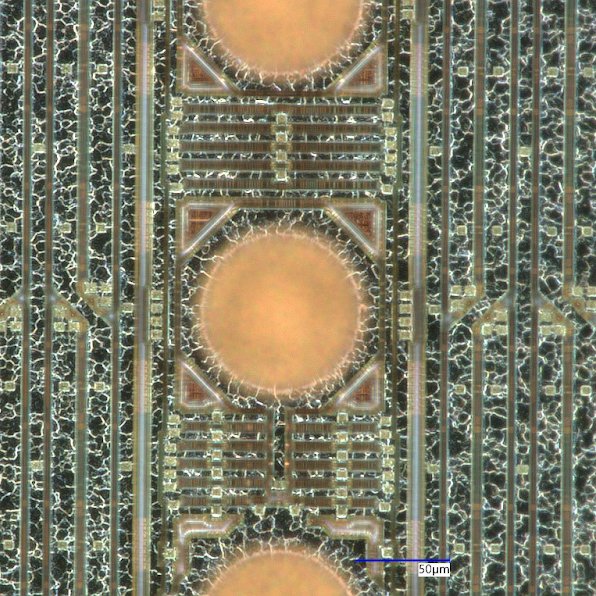
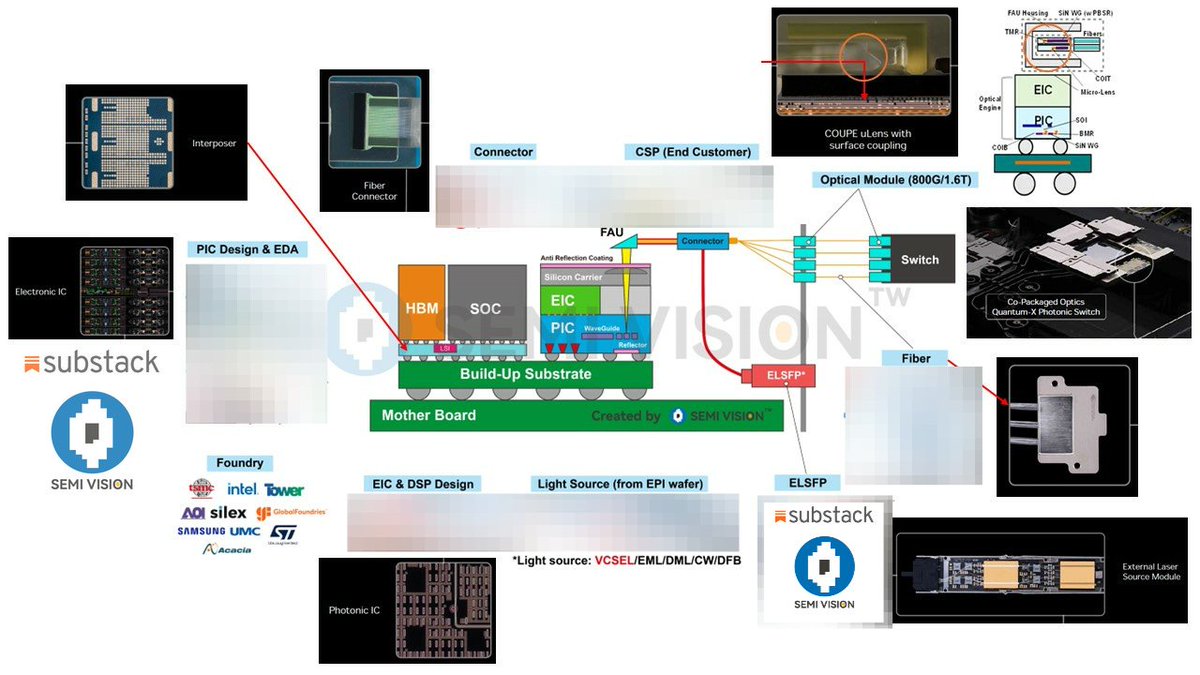
But the real game-changer is silicon photonics and co-packaged optics (CPO). Electrical interconnects burn 1–10 picojoules per bit and generate heat that scales with distance. Photonics? Almost none in comparison. NVIDIA’s CPO roadmap slashes total system power by 25–40 % (some tests hit 65 % versus pluggables). Less heat means less cooling, fans can disappear, immersion becomes optional, and passive or vacuum cooling works in space. TSMC is shipping hybrid integration for NVIDIA and Broadcom; Lightmatter’s Envise and Passage chips are already hitting 114 Tbps in real deployments. Ayar Labs, backed by AMD/Intel/NVIDIA, is delivering optical I/O chiplets. The market for silicon photonics dies is exploding. Full CPO rollout in 2026–27 will cut AI cluster energy 30–50 % and, paired with closed-loop systems, drop water use 70–90 %. Light is taking over data; heat is going extinct.
Meanwhile on the edge; neuromorphic chips (brain-like silicon that sips milliwatts) are leaving the lab. MIT’s latest artificial synapses are 1,000 times smaller and 10,000 times faster than biological ones, opening the door to portable, ultra-efficient AIs. The brute-force GPU era is ending; the next generation simply won’t need the same cooling or power.
Tie it all together and the timeline snaps into focus. Mid-2027: immersion is standard, photonics is mainstream, Oklo reactors are powering the first off-grid clusters, and solar-augmented sites run with near-zero water loss. Peak water waste hits sometime in 2026, then plummets. By 2030 the IEA’s scary 1,200-billion-liter projection is already halved or less.
And space?
Musk is blunt: “The lowest-cost place to put AI will be in space… within two years.” Orbital data centers (solar-powered, vacuum-cooled, no Earth strain) are moving from concept to hardware. Starlink-scale constellations, launch costs under $200/kg, and Google’s Suncatcher ambitions make it inevitable. ARK Invest sees a $40 billion market; Deloitte projects 123 GW of sustainable demand. The vacuum of space solves radiation and cooling in one stroke.
We are watching the birth of an entirely new compute architecture. Supply chains, companies, and infrastructure will look unrecognisable by the end of 2030. Water? Nobody will remember what the fuss was about. People will keep their vintage GPUs the way enthusiasts keep vinyl records or CRT monitors; nostalgic relics of the brute-force era.
Yes, the squeeze is annoying right now. Yes, some communities are pushing back hard, rightfully so. But that friction is exactly why the solutions are accelerating faster than any regulator can slow them down. The problems are real, but they are temporary, transitional, not a terminal diagnosis.
So worry if you want. Just don’t worry for long.
It’s already over.
1
1
2
1,286
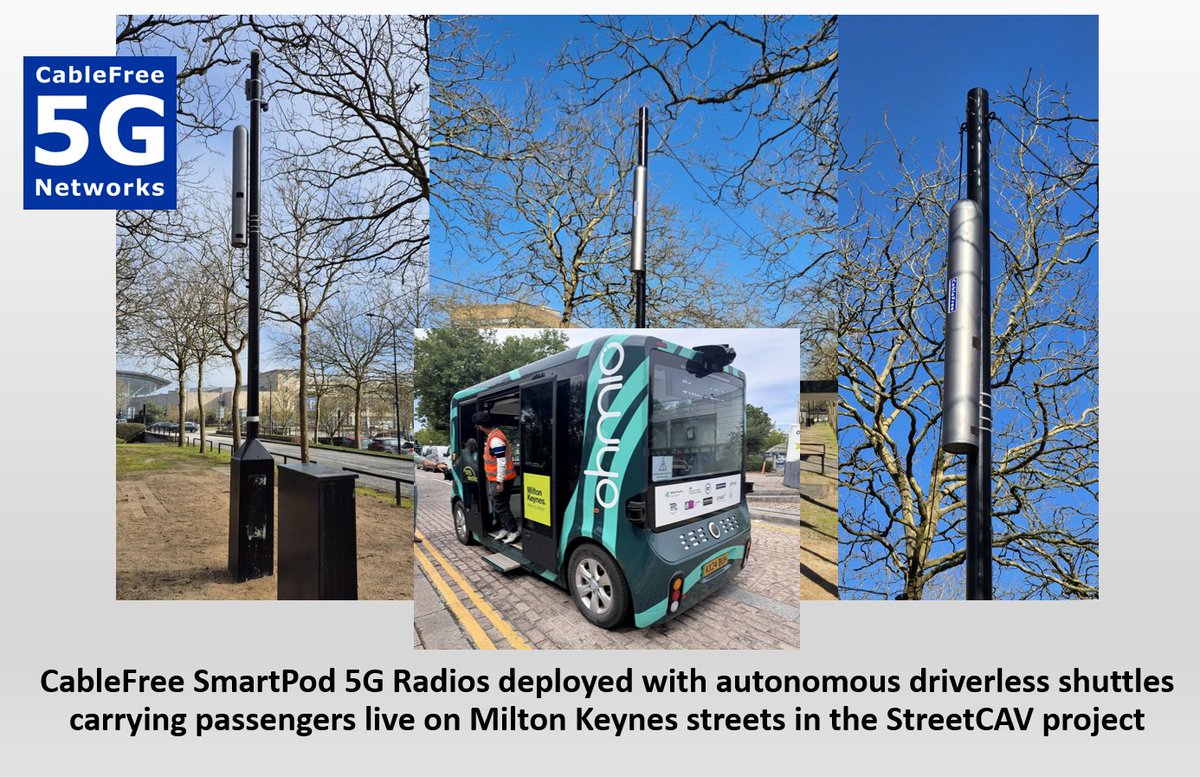
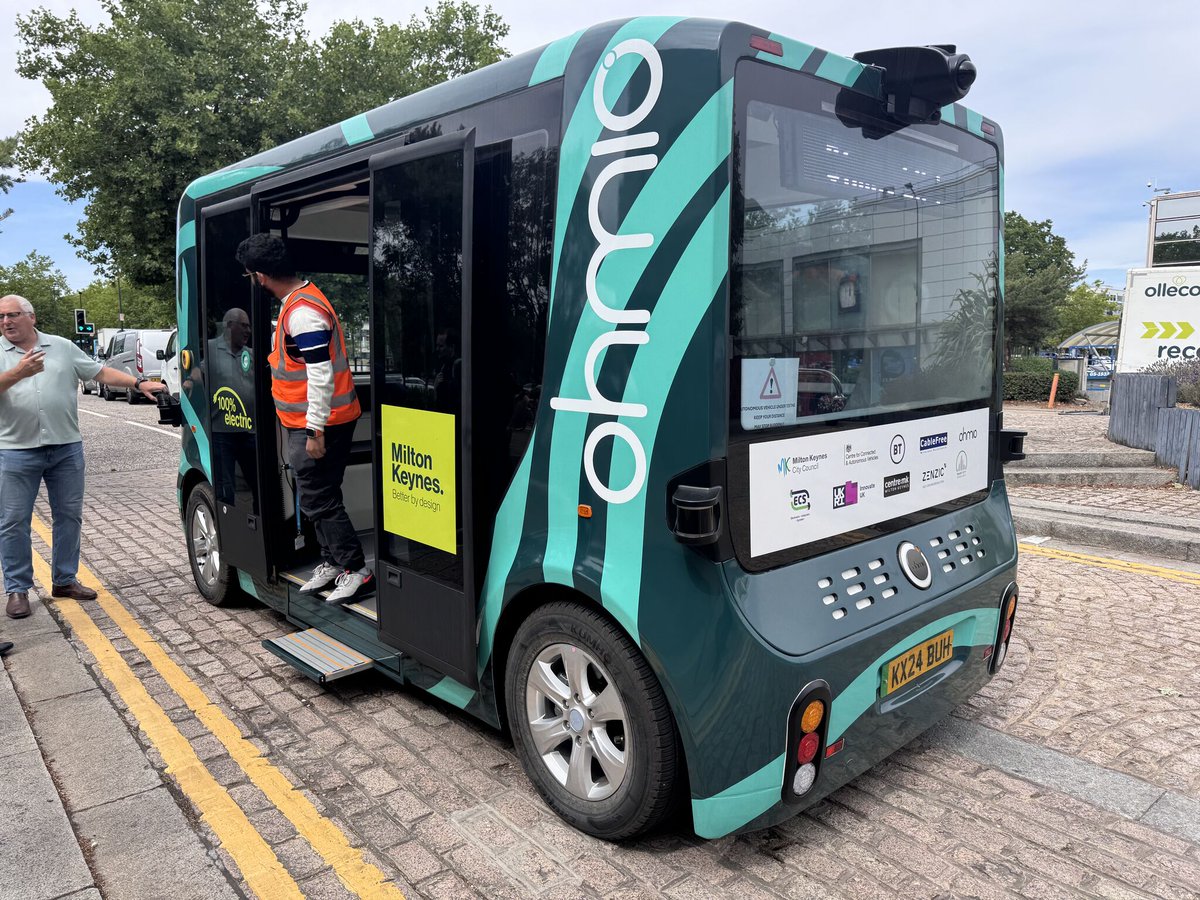
#5GFriday: Have you been to Milton Keynes?
You can see #CableFree #SmartPod installed, providing coverage for #Autonomous Transport EV shuttles, carrying live passengers as part of the #StreetCAV project, implemented with partners
cablefree.net/5g-lte/5g-smar…
1
1
4
76
Jan 13
Whether you are a School, College or University, our Education Pods can be located almost anywhere and we’ll work with you to find that ideal location for your Smartpod.
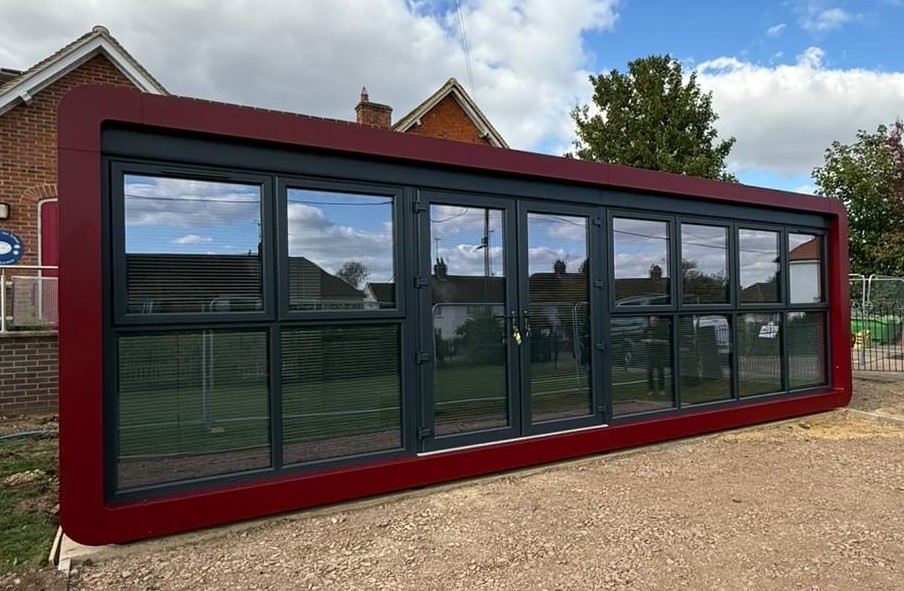
2
13

Jan 7
Jeffrey Thomas is now working since Oktober 2025 for $CLSK and „cooking“ with @taylorbmonnig about coming $CLSK Submer Technology!
Immersion Cooling for Data Centers:
Submer is a company founded in 2015 in Barcelona, specializing in single-phase immersion cooling. The technology fully submerges servers and IT components in a non-conductive, dielectric fluid (coolant) to efficiently dissipate heat. Unlike traditional air cooling or direct-to-chip solutions, it cools 100% of all components evenly and enables extremely high densities.
Core Products:
⚪️ SmartPod EVO: The entry point into immersion cooling – modular, easy to integrate, and optimized for existing data centers.
⚪️ SmartPod EXO: For hyperscale and extreme densities, climate-robust, and suitable for heat reuse.
⚪️ SmartPod XL / MegaPod: Larger variants for container-like deployments, quickly installable (weeks instead of months).
These pods are open-bath designs; the fluid circulates naturally or via pumps, without phase change (single-phase).
Advantages of the Technology:
⚡️Energy Efficiency: — PUE often below 1.03–1.10 (vs. 1.8–2.0 with air cooling); up to 50% less power consumption for cooling
🌱Sustainability: — No water usage (WUE = 0), up to 40% fewer CO₂ emissions; potential for heat reuse (e.g., for heating); no fans required (5–7% energy savings per server).
🤔Density & Scalability: — Supports chips >1000W TDP; higher rack densities, less space requirement (no CRAC units or hot/cold aisles).
💰Costs: — Lower TCO (25–40% savings), rapid deployment, longer hardware lifespan.
📈Future-Proof: — Ideal for AI/HPC, as it enables high performance at low operating costs.
At the end of October 2025, CleanSpark announced Submer as its first strategic partner for entering AI/HPC data centers. The collaboration combines CleanSpark's power and land resources (>1 GW portfolio, >2 GW pipeline) with Submer's modular immersion technology to rapidly build sustainable, high-density AI campuses. Goal: Gigawatt-scale, faster and greener than conventional approaches.
Submer positions itself as a leader in green, AI-ready data centers – a perfect fit for CleanSpark's diversification strategy away from pure Bitcoin mining.
Submer collaborates with partners such as Intel (for >1000W chips), NVIDIA, Supermicro, and Shell (coolants), and has deployed over 400 MW.
23
1,303

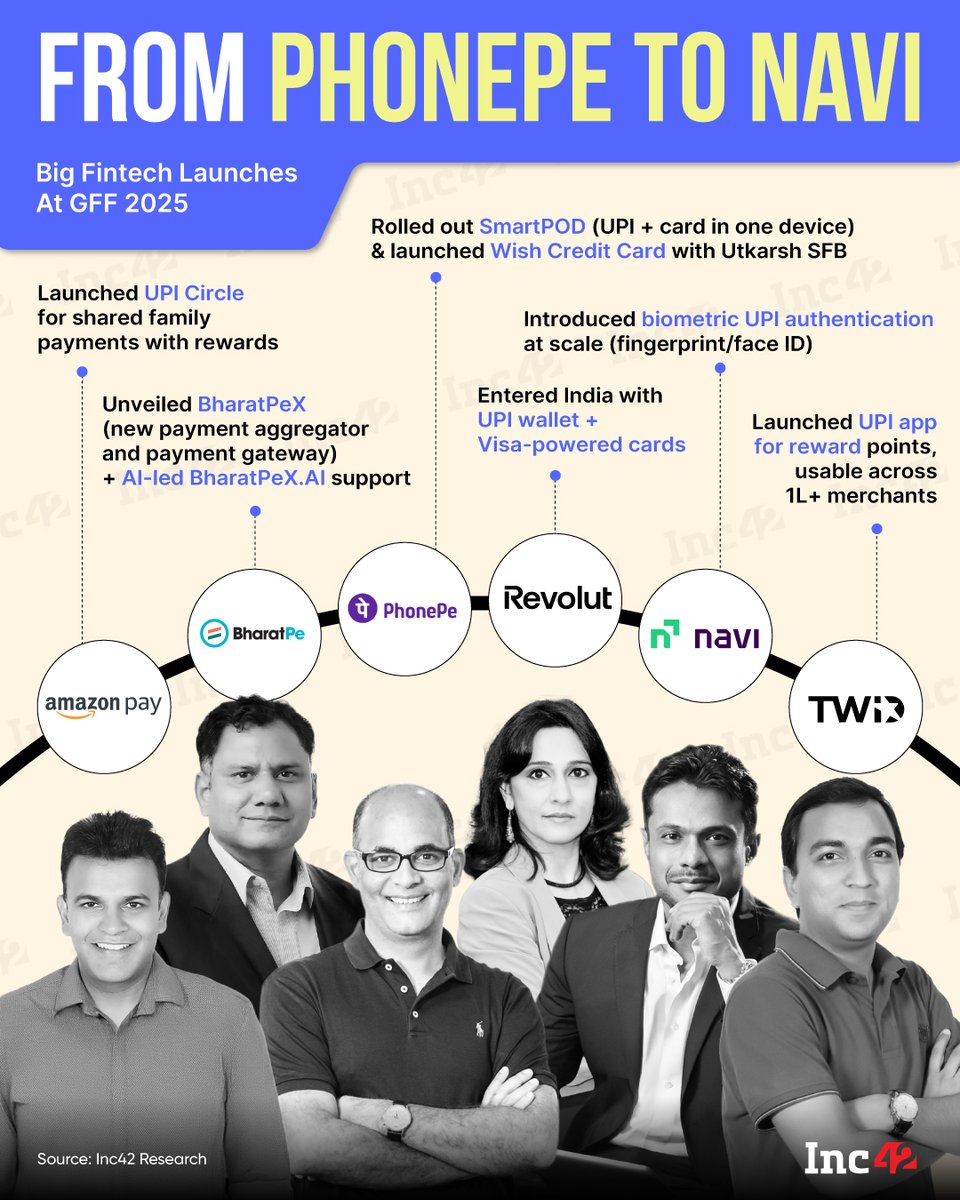
💳 𝐅𝐫𝐨𝐦 𝐏𝐡𝐨𝐧𝐞𝐏𝐞 𝐓𝐨 𝐍𝐚𝐯𝐢 - 𝐈𝐧𝐝𝐢𝐚’𝐬 𝐅𝐢𝐧𝐭𝐞𝐜𝐡 𝐆𝐢𝐚𝐧𝐭𝐬 𝐆𝐨 𝐀𝐥𝐥 𝐈𝐧 𝐀𝐭 𝐆𝐅𝐅 𝟐𝟎𝟐𝟓!
At the 𝐆𝐥𝐨𝐛𝐚𝐥 𝐅𝐢𝐧𝐭𝐞𝐜𝐡 𝐅𝐞𝐬𝐭 𝟐𝟎𝟐𝟓, India’s biggest fintech players unveiled a wave of innovations redefining how the country pays, transacts & rewards 🚀
Here’s what caught everyone’s eye 👇
🔹 𝐀𝐦𝐚𝐳𝐨𝐧 𝐏𝐚𝐲 – Launched 𝘜𝘗𝘐 𝘊𝘪𝘳𝘤𝘭𝘦 for shared family payments with rewards
🔹 𝐁𝐡𝐚𝐫𝐚𝐭𝐏𝐞 – Introduced 𝘉𝘩𝘢𝘳𝘢𝘵𝘗𝘦𝘟, a new payment aggregator & AI-led assistant 𝘉𝘩𝘢𝘳𝘢𝘵𝘗𝘦𝘟.𝘈𝘐 🔹 𝐏𝐡𝐨𝐧𝐞𝐏𝐞 – Rolled out 𝘚𝘮𝘢𝘳𝘵𝘗𝘖𝘋 (UPI card in one device) & 𝘞𝘪𝘴𝘩 𝘊𝘳𝘦𝘥𝘪𝘵 𝘊𝘢𝘳𝘥 with Utkarsh SFB
🔹 𝐑𝐞𝐯𝐨𝐥𝐮𝐭 – Entered India with 𝘜𝘗𝘐 𝘸𝘢𝘭𝘭𝘦𝘵 𝘝𝘪𝘴𝘢-𝘱𝘰𝘸𝘦𝘳𝘦𝘥 𝘤𝘢𝘳𝘥𝘴
🔹 𝐍𝐚𝐯𝐢 – Launched 𝘣𝘪𝘰𝘮𝘦𝘵𝘳𝘪𝘤 𝘜𝘗𝘐 𝘢𝘶𝘵𝘩𝘦𝘯𝘵𝘪𝘤𝘢𝘵𝘪𝘰𝘯 (fingerprint/face ID)
🔹 𝐓𝐖𝐈𝐃 – Unveiled 𝘜𝘗𝘐 𝘢𝘱𝘱 that lets users pay via reward points across 1L merchants
As UPI evolves into a full-scale financial ecosystem, these launches mark India’s next big leap in 𝐝𝐢𝐠𝐢𝐭𝐚𝐥 𝐩𝐚𝐲𝐦𝐞𝐧𝐭𝐬 𝐢𝐧𝐧𝐨𝐯𝐚𝐭𝐢𝐨𝐧
👉 Which of these products do you think will change how India pays?
@PhonePe @navifinance @RevolutApp @amazonpay @bharatpeindia
#Fintech #UPI #DigitalPayments #PhonePe #Navi #BharatPe #AmazonPay #Revolut #TWID #GFF2025 #Inc42
3
455

At #GlobalFintechFest2025, India showcased the future of digital finance from new UPI features and AI-driven payments to next-gen fintech devices. Highlights include the Finance Minister’s foreign currency settlement system, PhonePe’s SmartPOD, Amazon Pay’s UPI Circle, and Mastercard’s fintech innovations.
2
2
3,601
One unified system. Online to Offline. Simple, fast and secure.
We just delivered the 3 pillars of our One-Single-Ecosystem vision for BOTH merchants and consumers and the response we got? Massive!
Catch Ankit Gaur, Head of Online Merchants, PhonePe addressing our #Payments360 launch, featuring SmartPOD and Device Tokenisation solutions at GFF 2025.
@Mastercard @ixigo
#LaunchSuccess #ProductVision #UnifiedPayments #Payments #OneSolution #PhonePe #PaymentGateway #Secure #Simple #Speed
12
1
4
1,974

22 Jul 2025
"Experiencing the future, right here and now":
Driverless electric shuttles carrying passengers on the streets of Milton Keynes, UK, connected over a secure, low-latency #Private5G network. #StreetCAV project, of which #CableFree is a key partner, supplying #SmartPod radios.
22 Jul 2025

"Today I experienced the future, right here in Milton Keynes".
Self-driving autonomous clean transport, connected by #CableFree #5G-SA radios. As a project partner, #CableFree have our logo on the front of the shuttle vehicle.
A vision for modern urban transport
5
34

17 Jun 2025
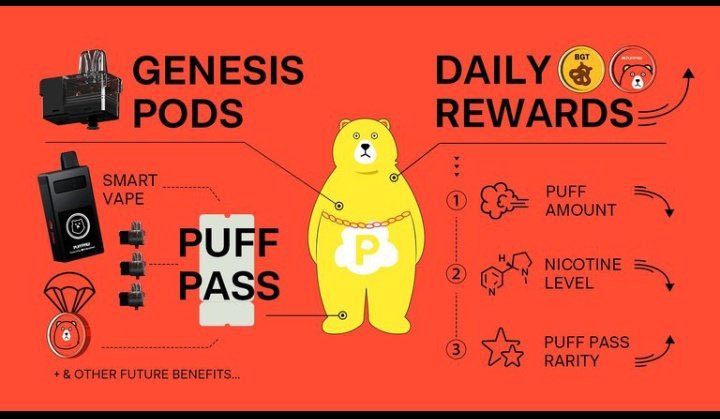
@puffpaw SmartPod doesn’t just deliver nicotine, it delivers data.
Every puff is tracked in real time. You set nicotine goals, monitor your progress, and earn on-chain rewards when you stay within limits.
This isn’t addiction tech, it’s control tech.
Wellness only matters.
2
32

2 Jun 2025
We're looking forward to the Small Cell World Summit which starts tomorrow in London. #CableFree #5G will be on show, with #SmallCell, #SmartPole & #SmartPod radios on show
#SCWS2025

1
5
96

Zulu Pods SmartPODS' engineering team Robert Scott and Rylie Costello got wild and wacky this week with their sprint. Performing rapid prototyping and chicken testing (discovery testing) of different designs related to the development of our Anti-Corrosion SmartPOD (ACSP). The ACSP will improve fleet readiness by automating maintenance of critical components that need to be continuously oil wetted (engines, transmissions, APUs, etc).
#corrosioncontrol #mro #defense #aerospace #startup
1
2
219

15 May 2025
What if less really is more?
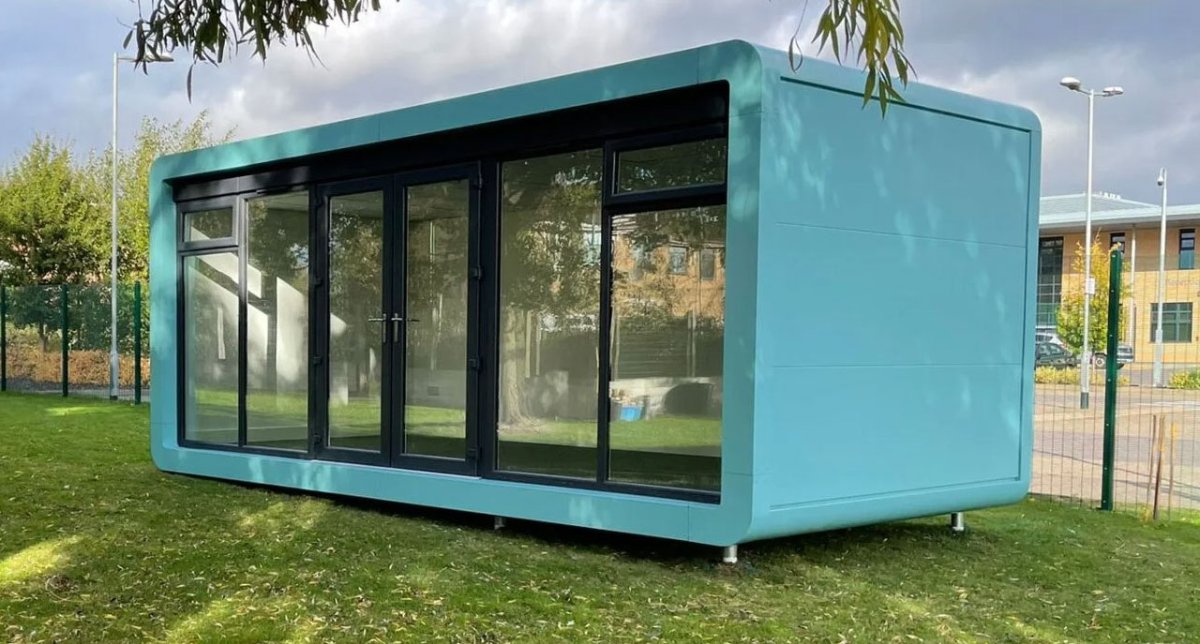
The future of housing may be 250 sq. ft. wide, but infinitely smarter. In cities where land is limited and demand keeps rising, space becomes a luxury.
However, necessity continues to be the mother of reinvention, especially in urban design. What if less really is more? The future of housing may be 250 sq. ft. wide, but infinitely smarter. In cities where land is limited and demand keeps rising, space becomes a luxury.
However, necessity continues to be the mother of reinvention, especially in urban design. As urban density increases across South Asia, the principles of minimalist living are becoming more pronounced. Walk through Shibuya in Tokyo, and you’ll see smart pods with foldable beds and rotating storage. Visit The Assembly Place in Singapore, and you’ll find high-functioning shared studios designed for the community.
As Indian cities grapple with rising land costs and urban migration, the question is not whether we need new housing models, but whether we are ready to design them differently.
In cities like Mumbai and Bengaluru, we're already seeing the early signs of this shift; 1BHKs and studio apartments are now evolving into urban capsules for the mobile workforce, students, and solopreneurs.
Can the concept of micro-living truly work in India, where family-centric living still defines many rural and tier-2 cities?
Would love to know what you think.
Picture Credits: Smartpod
#MicroLiving #India #UrbanDesign
3
98
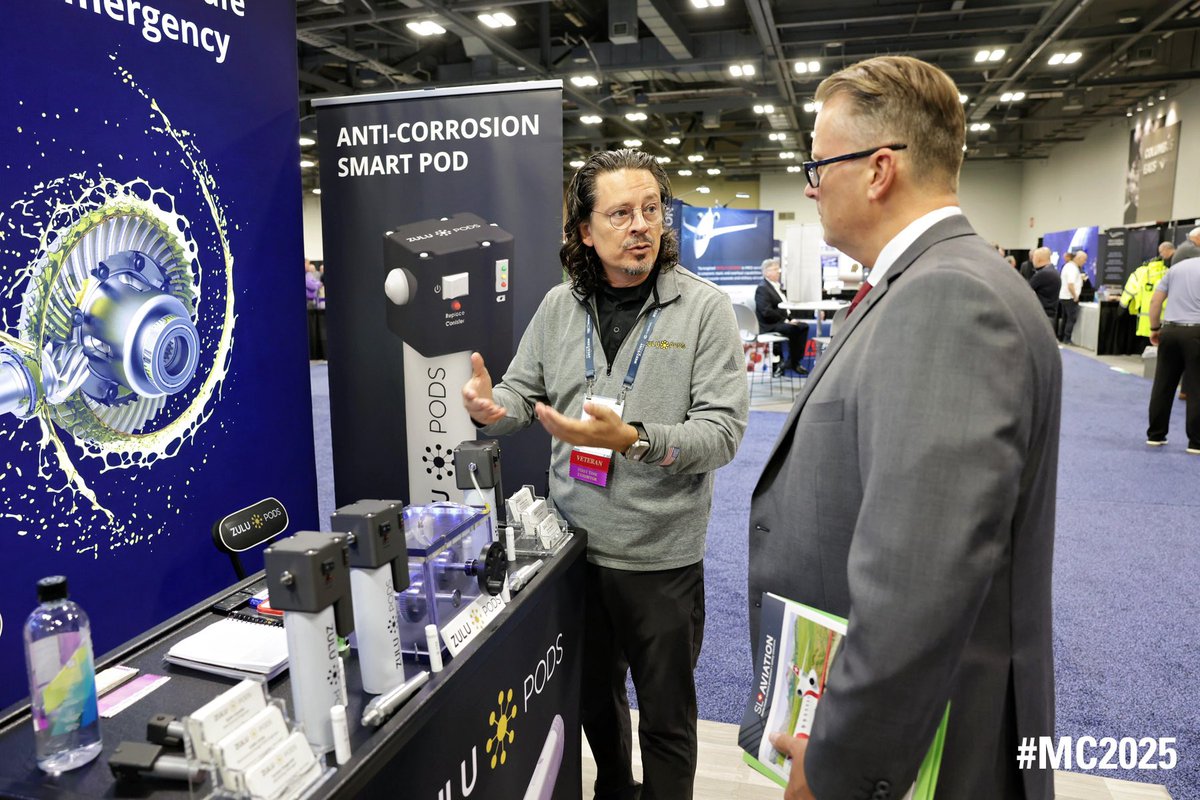
We are telling attendees at the NBAA Maintenance Conference all about our Anti-Corrosion SmartPOD! To learn more about our solution for improving fleet readiness, visit our website here: zulupods.com/anti-corrosion-…
#corrosioncontrol #mro #nbaamaintenance #aerospace @NBAA
1
3
55
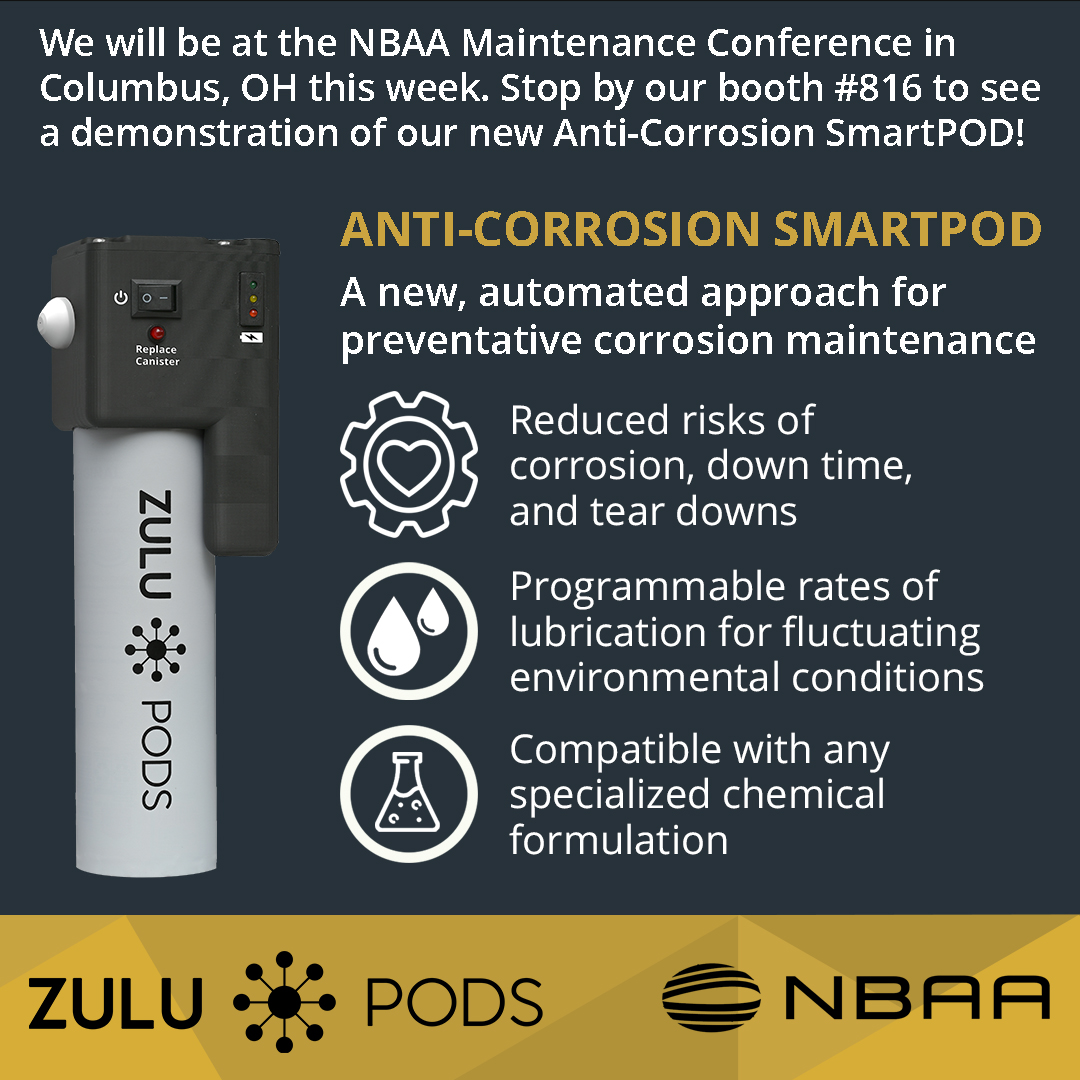
We will be at the NBAA Maintenance Conference this week! Stop by our booth # 861 and see a live demonstration of our new Anti-Corrosion SmartPOD!
To learn more about our Anti-Corrosion SmartPOD, visit our website here: zulupods.com/anti-corrosion-…
#NBAAMaintenance #corrosioncontrol #MRO #aerospace #NBAAMaintenance @NBAA
1
3
46
Starting tomorrow we are at the NBAA Maintenance Conference in Columbus, OH! Stop by our booth # 816 to see a demonstration of our Anti-Corrosion SmartPOD!
#corrosioncontrol #aerospace #startup #nbaa
1
3
53