
🚢 The future of maritime mobility is software-defined.
REGENT is accelerating production of its all-electric Seaglider with RTI Connext serving as the real-time data backbone across simulation, testing and onboard vehicle systems.
With billions in customer orders already secured, REGENT is redefining what advanced mobility can look like on the water.
Watch the full video below. To learn more about this collaboration, read the press release here: rti.com/news/regent-seaglide…
#AdvancedMobility #AutonomousSystems #MaritimeTechnology #SoftwareDefinedSystems #PhysicalAI
24

I think we have been looking at the future of computing the wrong way.
For years, the default assumption has been simple: larger models, more data,
more GPUs, more specialized hardware.
At DAITA‑XQ, I’ve been exploring a different path.
What if some of the capabilities we usually associate with fragile, specialized, or impractical systems can actually be realized as deployable software-defined primitives on classical infrastructure?
That is the direction our recent work keeps pointing toward.
In internal prototypes, we’ve seen a new computational layer support behaviors that matter across multiple industries:
- phase-sensitive control using only digital observables
- long-range correlation that can be measured, maintained, and used as a resource
- low-bandwidth state alignment and recovery without transmitting the full internal state overlap-based timing and coherence diagnostics that expose drift, mismatch, and subtle manipulation
- self-healing synchronization layers that remain useful when ordinary timing assumptions begin to fail
That matters because it suggests a very different future.
In communications, it points toward stronger timing integrity, faster relock, and more resilient operation in degraded environments.
In AI, it points toward continuous-state compute layers, distributed coordination without overwhelming bandwidth, and architectures that do not have to begin and end with token streams.
In sensing and imaging, it points toward software-defined coherence, overlap-aware calibration, and new measurement strategies built on existing hardware.
In compute, it suggests that some of the most valuable next-generation capabilities may come not from replacing classical systems, but from giving them an entirely new operating layer.
That is what I’m building toward with DAITA‑XQ.
We are still early, but the pattern is becoming hard to ignore.
The next breakthroughs in AI, communications, and advanced computing may not come only from scaling what already exists.
They may come from giving classical systems new primitives they were never expected to have.
That is the bet.
#DAITAXQ #AIInfrastructure #AdvancedComputing #SecureCommunications #DistributedSystems #DeepTech #Timing #Sensing #SoftwareDefinedSystems
41

#Vector Buys RocqStat to Boost Timing Analysis
𝙍𝙚𝙖𝙙 𝙈𝙤𝙧𝙚: itbusinesstoday.com/industri…
#Automotive #RocqStat #softwaredefinedsystems #timinganalysis #Vector
5

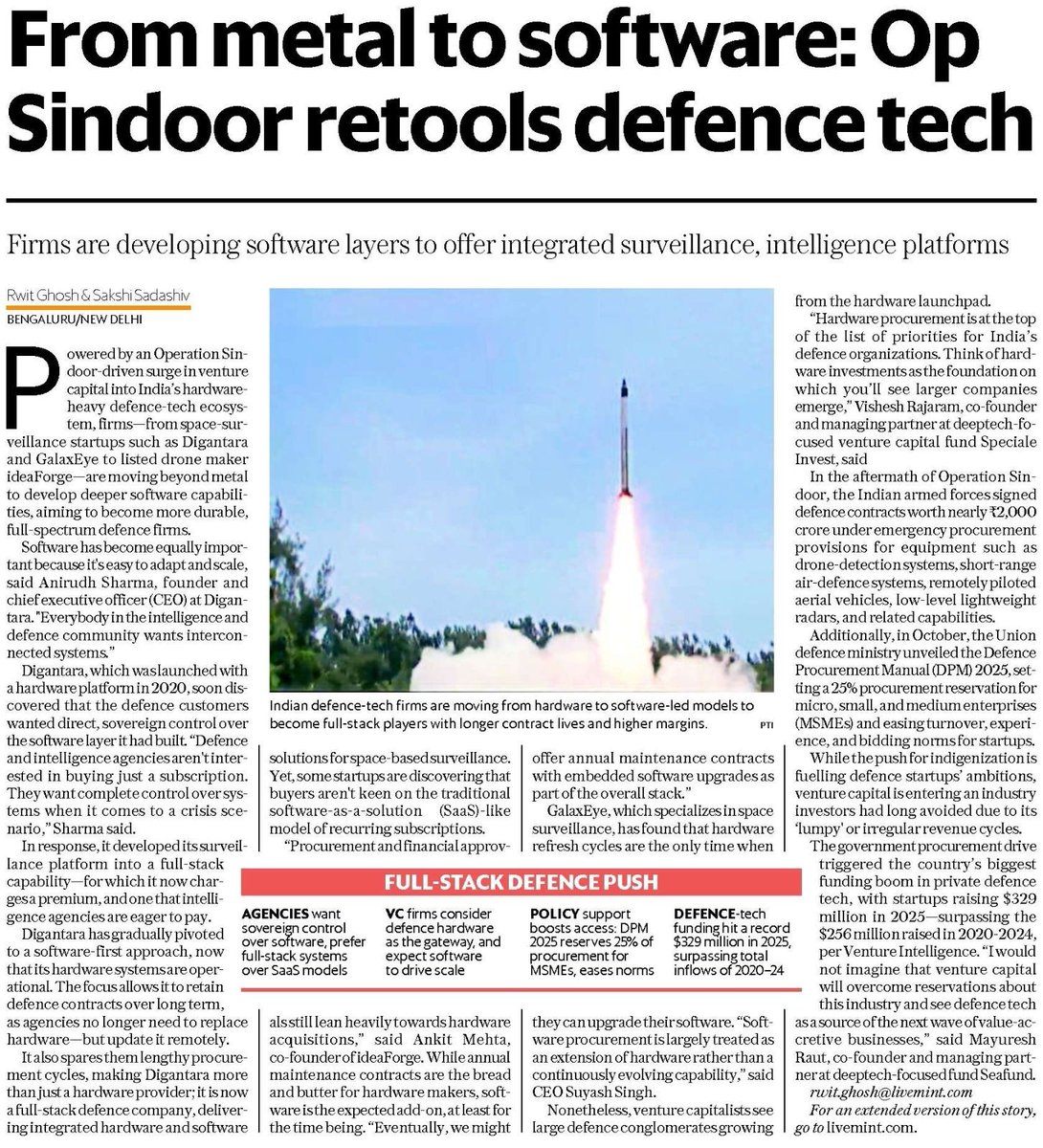
India’s defence-tech ecosystem is at an inflection point, moving decisively from hardware-led innovation to full-stack, software-defined capability.
As defence technologies become more networked and mission-critical, long-term differentiation will hinge on owning the software layer, spanning electronic warfare resilience, edge intelligence, and system integration, well beyond the initial hardware deployment.
In this @livemint deep dive on how defence startups are transitioning “from metal to software,” our Co-founder & CEO @ankit_ideaForge shares, “Future-proofing comes from owning the full software stack, especially electronic warfare resilience, edge intelligence, and network integration, because intelligence needs to evolve long after the hardware is deployed.”
A timely perspective on how India’s indigenous defence ecosystem is maturing, as companies move from building platforms to delivering enduring, upgradeable capability at scale. Read the full story - livemint.com/industry/india-…
@ghoshrwit @sakshi_sadashiv
#IndigenousInnovation #AatmanirbharBharat #DeepTech #DefenceManufacturing #SoftwareDefinedSystems #ElectronicWarfare #NationalSecurity
3
8
511

17 Dec 2025
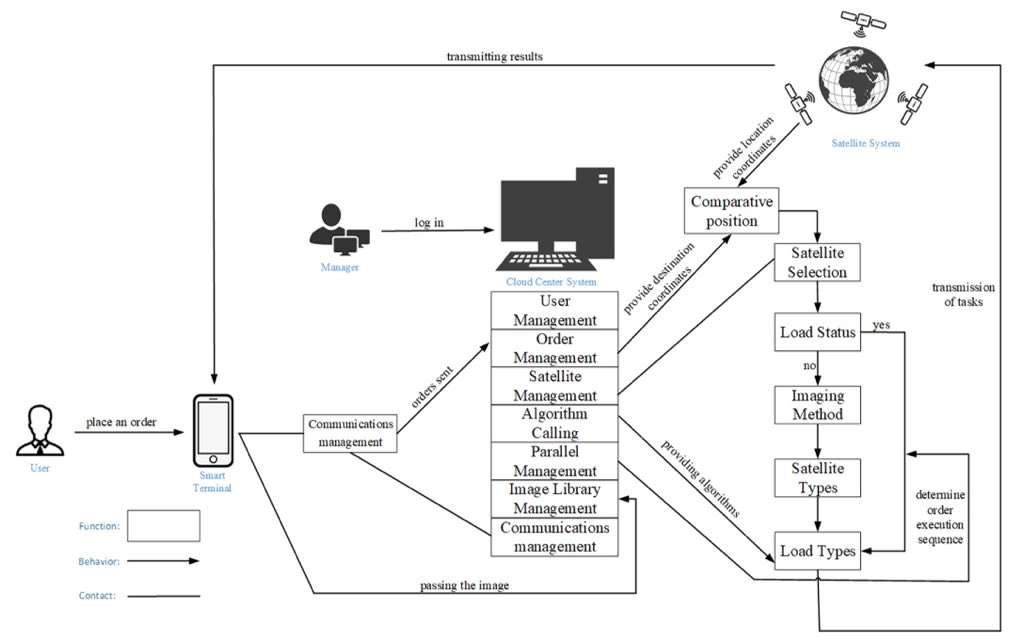
✨Article | Research on function-behavior-structure-based software engineering methodology for software defined systems
📚Read the full text:doi.org/10.1016/j.spaceh.202…
🔗Explore & submit:keaipublishing.com/en/journa…
#SoftwareDefinedSystems
#FunctionBehaviorStructure #SoftwareEngineering
1
39

8 Sep 2025
Vector Unveils #SDxCloud: A Scalable Platform for #SoftwareDefinedSystems and Connected Services embedded.com/vector-unveils-…

1
63

27 Nov 2023
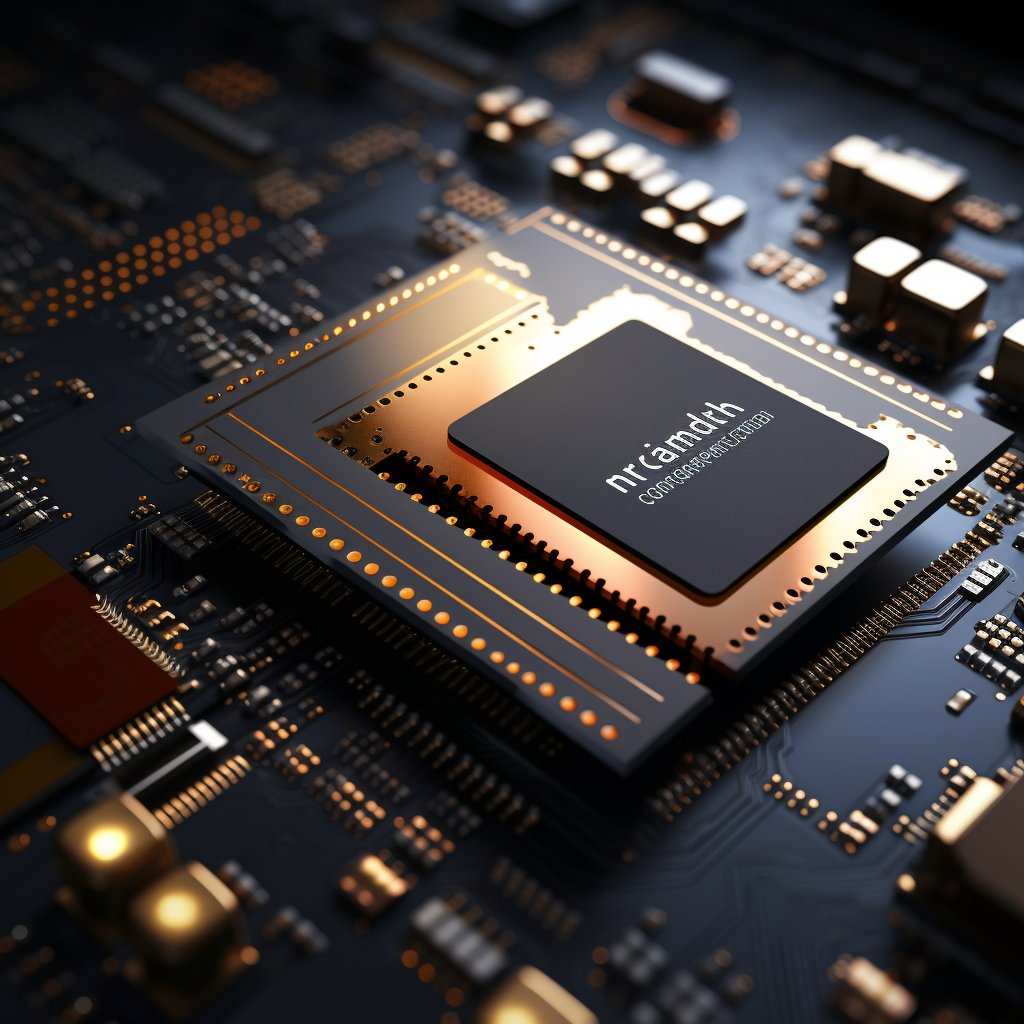
OptiFlash technology uses a new memory architecture that provides a high-performance, high-capacity memory solution by combining high-capacity flash memory with high-speed DRAM.
#OptiFlashTechnology #MemoryTechnology #SoftwareDefinedSystems #NewMemoryArchitecture
28

22 Nov 2019
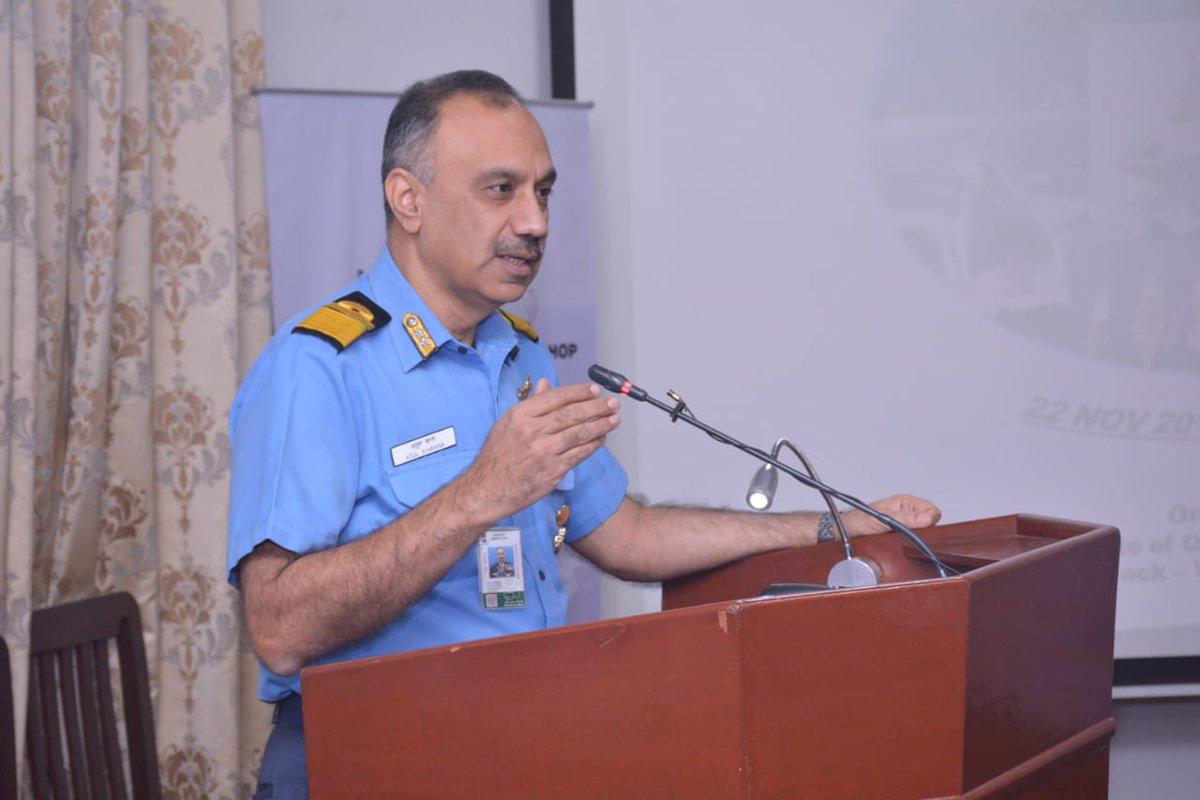
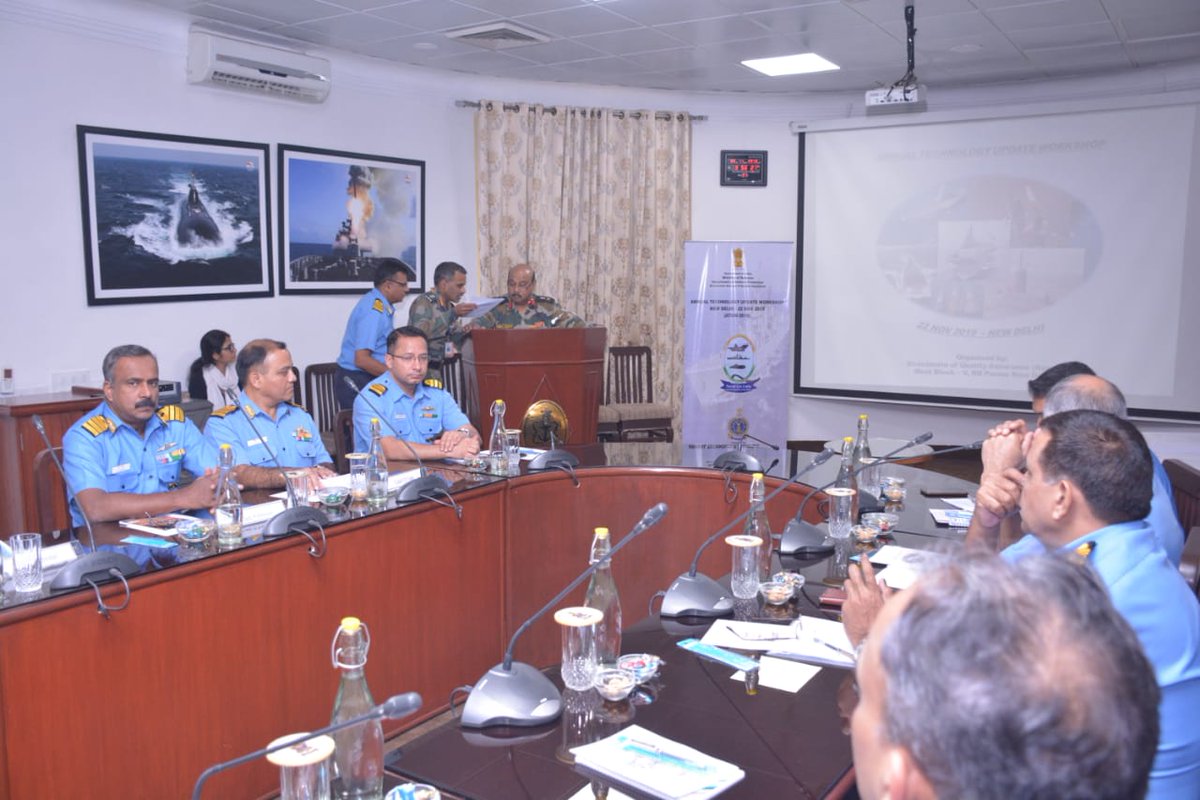
Maiden ATUW addressed latest technological developments in these broad domains:-
-#ArtificialIntelligence & #SoftwareDefinedSystems
-Future Trends in #Software #QualityAssurance
-Advances in #RadarTechnology & #SteelTechnology for #NavalApplications. (2\2)
2
9
77

23 Oct 2019
Are you in advanced wireless technologies as a researcher, product developer or marketer? Show us your technology and reach your target market efficiently! Submit an abstract today to join our Innovation Showcase edas.info/N26358
#CBRS #SoftwareDefinedSystems #5G #SCA
2
2
15 Apr 2019
Today is the last day to register for #WInnComm Europe 2019 at the reduced earlybird rate! We have a great program this year with talks on #5G, #SoftwareDefinedSystems, and #TacticalCommunications. europe.wirelessinnovation.or…
1

31 Oct 2018
Key Takeaways from #NIDays 2018. Making Tomorrow’s Technologies Possible With #SoftwareDefinedSystems. @NIglobal @yiannispavlou electronicsmedia.info/2018/1…
3
6

3 Jan 2018
Did you know #SoftwareDefinedSystems offer many benefits, including lower
administrative costs? Get the details in the link below.

Make to shift to software-defined systems for greater agility, easier provisioning and lower administrative costs hubs.ly/H09nHSw0


Make a shift to #SoftwareDefinedSystems for greater #agility, easier #provisioning and lower administrative costs via @NetworkWorld ow.ly/w7pR30hi0tG

2

1 Dec 2017
"Enterprises are shifting storage investments from legacy architectures to #softwaredefinedsystems in an effort to achieve greater agility,easier provisioning & lower administrative costs." Read about how #hyperconvergence is gathering speed in 2018 here: ow.ly/WLrJ30gV4mG

1

16 Mar 2015
The rise of #SoftwareDefinedSystems and #BigData has necessitated the need for high powered storage infra to support these environments.

Software Defined Systems - the next buzzing thing? #softwaredefinedsystems