What is the best way to ramp up the overall power capacity and the grid in the US
I’m assuming you’re asking about increasing the overall power capacity and improving the U.S. electrical grid, as this aligns with the context of modernizing infrastructure and meeting rising electricity demands. If you meant something else, please clarify, and I’ll tailor the response.The best strategies to ramp up U.S. power capacity and enhance the electrical grid involve a mix of upgrading existing infrastructure, integrating renewable energy, deploying advanced technologies, and streamlining regulatory processes. Below, I outline the most effective approaches based on current challenges, such as aging infrastructure, rising demand from AI data centers and electrification, and the need for resilience against climate-driven extreme weather. I’ll also address how these strategies could mitigate issues like those potentially related to public debates (e.g., Musk-Trump discussions) by ensuring a robust grid that supports economic and technological growth.Key Strategies to Increase Power Capacity and Improve the Grid
Reconductoring Transmission Lines with Advanced Conductors
Why It Works: Replacing outdated steel-core wires with advanced carbon-fiber or aluminum-based conductors (e.g., ACSS or high-temperature low-sag lines) can double transmission capacity without building new lines. This avoids lengthy permitting delays (often 10 years) and local opposition, while being cost-effective—potentially halving the cost of new lines. For example, a UC-Berkeley and GridLab study found reconductoring could provide up to 80% of the new transmission capacity needed.📷📷
Impact: Increases grid capacity to handle surging demand from data centers, EVs, and industrial electrification. Reduces congestion costs (e.g., one project saved $58.4 million annually).📷
Implementation: Utilities can partner with companies like CTC Global, which offers high-capacity conductors. Google’s collaboration with CTC Global in 2025 aims to accelerate deployment through cost assistance and workforce training.📷Relevance to Public Debates: A stronger grid supports energy-intensive industries (e.g., AI, championed by figures like Musk), reducing outages that could fuel public or political disputes.
Expand Renewable Energy with Energy Storage
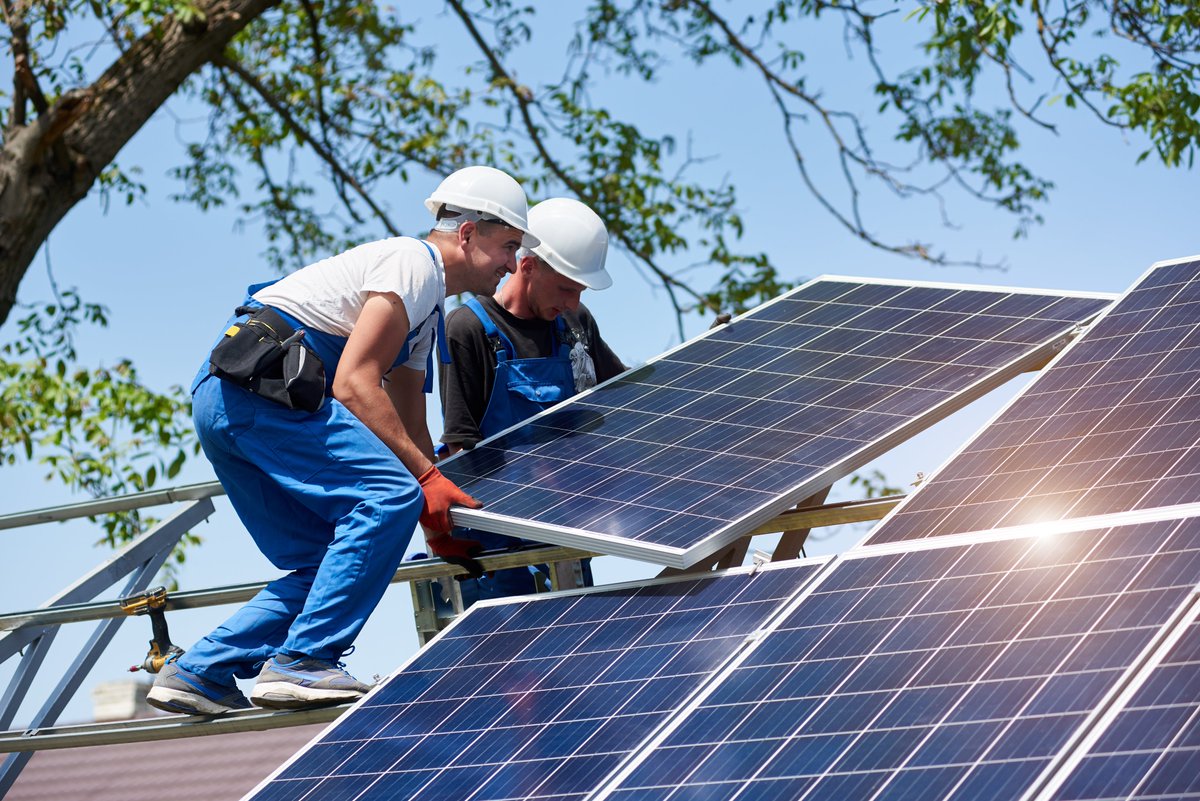
Why It Works: Solar and wind are the fastest-growing energy sources, with solar adding 30,000 MW in 2024 alone. Pairing renewables with battery storage (29,000 MW in 2025, up 11,000 MW from 2024) mitigates intermittency, ensuring reliable power during peak demand or when solar/wind output drops. For instance, California’s batteries supplied 26% of evening demand in June 2025.📷📷📷
Impact: Increases clean energy capacity (renewables now ~20% of U.S. electricity, projected to reach 50% by 2050) while reducing reliance on fossil fuels, aligning with climate goals. Storage also lowers peak pricing, saving consumers up to 40% on bills.📷📷
Implementation: Invest in utility-scale solar/wind projects and grid-scale battery storage. The Inflation Reduction Act (2022) has boosted these deployments, with 1,300 GW of clean energy awaiting grid connection. States like Illinois are deploying storage to support 100% clean energy goals by 2050.📷📷Relevance to Public Debates: Scaling renewables addresses environmental concerns often debated by public figures, ensuring energy security without exacerbating climate-driven outages.
Deploy Grid-Enhancing Technologies (GETs)
Why It Works: GETs like dynamic line ratings, advanced power flow controls, and AI-driven predictive maintenance increase grid efficiency by 10-30% at low cost. Smart grids with two-way communication and AI analytics improve resilience, reduce outages, and optimize energy flow.📷📷📷
Impact: Enhances existing infrastructure to handle higher loads and integrate renewables, reducing the need for costly new lines. For example, AI can predict component failures, minimizing downtime.📷
Implementation: States like Minnesota and California mandate GET adoption. The DOE’s $3.5 billion Grid Resilience and Innovation Partnerships (GRIP) program funds such upgrades across 44 states.📷📷Relevance to Public Debates: A smarter grid reduces outages that could spark public criticism, supporting reliable power for tech-driven growth (e.g., AI data centers).
Develop Microgrids and Distributed Energy Resources (DERs)
Why It Works: Microgrids (e.g., solar storage for local communities) and DERs (rooftop solar, home batteries) provide localized power, reducing grid strain and enhancing resilience during outages. By 2050, DERs could contribute 45% of Australia’s capacity, a model the U.S. can emulate.📷
Impact: Lowers energy bills, boosts community resilience, and supports disadvantaged areas. For example, Lake Worth Beach, Florida, is adding 7 MW of solar to retire a fossil fuel plant, reducing environmental burdens.📷
Implementation: Streamline local permitting (e.g., via programs like SolSmart, which increased solar capacity 18-19% monthly). Fund microgrid projects through DOE’s GRIP program.📷📷Relevance to Public Debates: Decentralized power reduces reliance on centralized grids, mitigating risks of outages that could be politicized in public disputes.
Streamline Permitting and Interregional Planning
Why It Works: The U.S. grid is fragmented into three interconnections (Eastern, Western, ERCOT) and 12 planning regions, with no cohesive national plan. Permitting delays for new transmission lines (10 years) and 35,000 backlogged generation permits hinder capacity growth. Streamlining via federal authority (e.g., DOE’s Section 202(c) powers) and interregional planning can unlock 450 GW of needed capacity by 2030.📷📷📷
Impact: Speeds up renewable and storage project connections, addressing demand from AI, EVs, and manufacturing. A 2025 Executive Order mandates DOE to expedite emergency actions and retain critical generation resources.📷
Implementation: Adopt FERC’s proposed interregional planning rules and a minimum power transfer capacity (e.g., 15% of installed capacity, as in the EU). States can align local laws with federal planning, as in Minnesota and Massachusetts.📷📷Relevance to Public Debates: Faster permitting ensures energy for tech and industrial growth, reducing friction in public discussions about energy shortages.
Invest in Nuclear and Long-Duration Storage
Why It Works: Nuclear provides carbon-free baseload power with high ROI, outstripping solar/wind in energy density. Micro-nuclear reactors (e.g., OKLO) and long-duration storage (e.g., hydrogen) address peak demand and renewable intermittency.📷
Impact: Supports 24/7 power needs for data centers and industry, with nuclear capacity stable and scalable. Storage innovations could reduce peak demand by 15%.📷
Implementation: Un-mothball nuclear plants (though not feasible until 2035) and fund micro-nuclear development. Expand long-duration storage via DOE grants and IRA tax credits.📷📷Relevance to Public Debates: Nuclear’s reliability counters arguments for fossil fuel reliance, aligning with energy security goals in high-profile discussions.
Challenges and Considerations
Aging Infrastructure: 70% of transmission lines are over 25 years old, vulnerable to outages costing $150 billion annually.📷📷
Rising Demand: Data centers, EVs, and manufacturing could require 450 GW by 2030, doubling current renewable capacity.
Regulatory Barriers: Utilities prioritize costly new lines over upgrades due to profit incentives. Federal and state coordination is fragmented.📷📷
Climate Risks: Extreme weather (e.g., wildfires, freezes) strains the grid, necessitating resilience-focused upgrades.📷
Recommended Prioritization
Short-Term (1-5 Years): Focus on reconductoring and GETs for quick capacity boosts (10-80% increase) and low cost. Deploy microgrids and DERs in high-risk or underserved areas.📷📷📷
Medium-Term (5-10 Years): Scale solar, wind, and battery storage, leveraging IRA funds. Streamline permitting to clear interconnection queues.📷📷
Long-Term (10 Years): Invest in nuclear and long-duration storage for baseload and peak reliability. Develop interregional planning for a unified grid.