
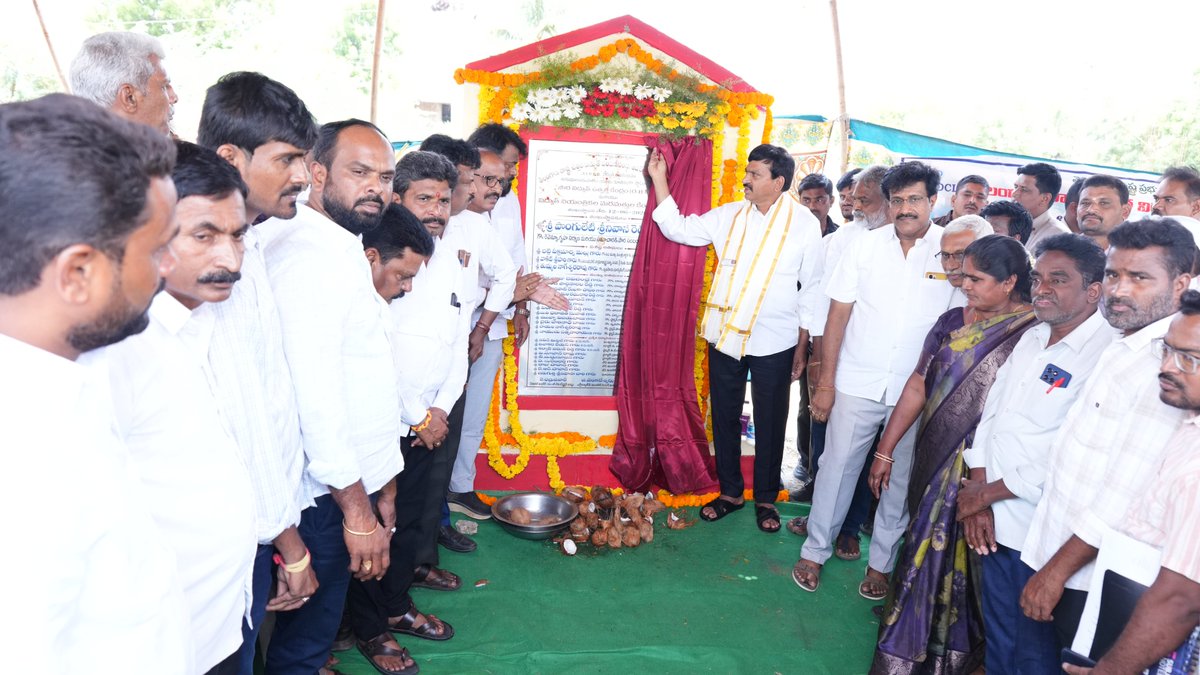
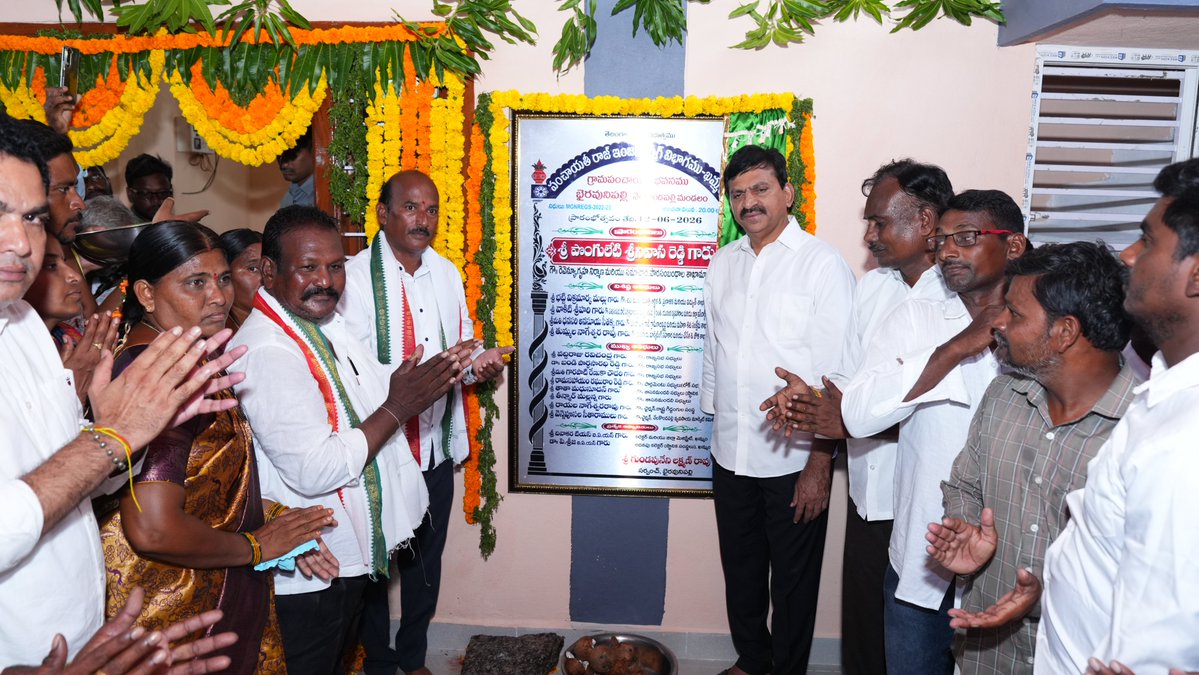
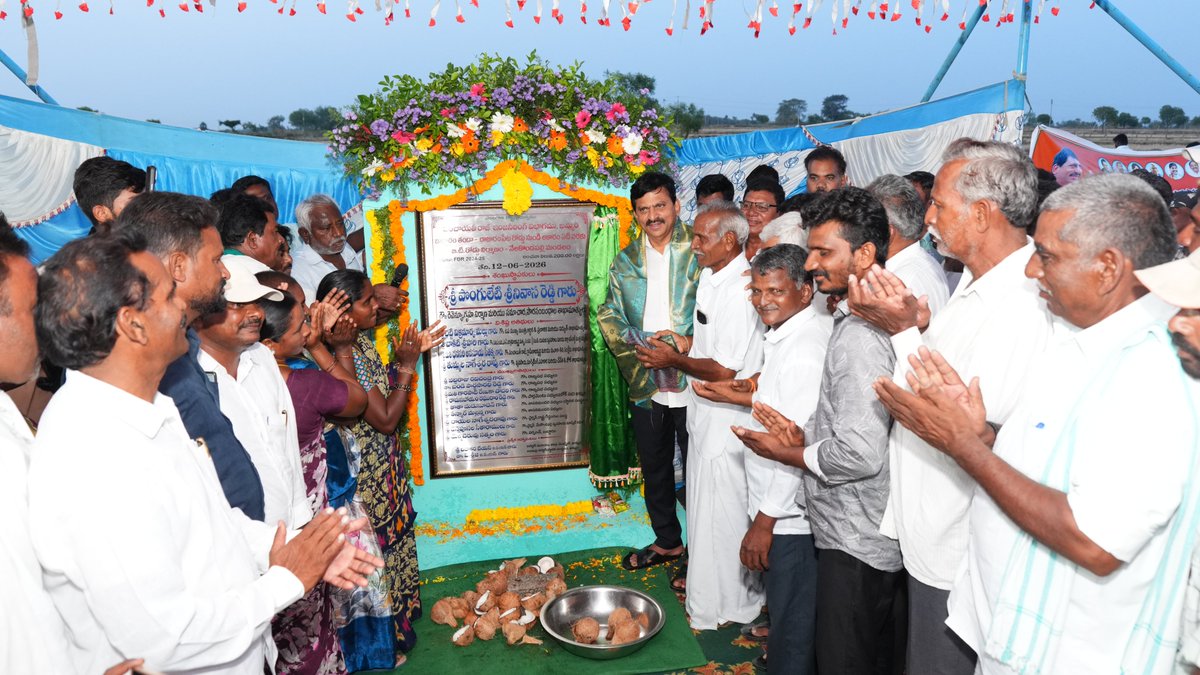
పాలేరు నియోజకవర్గం పర్యటనలో భాగంగా తెలంగాణ రెవెన్యూ, గృహ నిర్మాణం, సమాచార శాఖల మంత్రి పొంగులేటి శ్రీనివాసరెడ్డి గారు పలు అభివృద్ధి పనులకు శంకుస్థాపన, లబ్దిదారులకు కళ్యాణలక్ష్మీ, షాదీముబారక్ సిఎంఆర్ఎఫ్ చెక్కుల పంపిణీ చేశారు. తిరుమలాయపాలెంలో నిర్మించనున్న సోలార్ ఉత్పత్తి (0.8MW) కేంద్రానికి శంకుస్థాపన చేశారు, అనంతరం ఏదులాపురం మున్సిపల్ పరిధిలోని రాంలీలా ఫంక్షన్ హాల్లో కల్యాణలక్ష్మి, షాదీ ముబారక్ పథకాల కింద 76 మంది లబ్ధిదారులకు ఆయన చెక్కులను పంపిణీ చేశారు. అలాగే ఇందిరమ్మ ఇళ్ల రెండో విడత లబ్ధిదారులకు మంజూరు పత్రాలను అందజేశారు. నేలకొండపల్లి మండలంలోని బైరవుని పల్లి గ్రామపంచాయితీ భవనము ప్రారంభించారు. బుద్దారం నుండి రాజారంపేట వరకు 2 కోట్లతో నిర్మించనున్న బీ టీ రోడ్డు పనులకు శంకుస్థాపన చేశారు.
ఈ సందర్భంగా మంత్రి మాట్లాడుతూ.. అర్హులైన ప్రతి పేద కుటుంబానికి ప్రభుత్వం అండగా ఉంటుందని, ఇందిరమ్మ ఇళ్లతో పేదల సొంత ఇంటి కలను సాకారం చేస్తున్నామని చెప్పారు. గత రెండున్నర ఏళ్లుగా మహిళలకు ఉచిత బస్సు ప్రయాణం, 200 యూనిట్ల ఉచిత విద్యుత్, సన్న బియ్యం, కొత్త రేషన్ కార్డుల వంటి పథకాలను విజయవంతంగా అమలు చేస్తున్నామన్నారు. ప్రజల ఆశీస్సులతో మరిన్ని సంక్షేమ కార్యక్రమాలను చేపడతామని పేర్కొన్నారు. ఈ కార్యక్రమంలో అదనపు కలెక్టర్ పి.శ్రీనివాస్ రెడ్డి, మున్సిపల్ చైర్పర్సన్ అనిత, కమిషనర్ ఆళ్ల శ్రీనివాస్ రెడ్డి, తహసీల్దార్ వినయందర్ రెడ్డి తదితరులు పాల్గొన్నారు.
@INC_Ponguleti
#PonguletiSrinivasaReddy #IndirammaIllu #KalyanaLakshmi #ShaadiMubarak #CMRF #SolarDevelopment #PrajaPalana #Palair
1
2
4
156

Mar 6
🇯🇵One of Japan’s most important wetlands is under threat.
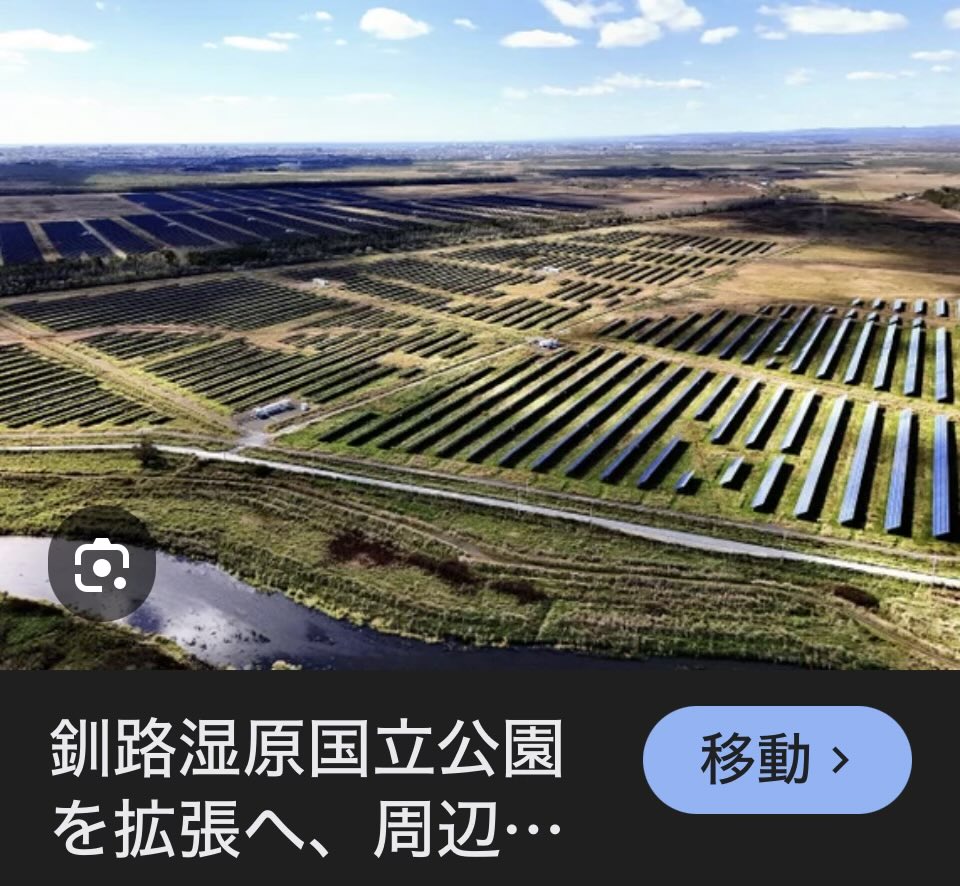
The Kushiro Wetland National Park in Hokkaido covers 28,000 hectares (about 6,100 Tokyo Domes) and was the first site in Japan registered under the Ramsar Convention in 1980.
More than 2,000 species of wildlife live there, including endangered species like the red-crowned crane and the Hokkaido salamander.
Now this irreplaceable ecosystem faces destruction from large-scale solar development.
A company from Osaka, Japan Ecology, plans to build a 3,000 kW mega-solar plant on about 4.5 hectares in Kushiro.
But during construction last December, the company reportedly used about 0.3 hectares of national land without permission as an access road.
Further soil testing also detected boron, fluorine, and arsenic above legal limits at three locations on the planned site.
Local residents and the municipality are now demanding the project be halted to protect the wetland and its wildlife.
Despite repeated ordinance violations, the company is reportedly seeking about ¥150 million from Hokkaido.
Across Japan, concern is growing:
Should we sacrifice protected wetlands and endangered species for large-scale solar projects?
#KushiroWetland
#RamsarSite
#SaveKushiroWetland
#WetlandProtection
#Biodiversity
#SolarDevelopment
#EnvironmentalProtection
#Ramsarsitedestruction
#Endangeredcranes
#Protectedwetland
1
19
35
1,053

6 Dec 2025
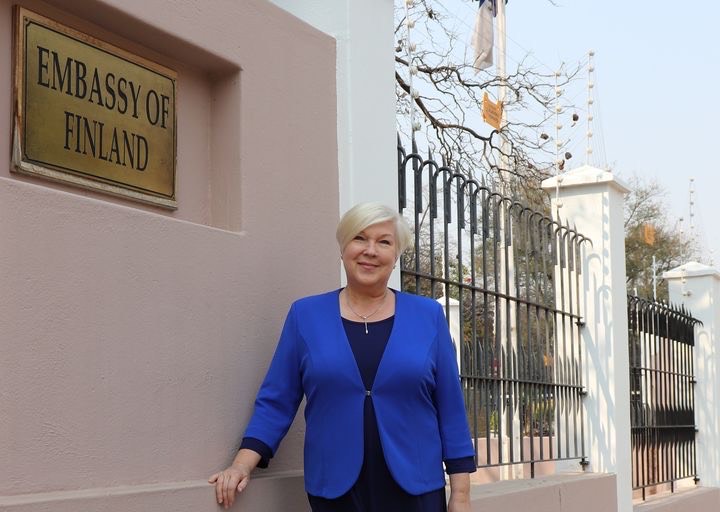
Finnish companies move to support Namibia’s clean energy and critical minerals agenda
Finnish companies are positioning themselves to support Namibia’s renewable-energy ambitions, offering expertise in wind and solar development, power generation and industrial value-chain growth.
Finland’s Ambassador to Namibia, Katja Kalamäki, said Namibia’s strong solar potential, favourable wind conditions and clean-energy goals place it among the most attractive investment environments for renewable technology suppliers.
“Finnish companies are interested in offering their know-how to build wind and solar production, power generation and so much more, which develops value chains and brings jobs. But we see the partnership with Namibia in more broader terms as well,” she said.
miningandenergy.com.na/finni… #namibia #cleanenergy #criticalmetals #solardevelopment @FinEmbWindhoek @gh2namibia @GAH2Summit @MME_Nam @CoMinesNamibia @MrMnyups
1
3
520

Urban commercial real estate rarely deals with mineral rights, says Tara Brown-Selders, VP of Business Development, Kensington Vanguard, but renewable energy projects change everything: hubs.ly/Q03MSyv20
#CommercialRealEstate #SolarDevelopment #EnergyIndependence
1
2
53

4 Aug 2025
Rob Munnelly wrote an article for Solar Builder last week, outlining the progression of new requirements under both the Climate Act and the Commonwealth of Massachusetts’s SMART program. He discusses how this will impact the regulations of clean energy developers in Massachusetts in the near future.
Read the article: The next phase of Massachusetts' solar revolution | Solar Builder
#SolarEnergy #ClimateAct #SolarDevelopment #CleanEnergy #RegulatoryLaw

3
49

2 Aug 2025
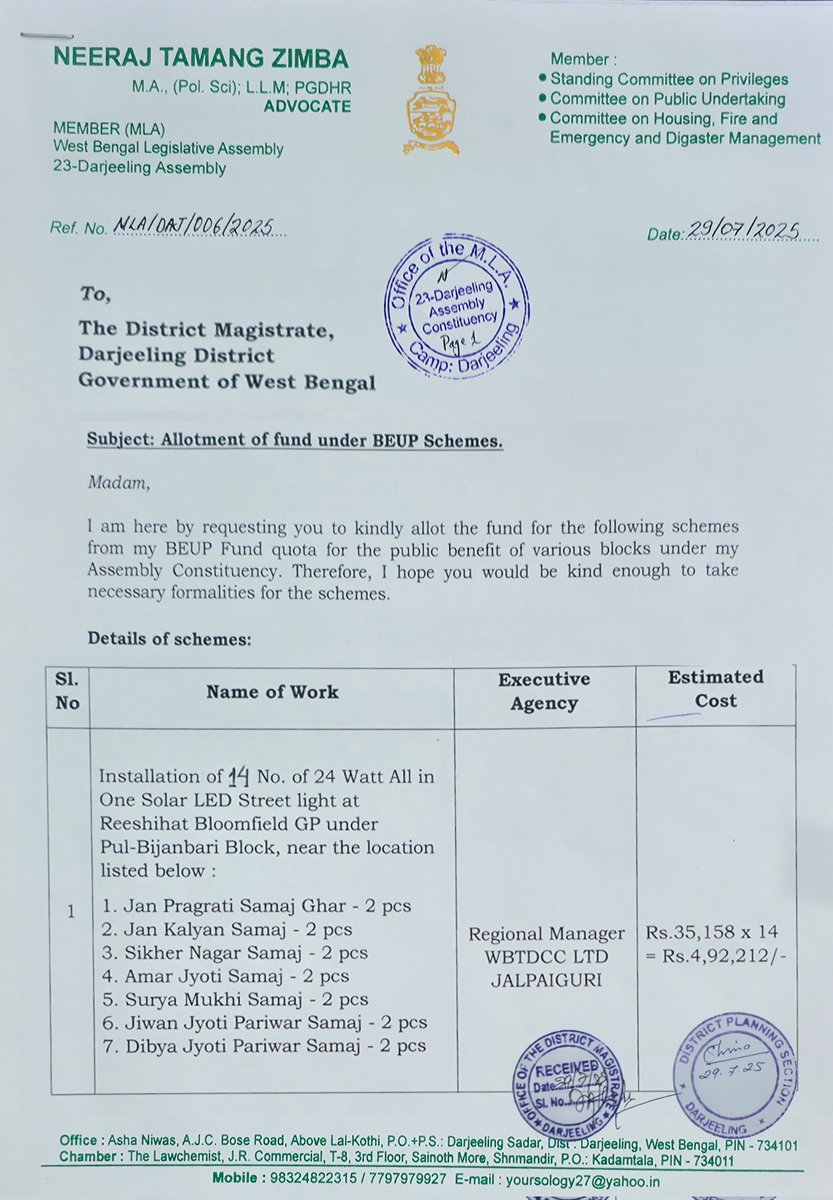
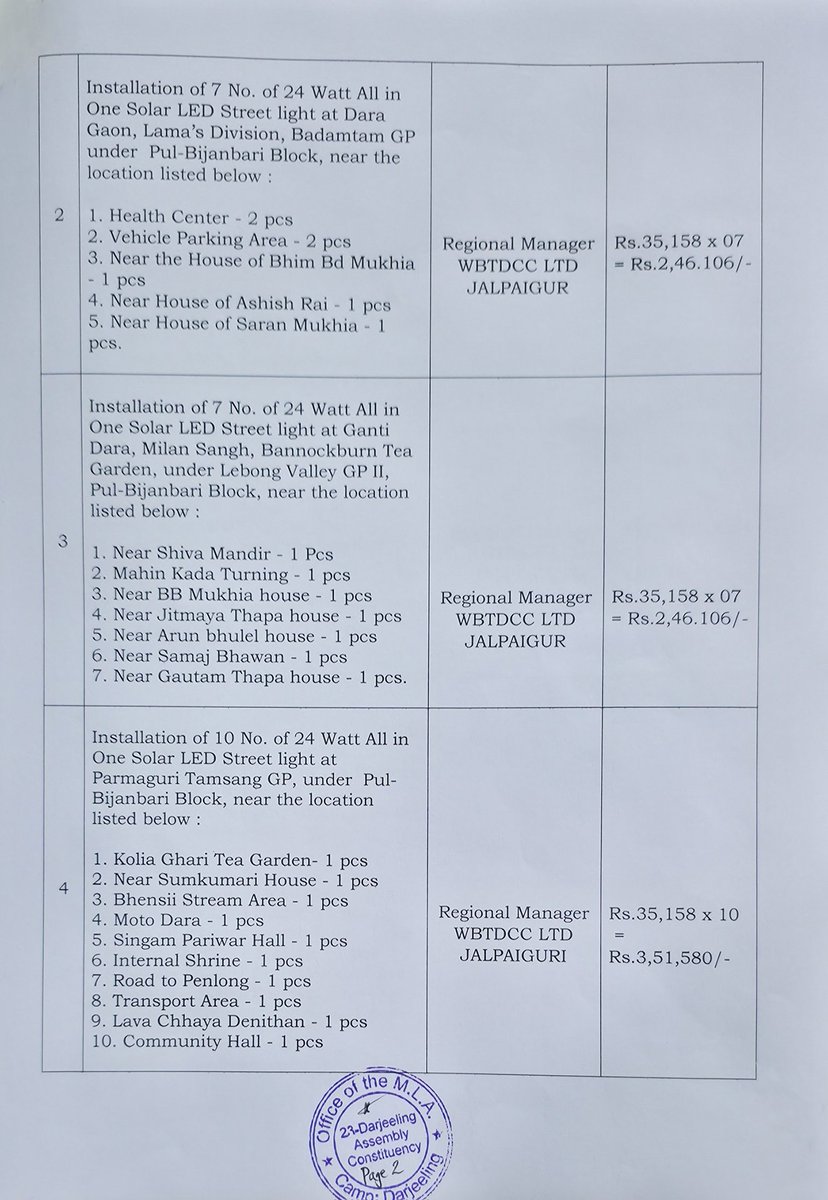
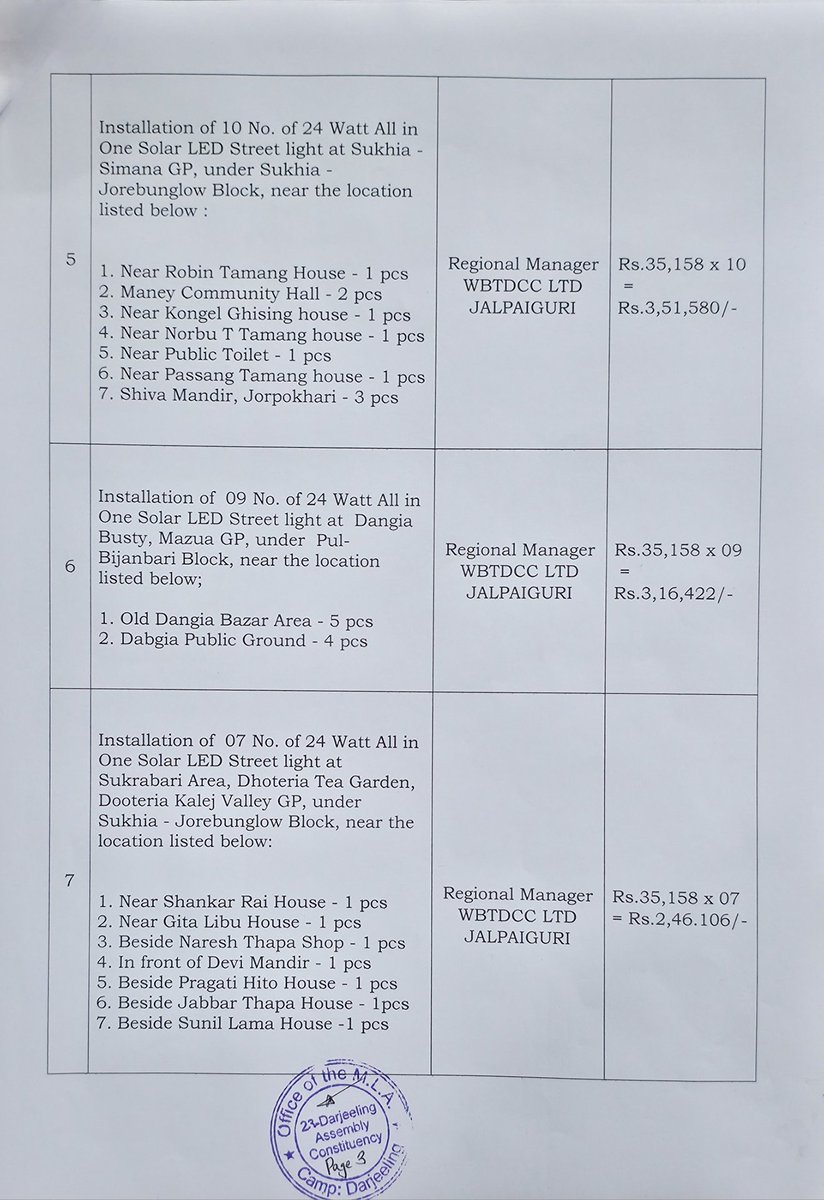
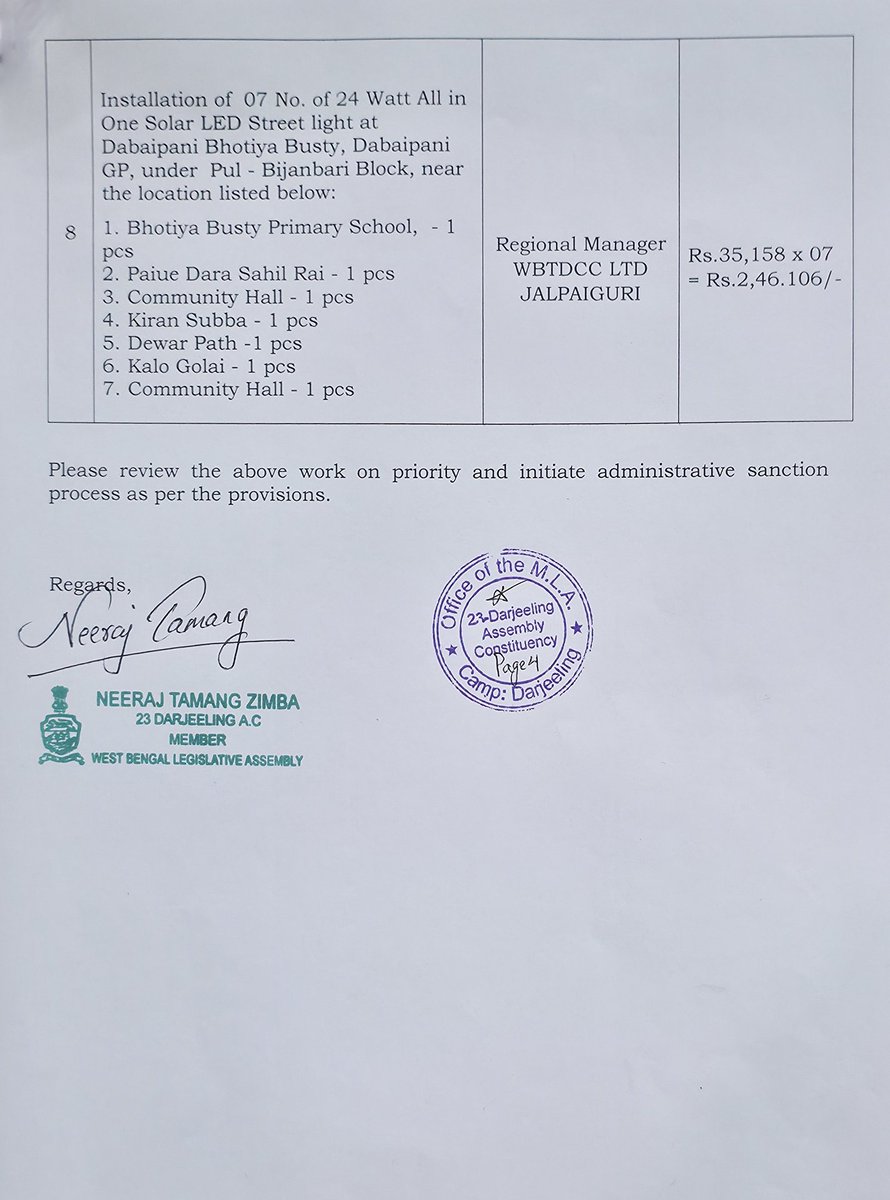
Proposed installation of 70 Solar LED Street Lights across Pul-Bijanbari & Sukhia–Jorebunglow Blocks under BEUP Scheme.
From temples 2 tea gardens—lighting up public spaces for a safer, greener Darjeeling.
Work in progress.
#BEUP #Darjeeling #SolarDevelopment #ZimbaForPeople
1
1
3
253
Marc Nickel, Sr. VP of M&A and Transaction Solutions at @Aon_plc, has seen gigawatts of solar deployed versus low megawatts of actual recapture. It's not as big a risk as people perceive: hubs.ly/Q03tZ8Yy0
#SolarDevelopment #TaxCompliance #TaxInsurance #RecaptureConcerns

1
3
37

25 Apr 2025
Maha CM directs completion of solar feeder project works by Sep 2026 yespunjab.com/?p=116964
#Maharashtra #DevendraFadnavis #SolarEnergy #SaurKrishiYojana #FarmersElectricity #SolarPower #EcoFriendlyEnergy #IndiaSolar #RenewableEnergy #CleanEnergy #SolarProjects #Sustainability #MaharashtraGovernment #EnergyRevolution #GreenEnergy #SolarDevelopment #ClimateAction
39

8 Apr 2025
Is residential solar a “bad product”? That’s the question Jigar Shah raised in his recent podcast episode on Open Circuit. The conversation has stirred a lot of responses, some justified and some missing the mark.
Here’s my take, as someone who’s been developing and constructing solar for over a decade:
I agree that permitting, interconnection, and design are far too manual and time-consuming. These areas are long overdue for automation and AI-driven optimization. Online portals like OpenGov and PermitEyes should be the norm, not the exception. But even with those efficiencies, the reality is that it takes serious investment in software, systems, and staff to make those processes smoother. That cost has to be recouped somehow — and for most EPCs, it lands in our overhead and project pricing.
That leads to the real issue: the number of hands in the deal. Dealer fees that eat up 25–30%, sales reps walking away with $10,000 per deal, plus marketing firms charging a premium for lead generation. There’s often very little left for the company actually building the system and standing behind it.
That’s why responsible EPCs are pricing projects at $3.50 to $4.00 per watt. That’s not price gouging — that’s the cost to responsibly design, permit, install, service, and warranty a project without cutting corners or risking insolvency. And yet, because of pressure to attract sales dealers and hit low redlines, too many EPCs compromise — and we’re now seeing the consequences play out across the industry in the form of bankruptcies and broken customer trust.
Sunrun’s earnings calls and SEC filings continue to highlight their “creation cost” as a key metric. It’s a clear indicator of how expensive this ecosystem has become — not because the product itself is flawed, but because the structure around it has been built on shaky financial logic.
I don’t believe residential solar is a bad product. I believe it’s a solid product burdened by a broken delivery model. If we want better outcomes, we need to stop pointing fingers at the product and start rethinking the structure behind how we bring it to market.
Here’s the full episode:
open.spotify.com/episode/2lm…
I’m curious what others think. Are we finally ready to evolve this model?
#solar #residentialsolar #energytransition #solardevelopment #cleanenergy #solarEPC #solarbusiness
5
76

11 Mar 2025
Learn about the key steps in solar development, from site acquisition to NTP and construction. #SolarEnergy #SolarDevelopment #CleanEnergy #Renewables #Sustainability #SolarBank
2
219

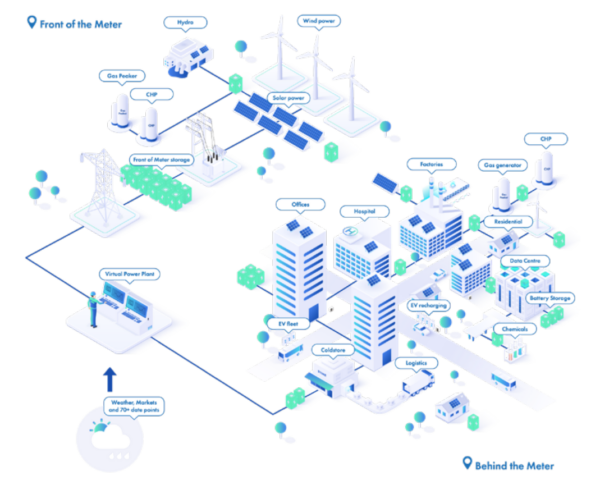
Virtual power plants in energy market from 2026 to bring... pv-magazine-australia.com/20… #SolarPowerSystem #SolarDevelopment
2
6
90

27 Jan 2025
Led by CEO William Pham, @_Cenergy has secured equity funding from Aiga Capital Partners to expand its solar development platform and enhance its ability to own and manage solar assets.
#RenewableEnergy #SolarDevelopment #CenergyPower #AigaCapitalPartners #PropTechBuzz

23

26 Nov 2024
EV Sales Are Not Just Rising, They Are Stealing Market Share From Gasmobiles cleantechnica.com/2024/11/25… #SolarBatteries #SolarDevelopment
3
2
49
25 Nov 2024
US Grid Operators Kept the Lights on This Summer with More Solar, Storage, & Wind cleantechnica.com/2024/11/25… #SolarFuture #SolarDevelopment
3
5
49
Green Nation developing 750MW solar and storage NSIP for 2029 connection solarpowerportal.co.uk/green… #SolarDevelopment #CleanTech
2
3
54
China Activates World’s Largest Offshore Floating Solar Installation cleantechnica.com/2024/11/16… #Renewables #SolarDevelopment
3
4
67
‘Our long-term vision is solar-plus-storage’, Freyr says, following Trina module manufacturing plant acquisition pv-tech.org/freyr-trina-modu… #SolarFuture #SolarDevelopment

2
66
11 Nov 2024
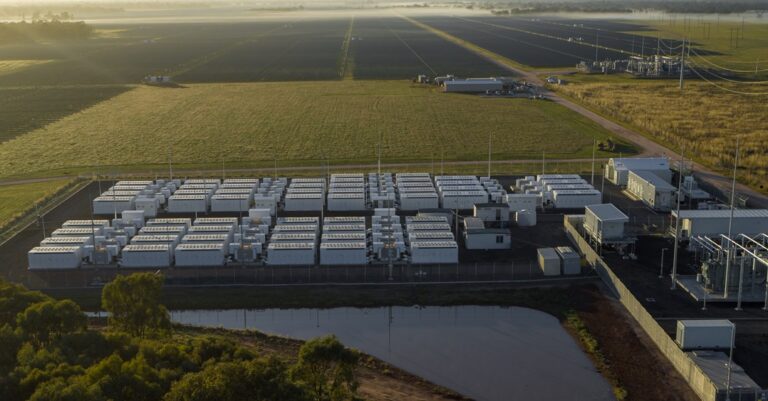
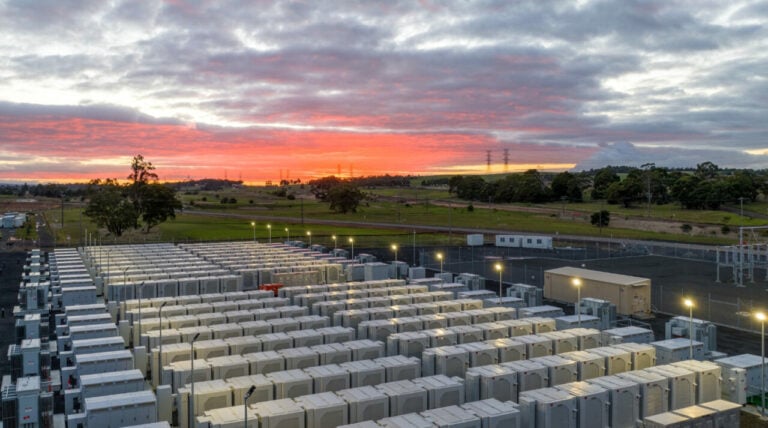
Transgrid taps 300MWh BESS project to tackle New South Wales, Australia, grid constraint energy-storage.news/transgri… #SolarSavings #SolarDevelopment
1
2
50
The Solar Policy Scoop: November 2024 A guide to recent legislation and research throughout the country. solarpowerworldonline.com/20… #SolarDevelopment #SolarPanelSystem
1
2
36
7 Nov 2024
Australia: Victoria secures highest dispatchable power allocation in CIS tender energy-storage.news/australi… #SolarDevelopment #SolarAdvantages
1
2
52