
पंतप्रधानांची योजना मुख्यमंत्र्यांच्या राज्यात का गुंडाळली जातेय?
उत्तर द्या
@CMOMaharashtra
@PMOIndia
@mnreindia
@MinOfPower
@PiyushGoyal
@MSEDCL
#PMsuryaghar
#solarrooftop
#Maharashtra
#solarscam #महावितरण
#सौरउर्जा
#smartmeter #स्मार्टमिटर
#नरेंद्रविरुद्धदेवेंद्र @narendramodi
12

Jun 13
3 కోట్ల పనికి 7 కోట్ల టెండరా? #HarishRao #SolarScam #TelanganaPolitics #CongressScams #BRSTelangana #PowerSectorScam #viral #oktv
Follow Us On :
►YouTube Subscribe : youtube.com/c/OKtv_s
► Like us on Facebook: facebook.com/OfficialOkTv
7

Jun 10
@elonmusk Tesla Solar Powerwalls are GARBAGE! You take a loan to buy them that you pay every month and still get huge power bills in Phoenix where sun is abundant because the Powerwalls NEVER WORK, no matter how many techs come out. #teslasolarSUCKS, #dontbuysolar #solarscam
1
1
13

Jun 1
Gujarat ACB books senior govt official in corruption probe yespunjab.com/?p=259865
#GujaratACB #CorruptionCase #AshwinChaudhari #Gandhinagar #ACBRaid #IndiaNews #Corruption #SolarScam #BriberyCase #GovernmentOfficer #DAcase #BreakingNews #GujaratNews #ACBInvestigation
18

May 30
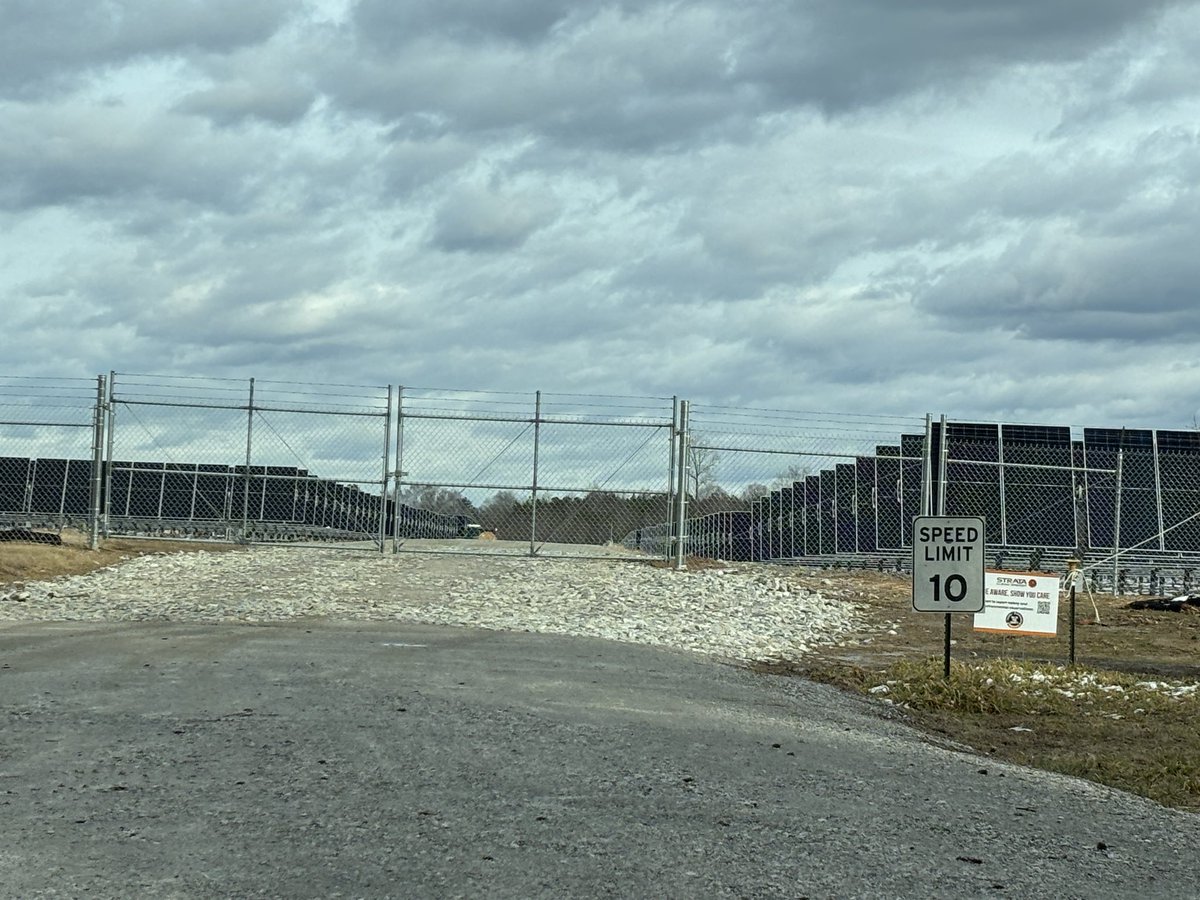
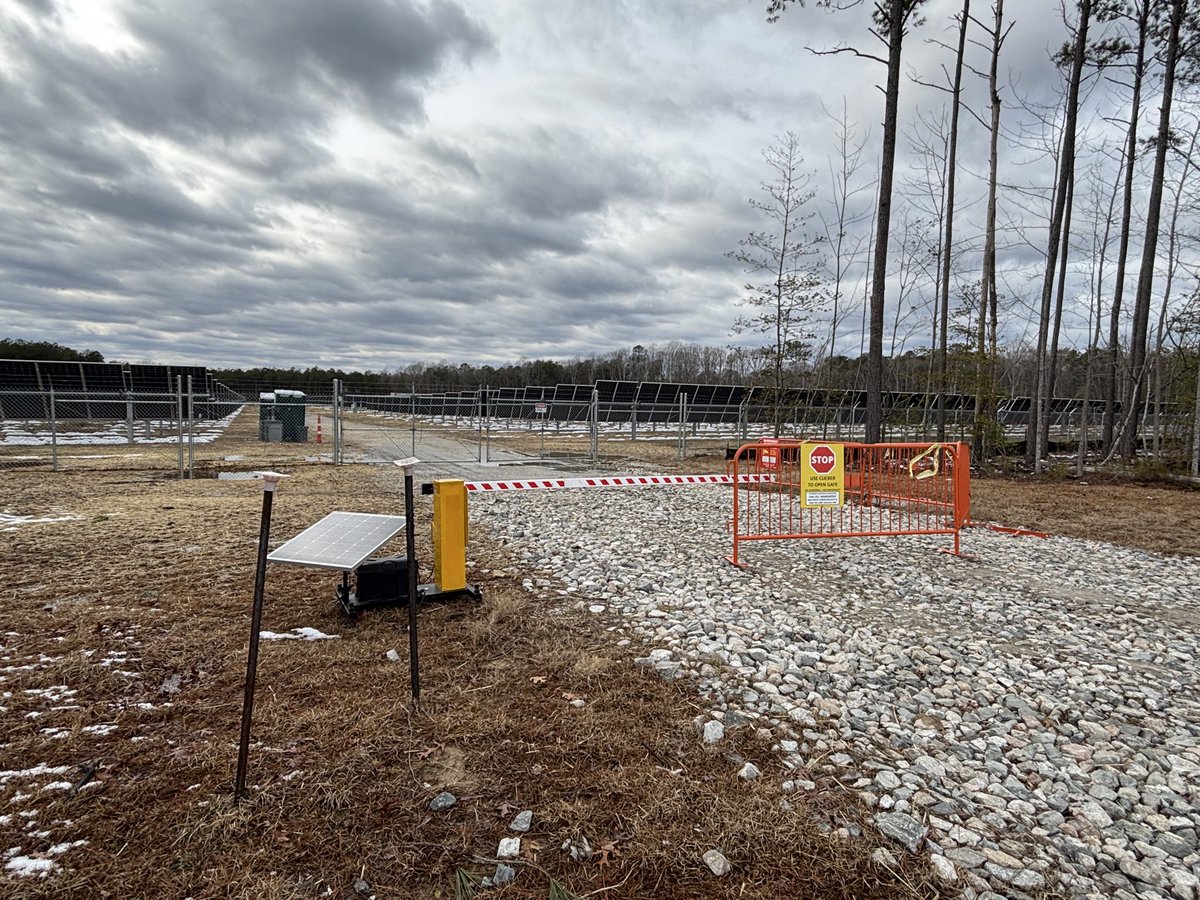
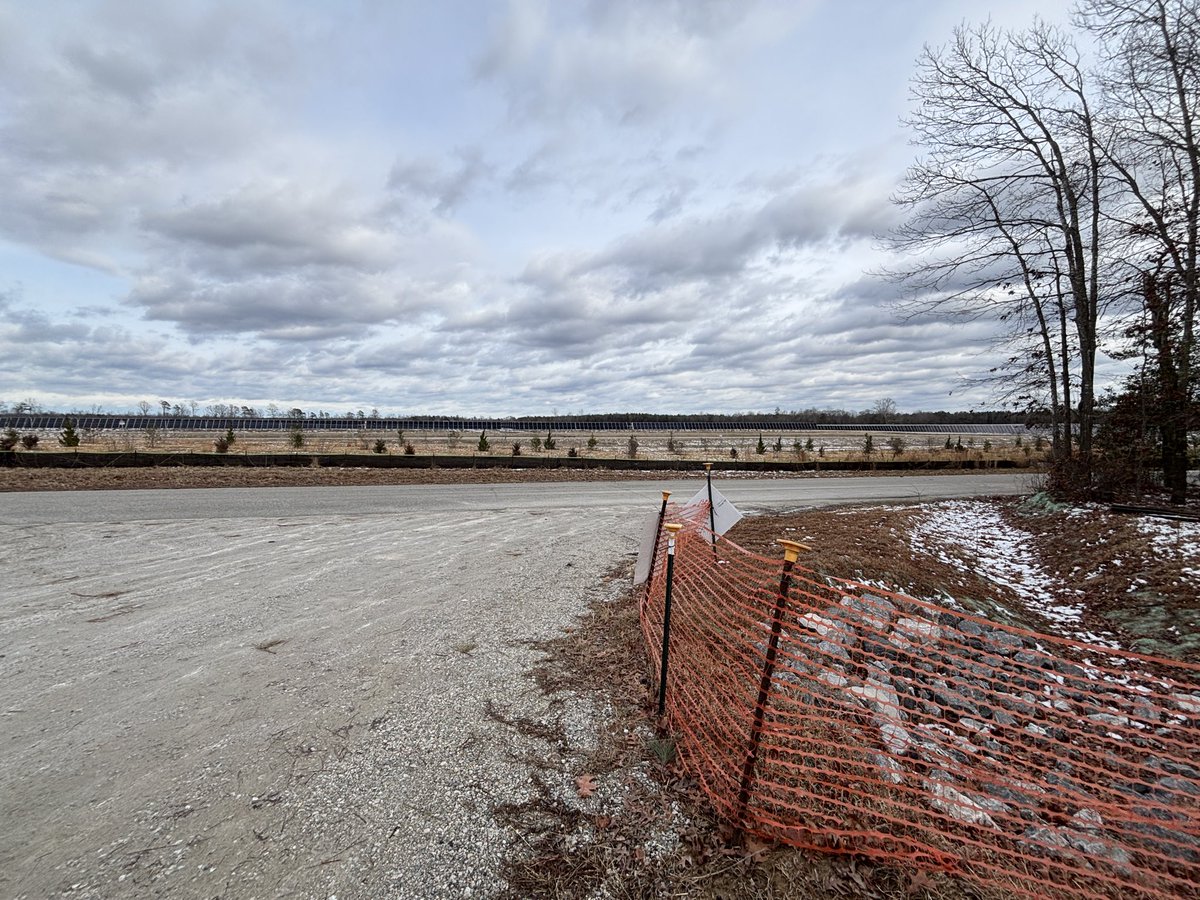
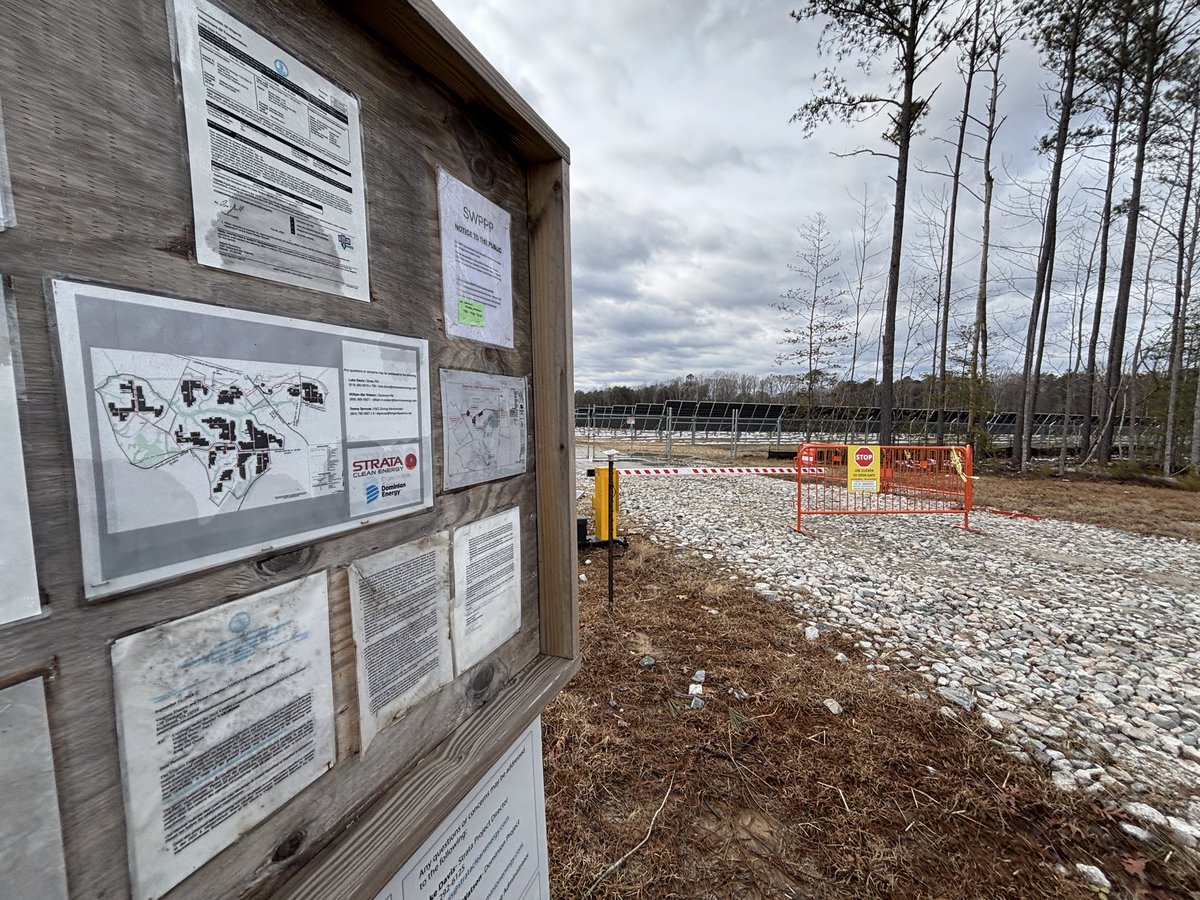
Look at these Virginia solar fields devouring forests and prime farmland. Once the trees are bulldozed and the soil is ruined, it’s gone forever. How exactly do we “restore” that?
Where are the sheep and cows peacefully grazing under the panels that were promised. What about the birds, deer, and wildlife habitats being wiped out and blocked by chain link.
And the so-called Virginia, US and UN environmental champions? Mostly silent while nature is sacrificed for corporate subsidies and unreliable power.
@SavingPlaces @audubonsociety @NWF @NatGeo @SierraClub @Greenpeace @nature_org @efjournal @LCVoters @UNEP
This isn’t saving the planet — it’s paving it over. And digging it up.
#SolarScam #VirginiaFarmland #LandDestruction #GreenHypocrisy
May 30

We live in the Cenozoic - the Age of Mammals - and we call ourselves Homo Sapiens, or Wise Man: Are we?
As a recent species, our entire body of cultural achievement took place in only the last 5,000 years. How should we manage the intellectual roadblock of climate, without failing? The real threat to our industrial, high-tech civilisation isn't necessarily a natural reversion to nomadism, but rather the deliberate dismantling of reliable energy architectures by central planners.
Climate should not be so complex. This sharply blue-green planet was designed for us. We evolved to live here. We've had the benefit of 11,700 years of ideal climate during the warm Holocene interglacial. During the most recent glacial period, life was incredibly harsh and brutal, but we survived - while our roughhouse closest cousins, the Neanderthals, went extinct. Glaciers up to two miles deep covered much of north America and Eurasia and glacier movements deeply eroded the landscape. Survival was incredibly difficult.
Yet one thing should now be abundantly clear from the geological record, the climate never stands still. It never has. The Quaternary ice ages of alternating glacial and warm cycles mirror the orbital anomalies of earth's orbital journey around the sun, known as the Milankovitch cycles. Throughout these cycles temperatures fluctuate by 5–6°C warming every 100,000 or so years. Most scientists agree that these cycles are driven by orbital variations.
However, the way CO₂ amplifies this effect remains an open question. This raises deeper questions about if we really understand the full role of CO₂ in the climate. Is it simply beyond us to forecast future climates? Much of the climate narrative is based around the role of so-called fossil fuels, the pace of modern changes in temperatures and CO₂ levels, and the analogy of a greenhouse effect.
The contributions of the oceans, water vapour and cloud cover albedo together dominate Earth's greenhouse effect, accounting for the vast majority of atmospheric heat retention and moderation in all parts of the world. Yet this interplay seems obscure in public statements from the UN. The Milankovitch orbital cycles set patterns of glaciation, followed by ice-sheet retreat, falling albedo and changes to ocean circulation. Only after the oceans - especially the Southern Ocean - have warmed for centuries does dissolved CO₂ outgas from the deep oceans.
Earth has warmed by roughly 1.4°C since the end of the Little Ice Age in 1850. By any geological standard, a 1.4-degree recovery from a multi-century cold snap is modest. During the Eemian interglacial, temperatures were 2°C warmer than today, yet CO₂ remained steady at 280-290 ppm. Today, our global average temperature sits at around 15°C - this is more than 6°C cooler than the long-term Phanerozoic average of 18-26°C that sustained the explosion of terrestrial life.
Yet, the UN-driven climate agenda labels historical perspective as disinformation, even claiming to 'own the science'.
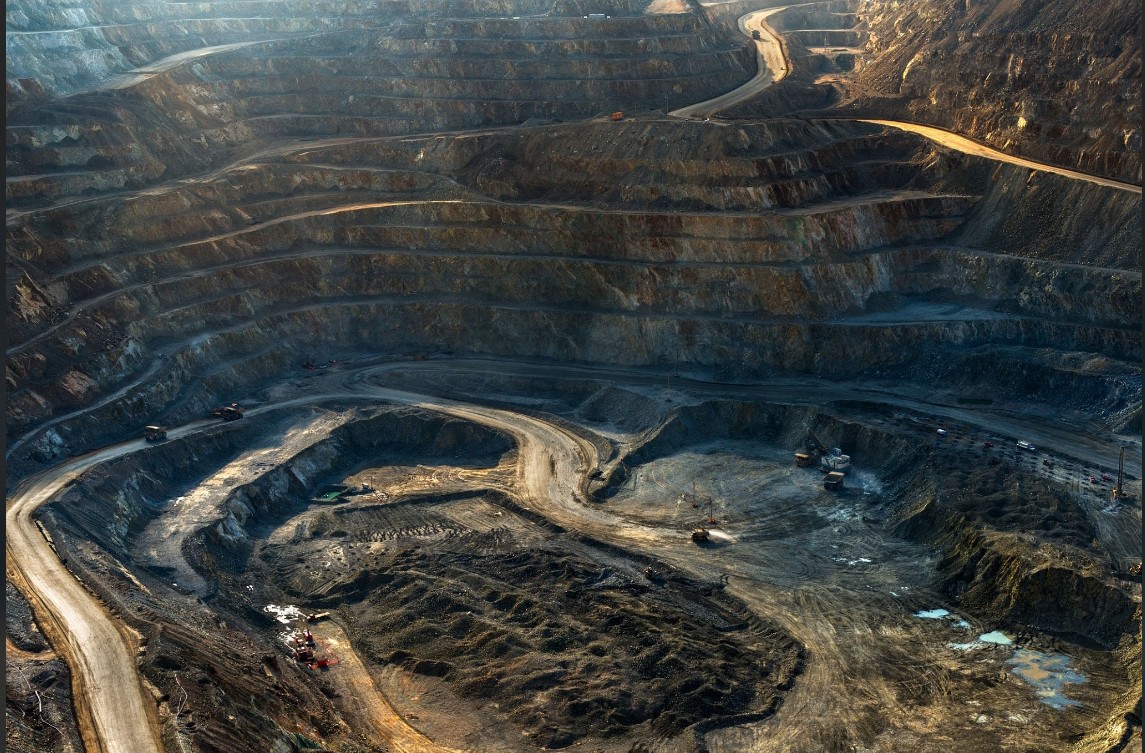
The cost of this narrative is staggering. Some $147 trillion has been funneled into intermittent wind and solar infrastructure. We have deployed 1.3 million turbines and billions of panels, yet hydrocarbons still supply roughly 81% of global primary energy. The sheer physical scale of the required mining for copper, lithium, and graphite faces inevitable, severe supply logjams.
The baffling green transition is far more resource and mining intensive than any traditional energy system it seeks to replace.
Image: The heavy industrial reality behind renewable energy infrastructure: Source tifonimages / Getty Images
4
108

Thread:
🚨 NC Hypocrisy Exposed:
Roy Cooper & his brother Judge Pell Cooper Solar Cash Grab
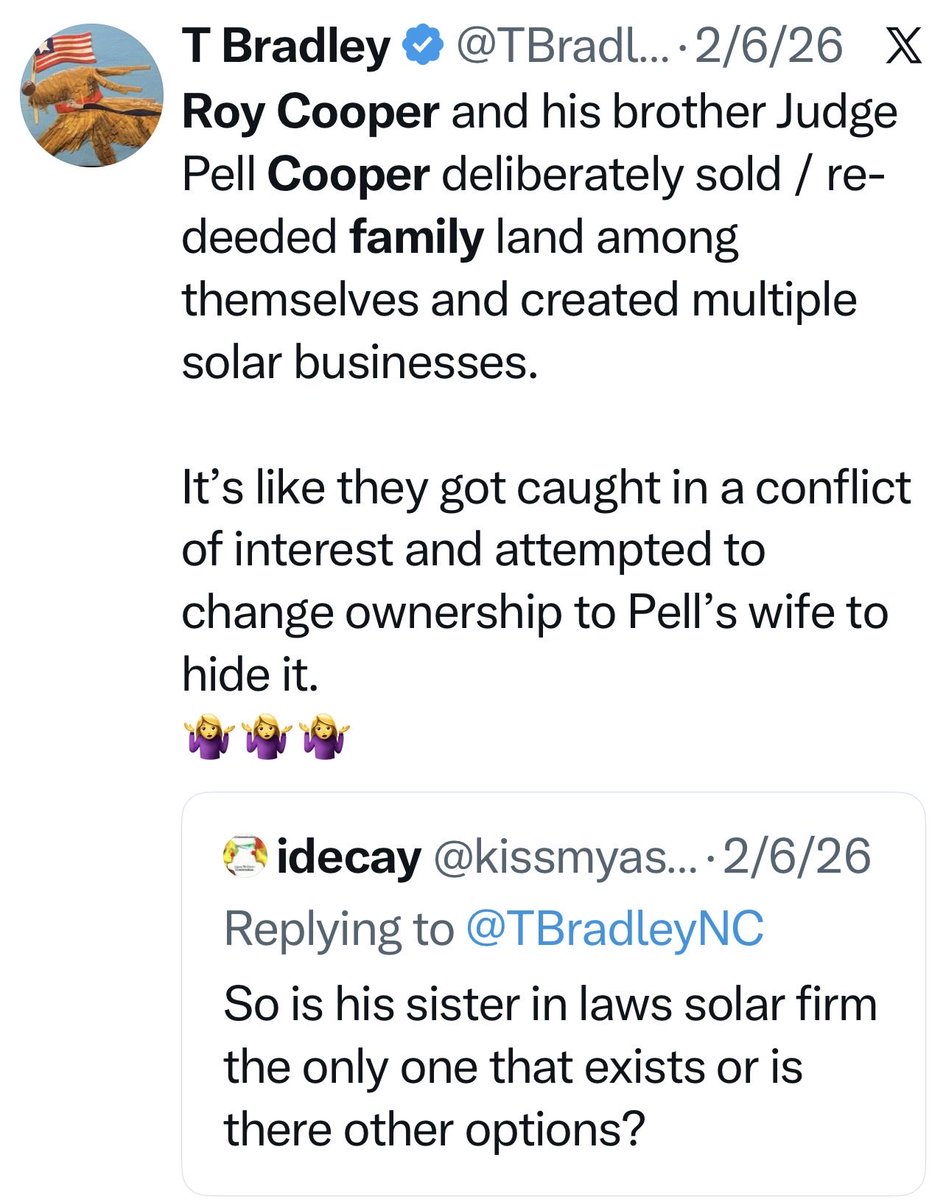
1/While pushing green mandates as Governor, Roy Cooper’s family quietly cashed in on solar leases from family land.
They re-deeded it among themselves and shifted ownership to Pell’s wife to “hide” the conflict.
This isn’t “green energy” — it’s green for the Coopers.
2/ In 2012 (Roy as AG), the brothers leased 40 acres in Nash County to Strata Solar via Will Clark Properties LLC. 20 year deal. Family has raked in serious money.
Roy divested on paper in 2014. Then Pell (a sitting District Court Judge) managed it — raising massive ethics red flags.
3/ After scrutiny? They put it in Pell’s wife Meredith’s name as manager. Classic move.
Family land since 1981. Multiple LLCs. Multiple solar plays.
4/ Full investigative details here:
🔗 carolinajournal.com/cooper-f…
🔗 carolinajournal.com/judge-co…
🔗 carolinajournal.com/opinion/…
5/ Rules for thee, but not for me. North Carolina deserves better than insider solar deals.
RT if you want real transparency from our politicians.
#NCHypocrisy #CooperCronyism #SolarScam

21
393
504
11,820

May 27
🚨 California’s $900 Million Solar Scam: Newsom’s ‘Free Panels for the Poor’ Delivered Red Tape, Radical Nonprofits, and Crony Profits—While 900,000 Low-Income Renters Got Nothing.
☀️ Gavin Newsom calls fossil fuels 'alternative energy' while pushing California's sun-powered utopia.
But his flagship Solar on Multifamily Affordable Housing (SOMAH) program? A masterclass in bureaucratic sabotage and connected grift.
Advocates promised solar panels for 1 million low-income renters. After a decade, nearly $900 million poured in from cap-and-trade (your higher gas/electric bills). Result? Just 129 MW installed/reserved for ~65,600 residents—900,000 short. Over 400 applications canceled. Projects drag 3.5 years through endless paperwork. Panels installed... then sit idle for a year waiting for 'permission.'
More than $700M unspent. California literally can't give away 'free' solar. Property owners: 'Hard to justify poking holes in your roof for peanuts.'
Who wins?
Admin overhead: ~$60M on salaries, conferences, websites.
Left-wing nonprofits (APEN, CEJA, etc.): Millions for 'outreach' fighting 'white supremacy, patriarchy, capitalism,' defund police, and 'climate apartheid.' Audits show they delivered a 'handful' of applications. Inverse relationship: more spending, fewer projects.
Sunrun Inc.: 78% of projects. Donated hundreds of thousands (incl. $50K ) to Newsom. Hired lobbyists. Got ex-Sunrun execs appointed to key state boards.
This isn't green energy—it's a self-licking ice cream cone: Activists write mandates → get paid to 'implement' → demand more mandates → Sunrun cashes checks → Californians pay skyrocketing bills. Classic Sacramento cycle.
Low-income families are stuck with higher costs and broken promises. Time to audit every dime.
Read the full City Journal exposé: city-journal.org/article/cal…
📽️ Watch:
🔥 CAL DOGE/Steve Hilton breakdown on X (viral reel exposing ~$1B total with only ~$72M on actual solar in related reporting): Search recent posts or check threads like this one highlighting the nonprofit pipeline. @TeamSteveHilton
📺 YouTube context on CA energy realities & protests: "California solar power activists protest reduction" youtube.com/watch?v=VI9jQwMm… (shows the broader rooftop solar tensions).
Wake up, CA. Your 'climate justice' dollars at work. What a scam.
#SolarScam #NewsomGrift #CaliforniaFail #GreenNewDealScam #SOMAHFiasco #TaxpayerTheft #CronyClimate
3
33
77
2,334

May 26
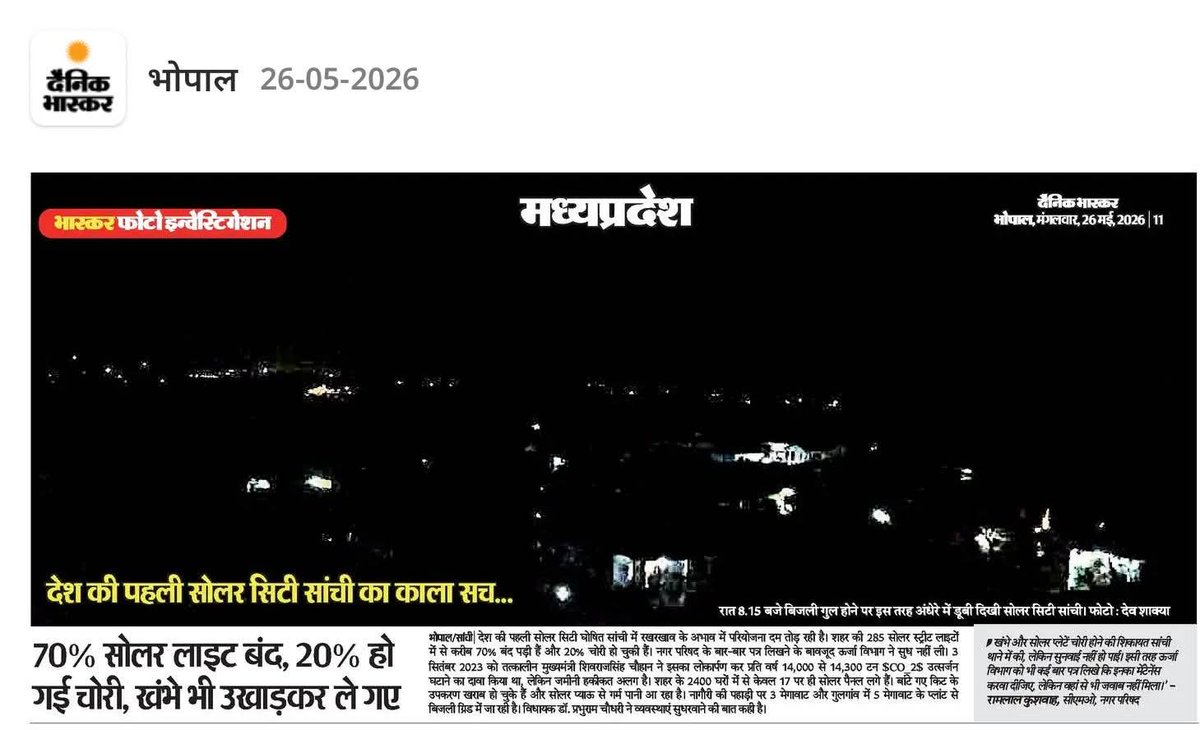
हे प्रभु राम, “सोलर सिटी” का तमगा लेकर वाहवाही लूटने वाली व्यवस्था अब जवाब दे — जब 70% सोलर लाइटें बंद हैं, 20% चोरी हो चुकी हैं और खंभे तक गायब हैं, तो करोड़ों रुपये आखिर गए कहाँ? क्या यही है भाजपा सरकार का मॉडल विकास? जनता को सुविधाएँ नहीं, सिर्फ विज्ञापन और भाषण मिले। सांची की बदहाल व्यवस्था बता रही है कि योजनाएँ बनाना आसान है, लेकिन उन्हें ईमानदारी से संभालना शायद सरकार के बस की बात नहीं रही। #खबर_mp_की #SolarScam #SanchiNews #मध्यप्रदेश #जनता_पूछ_रही_है
2
4
79

May 19
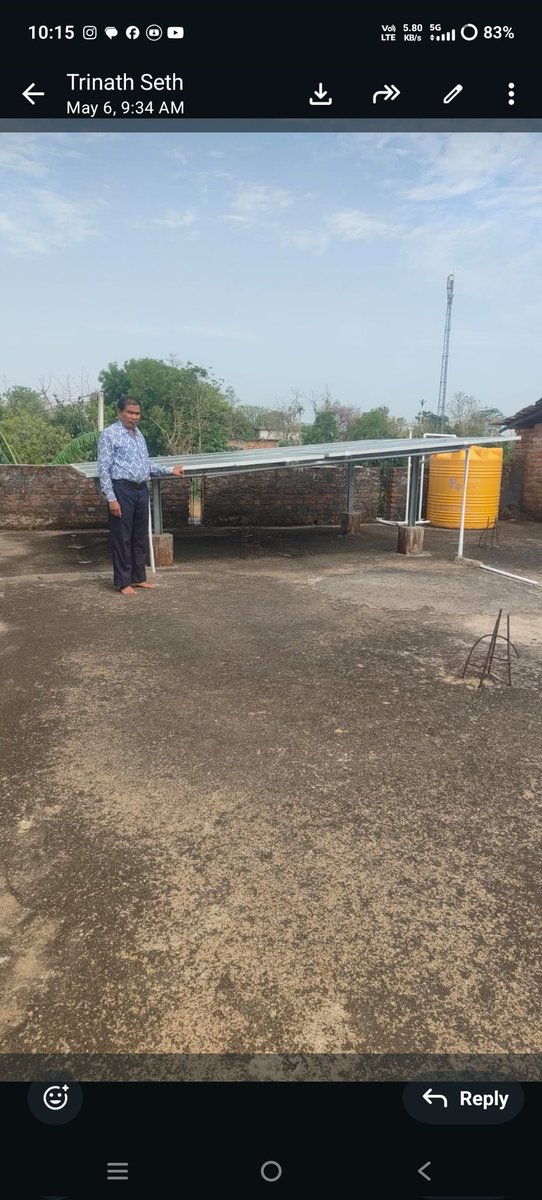
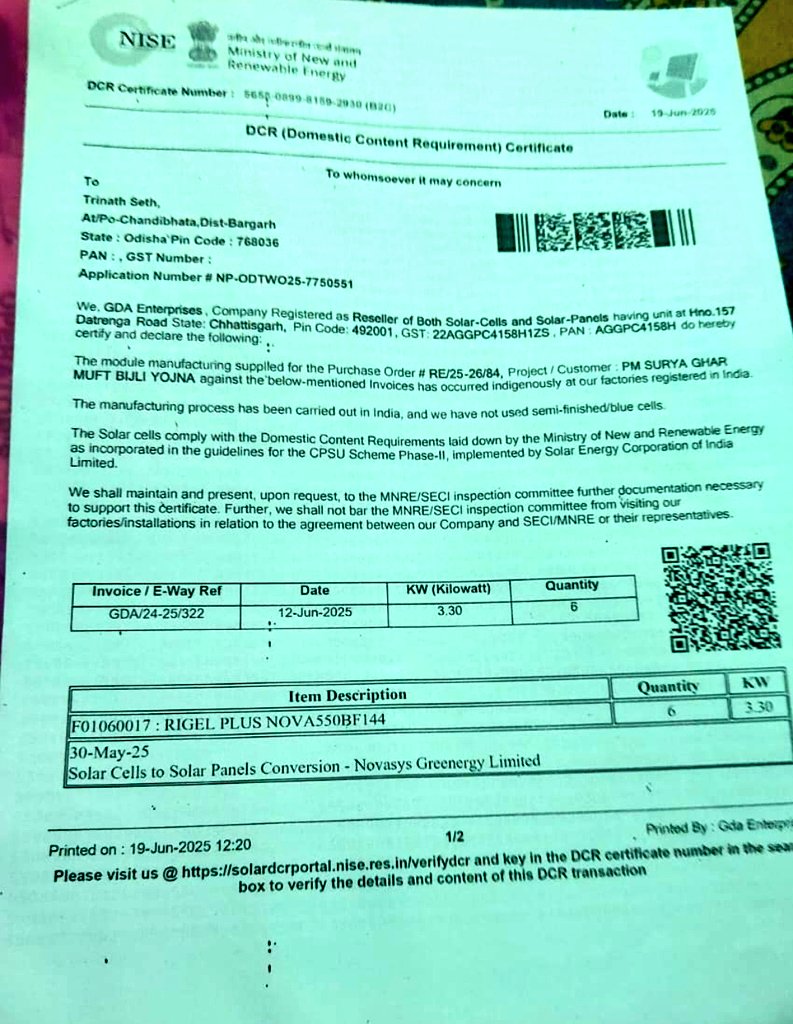
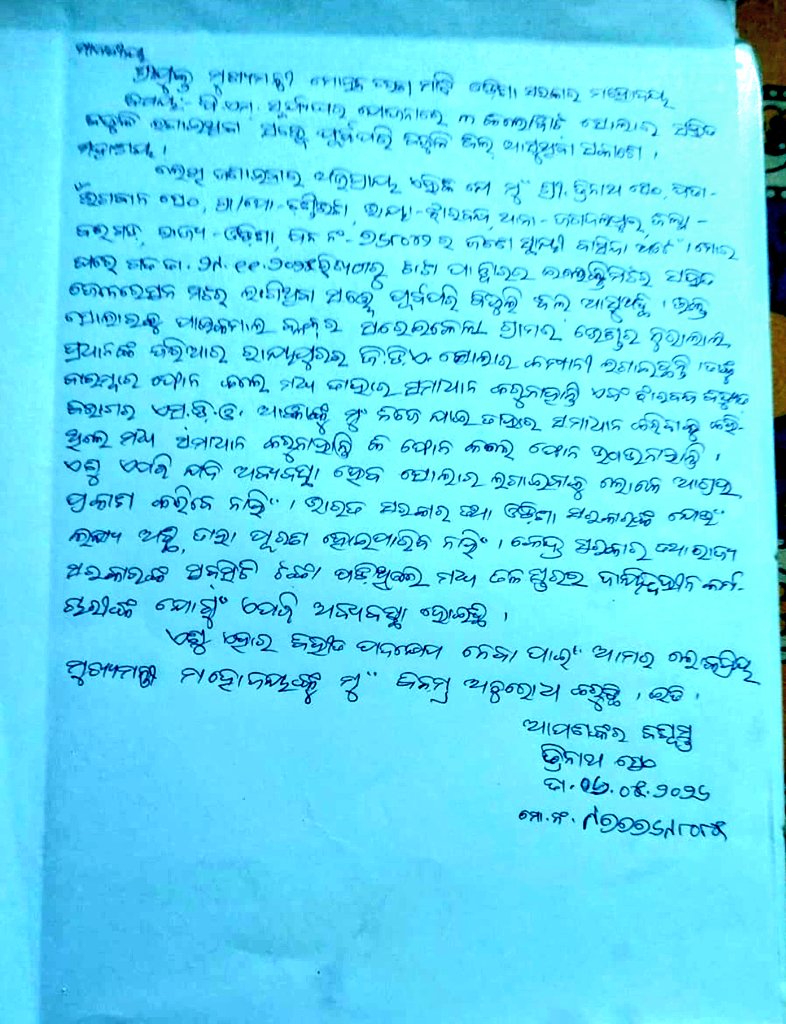
Despite installing a Rooftop Solar System under PM Surya Ghar Muft Bijli Yojana @PMSuryaGhar on 29th Nov 2025, Shri Trinath Seth of Chandibhata, Jharbandh Block is still paying regular electricity bills. Allegedly cheated by the vendor/@TPWesternOdisha . Requesting immediate intervention by @PMOIndia and @CMO_Odisha to ensure justice and proper implementation of the scheme. #PMSuryaGhar #SolarScam #OdishaUnderCrisis #Jharbandh
@mnreindia @JoshiPralhad @shripadynaik @RECLindia
1
5
9
431

May 4
@elonmusk
@POTUS
@realDonaldTrump
@DOGE
@FOX2now
@cattleguy92
@SolarIsAScam
@elonmusk Your Tesla battery is being offered as "free" with solar programs. I was a victim in soithern IL — frauded for $37,000. No money upfront, but now there's potential for a $37k lien on my home.
Solar fraud is targeting vulnerable & elderly people across Illinois and the country. Every company needs scrutiny.
No attorneys in southern IL will take these cases. Listen to the voiceless victims. #SolarFraud #SolarScam #IllinoisShines
1
1
2
53

Mar 18
A senior citizen has been a victim of fraud and is still waiting for his rightful justice. I request the concerned authorities to take swift action.Please do not ignore the voice of our elders.#solarscam #fraud @PralhadJoshiOfc @PMOIndia @pmsuryagharUP @myogioffice @DainikBhaskar
2
31

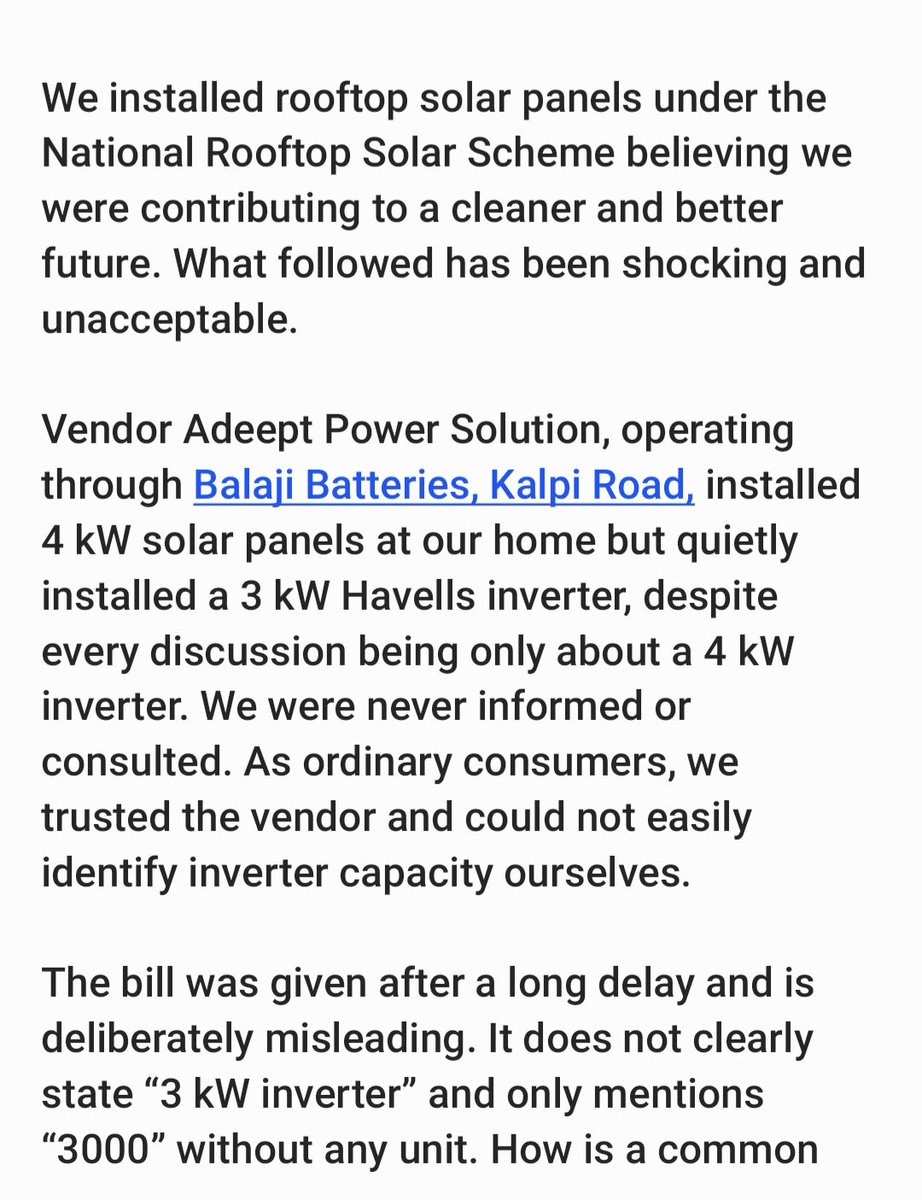
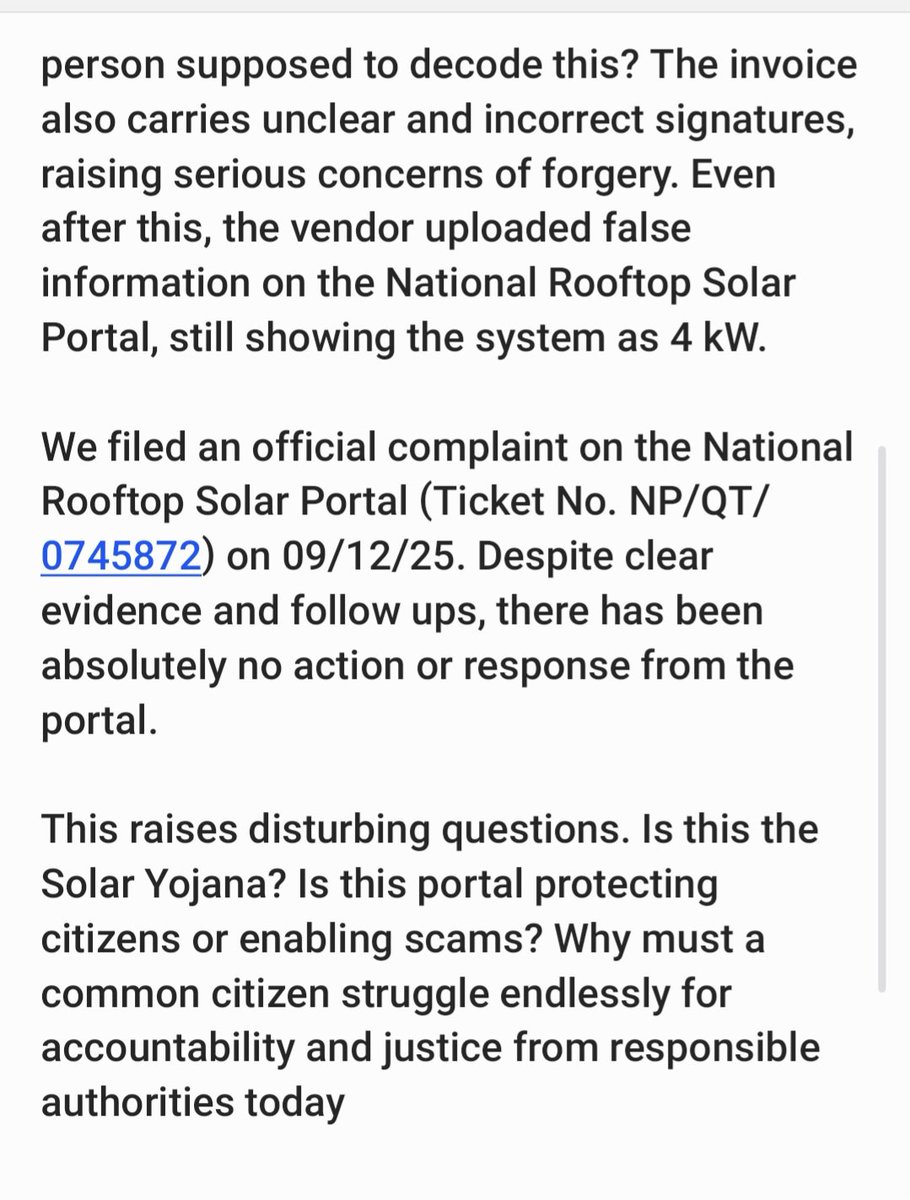
Under National Rooftop Scheme, Adeept Power Solution installed a 3kW inverter instead of promised 4kW, gave a misleading bill, and uploaded false data. Complaint no. NP/QT/0745872: no action. Photos & videos attached.We need answer #solarscam #ConsumerRights #pmsuryaghar #fraud
3
2
4
65

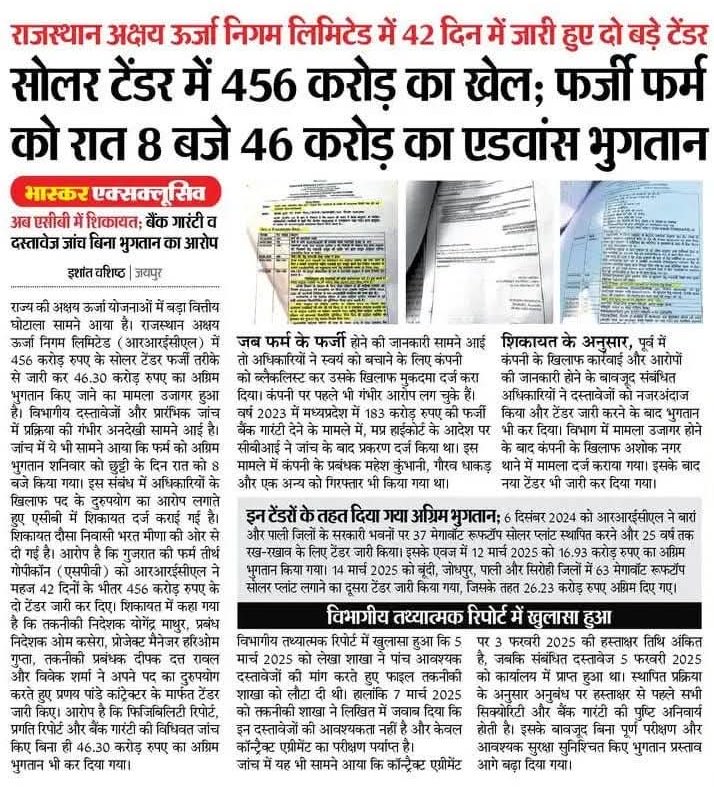
आम जनता का काम हो तो 'लंच टाइम' और 'सर्वर डाउन' के बहाने मिलते हैं,
लेकिन 46 करोड़ का फर्जीवाड़ा करना हो तो शनिवार रात 8 बजे भी खजाना खुल जाता है!
456 करोड़ का सोलर टेंडर, फर्जी फर्म और बिना जांच के पेमेंट... वाह रे सिस्टम, क्या गजब की फुर्ती है!
ये पैसा किसी नेता या अफसर का नहीं, जनता का है। जवाब तो देना होगा! @BhajanlalBjp @8PMnoCM @AmitShah @GovindDotasra @srinivasiyc @madanrrathore @RahulGandhi @TikaRamJullyINC
#Rajasthan #SolarScam #Corruption #PublicMoney #RRECL
6
9
243

Feb 28
జగన్ తీసుకున్న లంచంతో ఇండియాపై టారిఫ్ వేసిన ట్రంప్!
#YSJagan #Chandrababu #APPolitics #SECI #AdaniGreen #SolarScam #APPowerDeals #InternationalScandal #FBIInvestigation #SECProbe #NewYorkCourt #SolarTariff #TrumpTariff #SolarIndustry #SolarIndustryCrisis #YSRCP #TDP
1
2
17

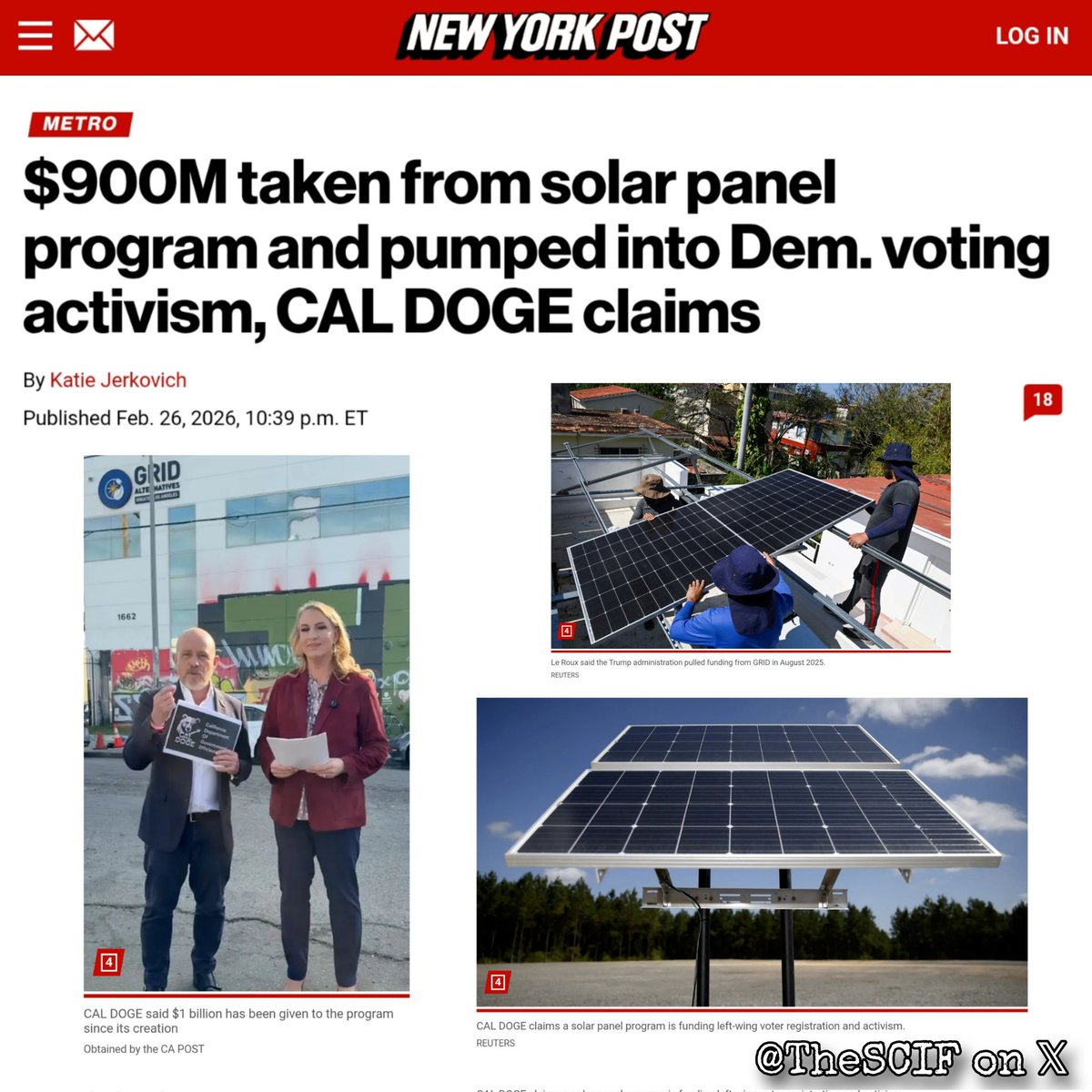
🚨 HUGE scandal in CA: CAL DOGE claims nearly $928 MILLION was siphoned from the Solar on Multifamily Affordable Housing program (meant for solar panels on affordable housing) and funneled into Democratic voter registration & activism! Only $72M spent on actual projects since 2015. Time for a full audit!
🚨 Gros scandale en Californie : CAL DOGE affirme que près de 928 MILLIONS $ ont été détournés du programme Solar on Multifamily Affordable Housing (destiné aux panneaux solaires sur logements abordables) et injectés dans l’enregistrement électoral et l’activisme démocrate ! Seulement 72 M$ dépensés en vrais projets depuis 2015. Il est temps d’un audit complet ! @TheSCIF #CADOGE #CaliforniaCorruption
#SolarScam #VoterFraud #GreenScam #DOGE
#TaxpayerMoney #AuditNow #CorruptDemocrats #StopTheSteal

HUGE: $928 MILLION Stolen from California Solar Program and diverted to Democratic Voter Registration & Activism Efforts
A new report from CAL DOGE alleges that $928 million from California's Solar on Multifamily Affordable Housing (SOMAH) program, intended to fund solar installations on affordable housing, has been diverted to Democratic voter registration and activism efforts.
Funded by gas taxes and utility bills, the program has completed only 269 projects worth $72 million since 2015, raising questions about the missing funds.Organizations like GRID Alternatives and the California Environmental Justice Alliance (CEJA) are implicated, with CEJA's affiliated entity reportedly using public dollars for partisan activities, including voter mobilization and candidate endorsements.
CAL DOGE calls for a full audit to ensure accountability.This highlights ongoing concerns about transparency in green energy initiatives.
Source: NY Post
1
3
43

Feb 21
महाराष्ट्राची महालुट!
मुख्यमंत्री सौर कृषी वाहिनी योजनेत १०,००० कोटींचा 'महा-घोटाळा' झाला आहे. NOPL Green, NACOF, IIPL आणि ONIX सारख्या कंपन्यांनी चक्क 'बनावट बँक गॅरंटी' देऊन कंत्राटं लाटली?
महावितरणचे अधिकारी आणि कंपन्यांचे संचालक (दिव्येश सावलिया, पी. सुरेश बाबू इ.) यांच्या संगनमताने शेतकऱ्यांच्या नशिबी अंधार टाकण्याचा हा प्रयत्न आहे का? EOW कडे ५ गुन्हे दाखल होणे ही नामुष्की आहे.
@CMOMaharashtra @Dev_Fadnavis सखोल चौकशी होऊन वसुली होणार का? अधिकाऱ्यांना शासन कोण करणार?
अपारंपरिक ऊर्जा खात्याचा कारभार पाहणारे मंत्री यांच्या यातील सहभागाची चौकशी 'पारदर्शक कारभाराचे पुरस्कर्ते' मुख्यमंत्री देवेंद्र फडणवीस करणार का?
#SolarScam #MaharashtraPolitics #Mahavitran #Corruption #EOW
20
147
660
38,275

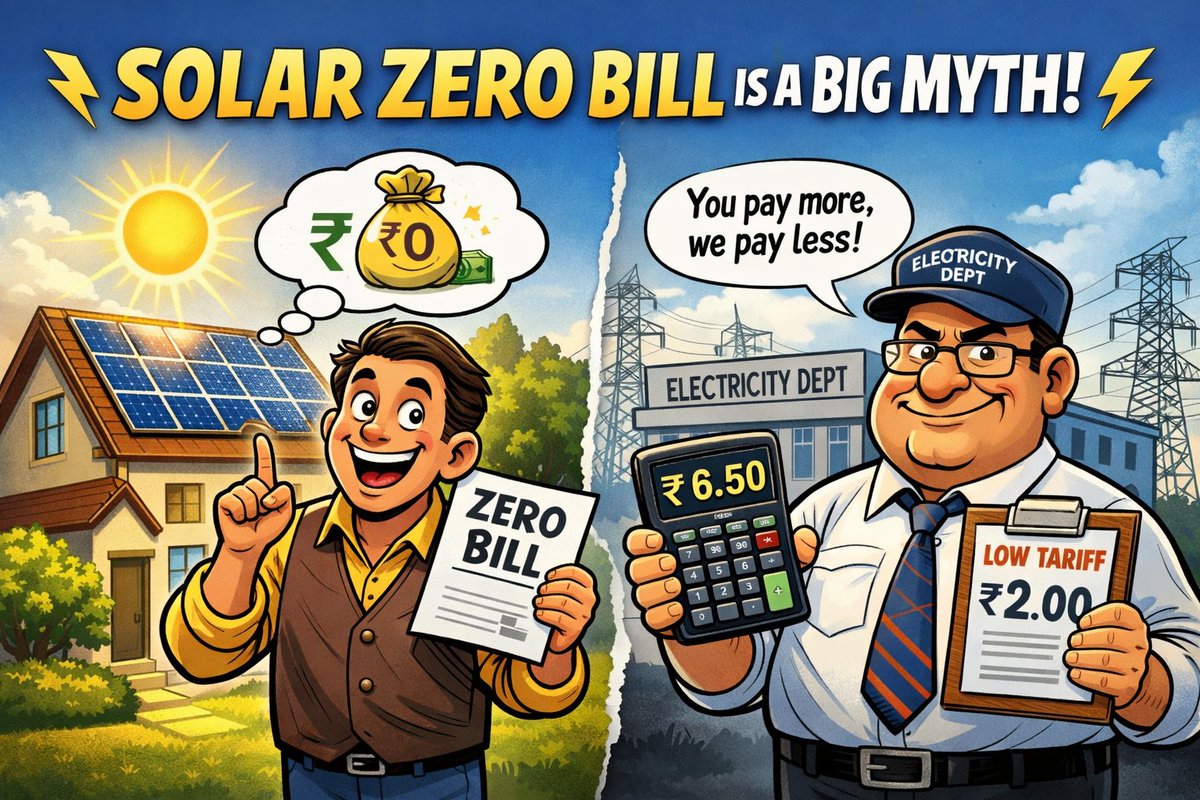
⚡ 🔥 सोलर सिस्टम का सच: ‘बिल ज़ीरो’ का झांसा, उपभोक्ता बना घाटे का सौदा
जो लोग यह समझ बैठे हैं कि सोलर सिस्टम लगवाकर घर का बिजली बिल पूरी तरह शून्य हो जाएगा, वे केवल भ्रम में नहीं हैं, बल्कि एक सुनियोजित आधे-सच के शिकार भी हैं। सोलर सिस्टम बेचने वाली कंपनियां जिस “ज़ीरो बिल” का सपना दिखाती हैं, वह ज़मीनी हकीकत में विभागीय टैरिफ सिस्टम के आगे दम तोड़ देता है।
📍 पूरा मामला पढ़ें👇
👉 uppclmedia.in/breaking/34189
🔔 बिजली से जुड़ी हर बड़ी खबर सबसे पहले पाने के लिए हमें फॉलो करें:
🔌 WhatsApp Channel
whatsapp.com/channel/0029VaQ…
🔌 Facebook Page
facebook.com/uppclmedia
🔌 X (Twitter)
x.com/UppclMedia
🔌 YouTube Channel
youtube.com/@uppclmediatv
📢 आवाज़ उठाइए… सच दिखाइए… *UPPCL MEDIA आपके साथ है।
#tag #SolarZeroBill #SolarMyth #SolarTruth #NetMeteringReality #ElectricityBill #ConsumerAwareness #SolarScam #PowerTariff #UPPCLMedia
2
452

یہ اتنے احمق اور ظالم حکمران ہیں اگر عوام مکمل طور پر سولر پر بھی چلے گئے تو یہ اس پر بھی بل نافز کرکے خون نچوڑ نا چاہیں گے یعنی کسی قسم کا پاکستانی عوام کو ریلیف نہ مل جائے کہیں۔۔ اپنا بھتہ لازمی وصول کرنا ہےفوری اواز اٹھاو پاکستان بچاؤ
#SolarScam #Ennergycrisis #NEPRA #Solar
Feb 10

سولر سسٹم لگانے والوں کو چاہیے کہ
آن گرڈ ختم کر کے لیتھیم بیٹریز لگا کر آف گرڈ چلے جائیں۔
اپنی بجلی خود پیدا کر رہے ہیں تو خود ہی سٹور بھی کریں۔
روز روز کی چخ چخ سے بچیں
زیادہ بلوں،سستے یونٹ دیکر مہنگے خریدنے اور GST بھرنے سے بچیں۔
مکمل خود کفیل بنیں۔
آپ کے سسٹم کی لاگت چند سال میں ویسے ہی پوری ہو جاتی ہے یا ہو جائے گی۔
(اسد آر چوہدری)
2
44

Feb 10
NEPRA نے 9 فروری 2026 کو Prosumer Regulations 2026 (S.R.O. 251(I)/2026) جاری کر کے نیٹ میٹرنگ کو ختم کر دیا اور نیٹ بلنگ سسٹم نافذ کر دیا۔
NEPRA نے شمسی صارفین کو دھوکہ دے دیا! نیٹ میٹرنگ ختم، نیٹ بلنگ نافذ!
اب حکومت آپ سے اضافی بجلی Rs 11 فی یونٹ میں خریدے گی، لیکن گرڈ سے Rs 40 فی یونٹ (بعض سلیبس میں Rs 50 ) میں بیچے گی!
ایف بی آر 18% سیلز ٹیکس بھی لگاتا ہے، جو آپ کے کم کریڈٹ سے کاٹ لیتا ہے۔ پرانا یونٹ فار یونٹ ختم، اب لوٹ مار!
حکومت نے ہزاروں گھروں کے شمسی سسٹم کو تباہ کر دیا، سرمایہ کاری ضائع، ماحول دوست توانائی کو مار ڈالا۔ یہ IPPs کی ناکامی کا بوجھ غریب اور متوسط پر ڈالنے کی گھٹیا حرکت ہے!
NEPRA نوٹیفکیشن جاری، فوری اثر! آواز اٹھاؤ، یہ چوری ہے، ظلم ہے!
#SolarScam #NetBilling #NEPRA #PakistanEnergyCrisis
1
13
28
2,534
Feb 10
NEPRA has deceived solar consumers! Net metering abolished, net billing enforced!
Now the government will buy your excess electricity at Rs 11 per unit, but sell from the grid at Rs 40 per unit (Rs 50 in some slabs)!
FBR also imposes 18% sales tax, deducted from your reduced credit. Unit-for-unit is gone now it’s exploitation!
The government has destroyed thousands of household solar systems, wiped out investments, and crushed clean energy. Dumping the burden of IPP failures on the poor and middle class is disgraceful!
NEPRA notification issued, effective immediately! Raise your voice this is theft, this is ظلم!
#SolarScam #NetBilling #NEPRA #PakistanEnergyCrisis”
10
30
60
2,323