
Is This The Largest Comet In The Solar System? youtu.be/PiHUCTFU4WE?si=olyX… via @YouTube Is This The Largest Comet In The Solar System? #comet #mercury #planet #sodiumtail #mercuryplanet #dusttail #mercuryfacts #solarsystemfacts #spacefacts
3
44

28 Nov 2025
9
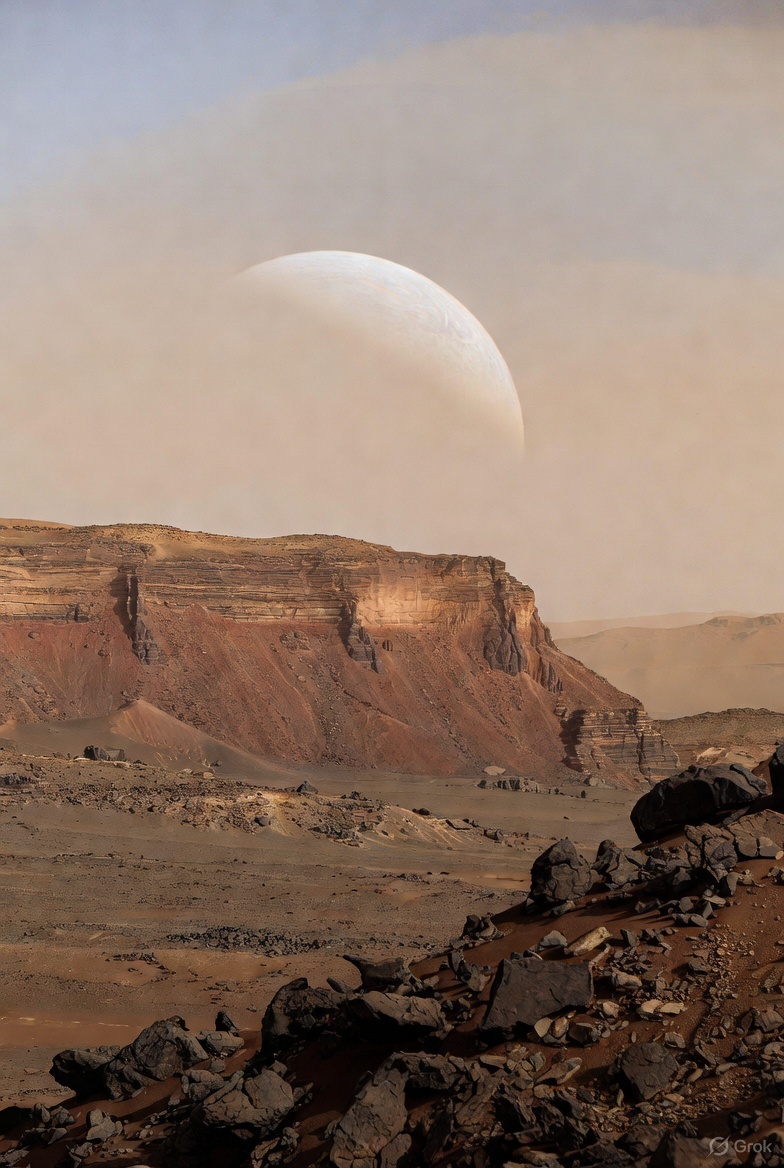
A Martian year is equal to approximately 687 Earth days.
However, the length of a single day on Mars is only about 40 minutes longer than an Earth day.
#MarsDay #SolarSystemFacts #ScienceLearning
1
56
75
212

29 Jul 2025
क्या आप जानते हैं? | 29-07-2025
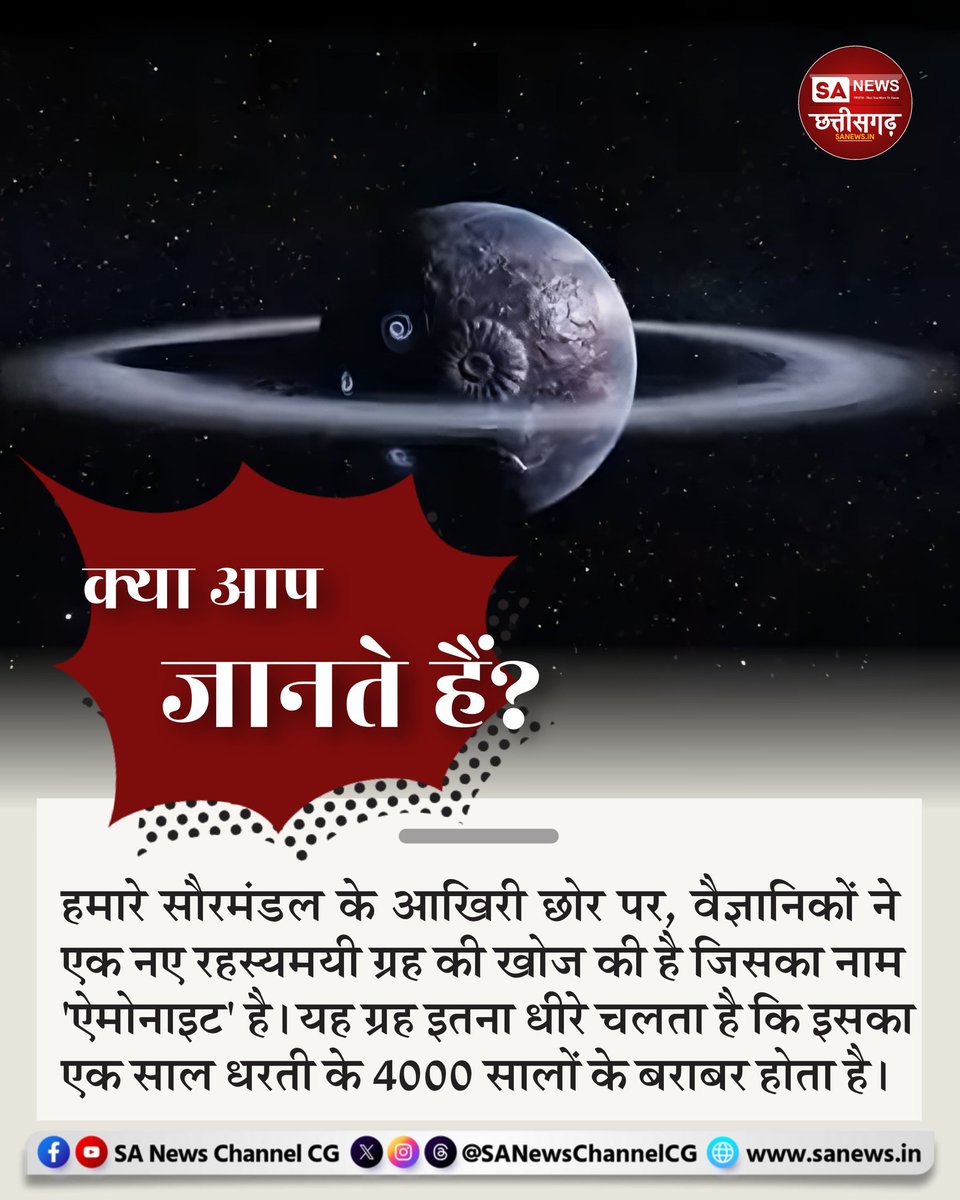
हमारे सौरमंडल के आखिरी छोर पर वैज्ञानिकों ने एक नए रहस्यमयी ग्रह की खोज की है, जिसका नाम ‘ऐमोनाइड’ है। यह ग्रह इतनी धीमी गति से चलता है कि इसका एक साल, पृथ्वी के 4000 वर्षों के बराबर होता है।
#AemonidePlanet #SpaceMystery #SolarSystemFacts
1
21
31
210

29 Jul 2025
क्या आप जानते हैं? | 29-07-2025
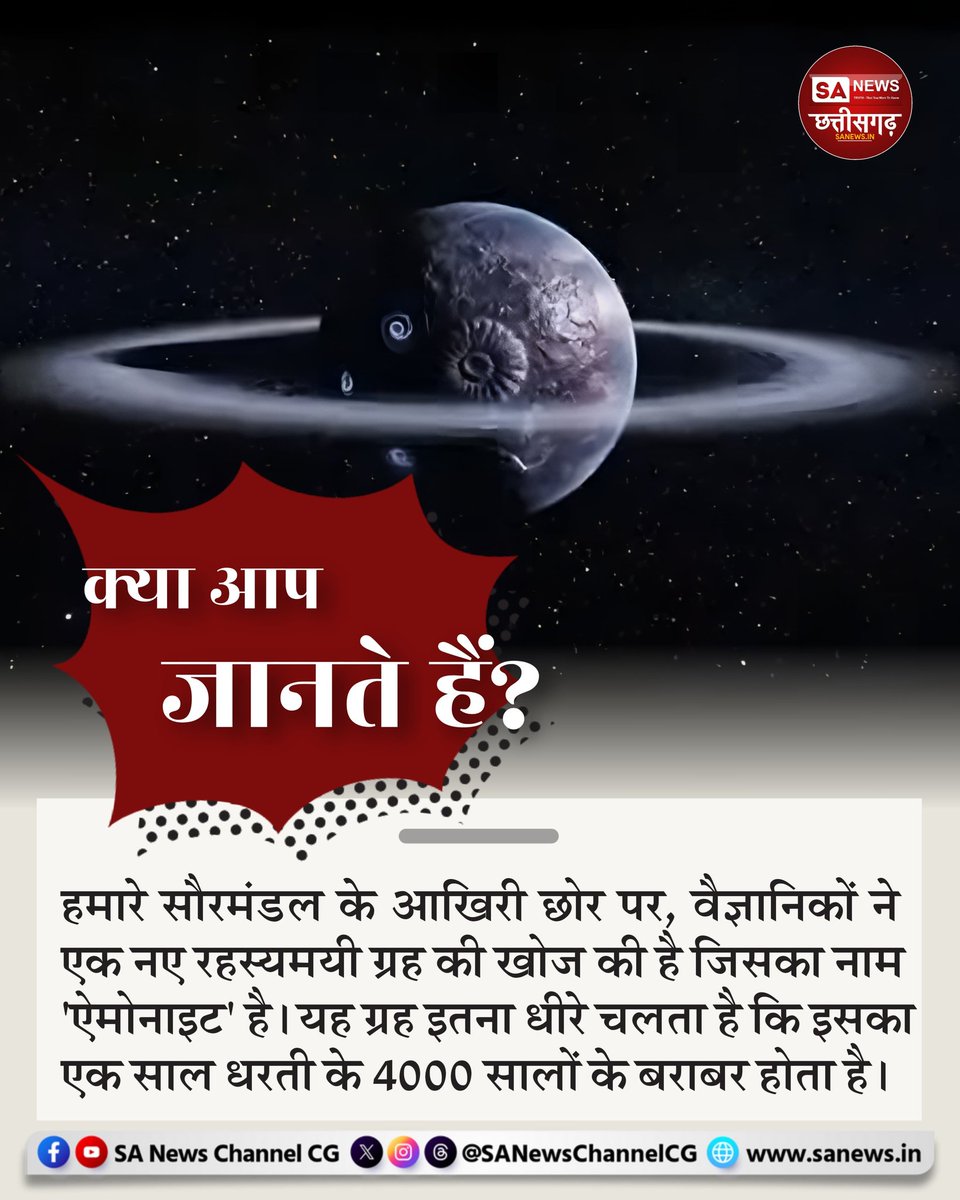
हमारे सौरमंडल के आखिरी छोर पर वैज्ञानिकों ने एक नए रहस्यमयी ग्रह की खोज की है, जिसका नाम ‘ऐमोनाइड’ है। यह ग्रह इतनी धीमी गति से चलता है कि इसका एक साल, पृथ्वी के 4000 वर्षों के बराबर होता है।
#AemonidePlanet #SpaceMystery #SolarSystemFacts
19
29
198

3 Apr 2025
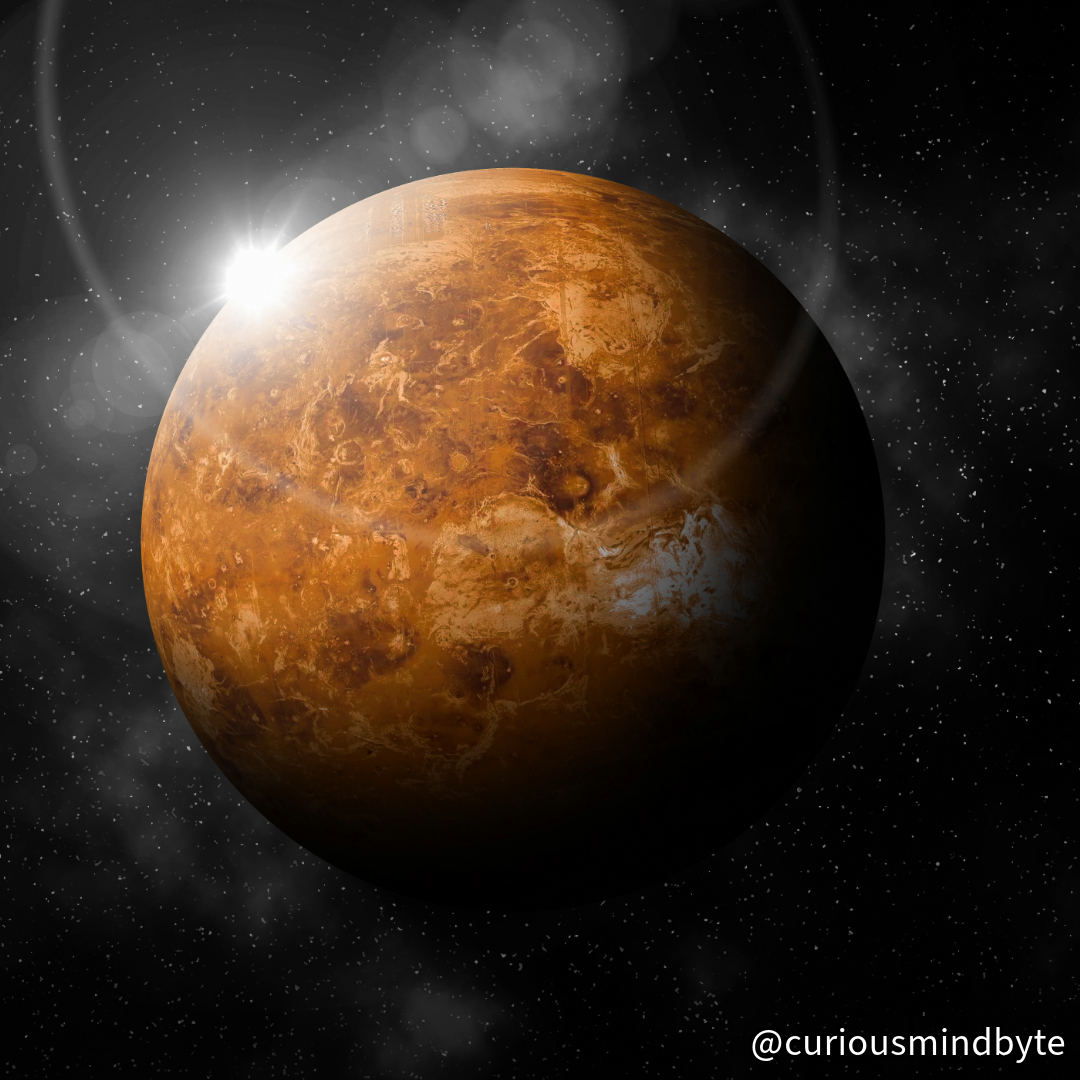
Interesting Stat: A day on Venus is longer than a year on Venus—it takes 243 Earth days to rotate once but only 225 Earth days to orbit the Sun. #SolarSystemFacts #Venus
1
2
137
15 Mar 2025
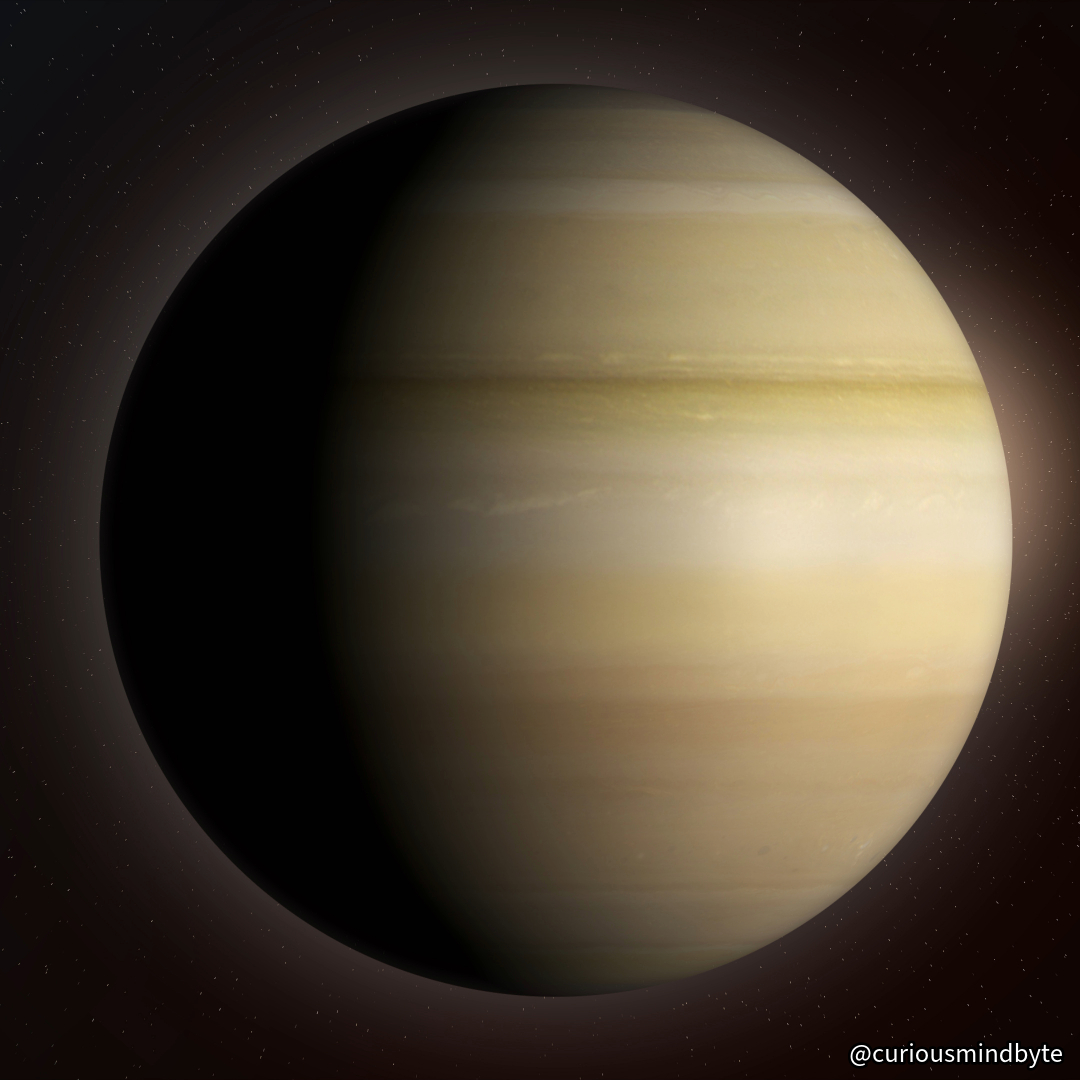
Interesting Stat: Titan, Saturn's largest moon, has a dense atmosphere and liquid methane lakes, making it one of the most Earth-like bodies in the solar system. #SolarSystemFacts #Titan
3
122
14 Mar 2025
Interesting Stat: The Sun's core temperature reaches about 27 million degrees Fahrenheit, driving nuclear fusion and powering the Sun's energy output. #SolarSystemFacts #Sun

3
125
13 Mar 2025
Interesting Stat: The solar system's Kuiper Belt, beyond Neptune, is home to many dwarf planets, comets, and icy bodies, including Pluto and Eris. #SolarSystemFacts #KuiperBelt

1
4
163
11 Mar 2025
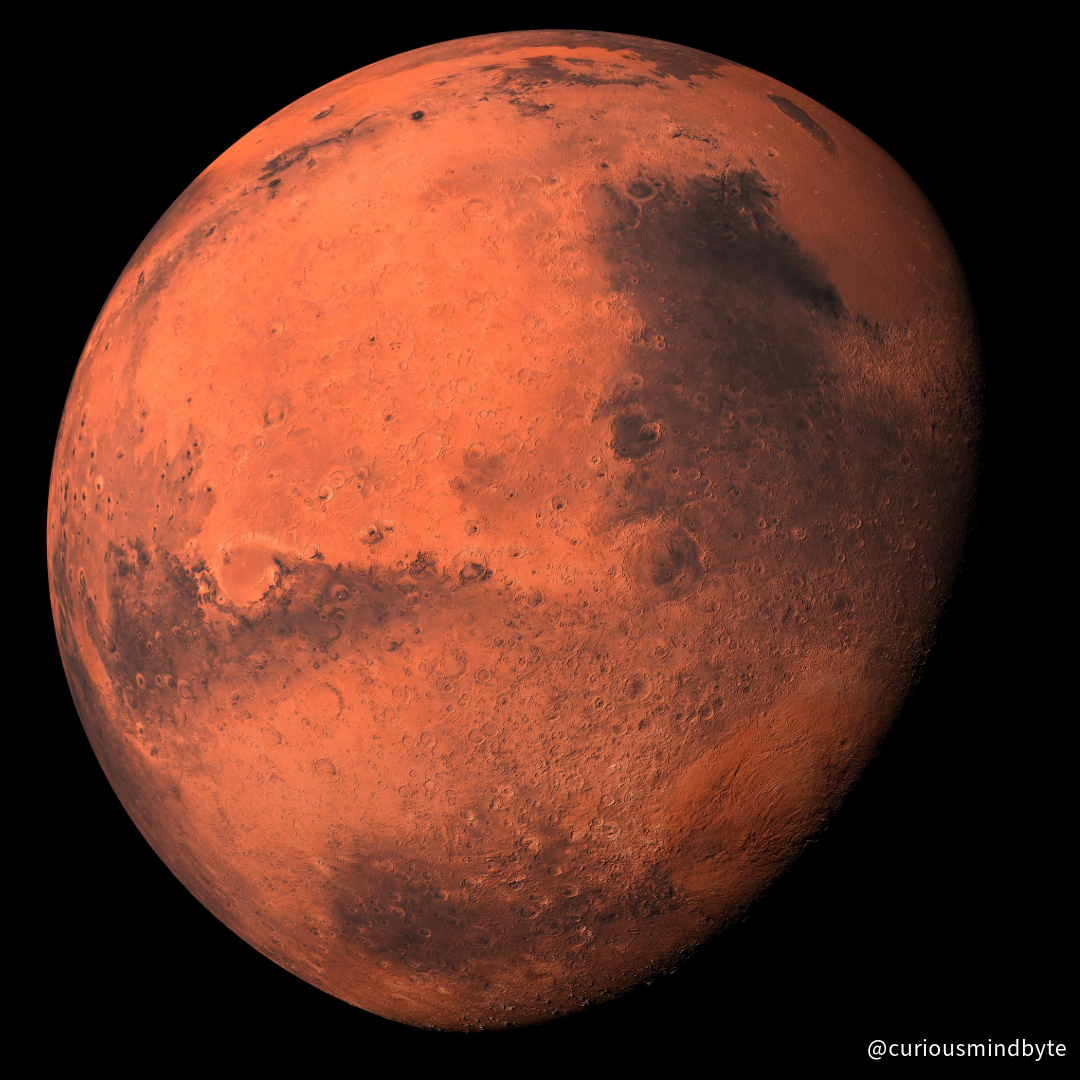
Interesting Stat: Mercury experiences extreme temperature variations, ranging from -280°F at night to 800°F during the day due to its thin atmosphere. #SolarSystemFacts #Mercury
1
5
140
10 Mar 2025
Interesting Stat: Pluto, once considered the ninth planet, is now classified as a dwarf planet. It has a highly elliptical orbit that sometimes brings it closer to the Sun than Neptune. #SolarSystemFacts #Pluto

1
1
3
141
9 Mar 2025
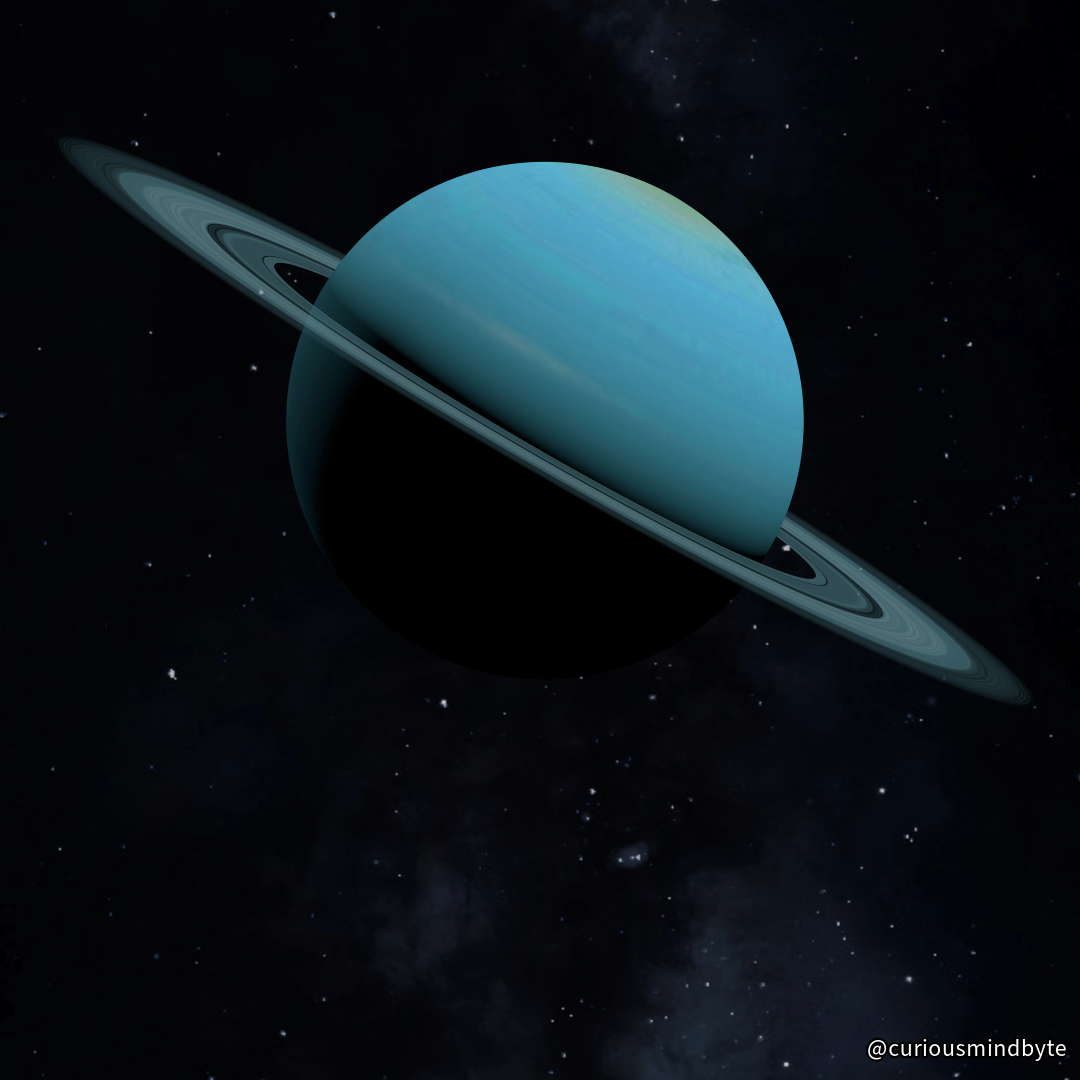
Interesting Stat: Uranus is unique because it rotates on its side with an axial tilt of 98 degrees, likely due to a collision with an Earth-sized object. #SolarSystemFacts #Uranus
1
3
4
200
7 Mar 2025
Interesting Stat: Neptune's winds are the fastest in the solar system, reaching speeds of up to 1,300 miles per hour. #SolarSystemFacts #Neptune
1
10
468
6 Mar 2025
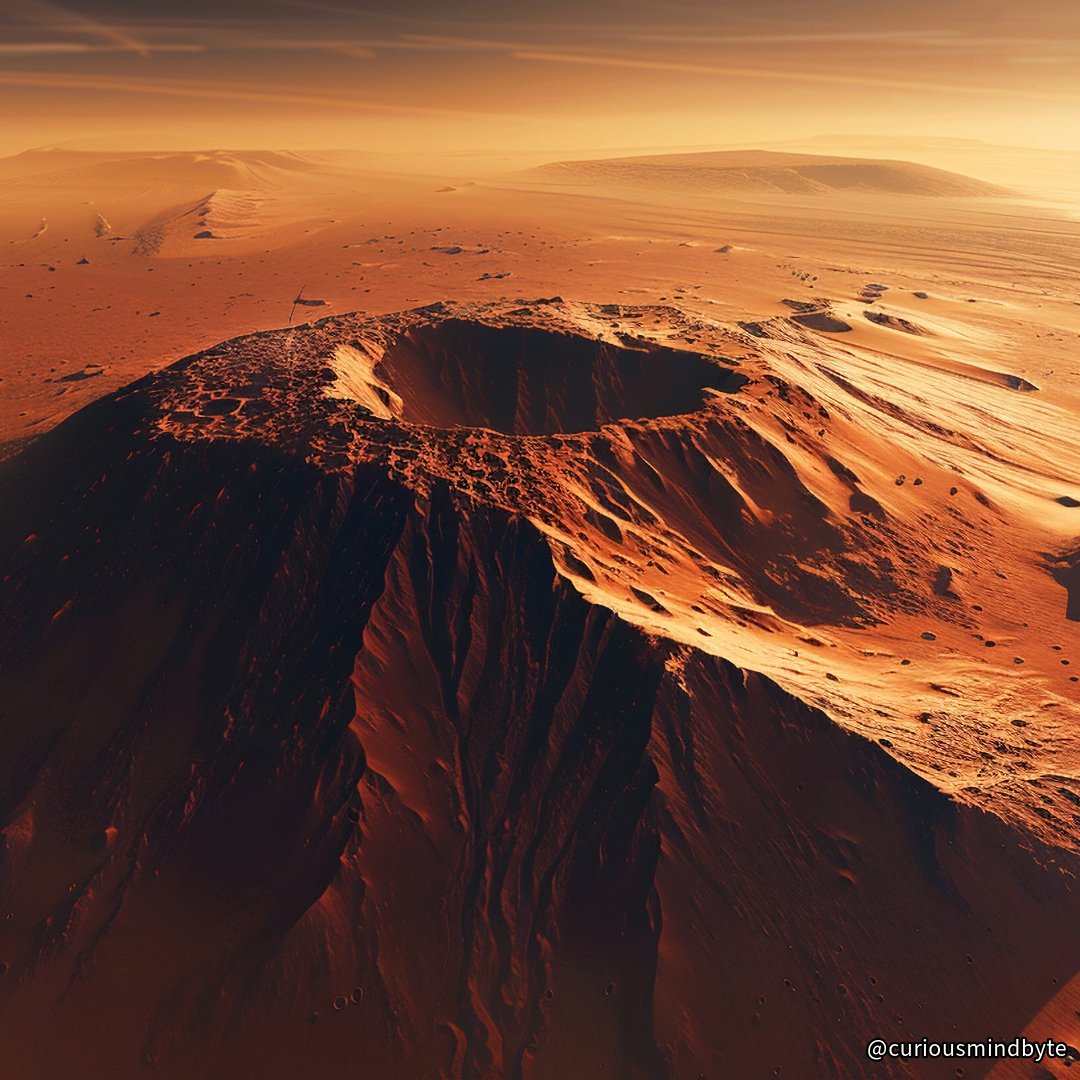
Interesting Stat: Mars has the largest volcano in the solar system, Olympus Mons, which is about 13.6 miles high, nearly three times the height of Mount Everest. #SolarSystemFacts #Mars
4
1
6
2,023
5 Mar 2025
Interesting Stat: Venus has the longest rotation period of any planet, taking 243 Earth days to complete one rotation. It rotates in the opposite direction to most planets. #SolarSystemFacts #Venus
2
195
4 Mar 2025
Interesting Stat: Earth orbits the Sun at an average speed of about 67,000 miles per hour, completing one orbit in 365.25 days. #SolarSystemFacts #Earth
8
2,191
3 Mar 2025
Interesting Stat: Saturn's rings are composed mostly of ice particles, with some rocky debris and dust, and extend up to 175,000 miles wide but are only about 30 feet thick. #SolarSystemFacts #Saturn
1
2
125
2 Mar 2025
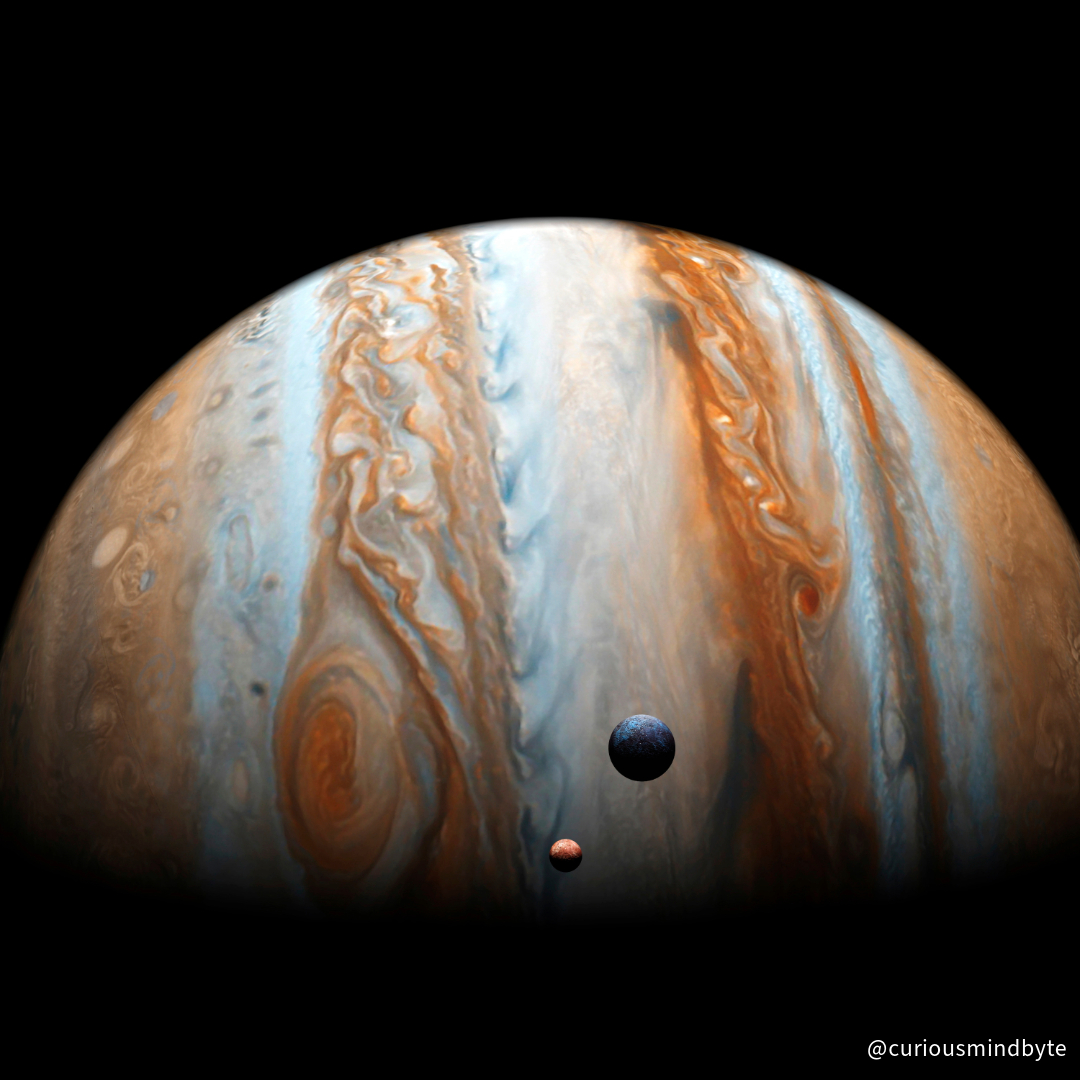
Interesting Stat: Jupiter, the largest planet in our solar system, has a diameter of about 88,846 miles, making it 11 times wider than Earth. #SolarSystemFacts #Jupiter
1
1
4
102
2 Mar 2025
Interesting Stat: The Sun accounts for about 99.86% of the total mass of the solar system. #SolarSystemFacts #TheSun
2
83

20 Sep 2024
Hi X Mates. GOOD MORNING and GOOD EVENING!
🚀✨ Exciting news, stargazers! 🌌 I’ll be sharing a detailed list of 100 fascinating solar system facts— every 2 hours! Get ready to explore the wonders of our cosmic neighborhood. 🌍🔭
Follow this account for your daily dose of space magic! 🌟
#SolarSystemFacts #SpaceExploration
22
13
244

5 Oct 2023
The solar system travels through the Milky Way galaxy in a complex, spiraling motion. It orbits the galactic center, taking approximately 230 million years to complete one orbit, a period known as a cosmic year. As it moves, it also oscillates above and below the galactic plane. This dynamic movement is influenced by the gravitational forces of the Milky Way's central supermassive black hole and the distribution of matter within the galaxy. The solar system's path resembles a rollercoaster ride, characterized by periods of elevation and descent relative to the galactic plane as it continues its long journey through the vast expanse of our galaxy.
Explore More Insight : bit.ly/3F5p7vk
#SolarSystem #Astronomy #SpaceExploration
#Planets #Stargazing #CelestialBodies
#SpaceScience #Astrophysics #SolarSystemFacts
#PlanetDiscovery #CosmicWonders #AstronomyLovers #allied_market

3
4
70