Jun 9
When learning SQL, which topic gave you the most trouble?
• JOINS
• GROUP BY
• Subqueries
• Window Functions
#SQLLearning
1
1
5
214
Jun 8
Beginner mistake in SQL:
Trying to learn everything at once.
Better approach:
Master one concept per day:
Day 1: SELECT
Day 2: WHERE
Day 3: JOIN
Day 4: GROUP BY
Small wins = real progress.
#SQLLearning
1
4
96

Self-learning never stops, and I’m learning that growth comes not just from watching or listening, but taking actions.
Still building, still learning📈.
Thank you always for the platform @TechsphereAcad
#30DaysOfDataAnalytics #SQLLearning #DataAnalyticsJourney
2
39

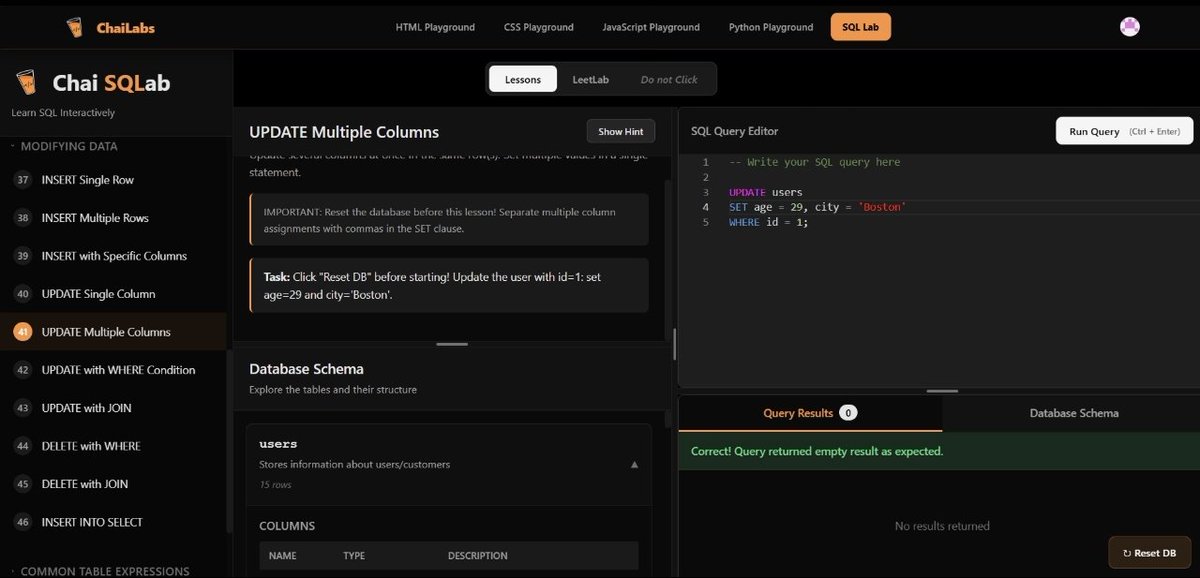
Completed SQL labs today —
really enjoyed working through them!
1) QUERYING DATA ✅
2) SORTING DATA✅
3) FILTERING DATA✅
4) GROUPING DATA✅
5) MODIFYING DATA✅
@ChaiCodeHQ
@nirudhuuu
@Hiteshdotcom
@piyushgarg_dev
#chaicode #SQL #Database #DataBaseManagement #SQLLearning #TechLearning #Coding #Programming #Developer #SoftwareEngineering
1
6
110

Apr 1
Everyone watches price.
Smart people watch behavior.
Price = reaction
On-chain = intention
Track this:
• Exchange flows
• Active addresses
• Whale movements
That’s where the real edge is.
It gets easier when you’re not figuring it out alone.
Join our Waitlist For Our Future Cohorts Here: /forms.gle/L2Wwg3NyMRFbvVCn7
#AnalyticsSages #SQLLearning #OnChainAnalytics #Web3
1
8
83

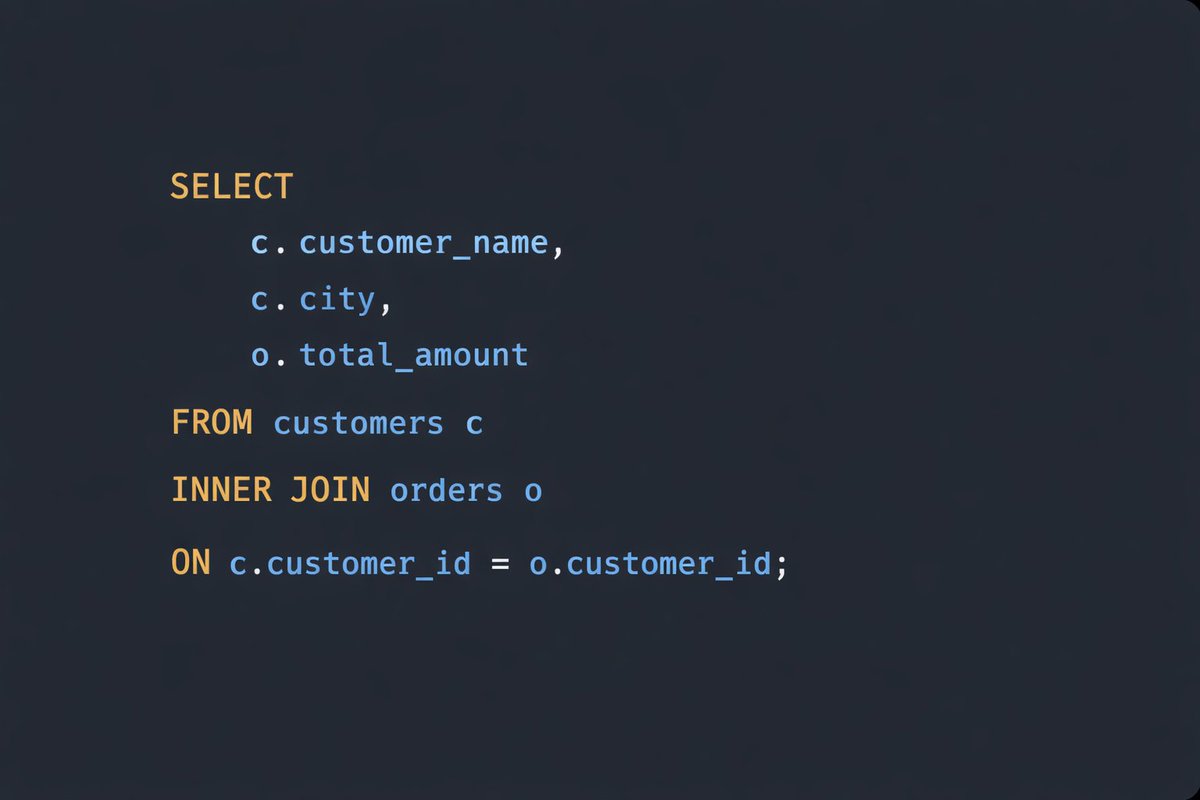
Week 8, Day 1 of my SQL journey 💻
Today I practiced INNER JOIN and “connected the dots”:
only rows that exist in both tables show up.
Clean aliases clear joins = readable queries ✅
LEFT JOIN tomorrow… excited!
#SQLLearning #DataAnalytics #InnerJoin #LearningInPublic
3
40

13 Dec 2025
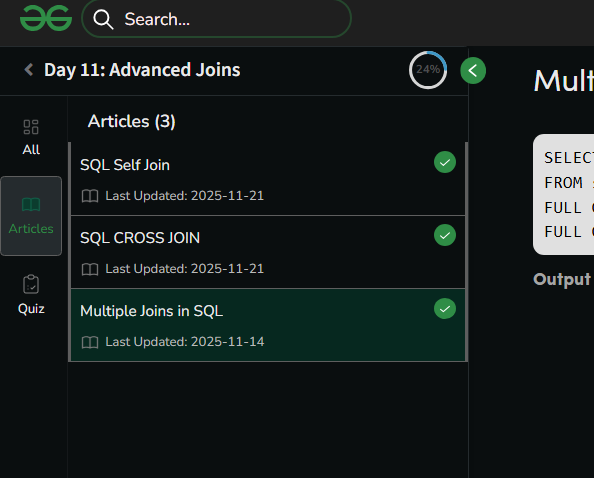
🚀 Day 11 | Advanced SQL Joins
Completed Self Join, Cross Join & Multiple Joins in the @geeksforgeeks Nation Skill Up SQL course.
Learning SQL step by step! 💪📊
#Day11 #SkillUpWithGFG #NationSkillUp #SQLLearning
3
36

2 Dec 2025
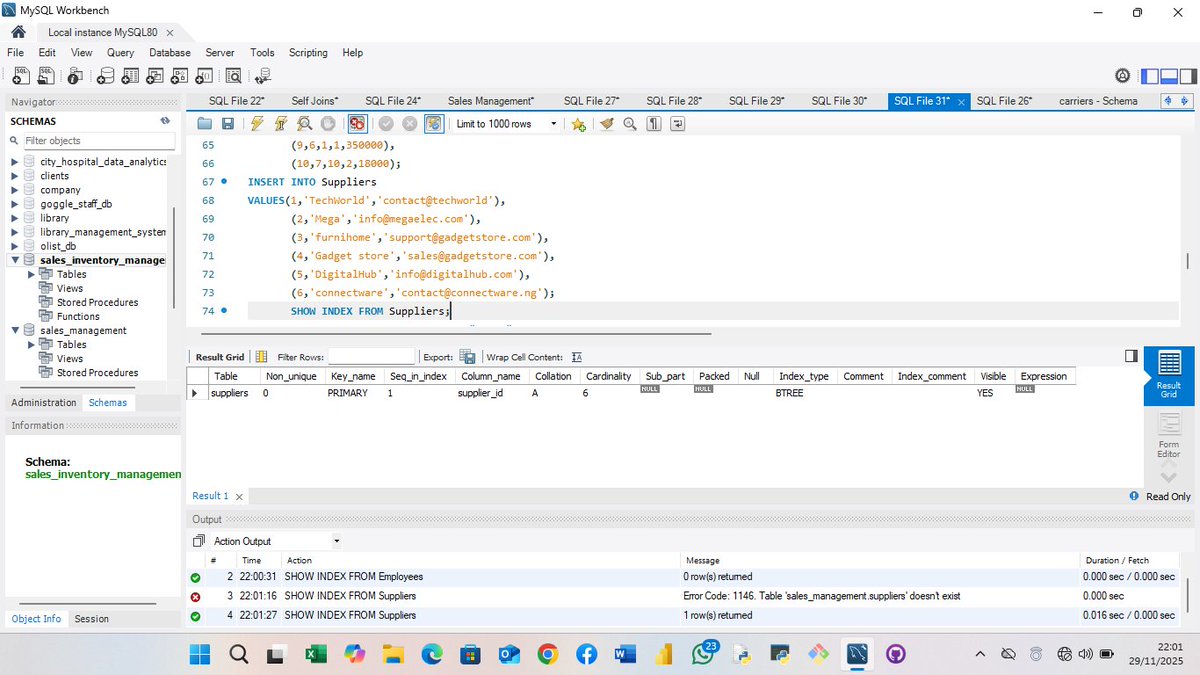
Day 58/100 of learning SQL
Today I focused on understanding Clustered vs Non-Clustered Indexes in MySQL:
- Clustered Index: sorts actual table data
- Non-Clustered Index: stores pointers to data
#100DaysOfSQL #SQLLearning #DataAnalytics
2
3
46

Resources like this don’t just teach SQL… they help you think like a data professional.
#sql #dataanalytics #sqllearning #dataanalysis #sqlqueries #databases #businessintelligence #dataengineering #dataskills #analyticscommunity #mysql
1
3
814

7 Nov 2025
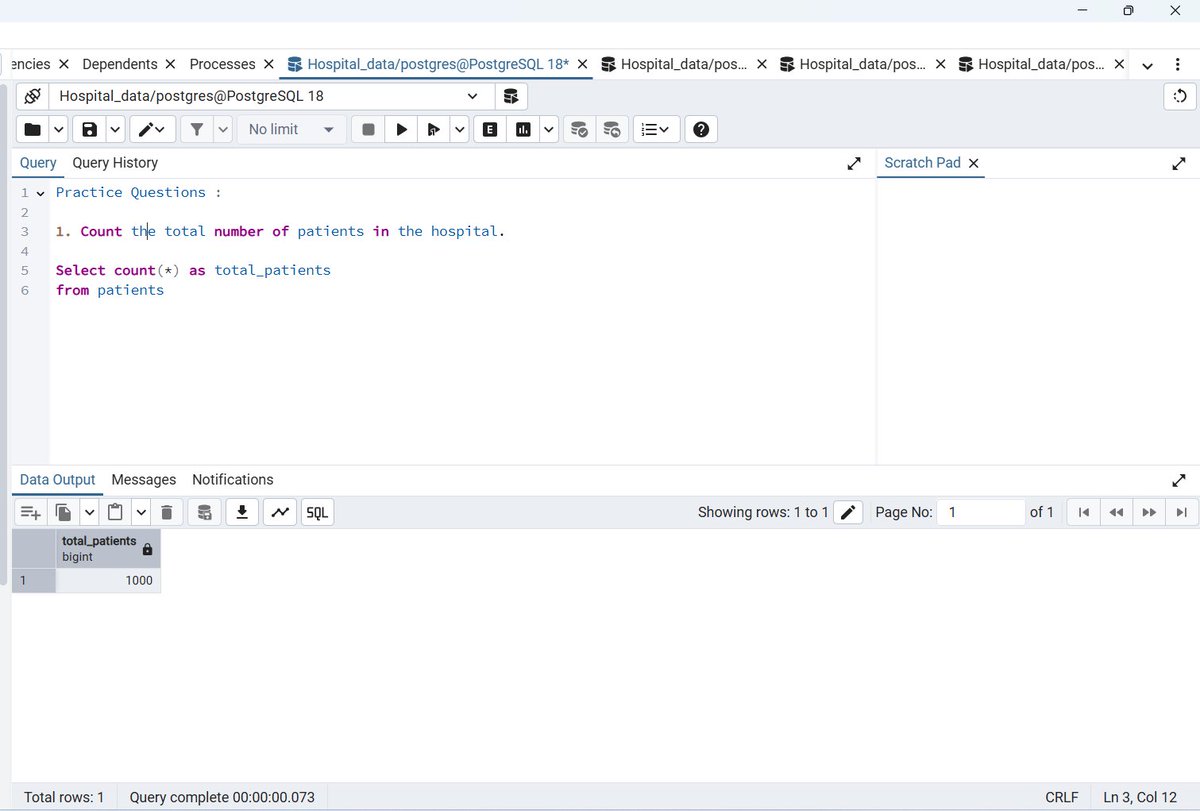
Day 5 of my #SQL challenge
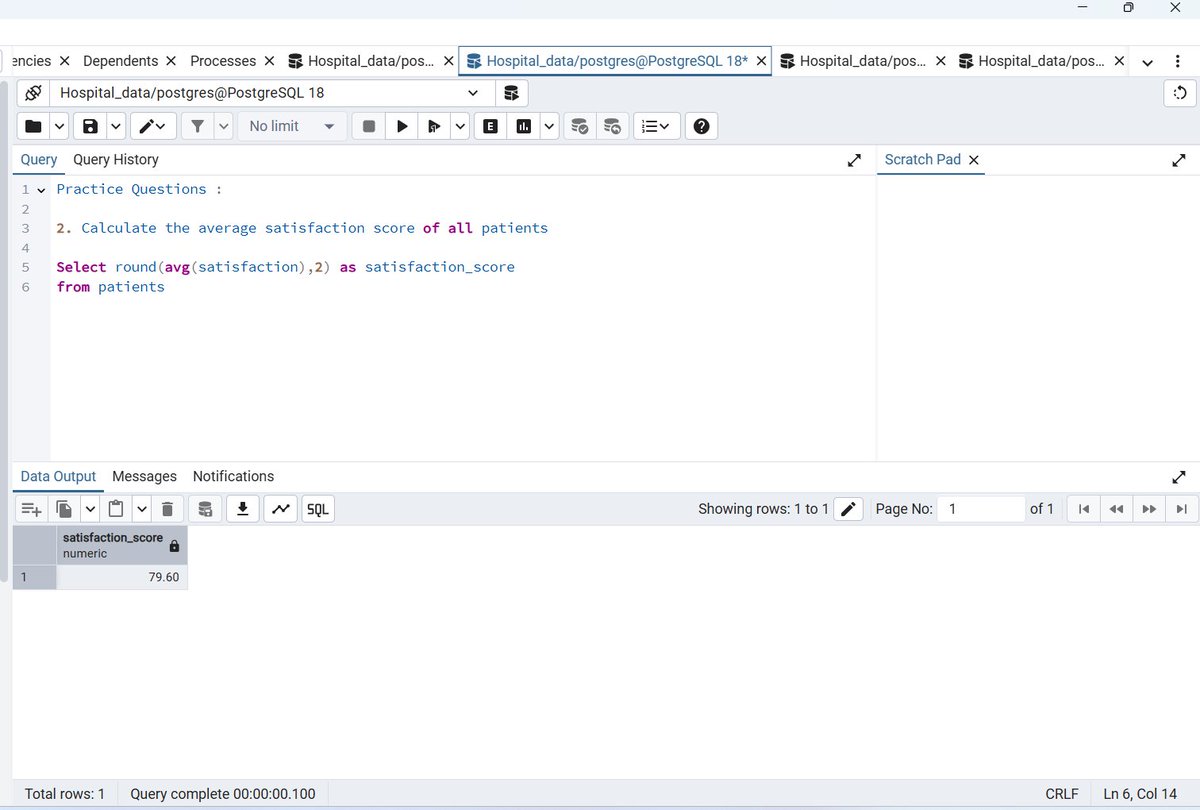
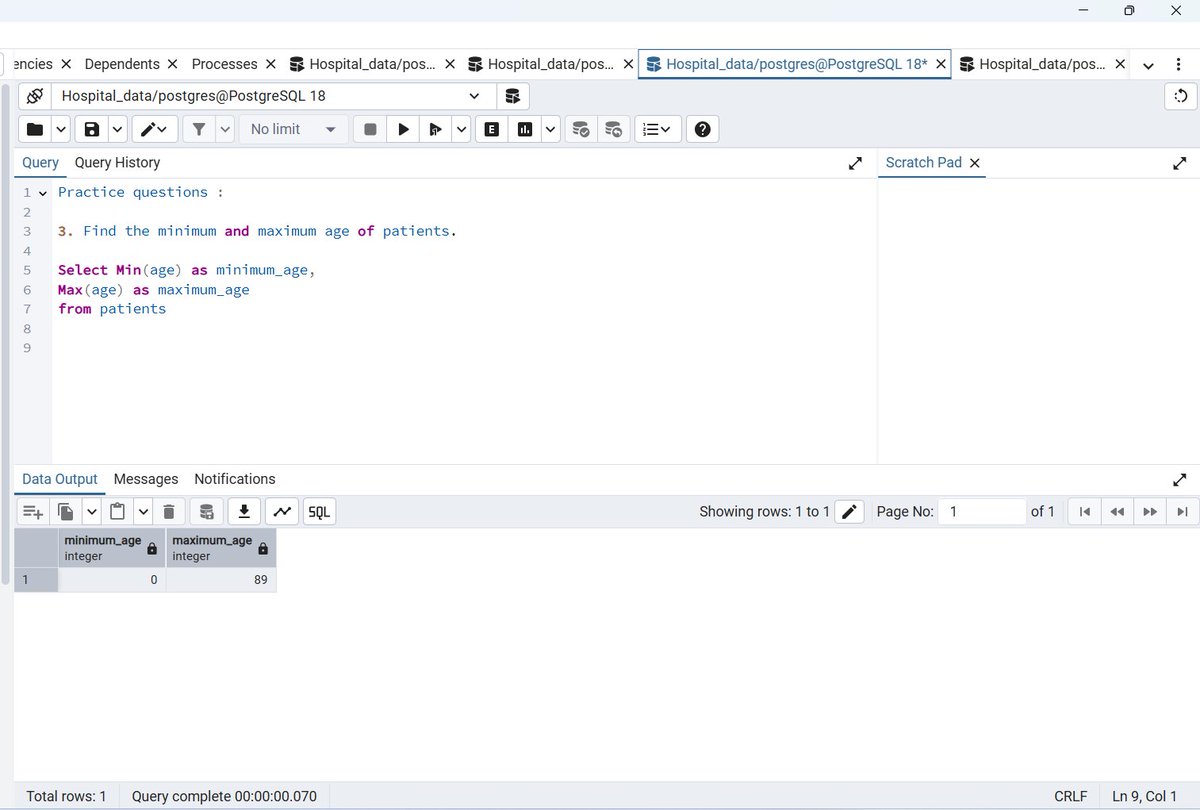
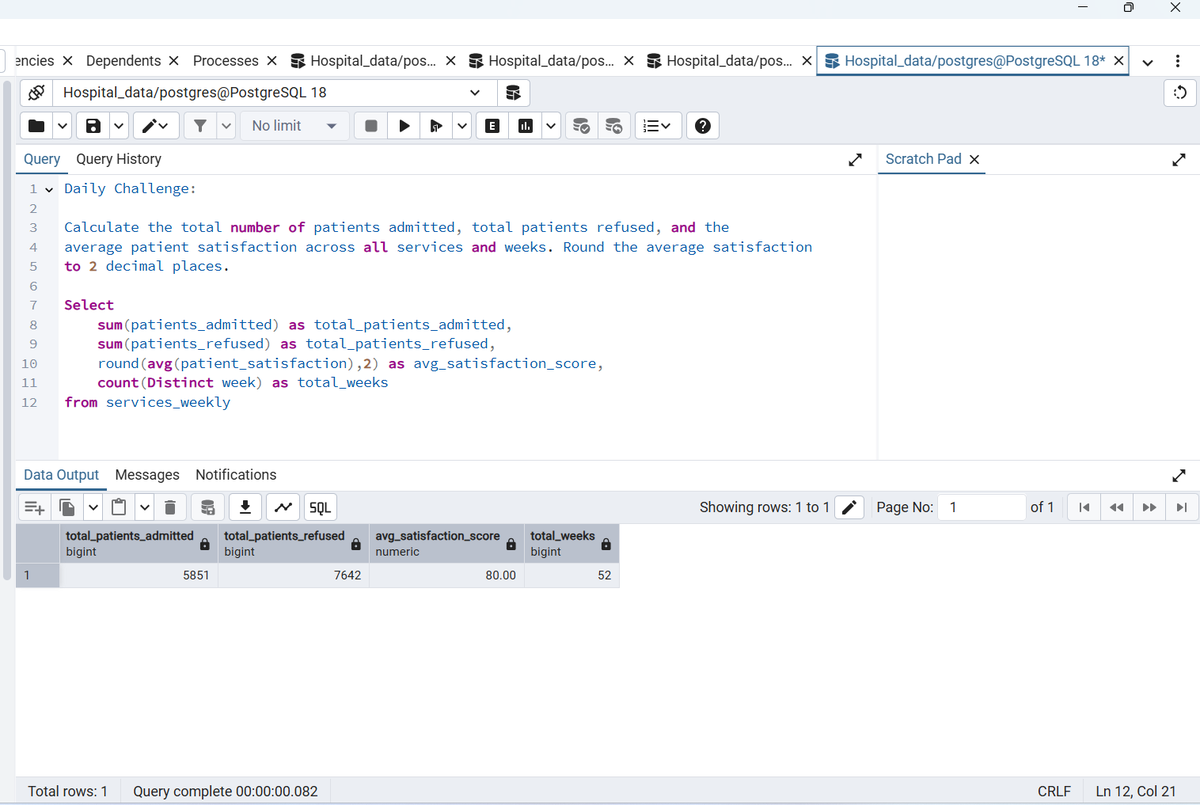
Learned about Aggregate Functions, tools to summarize data quickly
COUNT() – Total rows
SUM() – Total value
AVG() – Average
MIN() / MAX() – Smallest & Largest
These help turn raw data into real insights.
#SQL #SQLLearning #21DaysSQLChallenge
3
22
6 Nov 2025
Day 41 of SQL Learning
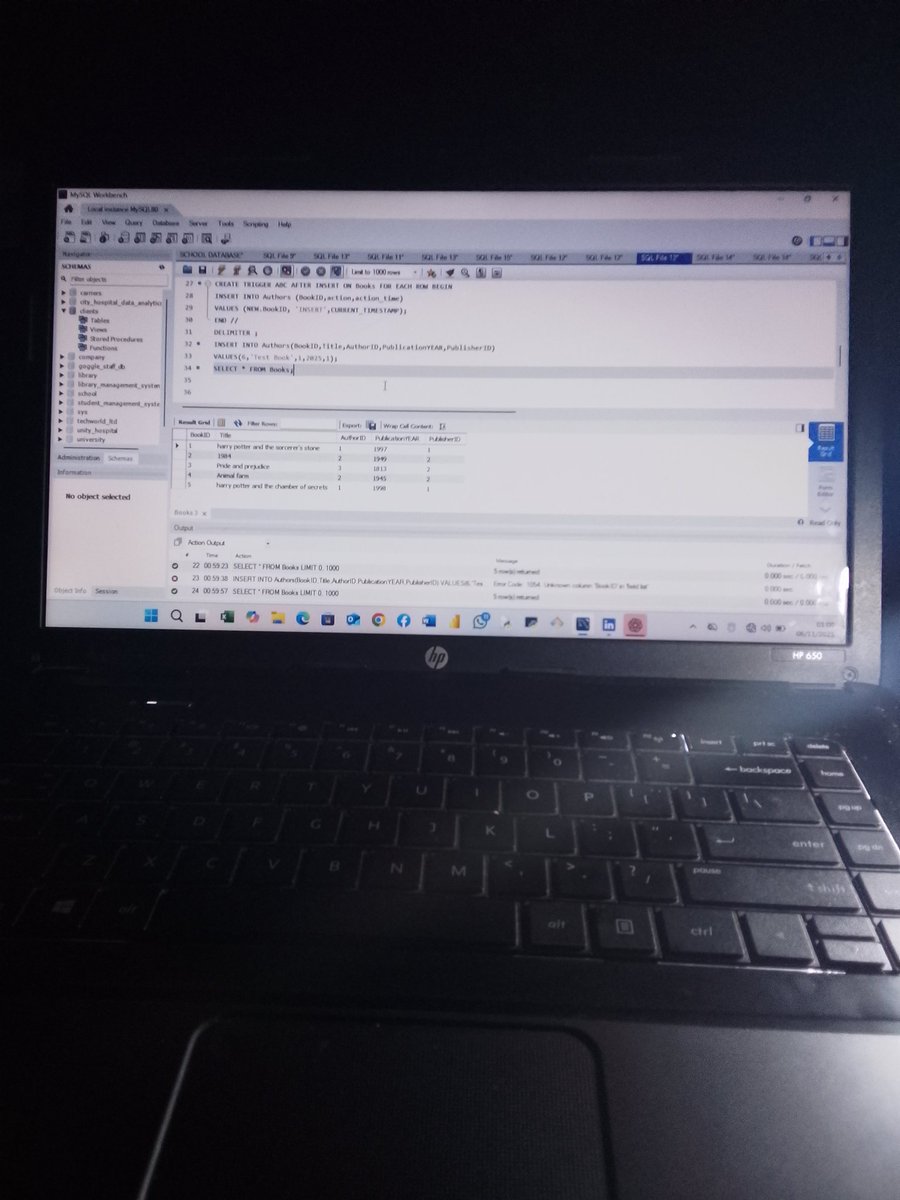
Today I learned triggers!
At first, the syntax had me spinning 😅
But after breaking it down with a simple example, it finally clicked.
#100DaysOfSQL #SQLLearning #DataJourney
1
3
64
26 Oct 2025
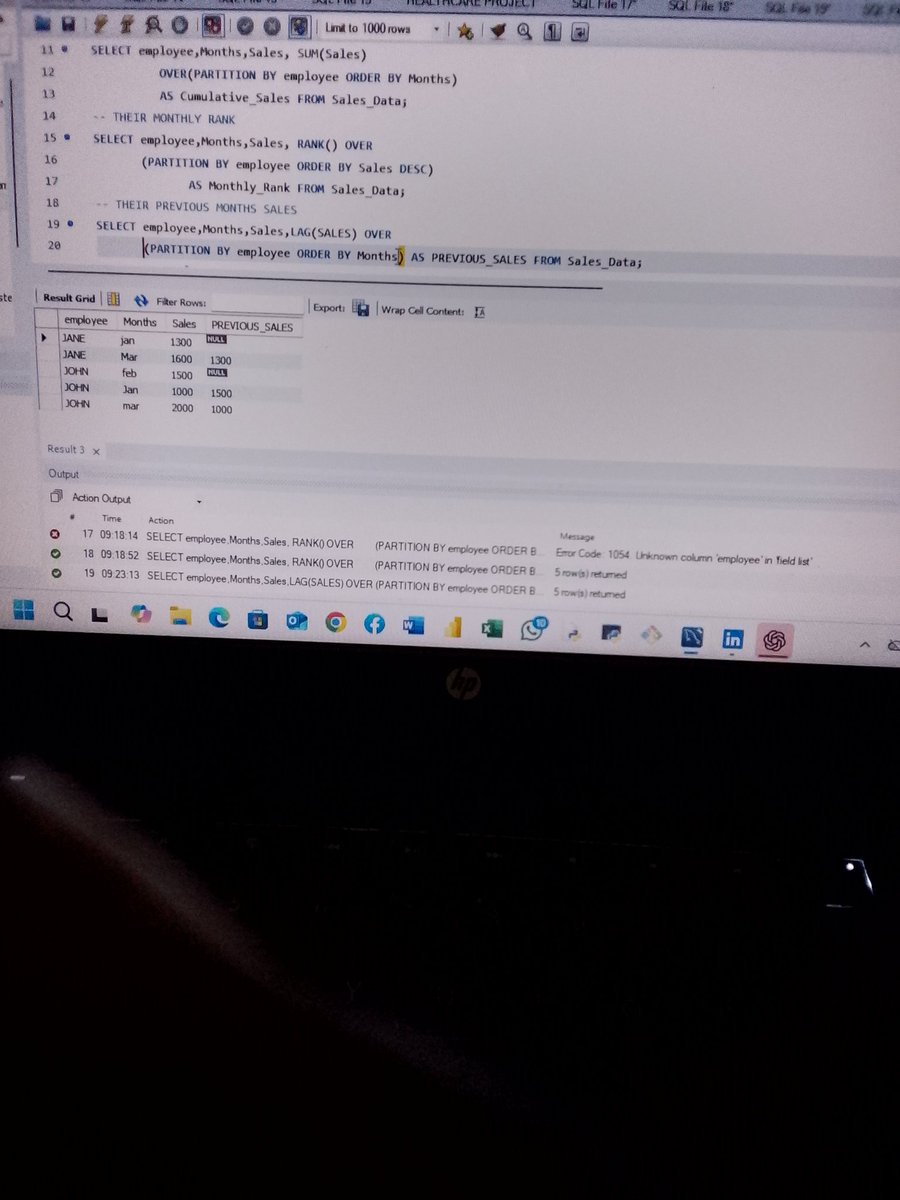
Day 31 of learning SQL 💻
Today I explored how to combine multiple window functions in a single query.
From running totals, to ranks, to moving averages,all working together without grouping or collapsing rows
#100DaysOfSQL #DataAnalytics #SQLLearning #LearningInPublic
1
3
61

2 Sep 2025
Back to work after a refreshing Ganesh Chaturthi break 🙌✨
Excited to continue my #DataEngineering journey with Python, SQL, and Azure 🚀
#LearningInPublic #DataScience #AI #pythonlearning #sqllearning
3
46


30 May 2025
6/ Each concept has sharpened my thinking and built my confidence with data.
Can’t wait to apply it all in real-world projects!
#WomenInTech #SQLLearning #DataJourney
1
2
20

28 Mar 2025
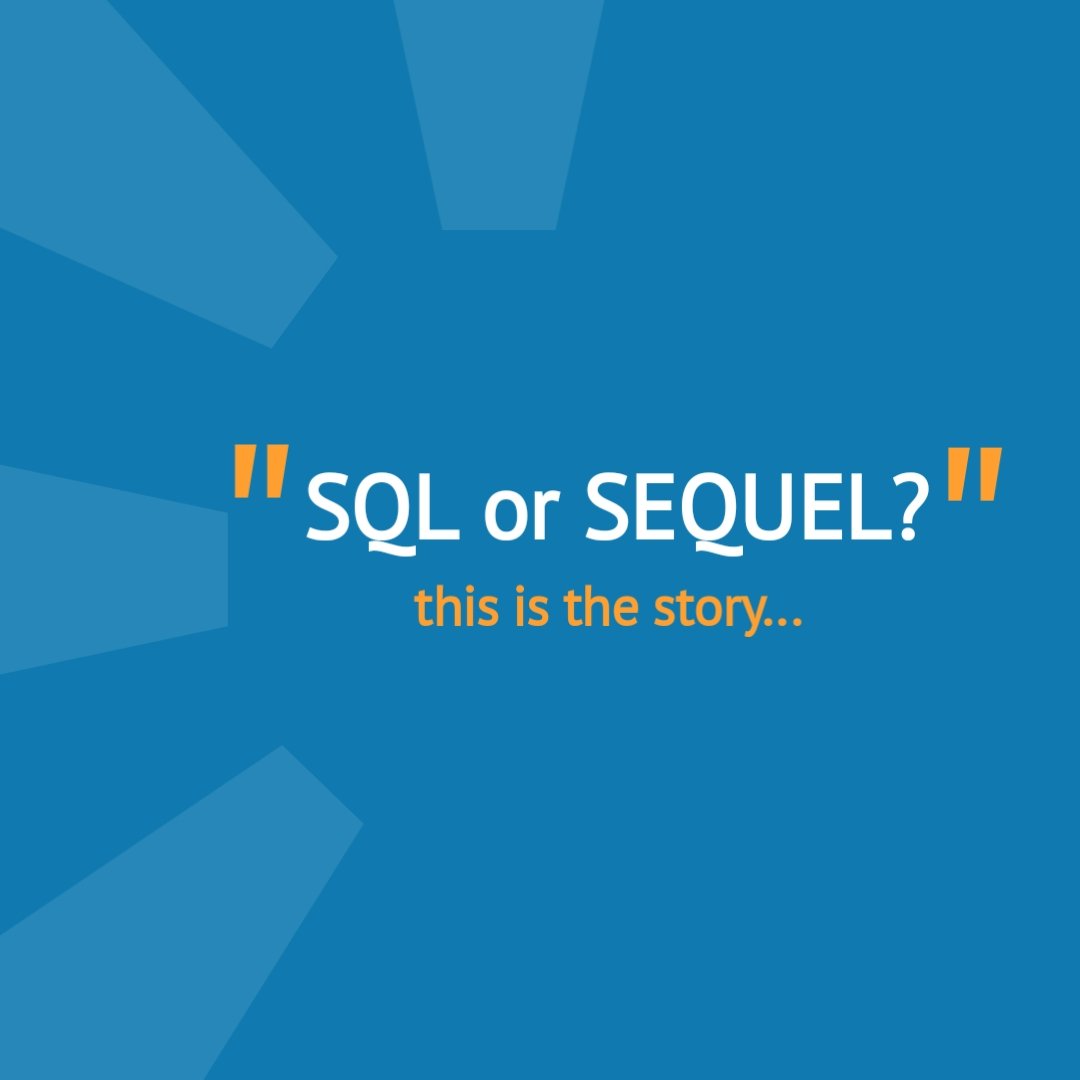
Chances are that you've heard SQL pronounced both as SQL and Sequel. So you might wonder which name is the correct?
#Sql
#SqlLearning
#DataAnalysis
1
2
4
58
26 Mar 2025
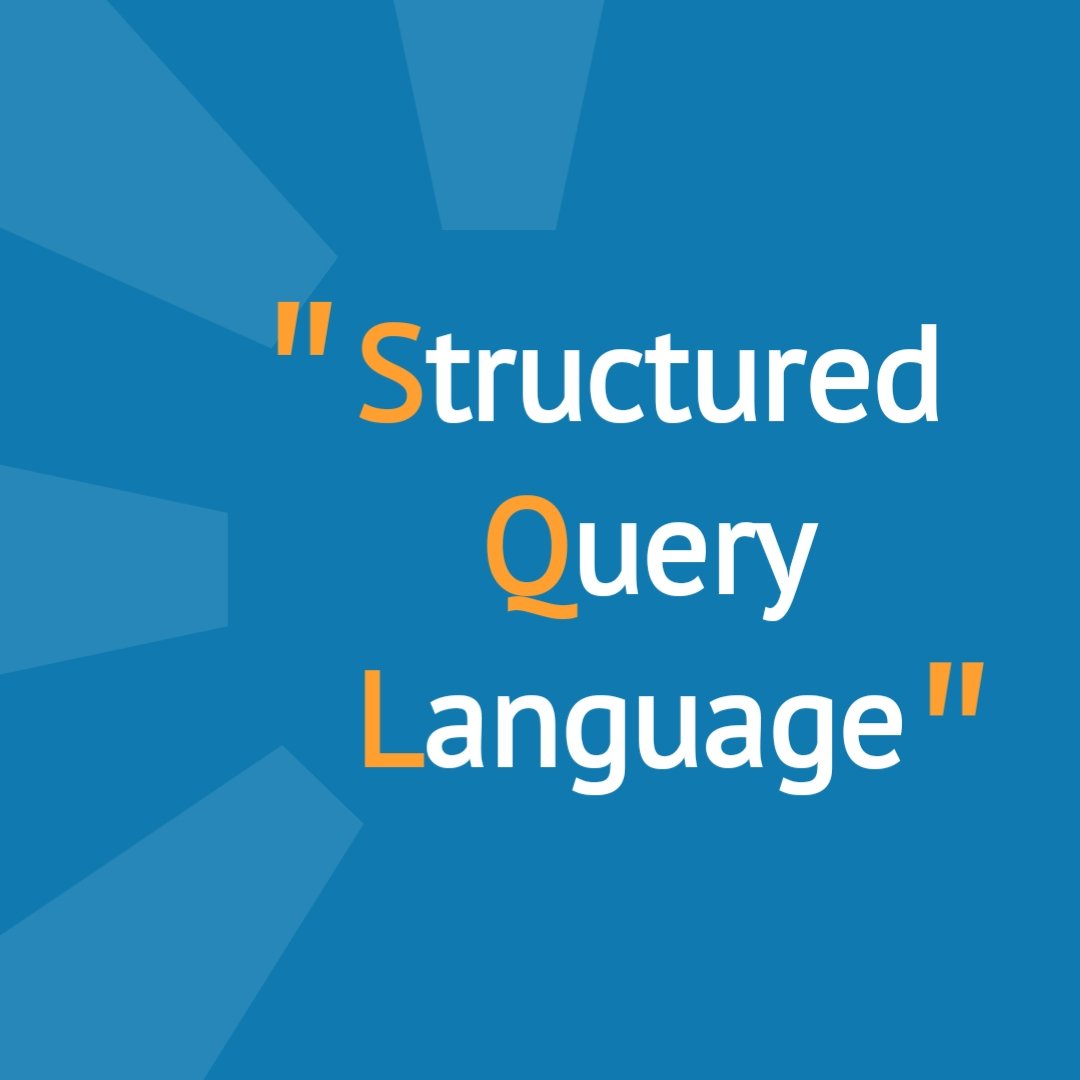
Most of these data are stored in RDBMS, so the knowledge of SQL is very critical for Data Analysts and Scientists because it helps them filter data, retrieve data, modify data and clean data e.t.c from RDBMS
#sql
#sqllearning
1
3
36
26 Mar 2025
WHY IS THIS PROGRAMMING LANGUAGE IMPORTANT TO DATA ANALYSTS AND DATA SCIENTISTS?
Data Scientist and data Analyst use data for most of their works. From analyzing data, drawing insights from the analysis and also making predictions based on data.
#sql
#sqllearning
1
1
3
48
26 Mar 2025
WHAT IS SQL?
SQL(Structured Query Language) is a standard programming language which is used for handling/ managing and manipulating structured data, usually in a Relational Database Management System (RDBMS) such as MySQL
#sql
#sqllearning
2
4
48