
Jun 8
💧 Acid–Base Effects of IV Fluids – Stewart Approach
Beyond bicarbonate: Strong Ion Difference
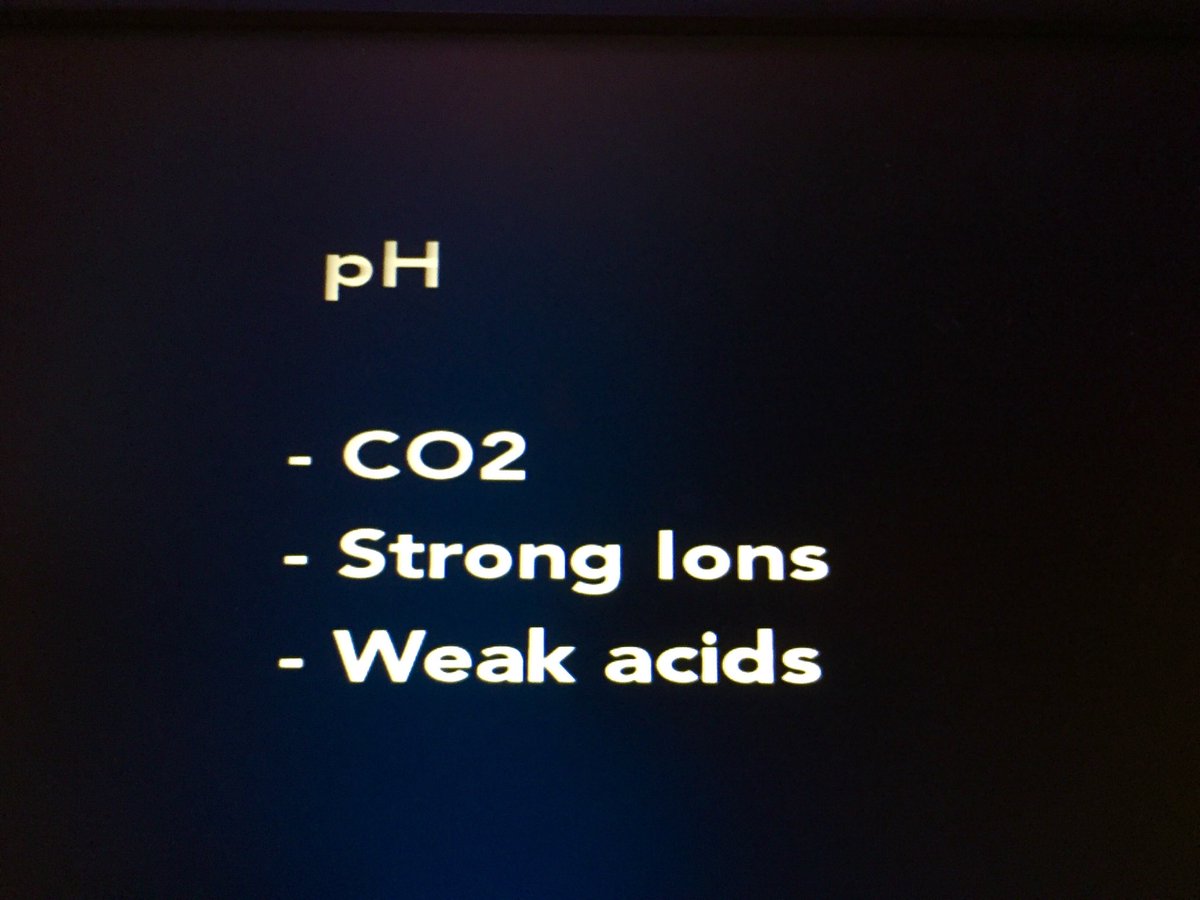
This chapter introduces the Stewart approach, where pH is determined by strong ion difference, PaCO₂ and weak acids rather than bicarbonate alone. It shows how chloride‑rich fluids reduce the strong ion difference and drive hyperchloremic metabolic acidosis, whereas balanced solutions better preserve acid–base equilibrium.
Clinical Application at the Bedside
Through worked examples, the authors demonstrate how to interpret ABGs after large volumes of saline vs balanced crystalloids. Recognizing fluid‑induced acid–base changes helps clinicians adjust both fluid choice and ventilatory strategy, especially in patients with sepsis, kidney injury or major surgery.
📘 Detailed figures and case discussions in the acid–base chapter: link.springer.com/book/10.10…
🔵 At IFAD 2026, a dedicated session will apply the Stewart approach to real ICU blood gases and fluid decisions.
👉Registration: fluidacademy.org/ifad-2026-r…
#AcidBase #StewartApproach #Chloride #ICU
46
131
6,418
27 Jun 2025
💡 Acid Base Homeostasis: Stewart Approach at the Bedside 🛏️
🔹 The Stewart Approach
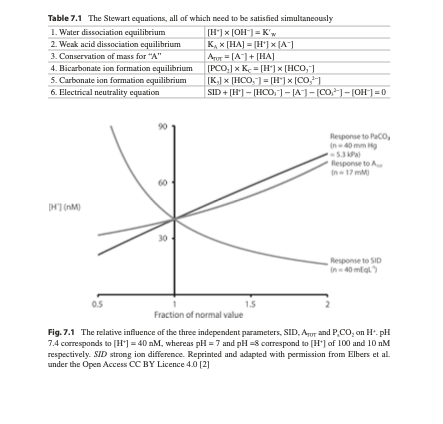
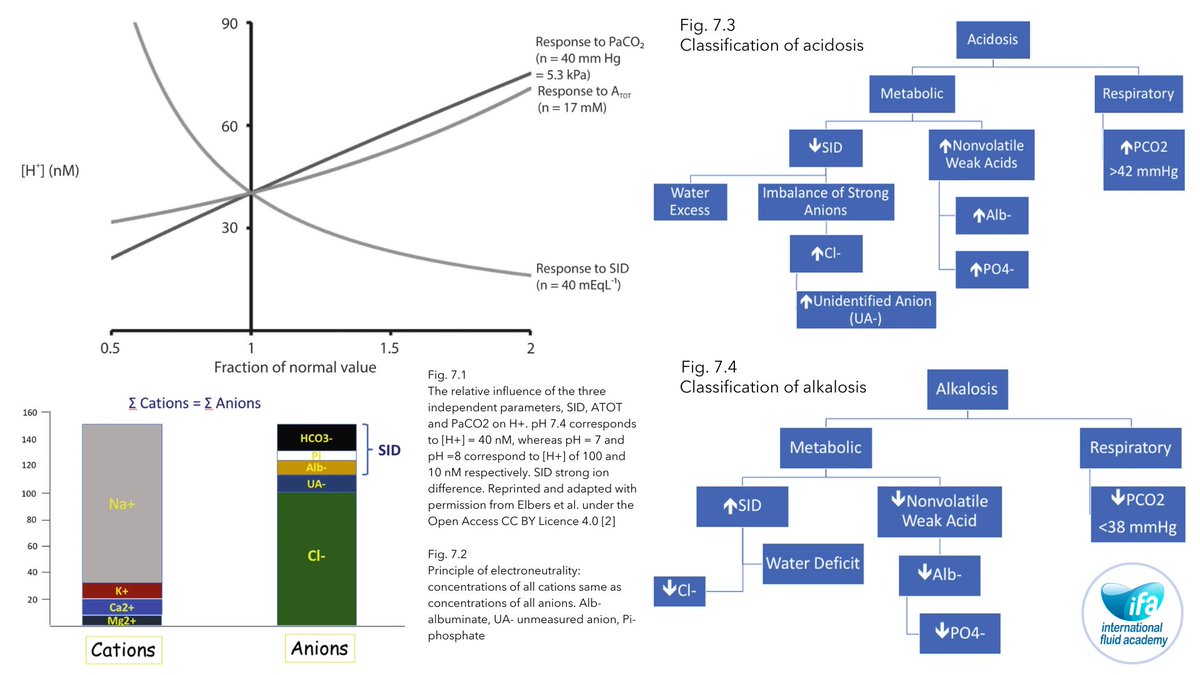
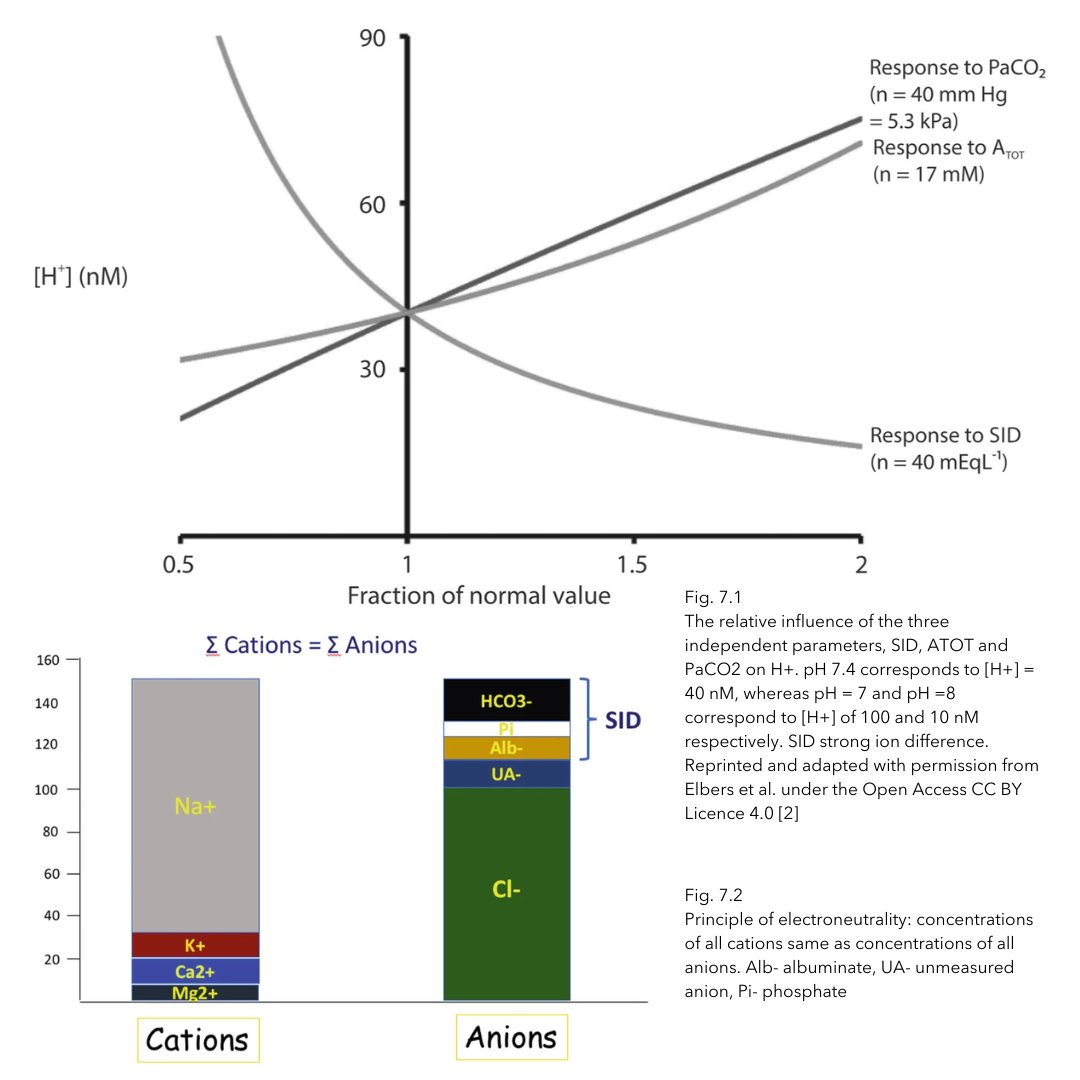
The Stewart approach to acid-base balance offers a modern and increasingly adopted framework in intensive care medicine. Unlike the traditional view, it posits that bicarbonate (HCO₃⁻) is not an independent variable influencing pH. Instead, Stewart emphasizes three key independent variables that govern hydrogen ion concentration—and thus pH—in any solution, including plasma (Fig. 7.1).
Importantly, the Stewart and Henderson-Hasselbalch equations are not contradictory; they are mathematically compatible. Stewart’s method simply provides a more comprehensive, mechanistic understanding of acid-base disturbances.
🔹 Physicochemical Perspective
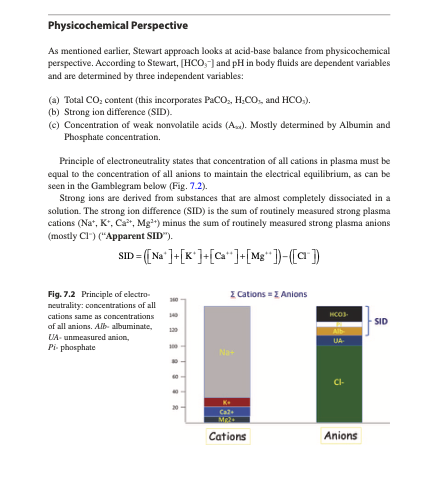
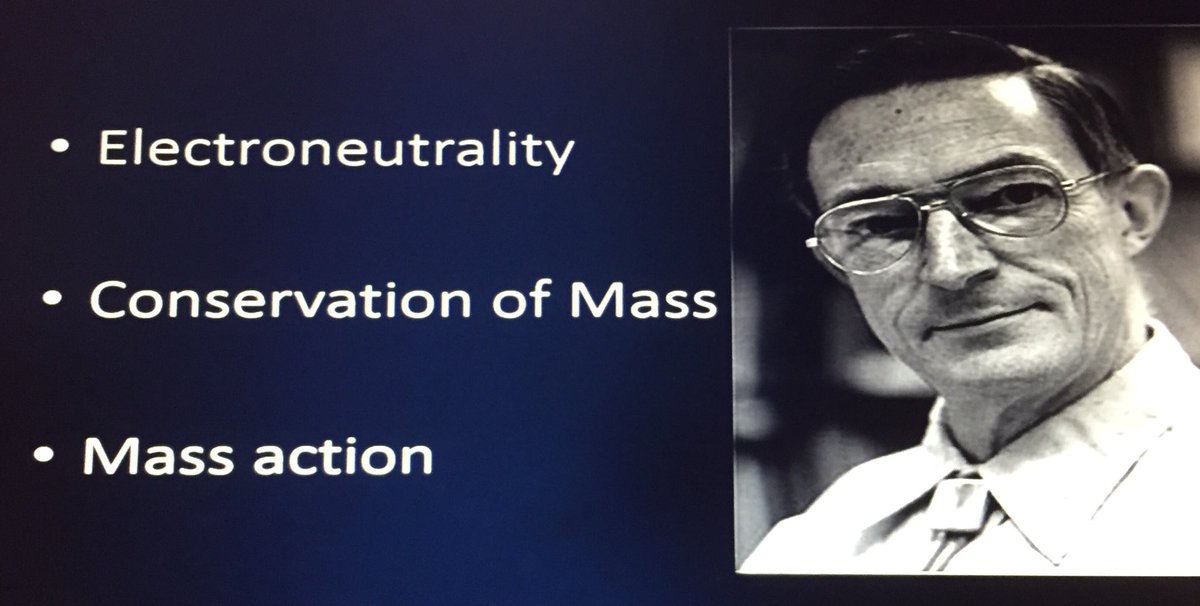
At the core of Stewart’s method lies the principle of electroneutrality: the total concentration of plasma cations must equal that of anions to maintain electrical neutrality. This balance is visually represented in the Gamblegram (Fig. 7.2), a tool that aids in interpreting complex electrolyte shifts from a physicochemical viewpoint.
🔹 Stewart at Bedside: Fencl-Stewart Approach
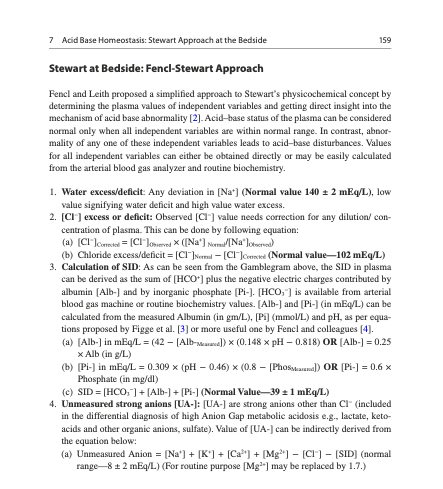
To make the Stewart model clinically practical, Fencl and Leith introduced a simplified bedside method. By analyzing plasma concentrations of the independent variables, clinicians can gain direct insight into the pathophysiology of acid-base disorders.
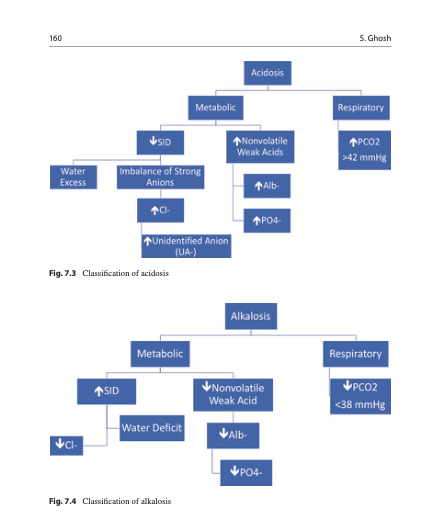
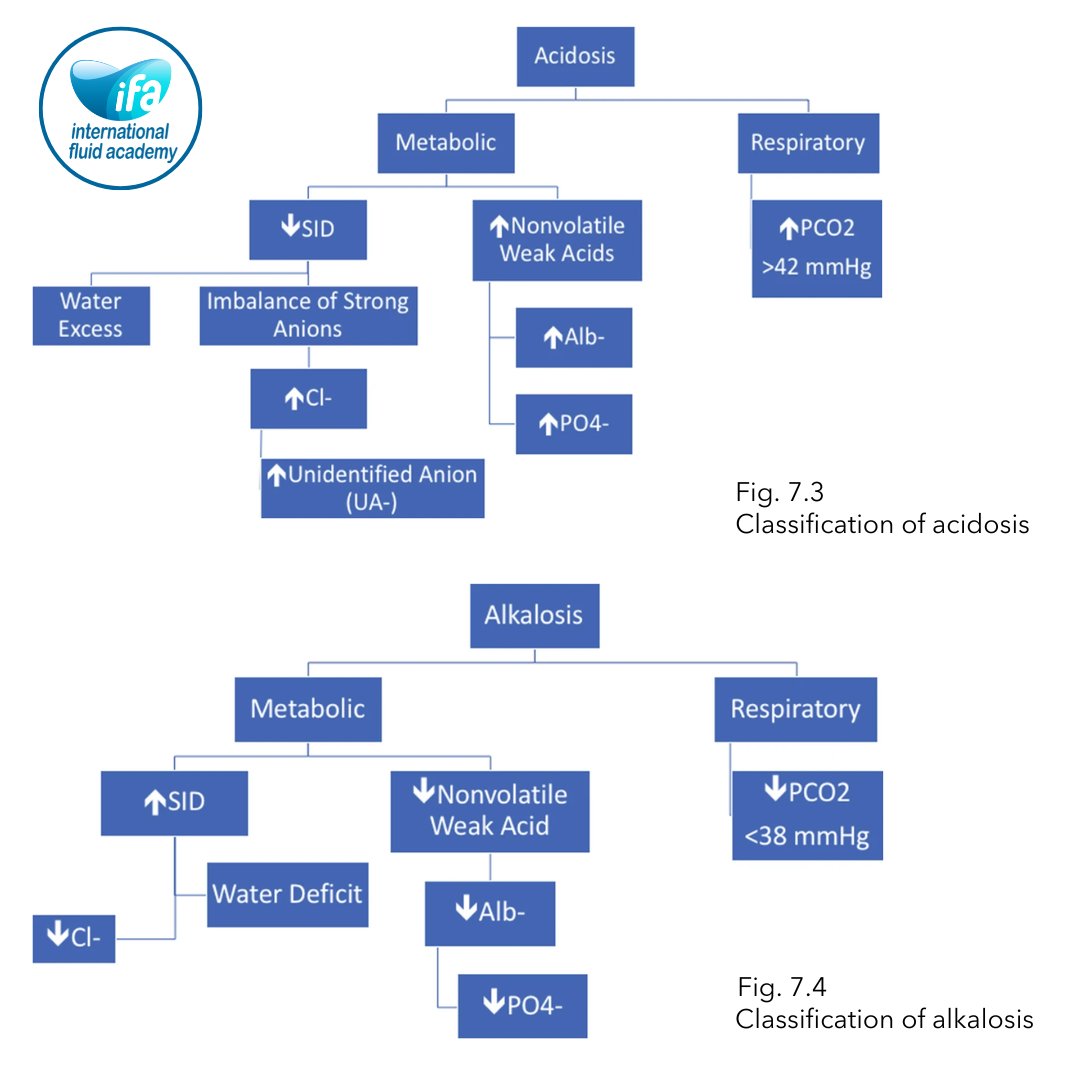
Using this method, causes of acidosis (pH < 7.38) are categorized as shown in Fig. 7.3, and alkalosis (pH > 7.42) in Fig. 7.4—offering a structured and reproducible diagnostic framework for bedside use.
🩺 Unlock these concepts and more on our Members Portal, where you’ll find in-depth content, bedside applications, and exclusive resources designed for healthcare professionals.
🔗 Join now and advance your expertise in fluid management and critical care: fluidacademy.mn.co/posts/rat…
#AcidBaseBalance #StewartApproach #CriticalCare #FluidManagement #MedicalEducation
64
194
9,645
16 Jan 2025
💡 Acid Base Homeostasis: Stewart Approach at the Bedside 🛏️
🔹 The Stewart Approach
The Stewart approach to acid-base balance is a fascinating method that is increasingly being used by the medical community and especially intensive care physicians. One of the key concepts of the new Stewart approach is that bicarbonate, or HCO3−, does not play any role in acid-base balance as opposed to the traditional and still generally used approach. Interestingly, Stewart does not deny the value of the Henderson Hasselbalch equation.
This implies that both approaches are mathematically compatible and that the Stewart approach may provide the overall and bigger picture. According to the Stewart approach, there are only three independent variables that determine the concentration of H and thus pH in any fluid, including plasma (Fig. 7.1).
🔹 Physicochemical Perspective
Principle of electroneutrality states that concentration of all cations in plasma must be equal to the concentration of all anions to maintain the electrical equilibrium, as can be seen in the Gamblegram below (Fig. 7.2).
🔹 Stewart at Bedside: Fencl-Stewart Approach
Fencl and Leith proposed a simplified approach to Stewart’s physicochemical concept by determining the plasma values of independent variables and getting direct insight into the mechanism of acid base abnormality [2].
Fencl-Stewart: Putting It All Together - causes of acidosis (pH < 7.38) can be re-classified and are depicted in Fig. 7.3. Causes of alkalosis (pH > 7.42) can be classified as shown in Fig. 7.4, following Fencl and Stewart approach.
🩺 Unlock these concepts and more on our Members Portal, where you'll find detailed insights, practical applications, and exclusive educational resources tailored for healthcare professionals.
🔗 Join now and elevate your expertise in fluid management and critical care: fluidacademy.mn.co/posts/rat…
#AcidBaseBalance #StewartApproach #CriticalCare #FluidManagement #MedicalEducation
58
176
9,034

23 Nov 2017
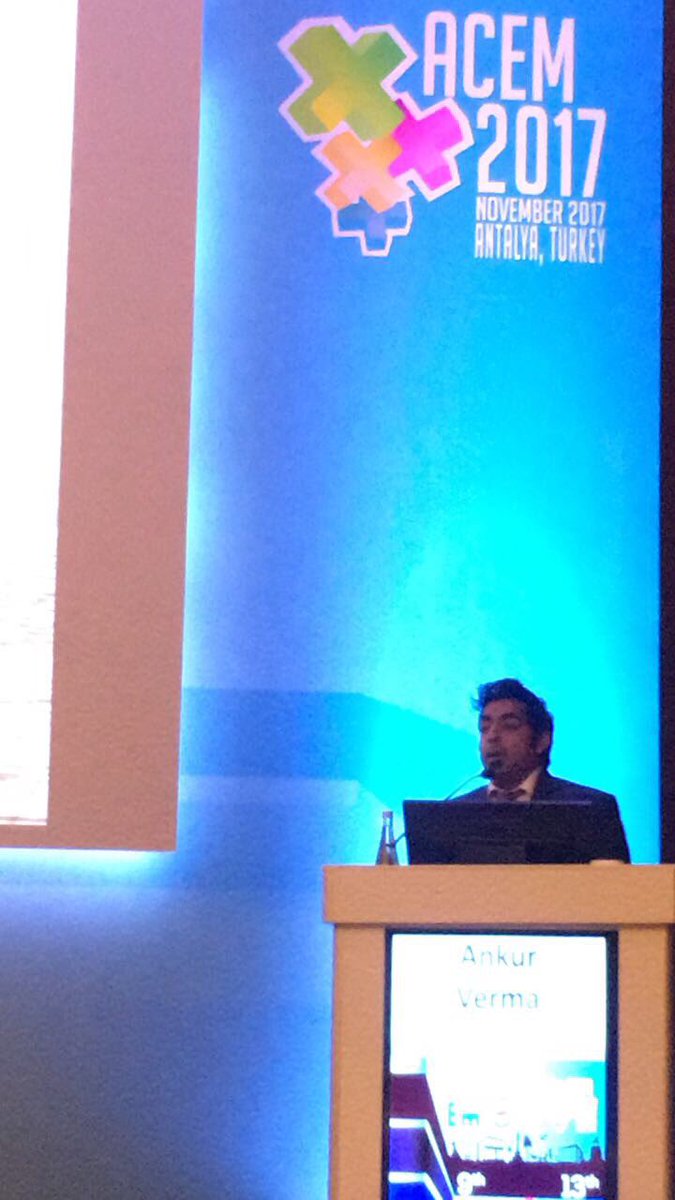
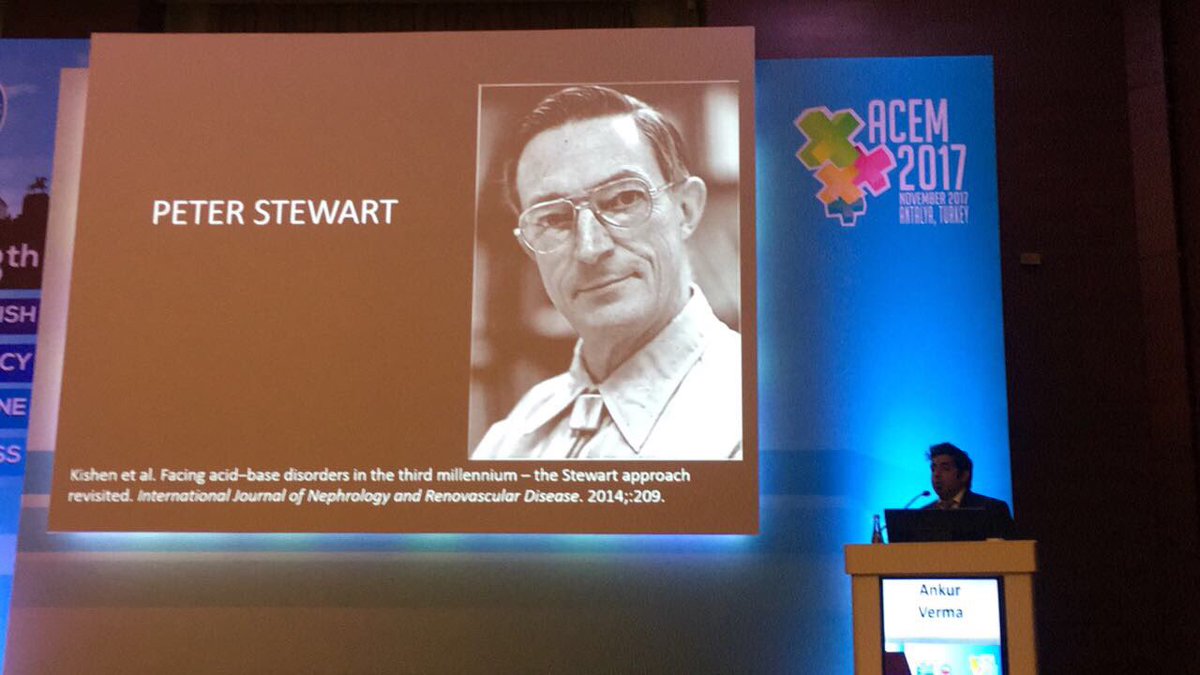
Stoked 2 have spoken on Acid Base! #stewartapproach #ACEM2017 @Tamorishprof @drbobby71sanjay @misraasit @EM_Educator @EMManchester

2
15

23 Nov 2017
4
3