Jade Siley-Winditt retweeted

This is crazy evident in Canada by the sheer number of 3/4 year olds you see being pushed around in strollers. So many preschoolers have next to no stamina when walking & when they do their moms hold their hand the entire time. It starts young and gets worse the older they get.
1
6
1,286
kamsterrr ☻ retweeted

Go to Disneyland and you’ll see so many kids in strollers that don’t even fit in them. Seeing them with iPads at Disneyland too is crazy. My 2 nieces weren’t taught anything, it’s like we’re teaching them common sense stuff that they she already know.
20h

In a new video, Jo Frost, aka Supernanny, warns that some modern parents are hindering their kids’ independence by choosing short-term convenience over teaching basic life skills.
The Instagram post featuring the video is filled with comments from teachers agreeing with her that it’s a growing concern.
@Jo_Frost
3
7
274
9,582

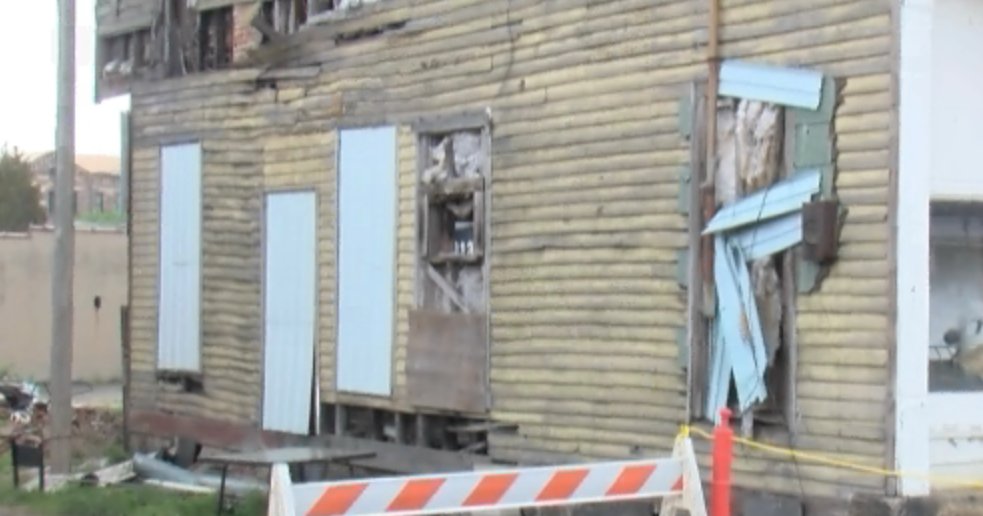
Downtown Cannelton is literally falling apart: crumbling brick, shifting sidewalks and a partial collapse have made the main street dangerous for strollers, shoppers and businesses. Residents say the damage has gone on 20 years while repairs stall.



👶 Mumzworld Code | كود ممزورلد 10% 🔥 Use Mumzworld Code for 10% OFF baby & mom essentials ✨💛 استخدمي كود خصم ممزورلد واحصلي على خصم 10٪ على مستلزمات الأطفال والأمومة 💸 ✨ Shop diapers, strollers & baby essentials for less #mumzworld #mumzworldcode #mumzworldcoupon


1
1
3

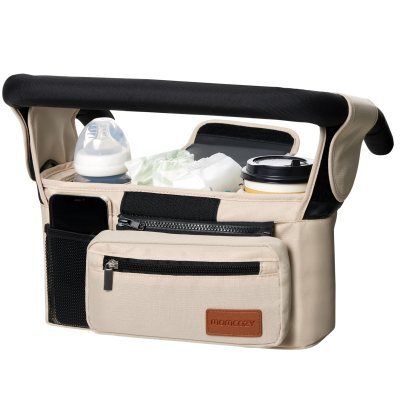
Momcozy Universal Baby Stroller Organizer, 2 Insulated Cup Holder, Detachable Zippered Pocket, Adjustable Shoulder Strap, Large capacity for baby essentials, Compact Design Fits Any Strollers
verifiedpricedrops.com/momco…
1

Meanwhile human moms are struggling with strollers and this cat’s out here with a built-in backpack system "
2
76

3h
Miranda carried the gown behind me.
I stopped in front of Constance and placed the appointment folder on the glass table between us.
“Thank you for the invitation,” I said. “I’ve had all the clarity I need.”
Derek straightened. “Vivian, come on.”
“I’ll see you later,” I said without looking at him.
Then I walked through the boutique, past the startled faces and the mirrored walls and the doorman opening the heavy front door for me, out into the bright Manhattan afternoon where people in sneakers and office shoes and strollers moved along Madison Avenue as if nothing had happened.
For them, nothing had.
For me, everything had.
Forty-seven hours before my wedding, I stopped being a woman about to join the Whitmore family.
I became a problem they had not measured correctly.
I had met Derek at the winter benefit for the Children’s Resilience Fund at The Plaza, which in retrospect should have been funny.
A charity gala for vulnerable children was not where I expected to find the man I nearly married. I had gone because our firm had underwritten the fund’s Northeast expansion, and my communications team had spent a week gently insisting that a visible appearance would help close a separate education initiative before year-end. I agreed on the condition that I could arrive late, skip the press wall, and leave before the auction.
At that point, the business magazines had already started calling me reclusive, which made me sound more mysterious than I was. The truth was simpler. Publicity complicated things. Publicity invited curiosity, and curiosity had sharp teeth when you were a woman who had made too much money too quickly without the blessing of an old last name. I let Ashford Capital Partners live loudly and chose to live as quietly as I could.
Most people in the finance and legal worlds called us ACP. Most people who read profile pieces knew the initials V.A., a handful of controlled photographs, and the fact that we were managing just over forty-seven billion dollars across private equity, distressed debt, and strategic restructurings. Fewer people understood how much of that machine I held with my own hands.
Derek, as it turned out, was one of those people.
I was standing near a table of miniature crab cakes, in a navy dress and low heels, answering a question from a foundation trustee about foster care retention metrics when he appeared at my elbow and said, “I have been trying to decide for the last ten minutes whether interrupting this conversation would make me rude or ambitious.”
I turned. He had a black tuxedo, kind eyes, and the kind of smile that suggested he had always moved easily through rooms like that one.
“Which did you land on?” I asked.
“That depends,” he said. “Do I get points for honesty?”
The trustee laughed and excused herself, which meant either Derek was charming or she recognized the opening and took it. Probably both.
He held out his hand. “Derek Whitmore.”
“Vivian.”
“Just Vivian?”
“Until I know whether you’re rude or ambitious.”…
1
1
429

because she was in the middle of stealing lollipops from some strollers
1
3
37

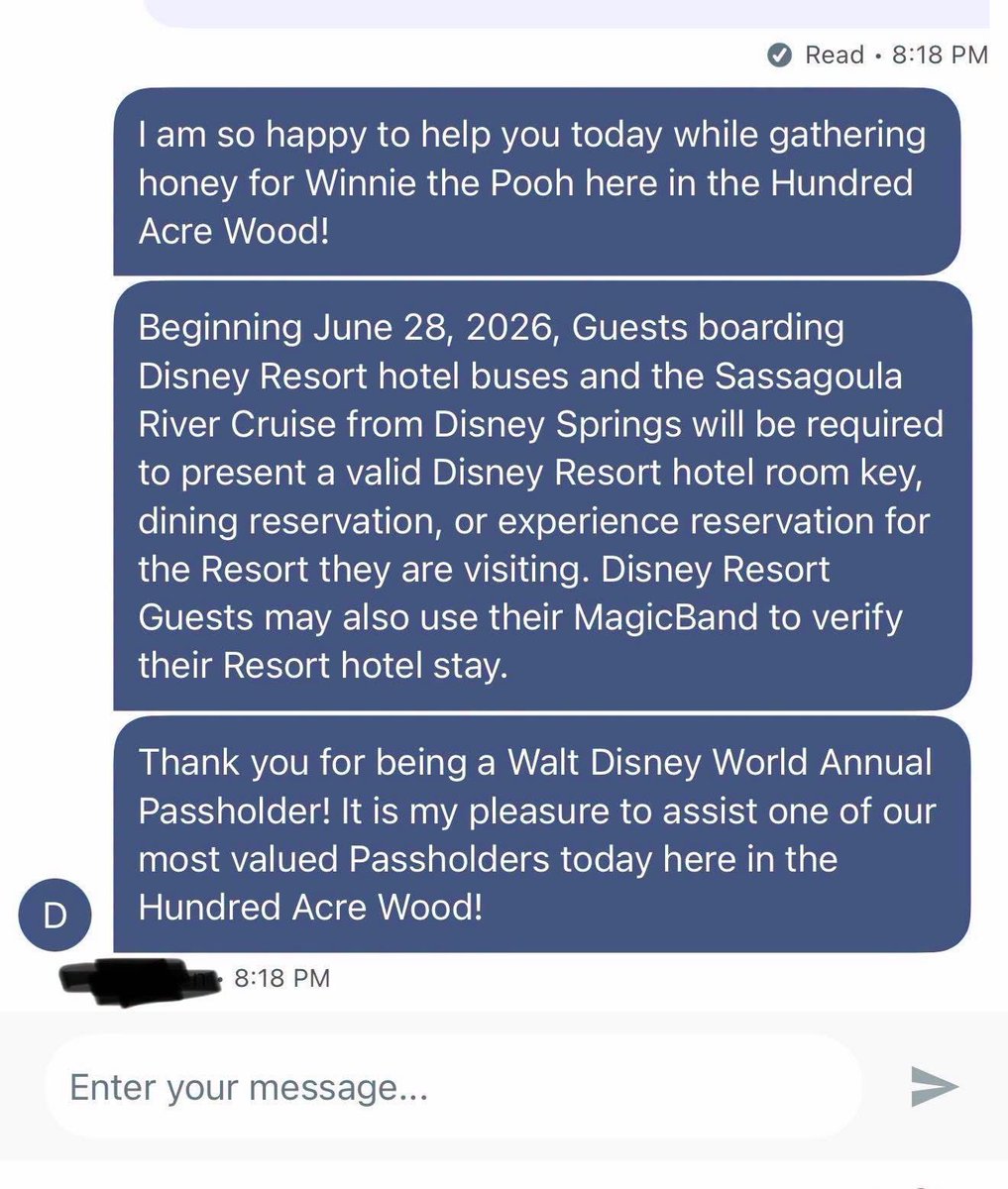
Looks like the port Orleans boats are targeted too. Here’s an idea, don’t let strollers and wheel chairs cut in front of the lines. That could help too.

1
31

Apparently, the basic design for the little umbrella strollers hasn’t changed much in 50 years.
1
106
Naqib A 𖤐 retweeted

13h
Cold winter air feels so purifying & I love seeing babies in their strollers all bundled up, so cuteee. It's a good day today♡♡
1
4
99

Yesss! We had this one too, totally light, collapsible. No big strollers. Also never carried a big unsightly diaper bag with my two kids. Just a trendy leather tote bag, very limited essentials
2
17

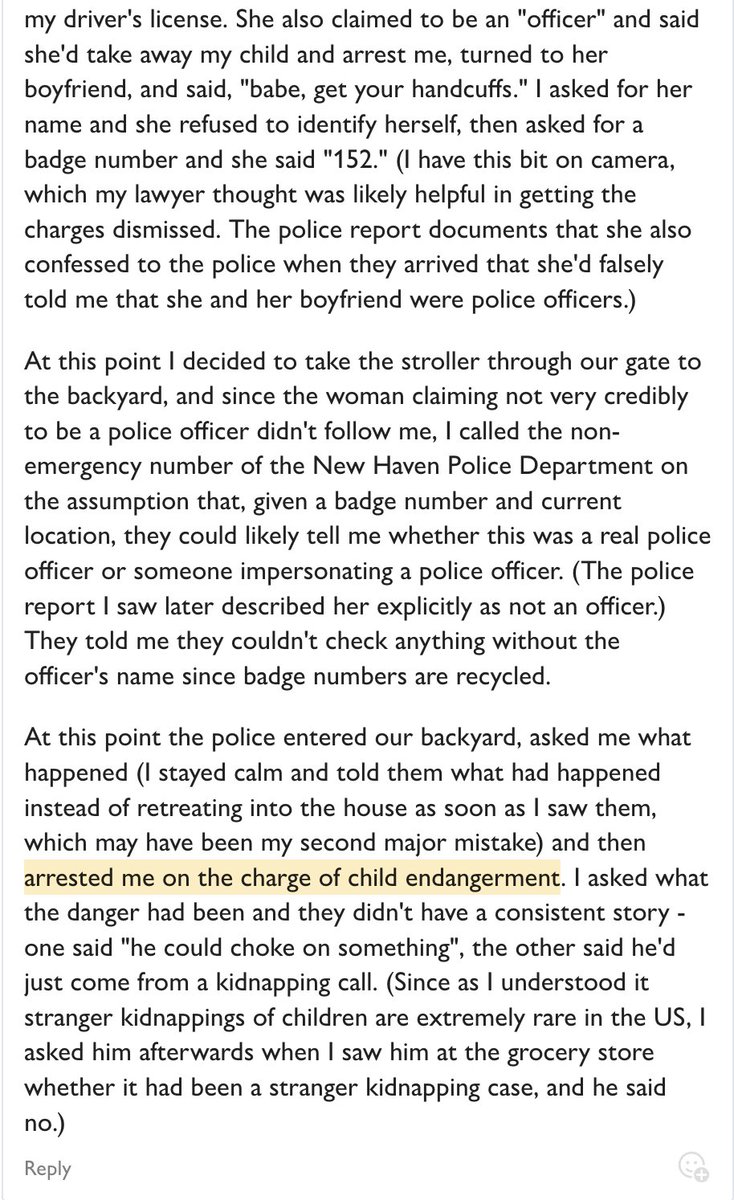
on the one hand I empathize with this guy and he is right that stranger kidnappings are extremely rare, but on the other hand, a man came up to me and my friend in a brewery in a nice area while our children were napping in their strollers and tried to grab them and walk away, right in front of us. I would never be out of arms reach of my small napping child in public ever, especially not after that incident. I was so stunned by it that it actually took me a full minute to realize the guy was a potential threat to us. he was shooed away by the manager and then they called the non emergency line and supposedly dispatched a social worker to patrol the area. insane. reopen the asylums honestly.

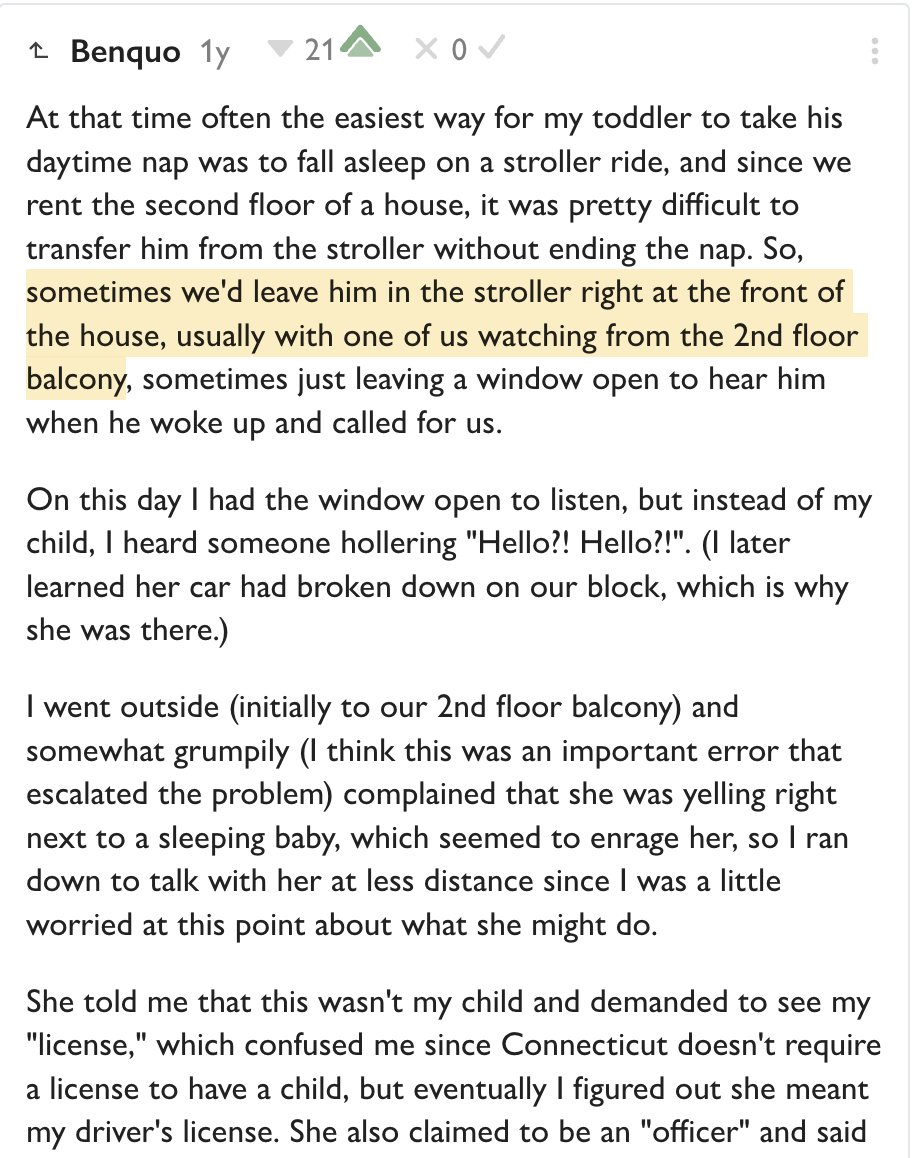
why do we allow this to happen? my friend was arrested for normal & safe parenting in Connecticut:
6
1
36
4,366

A lot of illegals steal items in their strollers even if the baby is in the stroller unbelievable!!
13