
An exit means people have found a way to leave the permission structure entirely. That is why true peer to peer systems are treated as threats while custodial products are celebrated as progress.
#leave #crypto #progress #threats #structuredesign #foundaway
1
7
201

From Categorization to Understanding 🎵
✅ Beyond genres and tags
✅ Emotion and context matter more
✅ Clear structure improves understanding
🌐 playpushgroup.com
#MusicDiscovery #ContentUnderstanding #ListeningContext #StructureDesign #MusicPlatform

13
54
3,054

19 May 2025
🏠 Building dream structures! 🛠️ Expert in modern designs with precise formwork. Contact 📞 254 715 394012 for tailored solutions! #Construction #ModernHomes #StructureDesign #BuildingExperts
1
1
2
81

21 Feb 2025
2/3
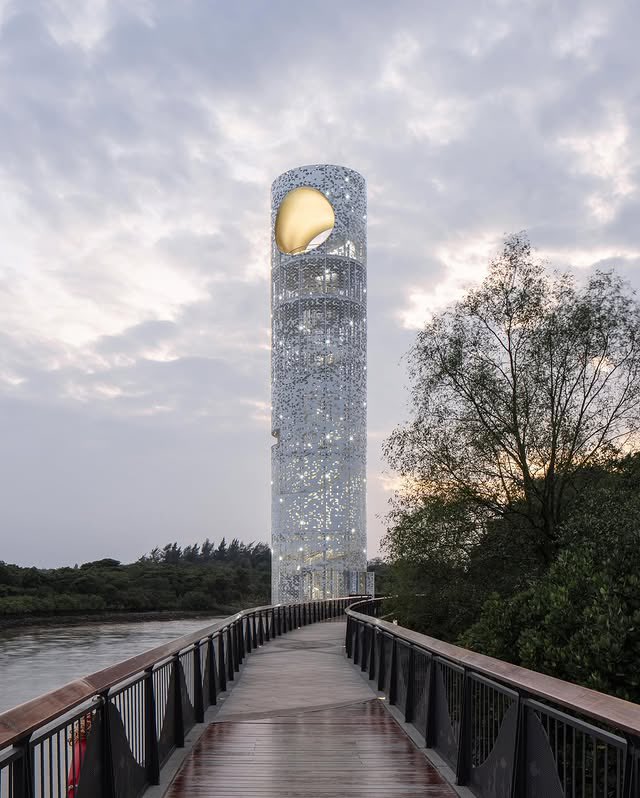
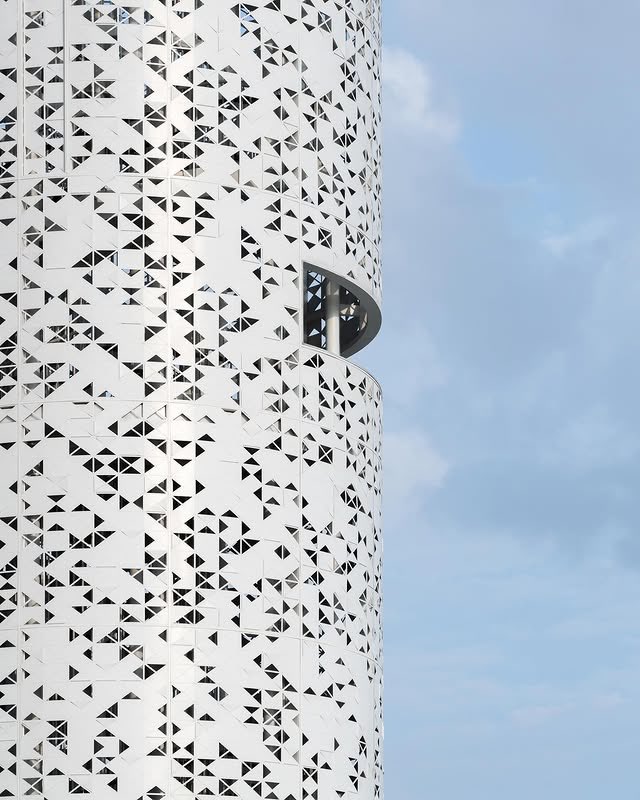
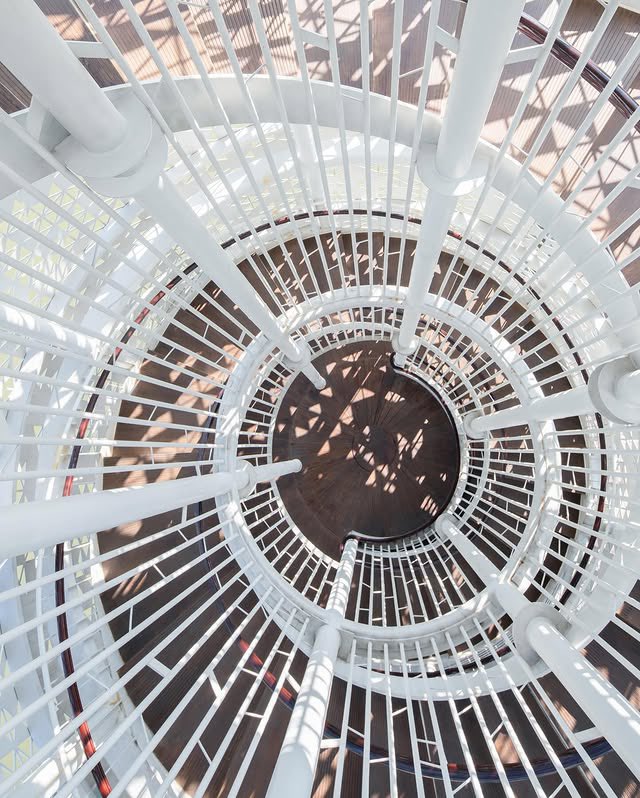
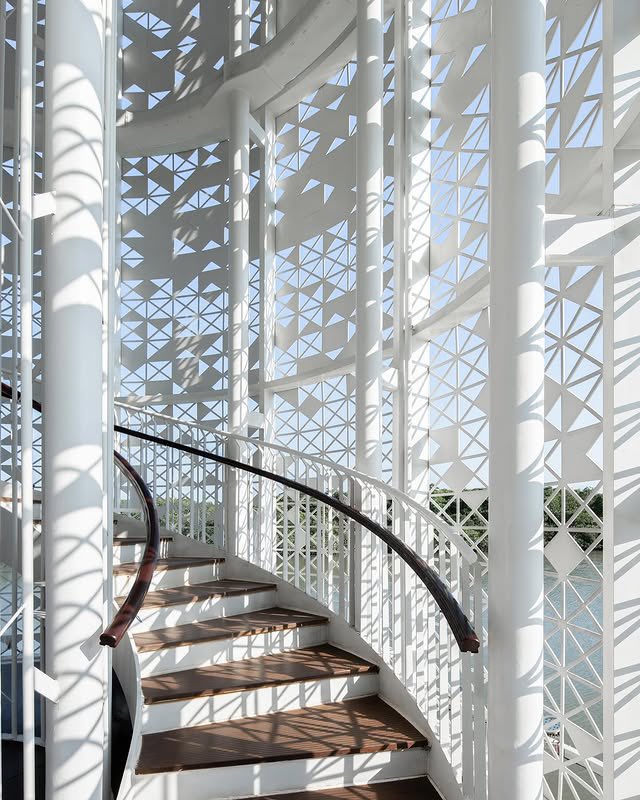
Inspired by the local mangroves, the gradient pattern facade reflects the delicate shapes of mangrove leaves, ensuring the tower harmonizes with its environment. Observation platforms positioned at 12m, 24m, and 27m, connected by spiral staircases, offer diverse perspectives of the stunning coastal landscape. The pinnacle, reminiscent of a rising moon, gradually illuminates at dusk, casting a poetic glow over the reserve. Awarded by Architecture Master Prize, The Lunar Tower not only serves as a scenic lookout but also as an embodiment of thoughtful environmental integration.
#parametricarchitecture #culturallandmark #architecturephotography #designinspiration #china #structuredesign
1
2
11
849

2 Jan 2025
नवीन वर्षातील पहिला प्रोजेक्ट फायनल झाला आज.. असेच काम येत राहो हीच अपेक्षा..
#StructureDesign
5
24
821

31 Oct 2024
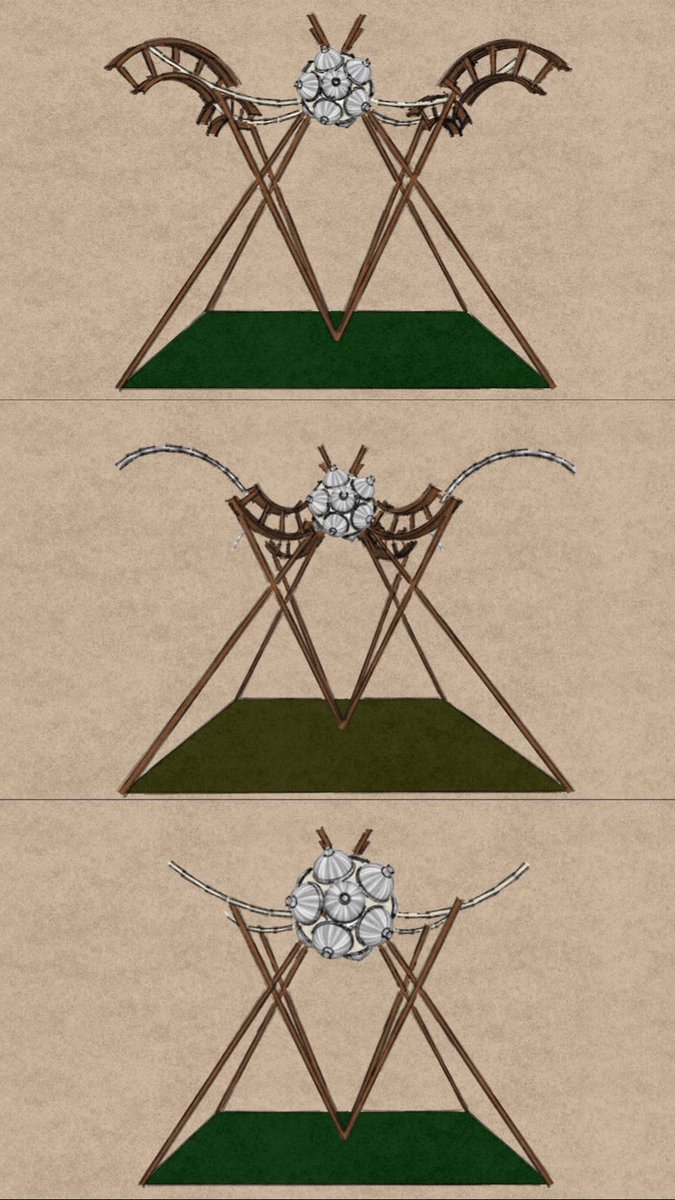
Dodecahedron blossom stage structure calculating and designing for music festival in Taiwan
꒰ঌ꒰ ᐢ˶. ༝ .ᐢ˶꒱໒꒱
#musicfestival #structuredesign #stagedesign #dodecahedron
3
110
30 Oct 2024
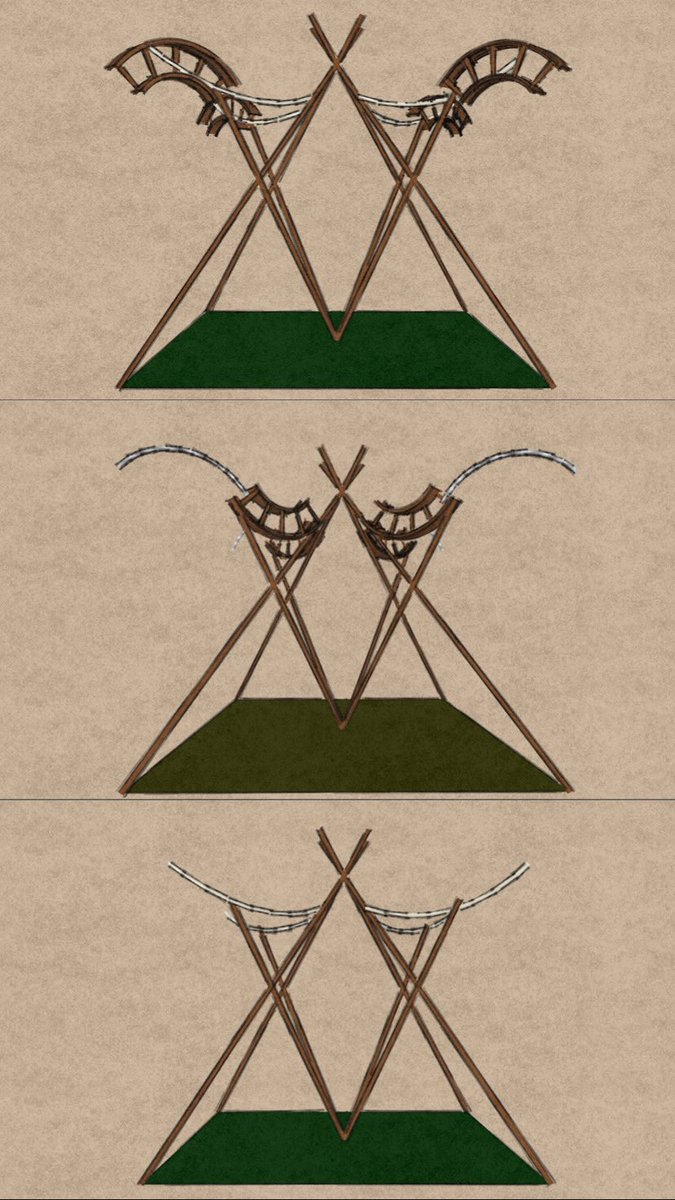
Stage structure calculating and sketching for music festival in Taiwan
☆゚・*コト(*′∀`人′∀`*)ョ□*・゚★
#musicfestival #structuredesign #stagedesign
3
91

20 Oct 2024
Is organizing code in Kotlin like herding cats on a surfboard?
Source: devhubby.com/thread/how-to-s…
#AndroidDevelopment #LearnToCode #CodingStyle #SoftwareDevelopment #kotlin #structuredesign
6
56

19 Jun 2024
Read our new blog on the Structural 3D Modeling ⭐
🌏caddesigner.jimdosite.com/bl…
#3DModeling #StructureDesign #ArchitecturalDesign #Engineering #Construction #CAD #BuildingDesign #DigitalDesign #BIM #DesignProcess #EngineeringTechnology #VirtualDesign #blog #blogpost
3
126

𝟏𝟎 𝐌𝐚𝐫𝐥𝐚 𝐁𝐞𝐚𝐮𝐭𝐢𝐟𝐮𝐥 𝐇𝐨𝐮𝐬𝐞 𝐅𝐨𝐫 𝐒𝐚𝐥𝐞 𝐢𝐧 𝐁𝐚𝐡𝐫𝐢𝐚 𝐎𝐫𝐜𝐡𝐚𝐫𝐝 𝐋𝐚𝐡𝐨𝐫𝐞 #houseforsale #housesales #housebeautiful #housemusic #architecture #interiordesign #structuredesign #bahriatowndesigner
1
1
100

13 Nov 2023
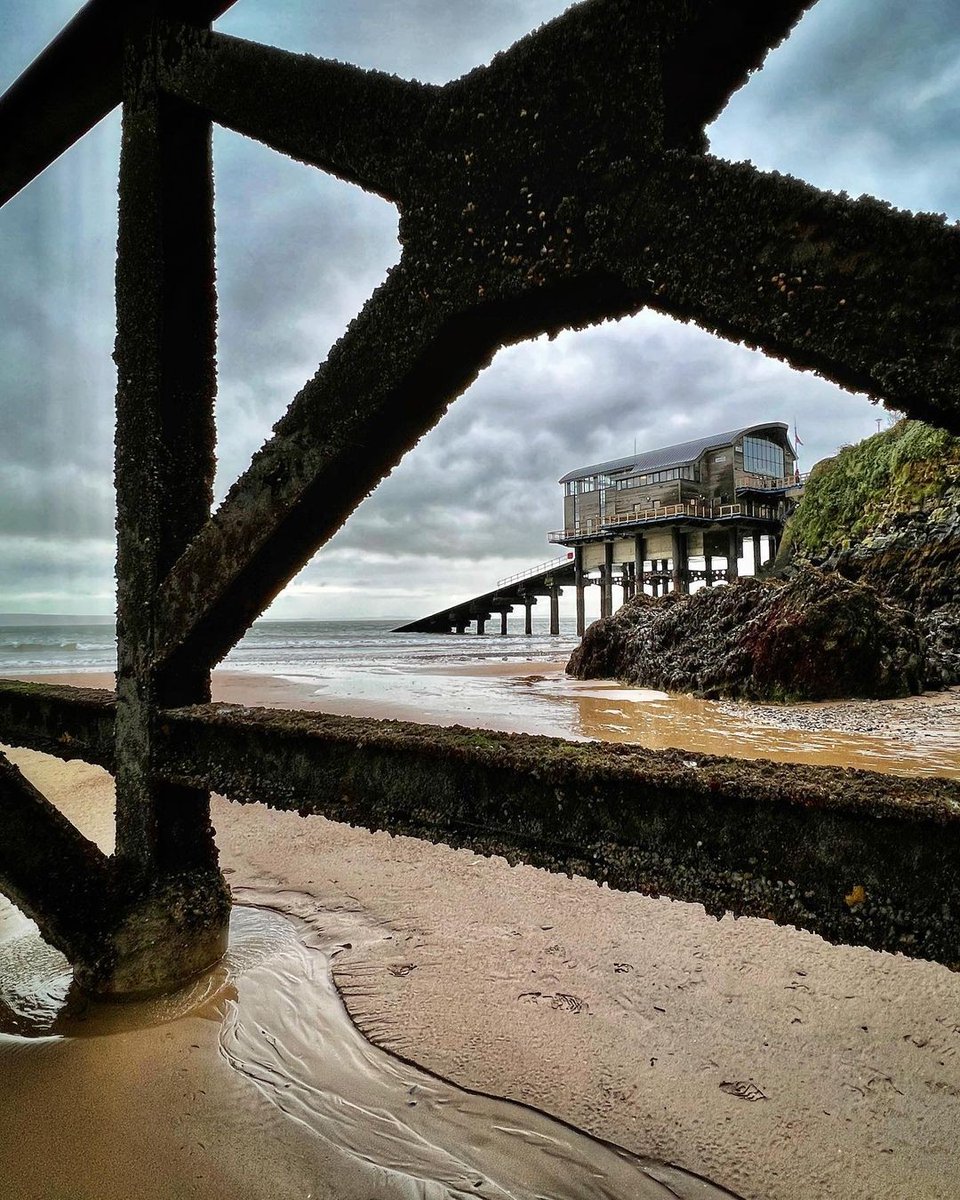
Moody Skies Over Tenby Lifeboat Station
Photo by @minkych0p
#tenby #aroundtenby #tenbylifeboat #lifeboatstation #tenbybeach #beachphotography #structure_bestshots #structures_greatshots #structuredesign #rnli #moodysky
2
29
780

21 Oct 2023
Manipulating the ligaments of the uterus and bladder :
Numerous people are surprised to find out that these complaints are triggered by a common structure!
.
.
.
#triggered #discover #manipulate #treat #structuredesign
3
961

15 Aug 2023
Investing in the right team of contractors and techniques can make all the difference and ensure the best outcome in constructions of homes, apartments, commerical building among others. #architecture #structuredesign #remodeling #investment
ste-trahgeneralcontractorslt…
1
1
6
305

7 Jul 2023
If designing better, more efficiently, and more sustainably is on your list, then you’re going to love what’s new in the #SOLIDWORKS browser-based design roles for #parametricmodeling, #structuredesign, #SubD modeling and more. go.solidworks.com/04J
1
2
6
1,373

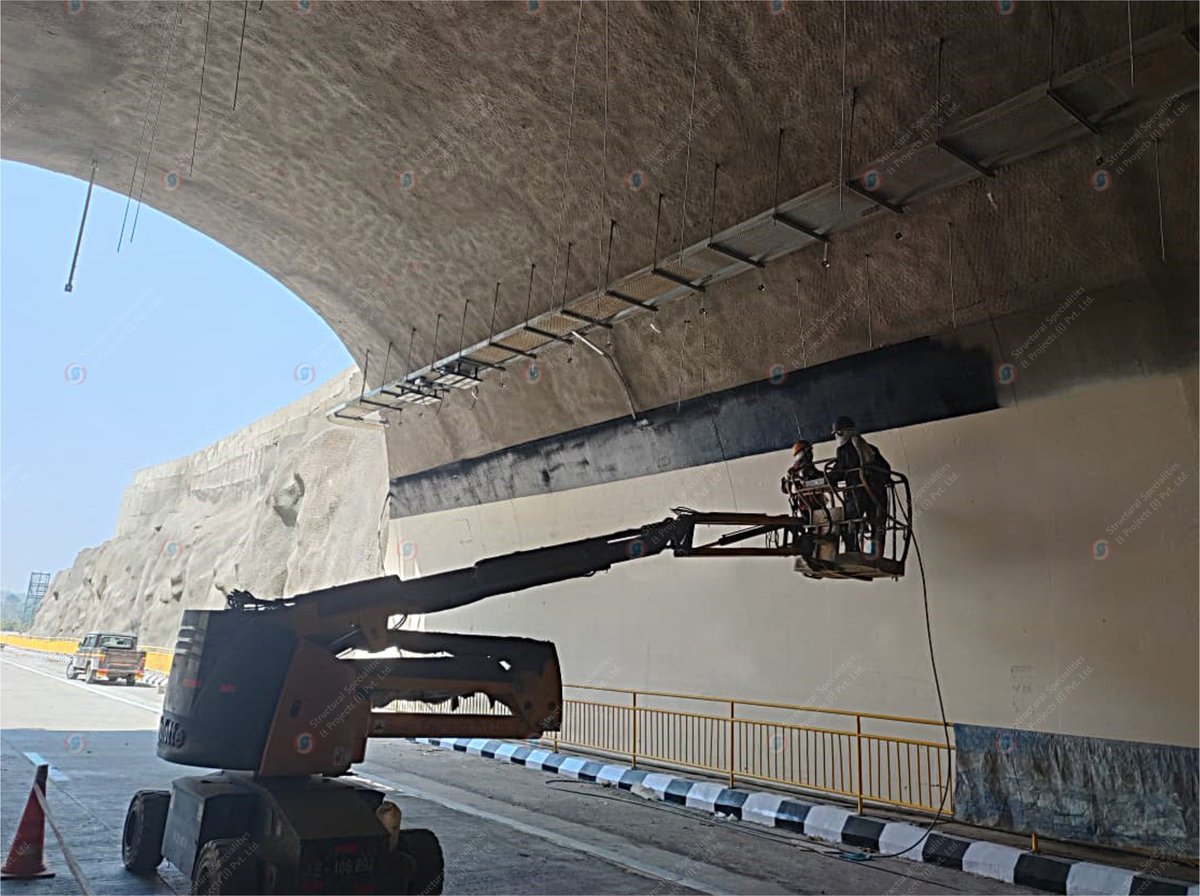
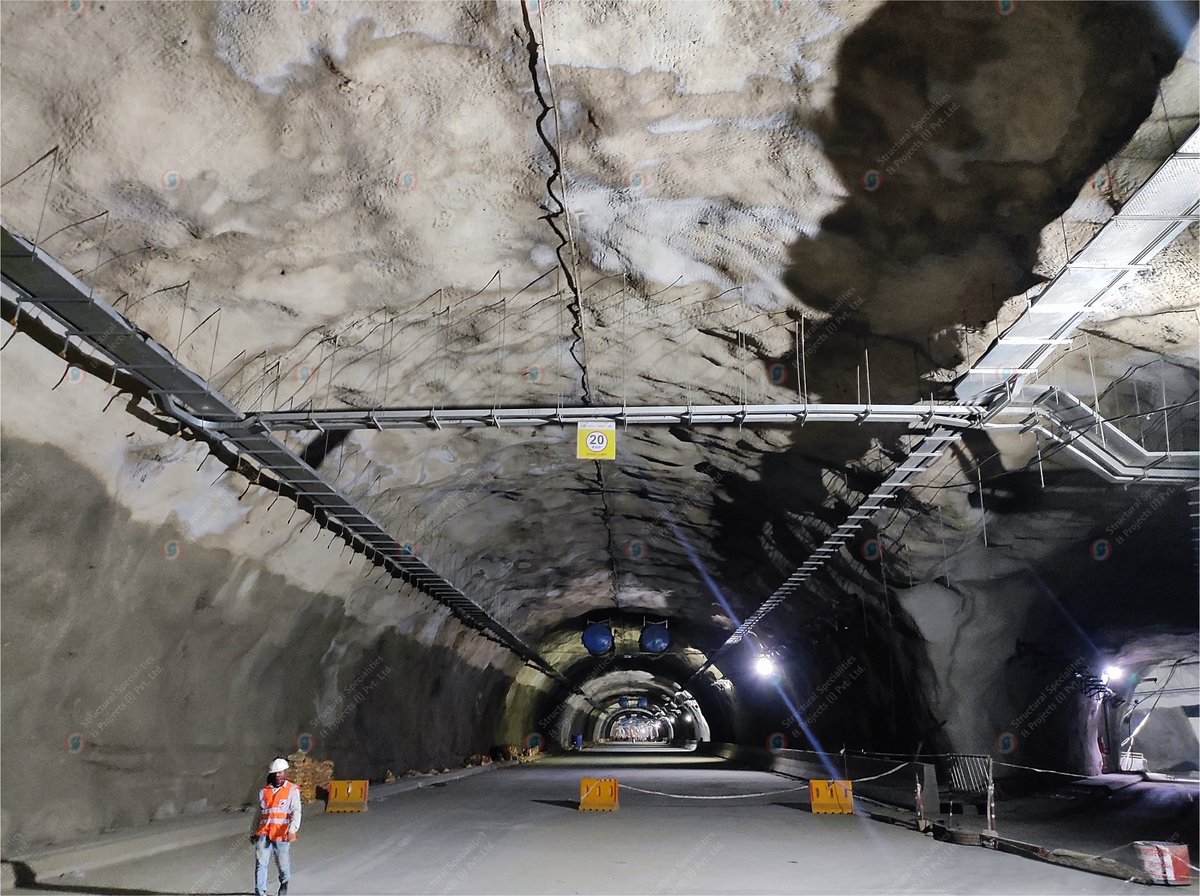
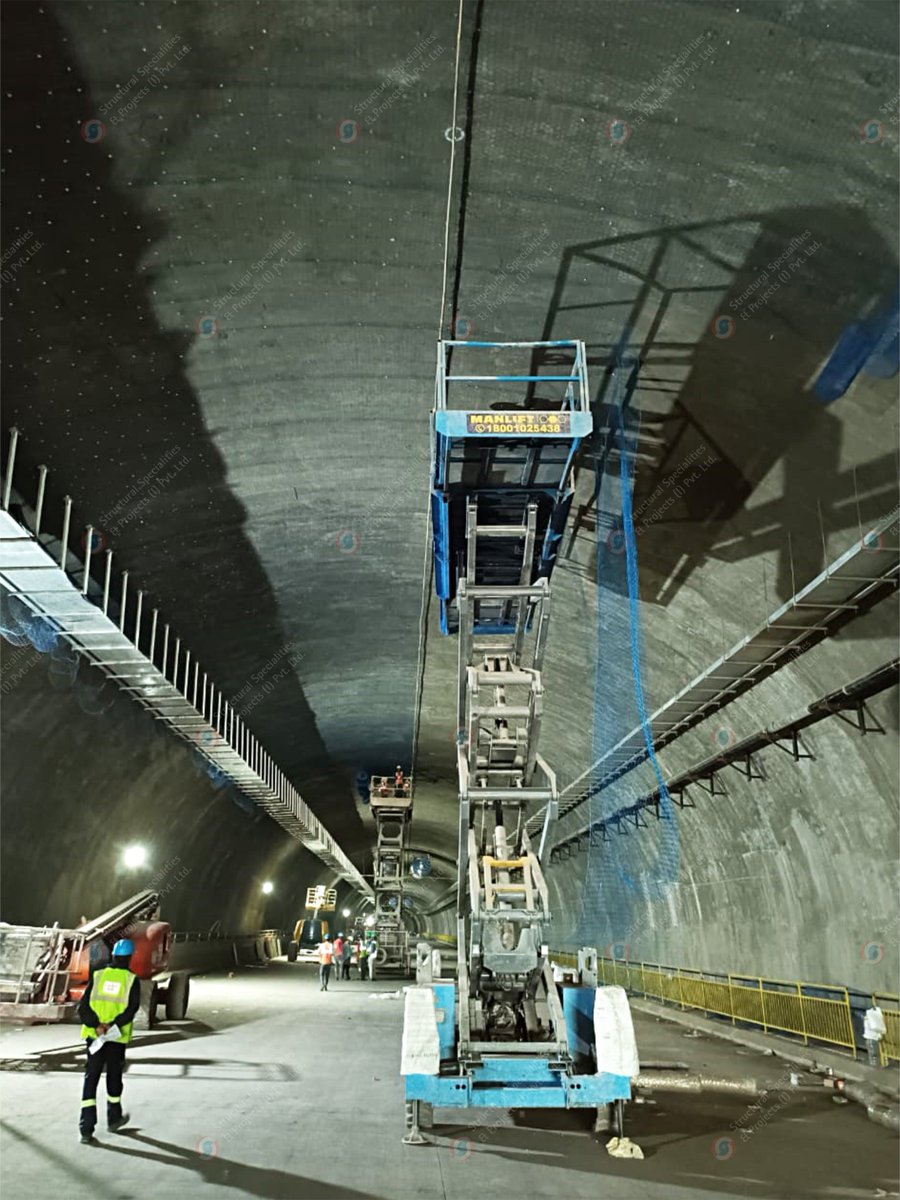

16 Jun 2023
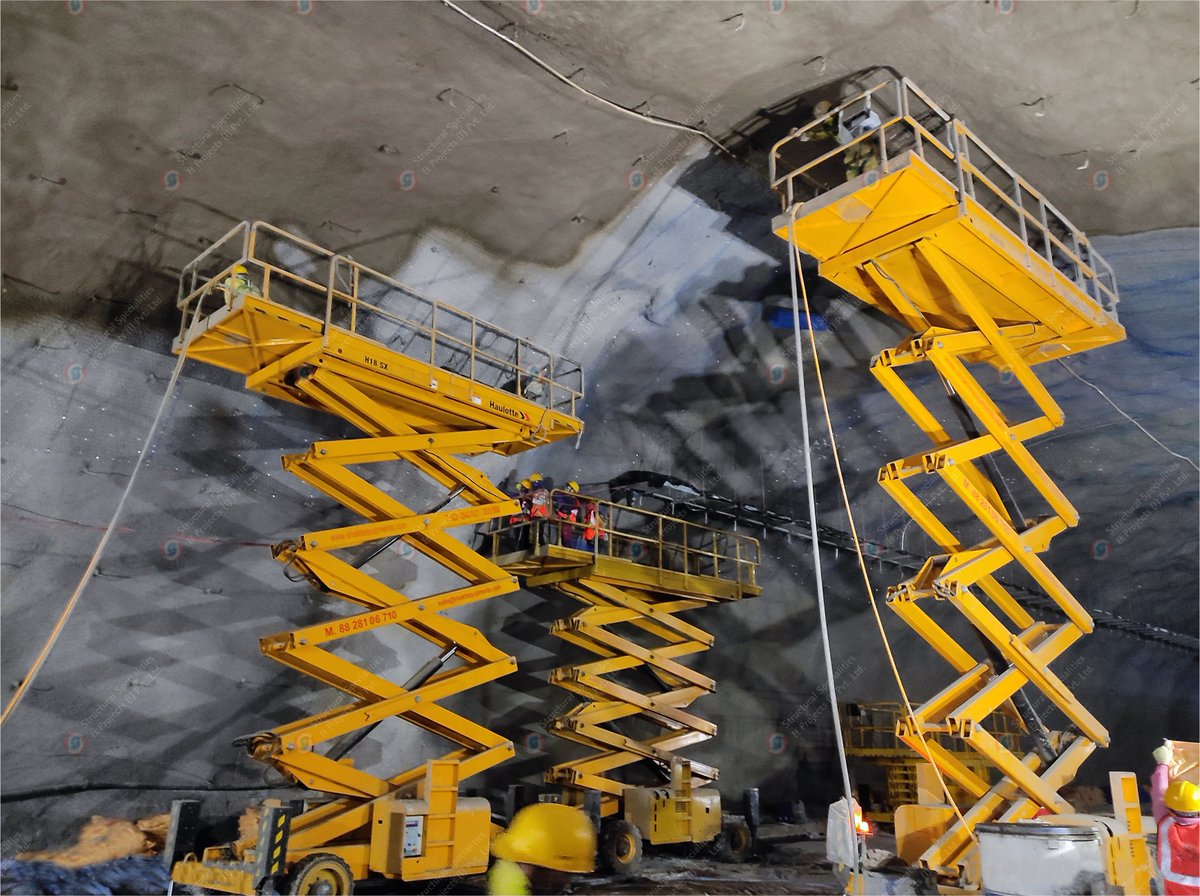
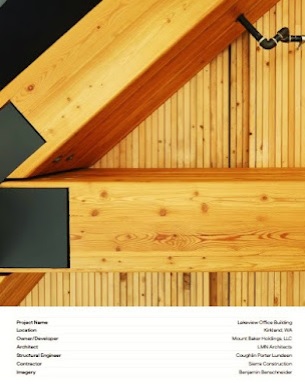
"Mass Timber Design Manual"; woodworks.org/resources/mass…, last accessed on 6.15.2023.
#masstimber #climate #climateemergency #decarbonization #architecturedesign #architecturestructure #structuredesign #buildingmaterials #ecosystem #Sustainability #Construction
1
3
83

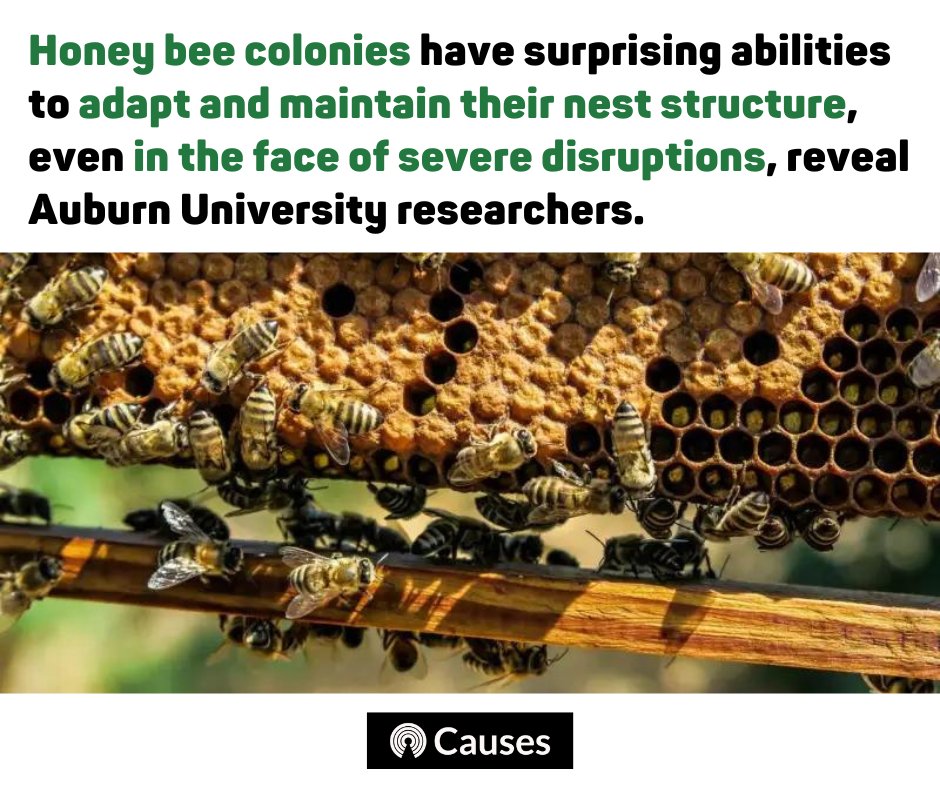
Honey bee colonies have surprising abilities to adapt and maintain their nest structure, even in the face of severe disruptions, reveal Auburn University researchers.
#honeybee #beecolony #auburnuniversity #structuredesign #researchers
2
99

Why do airplanes store fuel in their wings, Why not in the fuselage?
Or is it to take advantage of the extra space of the wings?
All airplanes in service, can store fuel in the belly of the aircraft, in the wings, in the rear tail-plane and/or in the cargo sections (for extending the range).
Now, out of all the fuel storages available, airplanes carry around 70-80% of the fuel on board in its two wings.
While refuelling, the fuel is first filled in the wings and, if required at last, then only the centre tank is filled up.
But what is the main reason behind such fuel arrangement in most airplanes?
The Main and the only reason behind it is providing Wing Bending Relief.
In order to understand it, we must know what happens when the wing generates lift. When the wings are producing lift, the immense force under the wings causes them to bend upwards, specially towards the tips of the wings.
That doesn't mean that the wings will break up in flight. The wings are actually designed to be flexible enough to bear the structural loads in flight (especially G-forces due to gusts, turbulence, and turns), without breaking or discomforting the passengers inside. This is known as Wing Flex.
But as always, there are limits to such flexes. They also put stress on the wing roots while they bear those g-forces.
That is why, fuel is stored in the wings. When the wings are laden with tons of loads of fuel, it provides some sort of relief to the wings, when it comes to wing bending moments.
And the reason for not filling so much of fuel in the body tanks is keeping the fuselage of the airplane as light as possible.
Since the wings are now heavier, and the fuselage is lighter, it will reduce the stress on the wing roots.
And as stated in the question, it also utilizes the extra space in the wings, which would otherwise have gone wasted if not done so. But that's the secondary reason.
Credit: SHRIHARI MANGE
#aviation #aircraft #adedaascharter #wings #fueltank #fuelstorage #structuredesign #structural

2
3
71

9 May 2023
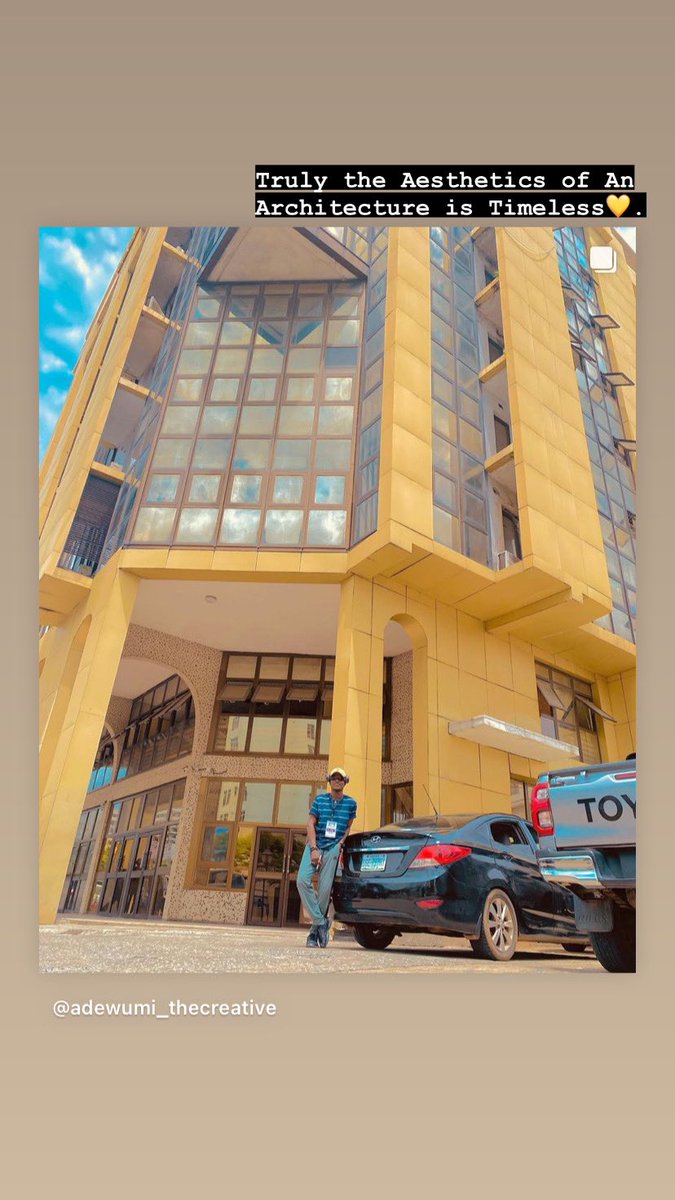
One Of The Greatest Beauties Of Architecture Is How Artistically Pleasant To Sight It Is Each Time You Behold It.
It’s safe to say the aesthetics of architecture is timeless.
#celebratingart #arts #structuredesign #lagosbuilding



1
7
137

3 May 2023
The picture says it all! Everything Grows Better with Structure! Give us a call 831.663.0070
~
~
#grow #growbetter #structuredesign #ad #quiedancompany #montereycounty #quiedan #agriculturesector

1
25