
Isaiah 25:1
O LORD, thou art my God; I will exalt thee, I will praise thy name; for thou hast done wonderful things; thy counsels of old are faithfulness and truth.
#studytheword
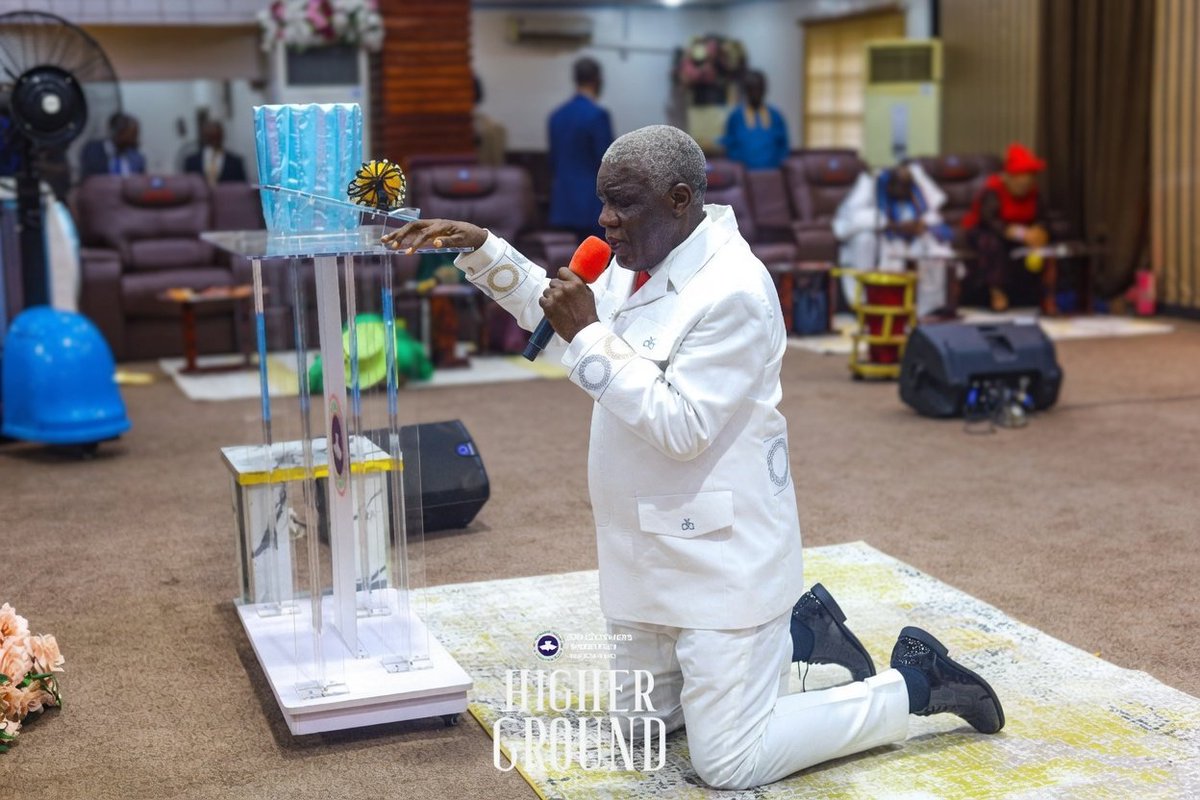
#pastorjosephadeyokunnu
1
2
14

you have a platform, you have a voice - use it for the common good.
Here is what the Bible says 👇
Proverbs 31:8-9 MSG
[8-9] “Speak up for the people who have no voice, for the rights of all the misfits. Speak out for justice! Stand up for the poor and destitute!”
#Godsword #Bible #studytheword
9
28
112
1,491

Many people want to teach and quote the Scriptures without obeying them. But we should be studying, meditating on, and obeying the Word of God before we attempt to teach others or post quotes on social media. Stop trying to teach it if you're not obeying it!
— Pastor Doc
Joshua 1:8
#studytheWord #obeyit
2
4
18

Mar 27
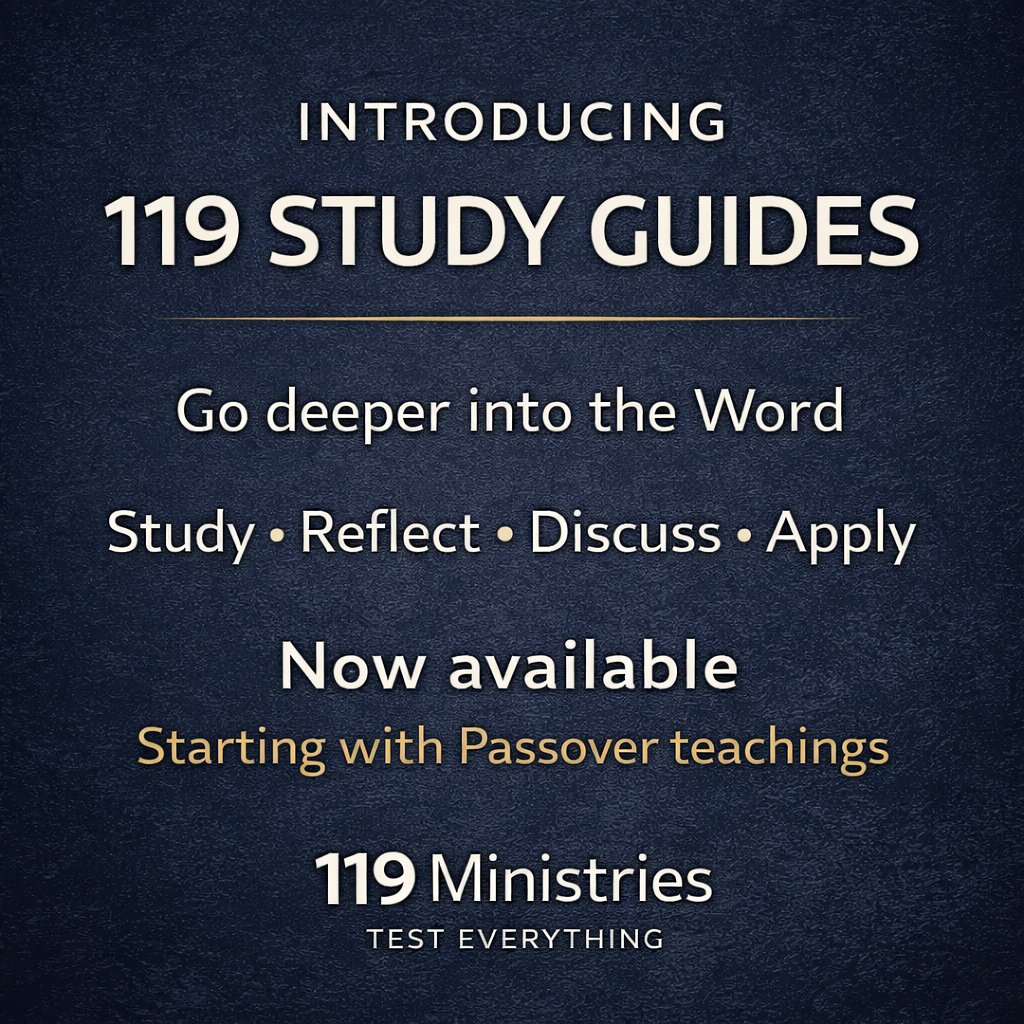
What if watching a teaching wasn’t enough?
What if it was meant to be studied, discussed, and lived out?
We’re launching 119 Study Guides. 👇
#StudyTheWord #119Ministries
1
1
6
118



14 Oct 2025
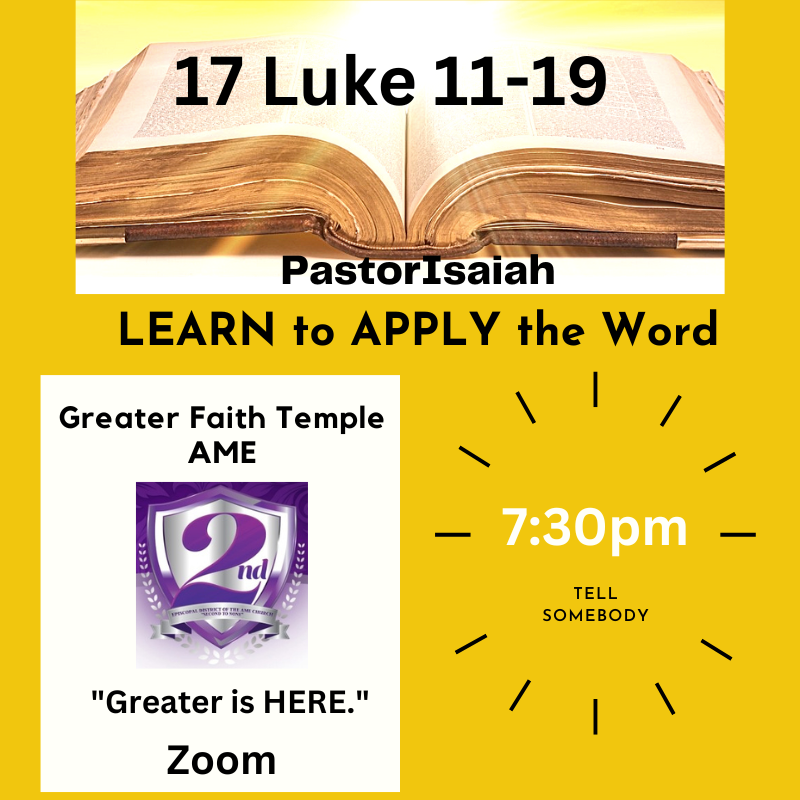
Bible Study @ The Temple:
Zoom Bible Study with Pastor Isaiah.
Zoom ID: DM for login
CALL in: 301.715.8592; 7731
7731 Finns Ln.
Lanham, MD 20706
HEAR & LEARN the Word of God to APPLY to everyday living. #StudyTheWord.
1
3
33

1 Oct 2025
⚖️📖 WHY RIGHTLY DIVIDING AVOIDS CONTRADICTIONS IN SCRIPTURE ✝️
Have you ever read your Bible and thought, “Wait… this seems to contradict that”? 🤔
For example:
👉 James says “faith without works is dead” (James 2:26).
👉 Paul says “to him that worketh not, but believeth… his faith is counted for righteousness” (Romans 4:5).
Is the Bible confused? No! God never contradicts Himself. The confusion comes when we fail to rightly divide the Word of Truth (2 Timothy 2:15).
🔥 1. Different Instructions for Different Programs
God has two programs in His Word:
• Prophecy (Israel & Earthly Kingdom) 🕎🌍
• Mystery (Body of Christ & Heavenly Places) 🌌✝️
What God told Israel under the Law (Deut. 28, Matthew 5, James 2) is not the same as what He tells us today under Grace (Romans–Philemon). Both are true—but for different people at different times.
🔥 2. Examples of “Contradictions” Solved by Right Division
• Jesus told His disciples not to go to Gentiles (Matthew 10:5–6).
➡️ Paul is sent specifically to Gentiles (Romans 11:13).
• Israel had to keep the Law for blessing (Deut. 6:25).
➡️ We are not under the Law but under grace (Romans 6:14).
• Israel looked for a promised kingdom on earth (Acts 1:6).
➡️ We look for a heavenly hope, seated with Christ (Ephesians 2:6; Colossians 3:1–4).
Without rightly dividing, these verses seem to clash. But with it, they harmonize beautifully. 🎶
🔥 3. The Key Is Paul’s Apostleship
Paul was given a special revelation of the “mystery” (Ephesians 3:1–9). His epistles explain God’s new program for the Body of Christ. Ignoring this distinction creates contradictions—embracing it brings clarity and assurance. 🙌
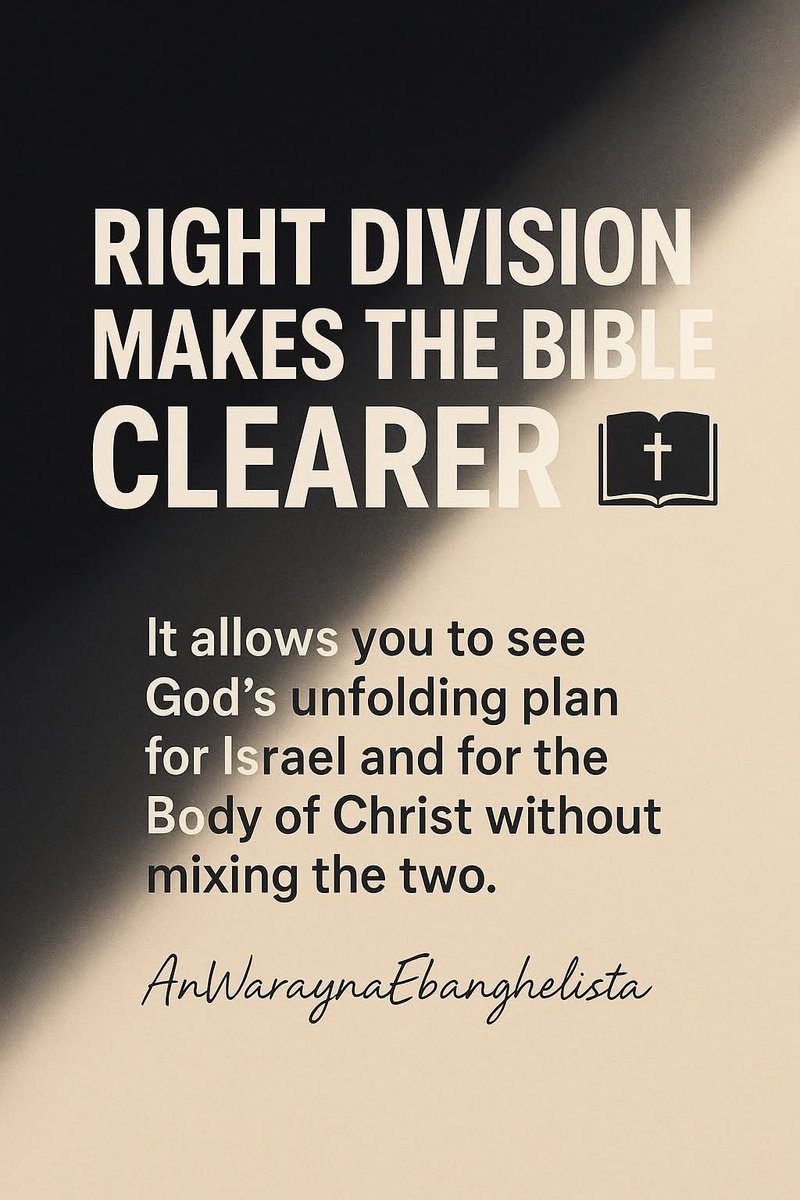
✨ Right division doesn’t make the Bible smaller—it makes it clearer.
It allows you to see God’s unfolding plan for Israel and for the Body of Christ without mixing the two.
💡 “Study to shew thyself approved unto God, a workman that needeth not to be ashamed, rightly dividing the word of truth.” (2 Timothy 2:15)
❓ Question for You:
Have you noticed places in Scripture that seemed to “contradict”? Could it be God is showing us the need to rightly divide?
📬 Follow for more Mid-Acts Pauline teaching, Right Division, and the simplicity that is in Christ.
🔖 Share This Post
Use these hashtags when sharing 👇
#RightDivision #PaulineTruth #MidActs #NotUnderLaw #GraceMessage #MysteryRevealed #LibertyInChrist #StudyTheWord
4
12
119
24 Sep 2025
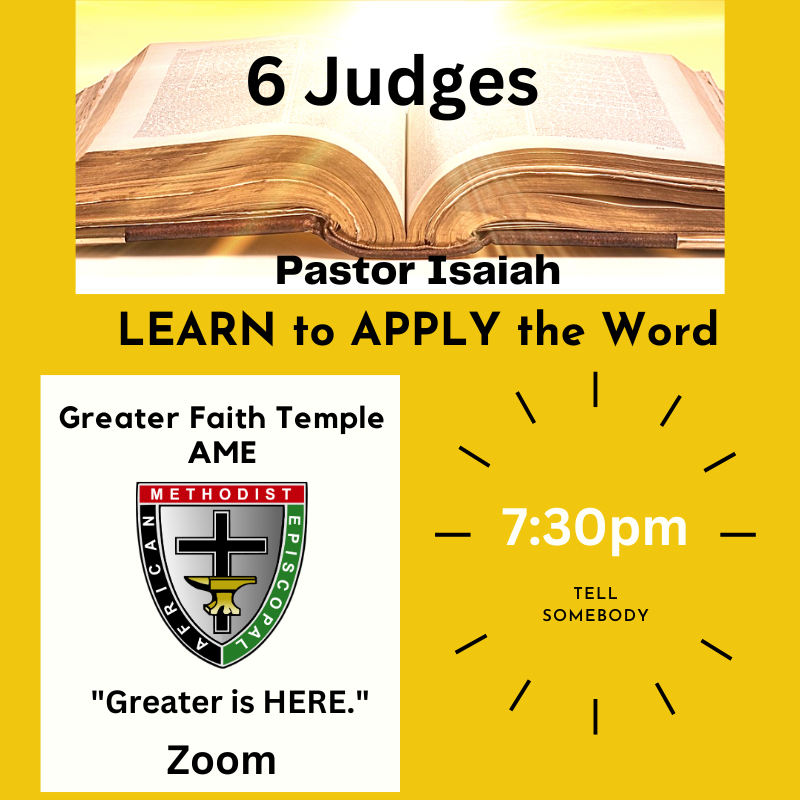
TONIGHT @ The Temple:
Zoom Bible Study with Pastor Isaiah.
Zoom ID: DM for login
CALL in: 301.715.8592; 7731
HEAR & LEARN the Word of God to APPLY to everyday living. #StudyTheWord.
2
31

21 Sep 2025
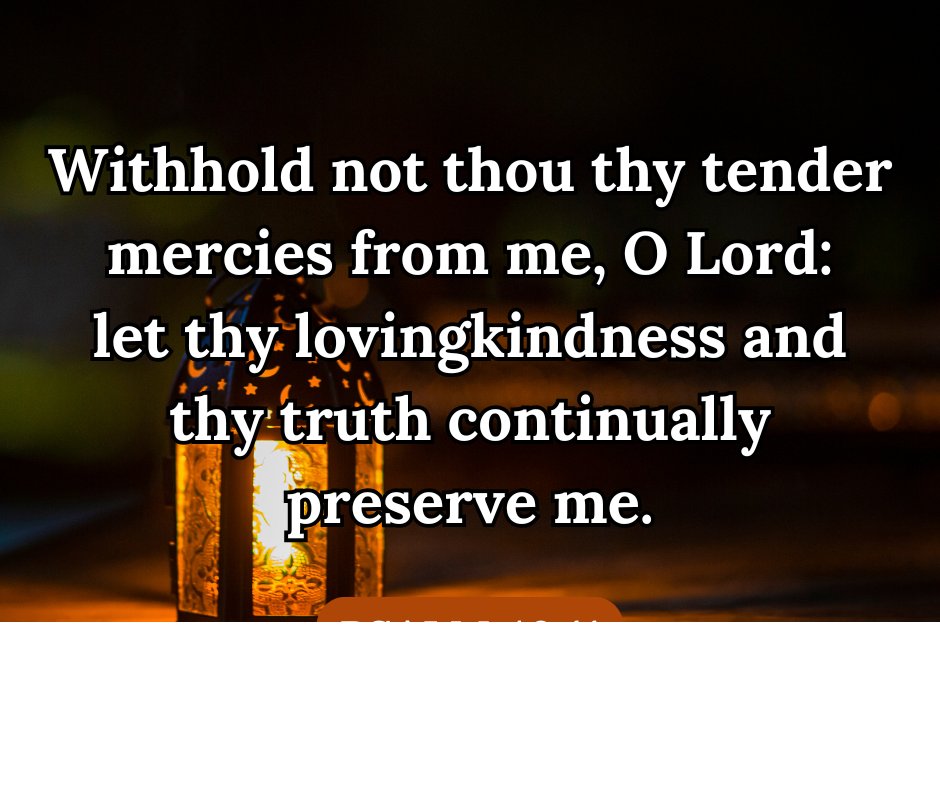
Withhold not thou thy tender mercies from me, O Lord: let thy lovingkindness and thy truth continually preserve me.
Psalm 40:11
#memorizethebible #bible #studytheword #biblestudy #WordOfGod #bibleverse #bible #scriptures #scripture #quickandpoweful #sunday #morning
1
6

13 Sep 2025
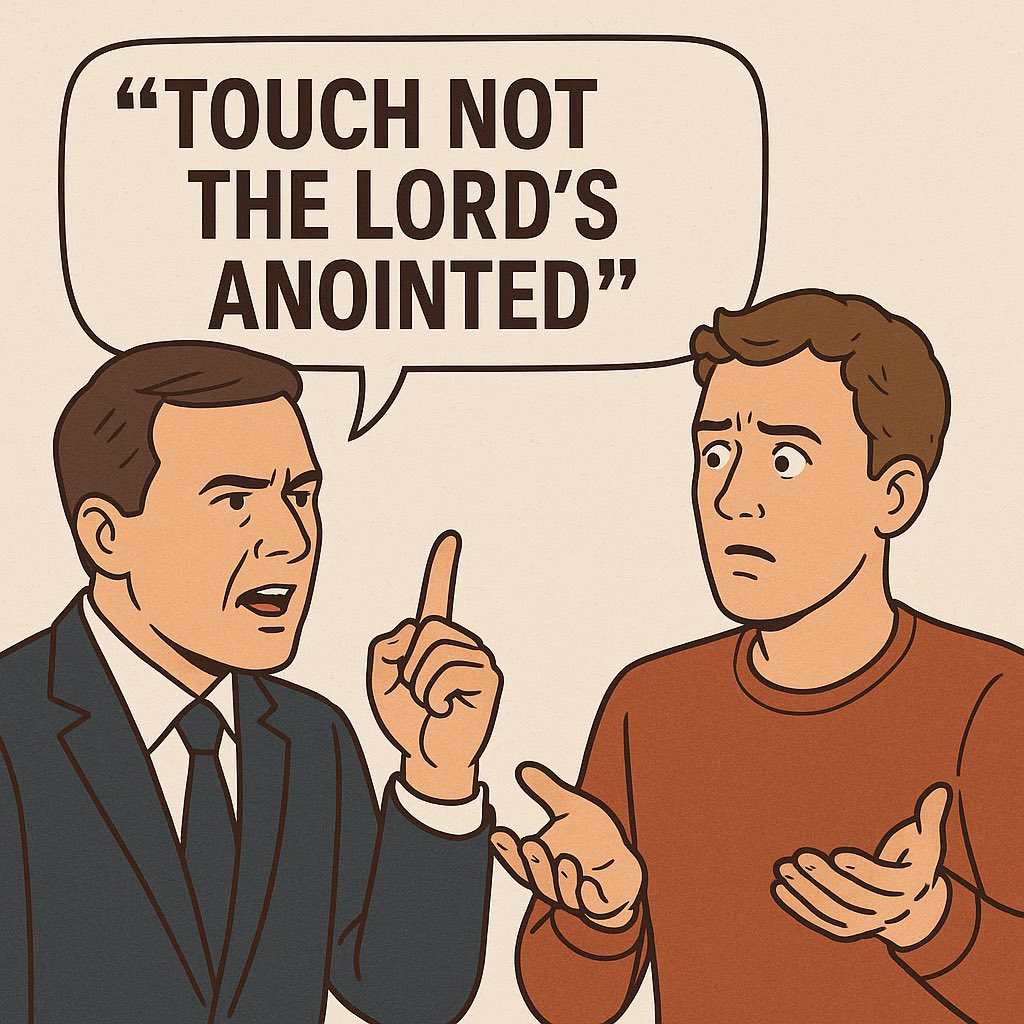
📖🔥 “Touch Not the Lord’s Anointed” — Out of Context
I grieve every time I hear someone rip “Touch not the Lord’s anointed” (Psalm 105:15) out of its context to silence correction of leaders.
That verse was about David refusing to murder King Saul—not about shielding pastors, prophets, or televangelists from accountability. To twist it into a weapon against biblical critique shows a deep lack of biblical literacy.
Historically, the church never used this verse to guard leaders from rebuke. From the early fathers to the Reformers, correction of error was always considered part of the church’s calling. Paul even rebuked Peter publicly in Galatians 2!
It wasn’t until the rise of the prosperity gospel and modern televangelism that this verse was hijacked. Instead of protecting the flock, it was turned into a shield for leaders who wanted immunity from scrutiny.
Popular televangelists popularized this misuse. They took a verse about David sparing Saul’s life and weaponized it to silence anyone who dared to question their teaching, lifestyle, or financial practices. Suddenly, calling out error was framed as “attacking God’s anointed.”
But scripture never teaches that correction equals rebellion—quite the opposite (see 1 Timothy 5:20).
This is dangerous because it elevates men above the Word of God. Whenever leaders say “Don’t question me, I’m God’s anointed,” they are replacing Christ’s authority with their own.
That’s spiritual manipulation, not biblical leadership. Accountability is not optional—it is essential to protect the church from wolves in sheep’s clothing (Acts 20:29–30).
So let’s be clear: “Touch not the Lord’s anointed” was never about shielding preachers from critique. It was about David sparing Saul’s life in a unique historical moment.
To use it any other way is to follow the tradition of prosperity preachers, not the tradition of Scripture. Study your Bible, not your televangelist. 📖✝️
For more information about my ministry go to brotherjohnelving.com
⸻
✨ Hashtags:
#BiblicalTruth #ProsperityGospel #FalseTeaching #Accountability #StudyTheWord #ChurchHistory #Discernment
1
4
223
26 Aug 2025
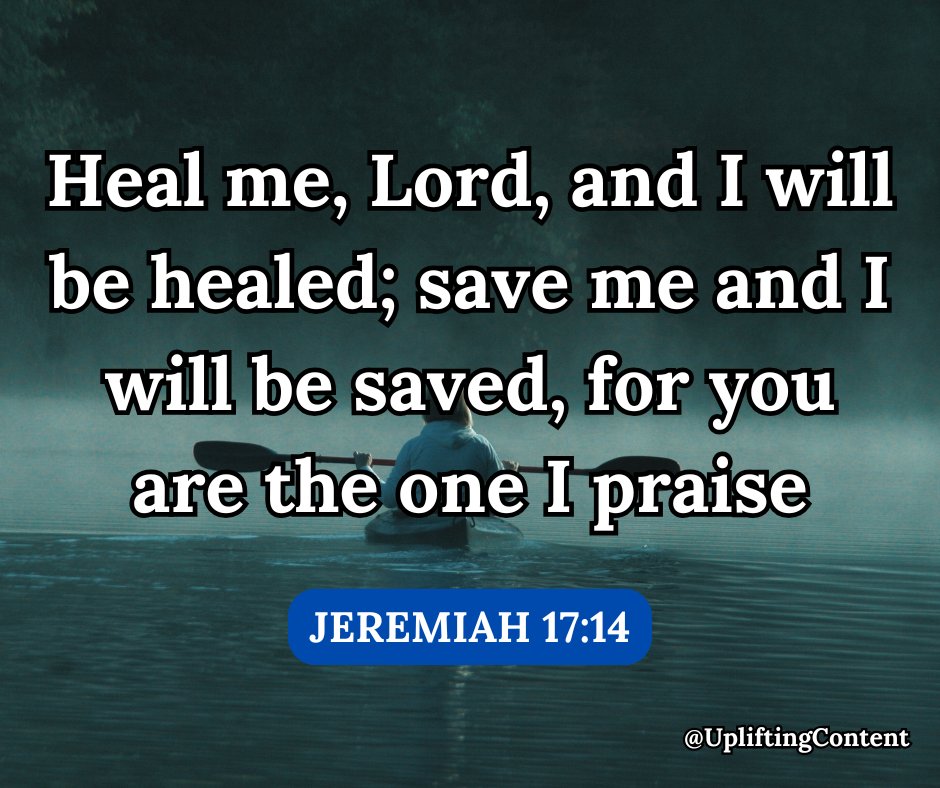
Heal me, Lord, and I will be healed; save me and I will be saved, for you are the one I praise.
Jeremiah 17:14
#memorizethebible #ThyWord #study #studytheword #thebible #WordOfGod #tuesday
#quickandpoweful #tuesdaynight #healing #heal #health
2
68

21 Jul 2025
Navigating the Bible's Complexities. #BibleStudyTips #ReadTheBible #ScriptureWisdom #ChristianTeaching #StudyTheWord video.wvbs.org/the-bible
2
40

11 Jun 2025
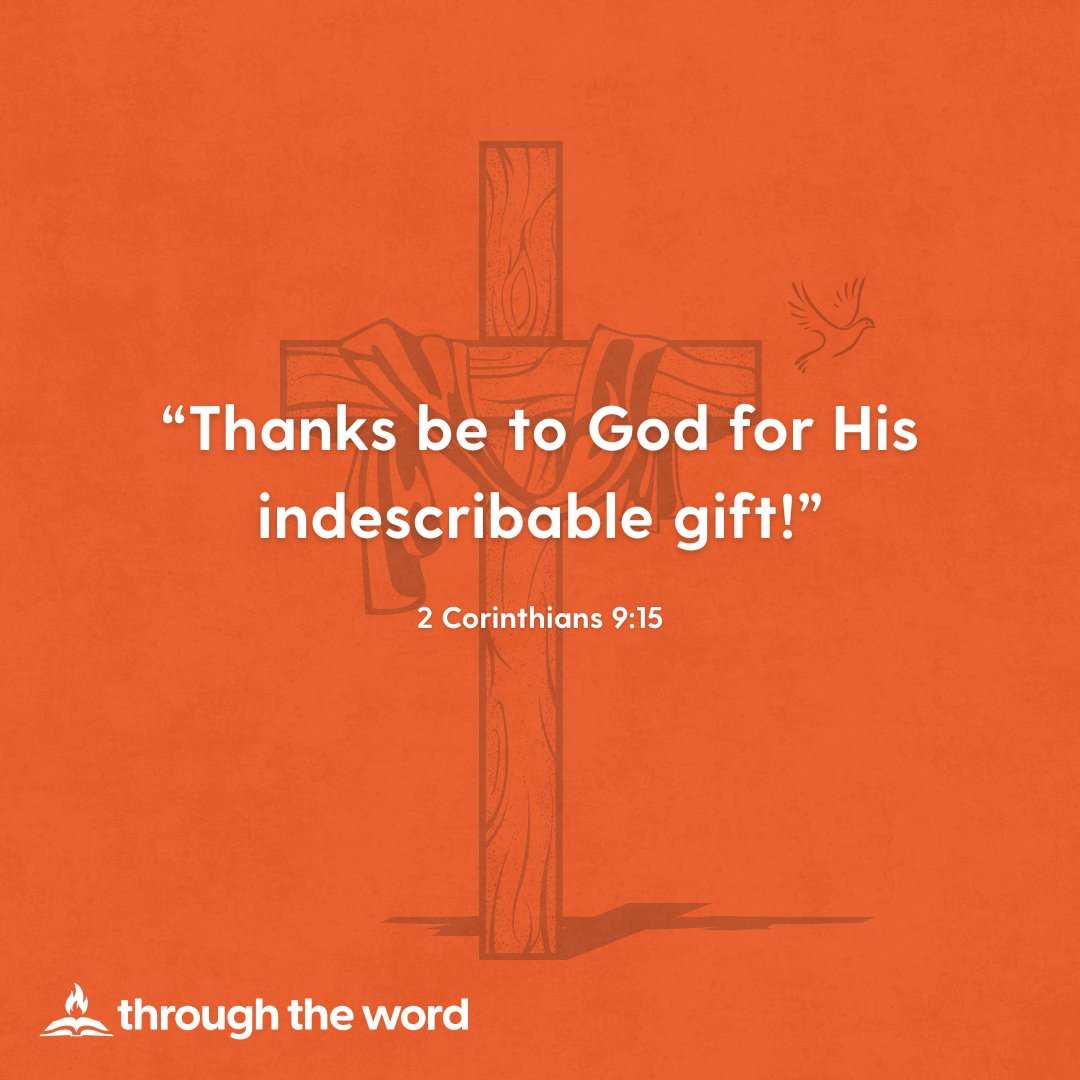
🙌We have so much to be thankful for.
What are you thankful for? Let us know in the comments below! ⬇️
#bibleapp #ttw #throughtheword #biblestudy #studytheword #startahabit #shareahabit #wordofGod #thewordisalive #Heisfaithful #christian #habit #listentotheword #thankyou
1
7
16
363
23 May 2025
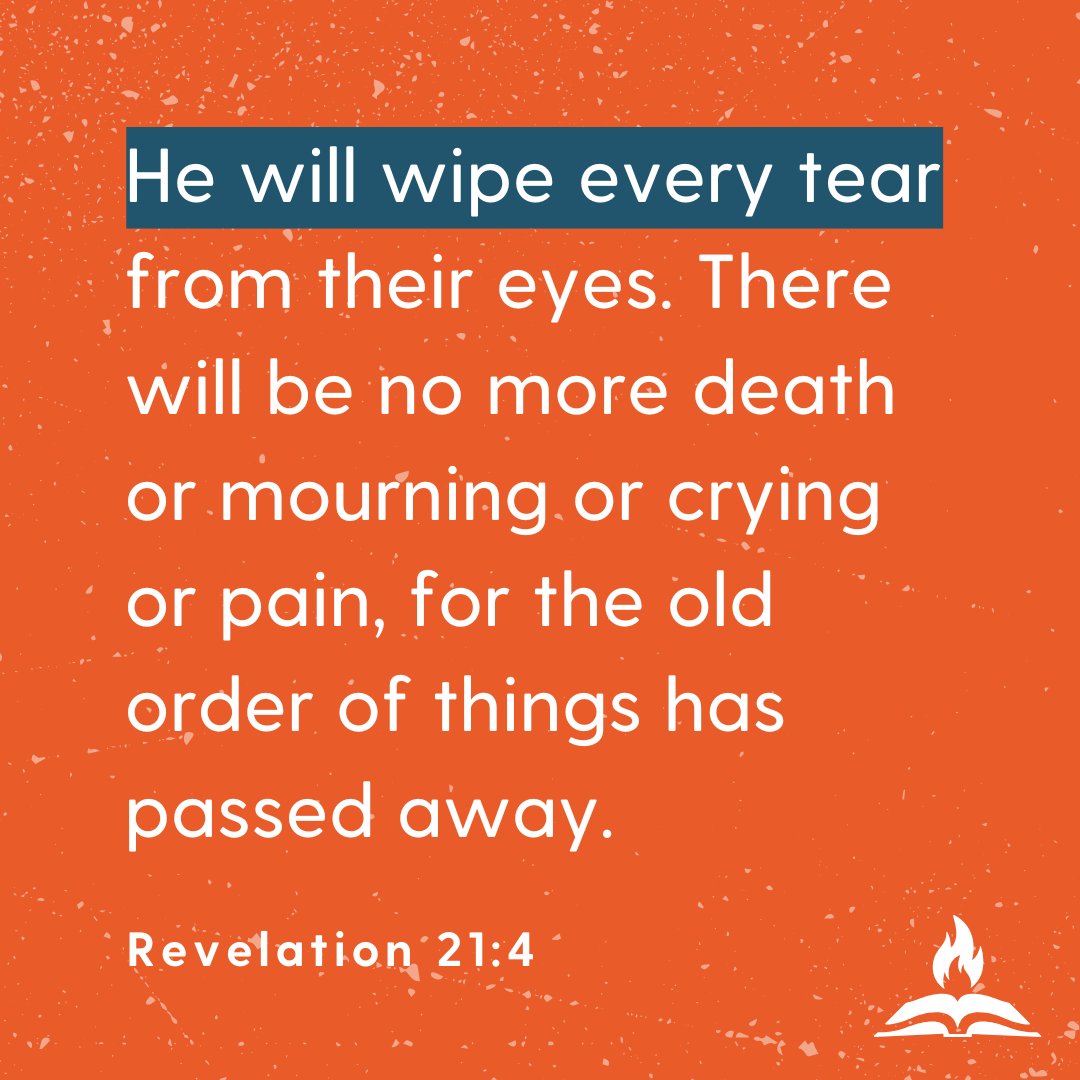
One day our tears, fears, and hurts will be no more. Hold tightly to that hope. ❤️
#bibleapp #ttw #throughtheword #revelation #biblestudy #studytheword #startahabit #shareahabit #wordofGod #thewordisalive #nomoretears #hopeforthehopeless #holdtight
1
10
21
417

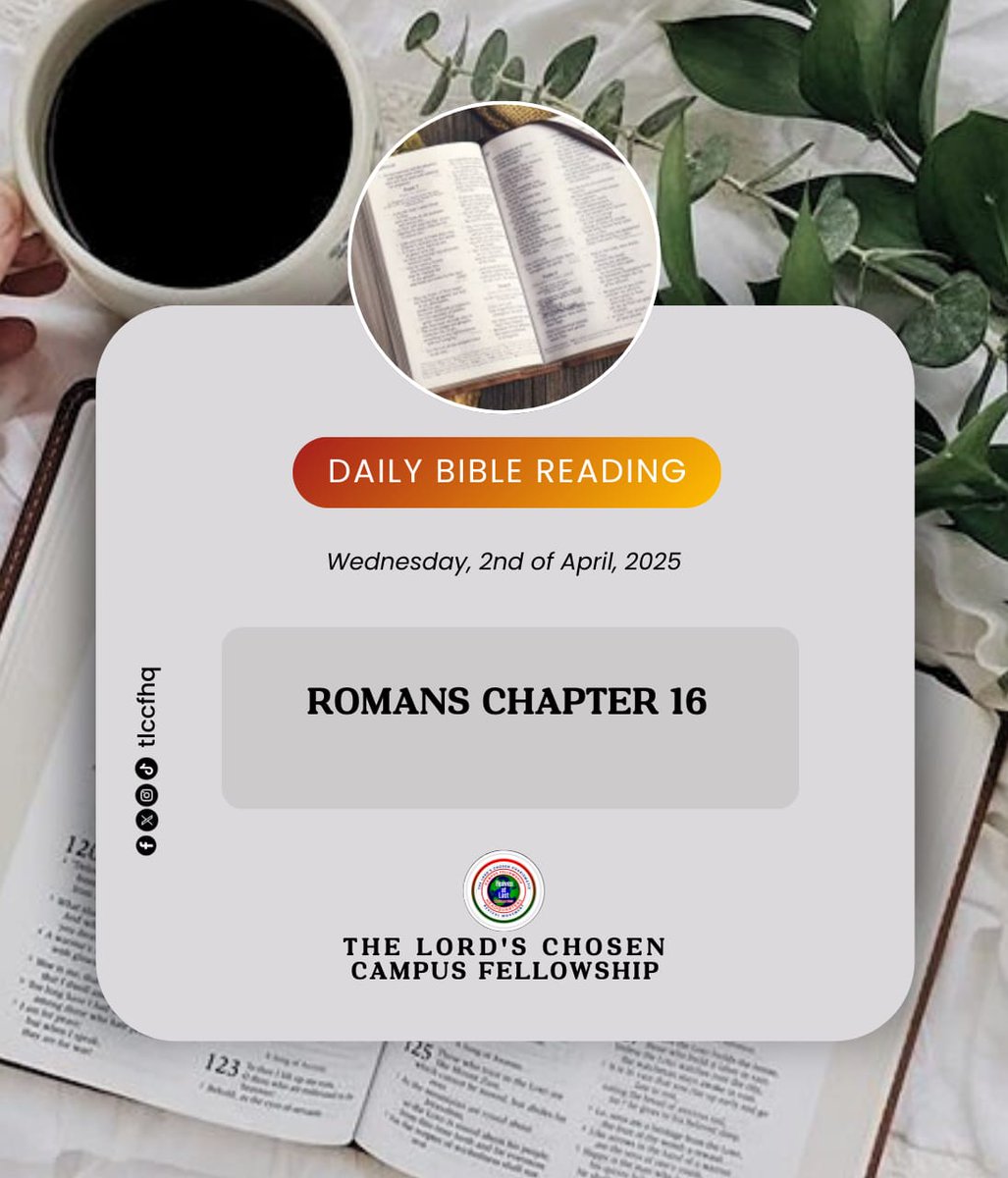
Bible Reading
Join us for today's bible reading as we study the book of 𝗥𝗼𝗺𝗮𝗻𝘀 𝗖𝗵𝗮𝗽𝘁𝗲𝗿 𝟭𝟲
Stay Blessed🙏
#biblereading #TLCCF #PstLazarusMuoka #studytheword #tlccrmofficial #ReadTheBibleDaily
1
3
14

1 Apr 2025
Know the Word for Yourself! 📖🔥
Listening to preachers is great, but don’t rely solely on others for your spiritual growth. Study the Bible for yourself so no one can lead you astray! Let the Word of God be your foundation, not just what you hear from men. 🙌🏾✨
#StudyTheWord #BiblicalTruth #SpiritualGrowth #GodsWord #PottersCity #NanaseiOpokuSarkodie #Explore #Viral
4
26
86
1,226
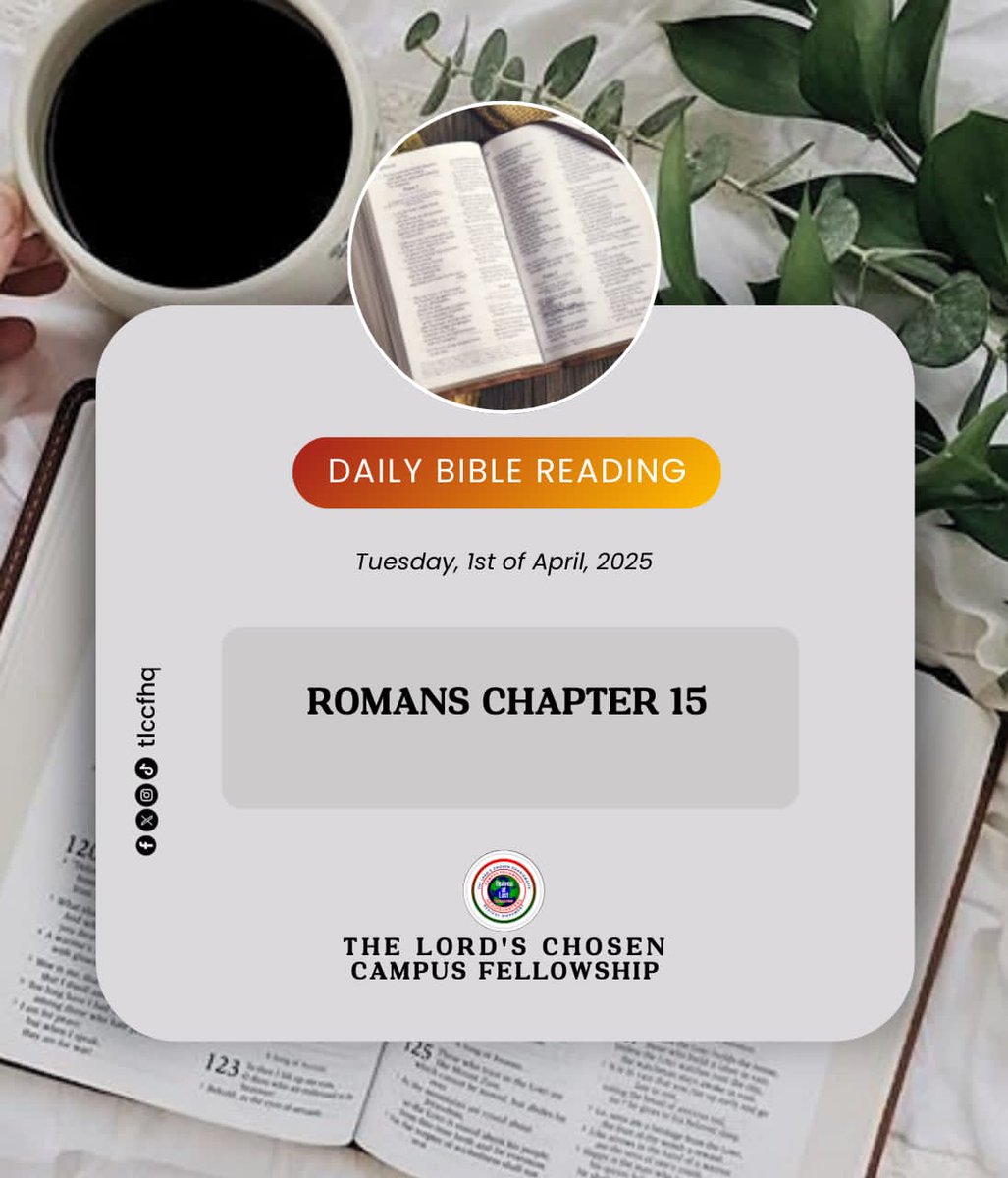
First Bible Reading in the Second Quarter of the year.
Just one Chapter✅
Join us as we feed on God's word from the book of Romans Chapter 15.
Welcome to the month of fruitfulness and multiplication once again. 🍒🍓🍉
#biblereading #TLCCF #Pstlazarusmuoka #studytheword
1
3
20

14 Mar 2025
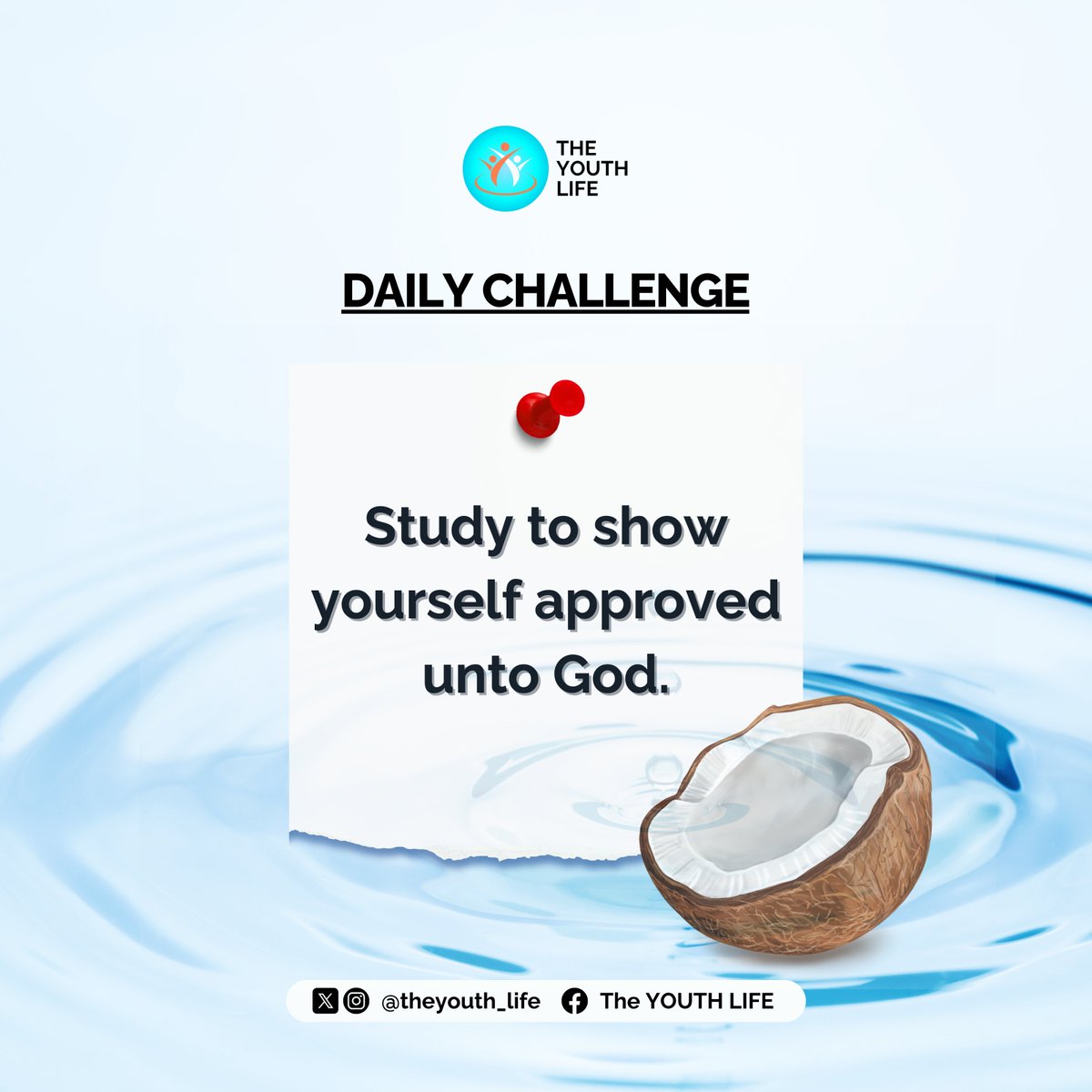
Knowledge is power, but wisdom comes from seeking God’s approval.
📖🙏 Study, grow, and walk in His truth. Are you ready for the challenge?
#theyouthlife
#DailyChallenge
#StudyTheWord
#SeekGod
#FaithInAction
#Wisdom
1
4
37
28 Feb 2025
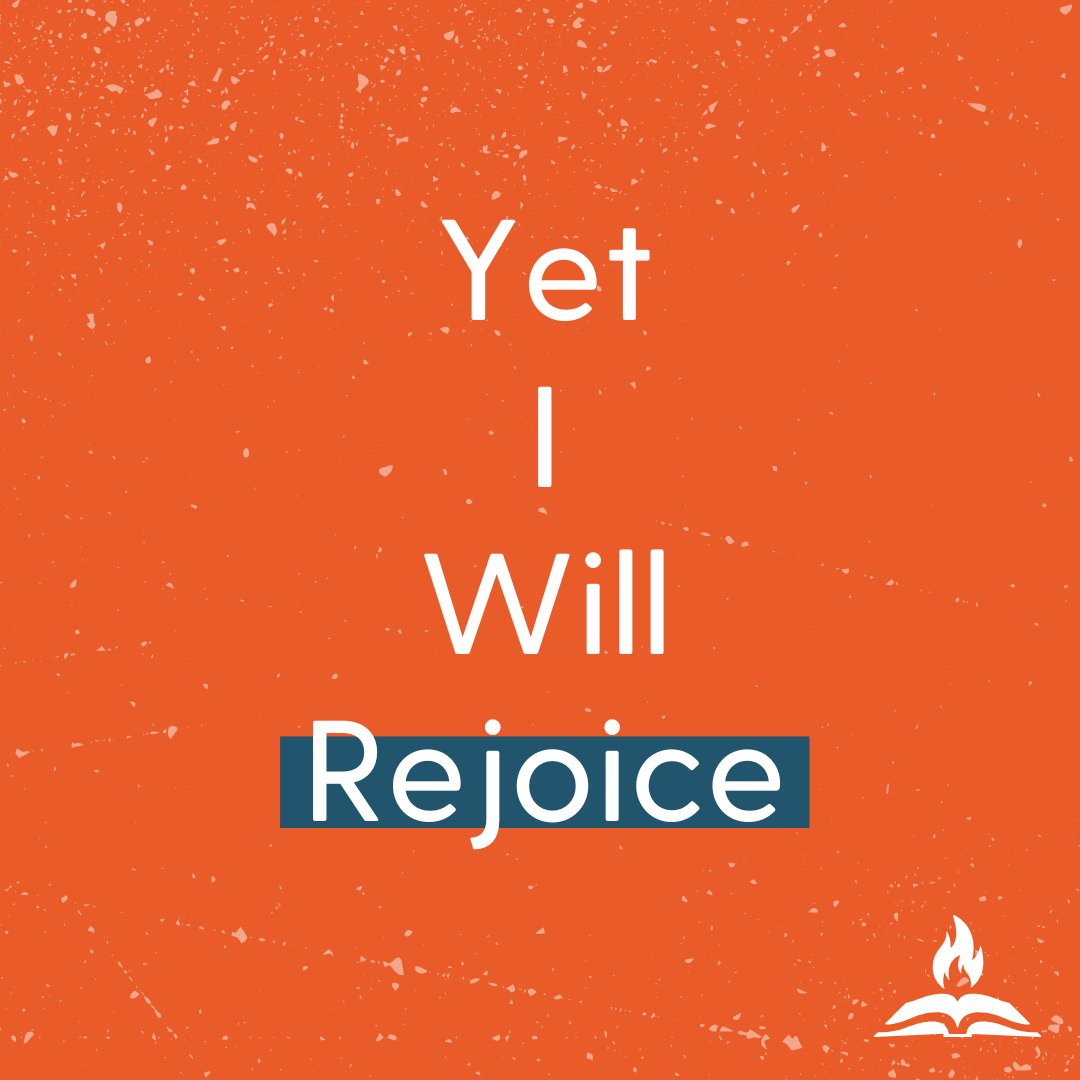
Habakkuk 3:17-19
Though the fig tree does not bud
and there are no grapes on the vines,
though the olive crop fails
and the fields produce no food,
though there are no sheep in the pen
and no cattle in the stalls,
yet I will rejoice in the Lord,
I will be joyful in God my Savior.
The Sovereign Lord is my strength;
He makes my feet like the feet of a deer,
He enables me to tread on the heights.
#ttw #throughtheword #yetiwillrejoice #hallelujah #encouragement #praisetheLord #studytheword #minorprophets
1
11
29
402