
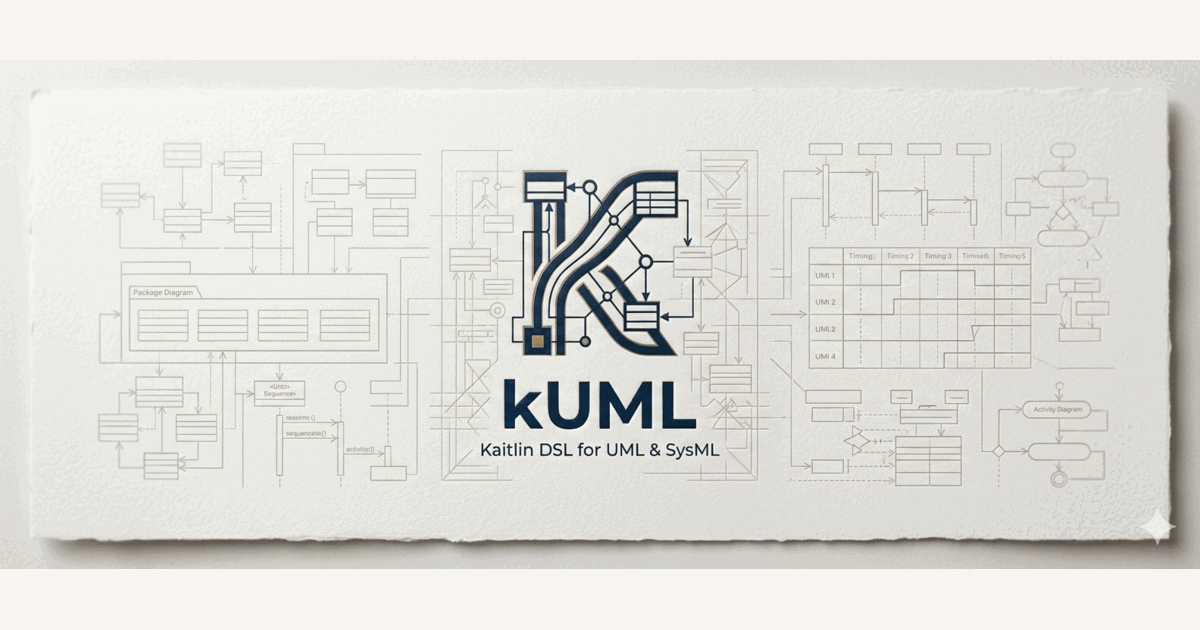
I stopped waiting for the perfect UML tool and just built it myself. 🛠️
Meet kUML – a passion project I’ve been dreaming about for years, built entirely in #Kotlin.
It’s still a work in progress, but the core is rock-solid and the feature set is already bigger than most tools on the market today. If you do UML, SysML, or C4 modeling, this is for you.
Features and roadmap in the reply below! 👇
What's your biggest pain point with current modeling tools?
#BuildInPublic #SoftwareArchitecture
1
1
26


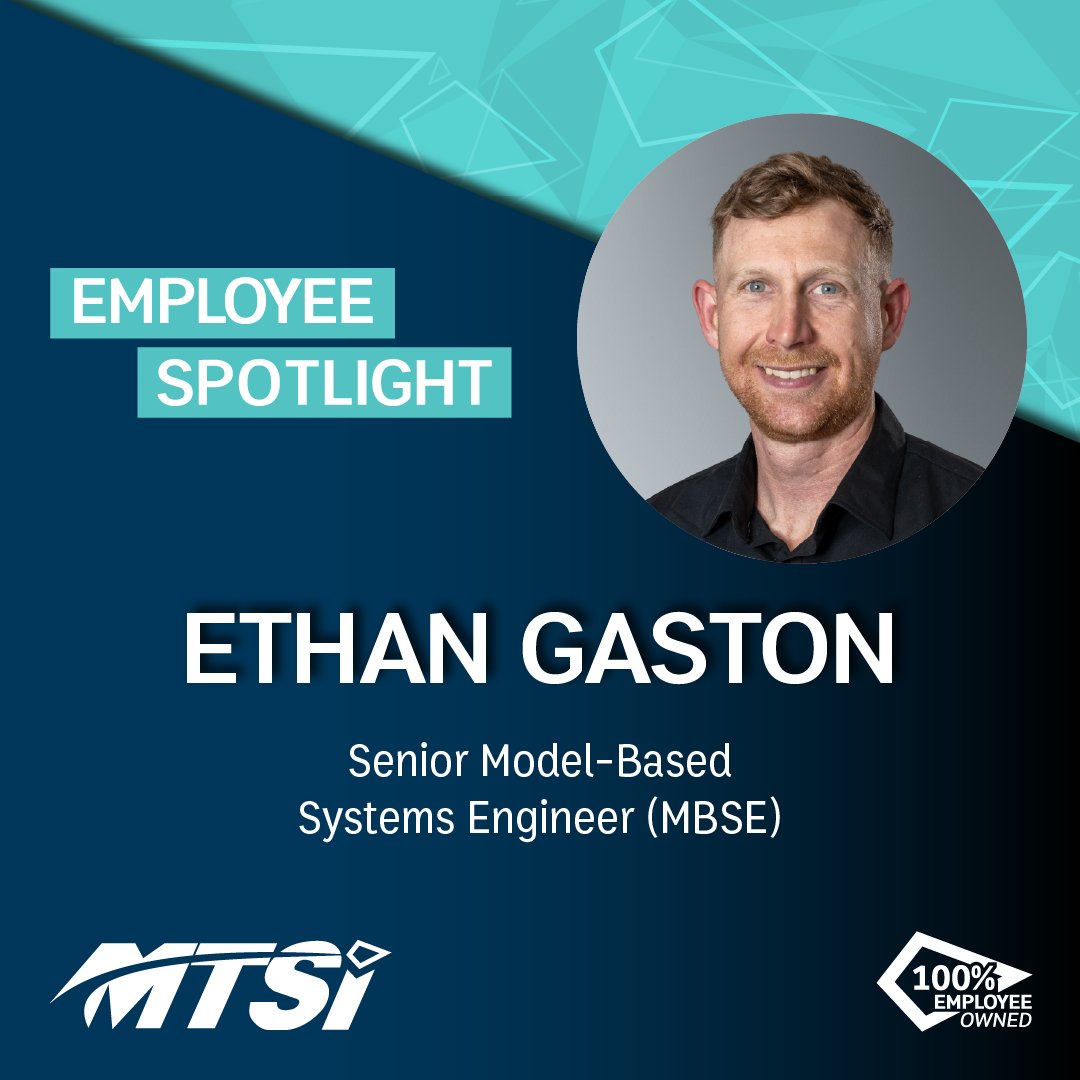
Meet Ethan Gaston, a Model-Based Systems Engineer helping advance the future of digital engineering through SysML v2 implementation and model-based architecture development.
Read the full article: bit.ly/4ohhY0P
#MTSI #ESOP #MBSE #EmployeeSpotlight
70


Jun 10
Your CAD team is polite about your SysML model. They do not trust it. Today's piece on the trust gap between two engineering communities that share a system but see it differently.
open.substack.com/pub/mbseun…
7

Jun 10
Cool!
Im an engineering modeler and have been trying to Document it in SysML
You might like this site by a protestant friend of mine.
christiansystemsthinking.com…
3

MBSE is more than new tools or #SysML diagrams.
@StevenHDam recently presented to @SEI_CMU on the challenges and opportunities of moving #MBSE from theory into effective practice.
Thank you to SEI and @CarnegieMellon for the opportunity!
🔗 hubs.li/Q04kwvdG0
16

Engineering On Purpose: Using SysML V2 by Richard Wallace is a new release on Leanpub!
In a galaxy not so far, far away…
You have just received a set of requirements—or desires disguised as requirements—wild needs or want statements vaguely describing some notion of what the system should do. Now what? Where do you start with the specifications?
Rule One: Don’t Panic, and reach for Engineering on Purpose!
#books #ebooks #newreleases #leanpublishing #selfpublishing #software_architecture
1
116

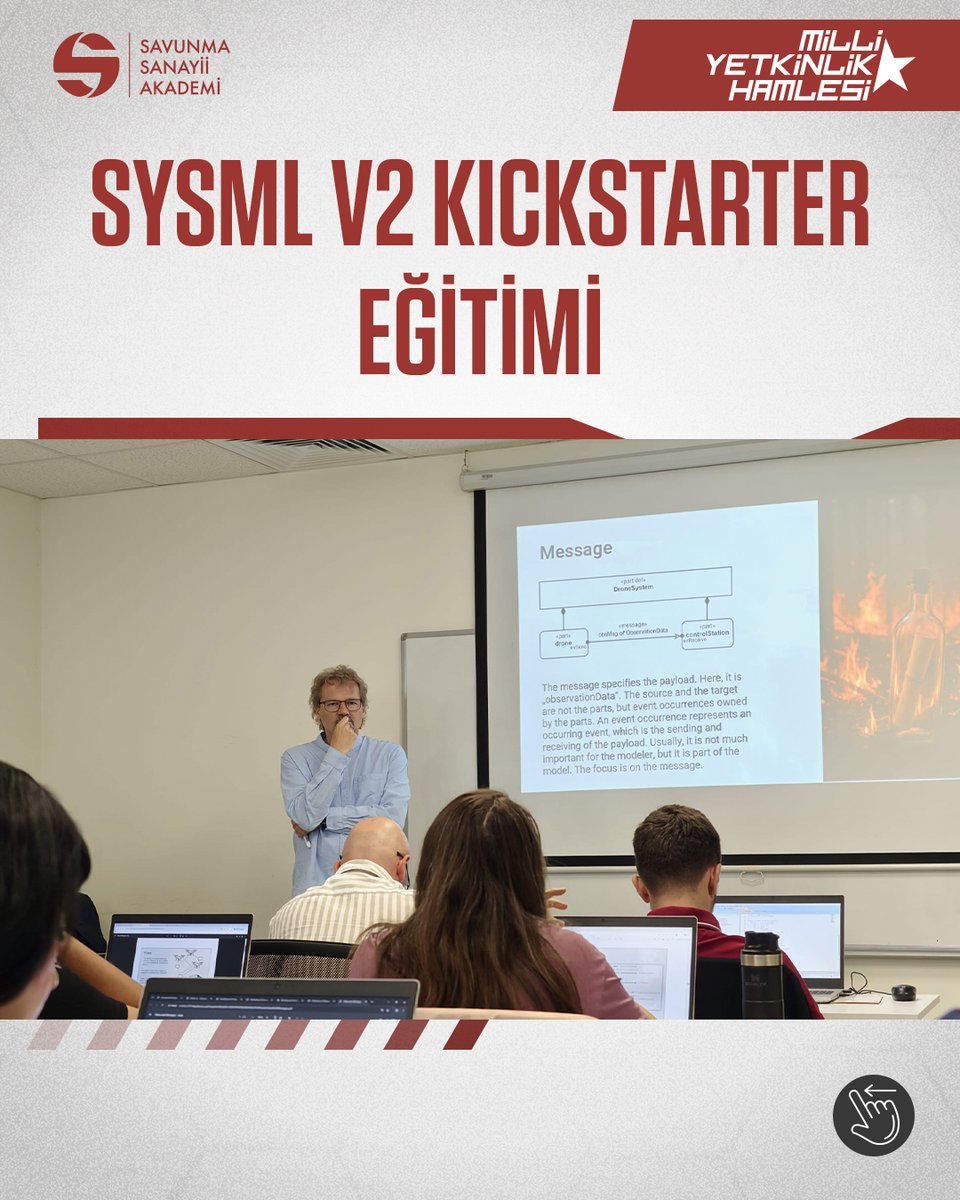
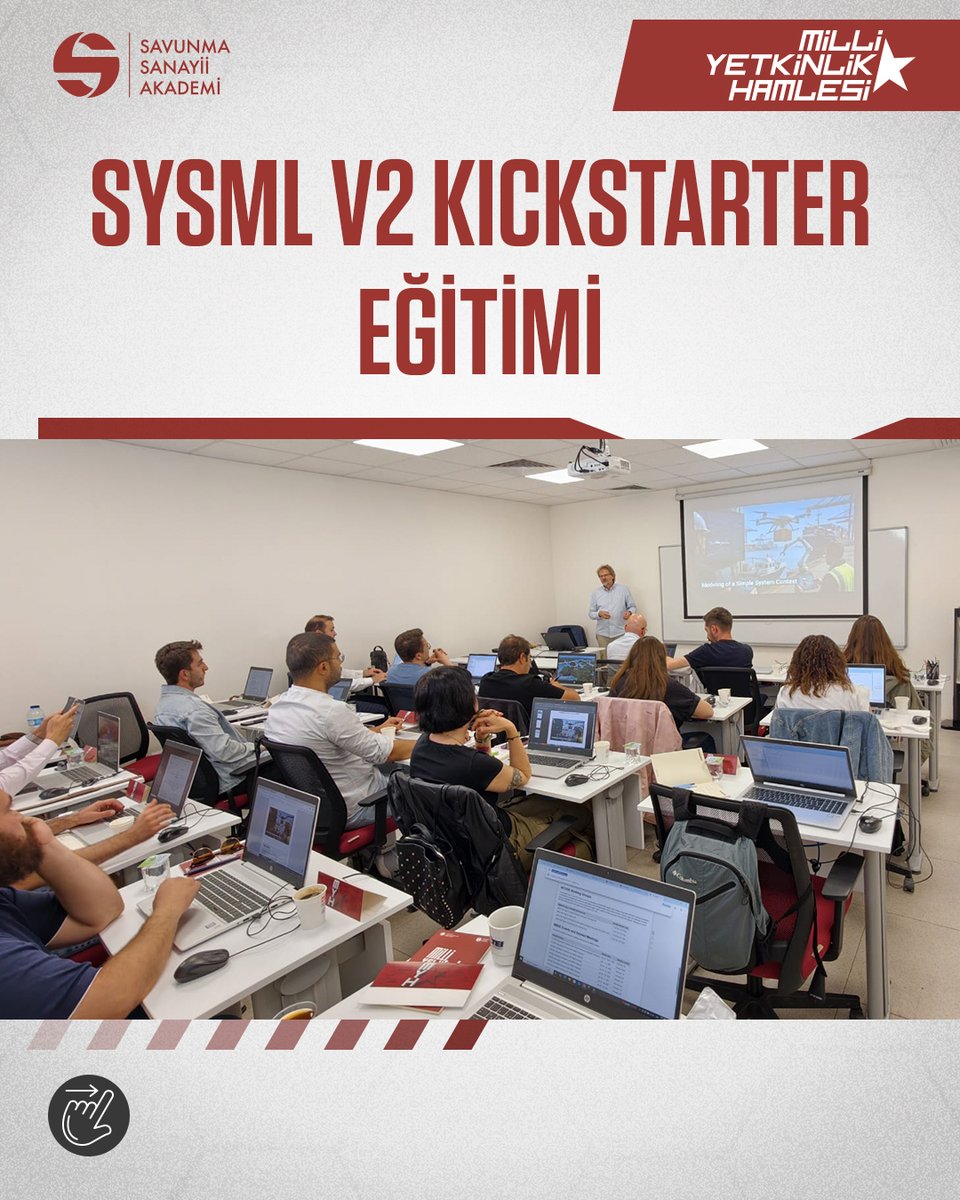
🌍 Model Tabanlı Sistem Mühendisliği, Dijital Mühendislik ve Dijital Dönüşüm alanlarında dünya çapında tanınan uzman Tim Weilkiens ile gerçekleştirdiğimiz SysML v2 Kickstarter Eğitimini başarıyla tamamladık.
Geçtiğimiz yıl onaylanan SysML v2, grafik ve metin tabanlı modelleme arasında kesintisiz geçiş imkânı sunması, KerML temelli yapısı, UML’den bağımsız mimarisi, API desteği ve yapay zekâ uygulamalarına açıklığıyla dijital mühendisliğin geleceğine yön vermeyi hedefliyor.
Katılımcılarımız, uygulamalı içeriklerle SysML v2’nin temel kavramlarını öğrenme ve yeni nesil sistem modelleme yaklaşımını yakından tanıma fırsatı buldu.
🚀 Savunma Sanayii Akademi olarak 2026 yılı boyunca, model tabanlı sistem mühendisliği alanında dünyanın önde gelen uzmanlarıyla eğitimler düzenlemeye devam edeceğiz.
📩 Eğitimlerimiz hakkında bilgi almak için: egitim@tregitim.com.tr
#MilliYetkinlikHamlesi
1
9
267

"Oh, you want to talk shop? I command the darker powers. What do YOU think it means when a block is allocated to another block? What happens when a parallel state gets a signal both transitions can accept?"
They'll be racing back to the pups after I'm done grilling them on SysML
3
640

Jun 2
konuştuğum mühendis az önce sysml v2 öğrenmeye başlayacaktım şimdi AI ın geldiği yere bakınca bıraktım ve AI yı nasıl daha etkin kullanırım bunu öğreniyorum asıl şimdi hepimiz sistem mühendisi olacaz dedi. omg
1
5
280


May 11
𝗦𝗽𝗮𝗰𝗲 𝗲𝗻𝗴𝗶𝗻𝗲𝗲𝗿𝗶𝗻𝗴 𝗵𝗮𝘀 𝗮 𝗰𝗼𝗼𝗿𝗱𝗶𝗻𝗮𝘁𝗶𝗼𝗻 𝗽𝗿𝗼𝗯𝗹𝗲𝗺.
Every company, supplier, university lab, and mission team has their own simulation stack, assumptions, interfaces, and data formats. A thermal model lives in one tool. Power analysis in another. Mechanical dynamics somewhere else. Mission operations in spreadsheets and slide decks.
The result is not just inefficiency - it slows iteration across the entire industry.
At LunCoSim, we’re building around a different idea:
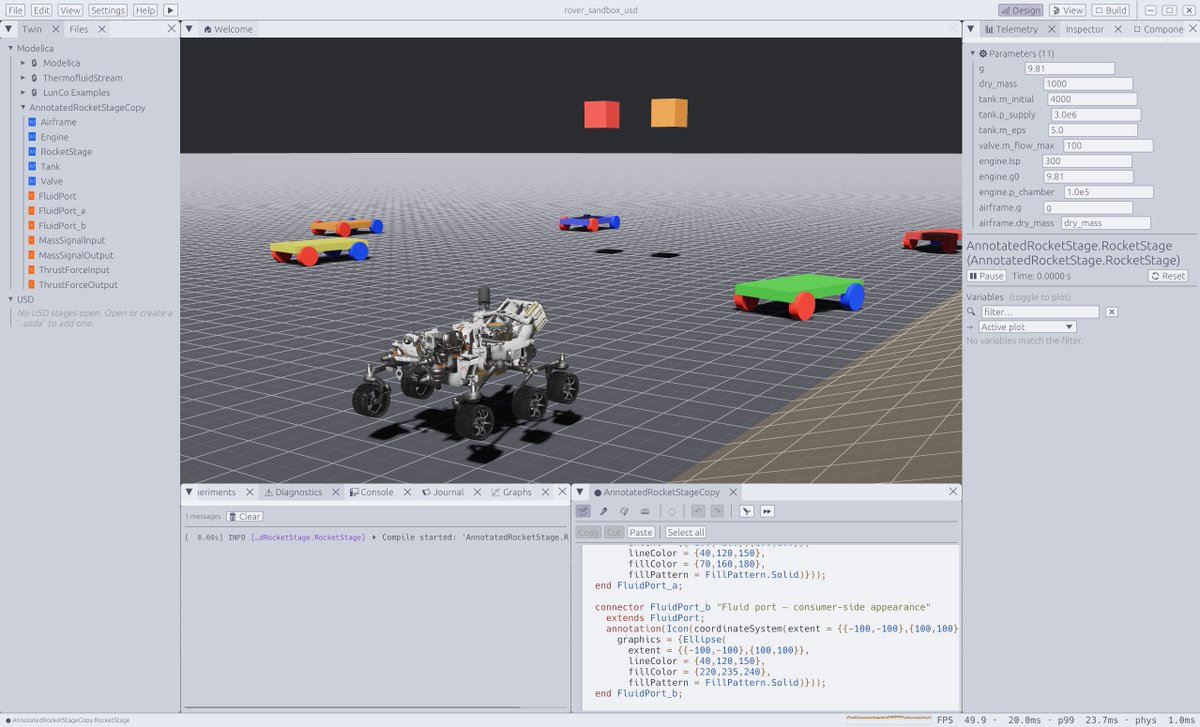
A shared, open simulation environment where multidisciplinary teams can collaborate on the same mission architecture instead of constantly translating between disconnected tools.
That’s why the core of LunCoSim is open source.
Not because “open source” is fashionable, but because lunar and space systems require organizations to exchange models, validate assumptions, reproduce results, and extend each other’s work. If every interface is proprietary or locked behind vendor-specific tooling, collaboration becomes fragile and expensive.
An open core allows:
• shared simulation results across organizations
• inspectable and modifiable models
• reproducible engineering workflows
• community-driven interfaces and standards
• long-term interoperability beyond a single vendor
Another key decision was building multiple co-simulations inside one integrated environment.
Real missions are not isolated domains. A rover’s mobility affects power consumption. Power affects thermal behavior. Thermal constraints affect operations. Communications latency changes autonomy requirements.
These systems interact continuously.
Instead of exporting data between disconnected tools, LunCoSim aims to let teams run these domains together as part of a unified systems simulation workflow.
For this reason, we chose:
• Modelica for physics-based multi-domain simulation
• SysML v2 for systems architecture and engineering semantics
• USD as a scalable real-time scene and data interchange layer
Together, they create a foundation where engineering models, system architecture, and operational visualization can exist in the same ecosystem instead of separate silos.
The long-term goal is not just “better simulation software.”
It’s reducing the coordination cost of building complex space systems.
7
6
249

#FeaturedJobFriday | General Dynamics Mission Systems is looking for a Senior Systems Engineer to join our Land and Air Systems team, where the work you do directly contributes to protecting the men and women who serve our nation.
This is not just another engineering role. You will be part of a cross-functional team developing and testing embedded systems, products and services at the intersection of innovation and national defense!
What we are looking for:
✅ Bachelors 8 years of systems engineering experience (or a master's degree plus 6 years).
✅ Strong proficiency with requirements management and system modeling tools like MagicDraw/Cameo or SysML 2.0.
✅ Someone who sees AI as a tool for continuous improvement and innovation.
Note: This role requires an active Secret security clearance and U.S. citizenship.
If you are motivated by meaningful work, thrive in collaborative environments and are ready to bring your best to a team that is raising the bar every day, we want to hear from you.
Explore this opportunity and apply at gdmissionsystems.com/careers…
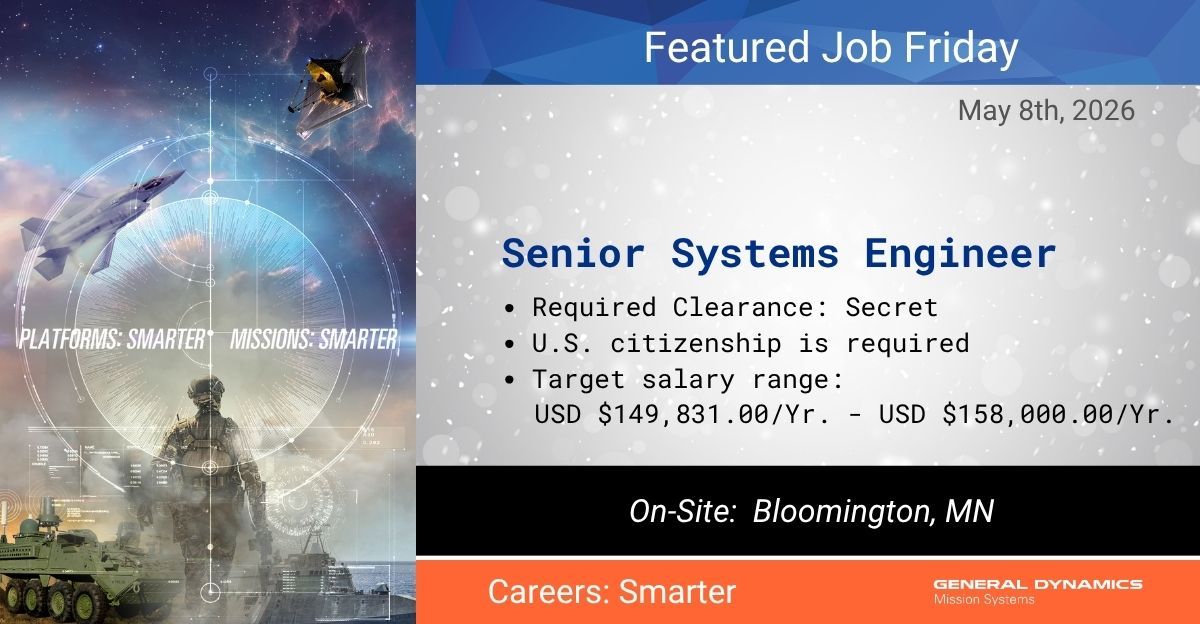
ALT A General Dynamics Mission Systems Featured Job Friday graphic dated May 8, 2026. The left side features a dramatic composite image of military platforms including a fighter jet, a space telescope, an armored vehicle and a soldier in a tactical environment with the text 'Platforms: Smarter. Missions: Smarter.' The right side displays details for an open Senior Systems Engineer position including: Required Clearance: Secret, U.S. citizenship is required and a target salary range of USD $149,831.00/Yr. to USD $158,000.00/Yr. The position is on-site in Bloomington, MN. An orange banner at the bottom reads 'Careers: Smarter' alongside the General Dynamics Mission Systems logo. GDMissionSystems.com/Careers
3
322

May 7
増補改訂版 SysMLモデリング入門 amzn.asia/d/06e2s02m
大変良い本。電子回路も機械設計も制御も、大体これで記述出来る話になってる。より高度なシステム開発するなら是非一読をば(要素が多い開発は必須な技感)センサー100個超えたりするともうね。
5
46
2,583

MBSE SysML 方法论
核心:模型、方法论、建模语言、建模工具
打造超级工程需要有强大的理论基础和方法论做支撑
因为这些都是无数实战沉淀下来的知识宝库和最佳实践
不遵循一些规则,自己瞎弄是一定会出问题的
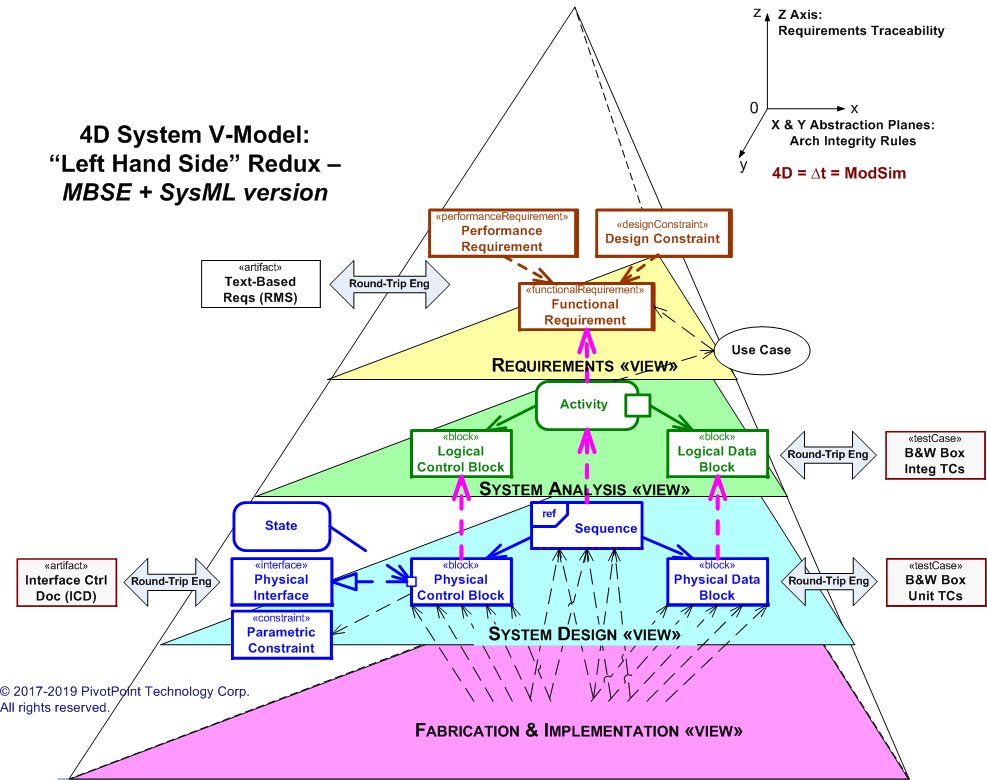
Model-Based Systems Engineering (MBSE) 基于模型的系统工程
Systems Modeling Language(OMG SysML)系统模型语言
基于模型的系统工程(MBSE)作为未来工业研发数字化的重要发展方向之一正在被越来越多的企业接受并采纳
传统设计方式中,系统方案设计阶段多数通过撰写方案设计文档来对系统进行定义
而MBSE = 是用数字化建模代替写文档进行系统方案设计,把设计文档中描述系统结构、功能、性能、规格需求的名词、动词、形容词、参数全部转化为数字化模型表达
MBSE 的三大支撑:方法论、系统设计语言、系统建模工具
* 企业在实际项目中选择哪一种方法论、对方法论做哪些特定的裁剪,需要基于企业当前研发流程的实际需求来分析和确定,而不能直接照搬某个“理论模型”
* 当前 MBSE 领域主流的系统设计语言是 OMG 维护和发布的 SysML – System Modeling Language
* MBSE 建模工具可参考:
mbse4u.com/sysml-tools
mbseworks.com/mbse-tools
一些参考资源
omgwiki.org/MBSE/doku.php
omg.org/sysml/
ptcorp.com/

MATLAB/Simulink 用于多域仿真以及基于模型的设计
支持系统级设计、仿真、自动代码生成以及嵌入式系统的连续测试和验证等
Octave & Scilab 是 MATLAB 的潜在开源替代者
Octave 目前没有相应的模型仿真工具与此对应
一些建模、模拟仿真的任务可交由 Scilab/Xcos 去做
x.com/huihoo/status/14383471…
模拟仿真常见应用领域:
* 一般应用领域:比如电机热路、单液压缸仿真、弹球的仿真、质量弹簧阻尼系统、状态事件等等
* 物理建模:进行物理系统建模
* 机器人与自主系统,这是个巨大市场,包括汽车辅助驾驶自动驾驶(现在的智能汽车其实也是一个大号机器人,软件定义汽车也是未来的发展趋势)
MATLAB/Simlink ROS 是一个研究领域和方向,MATLAB 提供了相应的 ROS Toolbox 工具包
* 汽车应用领域:对汽车系统进行建模和仿真
* 航空应用领域:通过软件进行航空航天系统建模
* 工业自动化应用领域
* 协作建模:适用于大型模型和多用户开发团队的模型架构
* 信号处理:对信号处理和通信系统建模
* 射频与混合信号:建模和仿真
* 控制设计:对模型和设计控制系统进行线性化
* 复杂逻辑:复杂逻辑建模
* 离散事件仿真:进行离散事件系统建模和仿真
* 系统工程:软件设计和分析系统架构
Scilab/Xcos ROS
一个可长期学习研究的模拟仿真和机器人开源组合
5
39
2,961


車載の分野に居ない人からすると開発サイクルが長いからSysMLなんてものが生き残ってるんだよみたいな言われ方するのかぁ……
なぜ、2000年代には巷で耳にした「UML」を現在では全く耳にしないのか?|pdfractal zenn.dev/pdfractal/articles/… #zenn
3
6
11
1,143

俺のロボット設計指針シリーズ
「候補とするアーキテクチャを2つ以上つくる」
フリーランスの仕事を始めて、30代後半になってきて、全体設計やチームをコーディネートする仕事も期待されるようになってきた。今でもコーディング等の作業をがっつりやりますけどね。
図面というのはすごい力を持っていて、僕は機械系出身なので機械図面の持つパワーについては詳しいつもり。でもこの仕事を始めてUML等のソフトウェアでも「図面」の力を強く感じる。長くコーディングしてきた自分にとって簡単であることも、若い技術者には難しい。でも僕の思いついた構造や振る舞いを「図面」にして伝えることで、若い人に「気づき」を与えられる。
システムの構造を記述する時はUMLかSysMLで図面を書くけど、大雑把なスケッチの段階で複数、アーキテクチャ候補を挙げるようにしている。一つしか用意しないと、その特徴、メリット・デメリットを把握しづらい。無理やりにでも別のアイディアを出す。
アーキテクチャの評価軸はたくさんある。システムの提供する機能や性能の優劣はもちろん大事な要素だと思う。でも一番大事なのはコストが問題ではないか。ただコストに関わる要素が多元的で、そこがこの仕事の面白いところ。
研究開発の段階だと一番大事なのは人。人が使う時間が大事になる。高価な要素部品でも導入した方が結果的にコスト削減できたりする。人は高価だ。他にも評価の要素として、事業の継続性、事業価値の生成、開発速度などがある。そのうち詳しく書こう。
複数のアーキテクチャを用意するのは、広告デザイナーが顧客にポスターデザイン候補を「松竹梅」みたいに与えるような効果もある。顧客側も自分自身も、選択肢があると返って決断が容易になる効果があると思う。人は面白い。
工期の問題で複数提案書を作成するのが難しい事もあるだろう。ソフトウェア中心のプロジェクトだと、設計からメンバーの開発環境整備のためのスケルトンコード生成やモックの用意まで請け負ったりする。この場合は開発初期に仕事が集中する。とはいえ、仕事をする上では便利なルールだったりする。
「候補とするアーキテクチャを2つ以上つくる」

俺のロボット設計指針シリーズ
「下位のサブシステムに状態設定APIを導入しない」
下位のサブシステムに「制御モード」のような状態を気軽に導入してはならない。上位のサブシステムが利用する際に
- 1. モードの設定
- 2. 処理の実行
のような流れでタスクを行う処理は見直して
- 1. ○○モードで××処理をする
という一つのリクエストに変える。ソフトウェア中心の話だけど、電気電子系にも関わる話。
オブジェクト指向的なプログラミングに慣れすぎると、このようなAPIを設計しがちなんだけど、避けられるなら避ける。状態や変数はいずれ負債になる。テストもしづらい。組み込みとのインターフェースもこのルールを検討するべき。
実際、動くものを作ると、ソフトウェアに状態を作るのは避けられないのだが、このノウハウのポイントは「上位のシステムから利用するときに、サブシステムが今どの状態にいるのか、を意識させない」ということ。
そもそもピュアに状態だけを遷移させるような用途は無いはずで、同じタイミングでタスク遂行と同時で呼ぶなら統合しろ、という意味でもある。リクエストが来たら、サービス側で必要に応じで状態を変更して目的のタスクを遂行すればいい。
制御ゲインのような数値もこの状態に含まれる。例えばモータの位置制御で、目標位置を送ると同時に制御パラメータまで送るAPIの方が好ましい。
なかなか受け入れ難い人もいるのだろう。でもそのシステム、最終的にはそうなる。開発が進んで最適化時に「ある時は高ゲイン、ある時は低ゲインのような使い方 (ゲインスケジューリングのような方法) 」をやるようになる。僕の経験ではだいたいそうなる。最初から表に出しておくといい。テストもしやすくなる。
下位のサブシステムの起動パラメータとして、設定ファイルに記述するパラメータも、できれば関連APIを呼ぶ段階で設定する仕様の方が良い。デメリットはAPIそのものが複雑になりがちなのと、引数が多いとオーバーヘッドが大きい。通信方法によっては制限されるが、考えの方向性として持つと良い指針。メリットは、ゲインのようなパラメータを上位システムで一元的に管理できるようになるのが良いところ。
「下位のサブシステムに状態を導入しない」
1
3
27
4,483