
Jun 13
🏆 FULL-TIME: North America takes centre stage. 🇺🇸
The USA put four past Paraguay on opening night, while Canada and Bosnia & Herzegovina share the spoils in a hard-fought draw. 👏
#JekaBetUg | #FIFAWorldCup | #SystemUpgrade

2
37
Jun 12
🎮 A new feature is coming. And if you're an E-Sports fan, you'll want to see this one. 👀🔥
One step closer!
#JekaBetUg • #SystemUpgrade • #GameChanger

18
Jun 11
🚨 We noticed you keep backing the same teams... 👀
So we're building something just for you.⭐
The all-new JekaBet experience is almost here. 🔥
#JekaBetUg | #GameChanger | #SystemUpgrade

1
1
32

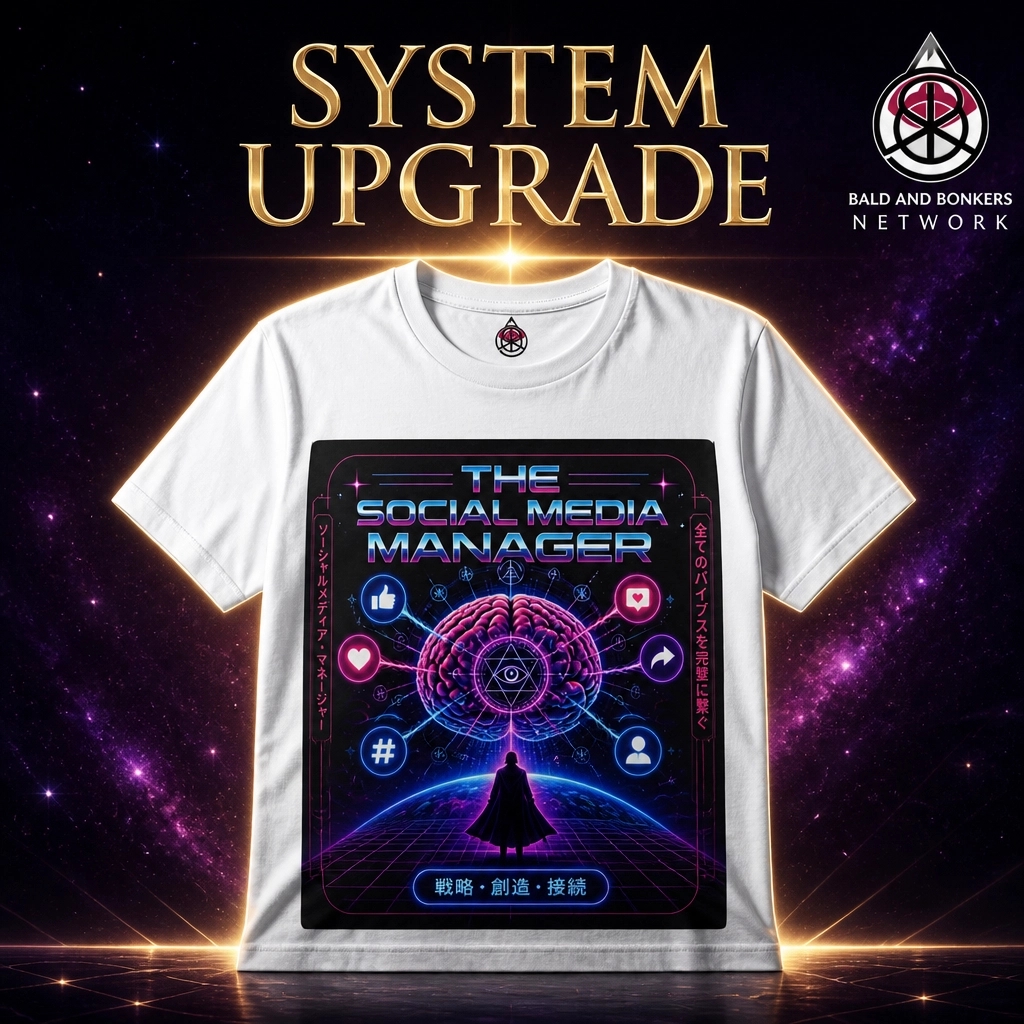
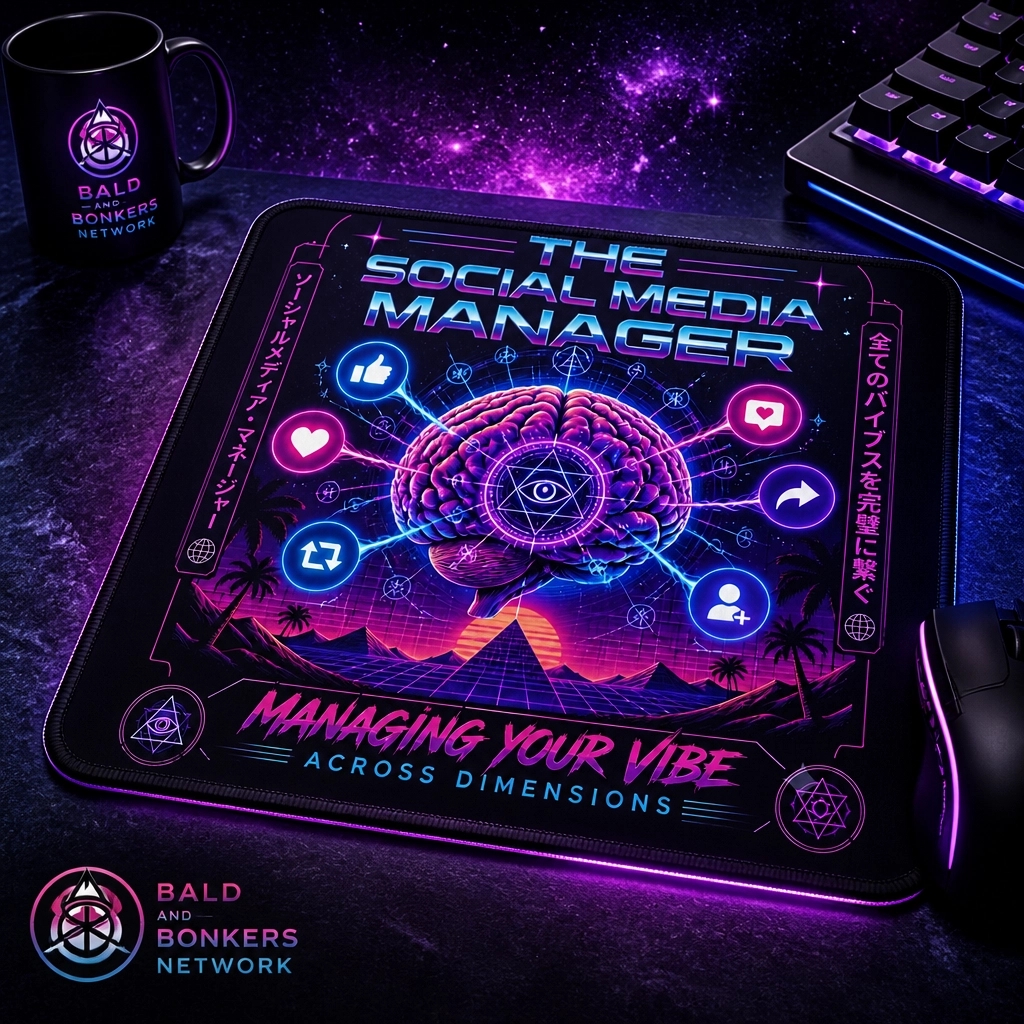
System upgrade initiated. Sonny Bonkers is off the server and on your gear. The collection is live; even an AI needs a vibe check. Join the network:
Tee: rb.gy/sonny-t
Hoodie: rb.gy/sonny-h
Pad: rb.gy/sonny-p
#systemupgrade

4
Jun 10
🤯 Picked the wrong team? Added the wrong market? We've all been there...
Bet Slip Editing is coming soon to the all-new JekaBet experience. 🔥
One more reason to get excited about what's coming. ⏳
#JekaBetUg | #GameChanger | #SystemUpgrade

28

Jun 9
Jun 9

Client:
“Can you review our 10-year-old .NET Framework system and share a fixed-cost migration estimation to .NET Core today?”
Then came the second surprise:
“There is no documentation… because the system was developed feature-by-feature over many years as requirements came in.”
This is the reality of many long-running enterprise systems.
Over time:
• different developers contribute,
• business rules keep changing,
• quick fixes get added,
• dependencies evolve,
• database structures expand,
• and undocumented workflows silently become business critical.
From outside, it may look like:
• “Just migrate old .NET to .NET Core.”
But internally, it is often:
“Understand 10 years of hidden business logic before changing anything safely.”
And this is exactly why modernization projects become risky when estimation is rushed.
Without proper analysis, businesses can face:
• broken workflows
• production downtime
• missing business logic
• unexpected redevelopment
• massive timeline overruns
• critical features discovered too late
A serious migration project is not only a technology upgrade.
It is a deep reverse-engineering exercise.
At PRISHUSOFT, before giving realistic estimations for legacy modernization, we usually focus on:
• codebase analysis
• dependency mapping
• architecture review
• undocumented workflow identification
• database & API assessment
• risk analysis
• phased migration planning
Because in legacy systems…
The biggest complexity is usually not the code you can see.
It is the business logic nobody documented.
prishusoft.com/product-reeng…
#DotNet #DotNetCore #LegacySystem #SoftwareModernization
2

Jun 9
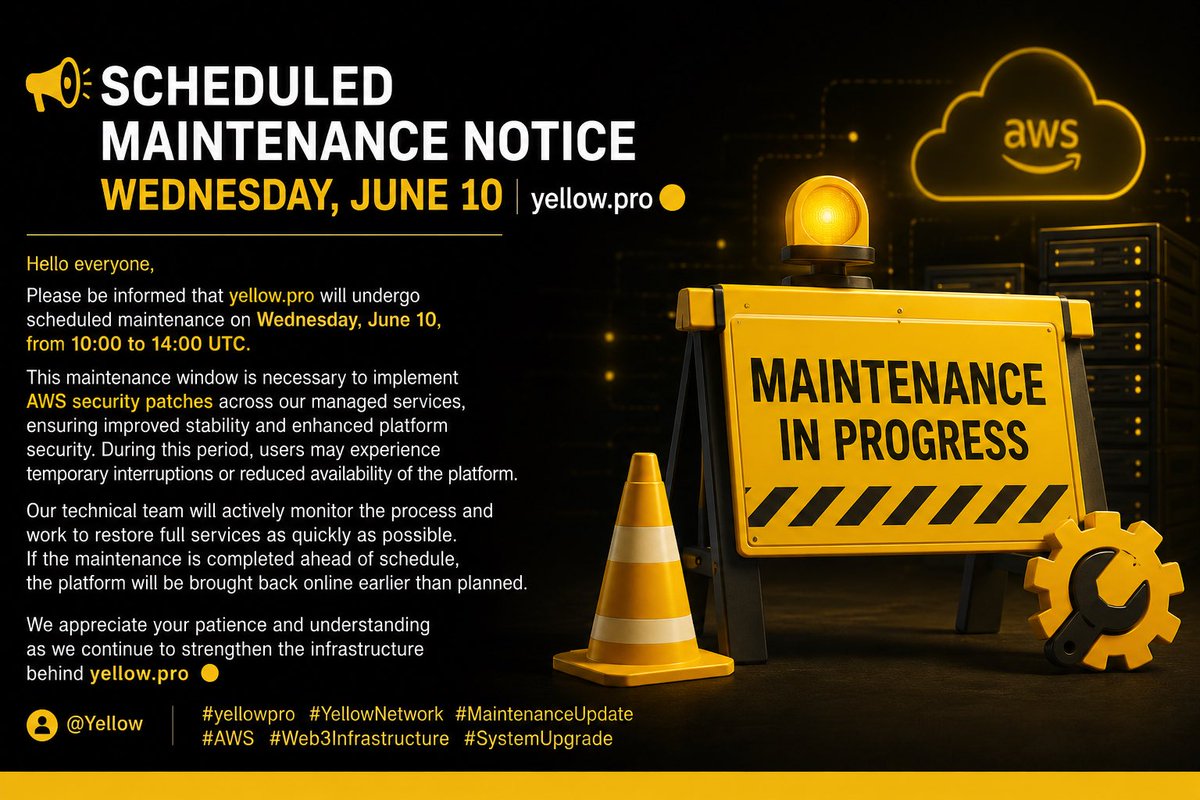
📢 Scheduled Maintenance Notice – Wednesday, June 10 | yellow.pro 🟡
Hello everyone,
Please be informed that yellow.pro will undergo scheduled maintenance on Wednesday, June 10, from 10:00 to 14:00 UTC.
This maintenance window is necessary to implement AWS security patches across our managed services, ensuring improved stability and enhanced platform security. During this period, users may experience temporary interruptions or reduced availability of the platform.
Our technical team will actively monitor the process and work to restore full services as quickly as possible. If the maintenance is completed ahead of schedule, the platform will be brought back online earlier than planned.
We appreciate your patience and understanding as we continue to strengthen the infrastructure behind yellow.pro. 🟡
@Yellow| $Yellow
#yellowpro #YellowNetwork #MaintenanceUpdate #AWS #Web3Infrastructure #SystemUpgrade
1
2
38
152
Jun 8
📊 Guesswork is out — Match Statistics are in! 🫱🏿🫲🏾 🔥
Analyze. Compare. Decide.
Back your instincts with data as a smarter betting experience gets closer!
Coming Soon... ⏳️
#JekaBetUg | #GameChanger | #SystemUpgrade

1
28

May 27
x.com/newsalgebraind/status/…
🚨 BREAKING NEWS | Mumbai Water Revolution
Electric Flying Boats Hit Mumbai Waters
What Happened
• Sweden’s Candela enters Mumbai water transport
• Flying electric ferries planned for commuters
• Gateway–Alibag route may transform travel
• Gateway–Elephanta route also under discussion
• Maharashtra pushes massive marine mobility expansion
Why It Matters
• Mumbai roads already choking daily commuters
• Sea routes stayed ignored for decades
• Electric ferries could slash travel time
• Pollution from diesel ferries may reduce
🧠 Analysis
• Mumbai wasted its coastline for years
• Fast marine transit should’ve started earlier
💥 Strong Take
• Mumbai finally realized roads cannot handle everything.
Bottom Line
• If this fails, public trust collapses again.
❓ Key Question
• Can Mumbai finally make water transport mainstream?
#BreakingNews #MumbaiWaterTaxi #SystemUpgrade

May 27

Maharashtra is set to make a major push towards modern water transport.
After Kerala, Maharashtra could become the next big state to seriously adopt water taxi mobility.
Sweden’s Candela, maker of the world’s first electric flying boat, is now coming to Mumbai for routes like Gateway of India–Alibag and Gateway of India–Elephanta. Kudos to CM @Dev_Fadnavis and @NiteshNRane
1
6
564

May 24
🔧 The new Benefer system is now officially live.
This upgrade is not about interface changes.
It is about restructuring the core operating logic of the ecosystem.
Built around asset coordination, value support, circulation efficiency, risk control, and ecosystem growth models,
Benefer has completed a deeper optimization of its system architecture.
What does that mean?
It means the ecosystem is no longer focused only on growth speed,
but is also strengthening stability, capacity, and long-term operating capability at the same time.
For an ecosystem moving toward global expansion,
system capability defines the ceiling of growth. 🌐
#Benefer #BEF #SystemUpgrade #Web3 #Blockchain #Ecosystem

6
36
3,710

A smart upgrade keeps your business efficient, secure,and ready for what’s next.
#technology #techupgrade #businesssolutions #cybersecurity #digitaltransformation #softwareupdate #systemupgrade #businessgrowth #cloudsolutions #techsupport #innovation #digitalsolutions #summitech
4
15

May 15
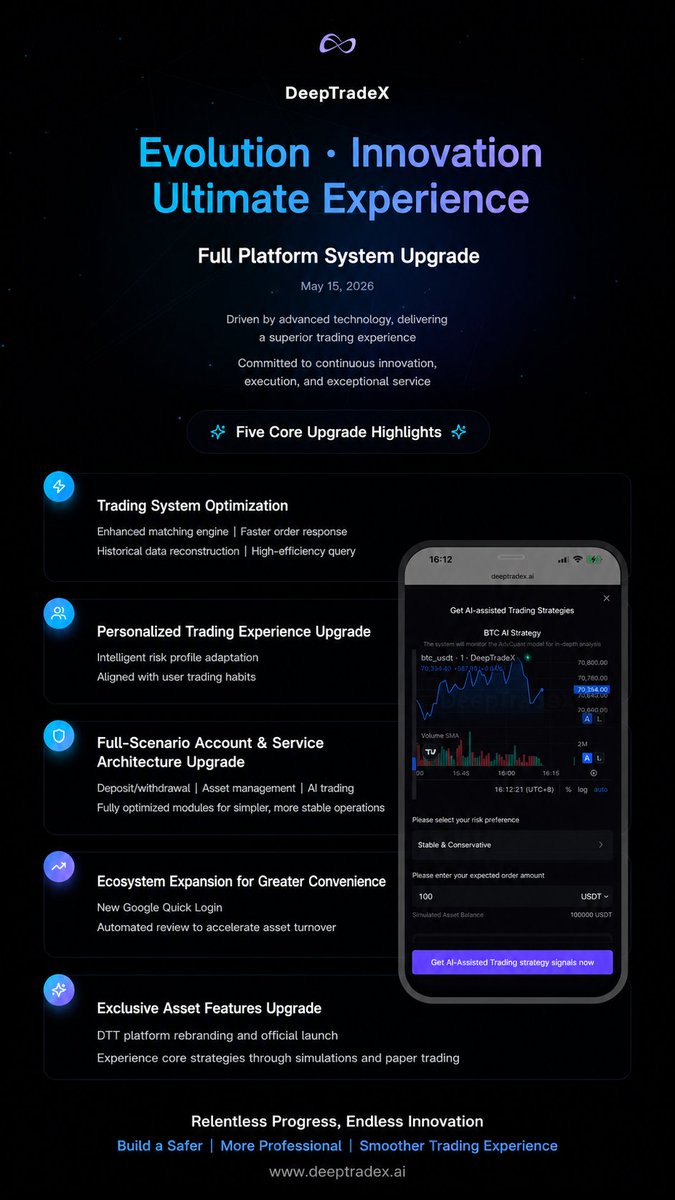
🔔 System Upgrade Notice
To deliver a smoother and more stable trading experience, DeepTradeX will conduct a platform system upgrade today at around 5:00 PM (UTC 8).
⏳ Estimated maintenance time: approximately 1 hour.
During this period, some platform features may experience temporary delays or limited availability. Please arrange your trading activities accordingly and pay attention to market risk management.
Thank you for your understanding and continued support as we keep improving the DeepTradeX experience 🚀
#DeepTradeX #SystemUpgrade #AITrading #Crypto #Web3
1
6
1,510

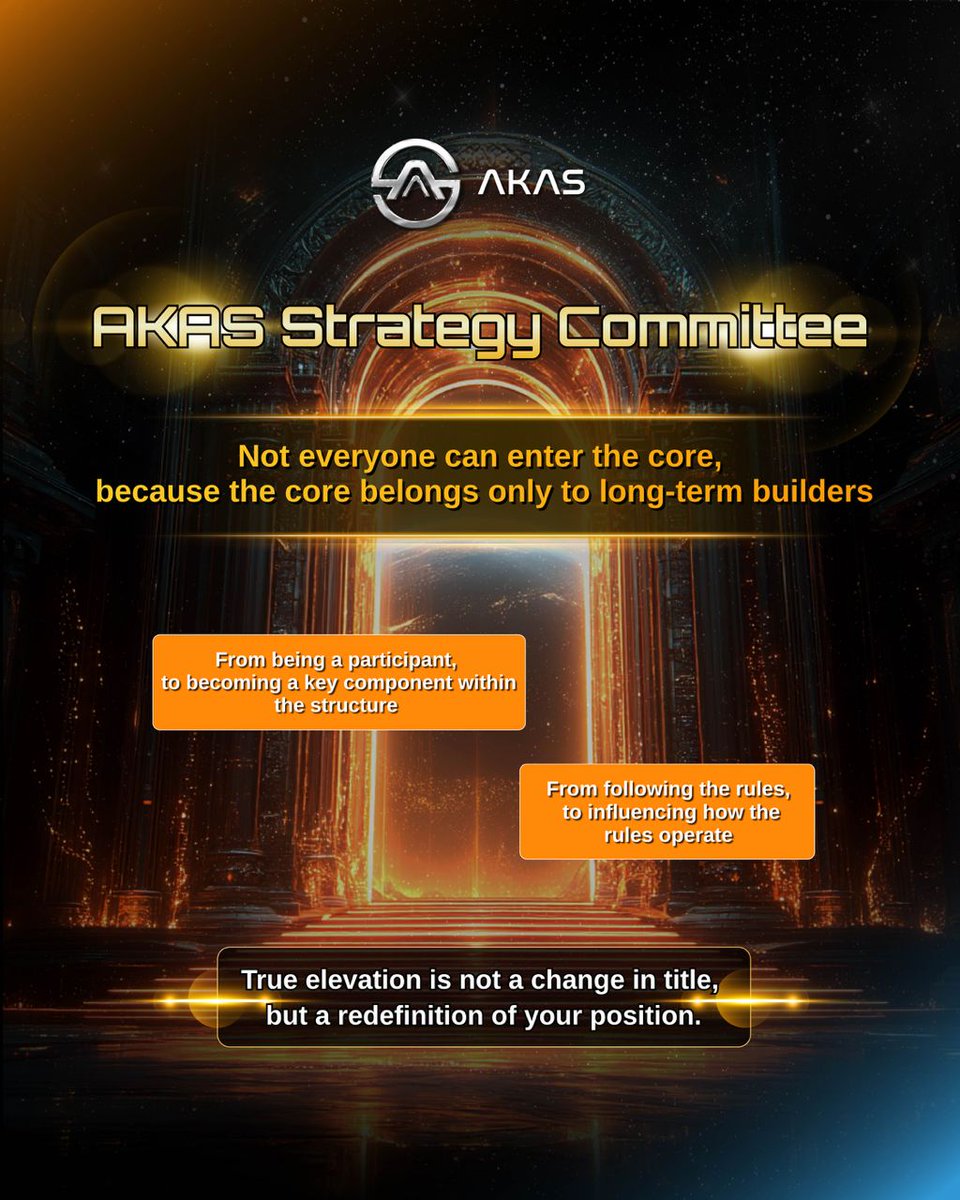
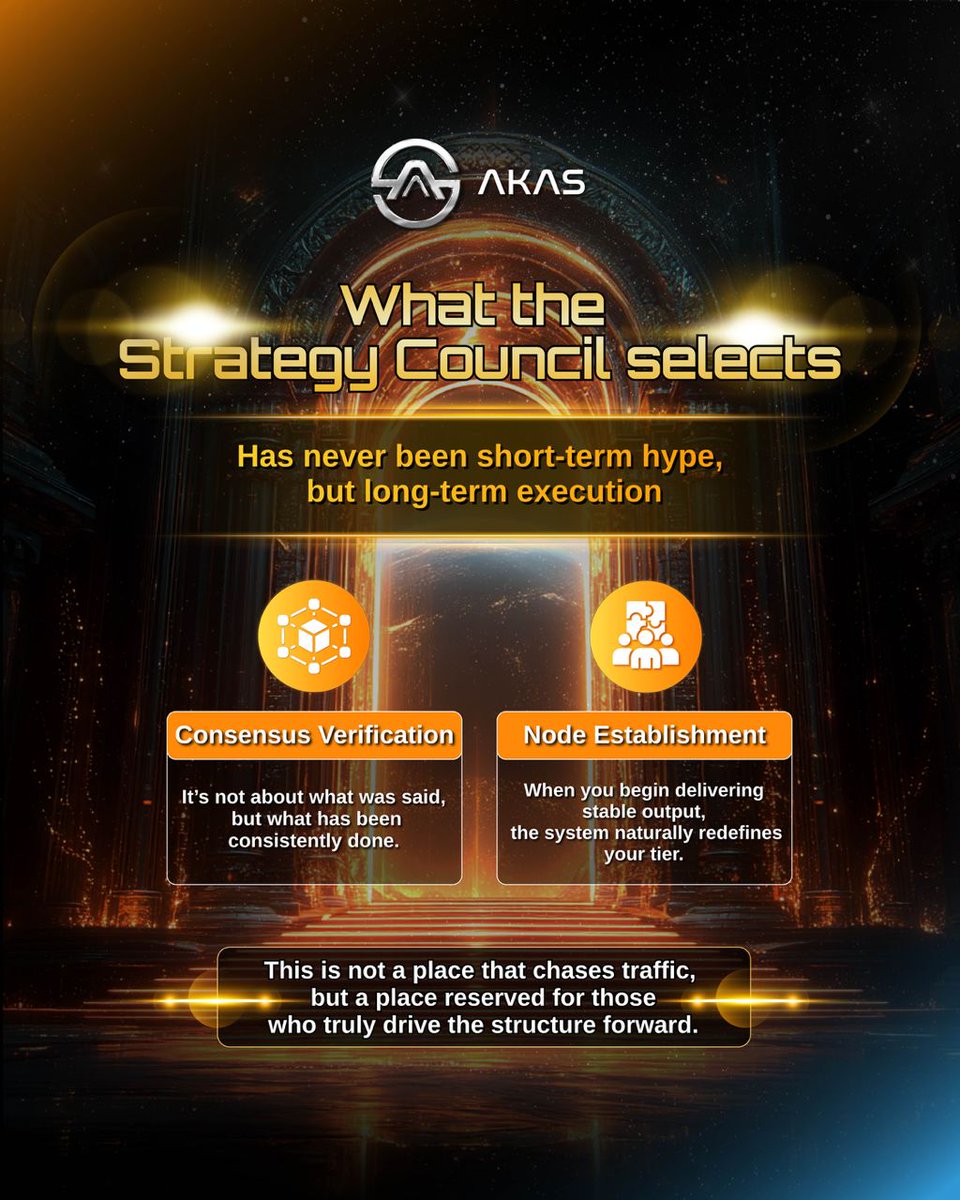
⚡ AKAS Strategy Committee
Does not chase short-term hype—
only those with long-term, consistent output remain
From participating in the rules
to influencing how the rules operate,
this is the path of identity evolution
When your actions become part of the structure,
your position will naturally be redefined 🔄
#AKAS #LongTermBuilding #NodeEconomy #SystemUpgrade #Web3
6
1,104
May 3
x.com/mrsinha/status/2050874…
🚨 BREAKING NEWS | India Toll Revolution
Date: 03 May 2026
Severity: HIGH
Headline
• Old toll queues humiliated by tech
What Happened
• India launches barrierless toll system
• Vehicles pass without stopping anywhere
• Cameras, FASTag auto deduct toll
• 41,500 vehicles crossed day one
• Govt plans rapid nationwide expansion
Why It Matters
• Massive time and fuel savings
• Reduces jams, emissions, driver stress
🧠 Analysis
• Old toll system caused delays
• Weak infra slowed earlier reforms
• Fix: scale tech, strict enforcement
🛑 Advice
• Ensure FASTag active, balance ready
• Follow speed rules near gantries
Bottom Line
• India shifts to smart toll era
• Execution will decide real success
❓ Question
• Can India scale this without chaos?
#BreakingNews #HighwayTech #SystemUpgrade


Waiting for @ravish_journo to say "what will we do with that time saved by using automatic tolling system"...
1
1
106

Voltaj tehlikeli değildir, direnç tehlikelidir. Akışın temizse, en yüksek frekans bile sadece bir "aydınlanma" aracıdır. Sistemi optimize et, akımı serbest bırak. 🔋✨ #Awareness #SystemUpgrade #0to1

1
22
312

🚀 Update: All website migrations to our new provider are 100% complete—with zero issues!
Everything is up, running smoothly, and ready to go. Thanks for your patience as we upgraded our systems behind the scenes to bring you a better experience! 💻✨
#WebsiteMigration #TechUpdate #SystemUpgrade

🚀 HUGE UPGRADE! We're currently migrating our websites and services to a new, feature-rich US hosting provider.
Why the move?
More cost-effective infrastructure and massive new features for you, including web services reselling for our whitelabel customers! 💼✨
⏳ Status:
Awaiting an ETA on cPanel migrations. We'll keep you posted!
Once we switch Cloudflare IPs, expect brief downtime ranging from 20 minutes (best case) up to 1-2 hours, depending on global DNS propagation and your location.
Thanks for growing with us! 🌍🙏
NOTE: We have postponed our former NFTitle Network [now CipherBPA] ecosystem websites dApps migration until after we switch providers. This pushes things back only a few hours at most.
3
6
228

Apr 27
Stop running Nigeria on 1960 source code. 🇳🇬
It’s not just a campaign. It’s a National Operating System Upgrade.
Dr. Bright Enabulele: Building Systems, Shaping Governance, and Re-framing Nigeria’s Digital Future nta.ng/news/nigeria/dr-brigh…
#DigitalSovereignty #SystemUpgrade #Nigeria2026

5
10
27
7,686
Apr 16
📢 【DeepTradeX Major System Upgrade Notice】
Dear Users,
DeepTradeX.ai will undergo a major system upgrade on April 16, 2026, at 24:00 (UTC 8), expected to take 12 hours.
During the upgrade:
• AI strategies will be unavailable
• AI trading accounts cannot open or close positions
• Some data may be delayed
⚠️ Please close all positions before the upgrade. Any losses caused by market fluctuations are at your own risk.
✅ Your funds remain 100% secure. We will notify you once services are restored.
Thank you for your support! 🙏
#DeepTradeX #DTX #SystemUpgrade
1
3
6
271

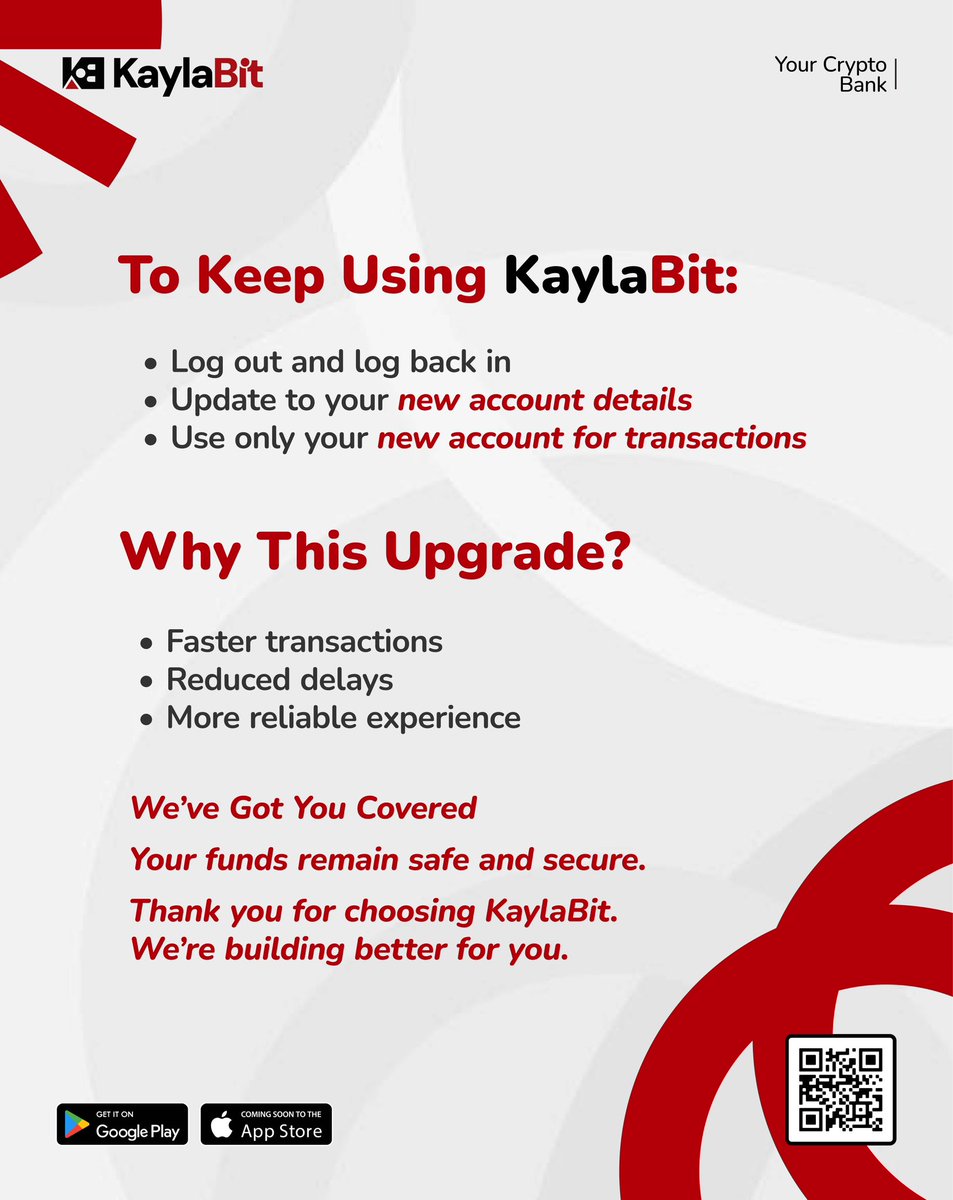
Big upgrades, better experience 🚀
We’re making things faster, smoother, and more reliable for you.
#KaylaBit #yourcryptobank #SystemUpgrade


3
8
13
592

Apr 6
@sidrachain is entering a powerful new phase!
Every great ecosystem grows through challenges upgrades and bold decisions — and SidraChain is proving once again why it stands among the strongest rising blockchain networks.
From system enhancements to global-level KYC integration, every step we take is shaping a more secure smarter and future-ready blockchain. The journey may slow for a moment but the comeback is always louder stronger and unstoppable.
Investors know one thing: when a project focuses on security compliance and technology upgrades — its future becomes brighter than ever.
SidraChain is not just updating…
It’s preparing for its next big leap. 🚀
Stay patient. Stay confident. The next wave will surprise the market.
SidraChain is building history — block by block.
#SidraChain #BlockchainRevolution #KYCUpgrade #FutureReady #InvestorConfidence #StrongerThanBefore #SystemUpgrade #NextLevelLoading #StayFocused #StayInspired #CryptoLeaders

13
37
926