

Jun 12
One in every four nations globally participates in the FIFA World Cup, yet India—a country that consistently ranks among the top ten in population, landmass, and economic potential—remains conspicuously absent. The inability of a nation with over 1.6 billion people to produce even a single team capable of qualifying for the World Cup is a staggering failure that defies logic.
While former cricket-playing peers like Australia, New Zealand, and South Africa have successfully transitioned into competitive footballing nations, India remains tethered to the sidelines. This stagnation isn't merely a matter of lack of talent; it is the result of a deliberate, systemic prioritization of cricket. The vast financial resources controlled by 'cricket tycoons' ensure that the nation’s sporting infrastructure and focus remain exclusively funneled into one direction, leaving other sports to wither.
The reality is that football demands intense physical labor and endurance—traits that the current socio-political power structures in Indian sports seem unwilling or unable to cultivate among the demographic groups that have historically dominated the field. Consequently, football in India suffers from a chronic lack of government support and institutional investment.
When you observe the global landscape, it becomes clear how isolated India has become. From developed powerhouses like Japan and South Korea to war-torn regions and sparsely populated African nations, the entire world is converging on football. Yet, India remains stuck, anchored to a different sport by the sheer influence of entrenched interests. The fact that the entire nation can be kept away from the global sporting mainstream while the rest of the world moves forward is a testament to the powerful, exclusionary forces that dictate the trajectory of Indian sports.
#IndianFootball
#FIFAWorldCup
#SportsInIndia
#fifa
#SystemicFailure
61

Jun 11
For 150 years, the federal government has failed to maintain reliable data on missing Black girls and women. Systemic oversight failures persist, leaving critical issues like foster care to trafficking unaddressed. harris4senate.com/ #SocialJustice #SystemicFailure
4
Jun 11
Policies enacted without debate, device searches up 500%, children dying at twice the world rate. This isn't normal; it's a calcified system resistant to change. The water's boiling, but we haven't jumped yet. #SystemicFailure #HumanRights
1
1
4

Jun 11
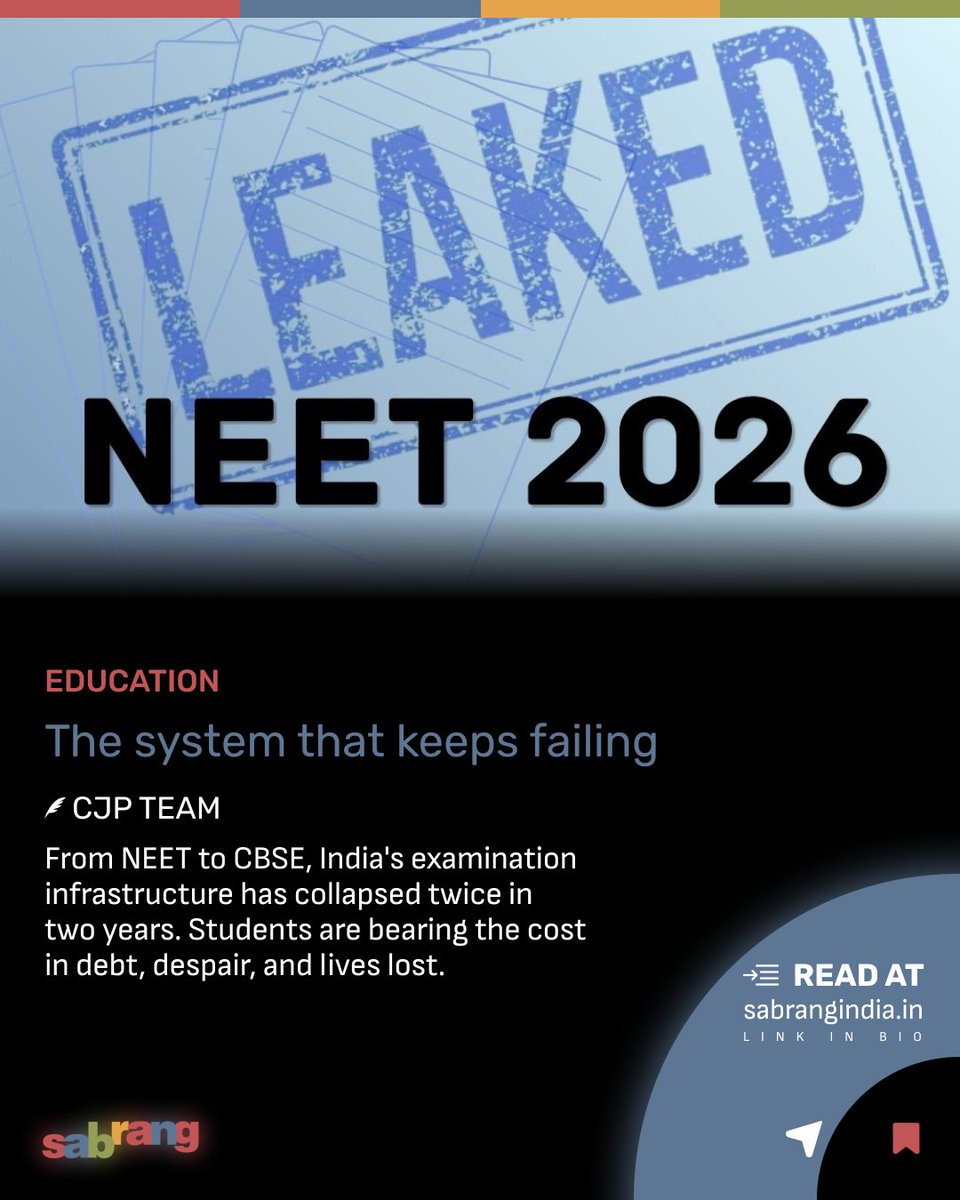
A System That Keeps Failing: When Institutions Fall Short of Their Promise
#SystemicFailure #IndiaNews #sabrangindia
sabrangindia.in/the-system-t…
10

پریس ریلیز
برائے فوری اشاعت
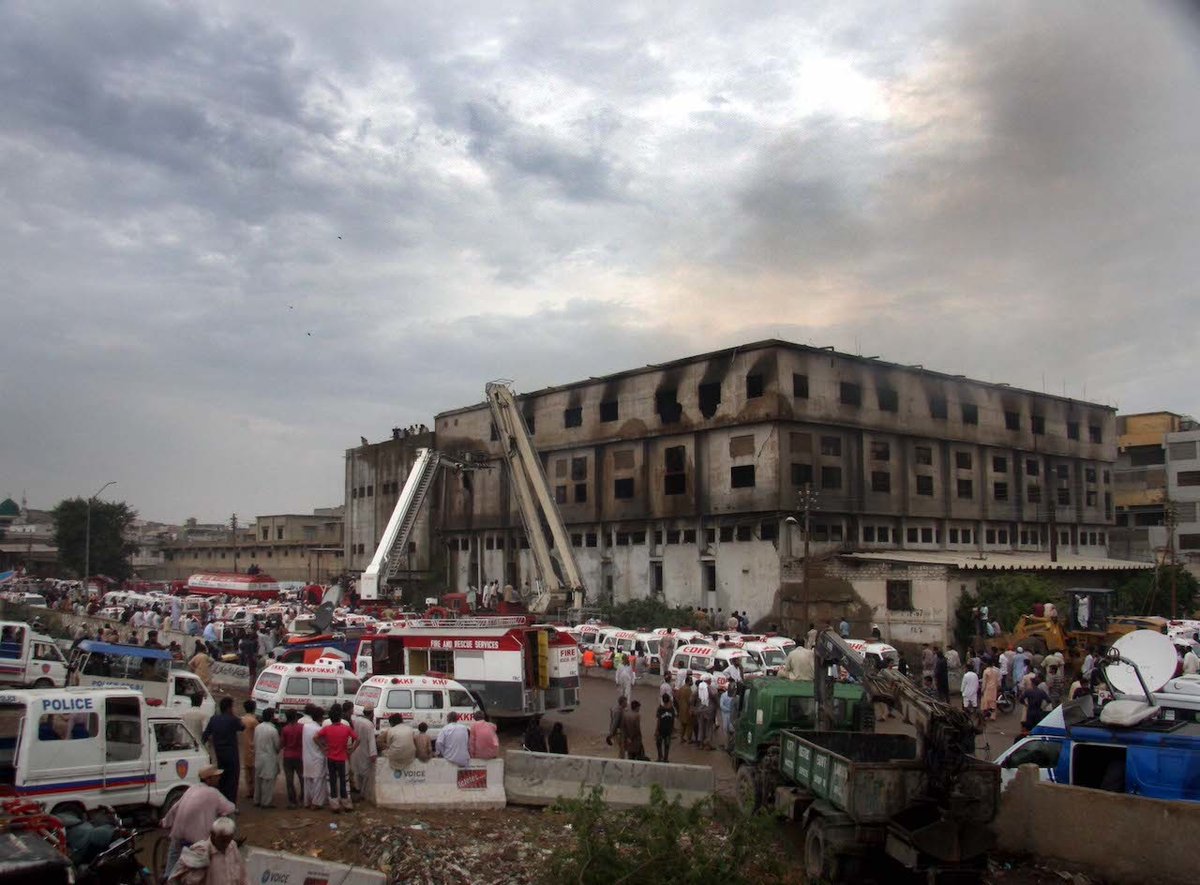
موضوع: سانحہ بلدیہ ٹاؤن کے ملزمان کی بریت پر تشویش؛ پراسیکیوشن کی کمزوریوں اور لواحقین کو انصاف کی فراہمی میں تاخیر پر ہیومن رائٹس کونسل آف پاکستان کا ردعمل
سپریم کورٹ آف پاکستان کی جانب سے سانحہ بلدیہ ٹاؤن فیکٹری کیس کے مرکزی ملزمان کو بری کیے جانے کے فیصلے پر ہیومن رائٹس کونسل آف پاکستان گہری تشویش کا اظہار کرتی ہے۔ کونسل کے مطابق، یہ فیصلہ پراسیکیوشن اور تفتیشی اداروں کی کارکردگی، شواہد کے نظام اور تفتیش میں موجود سنگین تضادات کو نمایاں کرتا ہے۔ قانون کے مطابق ملزمان کو 'شک کا فائدہ' دینا ایک مسلمہ اصول ہے، تاہم چودہ سال کا طویل عرصہ گزرنے کے باوجود اس سنگین سانحے کے اصل محرکات اور ذمہ داران کا حتمی تعین نہ ہونا ہمارے نظامِ عدل اور تفتیشی ڈھانچے پر کئی سوالات کھڑے کرتا ہے۔ 250 سے زائد مزدوروں کی شہادت کے اس واقعے میں اب تک یہ واضح نہیں ہو سکا کہ اس کا اصل ذمہ دار کون تھا۔
آئینِ پاکستان کے تحت شہریوں کا تحفظ اور انہیں انصاف کی فراہمی ریاست کی اولین ذمہ داری ہے۔ چودہ برس سے انصاف کے منتظر متاثرہ خاندانوں کو تاحال ٹھوس داد رسی، جامع بحالی اور بنیادی سہولیات کی فراہمی میں مشکلات کا سامنا ہے، جو کہ انتظامی اور ریاستی سطح پر ایک بڑی ناکامی ہے۔ کونسل کا مؤقف ہے کہ انصاف میں یہ غیر معمولی تاخیر اور کمزور تفتیش قانون کی بالادستی پر عوام کے اعتماد کو متاثر کرتی ہے۔
ہیومن رائٹس کونسل آف پاکستان حکومت سے پرزور مطالبہ کرتی ہے کہ اس اہم ترین کیس کی تفتیش اور پراسیکیوشن میں دانستہ یا غیر دانستہ غفلت برتنے والے متعلقہ حکام کا سخت احتساب کیا جائے۔ ایک اعلیٰ سطحی، بااختیار اور غیر جانبدارانہ کمیشن کے ذریعے کیس کا ازسرنو جائزہ لیا جائے تاکہ حقائق سامنے لائے جا سکیں۔ متاثرہ خاندانوں کی فوری داد رسی اور مستقل مالی و سماجی بحالی کے لیے جامع اقدامات کیے جائیں۔
انصاف کی فراہمی میں تاخیر دراصل انصاف سے محرومی کے مترادف ہے، اور ریاست کو قانون کی بالادستی قائم کرنے کے لیے فوری اصلاحات کرنی ہوں گی۔
ترجمان : ہیومن رائٹس کونسل آف پاکستان
#JusticeForBaldiaTown #BaldiaTownTragedy #FailureOfJustice #StateNegligence #KarachiFactoryFire #SystemicFailure #JusticeDelayedJusticeDenied #HumanRightsCouncilOfPakistan
1
6
201

Jun 11
An R&B Engineer-in-Chief amasses allegedly over 200-Crore empire of villas, land, cash & gold, while honest taxpayers are forced to beg local officers who shamelessly shield road encroachers as "private property".
This isn't a systemic failure—it is a brutal, daily slap in the face to every citizen who pays direct taxes.
What do you want us to do, @revanth_anumula? Don't give us false hopes with flashy press releases anymore. What real action will you take?
How many ACB raids have been conducted since you took over, and how many corrupt officials actually received the maximum punishment as per law? How exactly are these illegal assets being confiscated and given back to the public, or is it all just a backroom deal?
Wake up. The script is always the same: a compromised, loose charge sheet is written so the case predictably crumbles in court, allowing them to walk right back to their chairs before retirement. The system isn't broken; it's working exactly for whom it was built.
@MC_Cyberabad #Corruption #Taxpayers #SystemicFailure
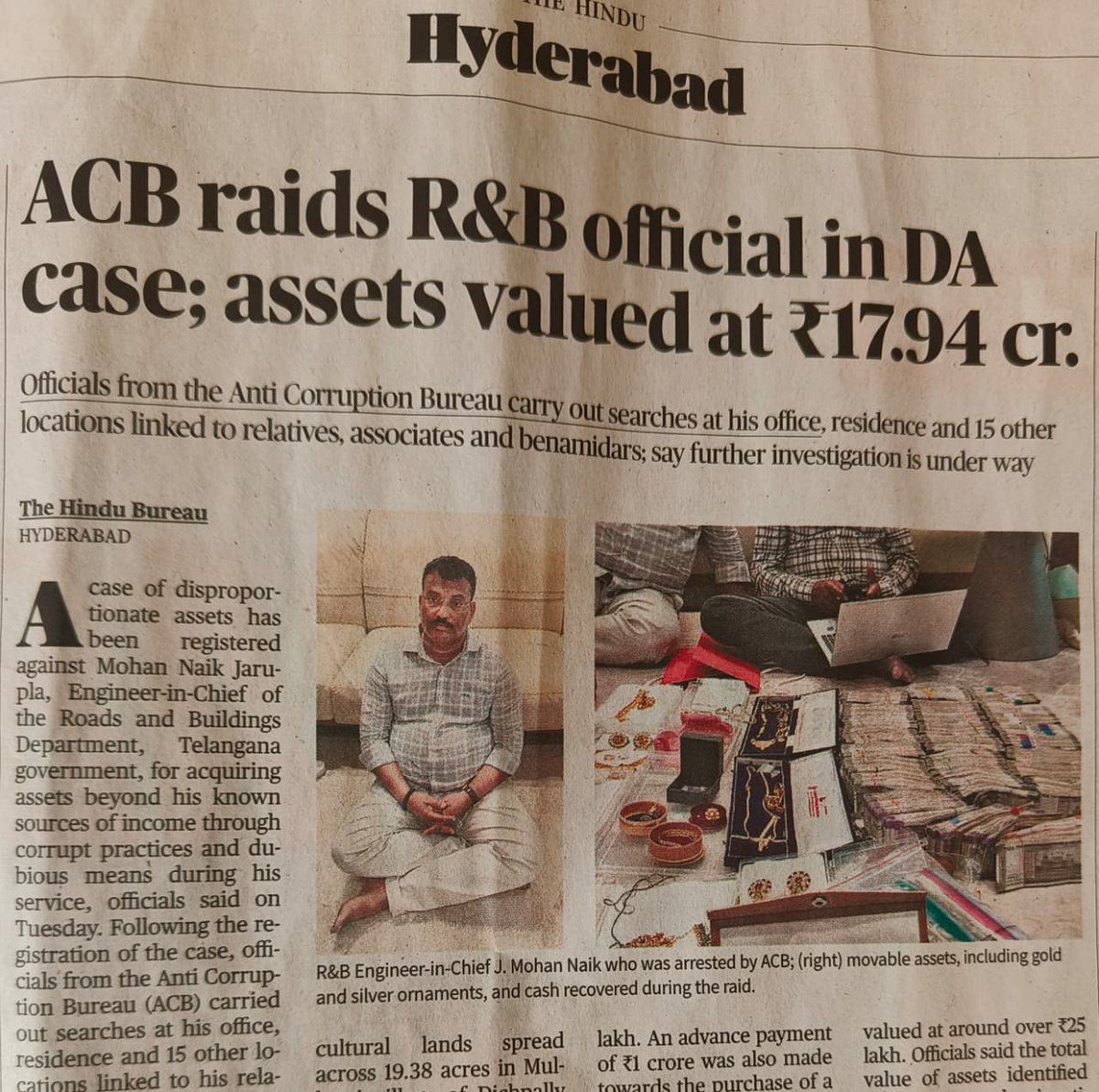
ALT Flashy Raids vs. Convictions?? What's the Real Deal, @revanth_anumula?
42

Jun 10
If you could Please Pray for me🙏
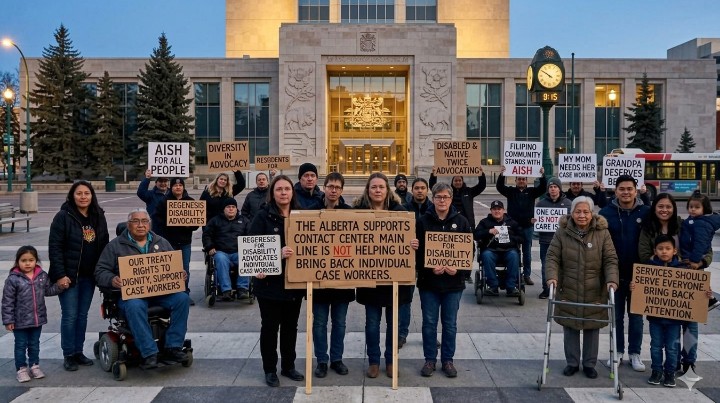
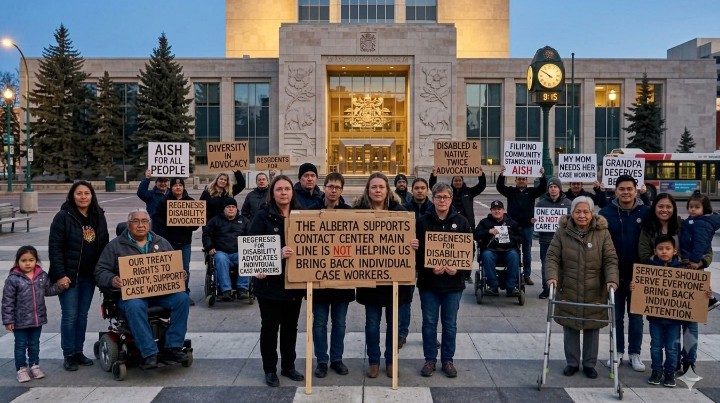
Okay. There is nothing the AISH 24 Hr emergency line can do without approval. They have transferred me back to my local AISH line I spoke w this morning. I don't even know. I just I don't have words anymore. I'm going to try & borrow some money. Try to get to my appt. that way. And then I'm giving up.
If you could Please Pray for me🙏 I am trying so hard to get my bipolar meds. I can't feel my body anymore. It's like I'm not even really here.
#DanielleSmith #NathanNeudorf #JustinWright #AdrianaLaGrange #RachelNotley #AbLeg #AbGov #UCP #AlbertaOpposition #AlbertaNDP #AISHMatters #AlbertaHealth #PatientAdvocacy #SystemicFailure #MentalHealthAlberta #BipolarSupport #DisabilityRightsAlberta #Westlock #RuralHealthcare #MentalHealthMatters
1
58
Jun 10
PRAY FOR ME FOLKS🙏🙏🙏
So I'm just now journaling (daily working w my mental health, I journal A LOT) & absolute bloody irony I'm explaining to my interactive journal how the lady at AISH today told me there’s nothing she can do to help me get to my critical Dr. (bipolar meds) appointment today. My travel reimbursement (as I planned for this to be my gas money to get to my next. Dr. appt.) which I sent in June 1 was actioned this past Mon & I should receive it tomorrow. Despite the fact that I told her when I was speaking with another worker on Mon who was the one to find my appt. confirmation in the queue & action my travel reimbursement request & she said if it wasn't in by this morning to call for emergency funding to be able to get to today's appt. She really was sorry but there's nothing she can do.
So now I'm journaling. And my interactive journal tells me to call the 24 hours emergency support line 1-866-644-5135 & they should be able to help me with emergency travel costs.
Why didn't AISH tell me that??? So I am now on hold. Trying. Maybe I'll get to my Doctors today. I have to leave by 2pm if I can go. It's 10am. PRAY FOR ME FOLKS🙏 Maybe just maybe I'll get my meds today. Hopefully special permissions have gone through as well🙏🙏🙏
#DanielleSmith #NathanNeudorf #JustinWright #AdrianaLaGrange #AbLeg #AbGov #UCP #AlbertaOpposition #AISHMatters #AlbertaHealth #PatientAdvocacy #SystemicFailure #MentalHealthAlberta #DisabilityRightsAlberta #Westlock
61

Jun 10
Delayed investigations only save the culprits while common people pay with their lives. Rajasthan's #healthcare supply chain needs an immediate, transparent overhaul before another city joins this tragic list. #MaternalDeaths #Kota #Bikaner #SystemicFailure #Accountability
35

Seizing a skin means the animal is already dead. Why does the Odisha Forest Department only act AFTER a leopard is poached?
On June 6, 2026, another majestic animal's life was lost to thriving networks.
Is our tax money being used for active patrolling, or just paperwork?
#OdishaNews #Rayagada #WildlifeProtection #SystemicFailure #GovernmentAccountability #SaveIndianAnimals
@CMO_Odisha @odisha_police @GovernorOdisha @DGPOdisha @moefcc @ntca_india @LiveLawIndia @PMOIndia

22
21
360

Being the 6th largest economy is a useless statistic until this is fixed. You can have all the economic growth in the world, but it doesn't matter if the legal pipeline has completely deteriorated.
The judicial system remains stuck in a cycle of failure: 55 million pending cases, massive judge vacancies, and a refusal of independent oversight.
Being a global economic power means nothing when the rule of law is failing the average citizen every single day.
#JudicialReform #RuleOfLaw #SystemicFailure
10
Jun 9
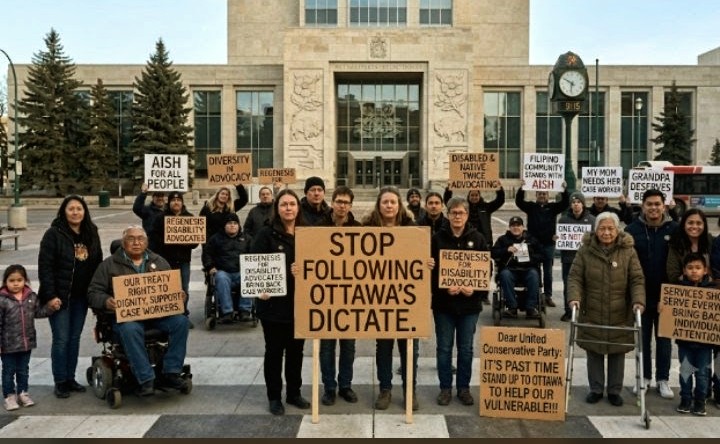
Dear United Conservative Party
IT'S PAST TIME TO STAND UP TO OTTAWA TO HELP OUR VULNERABLE!!!
The financial trap current AISH recipients are facing is entirely the result of a Broken Promise by our FEDERAL government.
When the 🇨🇦 DISABILITY BENEFIT rolled out Ottawa explicitly stated it would cover the medical fees required to certify individuals for the Disability Tax Credit. Relying on that assurance Alberta structured its policy as a temporary pass-through—advancing money upfront via a "supplemental benefit" on the condition that recipients would pay AISH back once their federal funds arrived. But lo & behold the FEDERAL government quietly backed away from direct guaranteed reimbursement. Instead swapping it for a flat $150 payment that won't arrive until the end of the 2026–2027 fiscal year. Even worse it is conditional on approval. If a Dr. charges $300 to fill out the form the recipient has a $150 deficit & if the CRA denies the disability status our FEDERAL government pays zero dollars leaving the applicant eating once a day or every other day for a good long while. And because Alberta refuses to change its clawback framework to adapt to this federal failure AISH still forces recipients to sign a binding repayment agreement. When the federal money is delayed or denied AISH still enforces the provincial debt & garnishes monthly provincial cheques. Vulnerable Albertans are literally being forced to pay for FEDERAL ADMINISTRATION FAILURES straight out of our food budgets.
@PattyHajdu @LailaGoodridge @CanRevAgency @DisabilityW_P @InclusionCA @PlanInstitute @DisabilityAllBC @JasonNixonAB @ABDanielleSmith @albertaNDP @InclusionAB @VoiceOfAb @JustinTrudeau @PierrePoilievre @theNDP @theJagmeetSingh @TaxpayersOmbud #AISH #AbLeg #Alberta #AISHAbuse #CDB #DTC #CanPoli #DisabilityRightsCanada #PovertyTrap #SystemicFailure #DisabilityJustice
1
1
3
124
Jun 9
I'm still diving into this cause just wow & I thought to send you this. My next just about to be posted post...
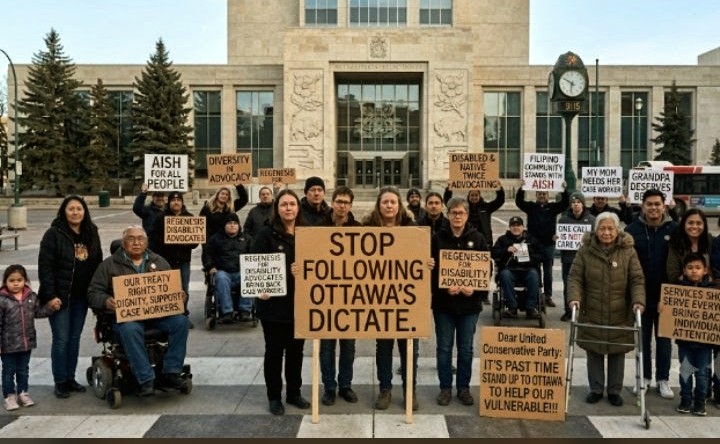
Dear United Conservative Party
IT'S PAST TIME TO STAND UP TO OTTAWA TO HELP OUR VULNERABLE!!!
The financial trap current AISH recipients are facing is entirely the result of a Broken Promise by our FEDERAL government.
When the 🇨🇦 DISABILITY BENEFIT rolled out Ottawa explicitly stated it would cover the medical fees required to certify individuals for the Disability Tax Credit. Relying on that assurance Alberta structured its policy as a temporary pass-through—advancing money upfront via a "supplemental benefit" on the condition that recipients would pay AISH back once their federal funds arrived. But lo & behold the FEDERAL government quietly backed away from direct guaranteed reimbursement. Instead swapping it for a flat $150 payment that won't arrive until the end of the 2026–2027 fiscal year. Even worse it is conditional on approval. If a Dr. charges $300 to fill out the form the recipient has a $150 deficit & if the CRA denies the disability status our FEDERAL government pays zero dollars leaving the applicant eating once a day or every other day for a good long while. And because Alberta refuses to change its clawback framework to adapt to this federal failure AISH still forces recipients to sign a binding repayment agreement. When the federal money is delayed or denied AISH still enforces the provincial debt & garnishes monthly provincial cheques. Vulnerable Albertans are literally being forced to pay for FEDERAL ADMINISTRATION FAILURES straight out of our food budgets.
@PattyHajdu @LailaGoodridge @CanRevAgency @DisabilityW_P @InclusionCA @PlanInstitute @DisabilityAllBC @JasonNixonAB @ABDanielleSmith @albertaNDP @InclusionAB @VoiceOfAb @JustinTrudeau @PierrePoilievre @theNDP @theJagmeetSingh @TaxpayersOmbud #AISH #AbLeg #Alberta #AISHAbuse #CDB #DTC #CanPoli #DisabilityRightsCanada #PovertyTrap #SystemicFailure #DisabilityJustice
1
1
36


Just look at what these people are being forced to endure while the world watches and #failstoact.
#SystemicFailure
#InternationalCommunity
Jun 8

🎥💢 Footage filmed by Drop Site contributor Abdel Qader Sabbah captured the aftermath of an Israeli strike targeting civilians in Anwar Aziz Square in northern Gaza’s Jabalia refugee camp on Monday.
Three Palestinians were killed in the attack, including 8-year-old Jad Youssef Suleiman, who relatives said was on his way home from school, and 70-year-old Ismail Abu Dan.
“My nephew, my sister’s son, was coming home from school,” a woman said to Drop Site. “What was his crime? A child going to school.”
She said, “there is no safe place in Gaza. You leave your home not knowing whether you’re going to return or die.”
Another man held up the bloodstained school bag of his 8-year-old son killed in the strike.
“This is his backpack. It’s covered in blood. What was his crime? A piece of shrapnel struck his neck.”
Asked about the ceasefire, a third witness replies: “There is no ceasefire. There is no safe place. Enough bloodshed. Let us be, for God’s sake. Let us live in peace.”
At least seven Palestinians have been reported killed across Gaza so far Monday in a series of Israeli strikes, along with more than a dozen people who were wounded.
1
1
1
43

#IAS #Corruption #SystemicFailure #Amritkaal #Accountability #Governance #Odishanews
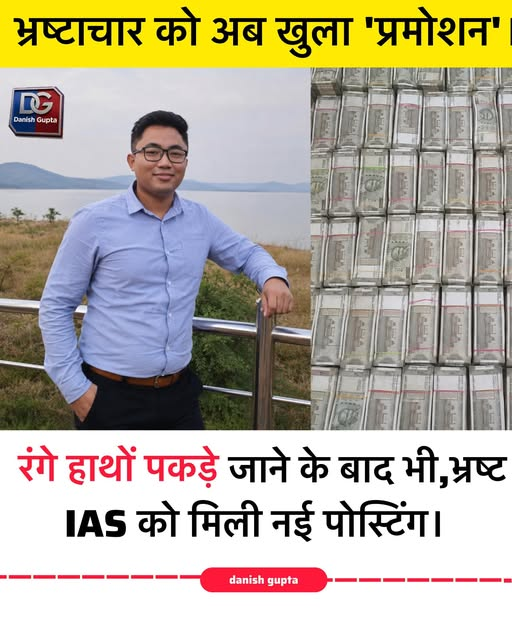
अमृतकाल की विडंबना देखिए! जहाँ भ्रष्टाचार के खिलाफ जीरो टॉलरेंस का दावा किया जाता है, वहीं धरातल पर हकीकत कुछ और ही है। हाल ही में IAS धिमान चकमा का मामला इसका जीता-जागता उदाहरण बन गया है।
1
7

Jun 7
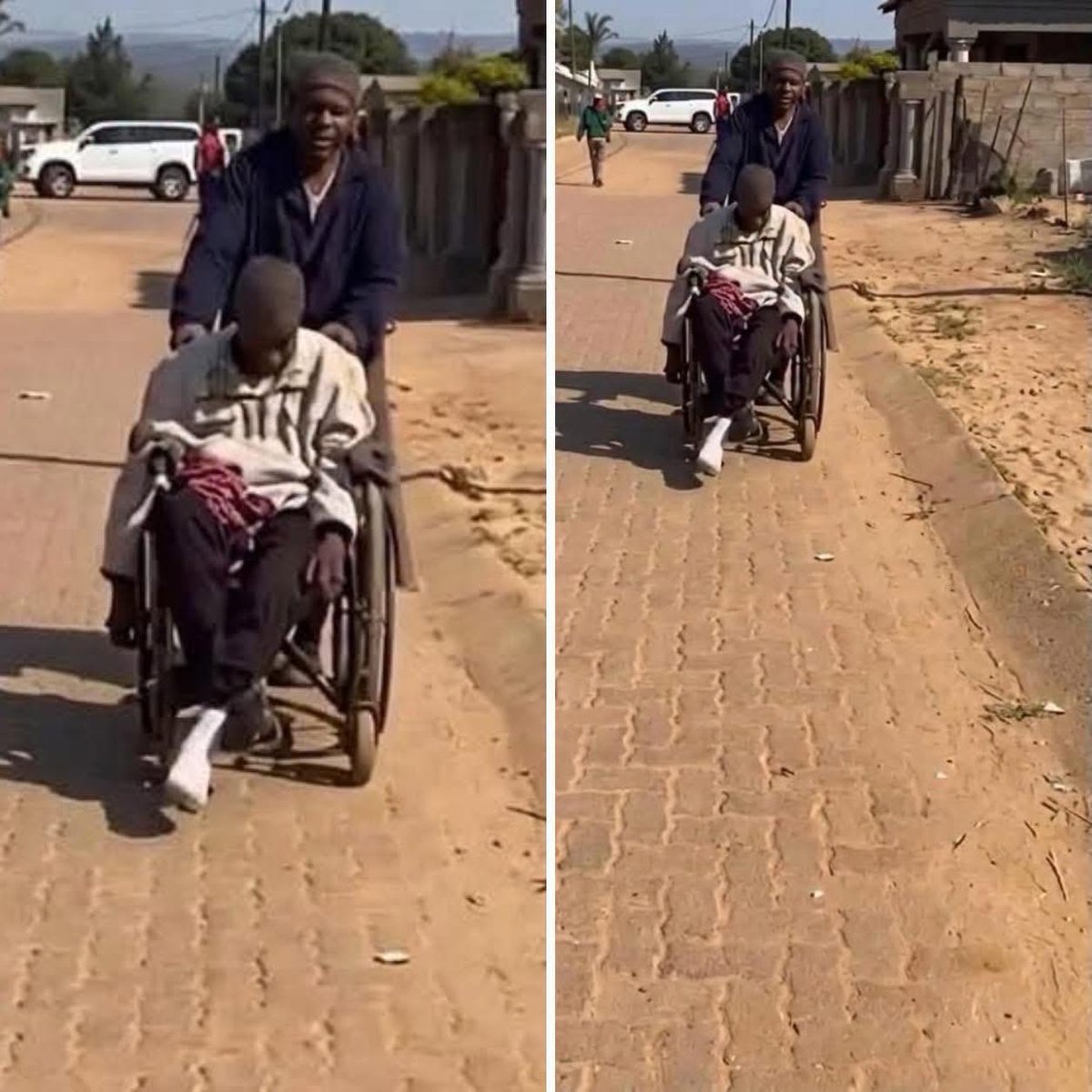
HEARTBREAKING SCENE AT MODIMOLLE CLINIC: DAUGHTER FORCED TO PUSH DECEASED FATHER OUT
In a tragic and deeply disturbing turn of events, a local woman was captured on video pushing her own father’s lifeless body in his wheelchair after he passed away while waiting for medical intervention at the Modimolle Clinic.
Heart-wrenching reports indicate that despite the daughter’s desperate pleas for help, staff allegedly instructed her to continue waiting. The heartbreaking sight of her wheeling her father out, knowing he had breathed his last breath while seeking care, has sparked outrage. Questions are now mounting regarding the quality of patient care and the professional conduct of those on duty. How many more lives must be lost to administrative negligence before accountability is taken?
#HealthcareCrisis #ModimolleClinic #JusticeForPatients #SystemicFailure #MedicalNegligence
116

dazzlingdawn.com/2026/6/7/da…
An investigative look into systemic postal infrastructure failures following a 19-year... #LogisticsFail #PostalInfrastructure #RoyalMail #ChesterNews #SupplyChain #CorporateAccountability #SystemicFailure #UKNews #DailyDazzlingDawn #Investigation

8