


Es increíble lo mucho que uno ve G Wagons en Medellín considerando el precio tan absurdo de esa vaina.
Si ya era impresionante ver TXLs de $500 palos cada 5 minutos, ahora ver minimo una camioneta de mil palos en cualquier parqueadero del Poblado es una locura.
24
19
729
42,311

Este relato es muy cierto, en toda ciudad intermedia la pyme es un lavadero de carros que esclaviza al trabajador y tienen 20 ha de tierra, 6 prados txls y 10 casas pero el mínimo los arruina.

una prima mía no es Ardila Lulle, pero es dueña de unas confecciones en El Hueco y tiene dos camioneta de 100 millones y ya se compró el tercer apartamento, pero no paga prestaciones a las trabajadoras ni nada de eso.
así son la mayoría, unos malparidos.
2
97

9 Dec 2025
When tools improve but local governance declines.
Roughly from 1998 to 2008, Rwanda’s local government system was defined by a rare blend of efficiency, discipline, and selfless leadership. Mayors at that time were far from perfect, but many embodied a spirit of service that visibly transformed districts and improved citizens’ lives. What makes that era remarkable is that these leaders operated under incredibly difficult circumstances. Districts had no electricity, no internet, very limited transport, and sometimes struggled even with basic office supplies. Yet, despite the scarcity, they delivered.
Back then, service meant improvisation. A mayor would walk long distances to visit communities, sit with farmers under a tree, and mobilize citizens around development priorities. Sectors functioned almost entirely on community trust and leadership humility. Teamwork was not optional; it was the only way anything got done. This collective spirit laid the foundation for Rwanda’s early development milestones, including the impressive progress toward Vision 2020.
Fast forward to today, and the story feels very different.
Local leaders operate in a vastly improved environment. Districts and sectors have electricity, internet, computers, data systems, and transport. With 4G coverage reaching even remote areas, a mayor can hold a virtual meeting from anywhere. Leaders have access to resources their predecessors could never have imagined: brand new TXLs or Prados, fuel allowances, airtime packages, travel facilitation, full secretariat support, and technical teams for planning, monitoring, and reporting.
And yet, despite these staggering advantages, many districts are struggling. Mayors are failing to deliver on basic service outcomes. Districts are scoring poorly on governance and service indicators. Food insecurity is rising in certain regions, youth unemployment remains high, and the implementation of national priorities often lags behind.
This contradiction points to a deeper issue that tools alone cannot solve.
What went wrong?
One of the most overlooked drivers of underperformance is the process through which mayors are selected. Over time, political proximity has increasingly influenced appointments. Individuals are often elevated not because they possess strong leadership experience, deep sector knowledge, or proven managerial capability, but because they are close to a particular personality or enjoy the protection of a "godfather." This informal system of patronage undermines the entire decentralization model.
When leaders are chosen to please power structures rather than serve citizens, their accountability shifts upward, not downward. They hesitate to challenge poor decisions, fear losing patronage support, and focus more on survival than transformation. This dynamic creates a class of leaders who may hold the title of mayor but lack the autonomy, vision, or courage required for bold district reforms.
In the early decentralization era, mayors were chosen primarily for their leadership spirit, community trust, and proven commitment to public service. Today, the government must seriously reconsider the vetting system if Rwanda expects a different outcome. The quality of leadership is directly tied to the quality of selection.
Another key challenge is constant turnover. Many mayors step down or are dismissed before completing their mandates. This has occurred repeatedly in Musanze, Gisagara, Nyaruguru, Kayonza, Rubavu, Nyabihu, and several other districts. Constant turnover disrupts continuity, weakens institutional memory, and makes long-term planning nearly impossible.
In the early decentralization period, mayors worked closely with executive secretaries and sector leaders. Today, district leadership is increasingly defined by internal intrigues, competition for influence, and fear-driven decision-making. When leaders are busy navigating political tensions or personal rivalries, service delivery inevitably suffers.
It is ironic that leaders today have more tools than ever, cars, the internet, and data systems, yet deliver less impact. Rising hunger, poor service indicators, and slow implementation of national priorities point to a growing distance between leaders and communities. Many citizens now see district offices as purely administrative spaces rather than drivers of transformation.
Are Elected Councils Still Effective?
Elected councils should provide oversight, hold mayors accountable, and ensure quality leadership. Yet many councils struggle to exercise this authority. Some lack the technical capacity required to evaluate district plans. Others hesitate to challenge the executive. The result is an oversight system that often reacts too late.
Given the frequency of mayoral resignations and dismissals, where are the councils when performance begins to decline? Why are issues detected only after the situation has deteriorated? Strengthening councils is essential for restoring accountability.
Rwanda’s early transformation came from leadership culture, not technology. That culture can be rebuilt through several strategic shifts:
1.Reform the Vetting Process: Competence, character, and leadership skills must matter more than political proximity. Rwanda needs mayors who are chosen for what they can do for citizens, not for whom they know.
2.Empower Councils: Equip councils with the expertise and confidence to perform their oversight functions without fear or favor.
3.Reconnect Leaders: Bring leaders closer to the everyday realities of households. Plans must reflect what families experience on the ground, not only what indicators demand on paper.
Rwanda has already demonstrated that great leadership can deliver remarkable progress even with limited resources. Imagine what could be achieved today if the advanced tools available were finally matched with leaders chosen through a rigorous, merit-based system, and guided by the same spirit of selfless service that defined the country’s early decentralization era.
linkedin.com/pulse/high-cost…
4
8
22
2,406

28 Aug 2025
Halafu the owners' humility is something else, you find a kamwarabu mzee selling more than 20 brand new LX 600, 30 TXLs, and other several units in different trims & has his probox parked outside.
1
17
4,900

25 Aug 2025
I drove for 1hr around my neighborhood today.
The therapeutic drive is my regular reminder to work hard, appreciating how far I’ve come and how far I need to go.
I spotted Lexus, Nissan Patrols, GLEs, TXs, TXLs, among other vehicles I aspire to own.
I also spotted women.
2
1
7
885

31 Jul 2025
Son TXLs no Hiluxs, es históricamente incorrecta ésta imagen 😂😂
1
12
1,291

25 Jul 2025
@FranciaMarquezM y por qué no ha renunciado?:
Helicóptero
Burocracia
Presupuesto
Viajes a África
Escoltas
Txls
Visa diplomática
Ahh bno. Entendí. Gracias.
1
7
26
378



11 Dec 2024
Las TXLs de la UNP en el Cauca, Antioquía, Caquetá y Norte de Santander se usan para transporte de drogas, terrorista y secuestrados.
Subsidiados al terrorismo y no está mal...
Querido chupa vergas cremosas.
11 Dec 2024

Esos tres millones que dejaste de pagar te los dejamos de subsidiar, como debe ser
No pagamos impuestos para tu gasto de gasolina, querida
1
2
190

11 Oct 2024
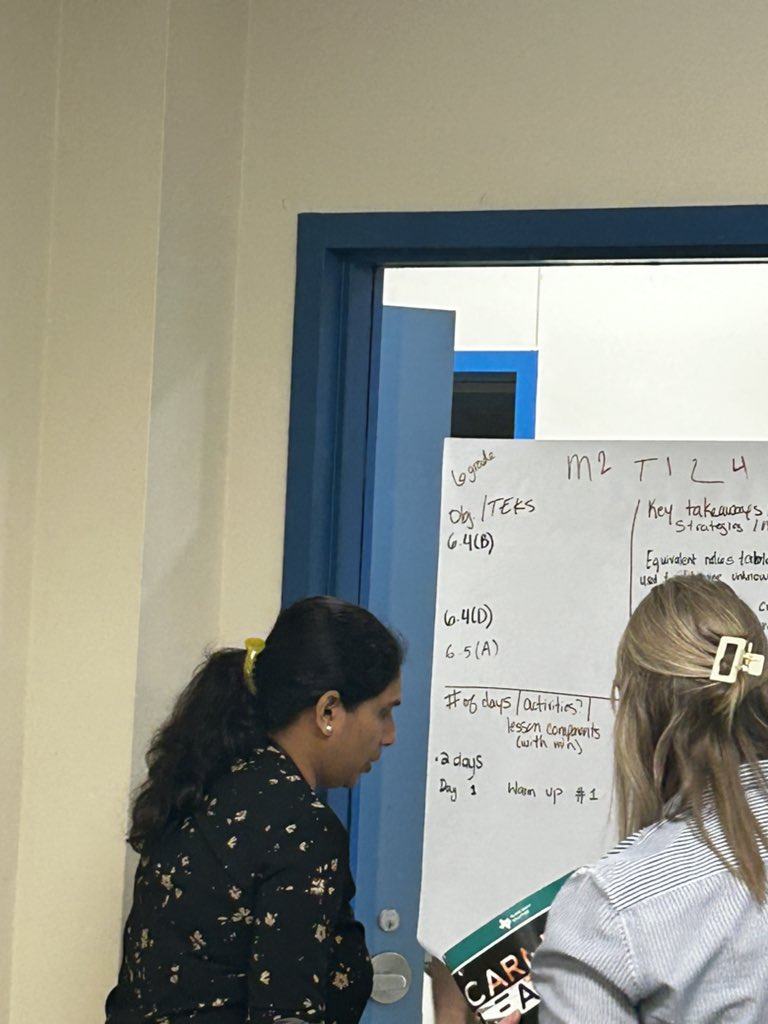
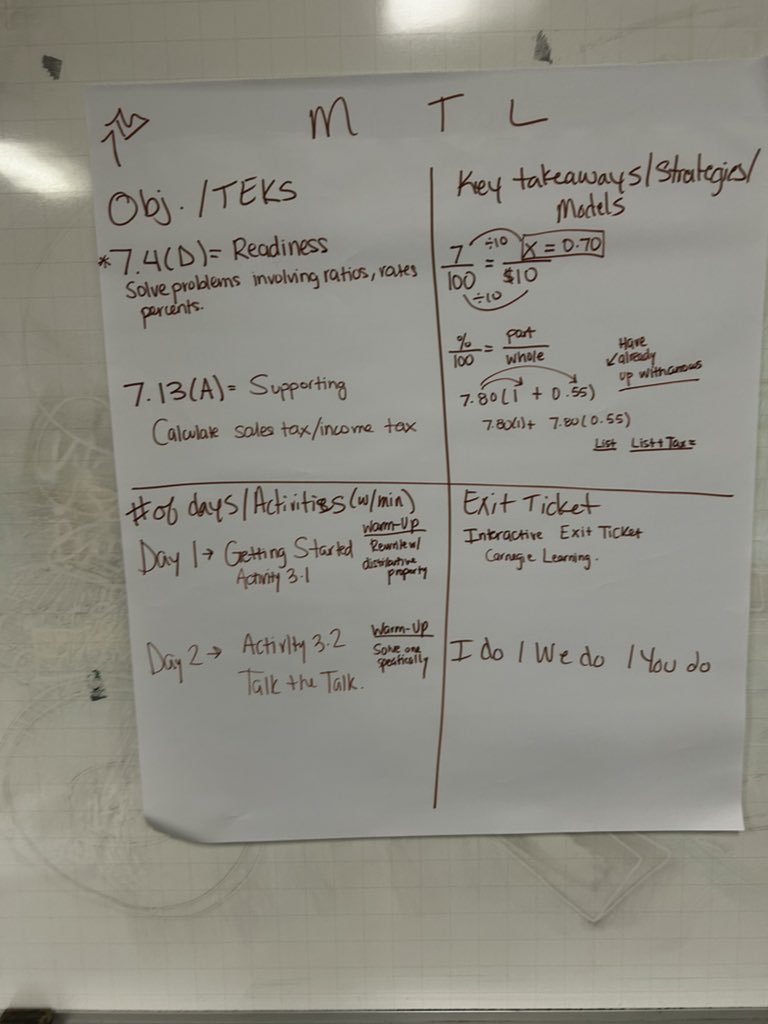
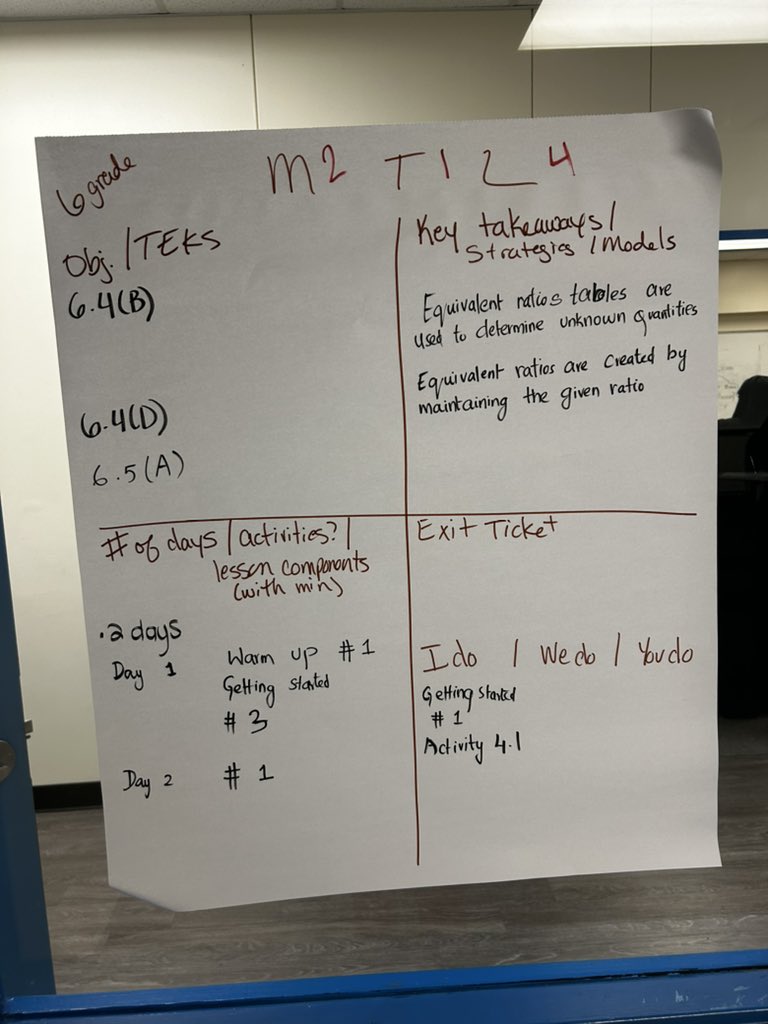
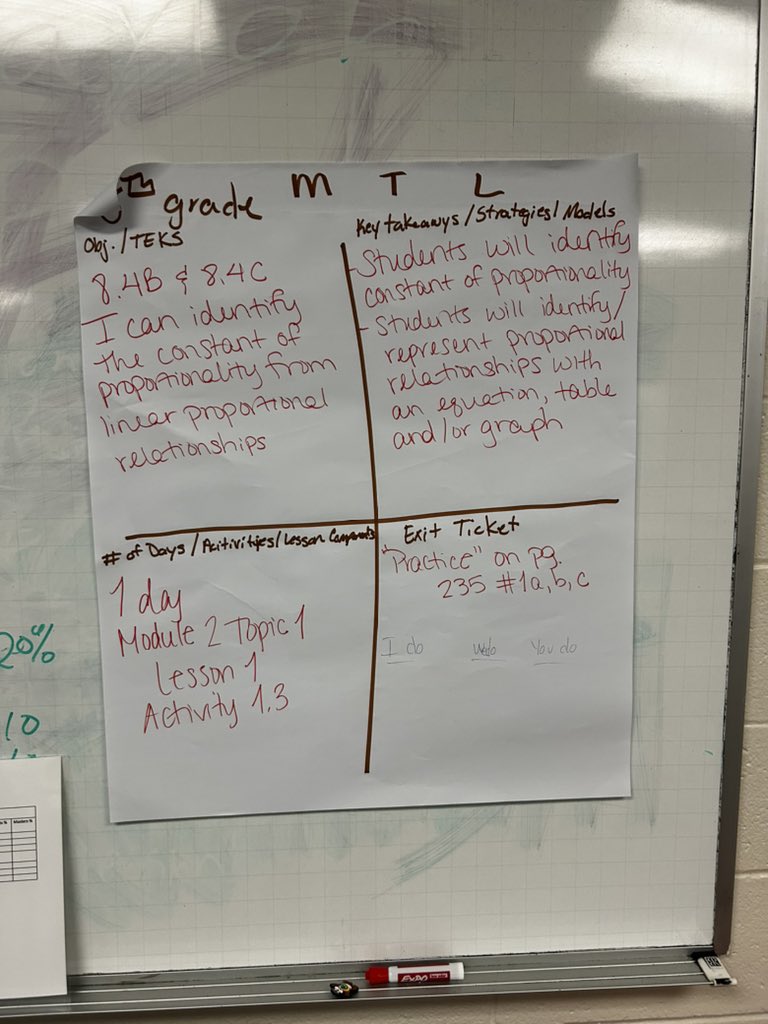
PLC work with TXLS Region IV support @DueittEagles . Our math team is all in on improving student outcomes. #TimetoClimb @NirmolLim @MsTDHarrison1
1
4
302


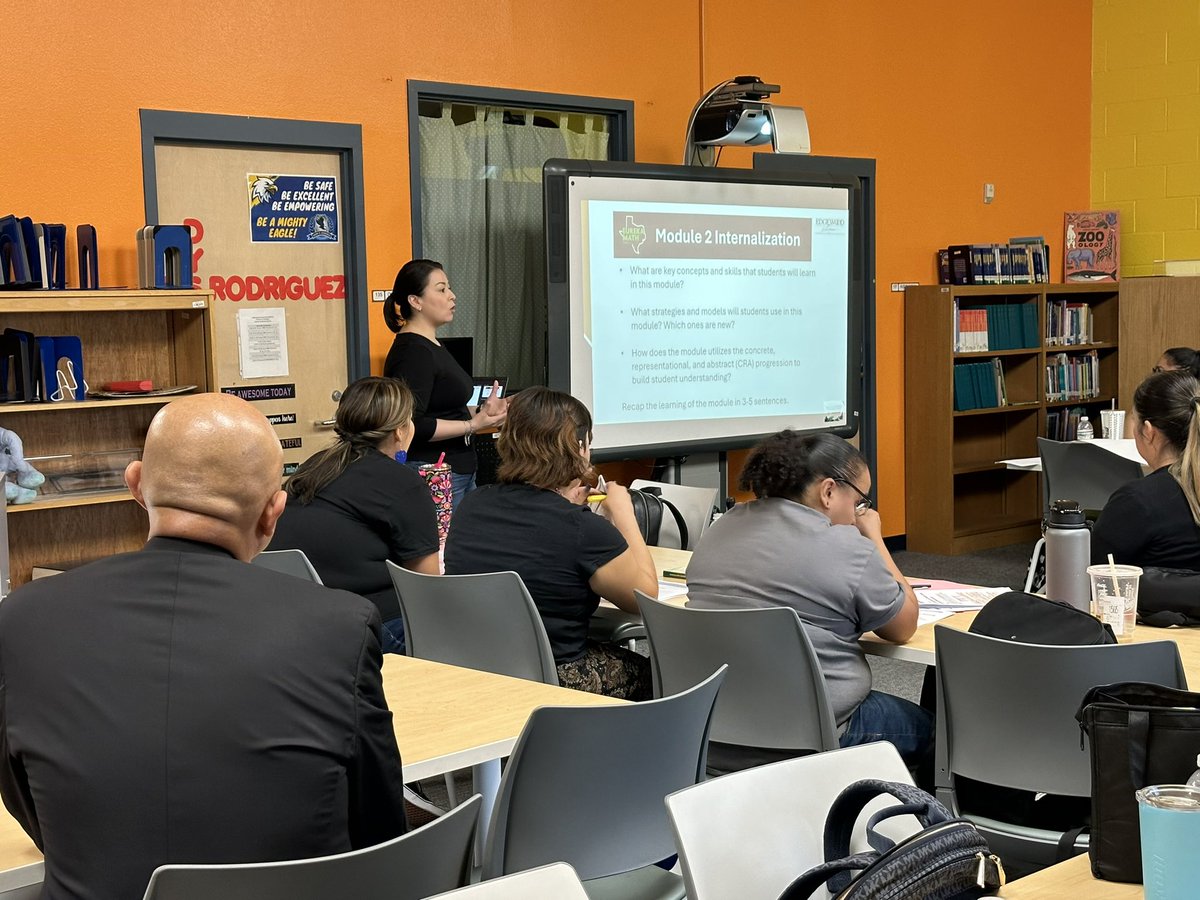
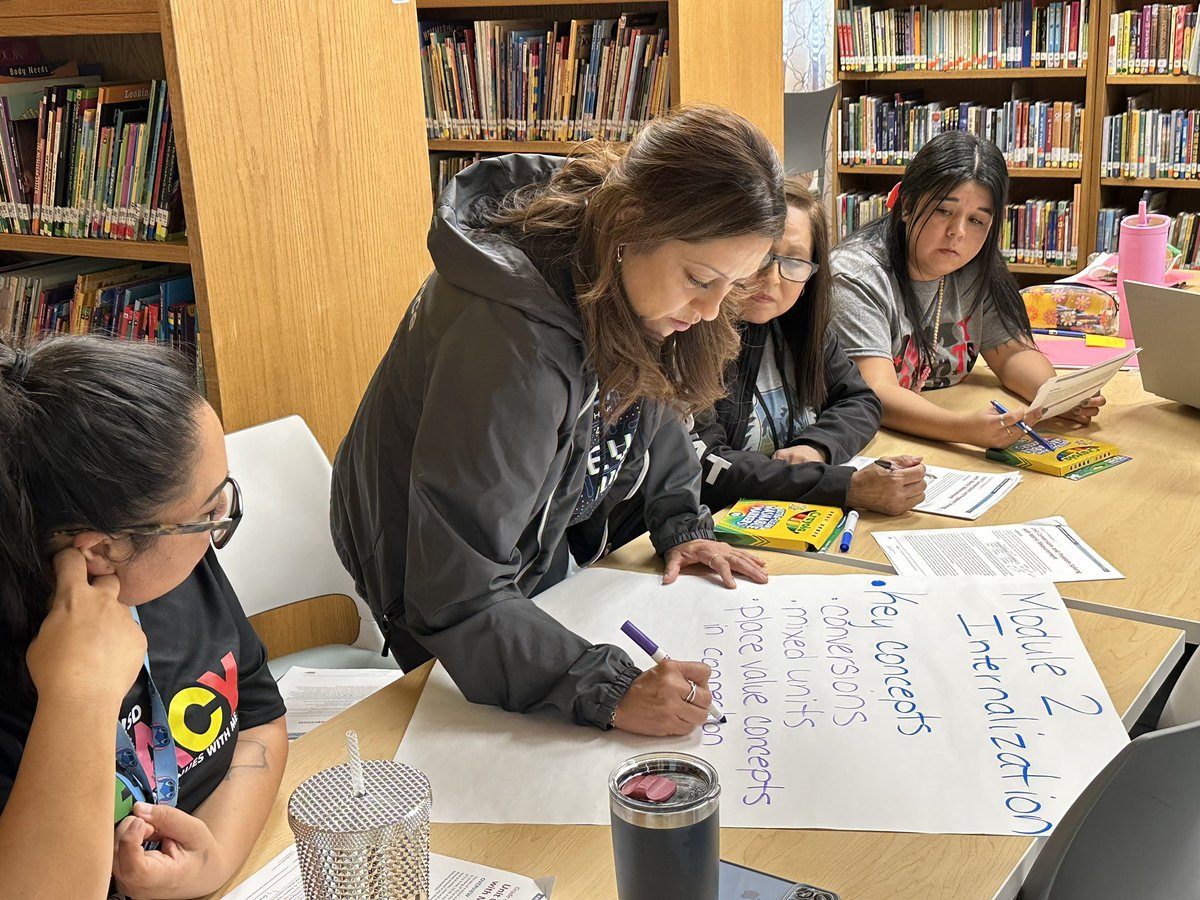
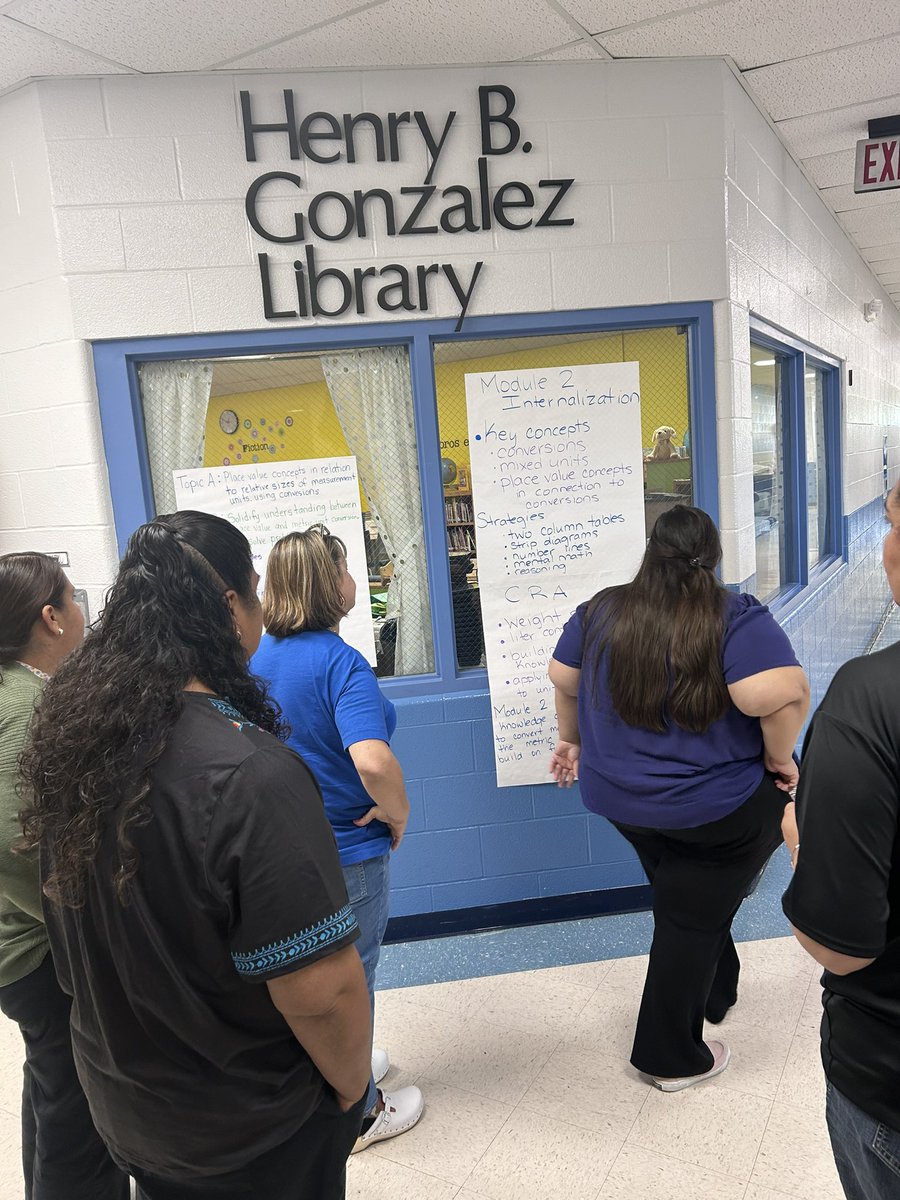
@EISDofSA 4th grade teachers internalized the upcoming @eureka_math module! They are ready for strong Tier 1 instruction! Thank you @DrH_OnTheEdge for your visit! #TXLS

1
8
140
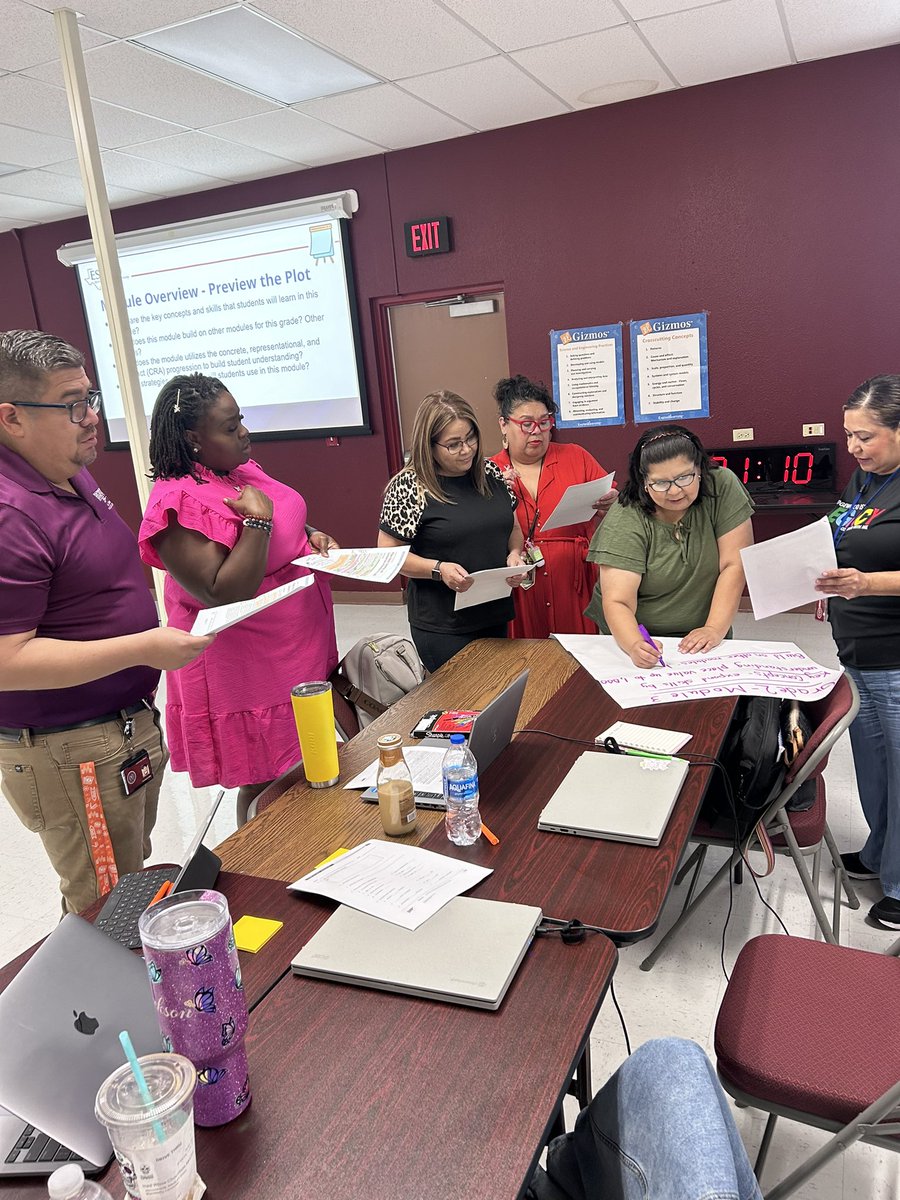
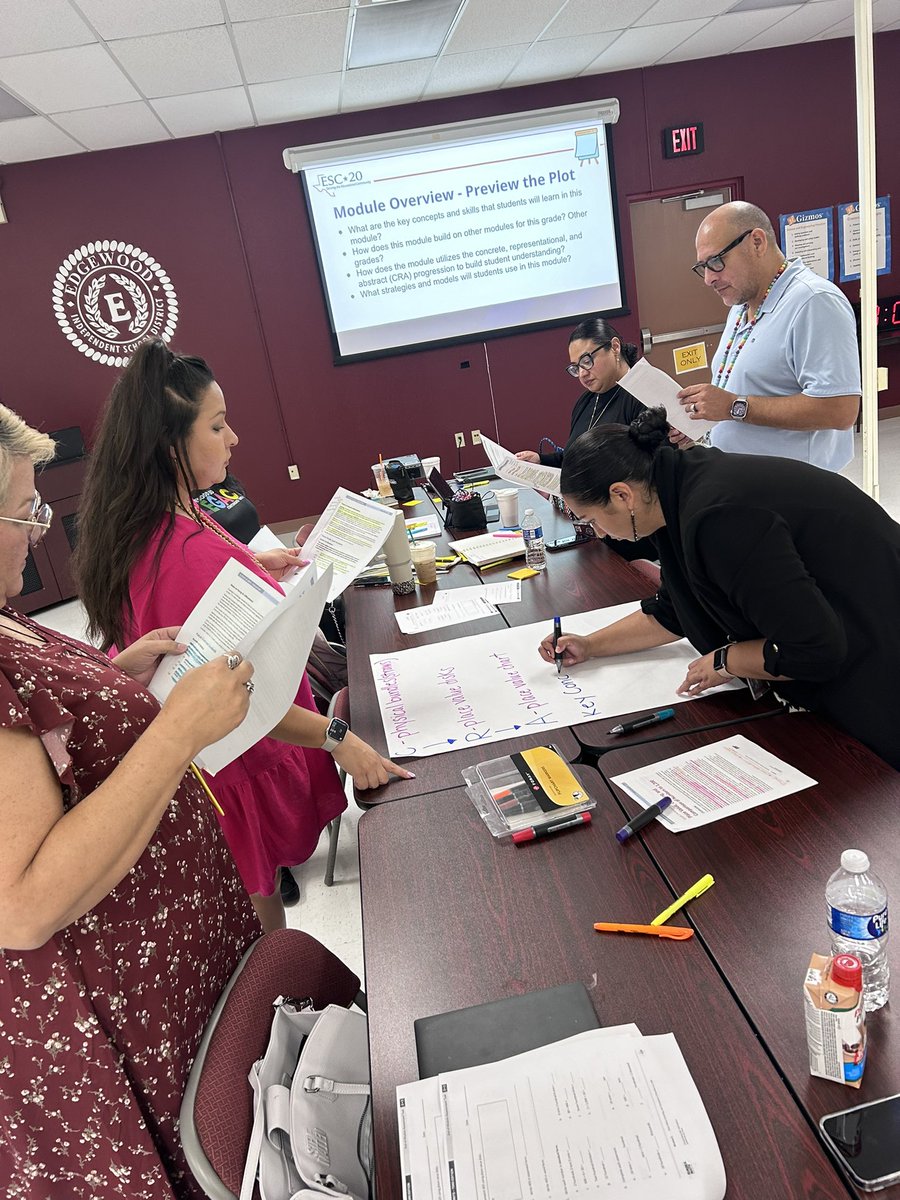
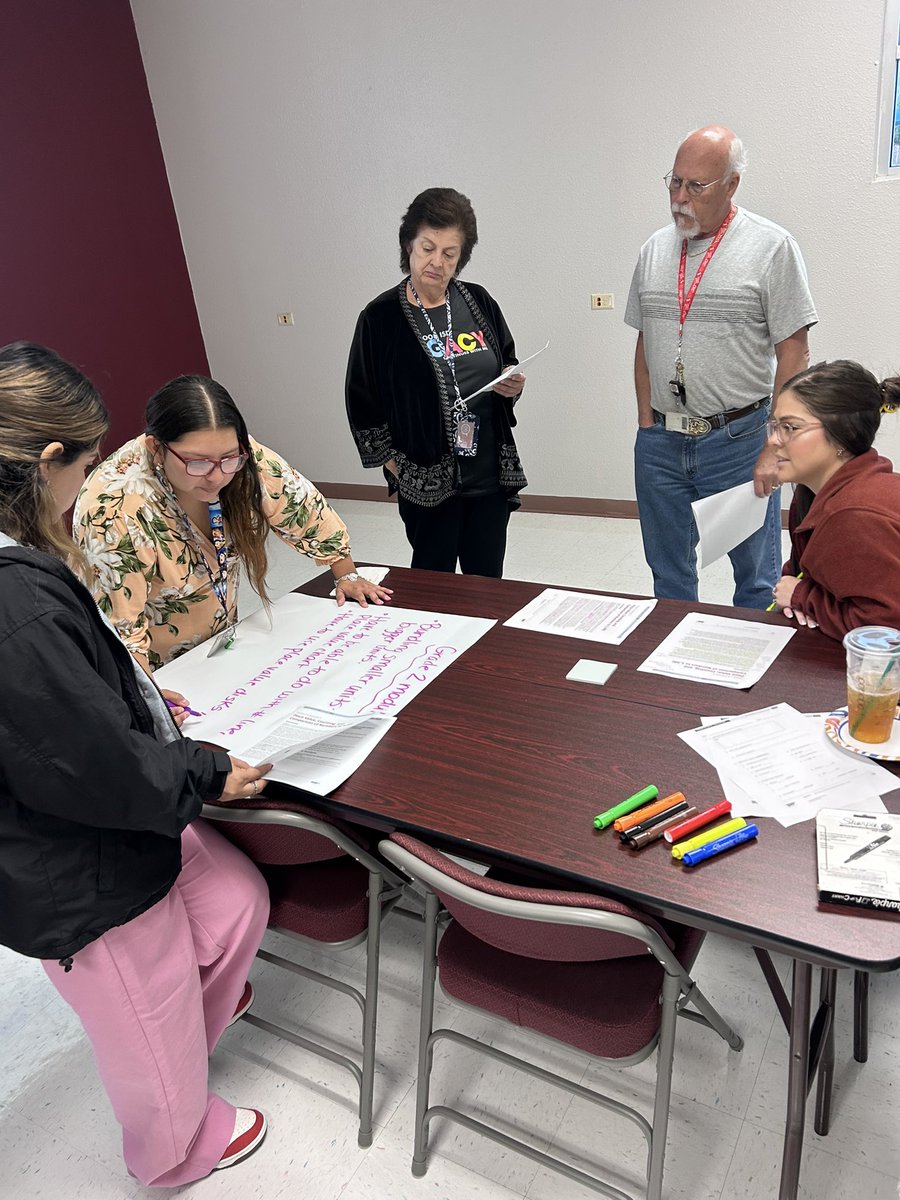
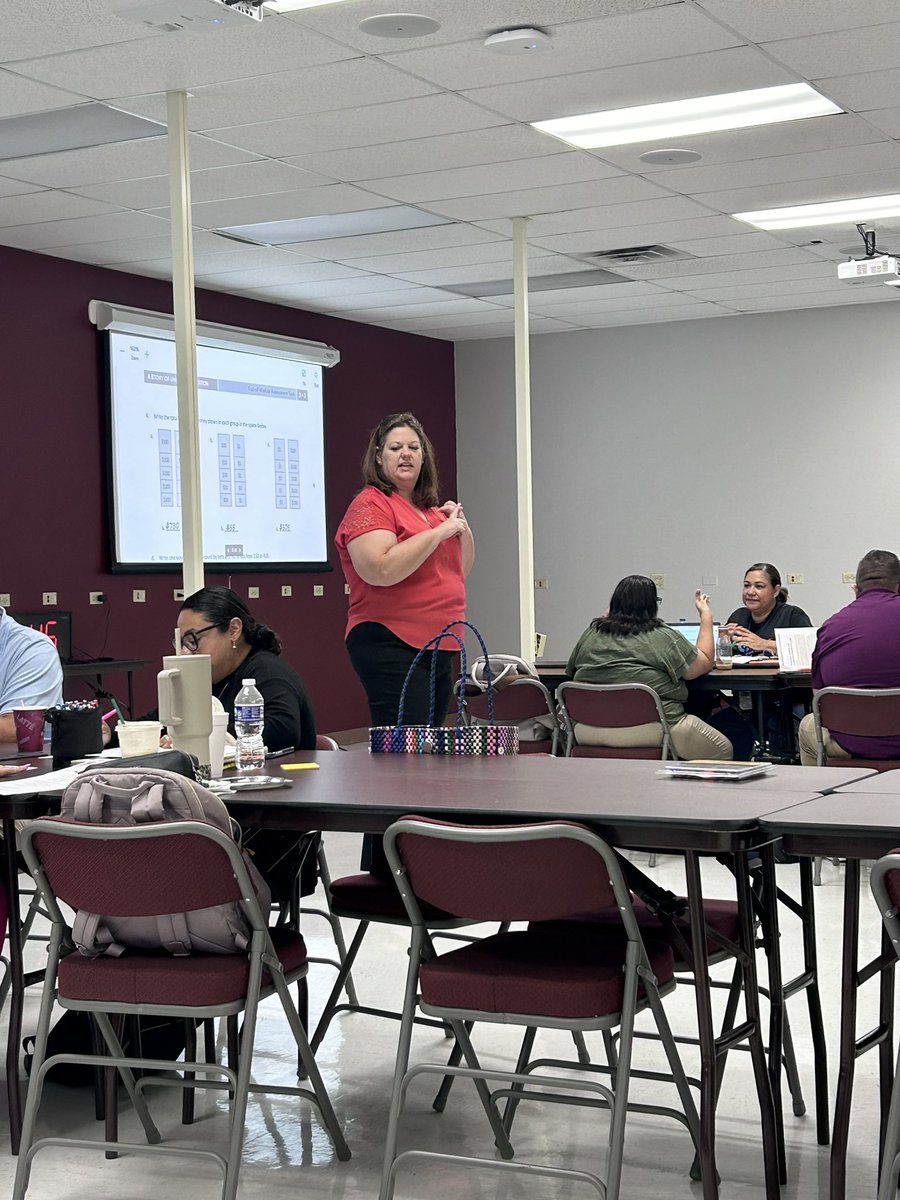
@EISDofSA teachers, ICs and administrators engaged in Texas Lesson Study in preparation for the upcoming @eureka_math module! Our math 🧠 is energized! #TXLS @ESCRegion20
1
5
12
317
Ending the week with our Texas Lesson Study IC check in! Thank you to Krislyn from @ESCRegion20 for your support! Excited for next week’s work! #TXLS

5
15
362

26 Jul 2024
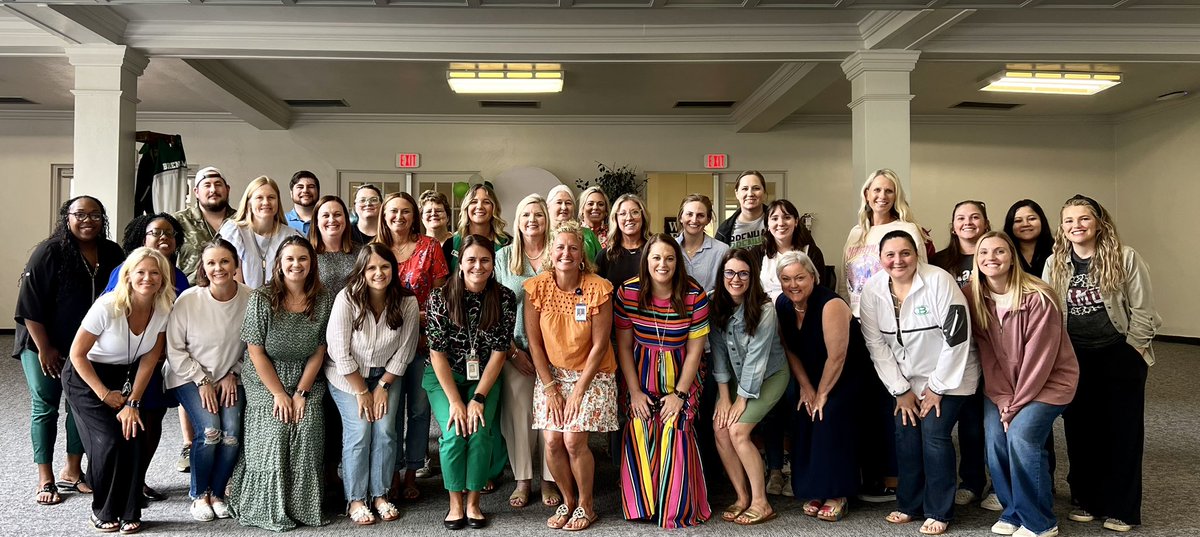
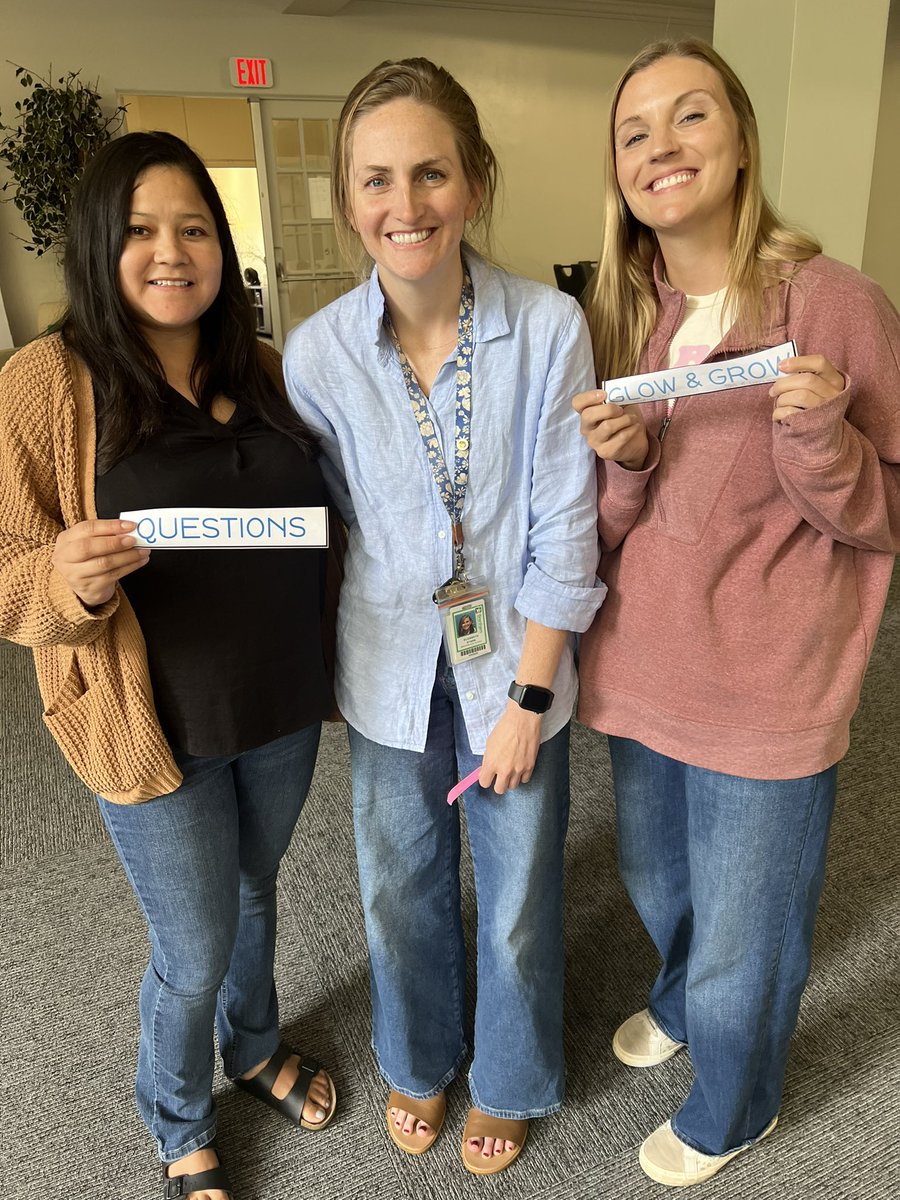
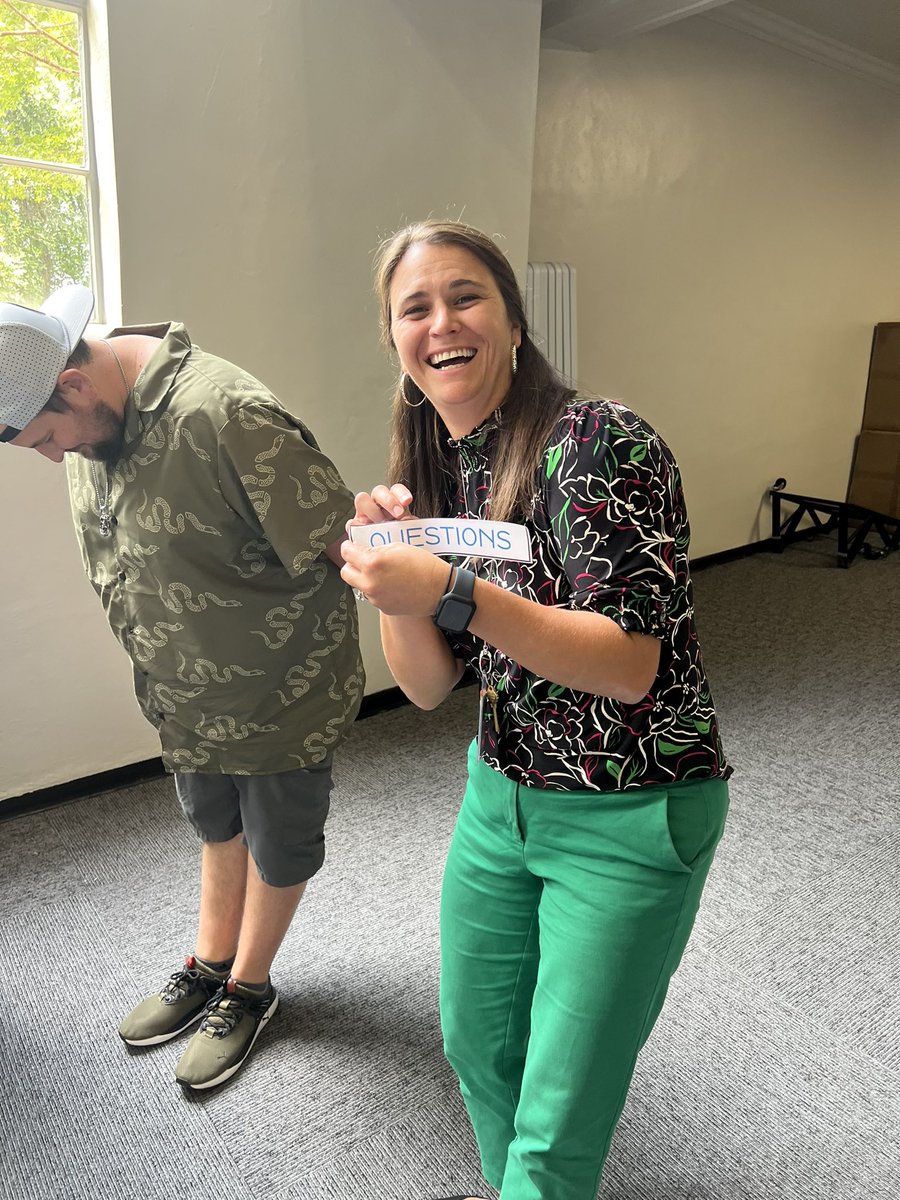
@BrenhamISD kicks off Texas Lesson Study w/ two days with @escregion6 TXLS team. We engaged in Unit Internalization, Lesson Internalization, Student Work and Lesson Rehearsal Protocols. #wearebrenham
3
7
287

4 Jul 2024
In Kenya kwisha, nothing is impossible, a CS under Kenya Kwisha has more than 3 Prado TXLs, each has a fuel card or 400k a month. In the event that a month ends without exhausting the card, the money is milked out and the card is reloaded again. So one CS has 1.3M mileage a month
1
2
718

17 May 2024
El gobierno tiene TXLs blindadas hasta pa botar y el director de una de las cárceles más importantes del país en un carrito de juguete.
6
103

27 Apr 2024
ARC (read BBM) will get his cut, all VP will get their cuts, the rest will be used to buy more V8s, TXLs etc and you’ll see a Tesla soon on the streets of Juba, probably belonging to a son or a daughter or a sugar kid if someone.
And we shall also move on.


2
8
532