
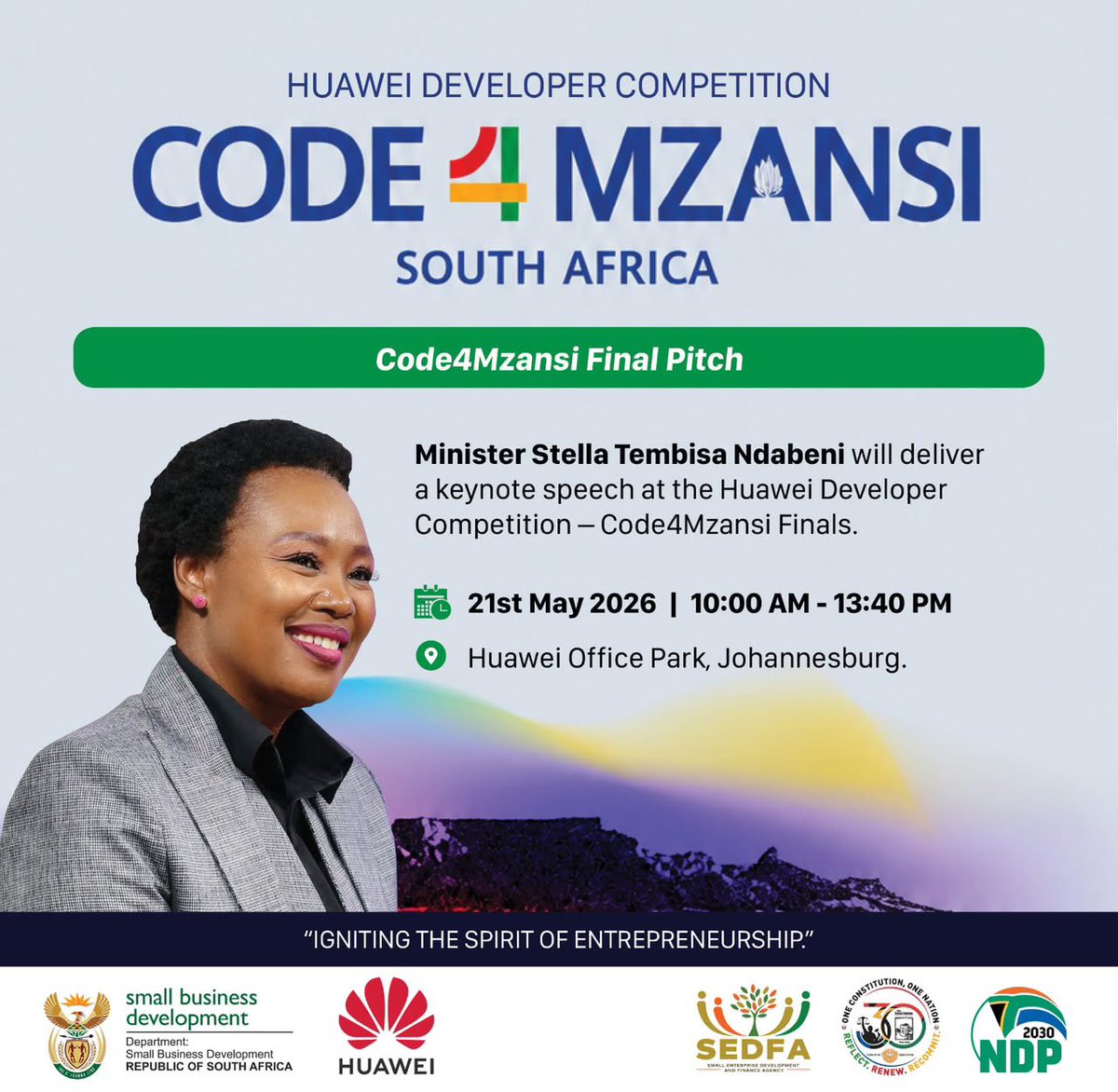
The stage is set for the Huawei Developer Competition – Code4Mzansi Finals 🇿🇦💻
Minister Stella Tembisa Ndabeni will deliver the keynote address during the Huawei Developer Competition.
📅 21 May 2026
🕙 10:00 AM – 13:40 PM
📍 Huawei Office Park, Johannesburg
This will be held under the theme “Innovation meets opportunity. The future is coded in Mzansi.”
#Code4Mzansi #HuaweiDeveloperCompetition #DSBD #SEDFA #SmallBusinessDevelopment #TechInSA #Entrepreneurship #NDP2030
1
2
11
858

Jan 22
AI and healthcare ;
let’s dive into how AI is transforming healthcare diagnostics, making early detection more accessible and accurate than ever before.
No longer confined to high-end hospitals, AI tools are empowering everyday people and medical professionals alike to spot potential health issues quickly, often from the comfort of home or a local clinic.
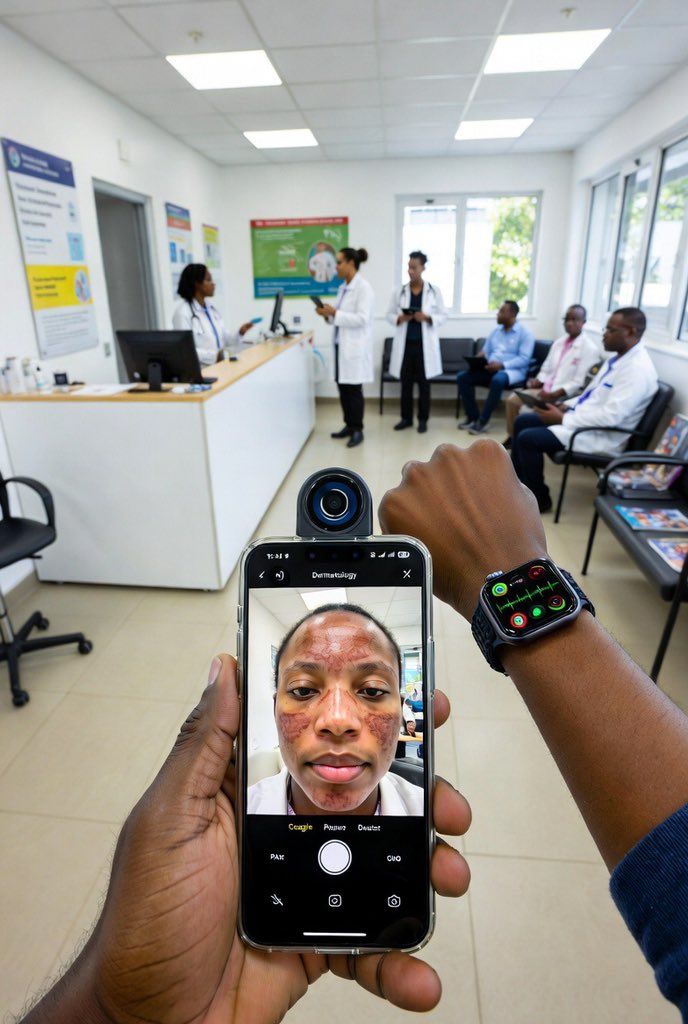
At the core of this revolution are advanced machine learning models that analyze medical images, symptoms, and data patterns with superhuman precision. For instance, apps like Google’s Dermatology Assist or Ada Health use AI to evaluate skin conditions via smartphone cameras.
You snap a photo of a rash or mole, and the algorithm cross-references it against vast databases of verified cases, providing preliminary insights in seconds.
This is particularly game-changing in regions where access to specialists can be limited due to long wait times or travel distances. A real-life example: A teacher might use the SkinVision app, which employs AI to assess melanoma risk. By uploading images and answering a few questions about symptoms, the app flags high-risk spots and recommends consulting a doctor, potentially saving lives through early intervention.
According to reports from the World Health Organization, AI-assisted diagnostics have improved detection rates for conditions like skin cancer by up to 30%, reducing false negatives and easing the burden on overburdened healthcare systems.
But AI goes beyond images—it’s integrating with wearables like the Apple Watch Series 11 or Samsung Galaxy Watch 8, which monitor vital signs in real-time. These devices use AI to detect irregular heart rhythms (atrial fibrillation) or even early signs of respiratory issues by analyzing breathing patterns during sleep. Imagine a construction worker in Pretoria who gets an alert on their watch about unusual heart activity; the AI not only notifies them but also suggests logging symptoms for a telehealth consult via platforms like Teladoc, which uses natural language processing to triage cases efficiently. In South Africa, where non-communicable diseases are on the rise, tools like IBM Watson Health are being piloted in clinics to sift through patient records, predicting risks for diabetes or hypertension based on lifestyle data aggregated from apps and electronic health records. This predictive power stems from deep learning networks trained on millions of anonymized datasets, ensuring privacy while delivering personalized advice—like recommending dietary tweaks or exercise plans tailored to your daily routine.
As we push forward, ethical AI in healthcare emphasizes bias mitigation, with developers incorporating diverse datasets to ensure accuracy across ethnicities and regions. It’s not just tech hype; it’s real-world impact, from rural KwaZulu-Natal screenings to urban Joburg check-ups, democratizing health equity.
How has AI impacted your health monitoring or diagnostics? Share your stories or favorite tools below—let’s discuss! #ThingsAICanDo #AI #Healthcare #Diagnostics #Wearables #TechInSA #Health2026
1
4
50

2 Jul 2025
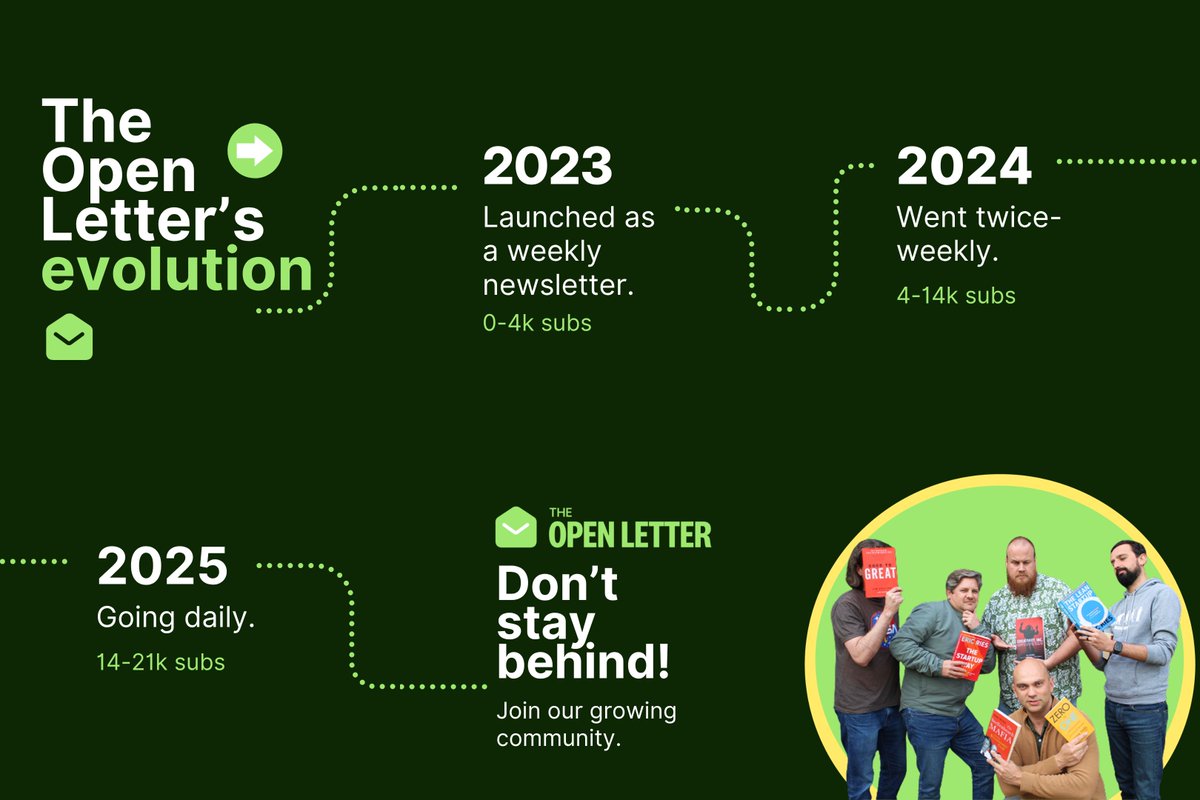
If you’ve missed it… 🚨 The Open Letter is now 5 days a week! 🎉
✔️ More startup insights!
✔️ More SA tech & biz!
✔️ And more memes! 💥
Catch the journey & sign up👇buff.ly/Jjq6CRb
#TheOpenLetter #DailyNewsletter #TechInSA #StartupLife #Innovation #LetsGo
1
2
46

31 Dec 2024
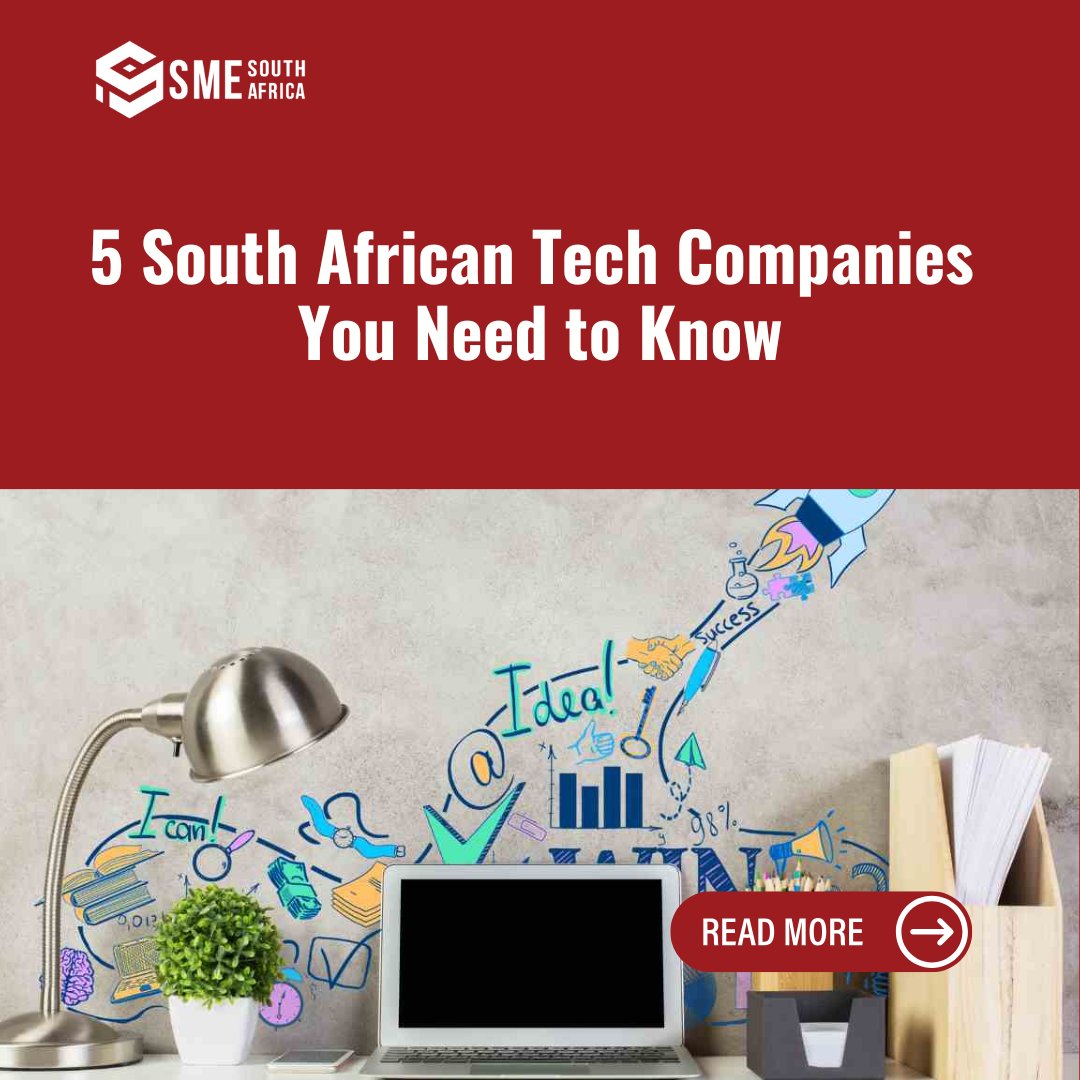
Discover 5 South African tech companies making waves. From mental health solutions to digital tipping and innovative logistics, these businesses are transforming industries with technology.
Read more to learn about their inspiring stories and impact.
smesouthafrica.co.za/5-south…
#TechInSA #Innovation #SouthAfricanStartups #SMESouthAfrica
4
251

18 Sep 2024
How much do Software Developers REALLY make in South Africa? 💰
If you’ve ever wondered whether coding is worth the hustle, here’s the truth: Software developers in South Africa are cashing in BIG! From entry-level to senior positions, the opportunities are endless. 🔥
Ready to level up your skills and dive into this high-paying career? 🚀 Tap the link in our bio to start your coding journey with Zaio today!
#FullStackDev #WebDeveloper #TechCareers #Zaio #LearnToCode #TechInSA #FutureOfTech #SouthAfrica #SoftwareDevelopment
2
204

30 Oct 2019
Enjoying today’s Open House at Plus One Robotics port_san_antonio #techinsa #companyontherise @ West Side, San Antonio instagram.com/p/B4P3u3PHnGJ/…
2

24 Oct 2019
Super keen to see what tonight has in store! #MTNAppOfTheYearAwards #QubitMafia #TechInSA #GeeksAndCreators
1

20 Jun 2019
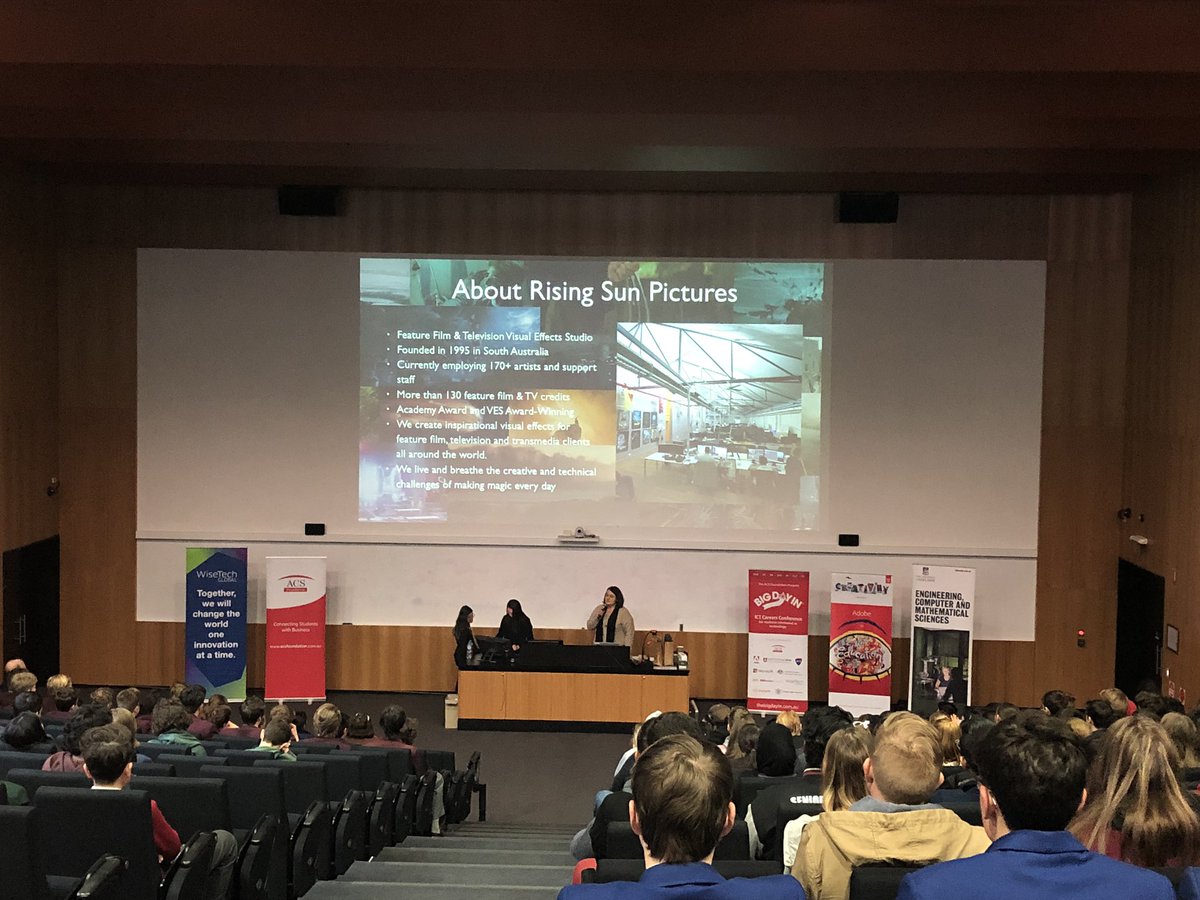
Rising Sun pictures @rspvfx on campus today talking to high school students about how they can work on Hollywood movies right here in South Australia! #BigDayIn #visualeffects #ictjobs #compsci #techinsa #womeninstem #risingsunpictures
1
5

13 Feb 2019
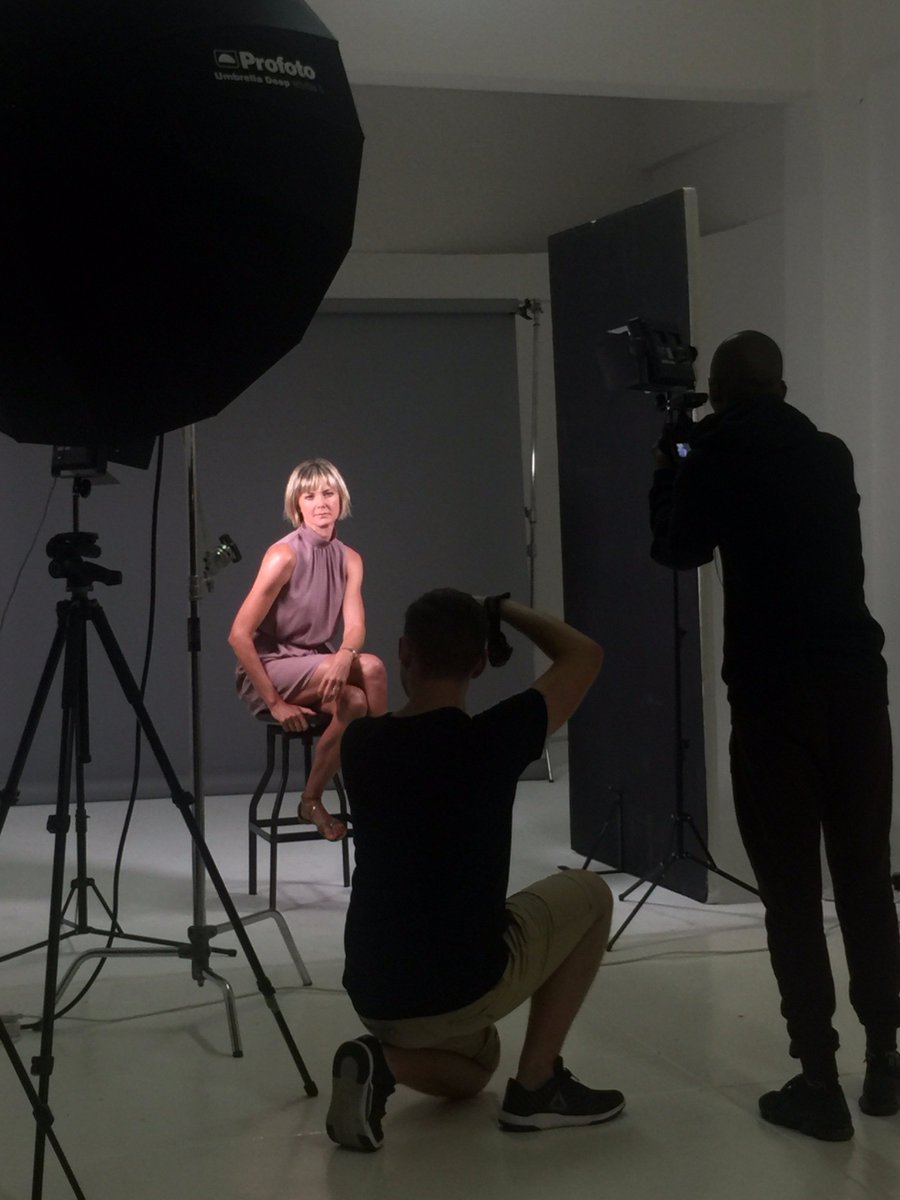
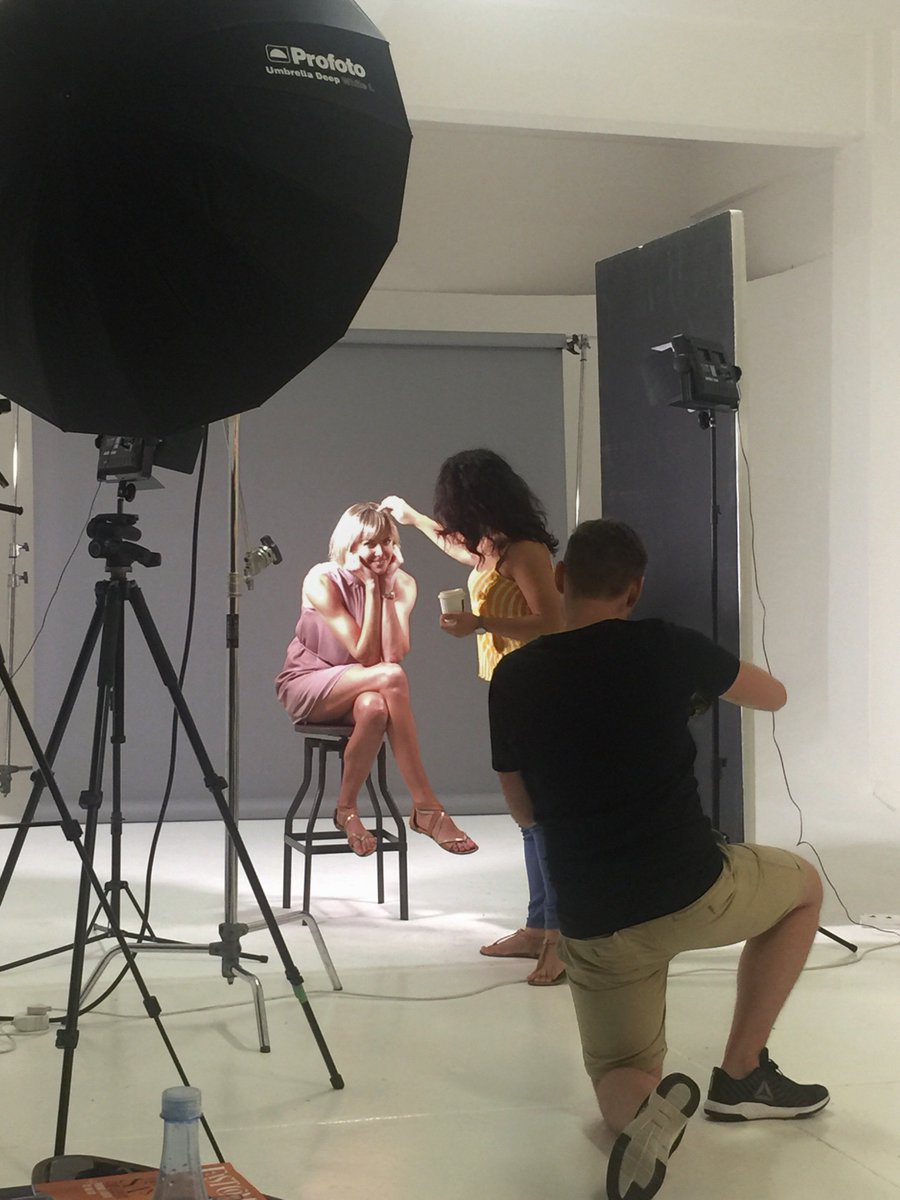
A quick sneak peak at @SibellaKC being photographed for @FastCompanySA by @saarahsurve #techinSA #fastcompanysa #edtech
2
5

21 Nov 2018
#HANSdb @_SouthStart @InvestorShowcaseSA Rose on stage with a brief exploration of what we do and why it's important #immutable #people #privacy #futureeconomy Thanks to #TechInSA @… instagram.com/p/BqbBnTyH4iB/…
3
20 Nov 2018
#SouthStart18 #InvestorShowcaseSA @_SouthStart @SA_ChiefEntrep Presenting #HANSdb today, thanks to #TechInSA We're on after morning tea! @ Adelaide Town Hall instagram.com/p/Bqa2bJlHrx6/…
2
5

20 Aug 2018
1
5

8 Aug 2018
Thanks Dr Judy Halliday at TechInSA for hosting the panel on building high performing teams in South Australia. buff.ly/2M1v0Qr @TechInSA5 #southaustralia @PersonifyCare #personifycare
1

7 Aug 2018
Thanks Dr Judy Halliday at TechInSA for hosting the panel on building high performing teams in South Australia. buff.ly/2M1v0Qr
@TechInSA5 @PersonifyCare #personifycare #southaustralia
1
1
4

2 Aug 2018
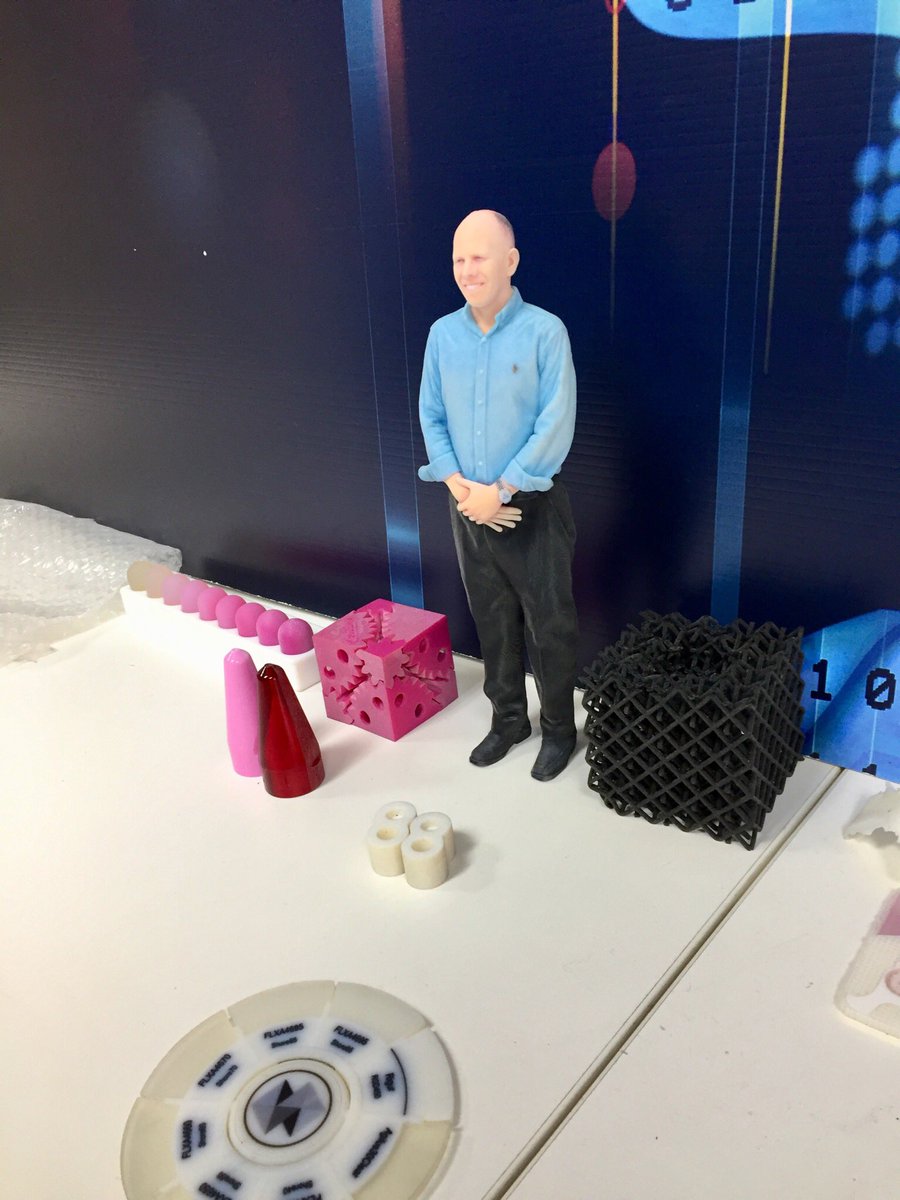
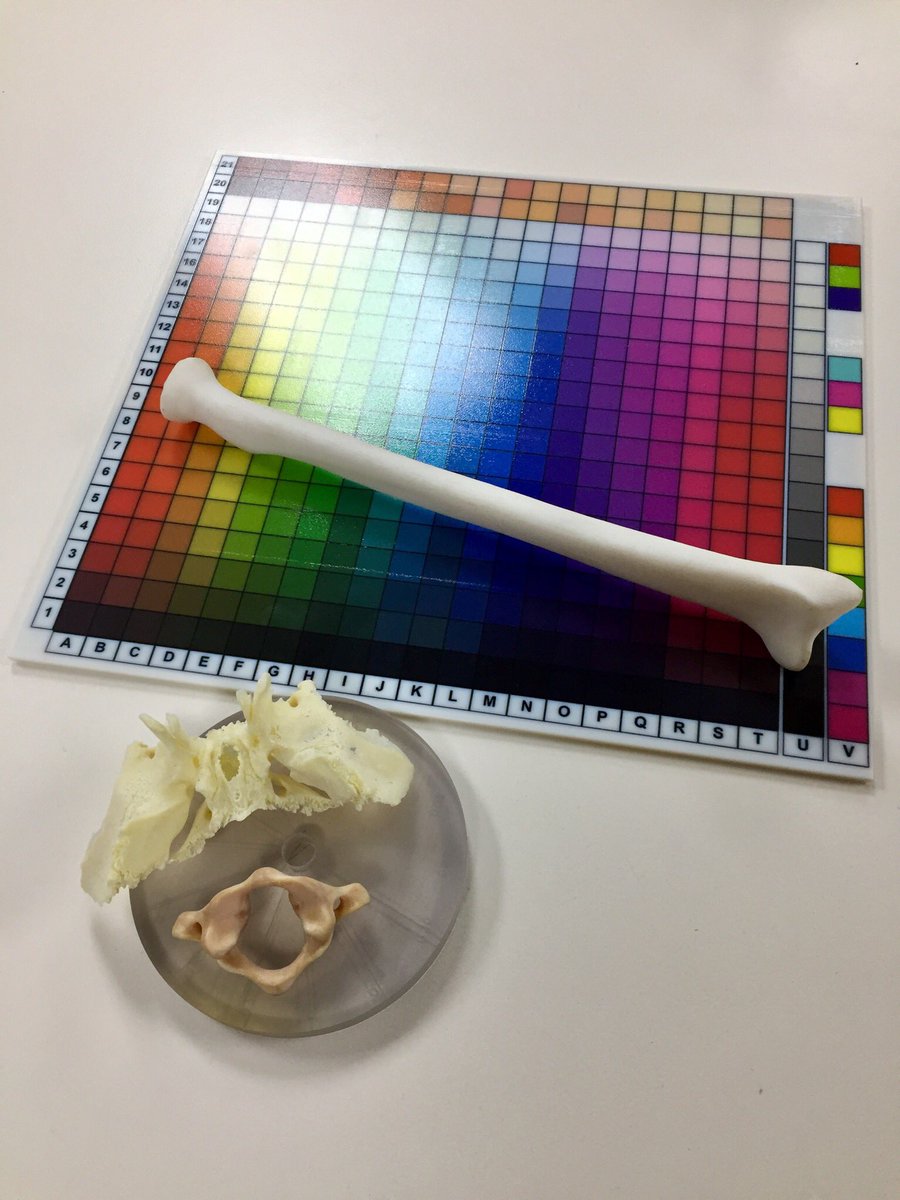
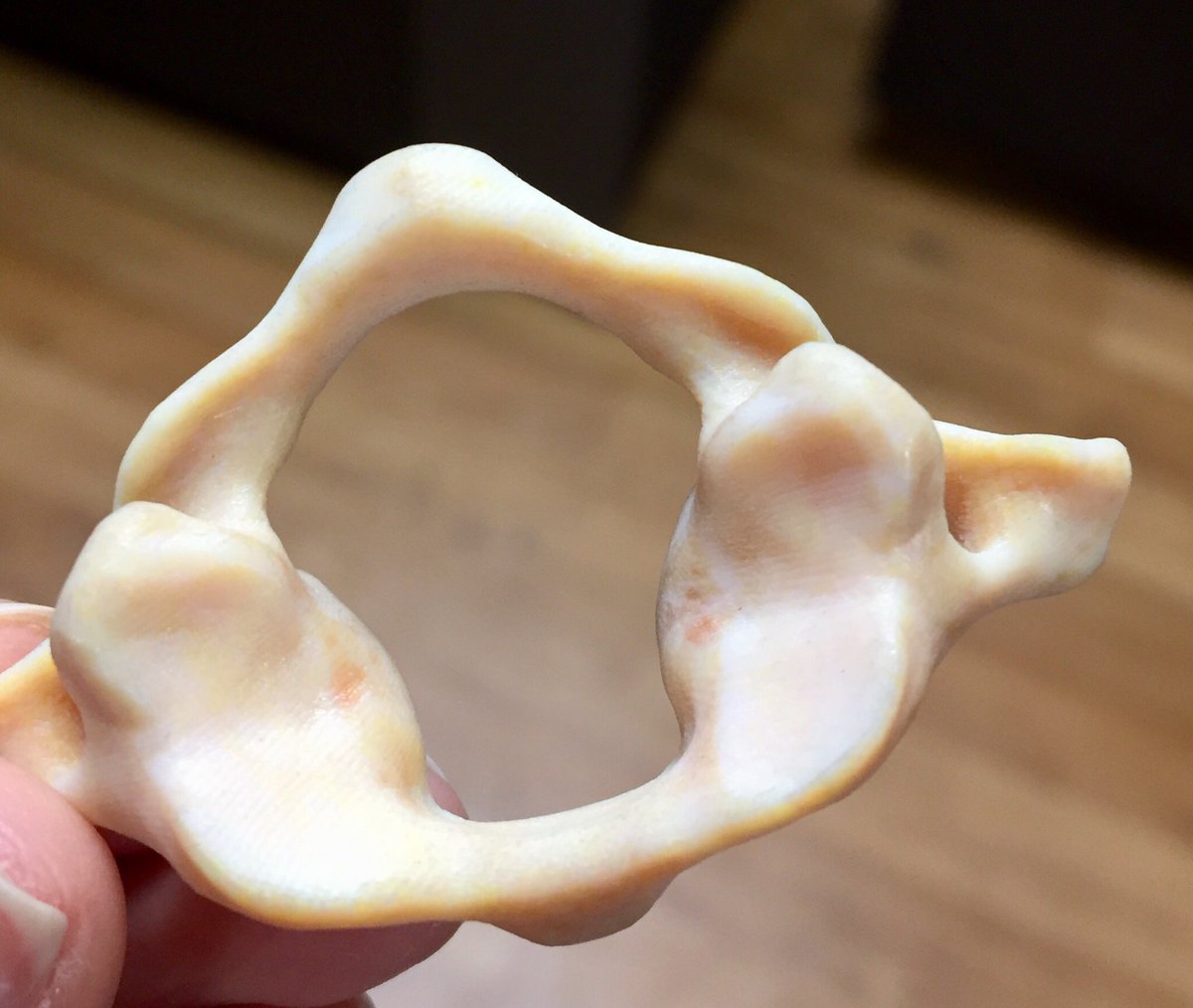
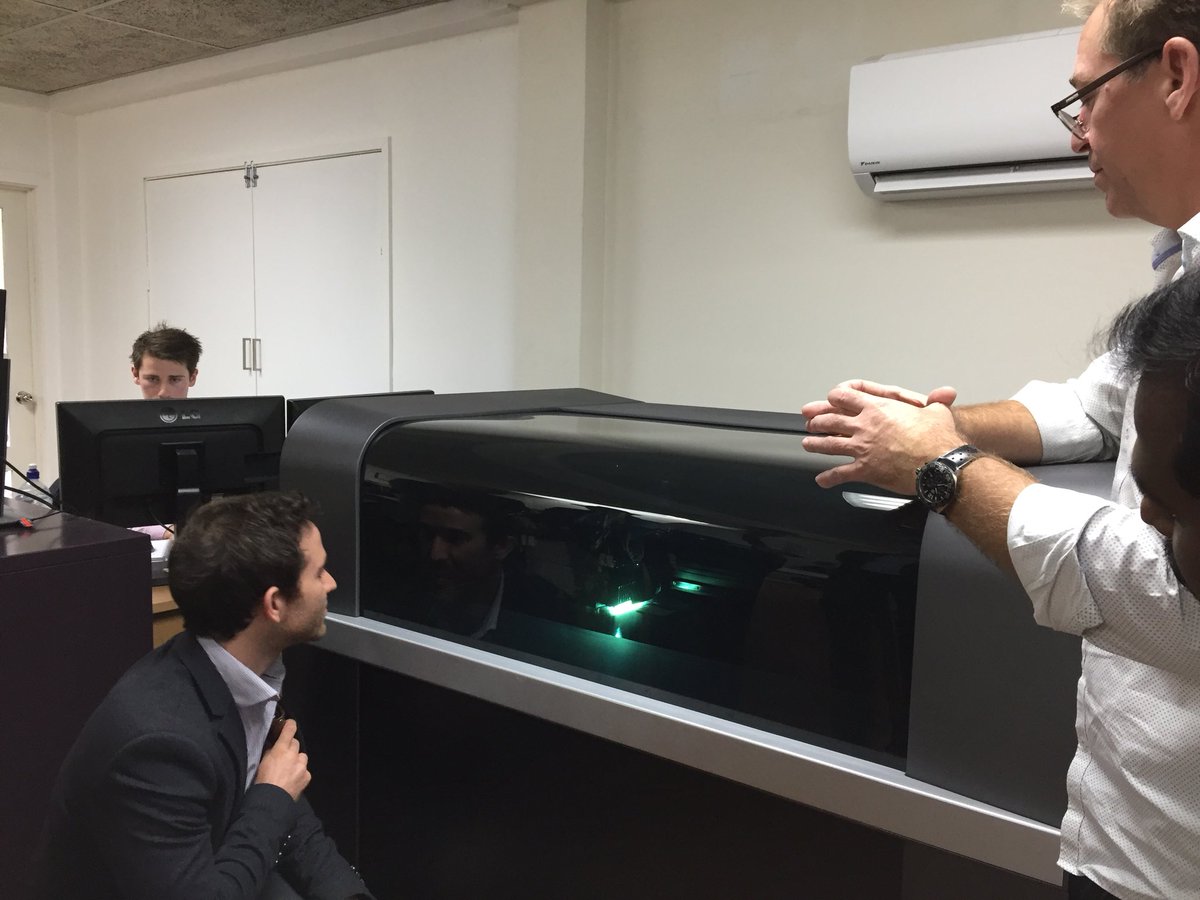
MDPP, HealthInSA & TechInSA touring Fusetec’s 3D printing of organs for surgical training this morning. @TechInSA5 @mdpprogram @HealthindsSA
5
7


18 Jun 2018
Thirst for new sports hydration beverage from #SouthAustralia - PREPD indai.ly/269236 via @indaily #startup #startupaus #TechInSA
1
18 May 2018
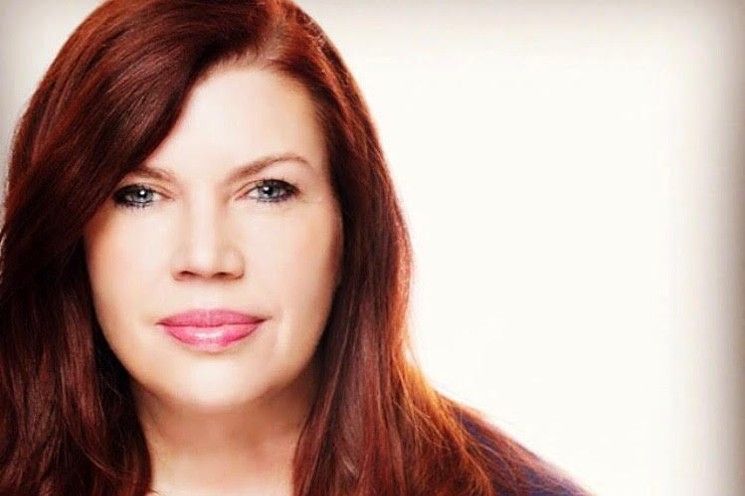
Bec's really looking forward to hearing Heather J MacKenzie speaking at the TechInSA breakfast on Monday. She’s a top healthcare exec and mother, and has her own #metoo story to tell.
buff.ly/2rOBxCA
1
8 May 2018
Ken’s looking forward to sharing and learning about the importance of building strong teams at the upcoming TechInSA Insights seminar tomorrow.
buff.ly/2IlC6gF
4
