
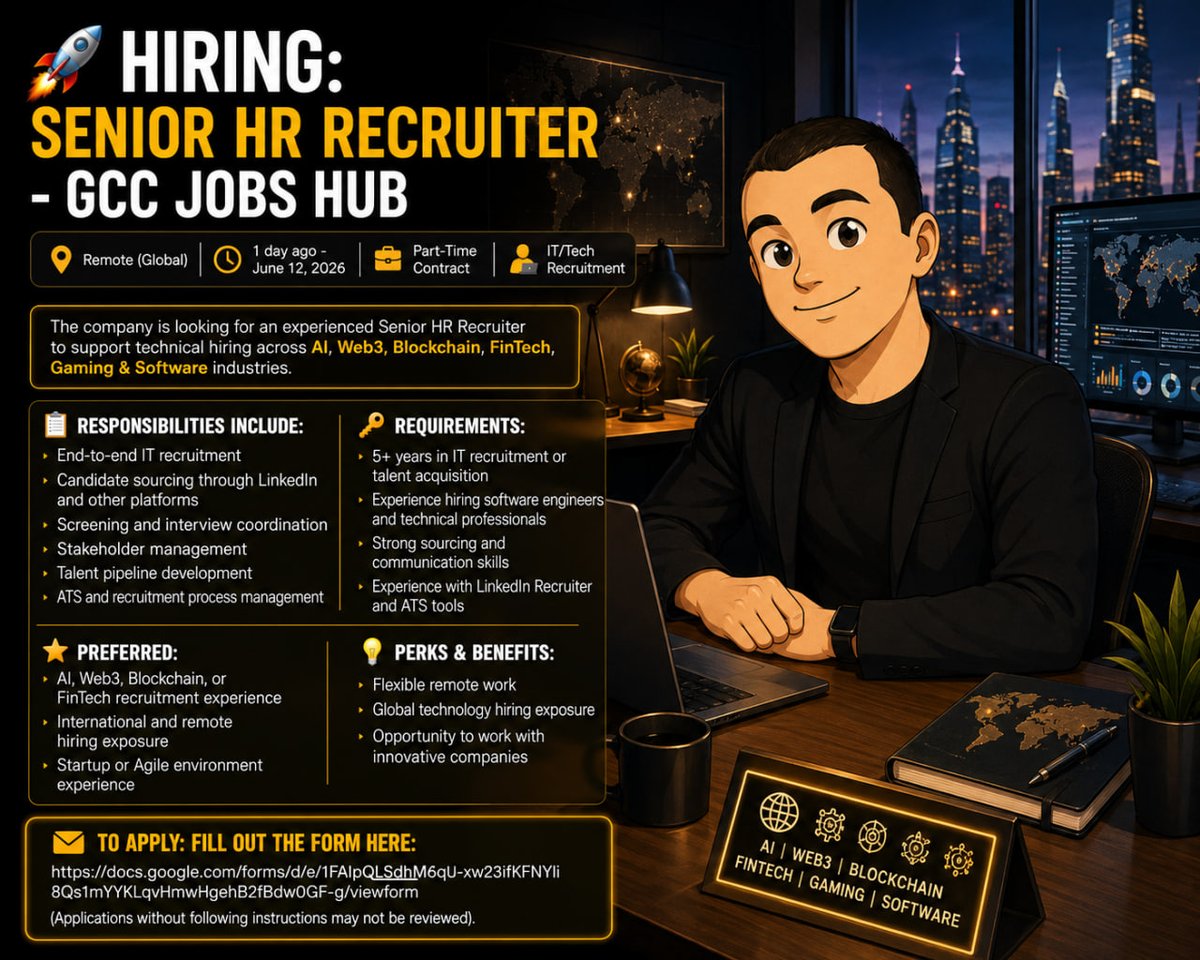
🚀 Hiring: Senior HR Recruiter - GCC Jobs Hub
📍 Remote (Global) | 💼 Part-Time Contract | 🧑💻 Tech Recruitment | 🕐 1 day ago - June 12, 2026
The company is looking for an experienced Senior HR Recruiter to support technical hiring across AI, Web3, Blockchain, FinTech, Gaming & Software industries.
📋 Responsibilities include:
- End-to-end IT recruitment
- Candidate sourcing through LinkedIn and other platforms
- Screening and interview coordination
- Stakeholder management
- Talent pipeline development
- ATS and recruitment process management
🔑 Requirements:
- 5 years in IT recruitment or talent acquisition
- Experience hiring software engineers and technical professionals
- Strong sourcing and communication skills
- Experience with LinkedIn Recruiter and ATS tools
⭐ Preferred:
- AI, Web3, Blockchain, or FinTech recruitment experience
- International and remote hiring exposure
- Startup or Agile environment experience
💡 Perks:
- Flexible remote work
- Global technology hiring exposure
- Opportunity to work with innovative companies
📩 To apply: Fill out the form here: docs.google.com/forms/d/e/1F… (Applications without following instructions may not be reviewed).
🔗 Original post: linkedin.com/posts/gccabrjob…
⚠️ DYOR! I don’t verify every job. If someone asks to run files (even from GitHub) or ask for payment 🚩 likely a scam.
❗️ I'm not hiring myself! I just sharing fresh web3/crypto/blockchain roles DAILY for all levels!
💡 For Interns & juniors → t.me/crypto_vazima_english
💼 Mid/senior jobs → t.me/web3_jobs_crypto_vazima
#SeniorRecruiter #RemoteJobs #HRRecruiter #HiringNow #TechRecruiting #AIJobs #Web3Jobs #BlockchainJobs #TalentAcquisition #FinTech #GamingJobs #SoftwareJobs #Recruitment #RemoteWork #CryptoJobs
1
1
72
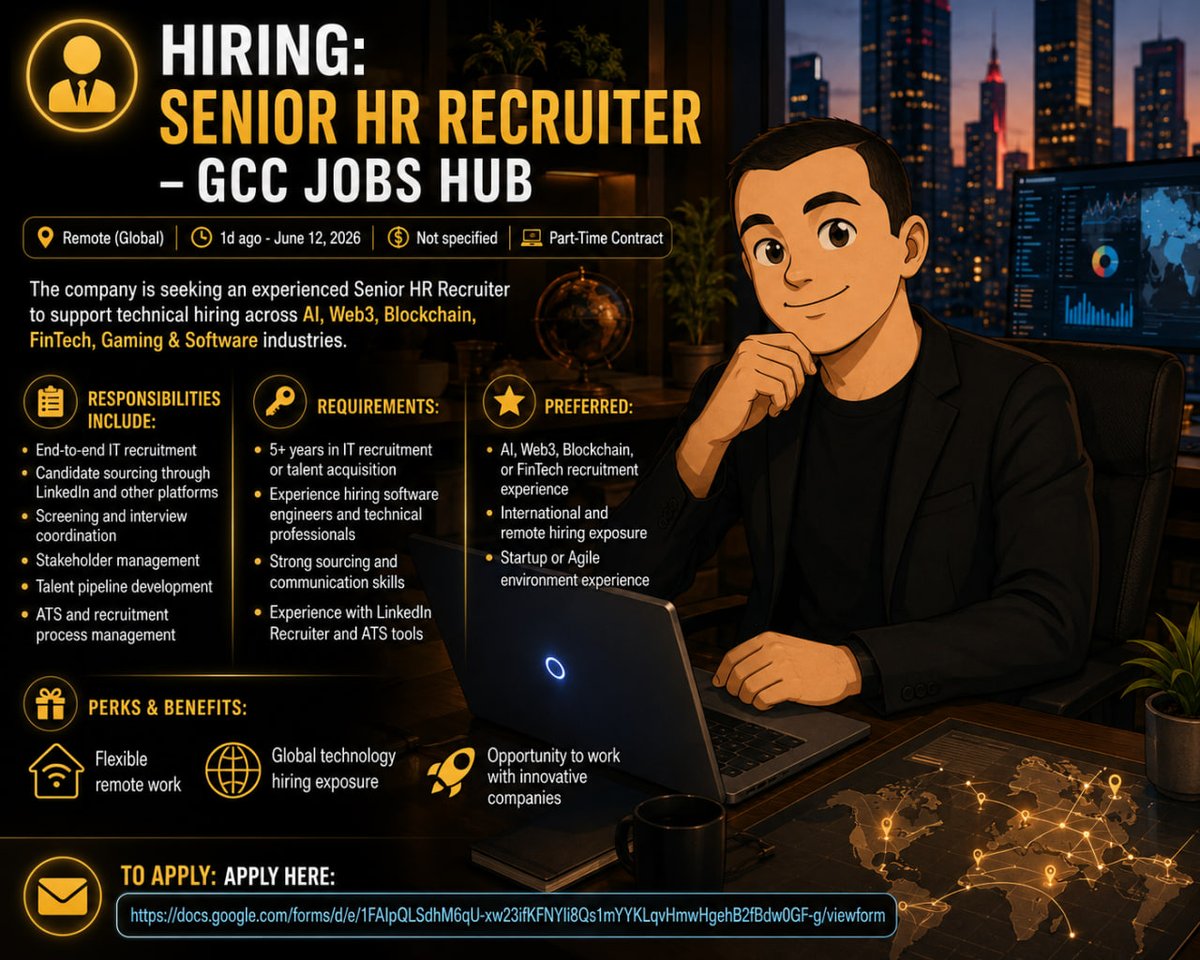
🧑💼 Hiring: Senior HR Recruiter - GCC Jobs Hub
📍 Remote (Global) | 💼 Part-Time Contract | 🧑💻 IT/Tech Hiring | 🕐 1d ago - June 12, 2026
The company is seeking an experienced Senior HR Recruiter to support technical hiring across AI, Web3, Blockchain, FinTech, Gaming & Software industries.
📋 Responsibilities include:
- End-to-end IT recruitment
- Candidate sourcing through LinkedIn and other platforms
- Screening and interview coordination
- Stakeholder management
- Talent pipeline development
- ATS and recruitment process management
🔑 Requirements:
- 5 years in IT recruitment or talent acquisition
- Experience hiring software engineers and technical professionals
- Strong sourcing and communication skills
- Experience with LinkedIn Recruiter and ATS tools
⭐ Preferred:
- AI, Web3, Blockchain, or FinTech recruitment experience
- International and remote hiring exposure
- Startup or Agile environment experience
🌟 Perks & Benefits:
- Flexible remote work
- Global technology hiring exposure
- Opportunity to work with innovative companies
📩 To apply: Apply here: docs.google.com/forms/d/e/1F…
🔗 Original post: linkedin.com/posts/gccabrjob…
⚠️ DYOR! I don’t verify every job. If someone asks to run files (even from GitHub) or ask for payment 🚩 likely a scam.
❗️ I'm not hiring myself! I just sharing fresh web3/crypto/blockchain roles DAILY for all levels!
💡 For Interns & juniors → t.me/crypto_vazima_english
💼 Mid/senior jobs → t.me/web3_jobs_crypto_vazima
#SeniorRecruiter #HRRecruiter #RemoteJobs #TechRecruiting #AIJobs #Web3Jobs #BlockchainJobs #TalentAcquisition #FinTech #GamingJobs #ITRecruitment #HiringNow #RemoteWork
75

Watch how Pradeep goes beyond the resume, mapping rare skill sets, evaluating depth of expertise, and matching the right talent to the right opportunity.
#TechRecruiting #NicheSkills #TeamLeaseDigital #TalentAcquisition #PrecisionHiring #TechTalent #HiringProcess
35

Jun 8
Saiba como criar portefólio tecnológico com projetos, estrutura e prova real de competências para se destacar no mercado tech em Portugal.
#CarreiraTech #Desenvolvimento #Software #TechPortugal #EmpregoTech #Techjobs #Programadores #TechRecruiting
techjobs.pt/blog/como-criar-…
12

Every new hire impacts how a company executes, collaborates and grows.
Strong recruiting is about building teams that improve long term performance, not simply filling open roles.
The right talent creates stronger companies over time.
Learn more at horusrecruiting.com/
#horusrecruiting #techrecruiting
2

Apr 3
Job titles lie. Commit history doesn’t.
Revternal tells you a dev’s real stack, activity, work patterns — from actual behavior, not a resume.
This is what developer intelligence looks like.
#ai #DeveloperData #TechRecruiting #Revternal
2
3
55


Mar 31
Hot take: The best developers aren't browsing job boards—they're at community events. 🚀
AWS Community Day DACH = hundreds of engaged cloud professionals in one place.
Sponsor the event. Support the community. Meet your next hire.
It's that simple.
lckhd.eu/h7g21O
#AWSCommunityDay #TechRecruiting #CloudEngineering #DevCommunity
2
67

CHEATED DEATH 3X, NOW FACING EVICTION
Real moment: The tech recruiting market tested me. Life happened. Now I'm asking for help. 💙
If you can't donate, share, or know of opportunities for someone with a strong recruiting product background—let's connect.
Donate: gofund.me/0e4daaffc
Connect on Linkedin: bit.ly/calvin_patrick
Downlaod resume: bit.ly/Product_ML_Resume
#TechCommunity #OpenToWork #HelpingHands #HelpATechRecruiter #GoFundMe #TechRecruiting #JobSearch #HiringNow
@GoFundMe
@gofundmethreads
@GoFundMeHeroes
@GoFundMeIE
@MutualAidHub
@MutualAid
@UpsshotNYT
@Friends
@SupportiveOrgs
@TechRecruiter
@RecruitingLife
@AllTechJobs
@TechJobsDaily
@RecruiterNation
2
2
4
41

🔌 Tech Concept Explained: WebSockets
Are you still hitting the refresh button to see new messages or stock prices?
💡 What it means:
It is a communication protocol that creates a persistent, two-way open connection between the user's browser and the server. Unlike standard HTTP requests, the connection stays open so data can flow back and forth instantly without repeated requests.
Why it matters:
🛡️ Eliminates the need for clients to constantly poll the server to check for new data.
🚀 Delivers real-time updates with extremely low latency for live experiences.
🔒 Reduces server overhead by removing the need to send HTTP headers with every single message.
Real-world example:
Standard web traffic is like exchanging letters; you send a letter, wait, get a reply, and the interaction ends. WebSockets are like a phone call where you pick up the line once and can speak and listen simultaneously for hours without hanging up.
Common strategies/types:
• Heartbeat mechanisms send ping/pong frames to keep the connection alive during silence.
• Auto-reconnection logic automatically restores the link if the internet cuts out momentarily.
• Channels or Rooms segregate traffic so users only receive messages relevant to them.
• Fallback to Long Polling ensures functionality on restricted networks that block WebSockets.
♻️ What real-time app have you built using WebSockets, and what challenges did you face?
#WebSockets #RealTime #FullStack #NodeJS #TechRecruiting

🔗 Tech Concept Explained: Dependency injection
Do you hard-code your dependencies, or do you let your code stay flexible and testable?
💡 What it means:
It is a design pattern where objects receive the other objects they depend on from an external source rather than creating them internally. This separates the creation of objects from their usage, making the system loosely coupled.
Why it matters:
🛡️ Makes unit testing significantly easier by allowing you to swap real services with mock objects.
🚀 Increases flexibility so you can change implementations without rewriting your core logic.
🔒 Promotes cleaner code architecture by reducing tight coupling between classes.
Real-world example:
Imagine you are a gamer trying to play a video game. If the console had the controller glued to it, you would be forced to use that specific controller forever. Dependency injection is like a USB port that lets you plug in a standard controller, a racing wheel, or a joystick depending on what you need at that moment.
Common strategies/types:
• Constructor Injection provides dependencies through the class constructor at initialization.
• Setter Injection provides dependencies through public property setter methods.
• Interface Injection uses an interface to supply the dependency to the client.
• Service Locator Pattern uses a central registry to look up dependencies on demand.
Mastering DI lets you build modular, testable systems that adapt to change without massive rewrites.
♻️ Which DI approach has saved you the most refactoring time?
#DependencyInjection #CleanArchitecture #SoftwareDesign #DevOps #TechLeadership
2
98

Jan 28
Hiring managers: if you're still posting "rockstar developer needed" or "looking for a coding ninja," you've already lost the top 20% of talent.
Here's what actually works:
❌ "RockstarFullStack Developer"
✅ "Senior Full-Stack Engineer | React/Node.js | Building Healthcare Platform"
❌ "Seeking passionate team player"
✅ "You'll ship features impacting 2M users within your first month"
❌ "Competitive salary"
✅ "$140K-$165K equity, transparent bands"
The best developers aren't looking for vague hype. They're looking for:
👉Specific tech stack (is it interesting?)
👉Real impact (does the work matter?)
👉Clear compensation (respect their time)
I've seen job post language changes alone increase qualified applicant flow by 40%.
Want the complete job posting framework? Full breakdown on my LinkedIn. 🔗
#TechRecruiting #HiringManager
2
2
216

Jan 28
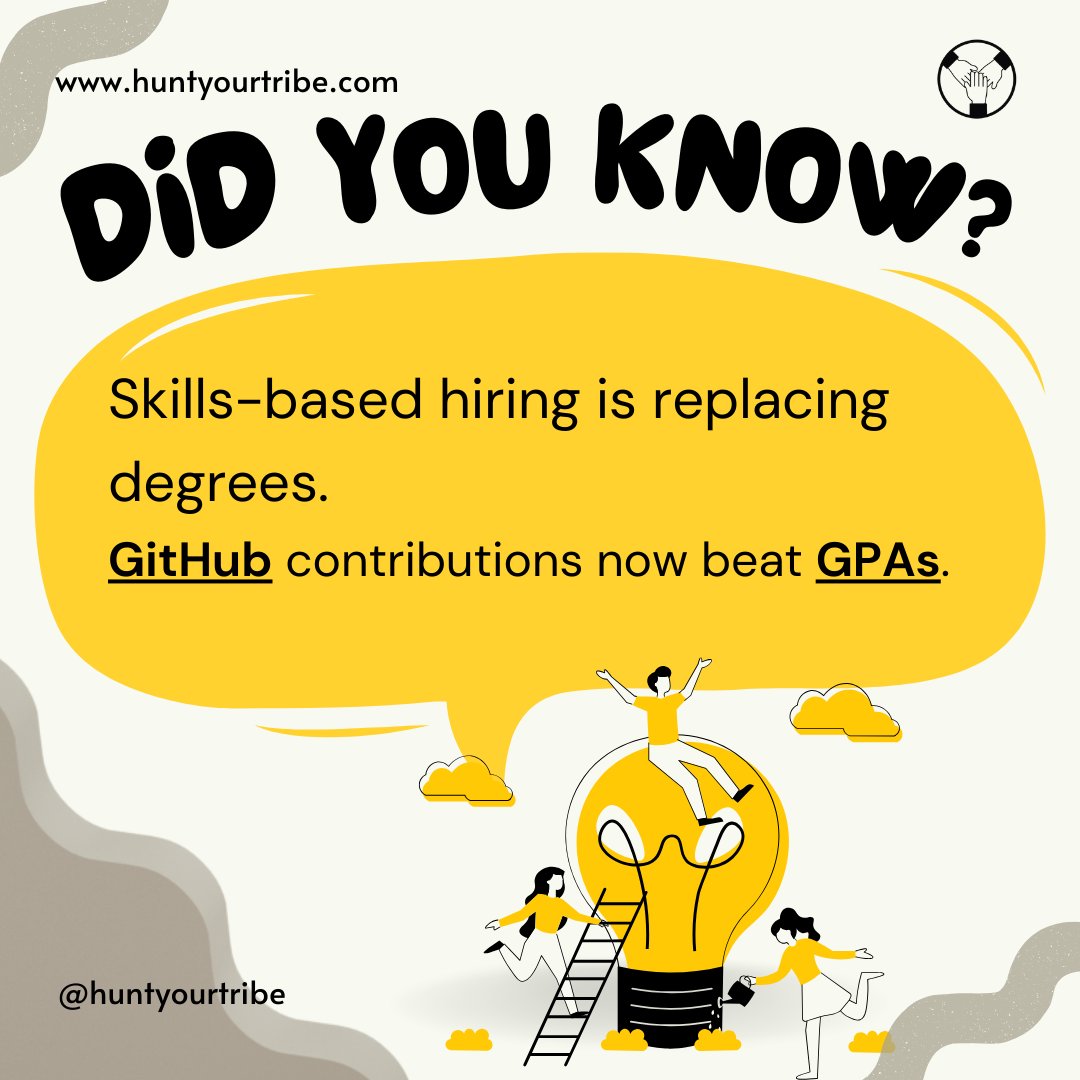
For devs:
your commits > your diploma
In 2026, recruiters are ditching outdated proxies like college transcripts for real proof :
code repos,
project portfolios,
verifiable skills.
#SkillsBasedHiring #NoDegreeNeeded #GitHub #TechRecruiting #FutureOfWork #HuntYourTribe
4
1
5
2,351

17 Dec 2025
Hiring senior Laravel developers? Stop winging it 🎯
We've built a structured framework with standardized questions, clear evaluation criteria, and Behaviorally Anchored Rating Scales!
Check it out 👉 distantjob.com/interview-que…
#Laravel #TechRecruiting #SoftwareDevelopment
1
1
90

30 Nov 2025
JOB ALERT!!!
HIRING Senior Sales Sourcer – TRM Labs (Fully Remote)
Location: Remote (Global)
Salary: Not Listed
Job Type: Full-Time
Schedule: Minimum 4-hour overlap with PST
ROLE OF THE JOB:
* Lead top-of-funnel sourcing strategy for global Sales & Business Development roles
* Build proactive pipelines and engage senior GTM talent across competitive markets
* Run high-quality, personalized outreach campaigns (20% response rate expectations)
* Map competitors, provide market intelligence, and elevate hiring strategy
* Partner closely with hiring leaders to refine role requirements
* Move quickly and adapt to evolving priorities in a high-velocity environment
Requirements:
* 3 years sourcing in high-growth, US-based tech startups
* Proven ability to source hard-to-find GTM talent
* Strong analytical and pipeline-tracking skills
* Excellent communication, curiosity, and resilience
* Ability to work remotely with at least 4-hour PST overlap
Apply Now: [motlai.com/senior-sales-sour…
Repost and tag someone who excels at sourcing elite GTM talent!
SalesSourcer RemoteJobs TechRecruiting TRMLabs
1
6
17
3,689

10 Nov 2025
Just got my 12th job rejection email this week guys. Starting to rethink if 4 years of non-stop coding was even worth it. Just feels like an endless loop of no's.
full story: bit.ly/48Zh1EF
#SoftwareEngineering #DevJobs #GoJobs #CareerAdvice #TechRecruiting
1
2
17

5 Nov 2025
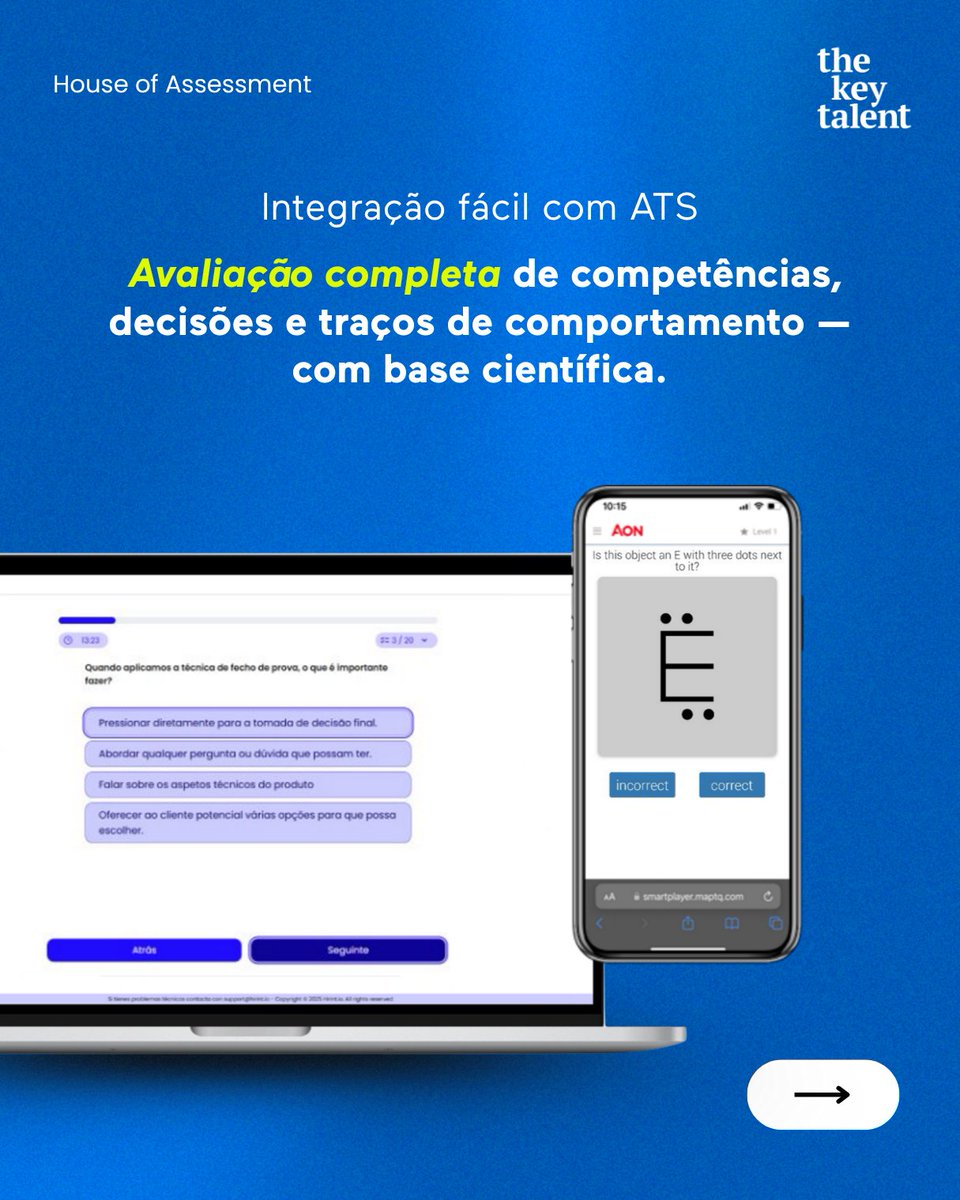
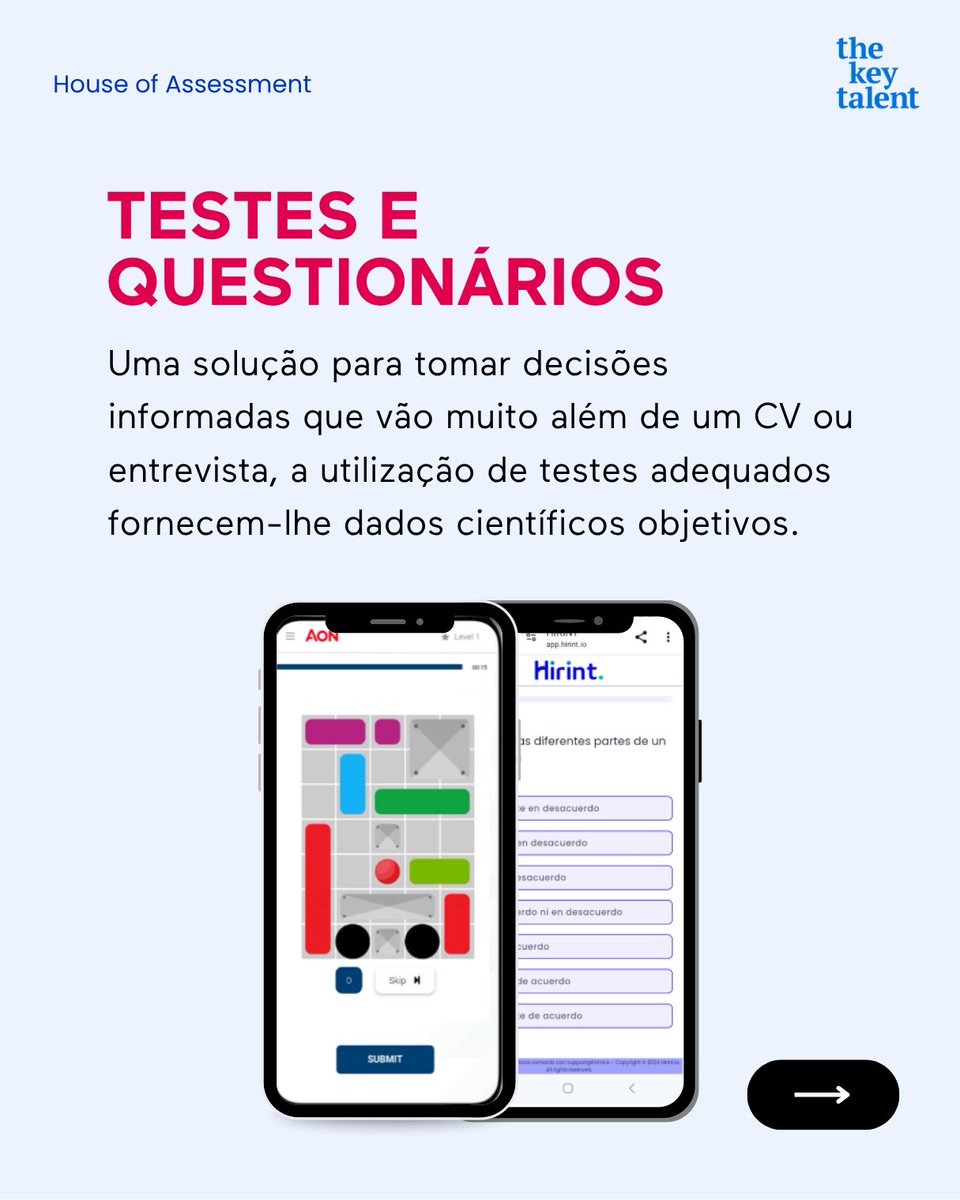
⚖️ Questionários de personalidade, testes de lógica, business cases e muito mais. Tudo no nosso marketplace.
Recrutar com ciência ✅ ow.ly/YmeU50Xmnxv
#RH #TechRecruiting #MarketplaceRH


2
2
17
8 Oct 2025
I rewrote a client's senior dev job post. Applications jumped 400% in 3 days. The only change? Describing the problem, not the person.
Original: "Senior Java developer, 8 years exp, Spring Boot, microservices, AWS..."
New: "Help us rebuild our monolith into microservices handling 5,000 transactions/second"
Engineers want challenges, not checklists.
#TechRecruiting
2
54

1 Oct 2025
☕️☎️Busy, BUSY week in #TechRecruiting!
If you’re going thru a layoff or looking for something impact / has meaning, DM me. @Oracle
I have access to almost 200 roles in Crypto / Web3 / #Fintech / Bitcoin & Digital Design.
Would love to give you the BEST POSSIBLE candidate experience on the market.
PS : I’ve made over 500 placements by myself in the last 8 years alone. 😇
#hiring #remote #globalworkforce #futurefocused #talentfirst

1
1
221

9 Sep 2025
🔎 Looking to connect with passionate, highly-skilled Android developers?
@Droidconit 2025 is where your next hires and your future team will be.
By sponsoring the most established Android conference in Italy, you get:
✅ Direct access to the largest Android developer community in the country
✅ Real conversations with engineers, team leads & indie devs
✅ A space to show off your tech, culture, and open roles
✅ A chance to stand out as a company that truly supports the Android ecosystem
🤝🏻 Sponsor info → it.droidcon.com/2025/join-us…
🎯 Whether you’re hiring now or building awareness for the future, Droidcon Italy is where the talent is.
📍Turin — November 19–20, 2025
#DroidconItaly #AndroidDev #TechHiring #MobileDevelopment #DeveloperBranding #DevCommunity #AndroidEcosystem #Droidcon2025 #TechEvents #TeamBuilding #TechRecruiting

1
5
239

Hiring Nearshore Developers? This Free Resource Is a Game-Changer.
Before your next interview, ask yourself:
- Are you asking the right questions?
- Are you evaluating for cultural fit and technical skill?
- Are you confident in your nearshore hiring process?
Bydrec’s FREE Nearshore Interview Checklist helps you hire smarter, faster, and with confidence.
Download it now and stop second-guessing your interviews: hubs.ly/Q03Hc44j0
Whether you're scaling your dev team or just starting nearshore hiring, this checklist is your must-have guide.
Stop scrolling. Start hiring right.
#Bydrec #NearshoreHiring #DeveloperInterviews #TechRecruiting #RemoteTeams #FreeDownload
1
4
40